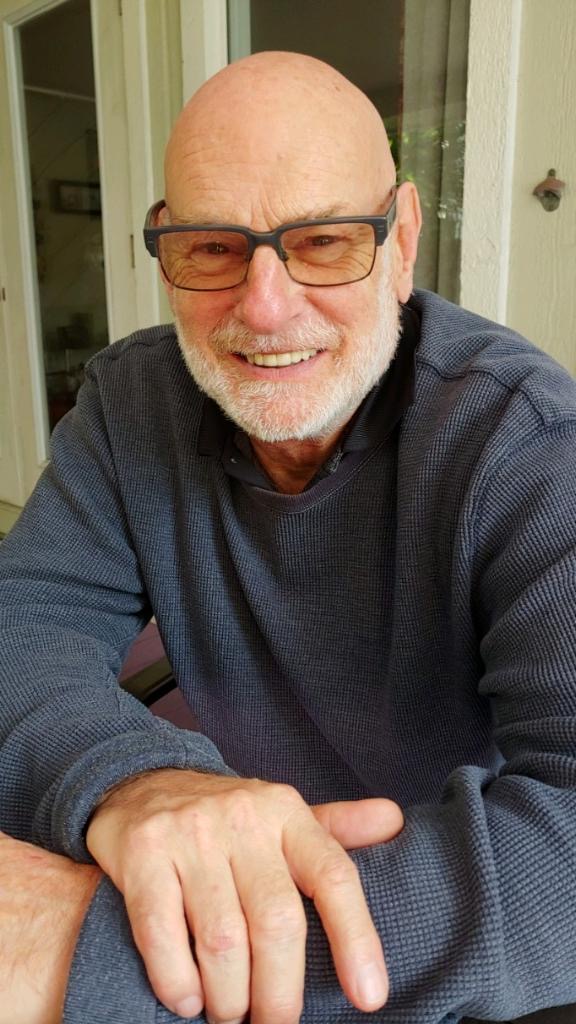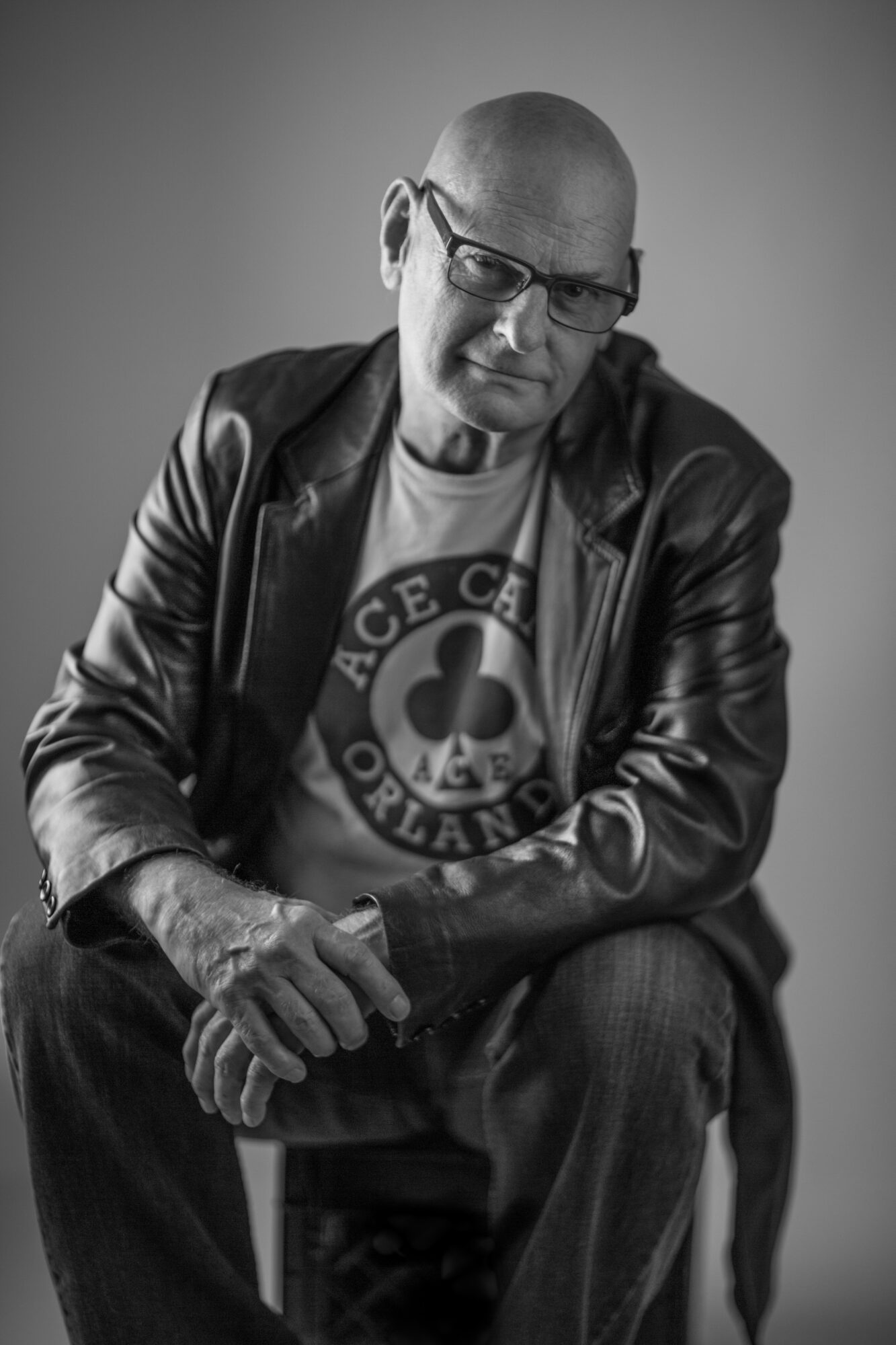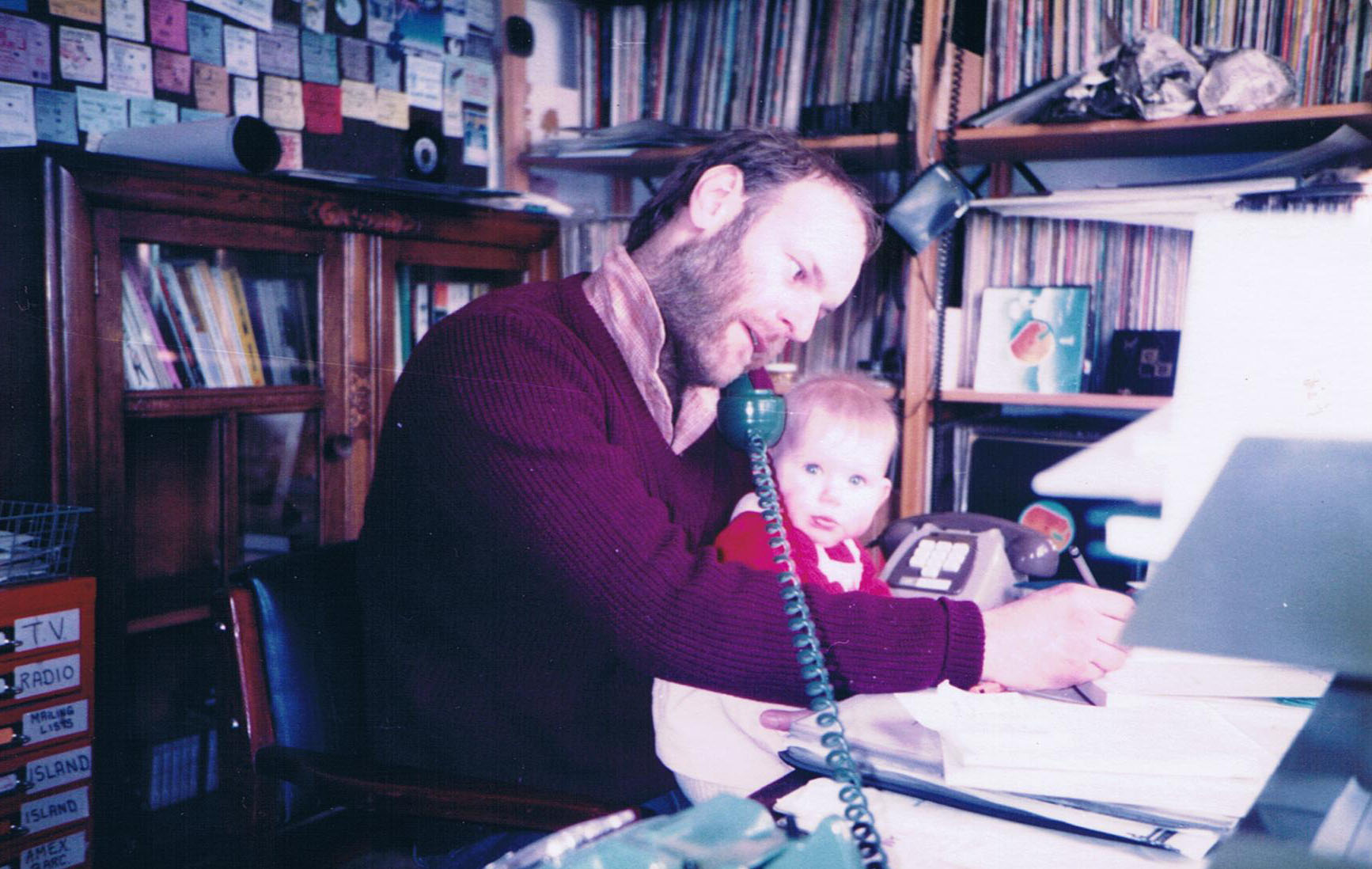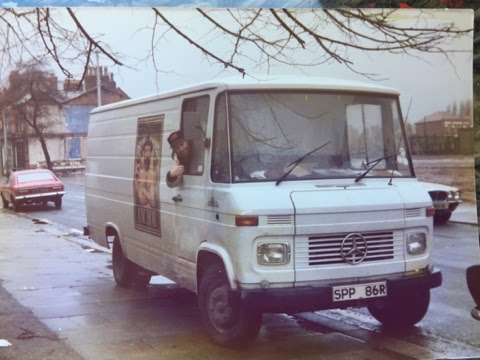




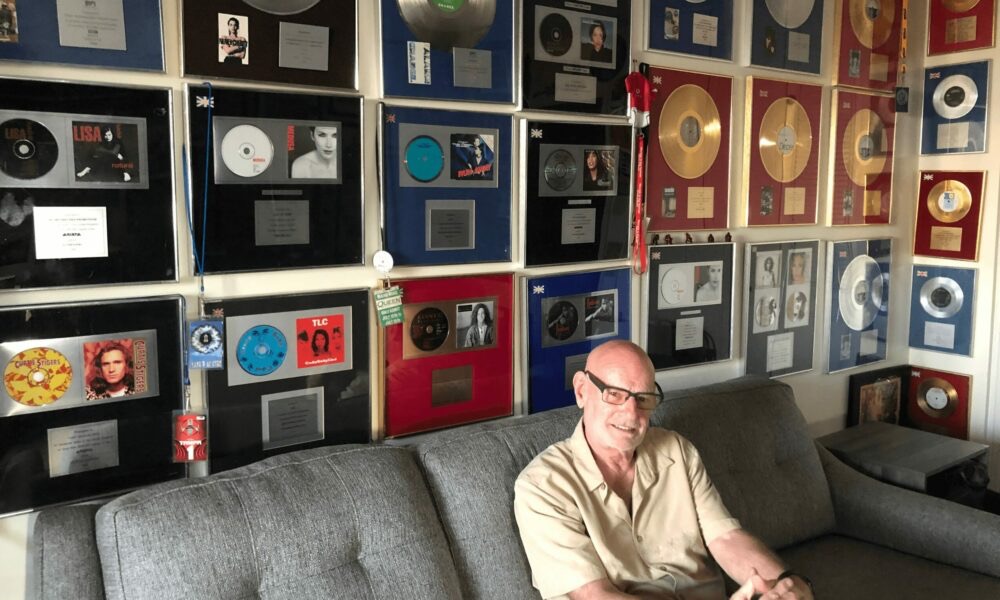
Today we’d like to introduce you to TONY MICHAELIDES.
Hi TONY, so excited to have you with us today. What can you tell us about your story?
Born and raised in Manchester, England my first foray into the music industry was in 1974 as a salesman for a label called Transatlantic Records before moving to ABC Records in 1976. I then moved from sales into promotion in 1978 and began working at Island Records. A dream come true, I had been buying all their records and now I was given the opportunity to work for them… and get all their records for free ! During that time I had the opportunity to work with Bob Marley and the Wailers, Robert Palmer, Steve Winwood,, Grace Jones, Marianne Faithful etc. After a brief spell at Charisma Records where I got to work with both Genesis and Peter Gabriel I headed back to Island as Head of Regional Promotions. It was perfect timing as it was there that I was given the opportunity to work with U2 from day one.
In August 1981 I launched my own independent regional promotion company, the first in the UK and for the next 20 years I worked with some of the world’s leading artists, including Whitney Houston, The Police, New Order, Tom Petty, N Sync, Peter Gabriel, Depeche Mode, and many, many more. In the late 90’s I toured with David Bowie as his publicist arranging all his radio, TV and press.
As well as running my own PR. company I produced and presented my own radio show for 12 years on the largest independent radio station outside of London. I chaired and sat on several music industry panels, was a founder member of The Music Managers Forum and went on to become a member of The Brits Voting Academy, the UK’s equivalent of The Grammys. In that time I also managed Peter Hook from New Order.
We all face challenges, but looking back would you describe it as a relatively smooth road?
Whilst the music industry is full of excitement it is also hinged with inevitable disappointments, mostly when an artist you believe in fails to ‘make it.’ You pick yourself up, dust yourself down and move on. It bears no comparison to the euphoria you feel when an artist breaks, which is exactly how I felt after securing U2 their first network TV and national radio session in the early 80’s. It was incredibly fulfilling to then watch them progress into becoming the biggest band in the world.
There is no business model when it comes to the music industry. You stand or fall by your ability to forge relationships built on trust and integrity. Every day brings with it different challenges, obstacles and situations that, at times come out of nowhere. You’re not only dealing with talent you are also dealing with personalities, egos and insecurities whilst at the same time establishing long term relationships. It’s about understanding that artists are unique whilst at the same time becoming aware that they all are different. There was always excitement in it for me, waking up every day and having no idea what might happen!
Working in the music industry is unique. It’s not a ‘how to do’ business. No two artists are alike, no two managers are alike, and no two record labels are alike. In saying that, you need to spend time getting to know who you are working with, whether it be artists or your staff. I learned from some of the greatest artists that ever lived together with music industry legends who became my mentors. I got to understand what it was that separated them from the rest. What was it that helped make them successful, and what flaws were apparent in others. That experience taught me how to bring the best out of my staff. I never micromanaged them or threatened them with their jobs. I empowered them in the same way that people like David Bowie did with his band. He left them to it, and the mere fact that you were considered good enough to be a part of that inner circle gave you a sense of belonging.
Many setbacks occur in any line of business, and that is when people see if you can or can’t deal with it but as James Joyce so rightly said, ‘Mistakes are the portals of discovery.’ Some panic, others roll with it and learn. I consider myself the latter. I also felt grateful that I was allowed to make a living out of my hobby. It was the job I never expected that I would never let go. The pleasure comes in surrounding yourself with the people who bring out the best in you. That creates a comfort in knowing you are in the company of people who genuinely value you and what you can bring to the table. Doing what you love is the best advice I could share. I didn’t learn that from anyone, and as I previously mentioned my hobby became my job. There were no Monday morning blues or waiting until Friday with the thought of the weekend looming. That just wasn’t me. I like to think I have a positive attitude, allowing me to gravitate towards like-minded people. Negative people bring… Negativity! That in itself slows down your growth, and to be honest, the only person who can prevent that is you. Who doesn’t want to be around people who bring you happiness, both personally and professionally?
And to conclude I will leave it to Hunter S Thompson, the American journalist and author who was famously quoted as saying. ‘The music industry is a cruel and shallow money trench, a long plastic hallway where pimps and thieves run free. And good men die like dogs. There’s also a negative side’
Alright, so let’s switch gears a bit and talk business. What should we know about your work?
In 2004 I received my Green Card when the U.S. Government designated me an “Alien of Extraordinary Ability”—official recognition of my contributions to music and the arts. I relocated to Florida and continued to work in artist development offering mentoring sessions and consultancy. I am also a co founder of Atomik PR a company specializing in the promotion of emerging artists. I still produce and present two radio shows and am the author of two books, ‘Insights From the Engine Room, Lessons Learned From Rock n Roll’ and’ Moments That Rock.’ I also have a podcast called ‘Moments That Rock’ which is with Pantheon Podcasts, the largest music podcast site in the world.
I am a TEDx speaker and am actively involved with speaking engagements, both live and virtual where I talk about the lessons I learned from Rock and Roll, which involve leadership, culture, turning risk into opportunity, persistence and resilience, staff retention and other topics that act as valuable business lessons. I did a Keynote for The British Consul General in Miami at Brit Week’s “Great Innovation Awards”
Other core Speaking Topics are Lead Like a Rockstar: Leadership lessons from U2 and David Bowie that shatter conventional wisdom.’The Rebel Advantage’ Why “breaking the rules” is essential for breakthrough innovation. Reinvention or Extinction: Lessons in staying relevant from David Bowie’s constant evolution. From Garage Band to Global Brand: The U2 story on vision, persistence, and exponential growth. Presentations are tailored to suit particular organizational needs. All my stories are born out of the lessons I learned from working with those artists.
What sort of changes are you expecting over the next 5-10 years?
The music industry has undergone considerable changes over the last 20 years. In the early 2000’s Steve Jobs launched I Tunes which basically meant that the public were given the opportunity to buy individual songs rather than having to invest in an entire album. This changed everything. Many people were laid off at record companies and that whole area of artist development changed dramatically. In the previous four decades record companies would invest in the acts they signed by giving them money for tour support. This allowed them to tour extensively and to build a following, who would then most likely want to buy their albums. They would give them sufficient funds to record several albums too. This was obviously recoupable over time. This is what we called ‘artist development.’ The perfect example that I myself was actively involved with was the development of U2. They owed their label, Island Records over a quarter of a million pounds in tour support but the record company didn’t drop them they continued to support them for several years because they believed they would break and that it was only a matter of time. And the rest is history. I always remind people that if U2 were signed today, they probably would have been dropped by their record label within a year and never have had opportunity to become the huge success they were… and still are ! We keep hearing that there is a resurgence in vinyl but realistically most people source their music through streaming channels via subscription models. That doesn’t make the record companies any money….. and record stores have closed shop !
And now we have Ai which basically means that people who aren’t singers or musicians will be able to record music. It will have severe ramifications in that ‘real talent’ will begin to dwindle and record companies themselves could well begin to disappear.
Contact Info:
- Website: https://www.tonymichaelides.com
- Instagram: @tonyigram
- Facebook: https://www.facebook.com/tonymichaelidesmomentsthatrock/
- LinkedIn: https://www.linkedin.com/in/tonymichaelides/
- Youtube: https://www.youtube.com/@momentsthatrockbytony