



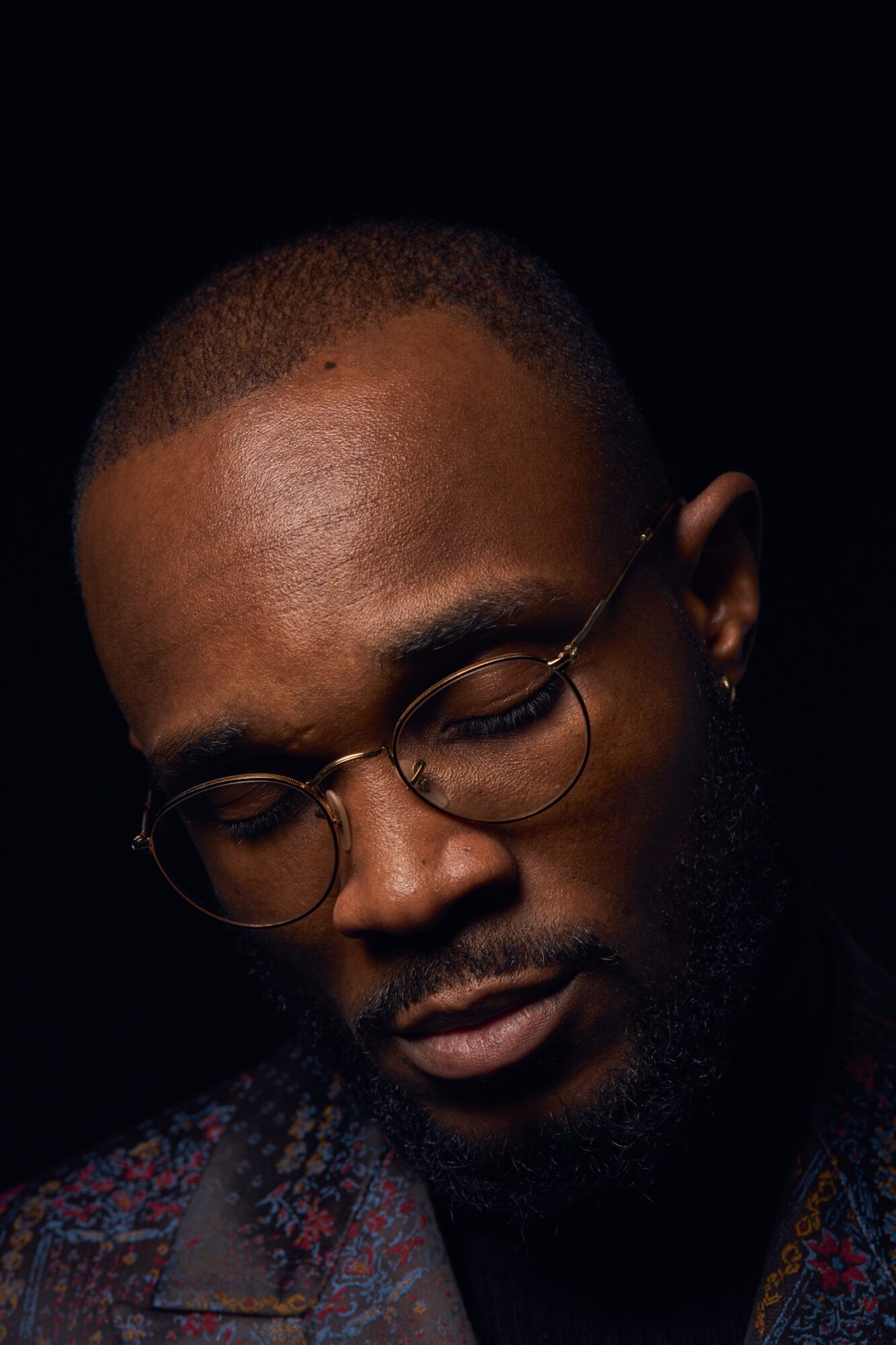
Today we’d like to introduce you to Tobi Oluremi.
Alright, so thank you so much for sharing your story and insight with our readers. To kick things off, can you tell us a bit about how you got started?
From a young age, I was always drawn to images so. From National Geographic to Marvel comics, I was amazed at the worlds of creativity before photography became a serious part of my life, that curiosity showed itself through drawing, art, fashion, and eventually an interest in textiles and design. I was fascinated by the idea that something visual could communicate an emotion, an identity, or even an entire story without requiring a single spoken word. As cliché as the saying may be, I have always believed that a photograph can speak a thousand words, but what became even more interesting to me was realizing that those words may be completely different for every person who sees it.
As I grew older, fashion became one of the first places where I began to understand photography as more than simply documenting what was in front of a camera. I initially found myself interested in the business and logistics surrounding the fashion industry, but it was the imagery that kept pulling me back: the compositions, the styling, the color, the individuality of advertising campaigns, and the ability to build an entire world within a single frame. Studying photography at A-level further introduced me to the importance of developing an individual visual language and understanding that an image can carry both the photographer’s intention and the viewer’s personal interpretation.
That philosophy continues to shape the way I work today. My photographs are, in many ways, a reflection of how I see the world, and because that perspective is constantly evolving, my work evolves with it. I have never wanted to limit myself to simply being someone who takes photographs. I am interested in creating visual worlds, combining portraiture, fashion, editorial storytelling, cinematic influences, graphic design, culture, and experimentation to make images that feel intentional and alive.
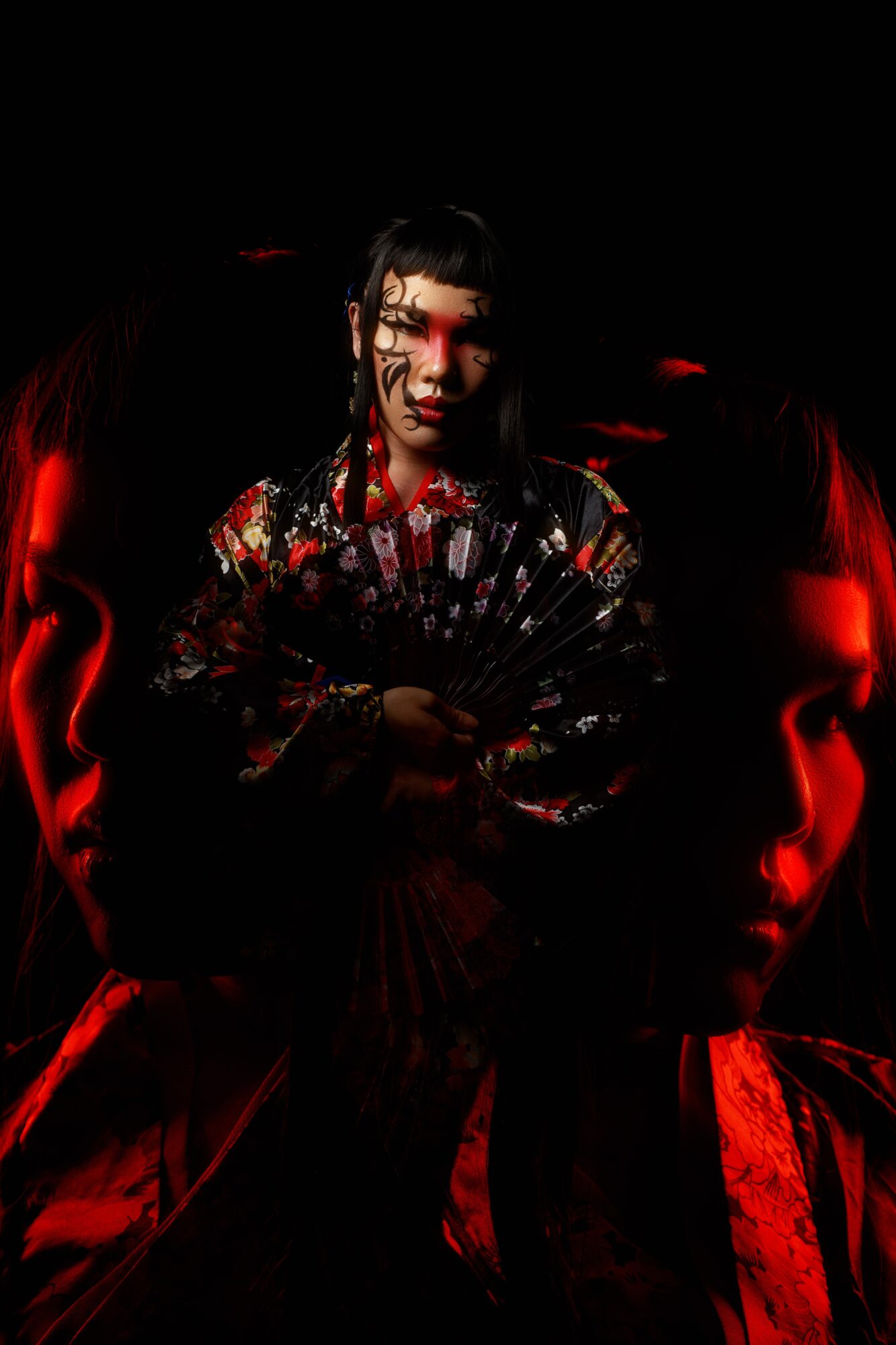
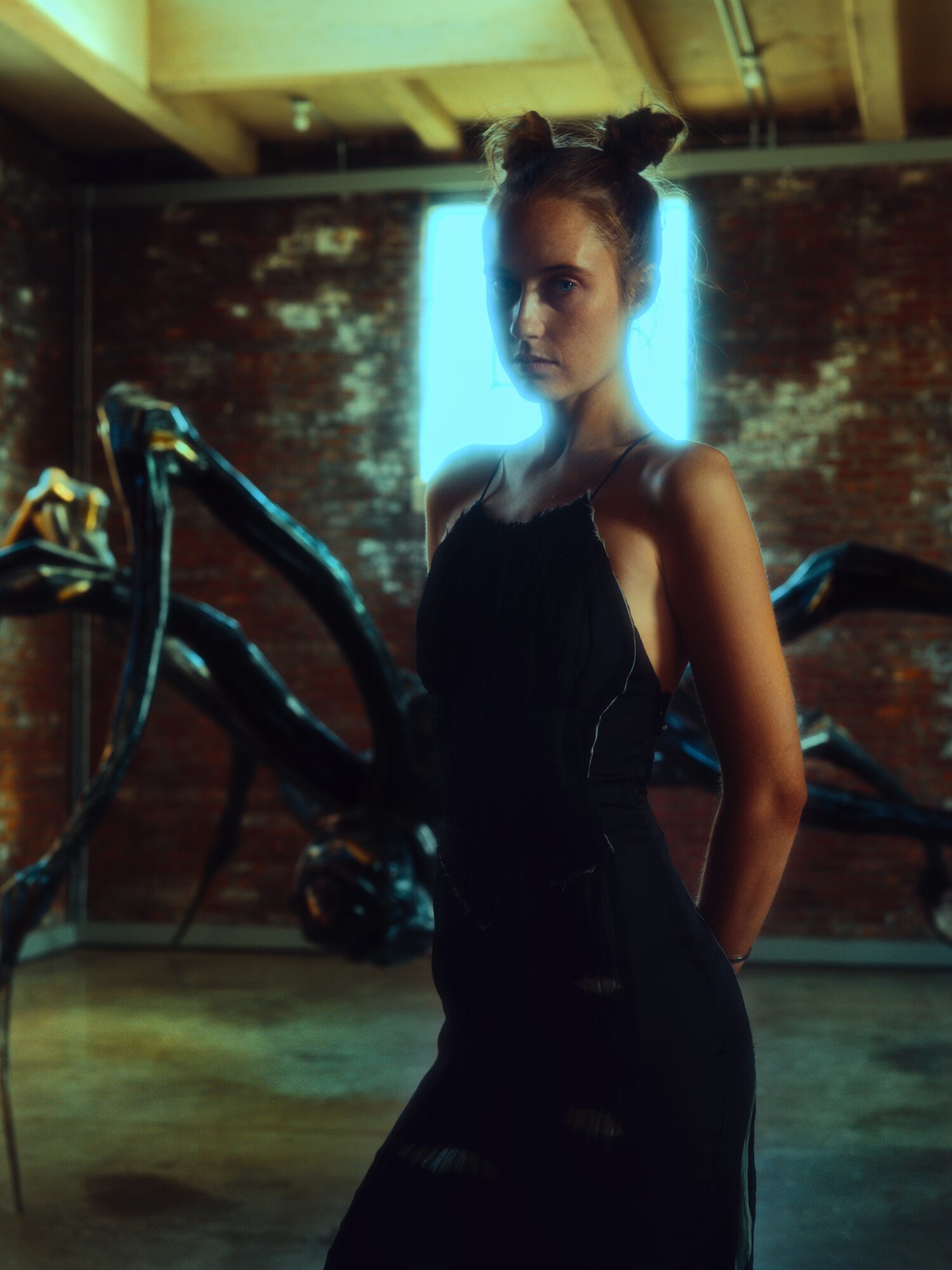
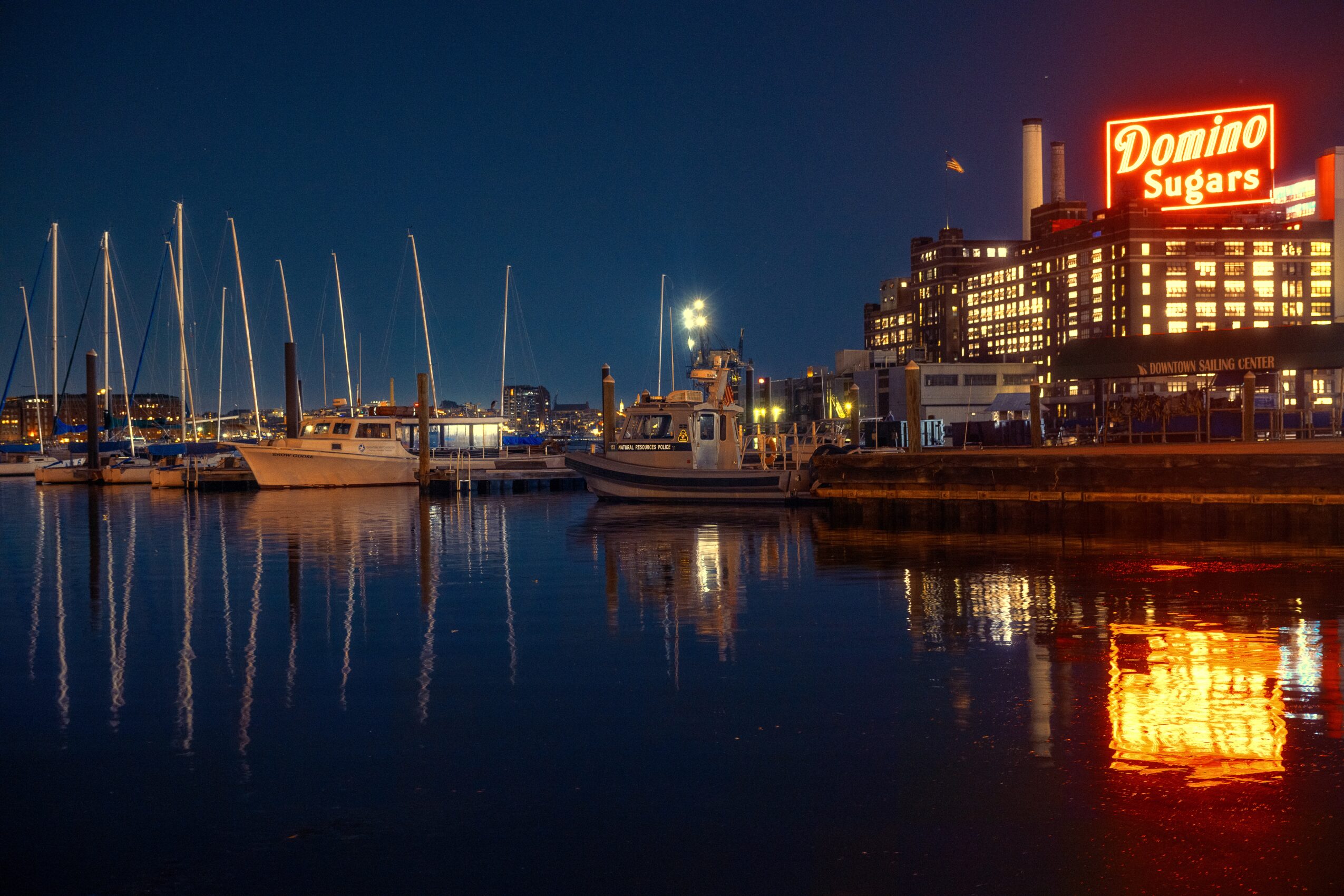
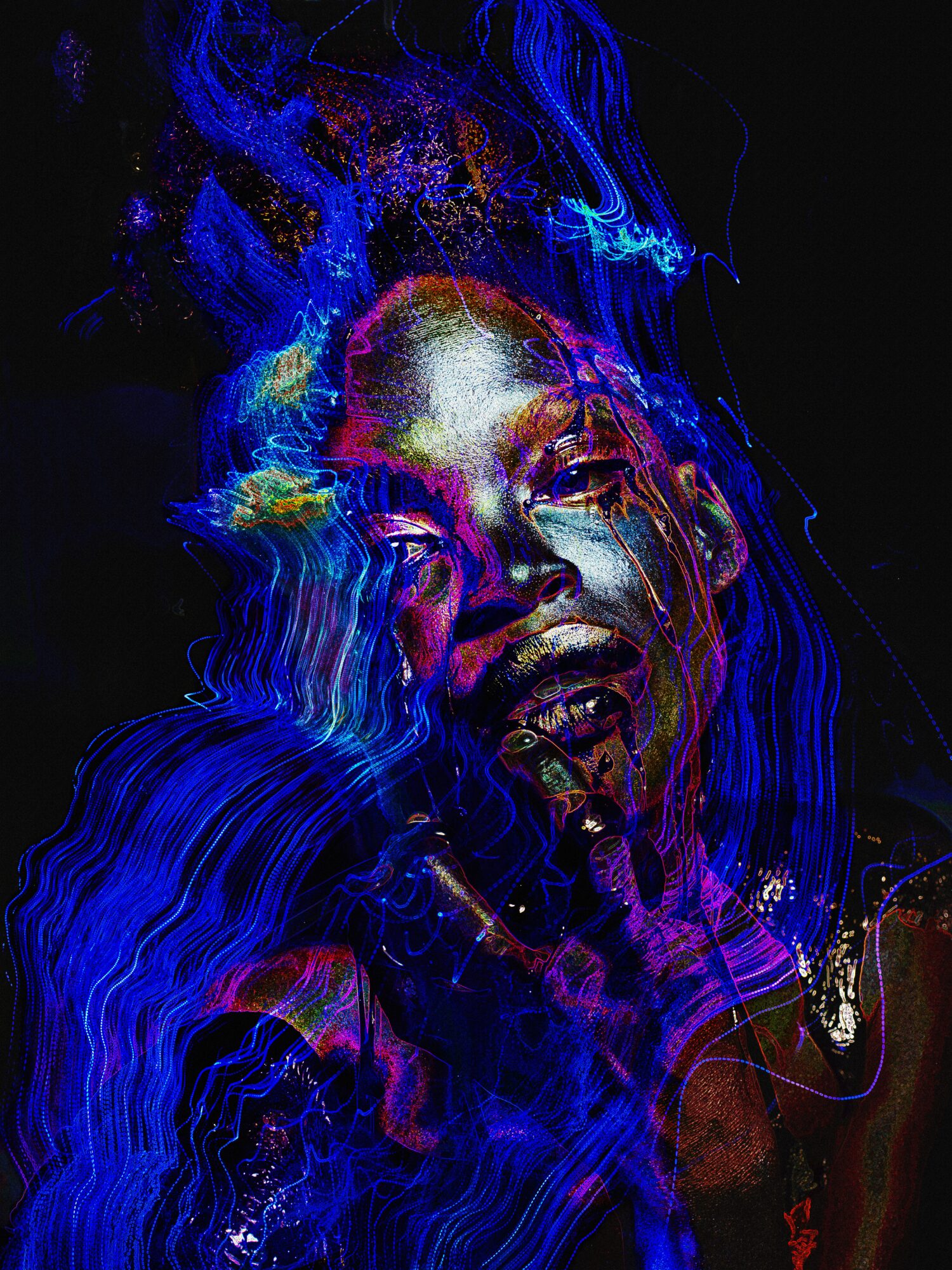
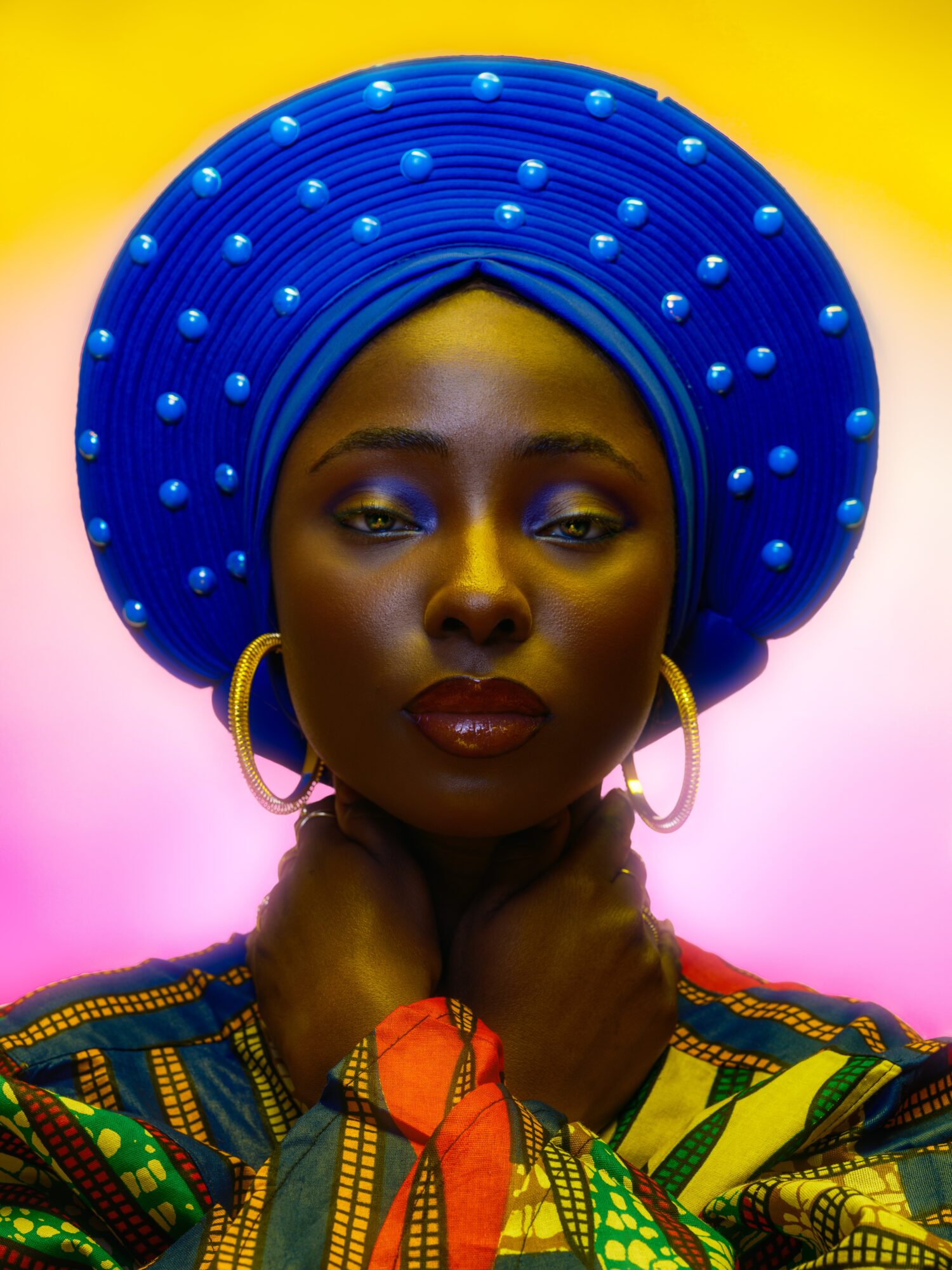
That eventually became the foundation for OLUSION, my photography and creative brand. Through OLUSION, I have been developing a visual identity centered around bold imagery, controlled lighting, strong styling, unusual compositions, and cinematic storytelling. Whether I am creating a portrait, fashion editorial, commercial image, or something more experimental, I want the finished work to feel authored rather than simply captured. I want someone to look at an image and feel that there is a larger story existing beyond the edges of the frame.
Photography ultimately became the meeting point for many of the things I had already loved: art, fashion, design, storytelling, technology, people, and culture. What started as an interest in pictures became a way for me to interpret the world around me, and has become the space where I can continue redefining what that visual world looks like as I grow as both a photographer and an artist.
I’m sure it wasn’t obstacle-free, but would you say the journey has been fairly smooth so far?
It definitely hasn’t been a completely smooth road, but I’ve come to understand that the challenges are just as much a part of the journey as the successes.
One of the first struggles I faced was simply a lack of knowledge, which is something I think a lot of creatives experience when they’re starting out. Photography is so much more than learning how to use a camera. There is the business side, finances, contracts, insurance, equipment, client relationships, and countless technical details that you often have to learn through experience. Even today, I still consider myself a student of the craft.
One of my earliest and most profound lessons came through a difficult experience. My very first camera, which I was still paying off at the time, was stolen from my vehicle. Beyond losing the camera itself, it forced me to learn very quickly about the importance of finances, protecting your equipment, and having proper insurance as a working creative. At that point, I genuinely could have walked away from photography altogether.
A great friend of mine, Marissa, helped prevent that from happening. After everything occurred, she lent me her camera so that I could continue shooting. That gesture meant more to me than she probably realized because it allowed me to keep creating at a moment when I felt like stopping completely.
Another major struggle was internal. For a long time, I dealt with something very similar to imposter syndrome. I constantly compared my work to photographers I admired and rarely felt that what I created was good enough. Even after shooting for several years, I sometimes hesitated to call myself a photographer. I felt as though I had to reach a certain undefined level before I had earned the title.
Over time, I began realizing that constantly comparing my chapter to someone else’s finished work was preventing me from appreciating my own growth. Photography became less about trying to measure myself against the “greats” and more about developing my own visual language. I am still learning, still experimenting, and still critical of my work, but I have learned that growth comes from continuing to create even when you are uncertain of yourself.
Those experiences taught me resilience, preparation, humility, and perhaps most importantly, the importance of believing in the value of my own perspective.
As you know, we’re big fans of you and your work. For our readers who might not be as familiar what can you tell them about what you do?
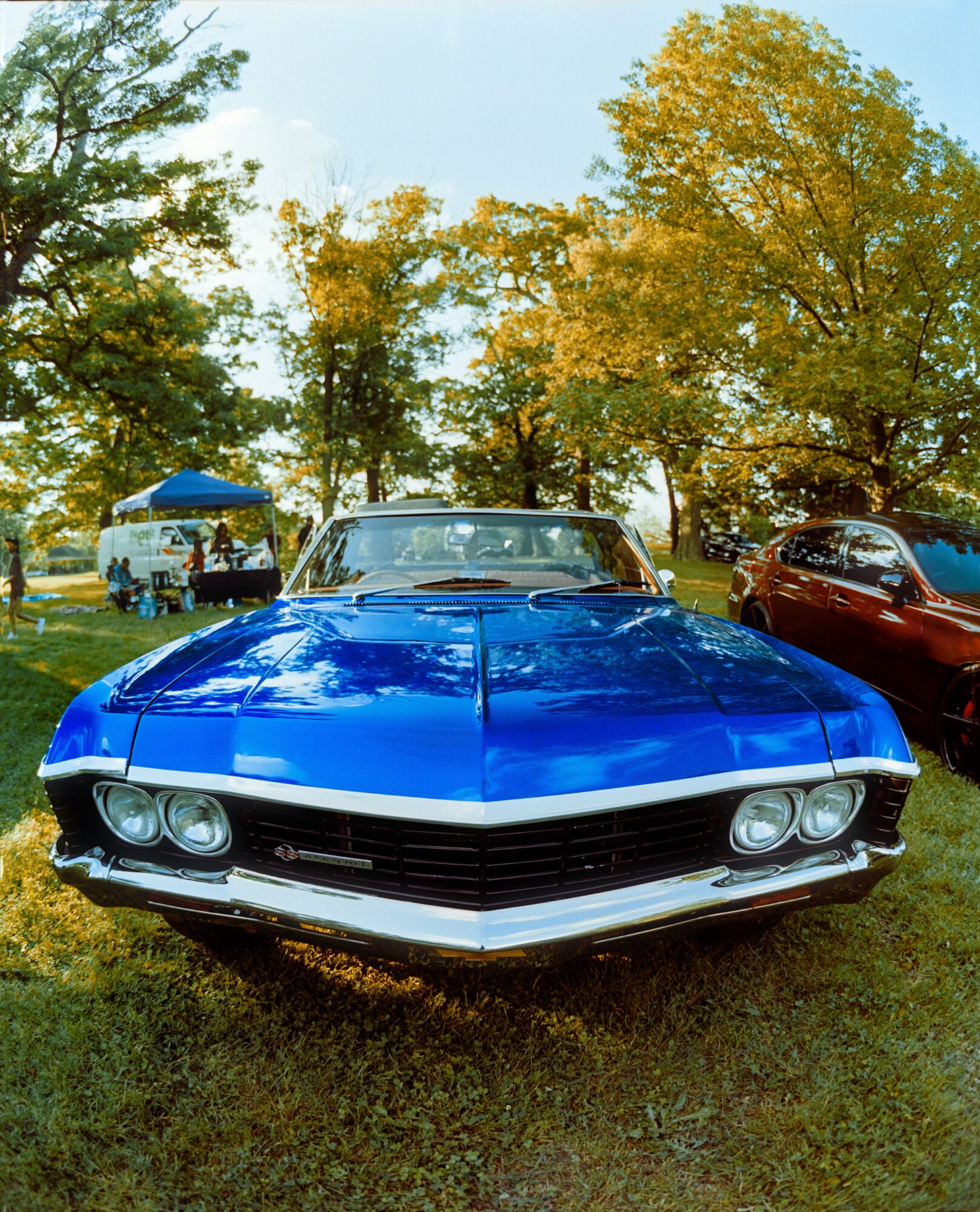
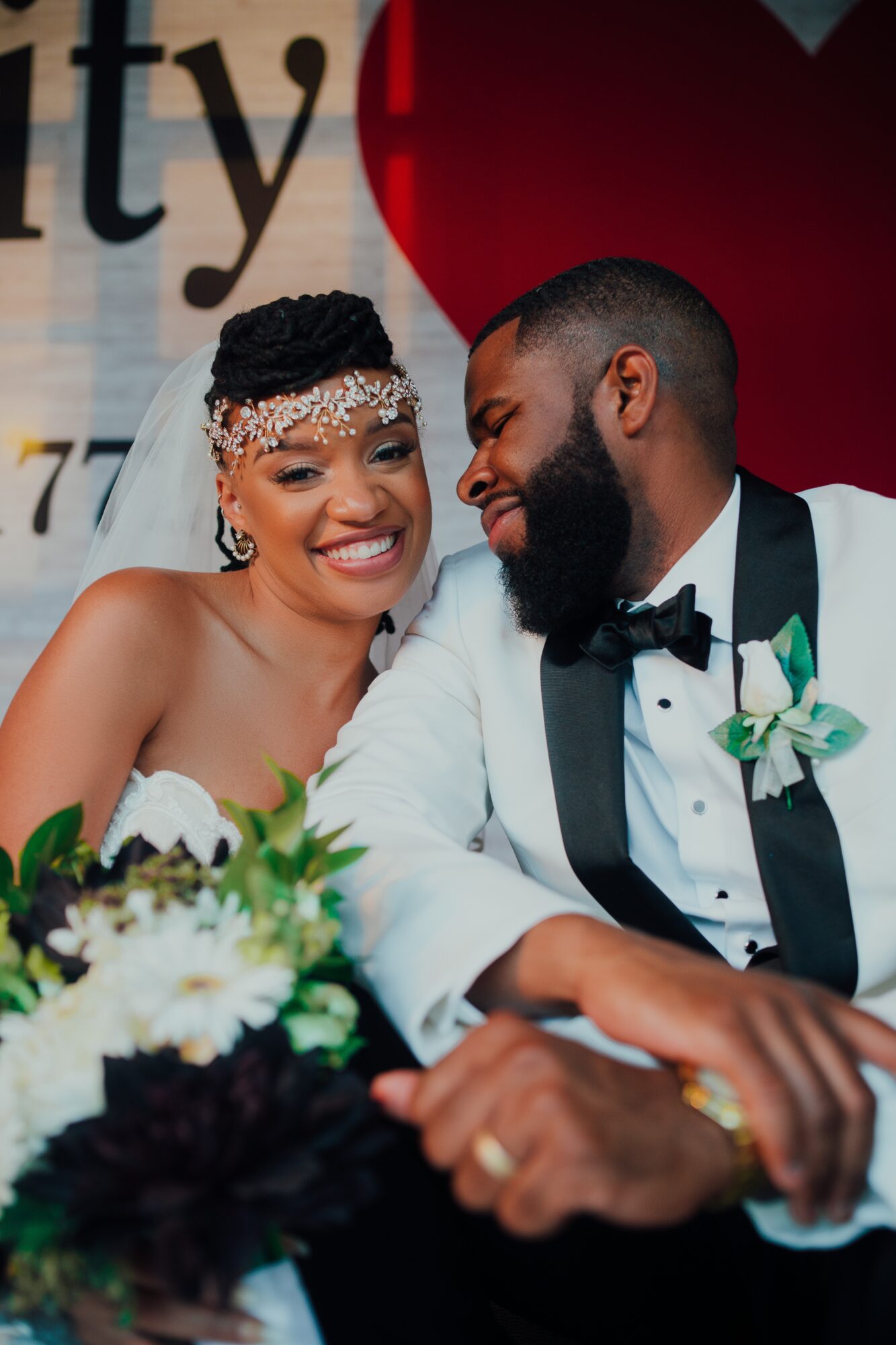
* My work centers around photography, visual storytelling, and creative direction, with a strong focus on portraiture, fashion, editorial, commercial imagery, and more conceptual personal work. Through my brand, OLU*SION, I try to create images that feel intentional, cinematic, and visually distinct rather than simply documenting what is in front of me.
* A lot of my work is influenced by fashion, film, graphic design, color, lighting, and the way imagery is presented in magazines and advertising. I am especially drawn to images that feel bold and atmospheric, where the styling, lighting, composition, environment, and subject all contribute to the story. Sometimes that means creating something polished and commercial, while other times it means allowing the image to become more experimental or abstract.
* I would say one of the things I am becoming known for is the way I approach people visually. I want the subject to feel like more than someone standing in front of a camera. I am interested in creating a world around them and finding the combination of lighting, composition, wardrobe, expression, and environment that communicates something about who they are or who they want to become.
* What I am most proud of is the development of my own visual identity. For a long time, I was very focused on whether my work measured up to photographers I admired. As I have grown, I have become more interested in discovering what makes an image feel like mine. Building OLU*SION has given me a place to explore that identity across photography, fashion, design, and storytelling rather than feeling like I have to exist within only one category.
* I think what sets me apart is that I rarely look at photography as just photography. My background and interests cause me to approach an image from several directions at once. I think about the photograph itself, but I am also thinking about the fashion, the graphic elements, how it might live on a magazine page, how it would feel as part of a campaign, or even how the scene might look if it were a frame from a film. That multidisciplinary approach allows me to create work that feels more like a complete visual experience.
* Ultimately, I want my work to leave people with a feeling. They do not necessarily have to interpret an image in exactly the way I intended. In fact, I enjoy the idea that different people can find different meanings within the same photograph. For me, that interaction between the photographer, the subject, and the viewer is one of the most interesting parts of creating.
We’d be interested to hear your thoughts on luck and what role, if any, you feel it’s played for you?
I think luck definitely has a place in photography, but I don’t believe it is what makes a photograph successful. Photography exists somewhere between preparation and unpredictability. I can plan the location, lighting, wardrobe, composition, and concept down to the smallest detail, but there will always be something I can’t completely control.
Sometimes it’s a certain expression, the way light falls across someone for only a few seconds, an unexpected reflection, movement, weather, or even something happening in the background that suddenly makes the image better than what I originally imagined.
To me, that’s where luck becomes beautiful.
But I also believe you have to be prepared enough to recognize that moment when it happens. Luck can place something extraordinary in front of you, but experience, instinct, and having a trained eye are what allow you to capture it.
Even my journey into photography has had moments like that. I’ve experienced things that could have pushed me away from photography entirely, along with unexpected people and opportunities that helped me continue. So I’ve learned that I can’t control everything that happens along the way.
What I can control is whether I’m ready when the moment presents itself.
In that sense, I don’t necessarily chase luck in my photography. I try to create the conditions where luck has somewhere to land.
Contact Info:
- Instagram: https://www.instagram.com/_olusion_/
- LinkedIn: https://www.linkedin.com/in/tobi-ogunremi-07a68220