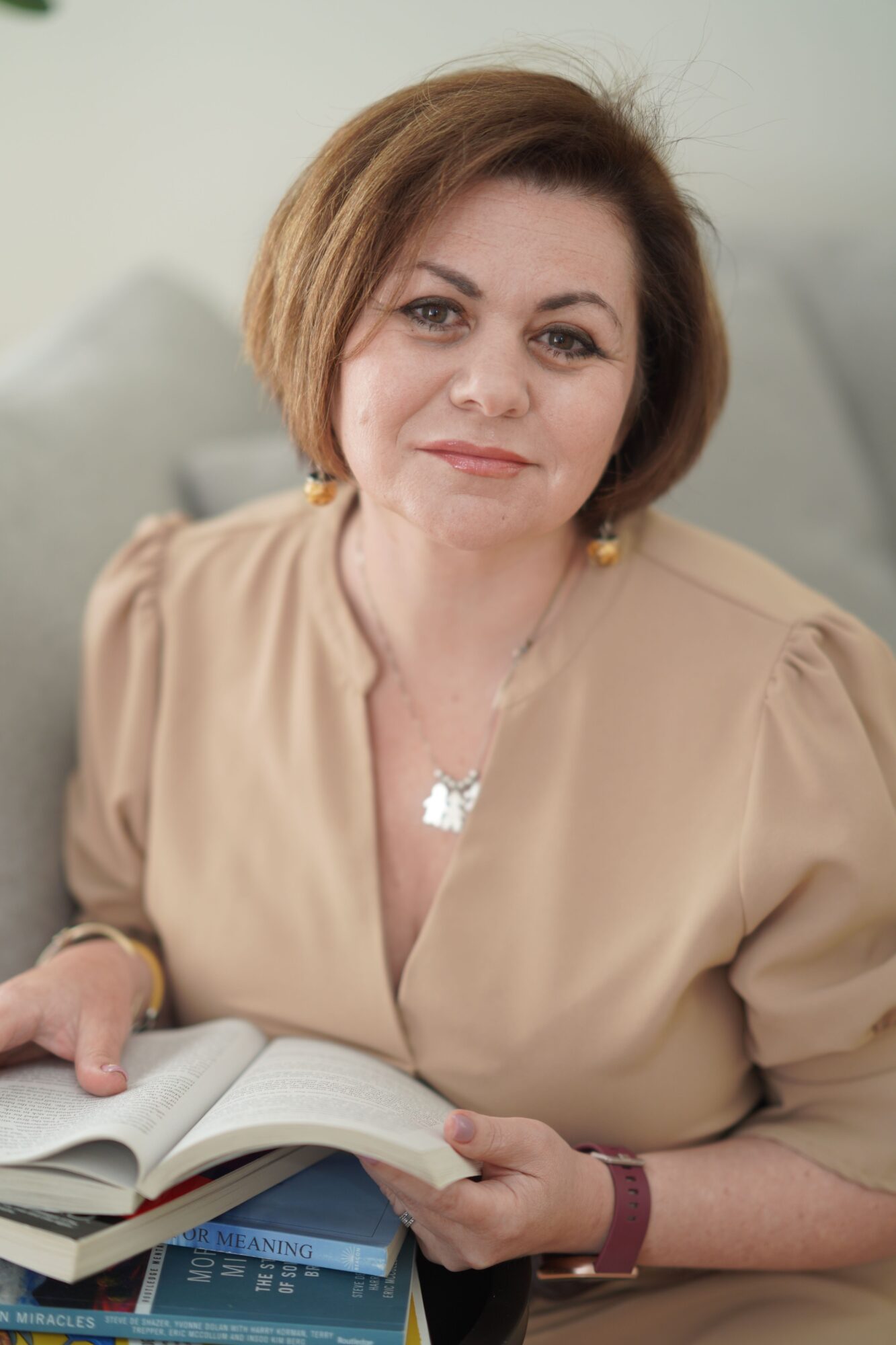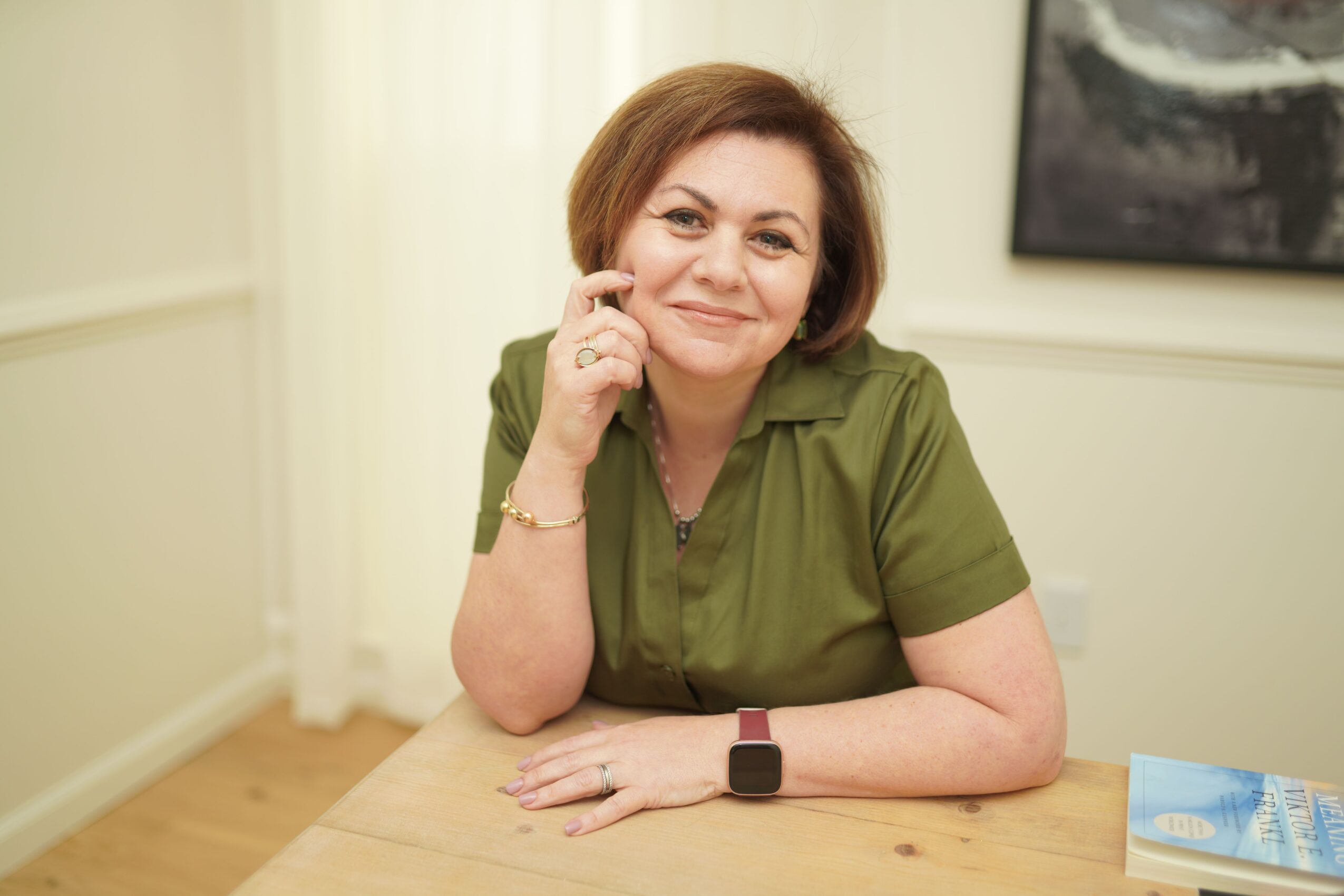




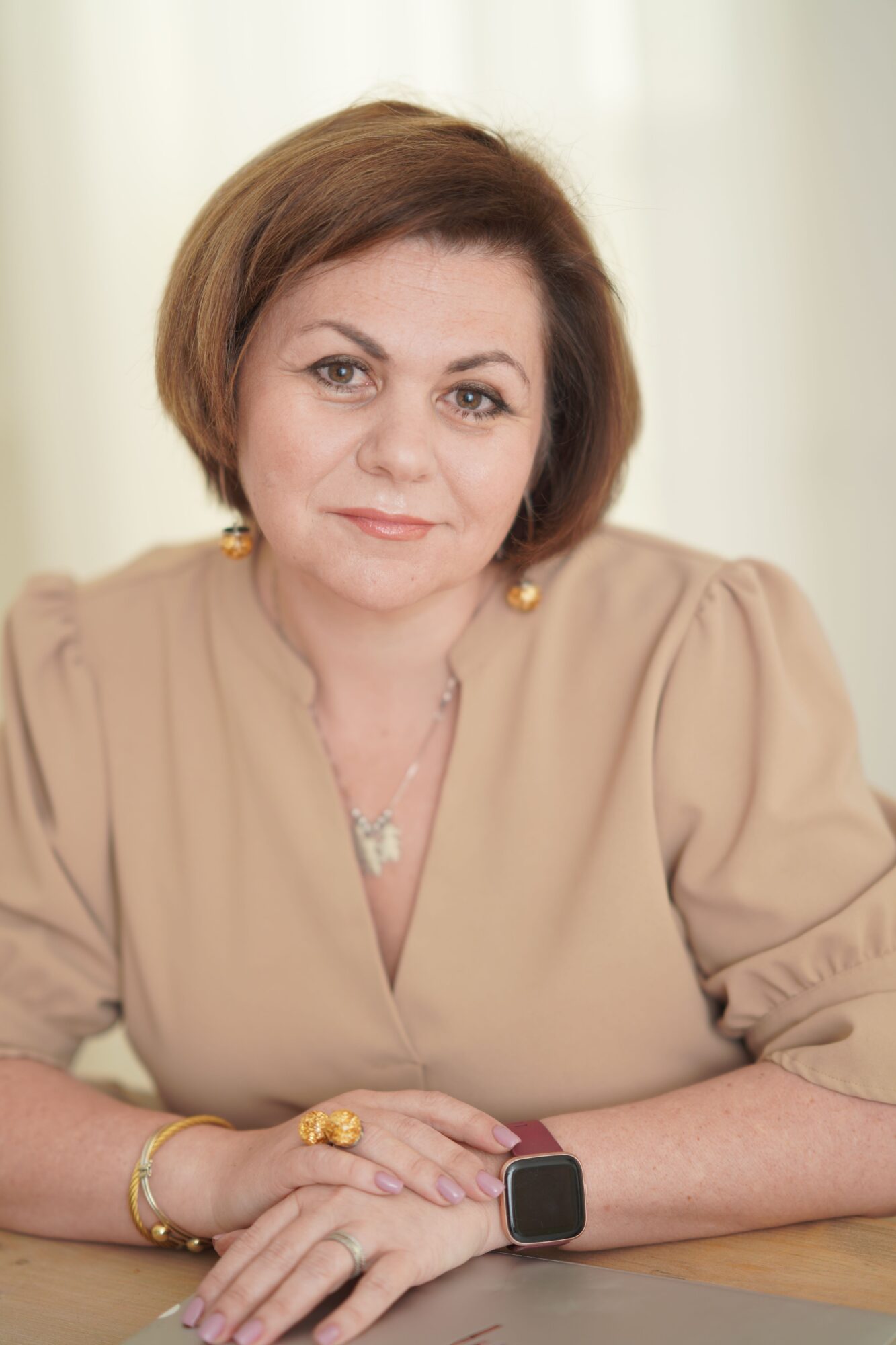
Today we’d like to introduce you to Inna Zusman.
Hi Inna, so excited to have you with us today. What can you tell us about your story?
I was first drawn to psychology at the age of 14 after reading Viktor Frankl. His ideas about meaning and resilience stayed with me and shaped how I see people to this day. I went on to study psychology at one of the top universities in Moscow and began my career working as a children’s psychologist in schools and outpatient settings.
At that time, however, it was not financially sustainable, so I made the difficult decision to transition into corporate work. I spent nearly 20 years in HR, working closely with people, leadership, and organizational systems. At the same time, I continued to do per diem crisis work, which allowed me to stay connected to clinical practice and to people in their most vulnerable moments.
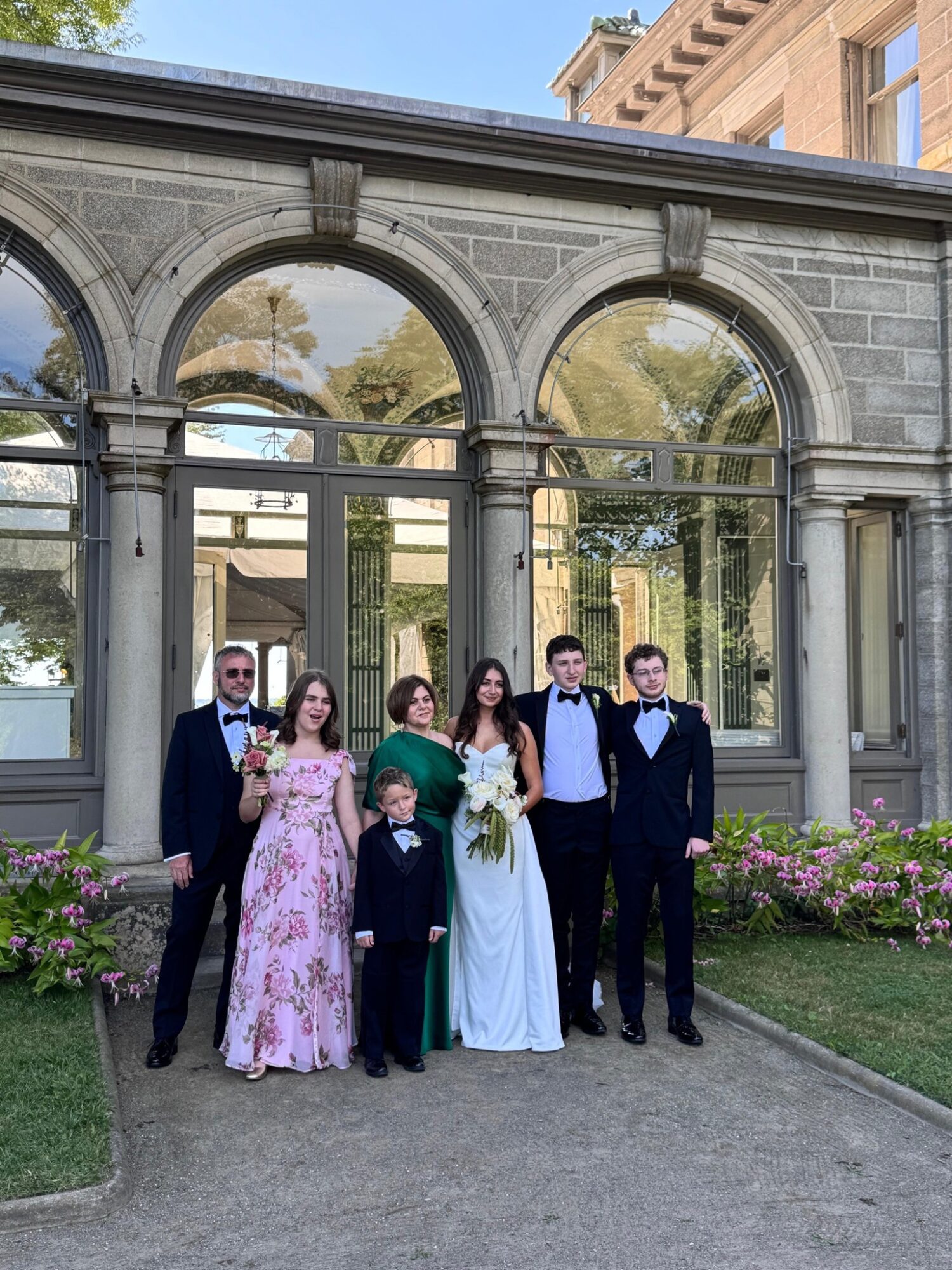
My personal life was also evolving. I immigrated to the United States, built a new life here, and am now married (not for the first time) and raising a blended family with five children. Living inside a multicultural family system myself gave me a very real understanding of how cultural differences, family histories, and expectations shape relationships.
Eventually, I returned to clinical work, bringing with me both my early training and my years of experience understanding systems—whether in families or organizations. Today, I specialize in working with multicultural and blended couples and families, helping them navigate cross-cultural differences and generational patterns in a practical, structured way.
Looking back, my path—from early inspiration, to clinical work, to corporate life, immigration, and family—naturally led me to the work I do today.
We all face challenges, but looking back would you describe it as a relatively smooth road?
It definitely hasn’t been a smooth road. My life has had a lot of transitions—personally and professionally. I’ve been married four times, and each relationship taught me something different about connection, expectations, and what it really takes to build a family. Those experiences deeply shaped both who I am and how I work as a therapist today.
When I immigrated to the United States, I was raising two daughters on my own and trying to rebuild my life from scratch. At one point, I was working two or three corporate jobs at the same time just to stay afloat. It was a very intense period—financially, emotionally, and physically.
At the same time, I never really left therapy. Even while working in corporate roles, I continued doing per diem crisis work and consultations online. That connection to my field stayed constant. It felt less like a career choice and more like something I couldn’t step away from.
Looking back, the biggest challenge was holding onto that sense of direction during uncertain periods—when life required me to prioritize survival, stability, and family. But in a way, those years gave me a much deeper understanding of resilience, responsibility, and what people are really dealing with behind the scenes.
So no, it wasn’t smooth—but it was very real, and it shaped the kind of therapist I am today.
As you know, we’re big fans of you and your work. For our readers who might not be as familiar what can you tell them about what you do?
I work primarily with couples and families, especially multicultural and blended families navigating differences in language, culture, and expectations. My approach is systemic and very practical—I focus on helping people not just understand their patterns, but actually change how they relate to each other in real life.
This work is not just my profession, it’s something I live every day. I believe deeply that relationships and connection are what hold people together and, in many ways, what can heal individuals, families, and even communities. You can see that belief reflected in my own life—in how I build my family, how I show up with my clients, and how I think about the work I do.
I’m known for working in a structured, focused way. I don’t keep people in therapy for years without direction—I often work short-term or in intensive formats to help shift the system more quickly and effectively. I also bring a strong understanding of multicultural dynamics and generational patterns, which is often where couples and families feel stuck.
What sets me apart is probably the combination of my personal experience, my systemic thinking, and my business background. I don’t just see individuals—I see the whole system around them and how it functions. And I tend to approach therapy not only with empathy, but also with clarity and direction.
What I’m most proud of is that I’ve built a life and a practice that are aligned. I get to do work I truly believe in, with people who want to create stronger, more connected relationships—and that feels meaningful every day.
Who else deserves credit in your story?
I’ve been very fortunate to have a strong support system throughout my life. I was raised by loving, supportive parents who were married for 45 years. They modeled commitment, resilience, and partnership in a way that stayed with me, and their influence continues to shape how I understand relationships. They passed away close to each other, which was very meaningful and symbolic of the life they built together.
I’m also lucky to have a close, supportive relationship with my sister, and a daughter who has been with me through every stage of my adult life since I became a mother at 22. My family has been a constant source of strength.
My husband has played a significant role as well—he supported me through my graduate studies and continues to be a steady presence in my life. In many ways, our relationship has been shaped by everything we’ve both lived through, and that experience informs my work too.
Professionally, I deeply value my own therapist and professional support system. As therapists, we don’t do this work alone, and having space for reflection, growth, and support has been essential for me to stay grounded and continue developing.
And of course, my clients deserve a lot of credit. Working with them, witnessing their efforts, struggles, and growth, has shaped me not just as a therapist, but as a person.
Pricing:
- My couple session price are affordable and start with $180 per 75 minutes
Contact Info:
- Website: https://www.innazusman.com
- Facebook: https://www.facebook.com/InnaZusmanRelationships
- LinkedIn: https://www.linkedin.com/in/innazusmancounselor/
- Youtube: https://youtube.com/@crossculturalwithinna