



Today we’d like to introduce you to Deborah Lombardo-Wehlan.
Hi Deborah, so excited to have you with us today. What can you tell us about your story?
I opened D’Ann Danse Studios in Salisbury, Maryland, in 1983, after teaching various styles of dance at Salisbury University, known as Salisbury State College at the time. I was young and passionate about sharing this beautiful art form with my community, and I believed that dancers on the Eastern Shore deserved the same quality of training and opportunities available in larger metropolitan areas. I wanted to create a place where students could receive excellent dance education close to home while still being exposed to the larger world of dance.
What began as a dance studio grew very quickly. Within our first few years, we established the D’Ann Danse Company, began producing our annual Spring Dance Concert, and started taking dancers outside our area to study with master teachers in places like New York, Washington, D.C., Las Vegas and Los Angeles. Just as importantly, I wanted to bring those experiences home, inviting nationally and internationally known master teachers, choreographers and performers to the Eastern Shore so our dancers could learn from some of the very best without always having to travel to a major city.
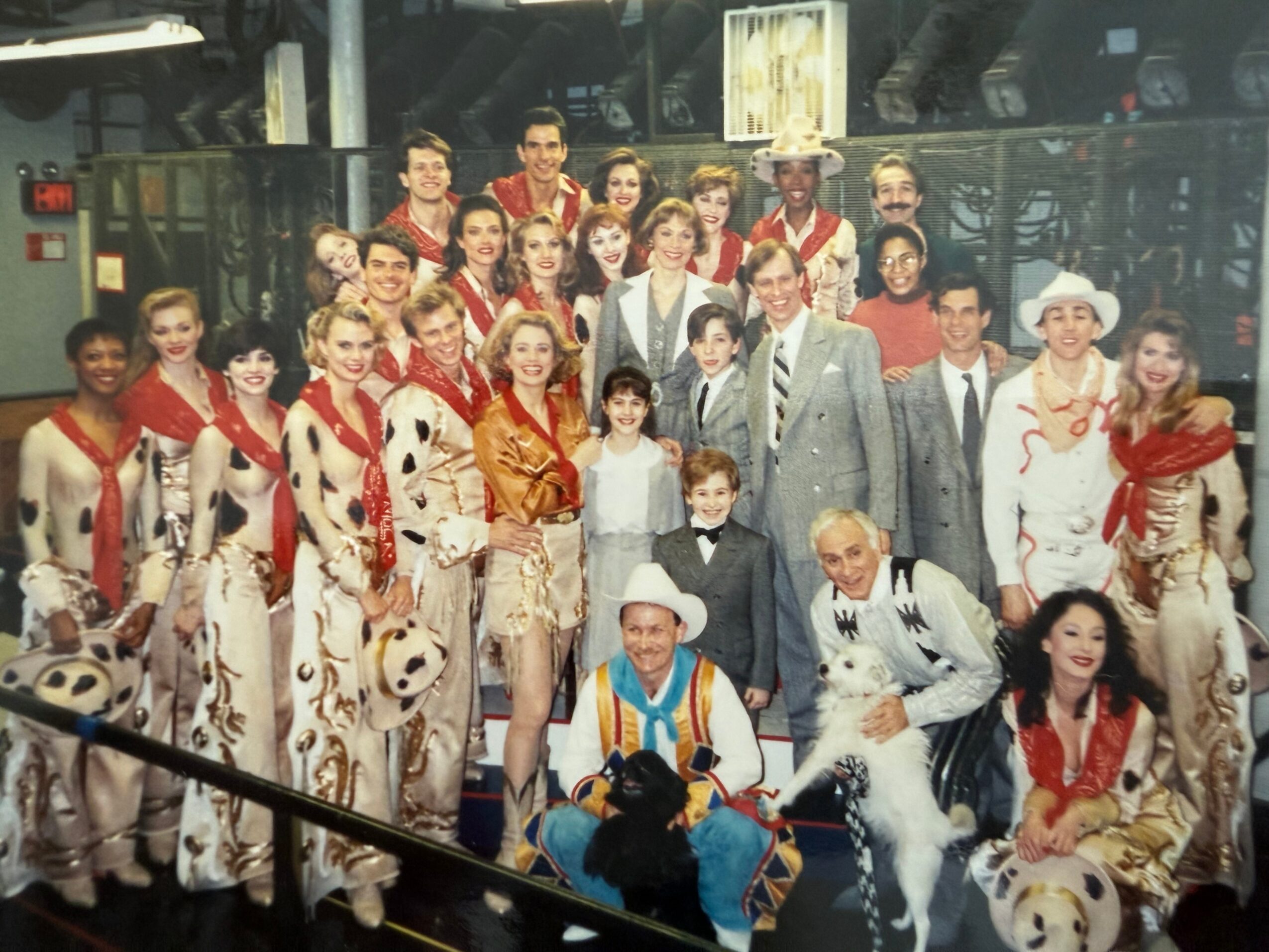
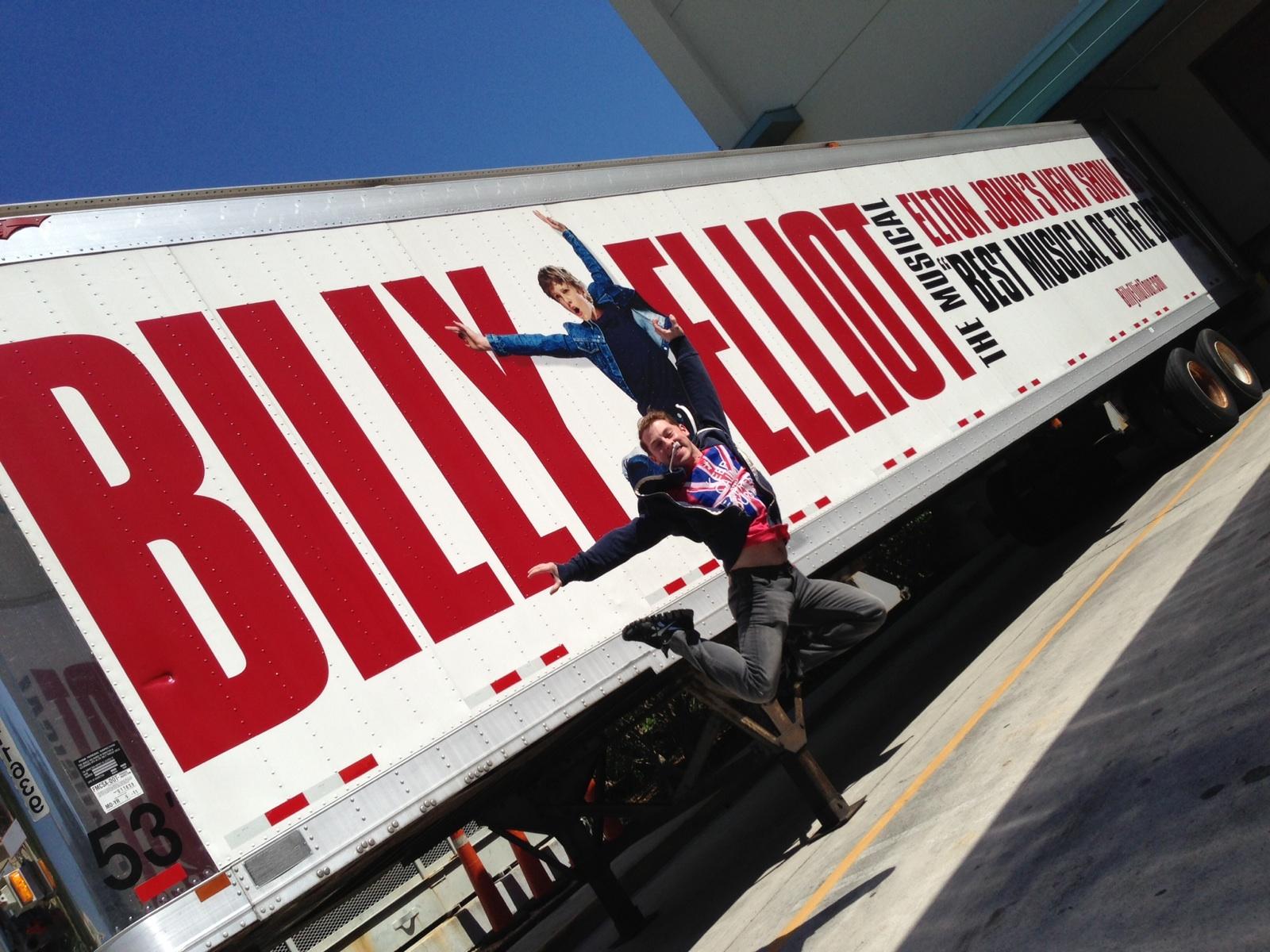
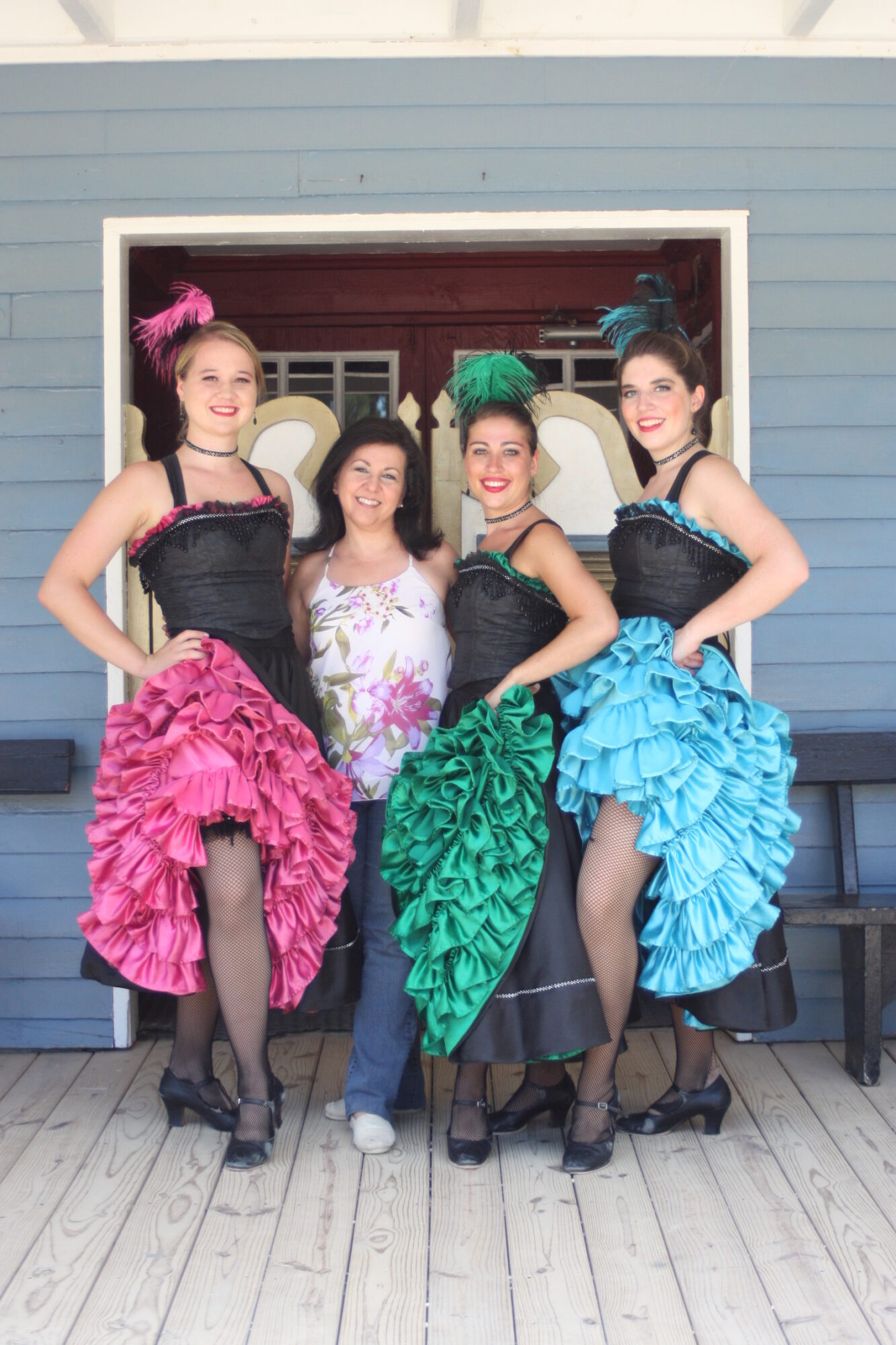
Over the years, those opportunities became much bigger than I could have imagined when I first opened the doors. D’Ann Danse dancers have performed and studied throughout the United States and internationally, from Walt Disney World and Disneyland to the Kennedy Center, Lincoln Center, the Egyptian Embassy and aboard Royal Caribbean Cruise Lines. Our dancers and alumni have gone on to perform in four Tony Award-winning Broadway productions, as well as national and international touring companies. Students have earned scholarships, national titles and opportunities to pursue advanced study and professional careers in dance and the performing arts. In 2003, after 20 years, the D’Ann Danse Company became a nonprofit organization, allowing us to expand our community outreach and educational opportunities as well.
One of the things I find especially meaningful is that we didn’t simply take our dancers out into the larger dance world—we worked to bring that world to our community. One wonderful example was hosting The Young Americans’ internationally touring musical outreach program four times, giving not only our dancers but young people from throughout the area the opportunity to learn and perform with them.
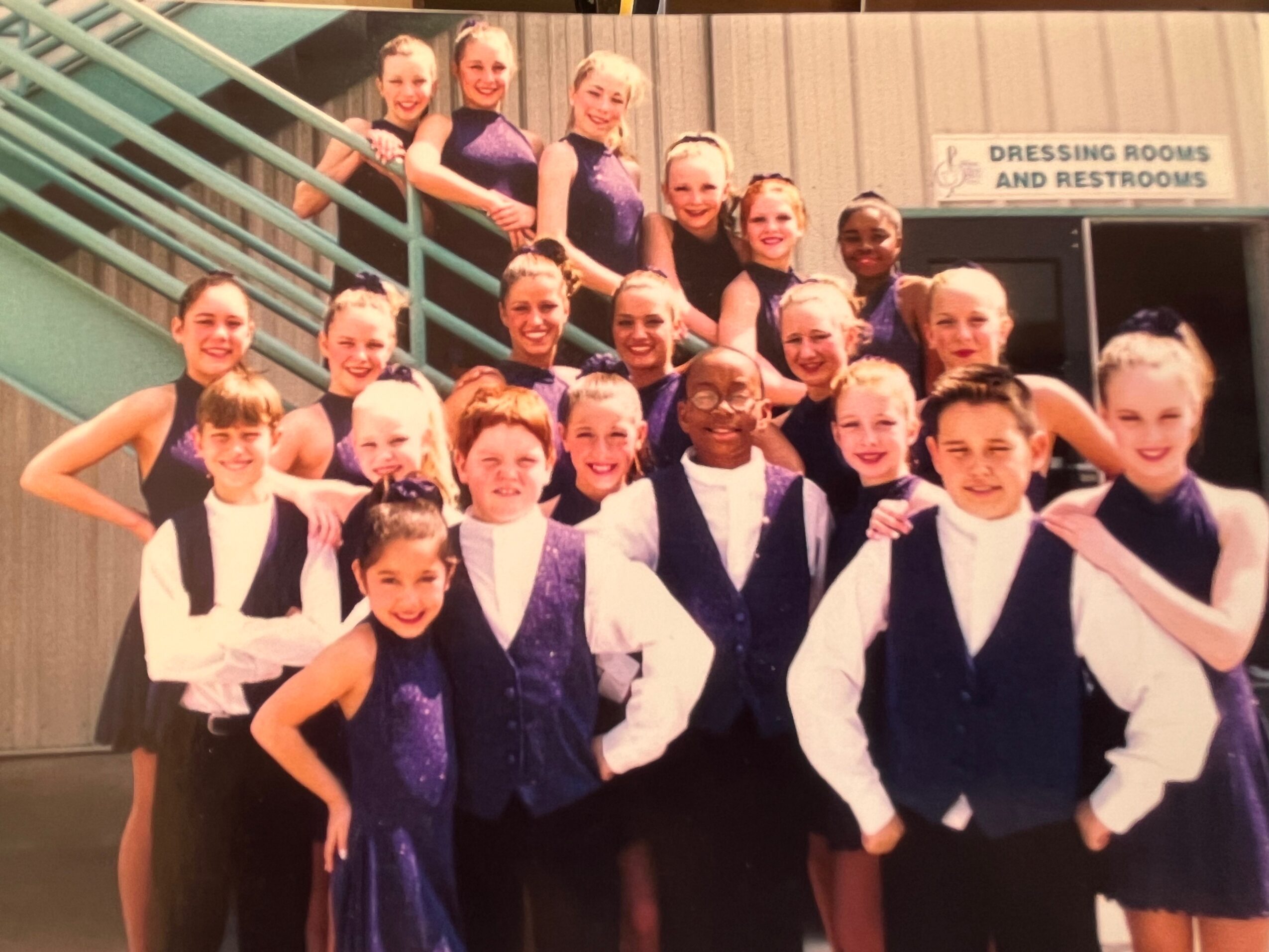
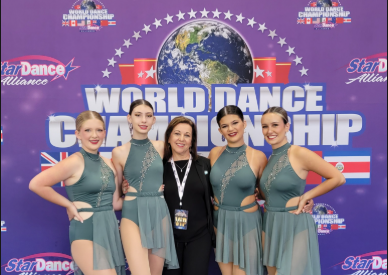
At the same time, traditions that began decades ago continue with new generations. D’Ann Danse has been selected 27 times to represent Maryland at Dance Excellence in Los Angeles, where dancers from around the world come together to train, perform and learn from one another. This past spring, in 2026, I had the privilege of taking another group of D’Ann Danse dancers to Los Angeles. There is something very special about looking at photographs of dancers I took there years ago and realizing that I am still able to offer that experience to young dancers today.
Through all of those years, the foundation on which I’ve tried to build D’Ann Danse has remained very simple: God • Family • Dance. My faith has always been my compass, family—both my own and the extended family that has grown within our studio—has kept me grounded, and dance has been the gift that allowed me to bring those things together. I’ve always believed that dance education should help develop the whole child, not simply the dancer. Technique and training matter tremendously, but so do character, confidence, responsibility, kindness and knowing that you belong somewhere.
But when I look back over 43 years, the accomplishments aren’t what affect me most. It’s the generations.
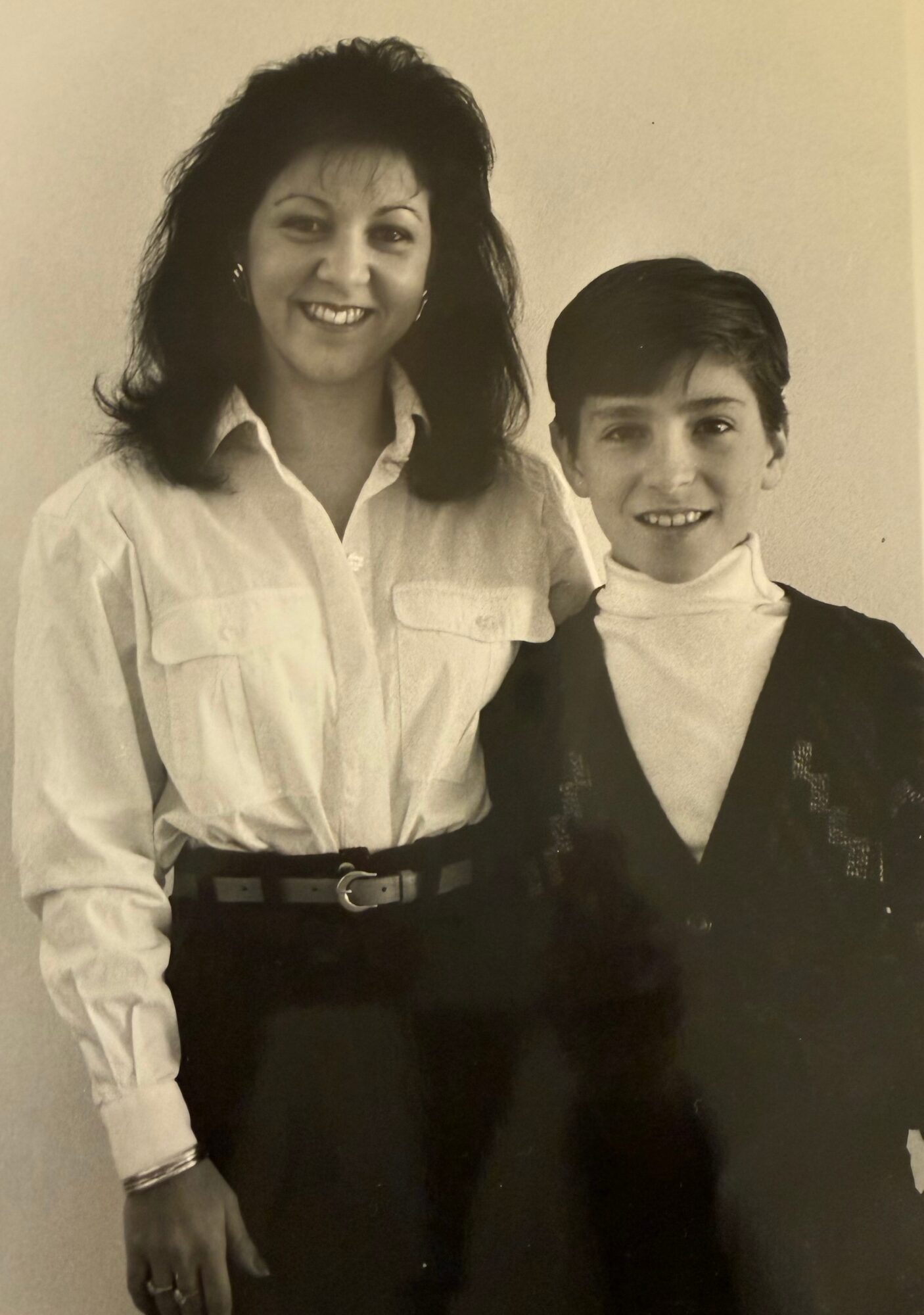
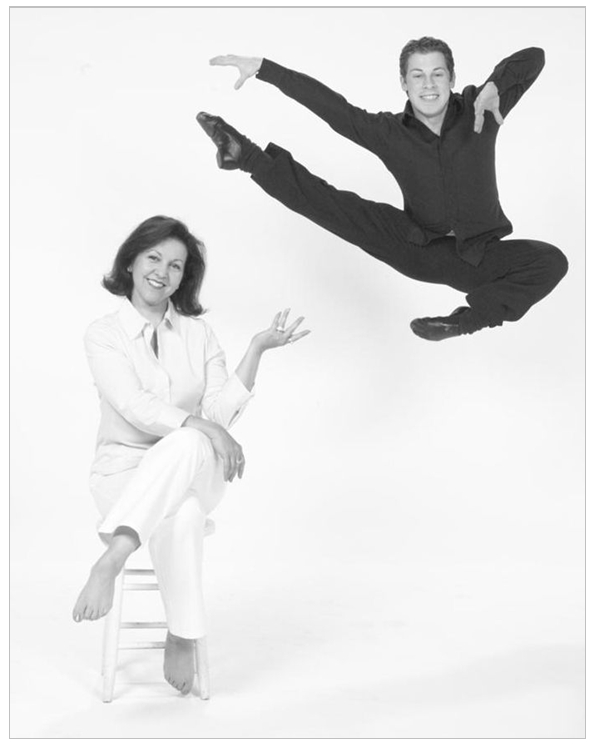
More than 26 years ago, an article about D’Ann Danse described the studio as a “second home” to more than 250 dancers. Today, thousands of children have come through our doors. Some danced with us for a season; others spent most of their childhood here. I’ve watched little girls grow into young women, graduate, build careers and families of their own, and in some cases return with their children. I’ve had students become professional performers and dance educators, while countless others carried the confidence, discipline and friendships they developed through dance into completely different paths. I’m equally proud of all of them.
I sometimes smile when I read something I said in an interview more than 26 years ago. I wanted our students to understand that “they are not just good for the Eastern Shore—they are good everywhere.” I still believe that.
Dance has changed tremendously since 1983, and so has the business of dance. D’Ann Danse has grown, changed, adapted and reinvented itself many times along the way. But the things that matter most to me haven’t changed. I believe in strong training, personal attention, giving children opportunities to discover what they’re capable of, and creating a place where they know they belong.
Today, we describe our approach to dance education through three words: Technique • Performance • Artistry. We teach technique to build a dancer, guide performance to shape a dancer, and inspire artistry to set a dancer apart. But underneath all three is something that has been there since the beginning: heart.
When I opened D’Ann Danse in 1983, I certainly couldn’t have imagined that 43 years later I would still be walking through those doors, still teaching, still learning, and still getting excited about the next child who walks in. D’Ann Danse has become much more than the studio I started. It is thousands of individual stories woven together across generations—and I feel incredibly fortunate that I still get to be part of the next one.
Alright, so let’s dig a little deeper into the story – has it been an easy path overall and if not, what were the challenges you’ve had to overcome?
No, it certainly hasn’t always been a smooth road. I don’t think you build anything that lasts more than four decades without experiencing seasons that challenge you, change you and sometimes make you question what comes next.
One of the greatest challenges has simply been learning to evolve. The dance world I entered in 1983 is very different from the dance industry today. Styles have changed, teaching methods have evolved, technology has transformed the way we communicate and operate a business, and the expectations placed on young dancers and their families have changed tremendously. I’ve had to learn that honoring tradition doesn’t mean resisting change. Sometimes preserving what matters most requires being willing to change almost everything around it.
There were also the challenges of building a business while raising four children. All four of my children tried dance, and two became very involved as members of our competition team, so in many ways D’Ann Danse became part of our family’s life as well. Like so many women, I learned to wear many hats. There were years when I was a mother, wife, teacher, choreographer, artistic director, business owner, costume designer, problem solver and whatever else needed to be done—sometimes all in the same day. Looking back, I’m not quite sure how I managed some of those seasons, but family has always been one of the reasons behind what I do, not something separate from it.
Then came challenges no business owner could have anticipated. The COVID-19 pandemic was unlike anything I had experienced. Dance is about connection—being together in a studio, creating together, performing together—and suddenly we had to find ways to maintain that connection while physically apart. Like so many small businesses, we had to adapt quickly and creatively simply to keep moving forward.
There have been other difficult seasons as well—economic changes, enrollment fluctuations, and moments when circumstances forced me to step back and rethink what D’Ann Danse needed to become next. The rise of social media has brought an entirely new set of challenges that simply didn’t exist when I opened my studio. While it can be a wonderful way to celebrate our dancers, connect with families and share the joy of dance, it has also changed the way young people communicate, compare themselves to others and experience the world around them. As an educator, I’ve had to learn how to navigate that changing landscape while protecting the values and sense of community that have always mattered to me.
But I’ve learned that longevity isn’t about avoiding difficult seasons. It’s about knowing what can change and what should never change.
I can change a program, a schedule, the way we communicate, or even the way we structure the studio. What I don’t want to change are the values at the heart of it: God • Family • Dance, treating each child as an individual, providing excellent training, and creating a place where dancers are encouraged, challenged and cared for.
At 43 years, I’m still learning. I’m still adjusting. I’m still willing to begin again when something isn’t working. I think that willingness to evolve while remaining grounded in who we are has carried D’Ann Danse through some of its most difficult seasons—and has allowed us to keep opening the doors for the next generation.
Thanks for sharing that. So, maybe next you can tell us a bit more about your work?
My own journey into dance actually began through another art form. As a young competitive skater, I began studying dance to develop greater grace, artistry and core strength for my skating. After an injury while training, the direction of my life changed completely. I shifted my focus from competitive skating to dance, and what had begun as a way to enhance my skating became my passion and, ultimately, my life’s work.
That beginning may be one reason I’ve always looked at dance as more than learning steps. I experienced firsthand how dance develops strength and technique while also teaching artistry, musicality and expression. Those elements have remained central to the way I teach and choreograph.
Today, I am a dance educator, choreographer, production designer, and artistic director. I’ve spent my career teaching dancers not simply how to execute steps, but how to understand movement, communicate through it and ultimately develop their own voice as artists.
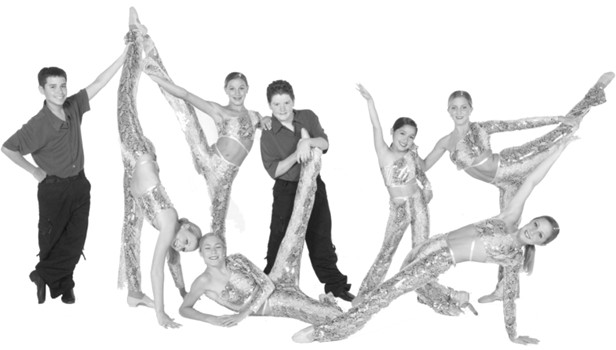
At D’Ann Danse, our approach is built around three words: Technique • Performance • Artistry. Technique gives a dancer the foundation. Performance teaches them how to communicate with an audience. Artistry is where they begin to understand who they are as a dancer rather than simply reproducing choreography. When those three things come together, something very special happens.
There is a phrase I often use with my dancers: “Unzip your soul.” For the time they are with us, I want them to feel free to let their personalities and emotions come through their movement. Children carry more than we sometimes realize—school pressures, friendships, family dynamics and simply the everyday stresses of growing up, much of which they cannot control. The dance floor can give them a place to express some of those feelings without having to put them into words.
Different styles of dance offer different ways to do that. A dancer can find joy in jazz, freedom in contemporary, discipline and beauty in ballet, or simply lose herself in the music for a little while. I love watching the moment when a dancer stops worrying about getting every step exactly right and begins to feel what she is dancing. My hope is that our dancers can walk into the studio carrying whatever the day has given them, “unzip their soul” while they are with us, and walk back out feeling a little lighter and more at peace.
That is also why I believe so strongly in seeing the individual child. Not every dancer walks through our doors with the same goals, personality, learning style or natural abilities. Some dream of professional careers. Some want to compete or perform. Others simply love coming to dance class each week. My responsibility as an educator is to recognize the child in front of me and help that dancer grow from where they are, rather than trying to fit every student into the same mold.
Personal attention has remained an important part of D’Ann Danse throughout our history. I believe there is tremendous value in a teacher truly knowing a student—knowing when to challenge them, when to encourage them, when they are capable of more than they realize, and sometimes when they simply need someone to believe in them.
What am I most proud of? After 43 years, it isn’t a particular award, performance or title. I’m most proud of the young people.
Of course I’m proud when a dancer earns a scholarship, is accepted into a prestigious program or goes on to perform professionally. Those moments are wonderful. But I’m just as proud when a painfully shy little child finds the courage to walk onto a stage, when a dancer finally accomplishes something she/he has worked toward for months, or when a former student comes back years later and tells me that something she or he learned at D’Ann Danse helped her far beyond the dance studio.
I’m also incredibly proud of the generations of dancers who have grown up with us and of the young women and men who have returned as teachers, assistants and mentors to the dancers coming behind them. That full circle is very meaningful to me. It tells me that what they experienced here was something they felt was worth passing on.
If there is something that sets D’Ann Danse apart, I hope it is this balance: high expectations without losing the heart of why children dance in the first place. I want our dancers to receive excellent training and to understand discipline, responsibility and commitment, but I never want achievement to become more important than the child.
That connects back to the values that guide me personally and professionally: God • Family • Dance. Dance is tremendously important to me—it has been my life’s work—but it belongs within something larger. If our dancers leave us as confident, compassionate, disciplined young people who understand their own worth, then we have accomplished something far more important than teaching them how to dance.
How do you think about happiness?
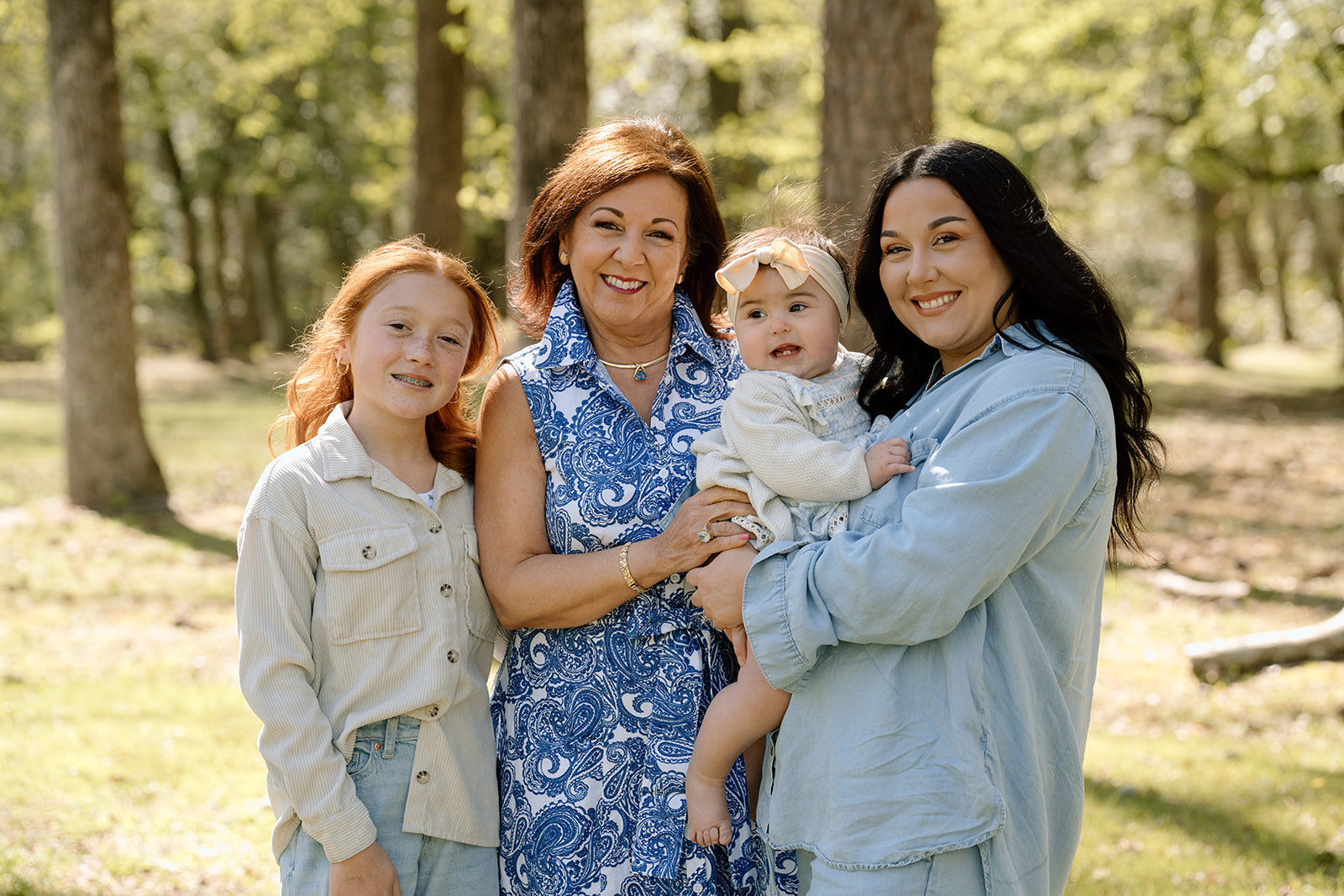
Happiness for me has changed as I’ve gotten older. These days, it’s often found in the simplest things—being with my family, watching my children build lives and families of their own, and especially spending time with my grandchildren. There is something about becoming a grandmother that gives you a completely different appreciation for time. You realize just how quickly the years pass, and you learn to treasure the ordinary moments that you might once have rushed through.
My faith also brings me a great deal of happiness and peace. God has been my compass through the wonderful seasons of my life and through the difficult ones. I’ve learned that happiness doesn’t necessarily mean everything is going perfectly. For me, it has much more to do with gratitude—recognizing the people, experiences and little moments I’ve been given and trying not to take them for granted.
And, of course, dance still makes me happy. After all these years, I can still walk into the studio tired or with a hundred things on my mind, hear the music begin and feel differently. I love creating. I love teaching. I love that moment when a dancer suddenly understands something she has been working toward, or when choreography that began as an idea in my head comes alive onstage through my dancers. I’ve also returned to something I’ve always enjoyed—teaching wedding dance. And really, who doesn’t love weddings? Love, happiness, joy, laughter—it’s all there. There is something wonderful about helping a couple prepare for a moment they’ll remember for the rest of their lives. It reminds me that dance has a place in so many of life’s celebrations, from a child’s first dance class to a couple’s first dance together.
Children make me happy, too. Their honesty, humor, excitement and ability to see possibility in things that adults sometimes overlook are wonderful reminders not to take life too seriously. I’ve spent most of my adult life surrounded by young people, and I think they have taught me almost as much as I have taught them.
At this point in my life, I think what makes me happiest is connection—to God, to my family, to the people I love, to my dancers, and to the art form that has been such an extraordinary part of my life. I’ve been fortunate to spend more than four decades doing work that has allowed all of those things to intersect.
Maybe happiness, for me, is simply being present enough to recognize how blessed I already am.
Contact Info:
- Website: https://www.danndansestudios.com/
- Instagram: https://www.instagram.com/danndansestudios/
- Facebook: https://www.facebook.com/profile.php?id=61593935727139
- Other: https://www.facebook.com/profile.php?id=100006873249026