



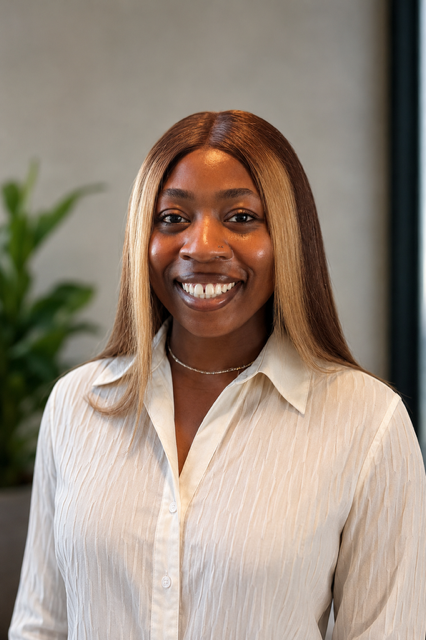
Today we’d like to introduce you to Celina.
Hi Celina, can you start by introducing yourself? We’d love to learn more about how you got to where you are today?
Since I was a child, I always knew I wanted to become a clinical counselor. I would openly express my desire to become a “psychiatrist,” not fully understanding the distinction between psychiatry and counseling, but understanding what I truly wanted to do: help people who were struggling with life work through their issues, pain, and trauma. I wanted people to feel heard, understood, and loved by someone; especially if they had not consistently experienced those things in they personal lives.
Throughout my academic journey, I intentionally worked toward entering the mental health field. Earning my master’s degree solidified the path I had been working toward and allowed me to step into the role I had envisioned for myself since childhood. My experiences as a clinician have continued to deepen my understanding of what it means to be an effective and compassionate helper.
Last year, I decided to establish ROI Pathways Mental Health for many reasons, some of which were unforeseen and beyond my control at the time. However, its creation ultimately aligned with what I believe was the next step in my professional journey. ROI Pathways represents more than the development of a private practice; it reflects my continued commitment to becoming a more effective, intentional, and authentic helper for those who need support. It has given me an opportunity to create a space where people can feel deeply seen, heard, supported, and empowered as they navigate some of life’s most difficult experiences.
Would you say it’s been a smooth road, and if not what are some of the biggest challenges you’ve faced along the way?
The road to building ROI Pathways Mental Health has not been smooth. One of the challenges I have faced is navigating how to build and maintain a consistent clientele. When working for an established organization, there are already systems, professional relationships, and referral networks in place that help create a steady flow of clients. When building a practice independently, particularly as someone who is new to entrepreneurship, those connections are not automatically there. I have had to learn how to create those relationships and establish my own network.
Another significant challenge has been learning the business side of therapy. Ironically, the clinical aspect of my work is often the easiest part for me. Listening, supporting, connecting with clients, and helping people navigate difficult experiences are the parts of this work that come naturally to me. However, running a practice requires so much more than being a good clinician. There is marketing, networking, credentialing, finances, administrative responsibilities, and countless decisions that I had never been responsible for before. Learning and navigating these areas while simultaneously trying to grow my practice has been another challenging aspect of establishing and building ROI Pathways. It has required me to step outside of my clinical expertise, learn as I go, and become comfortable navigating areas of business ownership that were unfamiliar to me.
I have also recognized the importance of having a strong support network. Throughout my professional career, I have always worked within organizations where, when I encountered a problem, there was someone above me I could turn to for guidance. Entrepreneurship is different. When you own the business, you are often the person responsible for troubleshooting, making decisions, and figuring out the next step. Not having that built-in support has been one of the more difficult adjustments.
At the same time, these challenges have shown me the importance of building community and intentionally surrounding myself with people who possess strengths in areas where I am still growing. Rather than viewing the areas where I lack experience as limitations, I am learning to see them as opportunities to seek mentorship, build meaningful professional relationships, and continue developing as both a clinician and an entrepreneur.
Thanks for sharing that. So, maybe next you can tell us a bit more about your business?
ROI Pathways Mental Health is a mental health practice rooted in the belief that people deserve a safe, supportive space to feel heard, understood, cared for and empowered as they navigate life’s challenges. I founded ROI Pathways Mental Health as an extension of my passion for helping others and my belief that no one should do life alone. I don’t believe anyone is meant to do life alone.
The practice primarily serves adults navigating concerns such as anxiety, depression, stress, grief, life transitions, trauma, relationship and interpersonal challenges, self-esteem, and other emotional and mental health concerns. My therapeutic approach is eclectic, with a primary focus on Cognitive Behavioral Therapy (CBT), while also strongly incorporating strength-based and client-centered approaches. I recognize that clients are more than their diagnoses or the challenges that bring them into therapy. I strive to meet each person where they are while helping them develop insight, coping skills, healthier patterns, and a stronger sense of self.
What sets ROI Pathways Mental Health apart is the emphasis on the whole person and the path forward. Therapy is not simply about identifying what is wrong; it is also about understanding a person’s experiences, recognizing their strengths, and helping them identify where they want to go from there. I want clients to leave therapy feeling not only supported, but more equipped to navigate their lives beyond the therapy room.
I am especially proud of the meaning behind the ROI Pathways brand. ROI is derived from El Roi, a name for God meaning “the God who sees.” That meaning is deeply connected to how I want clients to experience therapy. Even when life feels difficult or the people and circumstances around them make them feel unseen, I want the time we share in therapy to remind them that they are noticed, valued, and worthy of being heard. They are not simply another person moving through the world; their story matters. Just as El Roi represents the God who sees and notices His people, I want my clients to experience that same sense of being genuinely seen and understood within the therapeutic space.
I am also proud that ROI Pathways is a reflection of my own journey as both a person and a clinician. Building the practice has challenged me to grow not only in my clinical work, but also as a business owner, advocate, and leader. It has pushed me to continue learning, evolving, and becoming more intentional about the kind of clinician and person I want to be. Ultimately, I want readers to know that ROI Pathways Mental Health is more than a place to receive therapy. It is a space centered on connection, growth, and walking alongside people as they navigate the path toward the life they want—because that path does not have to be traveled alone.
Where do you see things going in the next 5-10 years?
Over the next 5–10 years, I see ROI Pathways Mental Health growing from a solo practice into a larger organization that reflects the same values and passion that inspired me to create it. One of my biggest goals is to build a team of clinicians who are genuinely committed to helping people and who share my belief that every person deserves to feel seen, heard, and supported.
I also see ROI Pathways expanding beyond individual therapy. My goal is to facilitate seminars, engage in public speaking, provide clinical supervision to developing counselors, and create opportunities to educate, support, and connect with people beyond the traditional therapy setting. I want the practice to become a place where people can access not only therapy, but also education, mentorship, and meaningful conversations around mental health and personal growth.
As the business grows, I want to remain intentional about preserving what makes ROI Pathways meaningful to me. Growth is important, but I do not want growth to come at the expense of the personal connection and genuine care that the practice was built on. My long term vision is to build an organization that can reach more people while remaining grounded in the same purpose: helping people feel seen, valued, and supported as they navigate their path forward.
Contact Info:
- Website: https://www.roipathwaysmentalhealth.com/
- LinkedIn: https://www.linkedin.com/in/celina-omenankiti-ms-lcpc-6aa184144
- Other: Email: celina@roipathways.com