




Today we’d like to introduce you to Nina Rollins.
Hi Nina, please kick things off for us with an introduction to yourself and your story.
My story is not one of a straight path or easy victories. It is a story shaped by resilience, faith, survival, and an unwavering belief that people deserve compassion—especially in their hardest moments.
I was raised by a determined mother who became one of my greatest inspirations. When I was 12 years old, I watched her make the courageous decision to go back to school and fight for a better future for our family. Watching her overcome obstacles planted something deep within me. Her perseverance became fuel for my own life and taught me early that setbacks do not have to define your future.
At 18, I left home to attend college full of hope and ambition. But during that time, I experienced a horrific gang rape that changed the course of my life. The trauma led to severe mental health struggles, including major depressive episodes and a suicide attempt that resulted in hospitalization. Eventually, I left college carrying wounds that I did not yet know how to heal.
Several years later, I found myself trapped in an abusive domestic relationship that nearly cost me my life. My abuser attempted to kill me in the presence of his own family. Surviving that experience forced me to make one of the hardest decisions of my life—to leave. I spent three months living in a domestic violence shelter, rebuilding myself piece by piece, learning how to heal, and rediscovering my worth.
Those experiences could have broken me permanently, but instead they deepened my empathy and compassion for others. I understand what it means to feel unseen, unheard, and hopeless. And because of that, I have dedicated my life to making sure other people know they matter.
After returning to college in my early 30s, I earned my bachelor’s degree at the age of 34. Then, at 47, I achieved something I once believed was impossible: earning my master’s degree in the Psychology of Leadership. Every degree represented more than education—it represented survival, healing, and reclaiming my voice.
Despite the setbacks, trauma, and periods of deep depression throughout my life, I have built my life around service and empathetic care. Whether through community outreach, food programs, advocacy, or simply showing up for people in crisis, my mission has always been rooted in seeing people the way God saw me during my darkest moments: worthy, valuable, and deserving of love and grace.
Today, everything I do is grounded in that belief. My story is not just about overcoming hardship—it is about transforming pain into purpose and using that purpose to help others heal, hope, and rise.
I’m sure it wasn’t obstacle-free, but would you say the journey has been fairly smooth so far?
No, it has not been a smooth road. In many ways, my journey has been marked by deep pain, trauma, and seasons where simply surviving felt like a victory.
One of the greatest struggles in my life has been my battle with mental health. After experiencing sexual violence as a young woman in college, I carried invisible wounds that impacted every part of my life. The trauma left me struggling with severe depression, anxiety, and PTSD long before I even had the language to fully understand what I was experiencing. I spent years trying to function while internally fighting feelings of shame, fear, hopelessness, and worthlessness.
There were periods where the weight of that trauma became unbearable. I experienced a mental health crisis that led to a suicide attempt and hospitalization. That season of my life was incredibly dark. I felt broken, disconnected from myself, and uncertain if healing was even possible. Trauma has a way of distorting how you see yourself, and for a long time, I did not believe I deserved peace, love, or safety.
Because I had not yet healed, I eventually found myself in an abusive domestic relationship. Looking back, I now understand how trauma and low self-worth can make someone vulnerable to accepting treatment they would never otherwise tolerate. I had become so accustomed to pain and survival that I stopped seeing my own value clearly. The emotional abuse slowly eroded my confidence, and over time, the situation escalated into violence.
The most terrifying moment came when my abuser attempted to kill me in the presence of his family. Surviving that experience forced me to confront a painful truth: if I did not leave, I might not survive. Leaving was not easy, but it became necessary. I spent three months in a domestic violence shelter rebuilding my life from the ground up. In that shelter, I began the difficult process of healing—not just physically, but emotionally and spiritually. I had to relearn my worth. I had to believe that I deserved more than survival.
Even after escaping those situations, healing was not linear. PTSD, depression, and emotional triggers do not disappear overnight. There were still setbacks, major depressive periods, and moments where old wounds resurfaced. But through therapy, faith, education, service, and community, I slowly began reclaiming my life.
What carried me through was the decision to not let my pain harden me. Instead, it deepened my empathy. My struggles taught me how powerful compassion can be. Today, when I serve others—whether someone facing hunger, homelessness, trauma, or despair—I do so from a place of understanding. I know what it feels like to need someone to see beyond your brokenness and remind you that you still have value.
The road has been difficult, but every struggle shaped the woman I am today: resilient, compassionate, and deeply committed to helping others find hope, healing, and dignity.
Thanks for sharing that. So, maybe next you can tell us a bit more about your work?
Today, my work is deeply rooted in service, advocacy, community outreach, and creating spaces where people feel seen, valued, and supported. Much of what I do centers around removing barriers for underserved and vulnerable populations through compassionate, community-driven initiatives. I specialize in community engagement, outreach strategy, nonprofit collaboration, grant writing, and building programs that meet both practical and emotional needs with dignity and care.
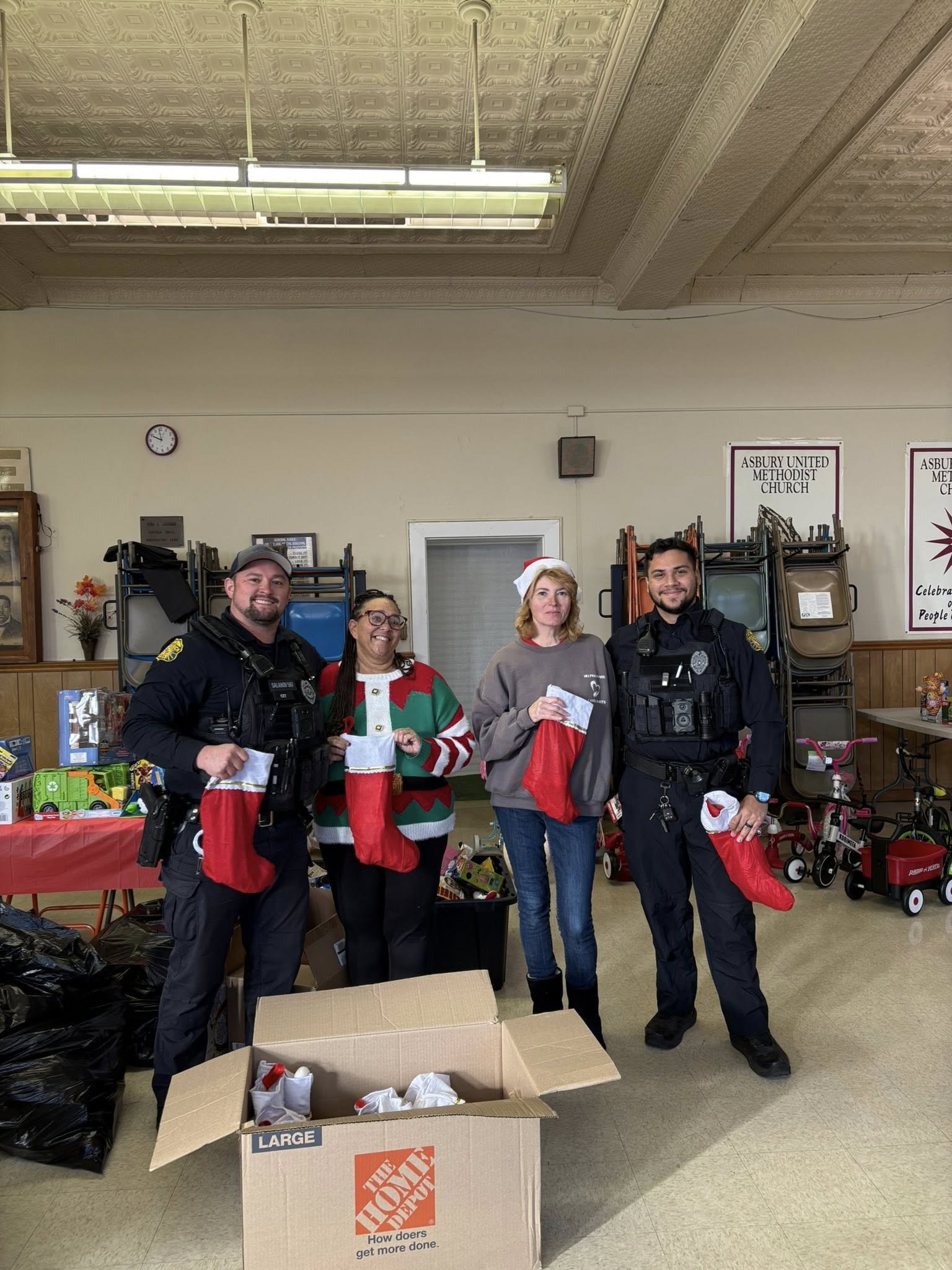
As the Communication Ministry Chair at Asbury United Methodist Church, I have helped lead and grow initiatives that impact thousands of people each year. One of the works I am most known for is our annual Community Block Party—an entirely free, large-scale event that brings together more than 150 organizations, churches, businesses, and community partners to provide food, school supplies, clothing, health resources, entertainment, and support services to thousands of families. What makes it unique is that everything is free—not only for attendees, but also for the organizations participating. It is intentionally designed to remove barriers and restore dignity.
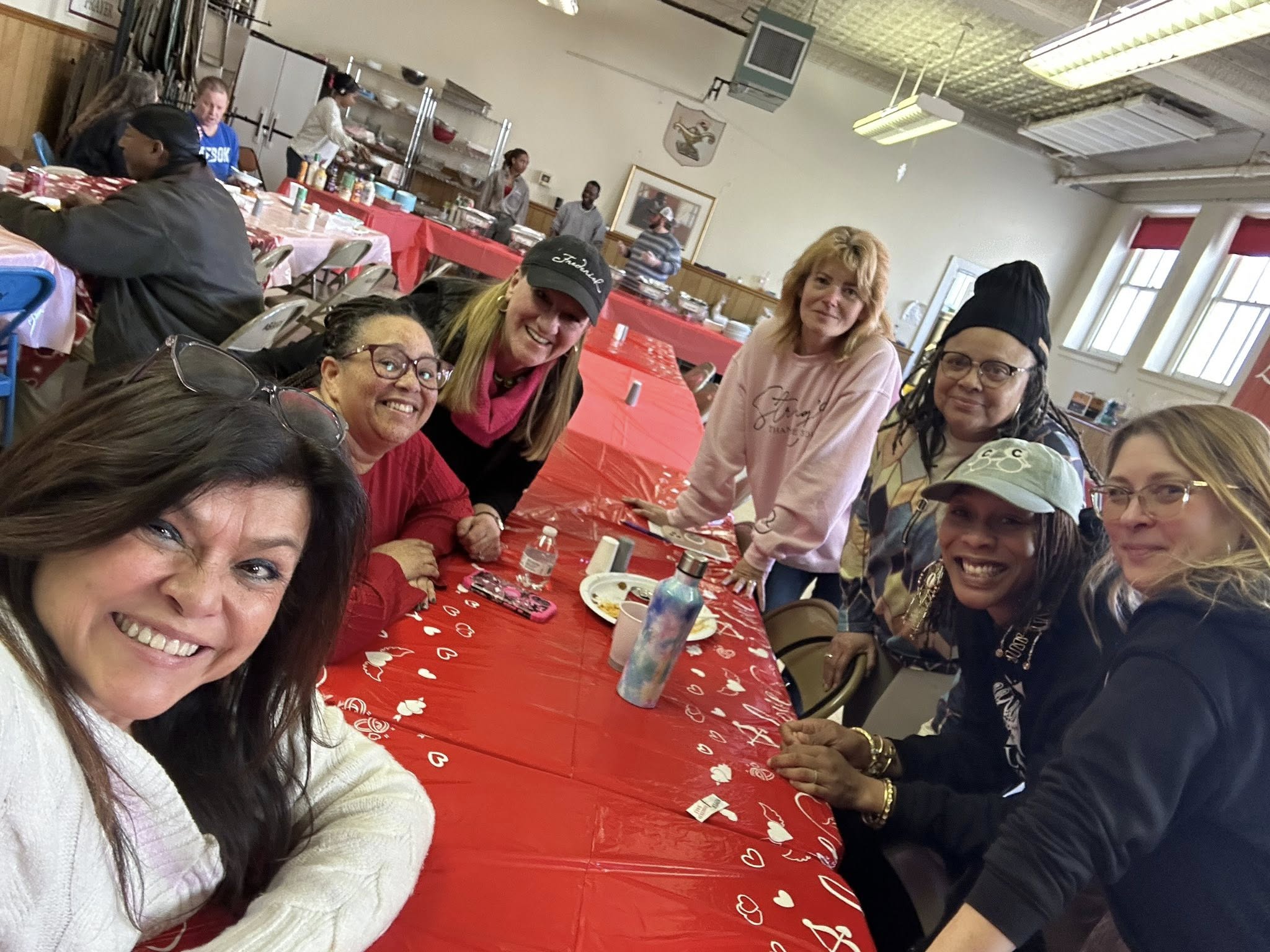
I am also deeply involved in our collaborative food pantry efforts with Helping Hands and Caring Hearts, which serves hundreds of families each month. Beyond food distribution, we focus on creating a welcoming environment rooted in empathy and human connection. For me, the work has never just been about handing someone groceries—it is about making sure people know they matter.
I am especially passionate about empathetic care and trauma-informed service. Because of my own life experiences, I understand that people often carry unseen pain. That perspective influences everything I do. I try to lead with compassion first, recognizing that sometimes the greatest impact comes from simply making someone feel safe, heard, and respected.
What I am most proud of is not necessarily the programs themselves, but the trust that has been built within the community. I am proud that people feel comfortable enough to come as they are, without fear of judgment or shame. I am proud that our work consistently centers dignity over charity and community over recognition.
I am also incredibly proud of returning to school later in life and earning both my bachelor’s degree and, at age 47, my master’s degree in the Psychology of Leadership. That journey represented perseverance and healing as much as academic achievement.
What sets me apart is that my work is not transactional—it is personal. I do not serve people from a distance. I serve from lived experience. I know what it means to struggle, to rebuild, and to need compassion in moments when life feels unbearable. Because of that, I approach leadership differently. I lead with empathy, authenticity, and a deep commitment to seeing people the way God sees them: worthy, valuable, and deserving of care.
At the heart of everything I do is one simple belief: service should never strip people of their dignity—it should restore it.
Can you talk to us a bit about happiness and what makes you happy?
What makes me happiest is seeing people rediscover hope—especially in moments when life has convinced them they are forgotten.
There is something incredibly powerful about watching a family walk into one of our community events carrying stress, exhaustion, or uncertainty, and then leave feeling supported, seen, and cared for. Whether it is a mother realizing she can feed her children for the week, a child laughing during a community event, or someone simply saying, “Thank you for treating me with kindness,” those moments stay with me. They remind me why I do this work.
I think happiness, for me, is deeply connected to purpose. Because I have experienced trauma, depression, fear, and seasons where I struggled to see my own worth, I do not take human connection lightly. I know what it feels like to need compassion. So being able to give that compassion to others brings me genuine joy.
I am also happiest when I see people come together across differences to serve one another. Watching churches, nonprofits, businesses, volunteers, and community members unite for something bigger than themselves restores my faith in humanity. In a world that can often feel divided, those moments remind me that kindness still exists and that people truly can change lives when they lead with love.
My family and loved ones bring me happiness as well. Watching the people I love grow, heal, and thrive fills my heart in ways that are difficult to put into words. And honestly, some of my happiest moments are often the simplest ones—laughter with family, quiet moments of peace, meaningful conversations, or seeing someone smile after a difficult day.
Most of all, what makes me happy is knowing that my pain did not become the end of my story. Instead, it became the foundation for purpose, empathy, and service. There is healing in helping others heal, and there is joy in knowing that even the hardest chapters of my life were able to produce something meaningful.
Contact Info:
- Facebook: https://www.facebook.com/nina.fortson/
- LinkedIn: https://www.linkedin.com/in/nina-rollins-27a850232/