



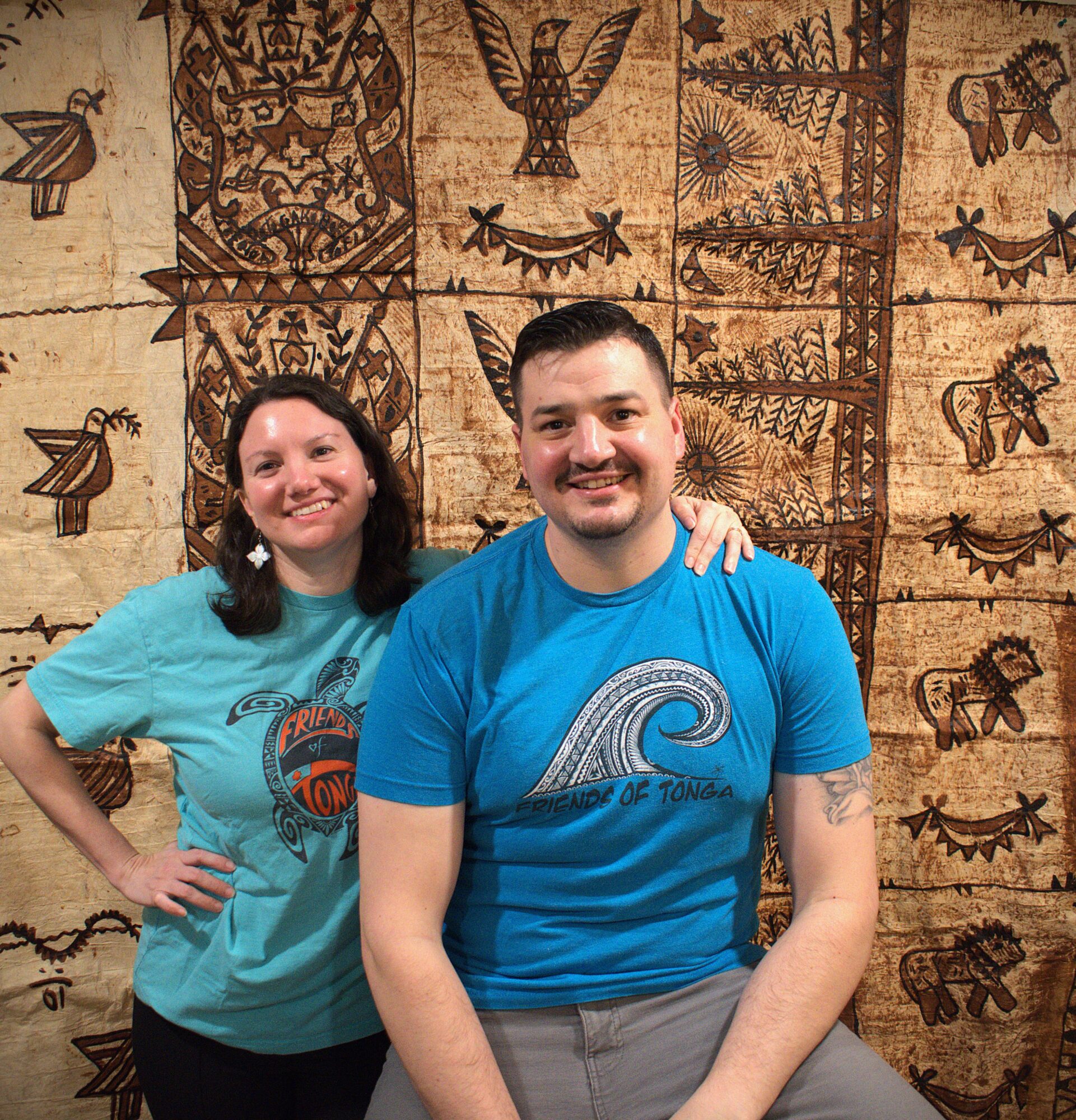
Today we’d like to introduce you to Michael Hassett And Chiara Collette.
Hi Michael Hassett and Chiara Collette, it’s an honor to have you on the platform. Thanks for taking the time to share your story with us – to start maybe you can share some of your backstory with our readers?
Chiara and I come from pretty different worlds—she grew up in Indonesia and eventually studied at Goucher, while I’m originally from north of Pittsburgh. We didn’t meet until 2012, when we both ended up in the Kingdom of Tonga as Peace Corps Volunteers. I was stationed in Fahefa, a rural village on the main island of Tangaapu and Chiara was stationed in the village Ta’anga on the outer island of ‘Eua. We spent two years living and working in those villages, and by the time we finished in 2014, we had a connection to the country that we weren’t ready to walk away from.
When we moved to Maryland, we stayed focused on service and policy. I was accepted into the Shriver Peaceworker Program at the University of Maryland, Baltimore County (UMBC), where I stayed through my Master’s and eventually a PhD in Public Policy. Chiara also earned her Master’s at UMBC and started teaching Kindergarten in Baltimore City Public Schools, later moving to Anne Arundel County schools when we settled in Laurel. Eventually, we both transitioned into our current roles at the National Oceanic and Atmospheric Administration (NOAA), but we were still looking for a way to stay involved with Tonga.
The real shift happened in 2018 after Cyclone Gita, the most powerful storm in Tonga’s recent history. In the aftermath, there was an email chain with about 50 former volunteers trying to figure out how to help, but the back-and-forth was overwhelming and nothing was actually getting done. There was a lot of disillusionment. I remember getting on the phone with a core group of the people we served with and deciding we were just going to have to “build the plane in the air.” We had the buy-in and people willing to work, so we figured, “Let’s see if we can make this thing fly.”
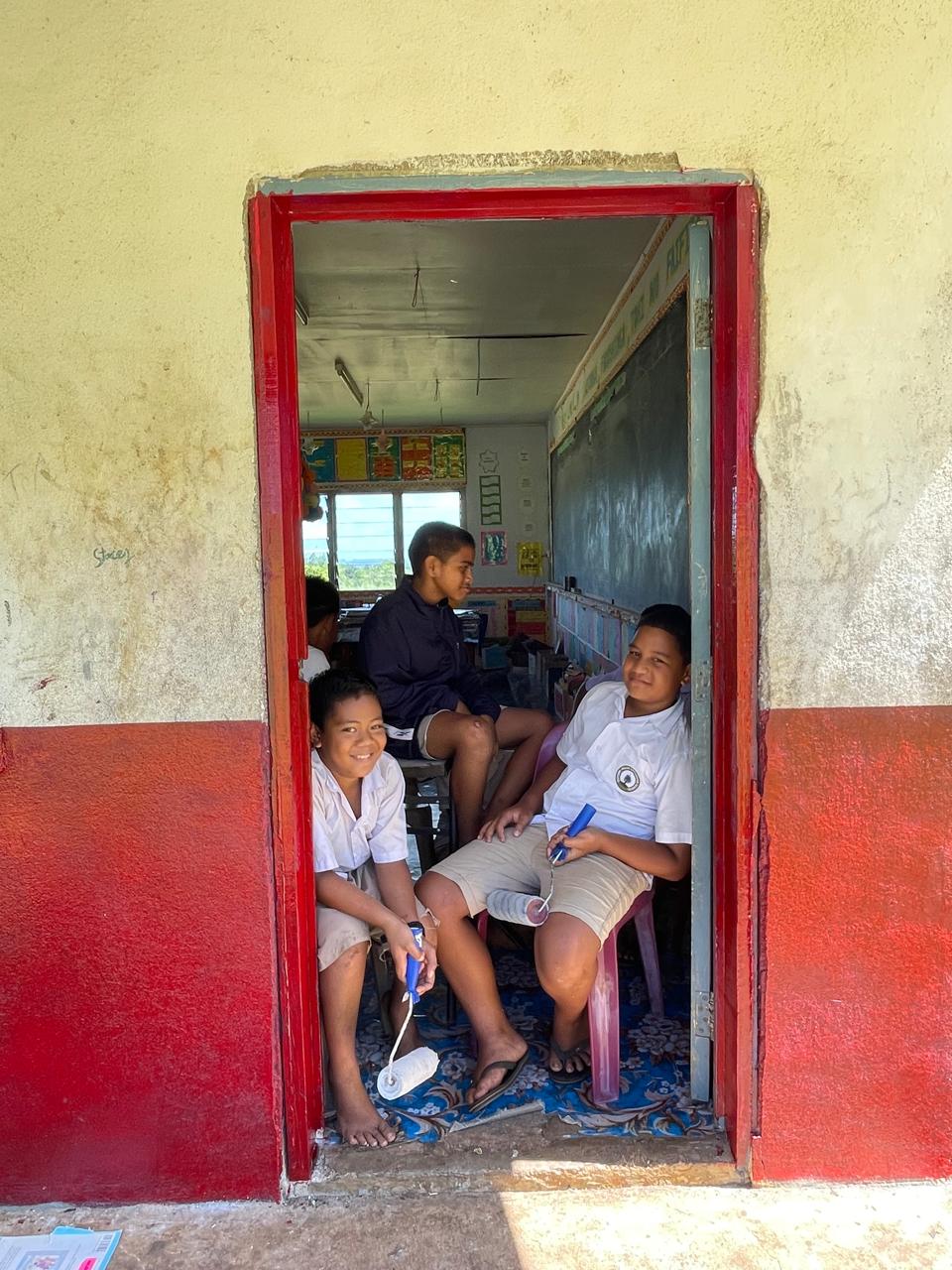
Friends of Tonga (FoT) officially started around a kitchen table in DC, but it was a trip later that year that solidified it for us. Chiara and I went back to Tonga for our honeymoon, and while we were there, the community in Ta’anga approached us directly. They showed us the wreckage of the kindergarten—it had been completely leveled—and we saw the kids trying to learn in a United Nations International Children’s Emergency Fund (UNICEF) tent. They asked if we could help them rebuild. That was the moment where we decided to level-up.
We aren’t doing this alone. While Chiara and I are the ones telling the story here, we’re backed by a formidable team of people who believe in this mission as much as we do. Our board is a mix of senior executives, world-renowned environmental lawyers, Information Technology (IT) gurus, educators, Peace Corps Volunteers, and Tongan nationals. That collective expertise is exactly why we’re able to stay nimble and support these communities in ways larger organizations often miss. While we are the physical hub here in Laurel, the brainpower is international. More importantly, we aren’t interested in the ‘quick fix’ or the photo op. Every program we run is community-driven and Tongan-led. We have zero interest in the ‘savior’ narrative—if we don’t have direct buy-in and leadership from the local Tongan community, we don’t do it. Period.
Today, we balance our jobs with the federal government with the work of the nonprofit. It’s a lot of nights and weekends, but it’s been effective. Our team’s Virtual Read-Aloud Program was recognized by the Library of Congress, and we received the Loret Miller Ruppe Award for community service.
From scholarship funds that cover school fees across all major island groups to our disaster relief efforts and climate change resilience projects, we’re proving that a small group of volunteers can have a legitimate and profound international impact. Whether we’re shipping critical supplies after a volcanic eruption or helping communities adapt to a changing environment, the distance between Laurel and the South Pacific isn’t that far if you have a team willing to put in the work.
Would you say it’s been a smooth road, and if not what are some of the biggest challenges you’ve faced along the way?
“Smooth” isn’t the word I’d use. The reality is that Friends of Tonga was born out of a total breakdown in the existing systems.
The first real hurdle was the frustration of watching a response fail in real-time. When Cyclone Gita hit in 2018, we tried to help through the usual channels, but we just hit a wall of red tape. It was demoralizing to see an email chain of 50 people spinning their wheels while we knew people on the ground were suffering. We realized then that if we wanted to see actual results, we had to build the vehicle ourselves.
We started with what seemed like low-hanging fruit: cultivating an alumni group of former volunteers, raising a bit of money, and funding annual scholarships. But the “road” got complicated fast. We decided to build a school in a remote village in the winter of 2019—right before the world went into pandemic lockdown. Trying to coordinate a construction project in Ta’anga from our basement in Maryland was a nightmare. Tonga had some of the strictest border closures on the planet, supply chains were snapping, and we couldn’t physically get there.
To be honest, there were moments during that build where I felt I had made a massive leadership failure. I felt like we had overextended ourselves and our team by agreeing to a project of that scale just as the world was falling apart. It took a ridiculous amount of grit—and a lot of uncomfortable conversations—just to keep the project from stalling.
Beyond the logistics, we deal with “Forgotten Nation” syndrome. Because Tonga is small and isolated, it often gets overlooked by major donors or buried in massive regional aid programs. We’ve had to become master storytellers, but more than that, we have to be incredibly persistent. We are constantly nagging, pitching, and reaching out to publications just to put Tonga on the map for people who can’t find it on a globe. Then the 2022 volcanic eruption and tsunami hit. Suddenly, the conversation wasn’t about literacy anymore; we had to pivot immediately to disaster relief. Dealing with those kinds of events is just a constant reality when you’re working in the Pacific.
Finally, there’s the “double life” grind. Our entire board is made up of people with demanding full-time careers and families. For all of us, Friends of Tonga isn’t a hobby; it’s a second full-time job. Because we have board members in Namibia, Tonga, and across every U.S. time zone, someone is always working in the middle of the night or the crack of dawn. Managing international logistics across a 17-hour time difference means our collective schedule is dominated by late-night Zoom calls squeezed in between day jobs and parenting. It’s a massive hustle for everyone involved, but when you’ve seen a community lead their own recovery, you don’t really mind the lost sleep.
Thanks – so what else should our readers know about your work and what you’re currently focused on?
If you want to see what a volunteer-led operation run out of a basement can actually do, look at January 2022. When that underwater volcano erupted and the tsunami completely severed Tonga’s communication with the rest of the world, we didn’t wait for the dust to settle. While the bigger, more established organizations were still stuck in “assessment mode,” our team was already moving. Friends of Tonga became the first international nonprofit to provide direct financial relief to the Kingdom. Looking back now, it’s incredible to see that our programs have touched 60% of the entire population.
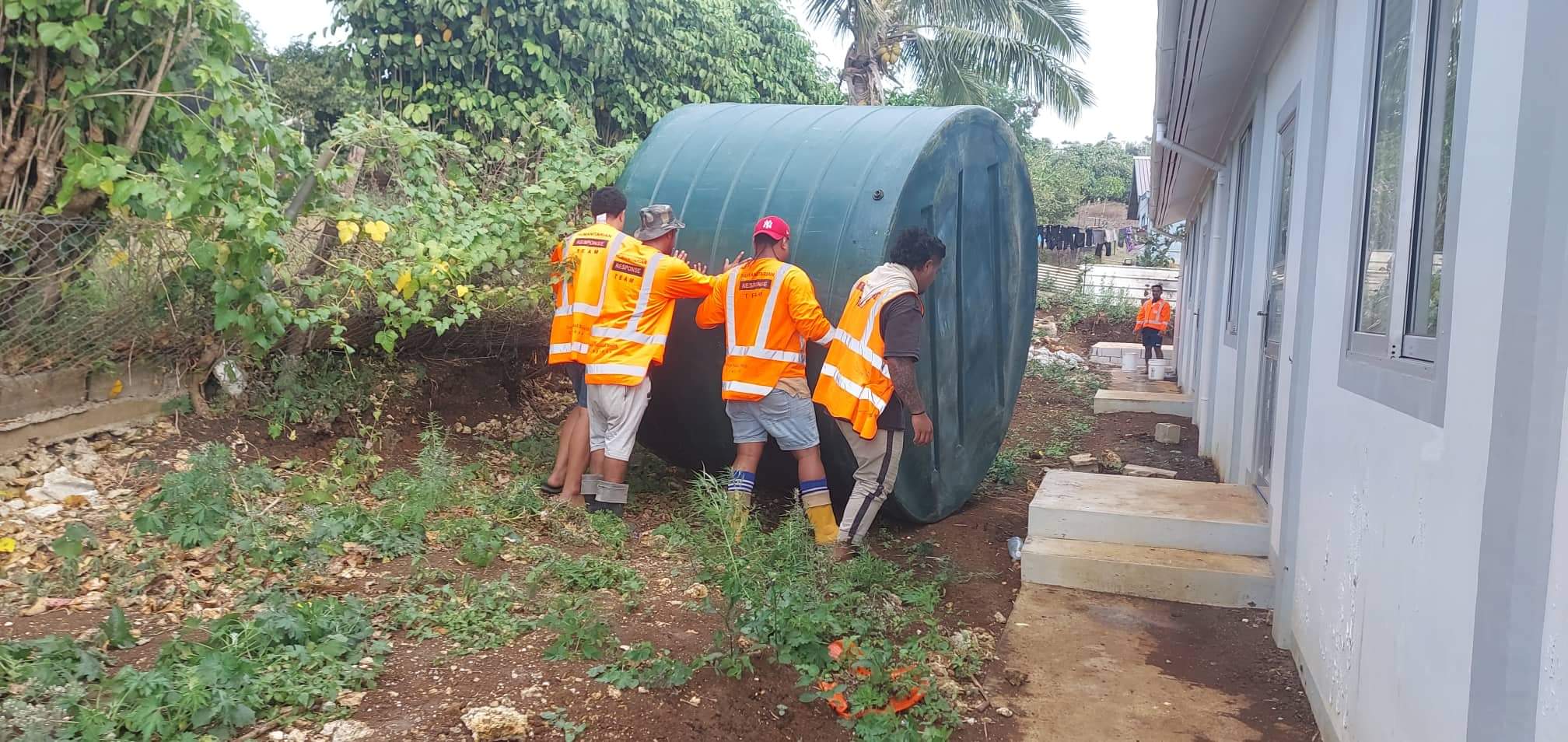
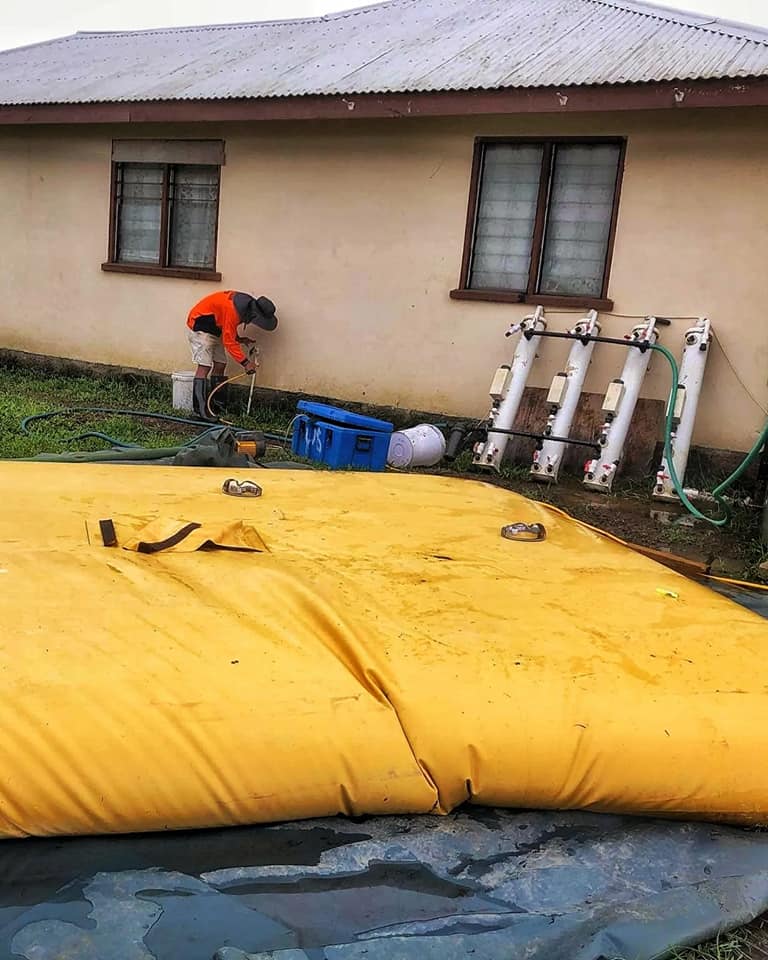
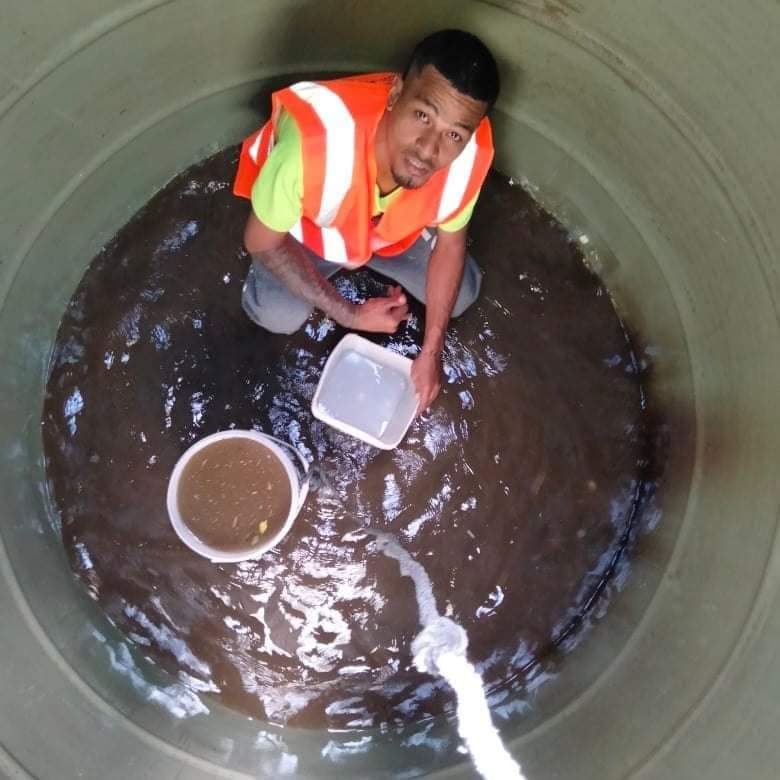
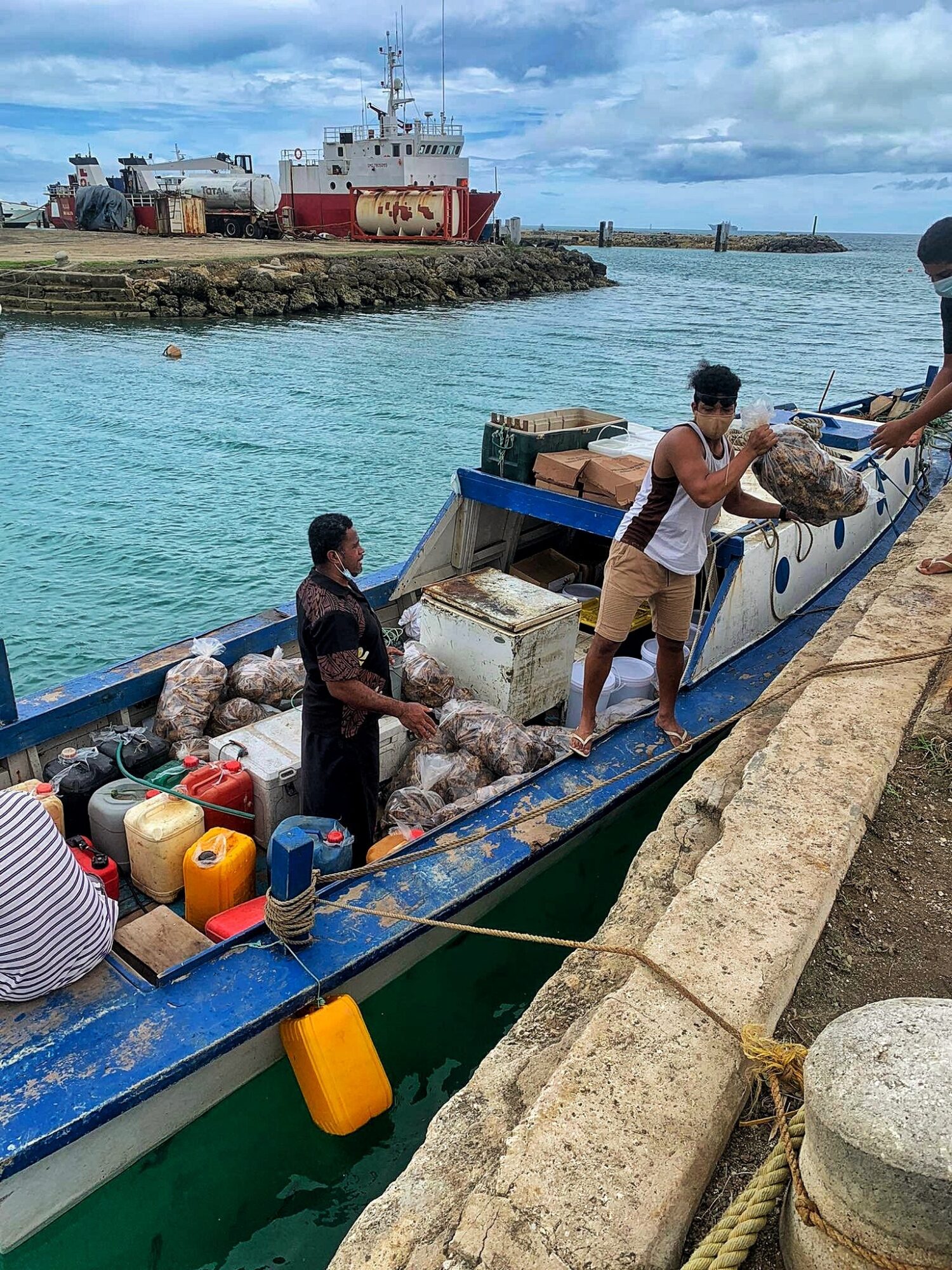
In the immediate chaos after the eruption, Chiara and I orchestrated a massive Water, Sanitation, and Hygiene (W.A.S.H.) response that served over 4,300 people. We were actually the first nonprofit to underwrite a relief response, eventually coordinating over $500,000 in goods and services. We focused on the details that matter, like rapidly delivering food and water to outer islands like Fonoi and Nomuka that were totally cut off from other aid. We even provided nearly 2,800 pairs of sandals so kids could protect their feet from the caustic volcanic ash covering the ground.
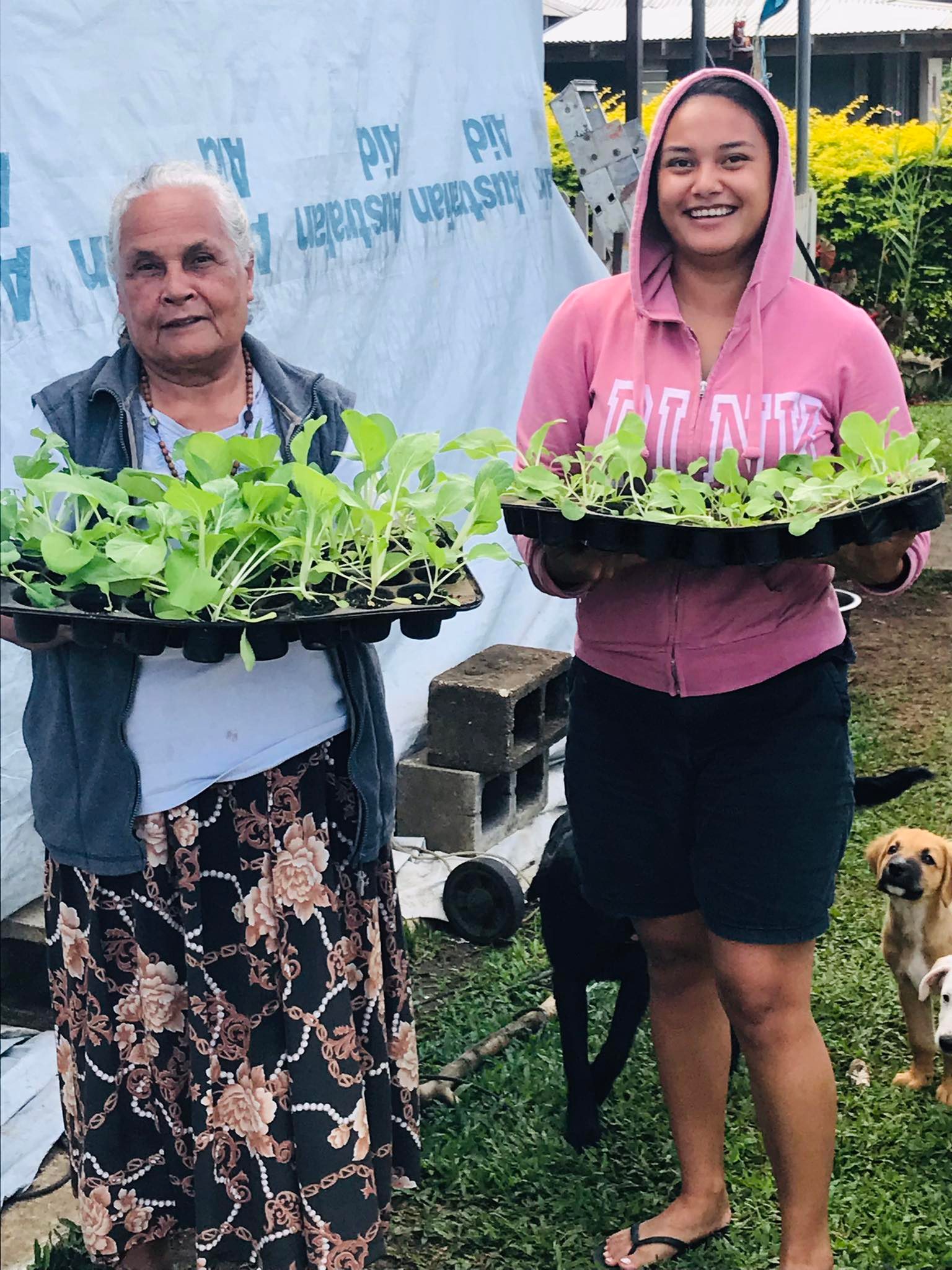
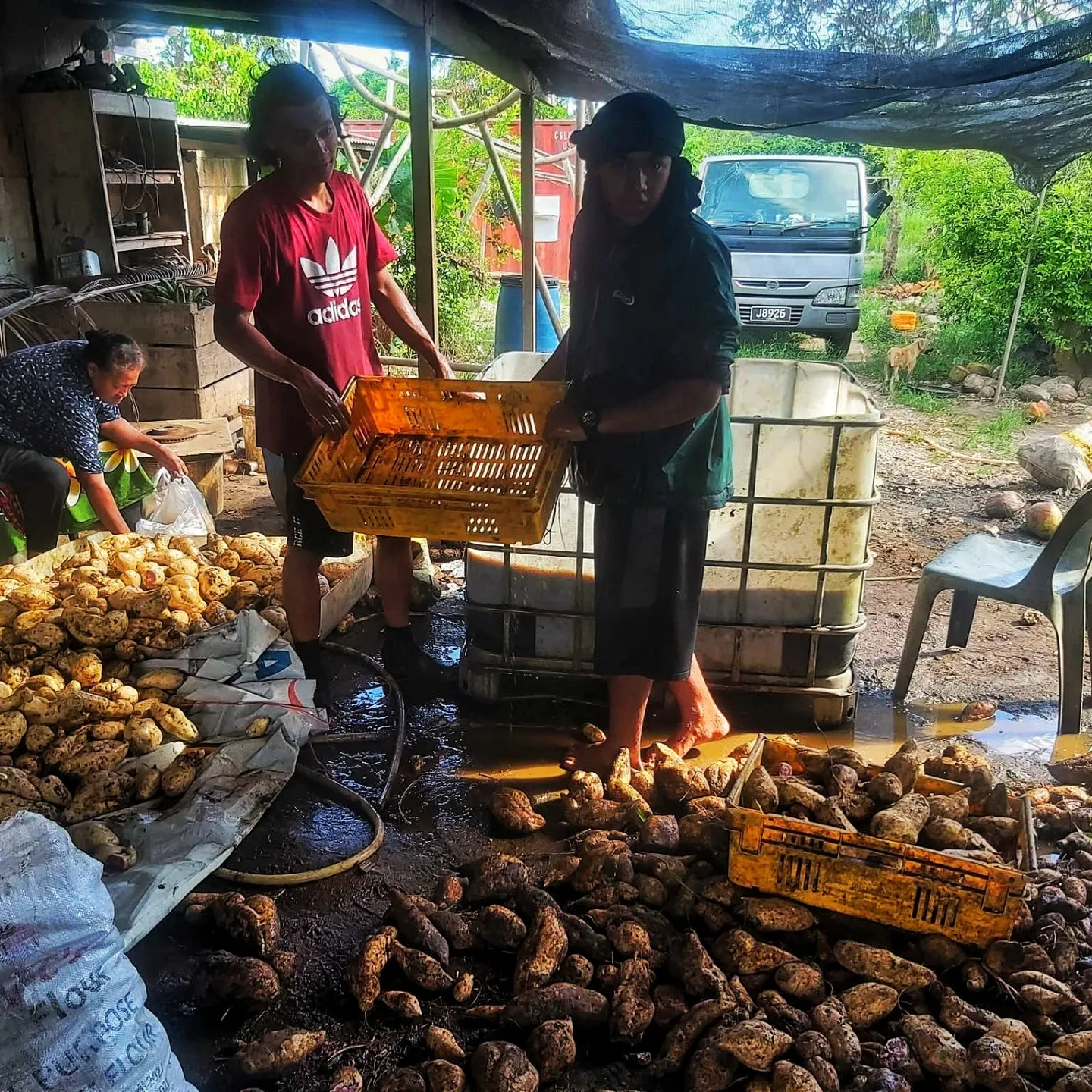
But we aren’t just about disaster response; we’re about staying for the long haul. Our commitment to recovery is anchored in resilient infrastructure, like the cyclone- and earthquake-resistant kindergartens we built in Ta’anga and Tu’anuku to replace the temporary tents the kids had been using. We’ve paired that physical stability with some serious innovation in literacy through a digital Video Resource Library of over 100 read-aloud stories, a project that earned us a Library of Congress Literacy Award. It’s a game-changer because even if physical books are lost to moisture or salt spray, Tongan teachers still have native-speaker resources at their fingertips. On the climate and food security front, we’ve installed 74 large-capacity rainwater cisterns and distributed over 63,000 seedlings to help families restore farms destroyed by the ash. We even funded counseling certifications for local leaders because we know that true resilience isn’t just about fixing buildings. It’s about the emotional recovery of the community, led by Tongans themselves.
Lately, our work has hit the national stage in ways we never imagined. Seeing our logo and the Tongan Coat of Arms on the field during an NFL game, thanks to Giovanni Manu of the Detroit Lions choosing us for “My Cause My Cleats,” was a surreal, full-circle moment. Between support from the National Football League (NFL) and rugby legends like Charles Piutau and the Vunipola brothers, we’ve gained the platform and the funding to scale our scholarship programs to levels we only dreamed of a few years ago.
What it really comes down to is what I call the “Peace Corps Hustle.” We are the ultimate underdogs. We don’t have a Chief Executive Officer (CEO) with a six-figure salary or some fancy glass office. We’re a 100% volunteer-run Non-Governmental Organization (NGO) with zero traditional overhead, so nearly every dollar goes straight to a student or a school. Because our board includes former volunteers and Tongan nationals, we have the personal cell phone numbers of the village leaders and farmers we serve. When a disaster hits, we aren’t guessing what’s needed from an office in D.C. We’re texting the people on the ground and asking them directly. We’re just a bridge between the global community and the resilience of the Tongan people, and we’re incredibly proud to be one of the few organizations that are holding that line.
That’s the long version, but the short version is that we’re just grateful to be able to show up for a community that’s given us so much.
What do you like and dislike about the city?
What do you like best about our city?
There is an authentic, “roll-up-your-sleeves” energy in Baltimore that reminds us of the resilience we saw in Tonga. People here don’t just talk about problems; they build things to solve them. We love the local loyalty—the way the community rallies around its own. There’s no pretension here; Baltimore is a city that knows exactly who it is, and that honesty is refreshing when you’re used to the red tape of international policy.
What do you like least?
Coming from backgrounds in education and public policy, it’s hard to see the stark disparities that exist within the city. There are neighborhoods that feel as disconnected from resources as remote islands in the Pacific, despite being only miles away from world-class institutions. We both spent significant time working within the Baltimore City Public School system, and watching that struggle can be heartbreaking. You see so much untapped brilliance in the students that is constantly stymied by a lack of basic infrastructure. It’s that same “overlooked” feeling we fight against in our work with Tonga.
However, what keeps us grounded is seeing the people who choose to show up and do the work. Despite the hurdles, there are so many individuals in this city with incredible agency—people who deeply care and are working every day to make a change for the better. Seeing that level of commitment in the face of such big challenges is genuinely inspiring.
Pricing:
- As a 100% volunteer-led 501(c)(3), we pride ourselves on transparency. Because we have no overhead for salaries, every donation goes directly toward our projects in the Kingdom of Tonga. Here is how your support translates into impact:
- $100 funds a single student for one year of school
- $1,600 funds the installation of a 10,000 liter rainwater cistern
- $50 dollars covers one square foot of a new classroom
- $2,500: Supports a Peace Corps Partnership Program (PCPP) grant for village-level climate resilience or education projects.
Contact Info:
- Website: https://friendsoftonga.org/
- Instagram: https://www.instagram.com/friendsoftonga/
- Facebook: https://www.facebook.com/friendsoftonga/
- LinkedIn: https://www.linkedin.com/company/friends-of-tonga/