



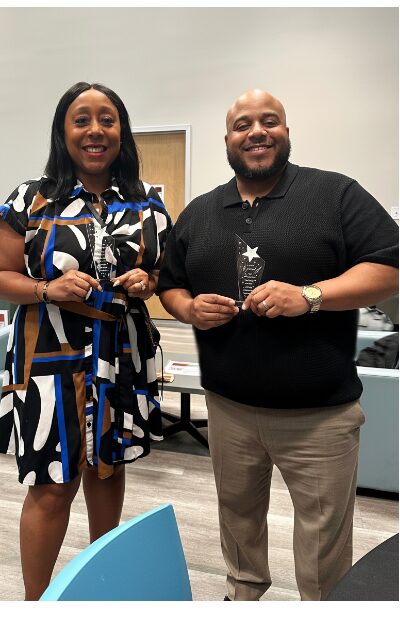
Today we’d like to introduce you to Keith Sutton.
Hi Keith, please kick things off for us with an introduction to yourself and your story.
My name is Keith W. Sutton, and I am the Founder and CEO of For The People Outreach and the Director of Renewed Vision Project.
My journey has been shaped by both personal experiences and a desire to make a difference in the lives of others. For many years, I worked as a Metro bus operator, building a stable career and supporting my family. While I was grateful for the opportunity, there came a point in my life when I began to think differently about what I wanted my legacy to be.
The biggest turning point came when my father passed away. Losing him made me realize just how short life really is. It forced me to reflect on my own purpose and ask myself what I wanted to accomplish while I was still here. I realized that time is something we can never get back, and I wanted my life to be about more than simply going to work every day. I wanted to create something that would have a lasting impact on people and communities.
That realization inspired me to pursue a mission of service. I founded For The People Outreach to help individuals facing mental health challenges, housing instability, unemployment, and other barriers to success. As the organization grew, I saw an even greater need to support youth, returning citizens, and underserved communities, which led to the development of Renewed Vision Project.
Today, our organizations provide behavioral health services, workforce development, housing support, mentoring, vocational training, and community-based programs throughout Maryland and the District of Columbia. We work with individuals who are often overlooked and help them build the skills, confidence, and support systems they need to succeed.
What drives me every day is the belief that everyone deserves an opportunity to improve their life. My father’s passing taught me that life is not guaranteed, and that lesson continues to motivate me to make the most of every day by helping as many people as possible. I want my legacy to be measured not by what I achieved for myself, but by how many lives I helped change along the way.
Can you talk to us a bit about the challenges and lessons you’ve learned along the way. Looking back would you say it’s been easy or smooth in retrospect?
No, it definitely has not been a smooth road.
Like many entrepreneurs and community leaders, I have faced my share of challenges. One of the biggest struggles was learning how to build an organization from the ground up while continuing to support my family and maintain a full-time career. There were many days when resources were limited, opportunities seemed uncertain, and the workload felt overwhelming.
The loss of my father was one of the most difficult experiences of my life. His passing forced me to reflect on how short life really is and challenged me to think differently about my future. It became a turning point that pushed me to pursue my purpose instead of settling for what was comfortable.
Starting and growing For The People Outreach was not easy. There were times when funding was limited, regulations were complex, and I had to learn many aspects of running an organization that no one teaches you in a classroom. I had to learn about licensing, compliance, staffing, budgeting, partnerships, and leadership while continuing to move the mission forward.
There were also moments when people questioned my vision or did not see the potential in what I was trying to build. Those moments were difficult, but they taught me perseverance and strengthened my commitment to helping others.
What kept me going was my belief that the work mattered. Every time I saw someone obtain housing, secure employment, improve their mental health, reunite with family, or find hope again, it reminded me why I started this journey.
Looking back, I would not change the struggles because they helped shape the leader I am today. They taught me resilience, patience, faith, and the importance of staying focused on your purpose even when the path is difficult.
Thanks for sharing that. So, maybe next you can tell us a bit more about your work?
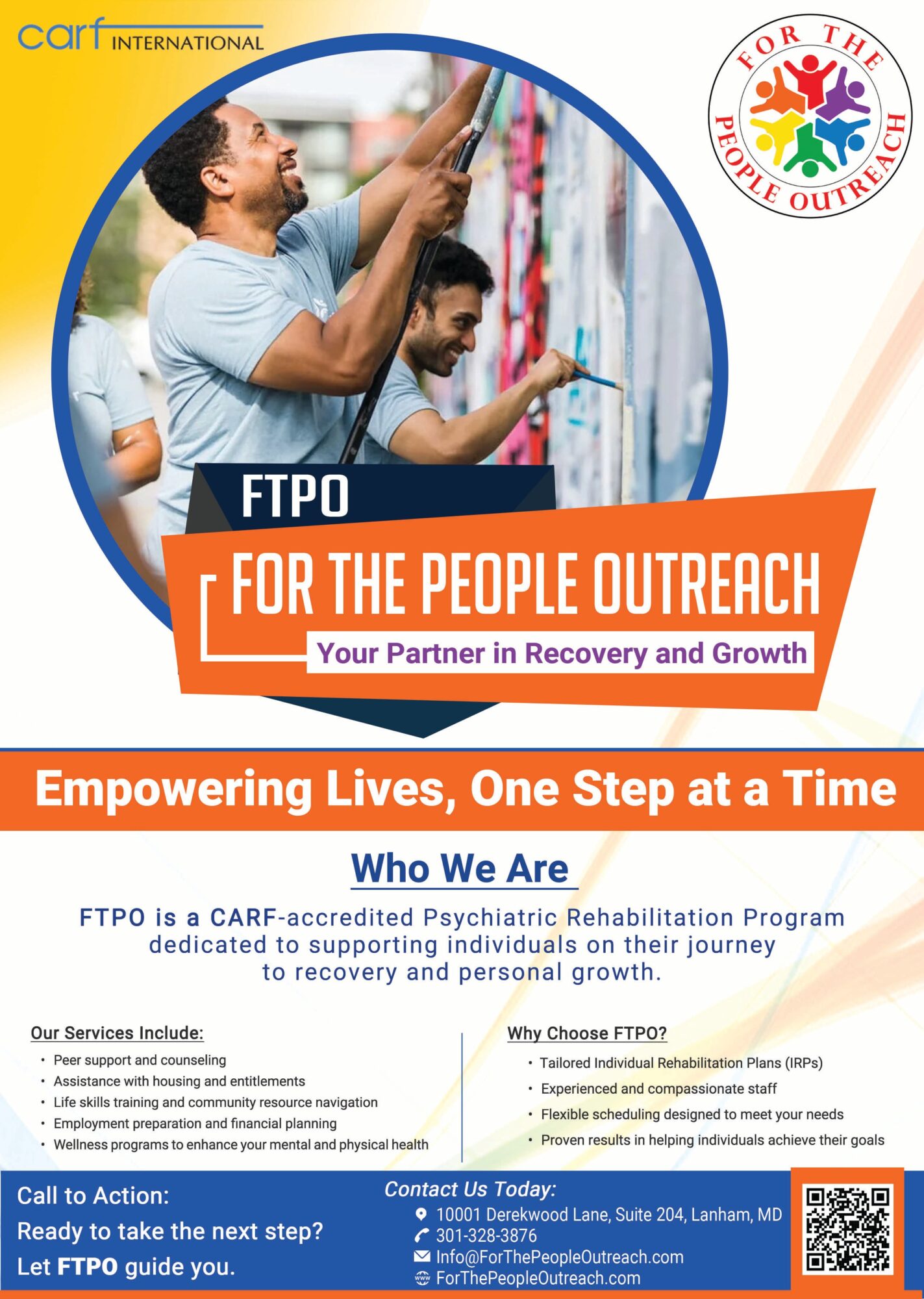
I am the Founder and CEO of For The People Outreach (FTPO) and the Director of Renewed Vision Project (RVP). My work focuses on helping individuals and families overcome barriers related to mental health, housing instability, unemployment, education, and community reintegration.
Through For The People Outreach, we provide behavioral health and psychiatric rehabilitation services that help individuals develop the skills and support systems needed to live independently and achieve their goals. Through Renewed Vision Project, we focus on workforce development, youth mentoring, vocational training, life skills development, and helping people discover new opportunities for success.
One area that I am especially passionate about is helping people who have been overlooked, underestimated, or told that they cannot succeed. Whether someone is struggling with mental health challenges, returning from incarceration, experiencing homelessness, or simply trying to find direction in life, I believe everyone deserves access to opportunities and support.
Over the years, our organizations have expanded to serve communities throughout Maryland and the District of Columbia. We have developed partnerships with government agencies, schools, community organizations, and employers to create pathways to employment, housing, education, and personal growth. We are also proud to provide workforce training opportunities in skilled trades such as HVAC, electrical, plumbing, and carpentry through NCCER-accredited programs.
What I am most proud of is not any single award or accomplishment. I am most proud of the lives that have been changed through our work. Seeing someone obtain stable housing, secure employment, improve their mental health, reunite with family, earn a certification, or gain confidence in themselves is what motivates me every day.
What sets me apart is that I approach this work from a place of service. I do not see people as case numbers or statistics. I see individuals with unique stories, strengths, and potential. My goal has always been to create organizations that meet people where they are and provide practical solutions that help them build a better future.
I also believe in creating opportunities rather than simply talking about problems. Whether through behavioral health services, workforce development, housing support, mentoring, or community partnerships, I focus on building programs that produce real outcomes and lasting impact.
At the end of the day, my mission is simple: help as many people as possible realize that their current circumstances do not have to define their future.
Where do you see things going in the next 5-10 years?
Over the next 5–10 years, I believe the behavioral health, workforce development, and community services industries will become much more integrated. Organizations will no longer be able to focus on just one issue, because the challenges people face are often connected. Mental health, housing, employment, education, transportation, and physical health all impact one another.
One of the biggest shifts I see is the growing demand for behavioral health services. More people are seeking help for mental health challenges than ever before, and communities are beginning to recognize the importance of early intervention, prevention, and recovery-focused services. This will create opportunities for organizations that can provide high-quality, person-centered care.
I also believe technology and artificial intelligence will play a major role in the future of service delivery. From virtual counseling and telehealth to data management and workforce training, technology will help organizations reach more people and operate more efficiently. However, I believe the human connection will always remain at the center of the work. Technology can support services, but it cannot replace genuine relationships and community support.
In workforce development, I see a growing emphasis on skilled trades, certifications, and alternative career pathways. Not everyone needs a traditional four-year degree to build a successful career. Industries such as HVAC, electrical, plumbing, construction, healthcare, and technology will continue to need trained workers, creating tremendous opportunities for workforce training programs and apprenticeship models.
I also expect greater accountability from service providers. Funding agencies, accrediting bodies, and government partners will increasingly focus on measurable outcomes rather than simply counting services delivered. Organizations will need to demonstrate that they are helping people achieve real improvements in employment, housing stability, education, recovery, and overall quality of life.
For organizations like For The People Outreach and Renewed Vision Project, I see tremendous opportunities to bridge the gap between behavioral health services and workforce development. Helping people improve their mental health while also providing pathways to employment, housing, and self-sufficiency is where I believe the future is headed.
Ultimately, I believe the organizations that will thrive over the next decade are those that remain adaptable, embrace innovation, build strong partnerships, and stay committed to putting people first.
Contact Info:
- Website: https://www.ForThePeopleOutreach.com
- Instagram: For The People Outreach
- Facebook: For The People Outreach LLC