



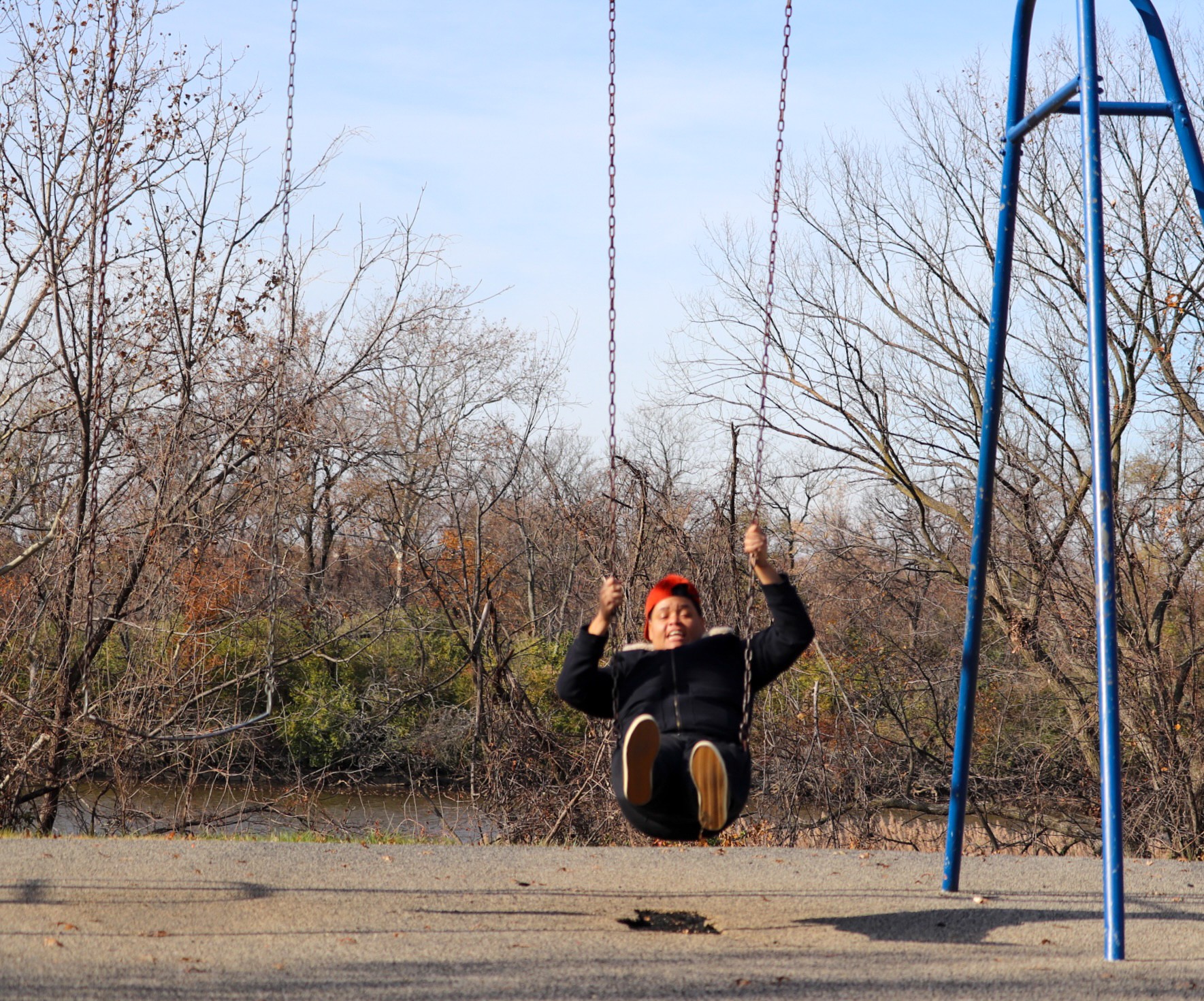
Today we’d like to introduce you to Jessica Lewis.
Jessica, we appreciate you taking the time to share your story with us today. Where does your story begin?
My understanding of connection has always come through play. As a play-based early childhood educator, I spend my days watching how children build friendships, negotiate conflict, and express themselves through movement and imagination. I watch how their social lives unfold in real time through play, and it’s endlessly fascinating. What became clear to me is that adults don’t outgrow these needs. We just stop being encouraged to meet them this way.
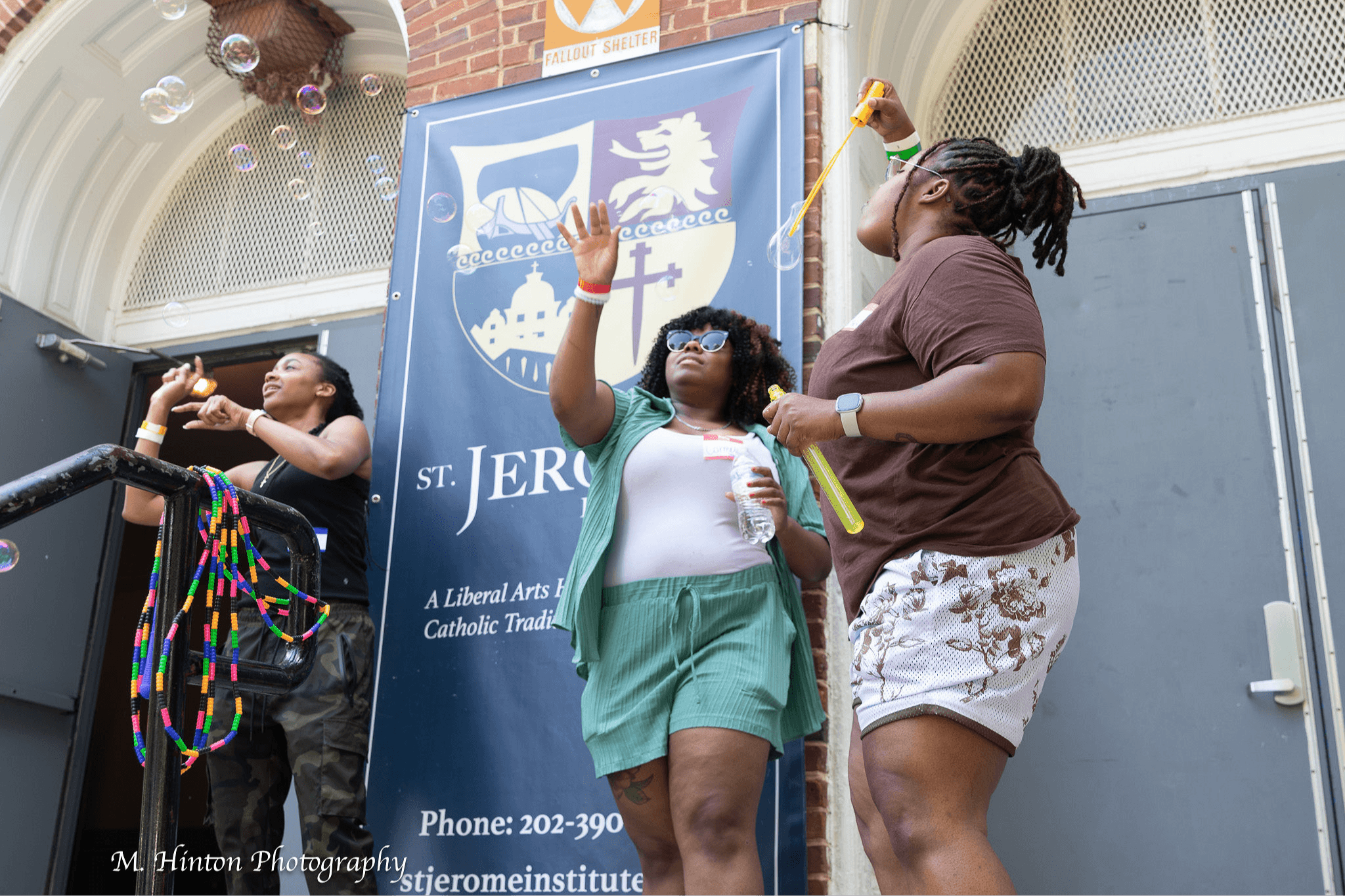
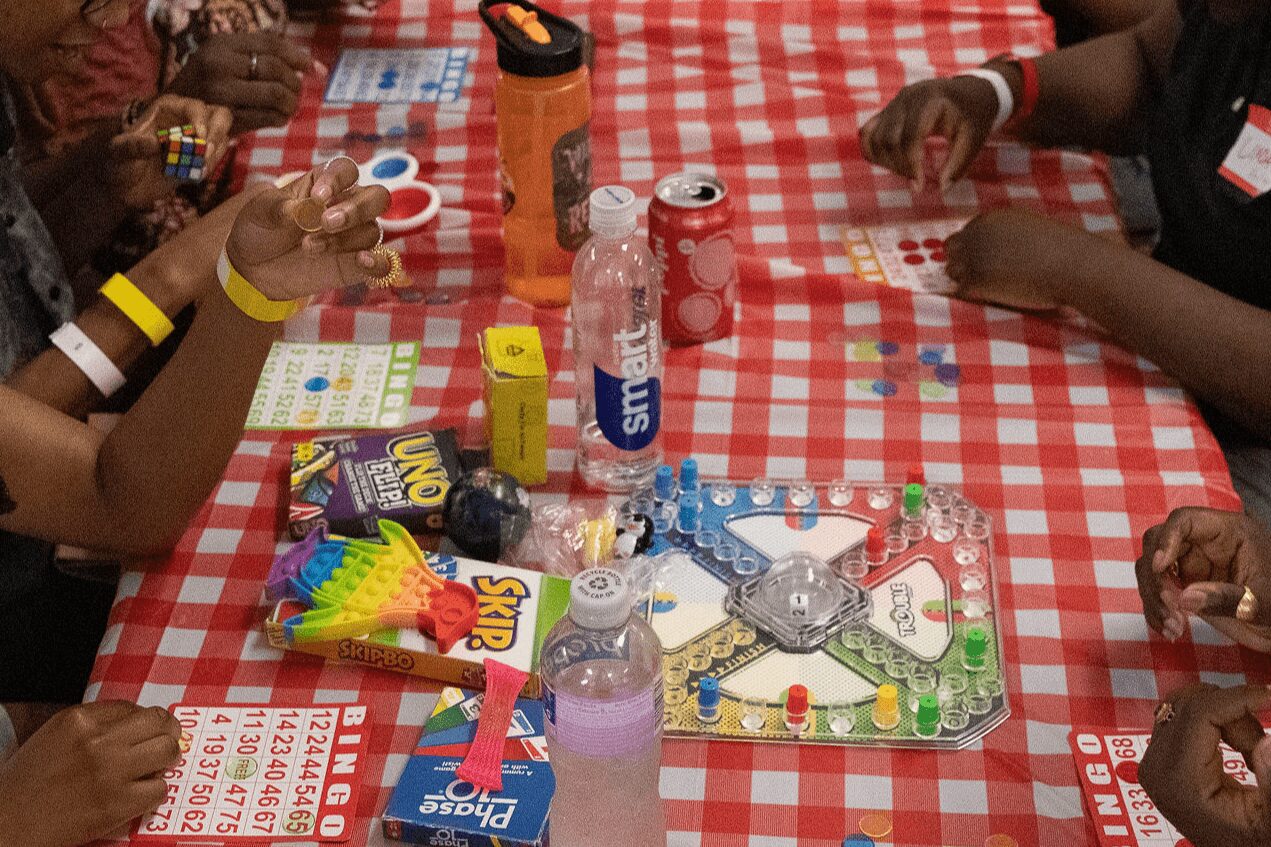
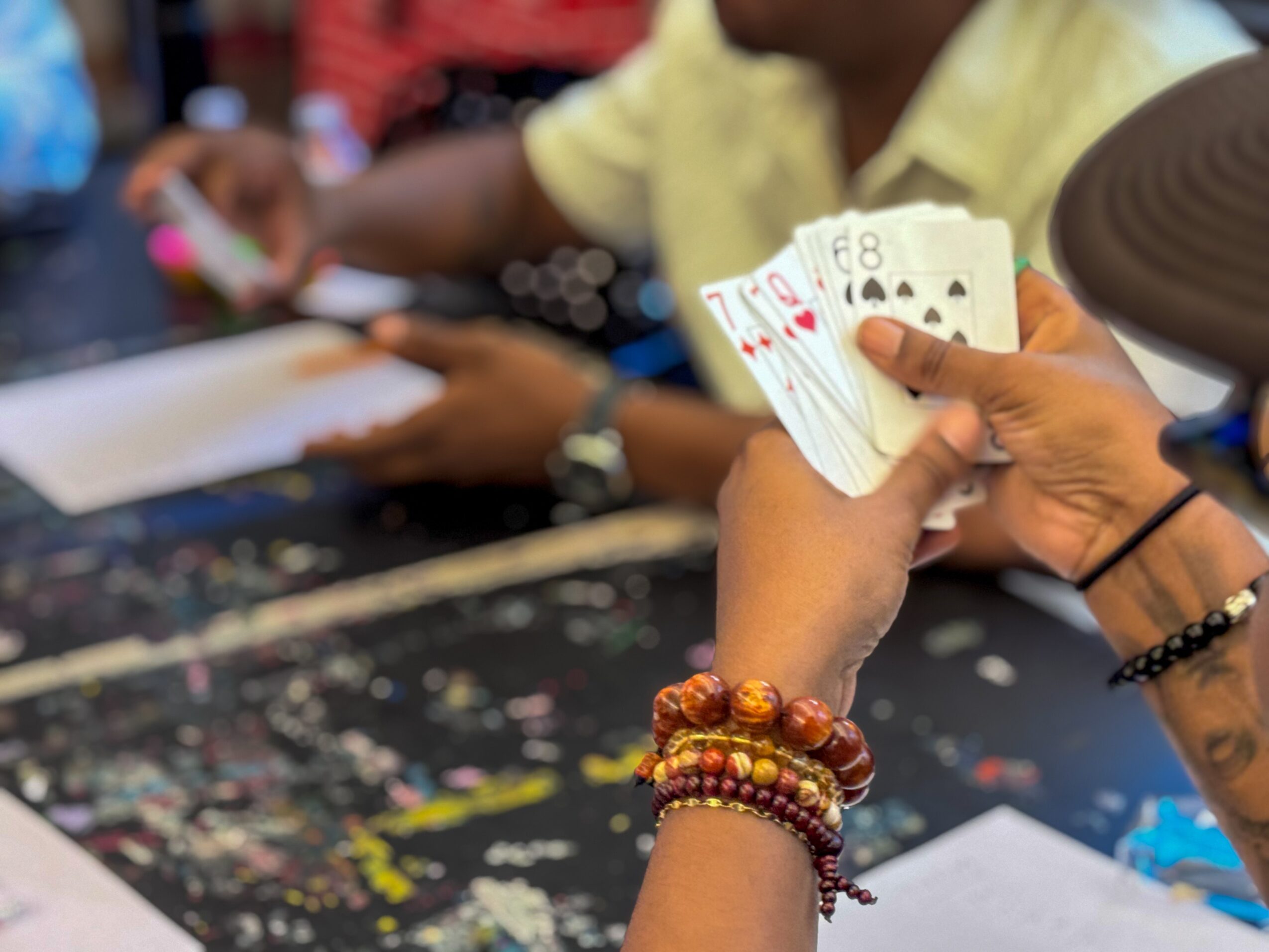
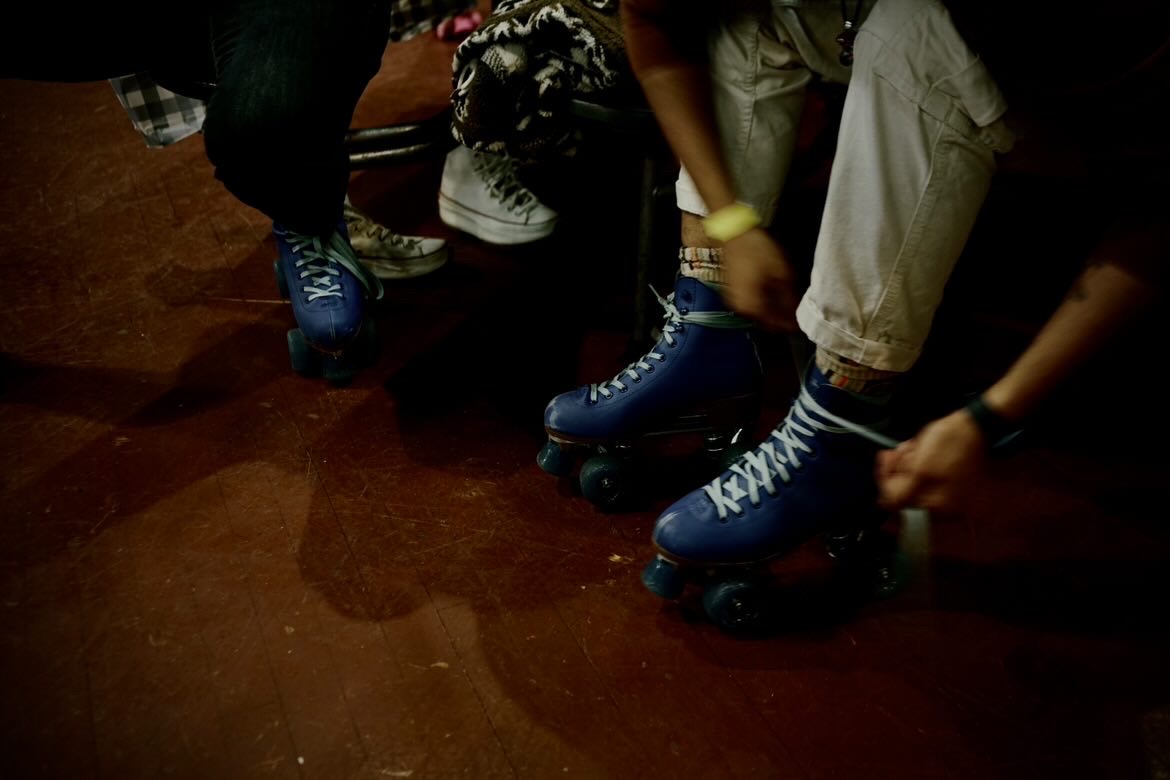
Play Play grew out of noticing how rigid adult social spaces can feel, and how much pressure there is to perform or rely on small talk. As life gets busier and anxiety creeps in, making friends as an adult can feel harder than it should. I studied what play does for children and began experimenting with it as a social language for adults, particularly lesbian and queer people seeking connection outside of traditional nightlife spaces. Take away the age gap, we’re all human. Play was the missing piece.
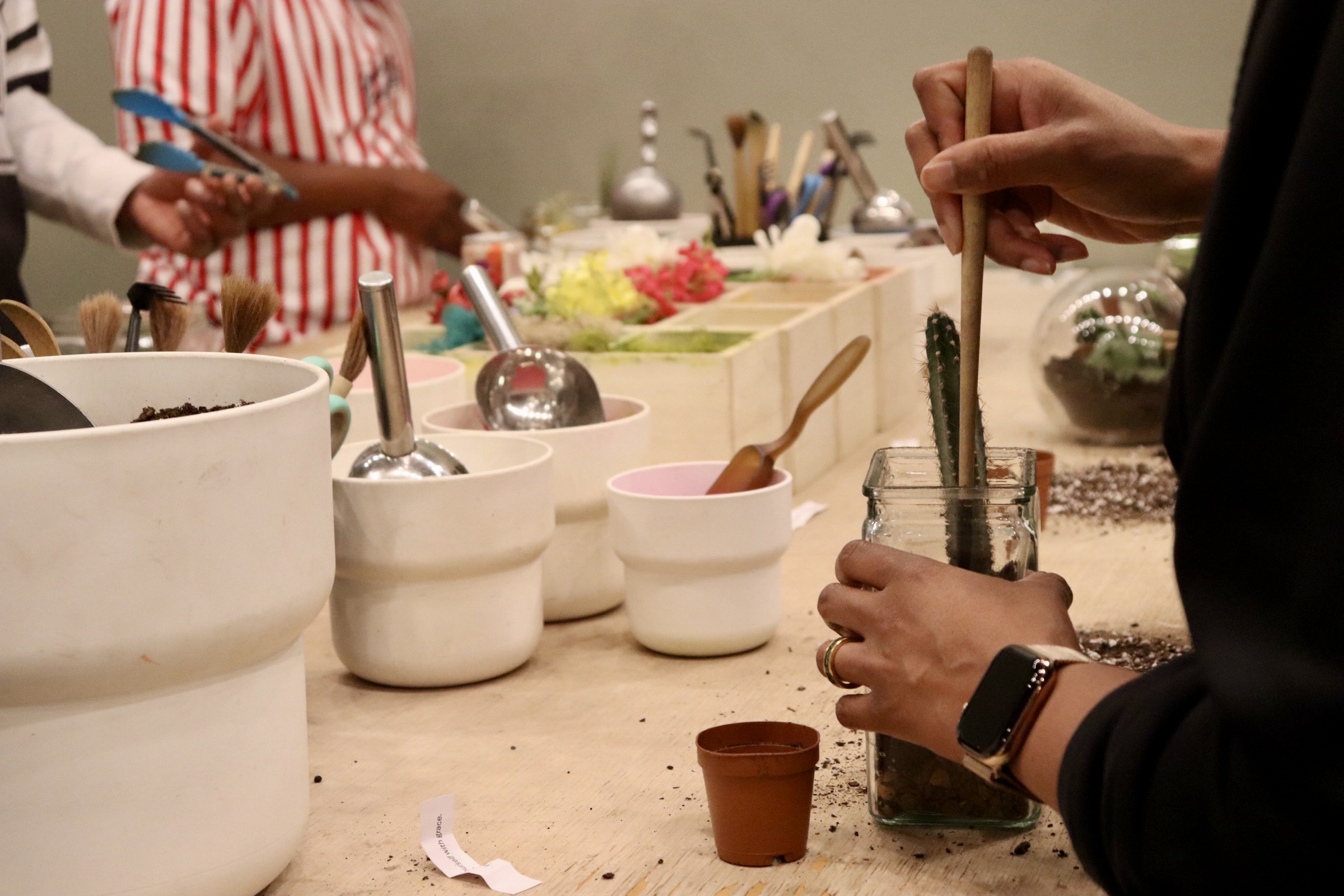
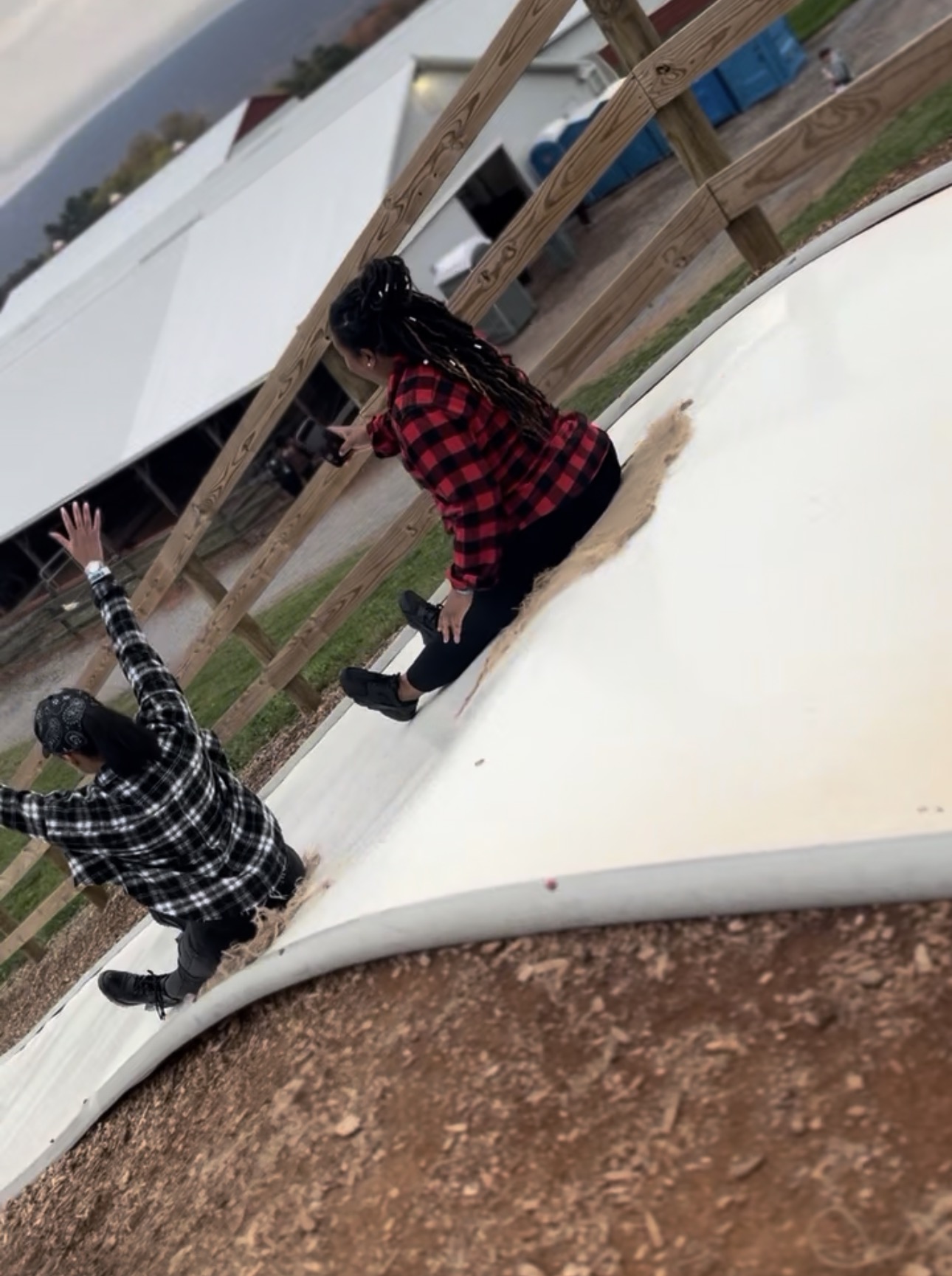
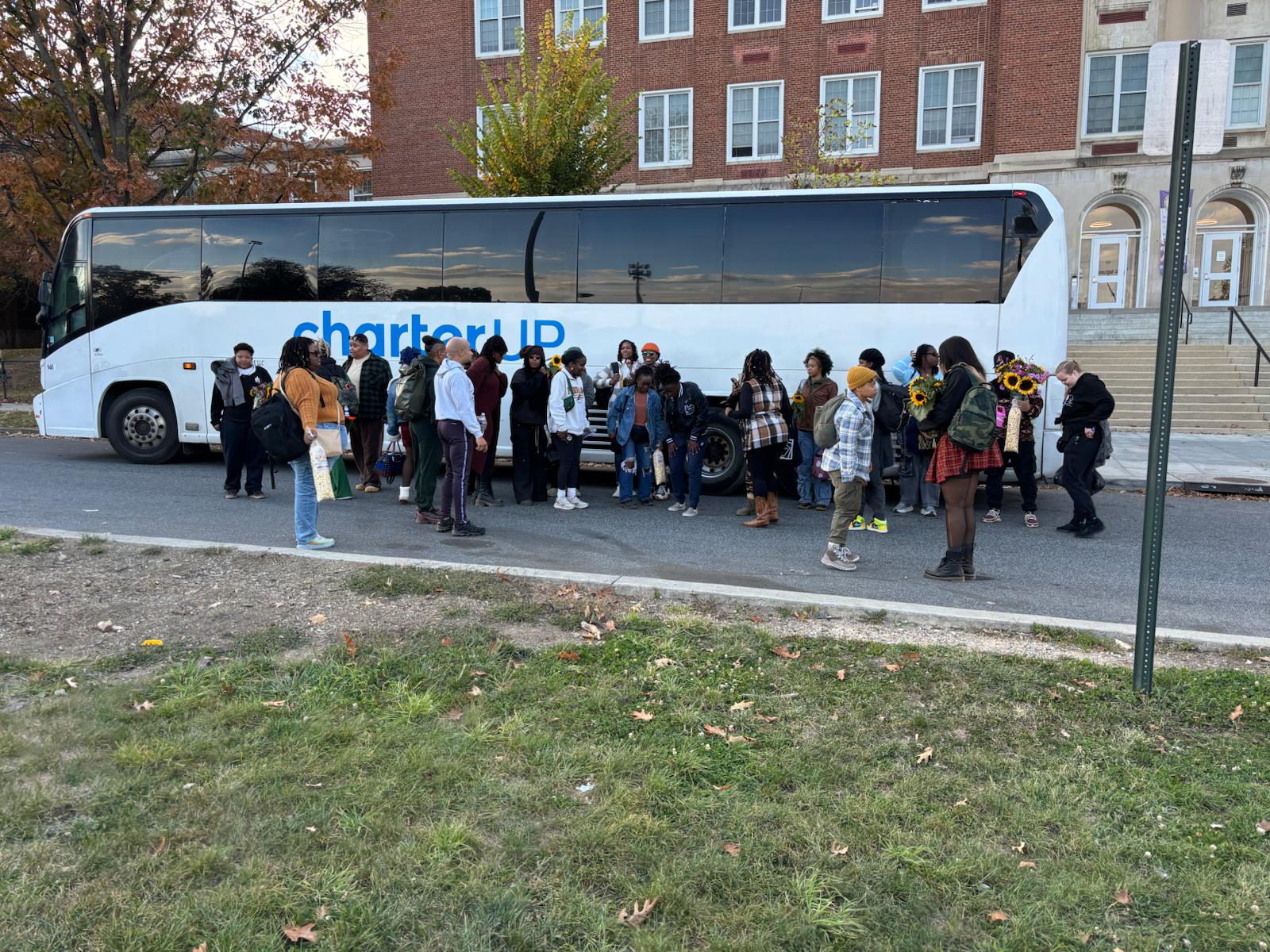
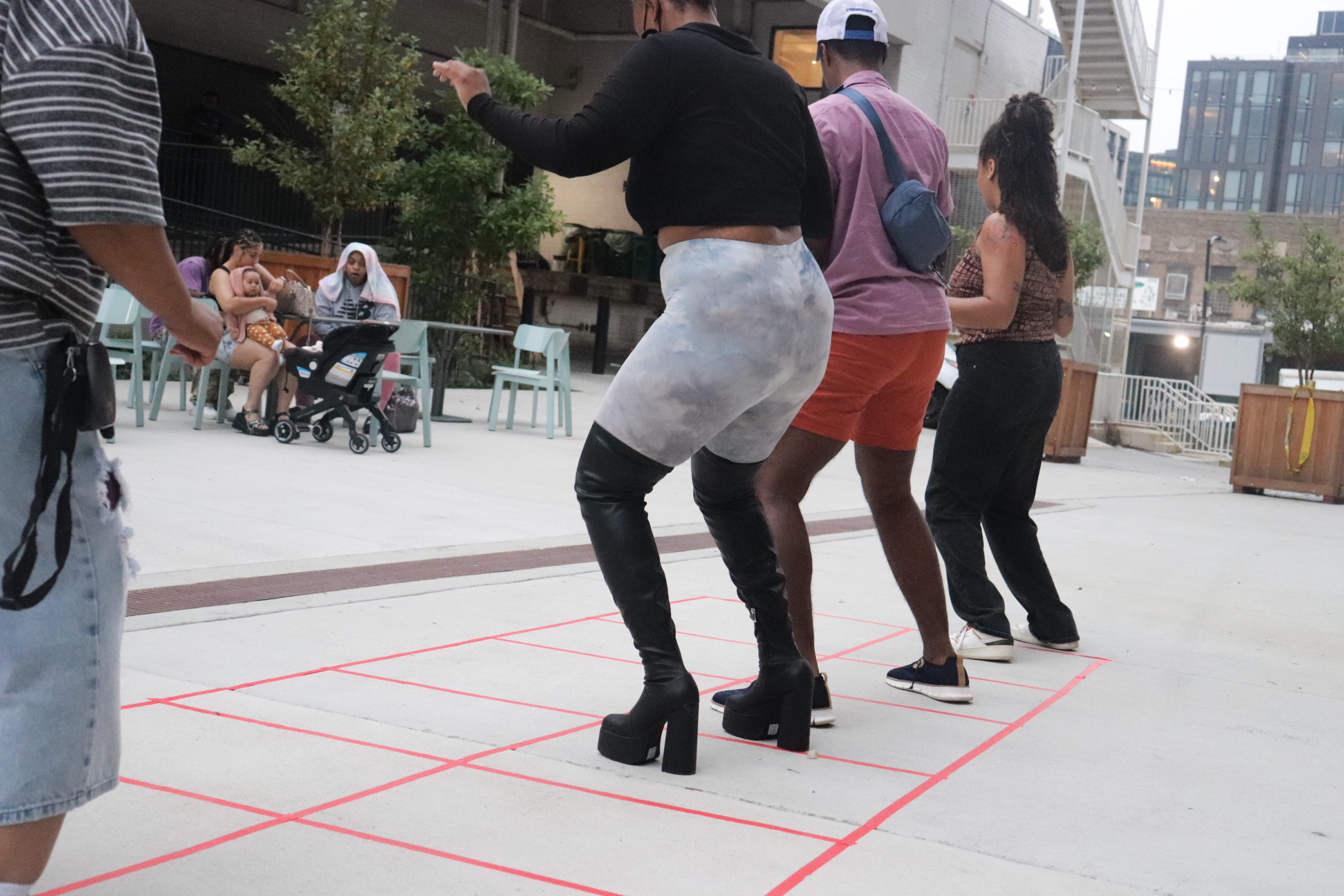
What started as small gatherings of kickball, basketball, and dodgeball turned into Play Play, a space where adults can show up without needing to be impressive or “good” at anything. Today, it continues to evolve as a community-driven practice with the belief that play isn’t childish. It’s been a powerful way we learn, relate, and return to ourselves.
Can you talk to us a bit about the challenges and lessons you’ve learned along the way. Looking back would you say it’s been easy or smooth in retrospect?
It hasn’t been a smooth road, but it has been intentional. One of the biggest challenges has been pushing against the idea that play is frivolous or something you grow out of. Creating space for adult play means constantly explaining its value in a culture that prioritizes productivity, polish, and performance.
There have also been very practical challenges. Building something community-centered takes time, trust, and patience. Not every gathering looks the same, and not every experiment lands the way you expect. I’ve had to learn how to sit with uncertainty, adjust in real time, and let the work grow at the pace the community can actually hold.
Another challenge has been protecting the spirit of Play Play as it grows. So, I’m always asking how to expand without losing the intimacy, care, and accessibility that make the space feel safe in the first place. That has been challenging, but it’s also been clarifying and I think it keeps our work honest.
Appreciate you sharing that. What else should we know about what you do?
My work is an extension of how I teach. In my classroom, play is how I observe social dynamics in real time and teach academic concepts. I watch who gravitates toward leadership, who hangs back, how conflict gets negotiated with the tools I give them, and how belonging forms. That way of paying attention carries directly into Play Play.
Practically, I design experiences the same way I design play in the classroom. Clear structures, simple rules, hands-off, and enough freedom for people to experiment. I’m known for creating environments where participation is invitational, not forced, and where people can enter at their own pace, whether that means jumping into a game or watching from the sidelines.
What I’m most proud of is how transferable the work is. The same principles that help children build friendships, repair moments of tension, and find joy through play also support adults in doing the same. What sets my work apart is that it isn’t theoretical or cutesy. It’s built from years of watching play unfold, trusting what I see, and designing spaces that honor that intelligence.
Can you share something surprising about yourself?
I spend a lot of time watching how people enter a space, where they position themselves, and when they begin to relax. That habit comes straight from the classroom but most important, it comes from my love for social experiment reality tv. Think Big Brother, Love Island, Traitors, Love is Blind, The Circle. I love a good social experiment especially with a lot of money involved.
Another thing people might not expect is that I’m deeply comfortable with silence and watching before stepping in. I don’t feel the need to fill every moment or rush people toward connection. That patience is a big part of the work, even if it’s invisible to most people.
Contact Info:
- Instagram: https://www.instagram.com/playplaydc
- Facebook: https://www.facebook.com/playplaydc