



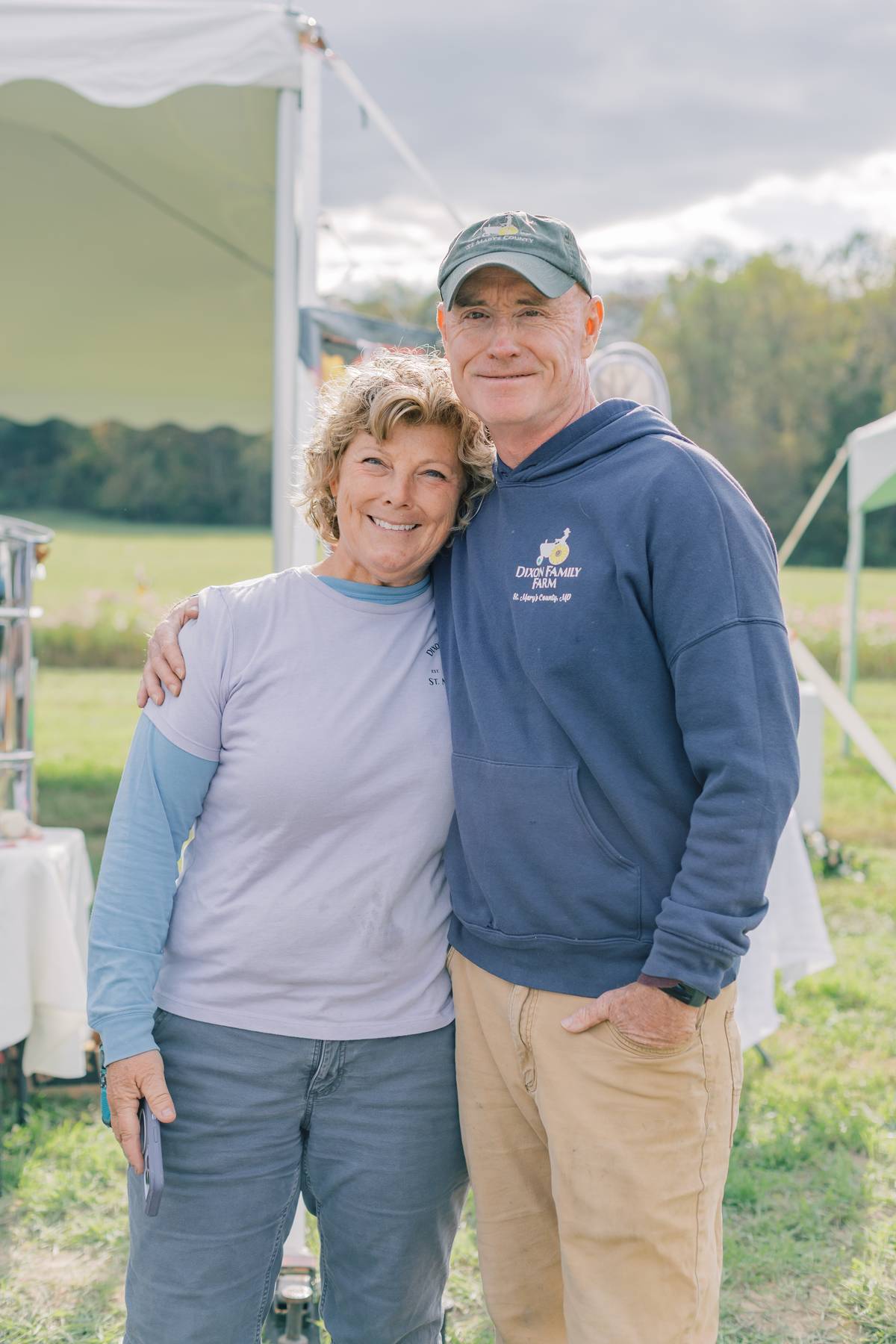
Today we’d like to introduce you to Claudinne Miller.
Hi Claudinne, so excited to have you with us today. What can you tell us about your story?
Before Dixon Family Farm, our lives looked very different.
My husband, Jeff, served in the United States Marine Corps for 23 years before continuing his career in humanitarian and government service. He served as a United Nations peacekeeper in post-earthquake Haiti and later as a U.S. disaster responder. I began my career in law enforcement investigating clandestine methamphetamine laboratories before moving into the U.S. intelligence community, specializing in infectious disease intelligence and global health security. We were both fortunate to spend our careers solving complex problems in service to others.
Ironically, it was one of the world’s largest public health emergencies that brought us together.
In 2014, Jeff was deployed to Liberia during the Ebola outbreak. At the same time, I was producing intelligence reports on the crisis for a U.S. intelligence agency, and Jeff happened to be on the distribution list. One day he replied to one of my emails. That simple response sparked a conversation that became a friendship—and eventually much more.
Not long after we began dating, Jeff shared that before we’d ever met, he had accepted a position in Germany. Rather than let an ocean get in the way, we decided to get married first. In November 2015, we were married by the magistrate working the front desk at the county jail in Beaufort, North Carolina. It wasn’t traditional, but it suited us perfectly. A few days later, my 15-year-old son, our three dogs, and I joined Jeff in Germany to begin our next adventure.
Living in Germany gave us the chance to travel throughout Europe and dream about buying a sailboat, living in Italy, and seeing where life might take us. Then, within three years, Jeff lost both of his parents. Our trips home became more frequent as we cared for his family’s aging farmhouse, and somewhere along the way, the sailboat quietly disappeared from the conversation.
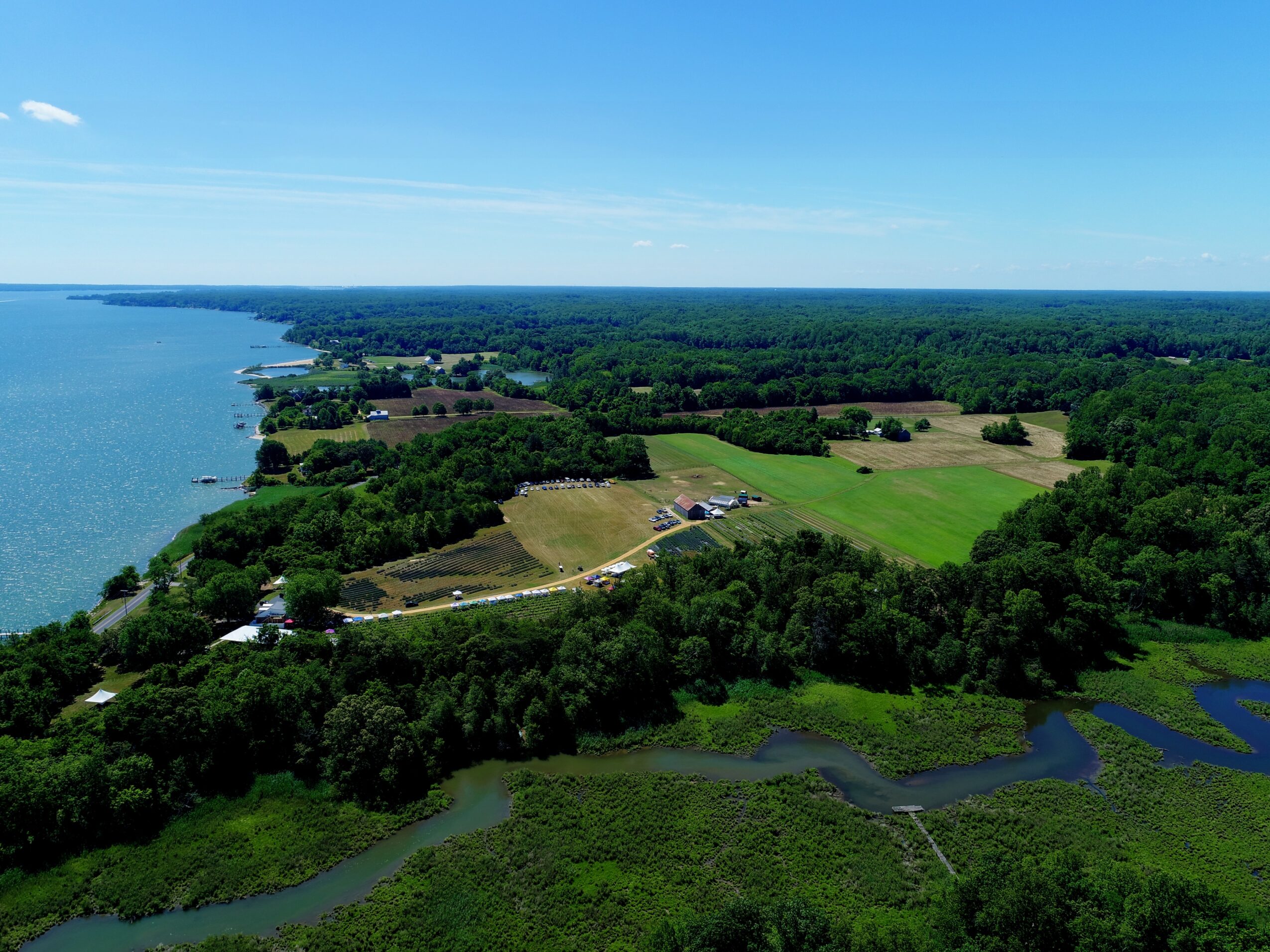
When Jeff’s aunt decided to sell the neighboring family farm, we realized that if we didn’t step in, more than a century of family history could leave the family forever. So we packed up our lives, left Europe behind, and returned to Southern Maryland to purchase Jeff’s family’s Maryland Century Farm, established in 1881.
There was just one small problem: neither of us knew the first thing about farming.
What began as an effort to preserve a family farm became an entirely new life. We learned regenerative agriculture, restored the historic tobacco barn, brought livestock back to the property, and discovered a passion for growing lavender and specialty cut flowers. Along the way, we uncovered family history, met relatives we never knew, and gained a deep appreciation for the generations who cared for this land before us.
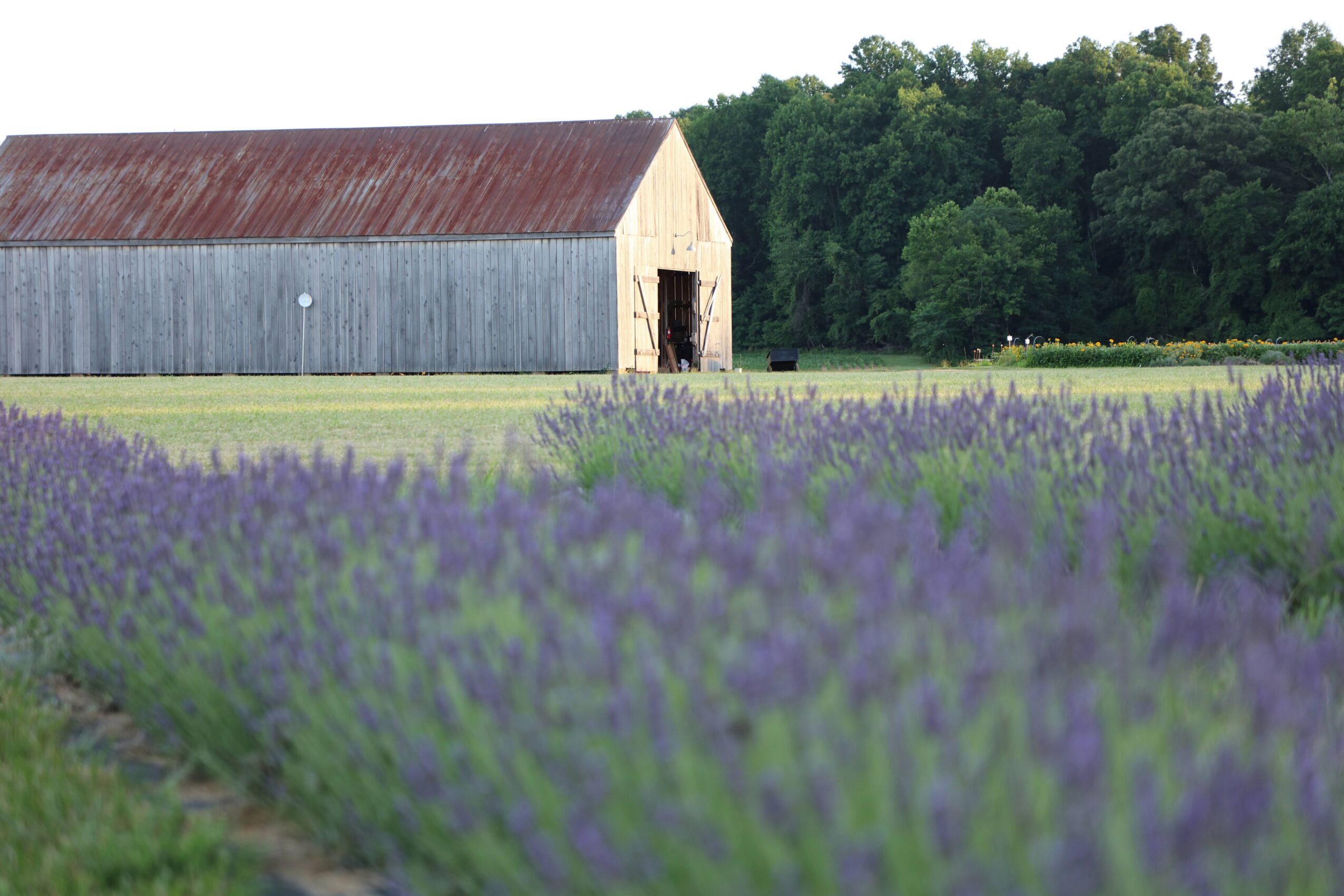
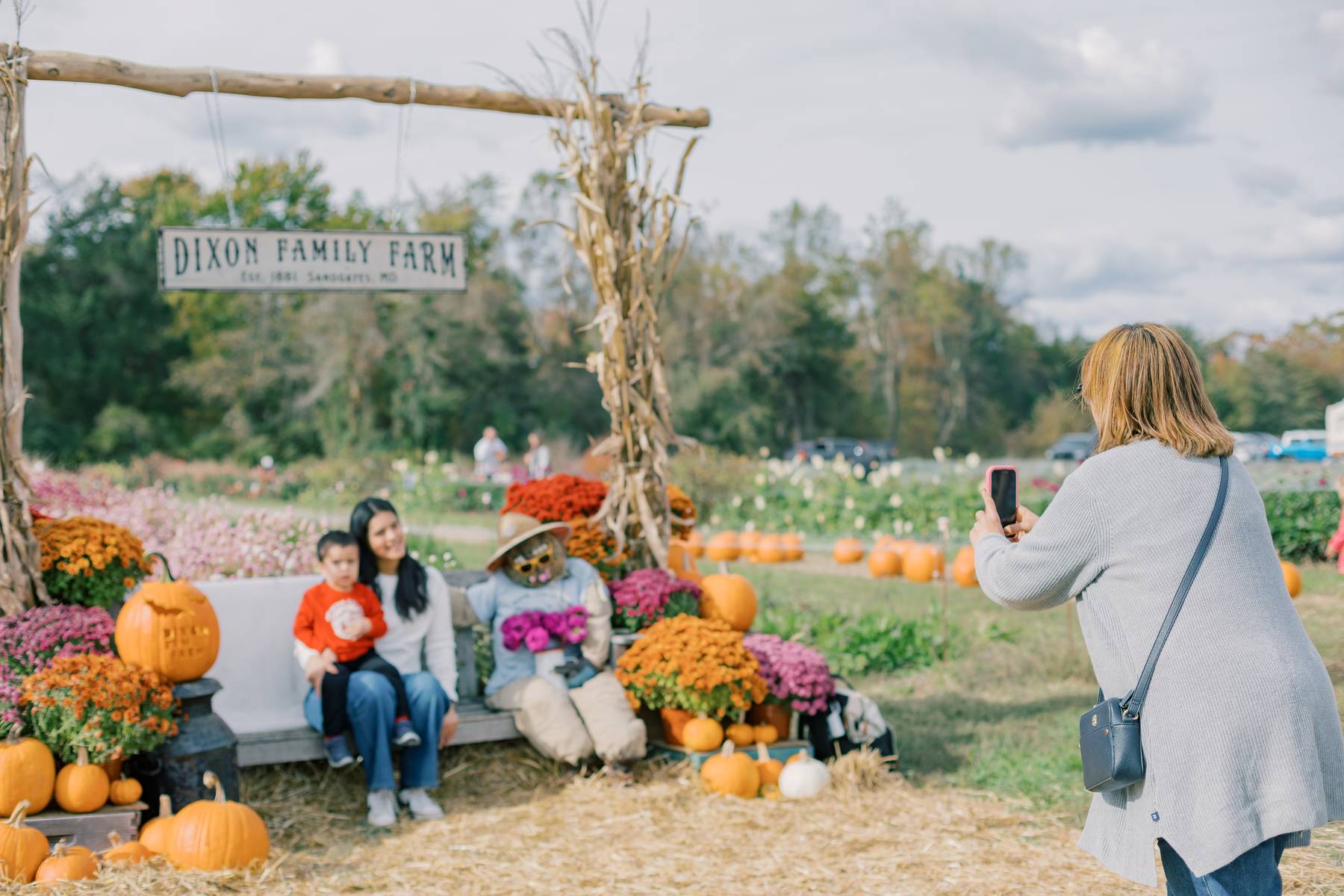
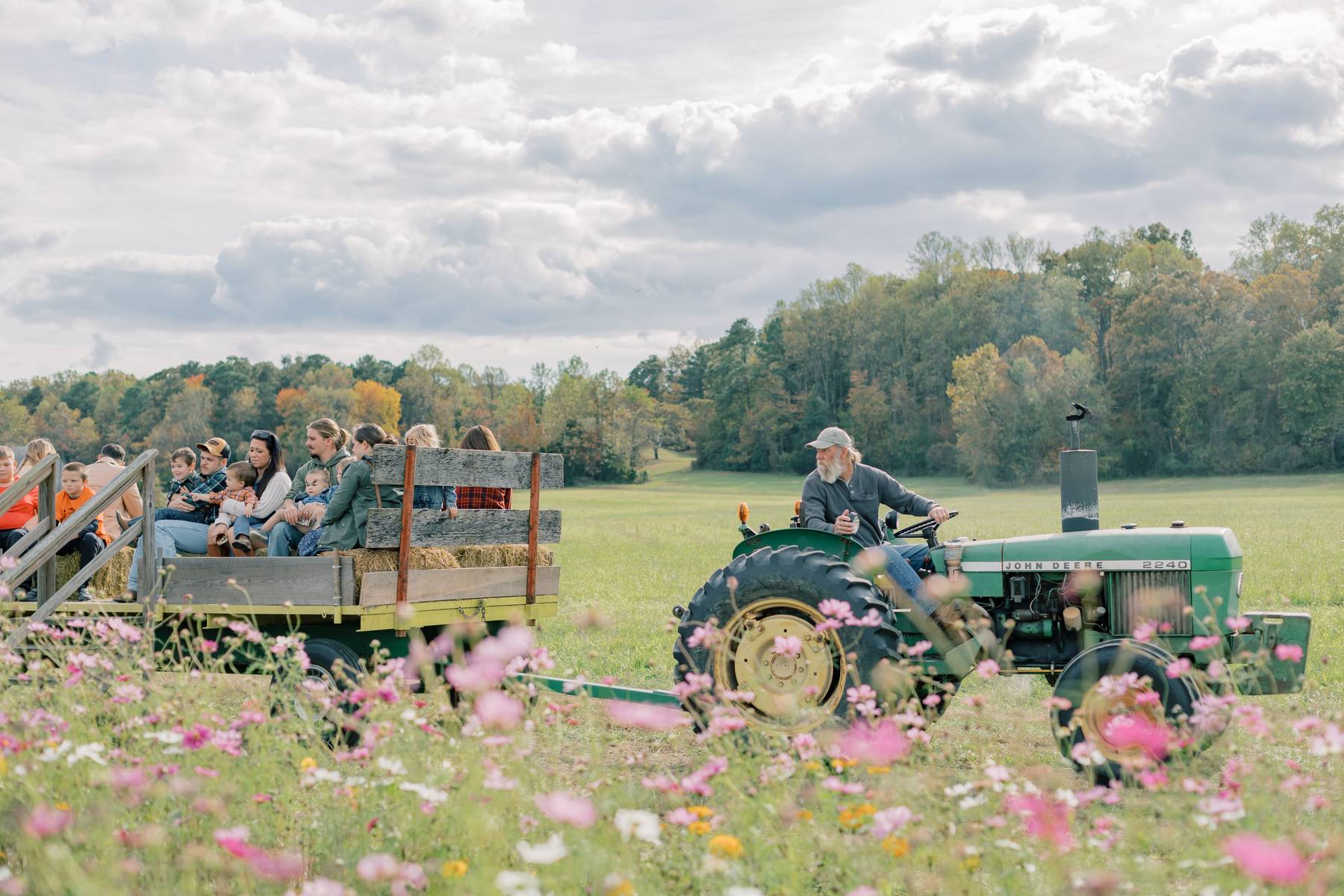
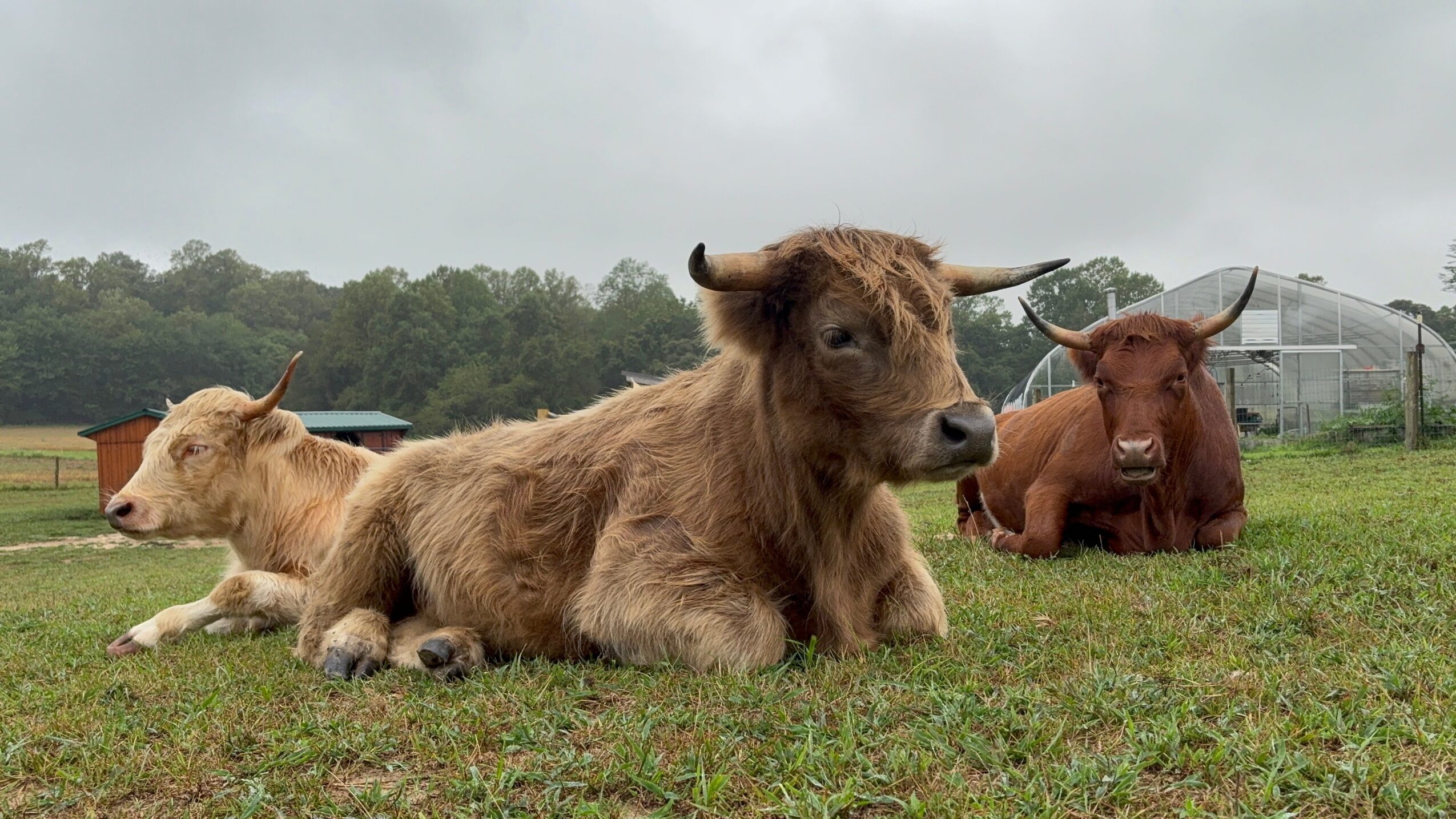
Today, thousands of lavender plants, specialty cut flowers, Highland cattle, Babydoll sheep, donkeys, goats, and one very chunky pony call Dixon Family Farm home. Visitors come to wander the fields, attend workshops and farm dinners, and enjoy handcrafted products made from what we grow. Looking back, it’s remarkable that the chemistry I once used investigating methamphetamine laboratories now helps me formulate soaps and body products. It’s proof that no experience is ever truly wasted.
Jeff has always lived by one simple philosophy: Leap, and the net will appear. It carried us to Europe, brought us home to Maryland, and somehow turned two people with no farming experience into caretakers of a 145-year-old family farm.
Can you talk to us a bit about the challenges and lessons you’ve learned along the way. Looking back would you say it’s been easy or smooth in retrospect?
Absolutely not.
When we bought the farm in 2019, we had no farming experience, no livestock experience, and no roadmap. We traded careers in government for flower farming and raising livestock—and then, just as we were getting started, the world shut down.
Like so many small businesses, we had to navigate the uncertainty of COVID while trying to build an entirely new life. We also quickly discovered that farming on a waterfront property in Southern Maryland comes with unique challenges. Protecting the Chesapeake Bay is incredibly important, but the permits and regulations often made even simple projects far more complicated than we ever imagined.
Nature has kept us humble, too. We’ve battled drought, crop failures, late frosts, relentless weeds and pests, and all the unpredictability that comes with farming. Every season has brought new lessons.
Choosing regenerative agriculture wasn’t the conventional path in our area, and more than a few people told us we were crazy. For a while, it looked like they might be right.
Then the farm began to change.
The flowers flourished. The pastures grew healthier. Earthworms returned to the soil. Pollinators multiplied. Wildlife increased. Every year the land became a little more vibrant than the one before.
We’re still learning every single day, and we probably always will. Farming has taught us humility more than anything else. You can make all the plans in the world, but nature always gets the final vote. Watching the land come back to life has made every obstacle worthwhile.
Thanks – so what else should our readers know about your work and what you’re currently focused on?
Dixon Family Farm is about restoring land, preserving history, and creating meaningful experiences that reconnect people with nature and each other.
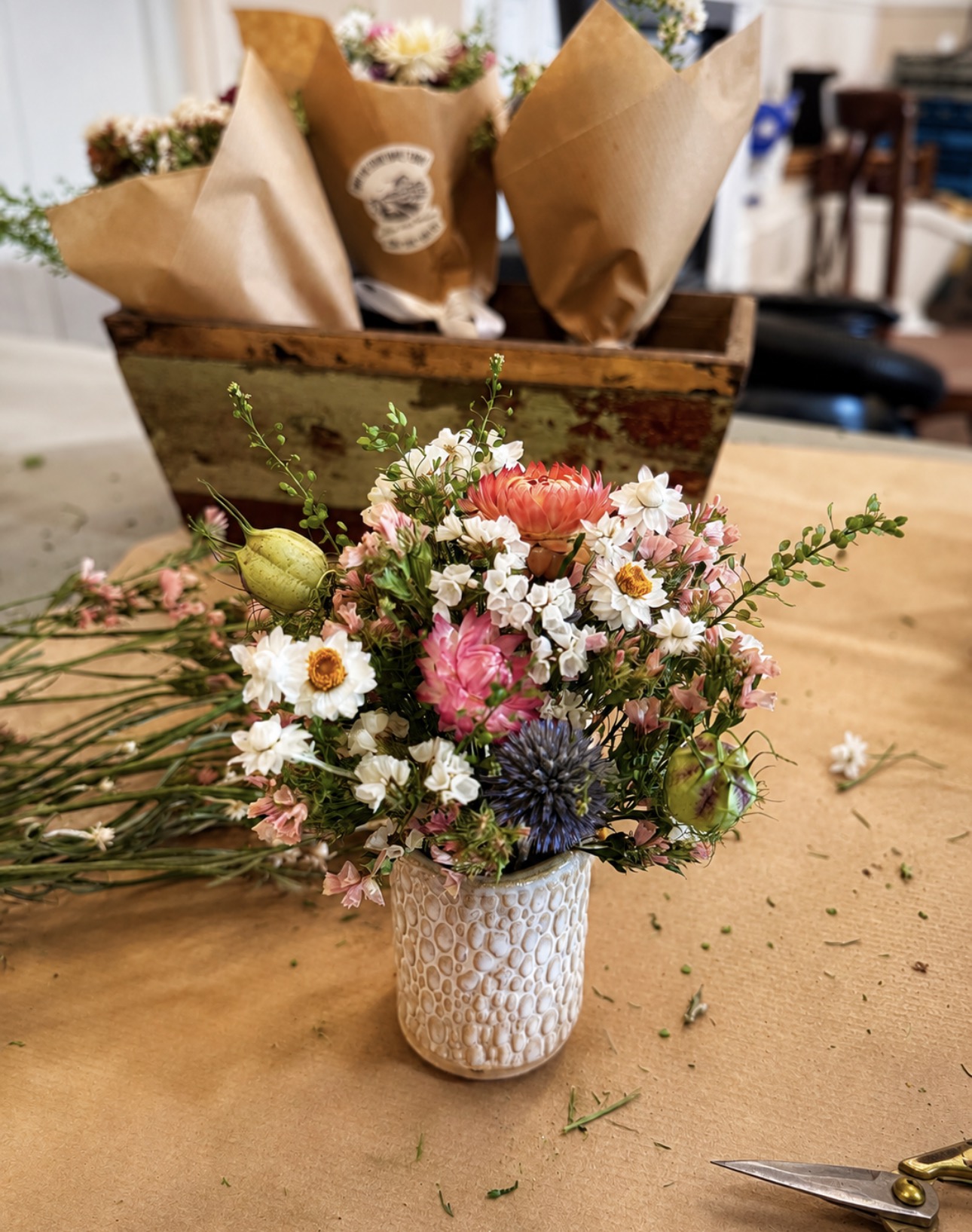
We are a Maryland Century Farm established in 1881, but we aren’t trying to recreate the past—we’re building a new future for the land while honoring its history. Through regenerative agriculture, we grow lavender and specialty cut flowers, raise a menagerie of intentionally chosen and rescued livestock, and create handcrafted products from what we grow.
People often assume we’re in the flower business. We don’t really see it that way.
We’re in the business of restoring land and creating a place where people reconnect—with nature, agriculture, and each other.
Bringing livestock back to the farm wasn’t simply about adding animals. It was about restoring the relationship between healthy soil, healthy plants, and healthy animals. Watching that transformation has been one of our greatest rewards. Earthworms returned to the soil. Pollinators flourished. Native wildlife increased. Fields that had been depleted for years gradually came back to life.
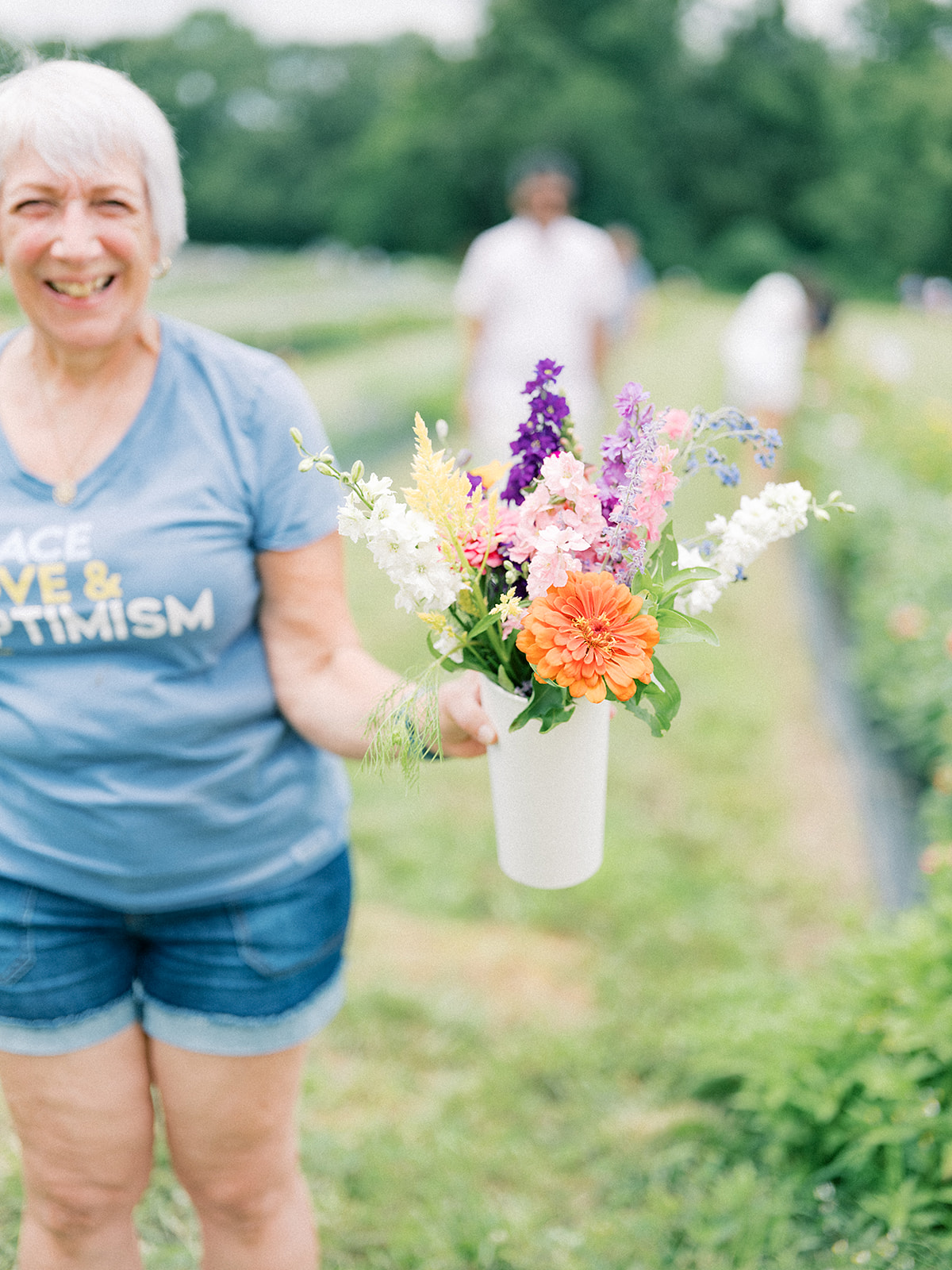
Just as important are the experiences we create. Whether someone visits to pick flowers, wander through the lavender fields, attend a farm dinner or workshop, meet our fluffy cows or silly donkeys, or simply sit quietly and enjoy the view, we hope they leave feeling a little more connected—to nature, to agriculture, and to one another.
Do you have any memories from childhood that you can share with us?
One of my favorite childhood memories is riding in my dad’s open-top Jeep through the countryside where we lived when I was about 5 years old. The wind would whip through my hair as we drove past rolling green pastures, and I was always on the lookout for sheep grazing in the fields. I’d excitedly count every one I could spot.
Looking back, it’s funny how life comes full circle. I had no idea then that one day I’d live on a farm of my own, raising sheep and other livestock surrounded by green pastures. That simple childhood joy of watching animals peacefully graze is still one of the things that brings me the greatest happiness today.
Contact Info:
- Website: https://dixon-family-farm.com
- Instagram: @dixon_family_farm
- Facebook: @dixonfamilyfarmmaryland