



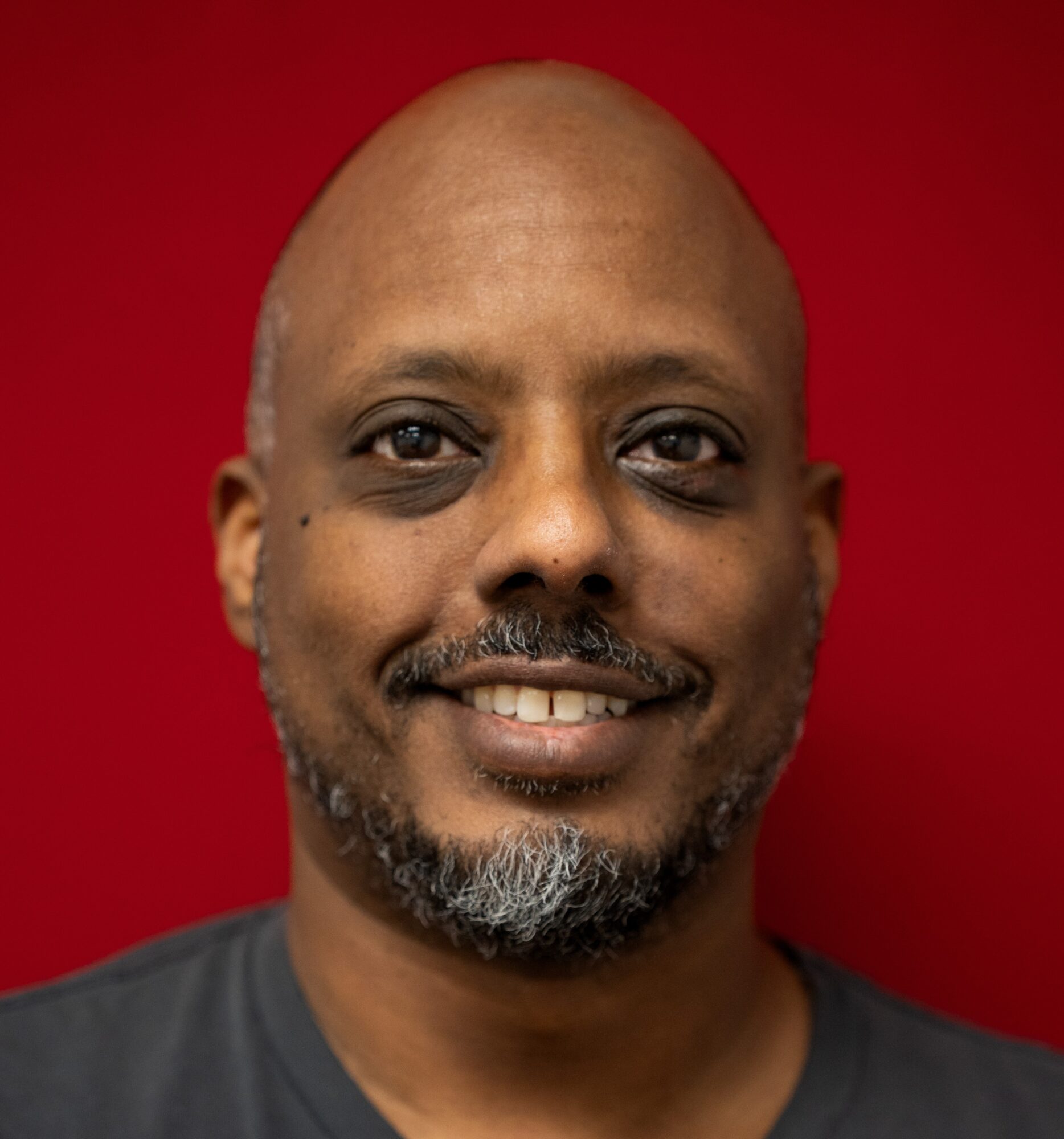
Today we’d like to introduce you to Besu Tadesse.
Hi Besu, thanks for joining us today. We’d love for you to start by introducing yourself.
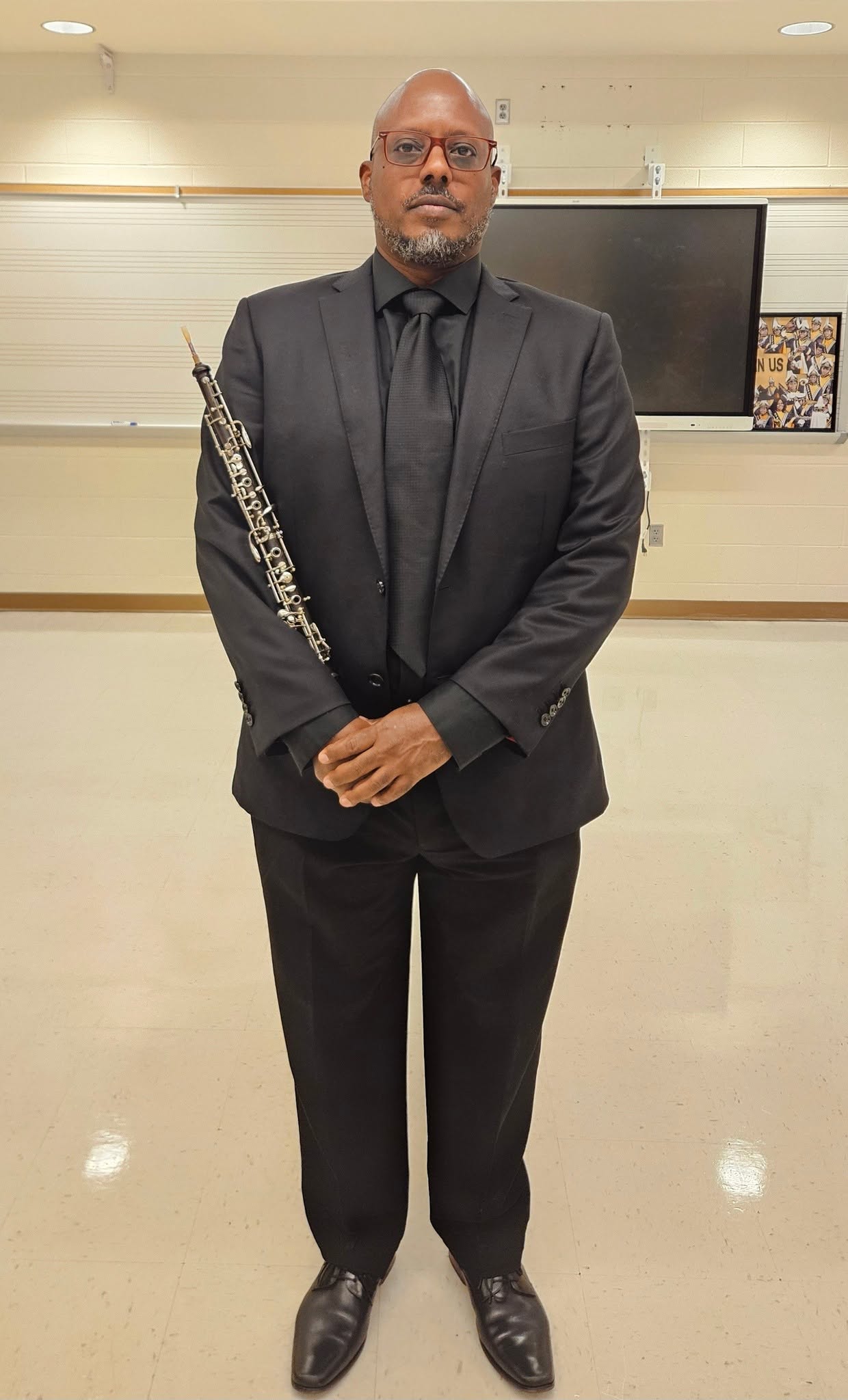
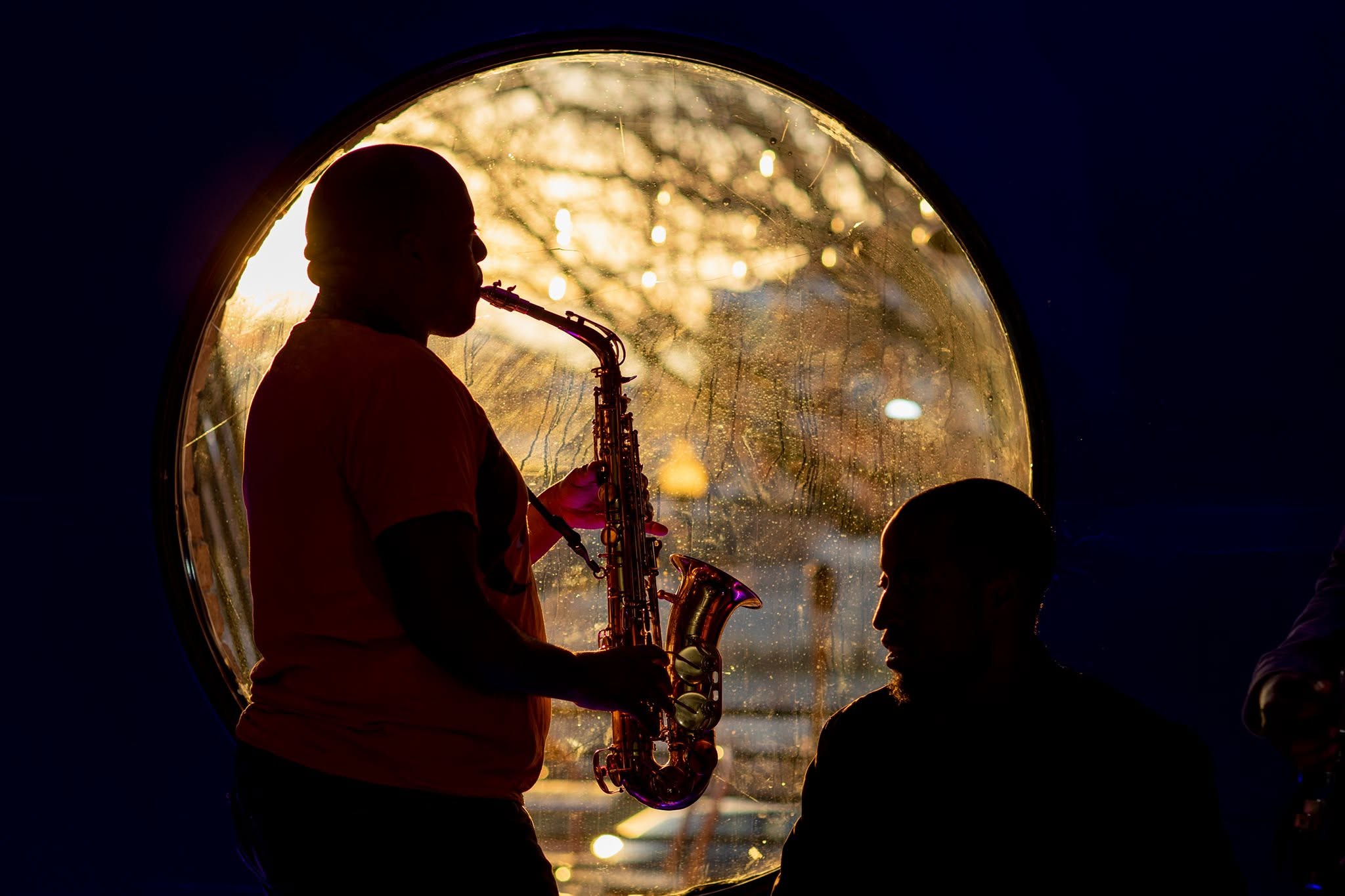
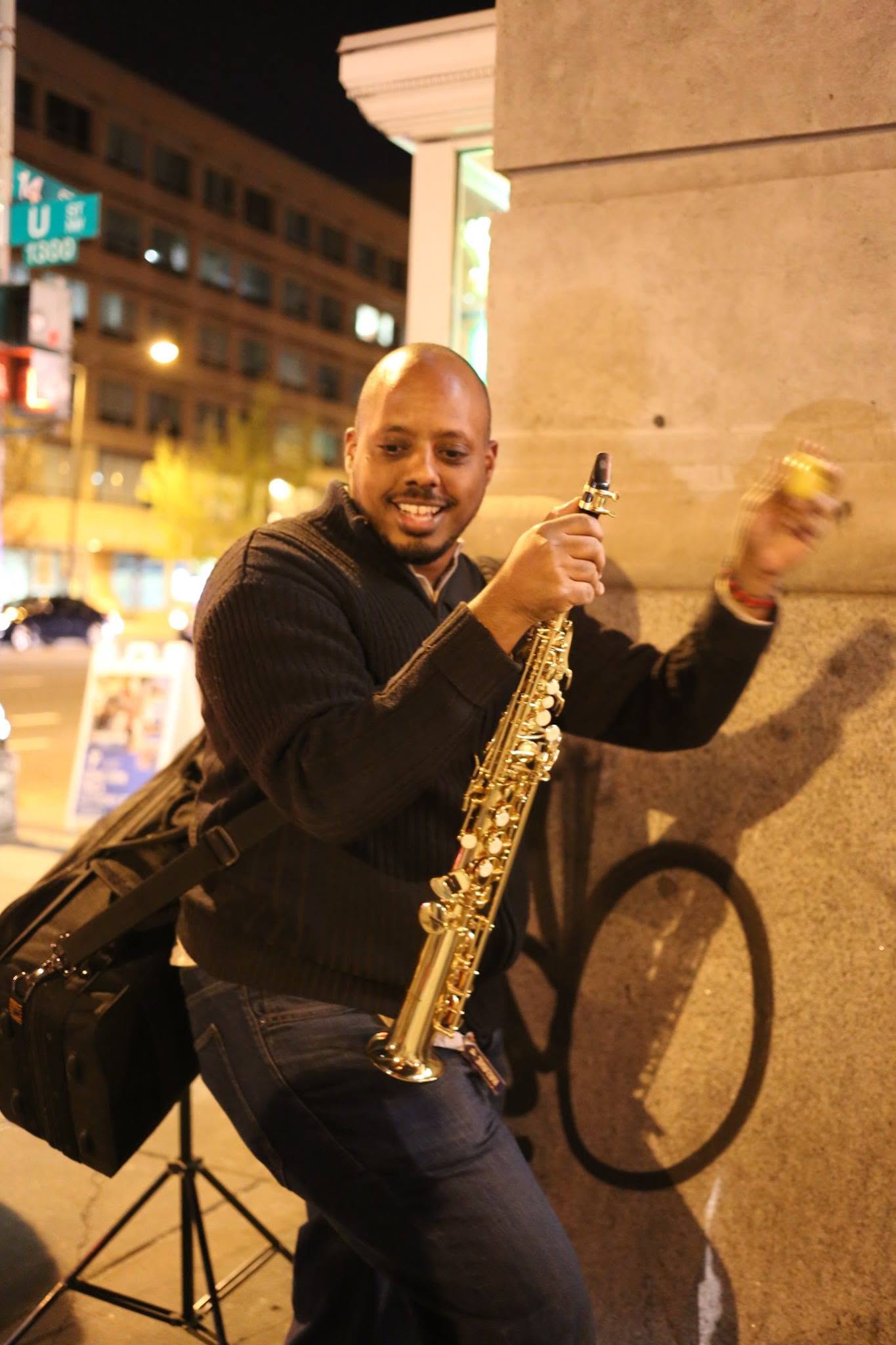
As a musician, I have been studying nearly my entire life. I took music classes in elementary school, but I first became enamored with playing the saxophone when I saw Bill Clinton play on The Arsenio Hall Show during his presidential campaign. From then, I convinced my parents to purchase a student-model alto saxophone. Over time, I was able to get a professional model in high school, learned new woodwind instruments (oboe, clarinet, and others), and continued studying music through college and playing semi-professionally when I returned to the DC area. Since then, I have played in a number of bands and across a wide variety of styles, from classical to jazz, jam bands and all different styles across the African diaspora. I have had the pleasure of playing clubs in DC and Baltimore, as well as in large venues such as the Kennedy Center in DC and as far as the Oriental Art Center and Forbidden City Concert Hall in China. It’s been a very interesting ride, and I still have so much to learn about musical craft and how to honor the cultures that created so many styles and modes.
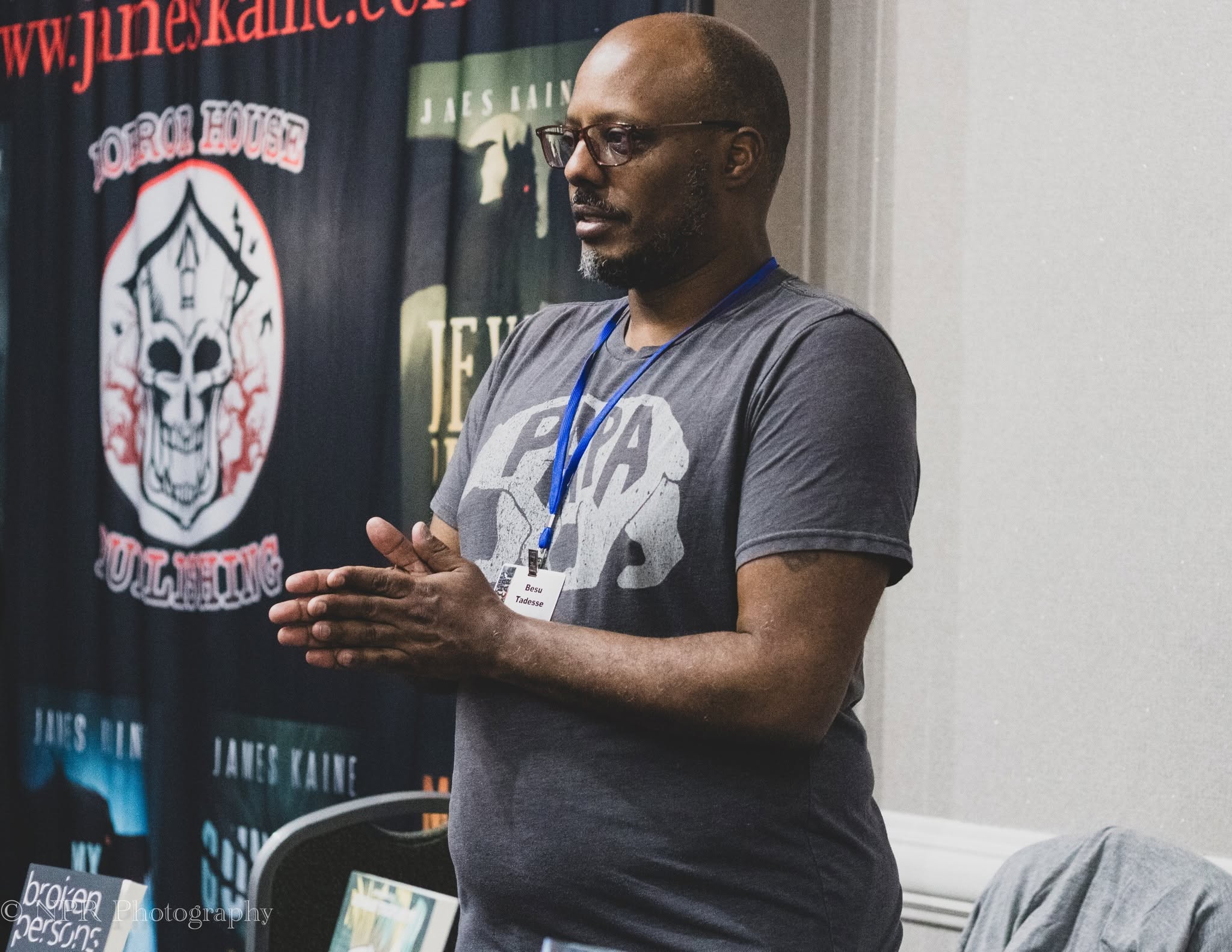
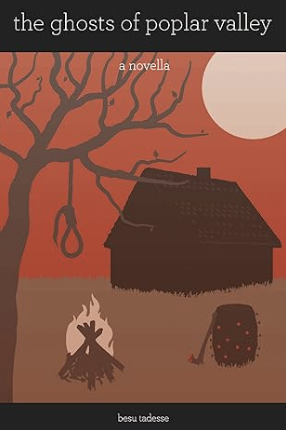
As a writer, my journey has been more recent. I used to write short stories for assignments in grade school, but I didn’t pick up the pen to write fiction again until my mid 30s. I had been reading Slavery By Another Name by Douglas Blackmon, and the rage that came from reading that story inspired me to write a fictional slasher/ghost story that invoked the brutality of the Jim Crow era. That story became my first novella, The Ghosts of Poplar Valley, which I self-published in 2022. Since then, it’s been a passion that I haven’t been able to stop, as new stories form regularly. Since then, I have had stories published in various anthologies released by small independent presses and have been plugged into a community of writers that pushes me to be better.
We all face challenges, but looking back would you describe it as a relatively smooth road?
Being an artist is never a smooth ride. There are the basic and mundane troubles – money owed for work completed, dealing with difficult creatives that have competing and conflicting interests, or other agendas that can derail one’s ability to create something meaningful. However, there are also the bigger challenges – lack of material and emotional support from crucial people in my life, difficulty in finding safe places where I can truly express myself, and changes in health that keep me from stretching my abilities in the way that I did when I was a younger man. I can’t stay up until three in the morning arranging musical pieces or outlining manuscripts the way I did when I was in my twenties, or even my thirties.
But I find that many of those obstacles can be mitigated, or even eliminated, through finding a strong community of fellow artists that understand your journey as you understand theirs, and that those communities can sustain you in ways that you didn’t know you needed.
Appreciate you sharing that. What else should we know about what you do?
As a musician, my primary instrument is the saxophone, though I play several others as well. Playing the saxophone gives me the freedom to slide into different styles effortlessly. One night, I could be playing Colombian cumbia music. The next, I’m sitting in for a big band jazz group. On another day, I can sit in with friends playing Arabic language music across the diaspora from Morocco to Lebanon. The diversity of Baltimore and DC allow me to experiment, and the close network among musicians means that I get calls to join or information on new events. I think I’m known for my skill, enthusiasm, and general professionalism. Currently, I play regular gigs with the Azul Band, where we perform songs in Arabic, English, French, and Spanish. Occasionally, I perform with Dogo du Togo, a Togolese band that pioneered the Alagaa beat, a mix of traditional rhythms with psychodelic trance. I also play in a symphonic band that plays five or six community concerts per year.
As a writer, I focus primarily on horror. It gives me the freedom to explore a wide variety of subject matters and feelings. As with my music, the genre is rich in how it explores the human condition. Within a short period of time, I have completed and published a lot of stories, and while my pace has led me to some rather busy times, writing horror has given me insight into myself and others in a way that I had been, until recently, a little nervous to tackle. With each piece, I feel I am shedding a bit more self-consciousness of my own emotions, and I’m really proud of that.
We all have a different way of looking at and defining success. How do you define success?
If I connect with the audience, I call that success.
If I connect with a different part of myself, I call that success.
If I can make an impact that inspires something in them, that’s an even bigger success.
If I can make a little money to help offset the costs, that’s a bonus.
Contact Info:
- Instagram: @stickybearartist