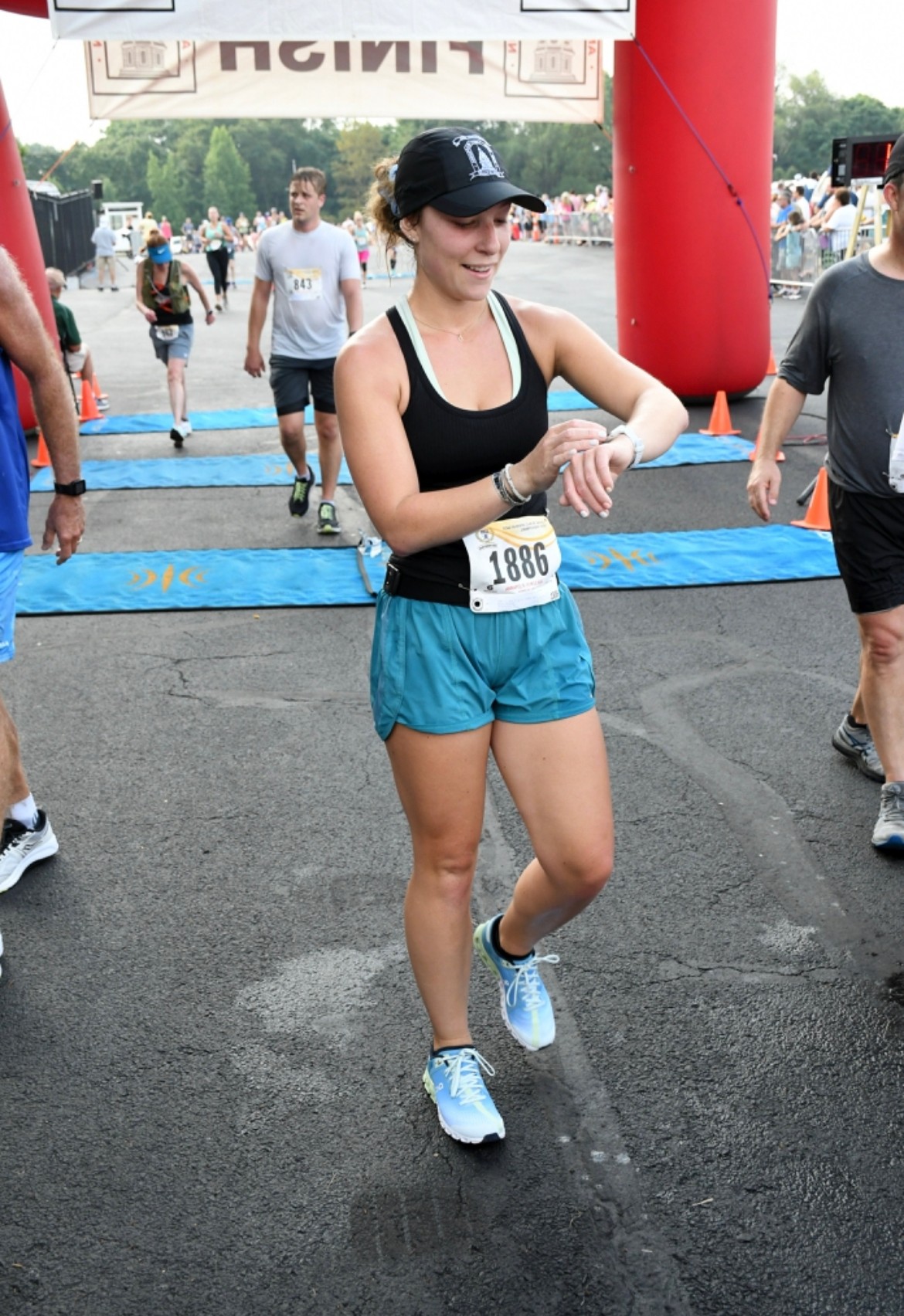





Today we’d like to introduce you to Annie Morris.
Hi Annie, so excited to have you on the platform. So before we get into questions about your work-life, maybe you can bring our readers up to speed on your story and how you got to where you are today?
My path to becoming a mental health counselor and sport psychology professional doesn’t feel like something I stumbled into—it feels like something that was quietly unfolding long before I had the language for it. Growing up, I was surrounded by environments where mental health struggles were present but rarely named. Anxiety, fear, constant comparison, and the pressure to hold everything in felt normal. It was just how things were. There wasn’t much space to question it, and for a long time, I didn’t.
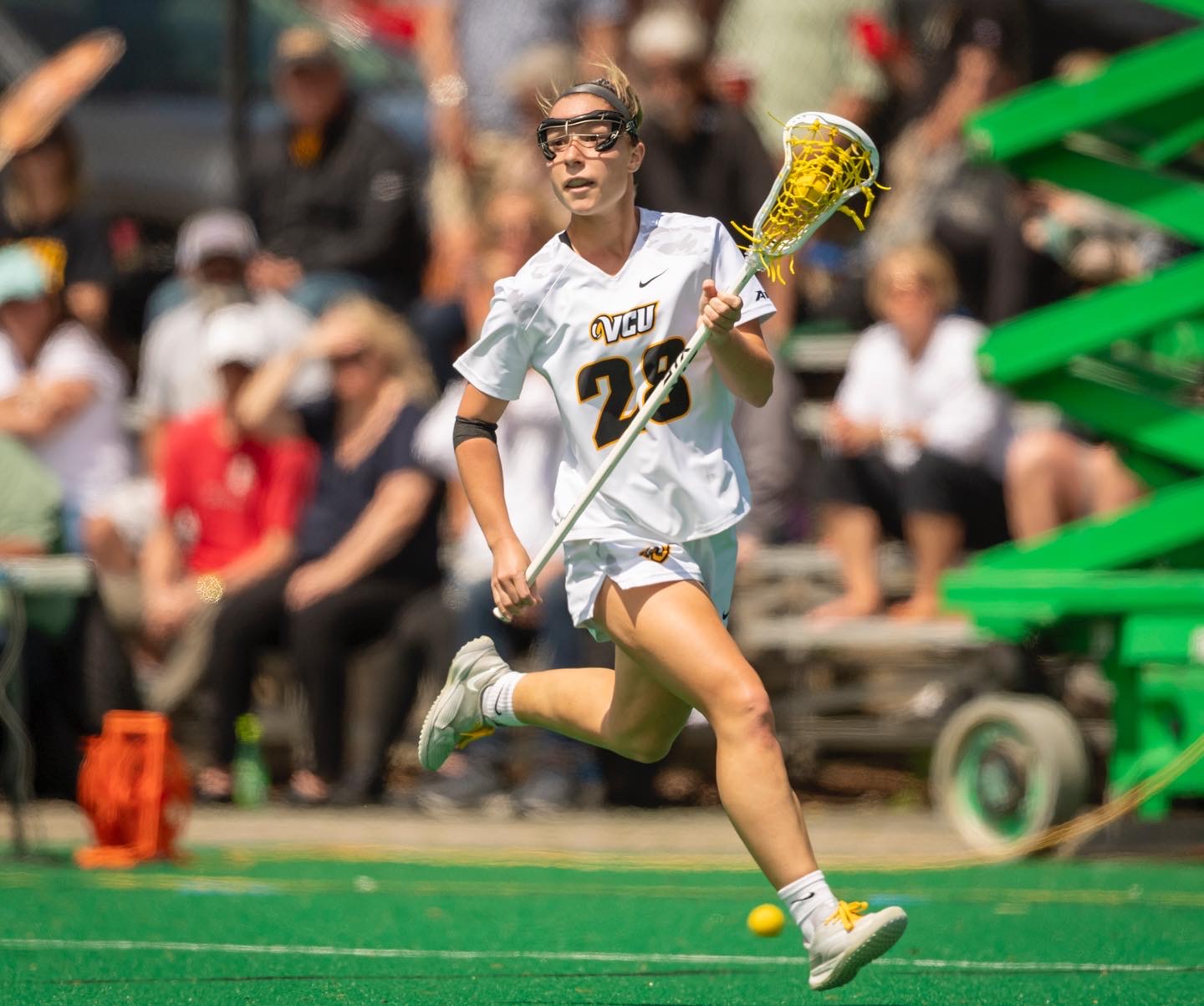
It wasn’t until I was a junior in college, competing as a Division I lacrosse player, that I began to pause and ask myself whether this way of living was actually sustainable. I had spent years pushing through, performing, and meeting expectations, but underneath it all, there was a growing awareness that something wasn’t quite right. At the same time, I wasn’t alone in that experience. I began to notice that many of my teammates and peers were navigating similar internal struggles—quietly managing anxiety, self-doubt, pressure, and identity questions while still showing up and performing at a high level. That realization shifted something for me. It sparked both curiosity and a deep sense of purpose.
Those experiences led me to pursue a path where I could better understand the intersection of mental health and performance, not just for myself, but for others navigating similar challenges. I earned my bachelor’s degrees in Psychology and Health Sciences from Virginia Commonwealth University, followed by my master’s degree in Clinical Mental Health Counseling from Johns Hopkins University. Throughout my training, I had the opportunity to work with a diverse range of clients while also specializing in student-athlete mental health, which further solidified my passion for supporting athletes, performers, and high achievers.
We all face challenges, but looking back would you describe it as a relatively smooth road?
Like many people entering this field, my path has been incredibly rewarding, but it has certainly not been without challenges. One of the biggest lessons I’ve learned is that growth rarely follows a straight line. There were moments throughout graduate school, clinical training, and the transition into professional practice where I questioned myself, navigated uncertainty, and had to become comfortable not having all of the answers. Learning to trust my own clinical judgment while continuing to seek mentorship and remain open to learning has been an ongoing process.
On a personal level, my experiences as a student-athlete also shaped many of the challenges I now help clients navigate. I understand what it feels like to tie pieces of your identity to performance, to manage high expectations, and to experience transitions that require redefining who you are beyond what you do. Those experiences weren’t always easy at the time, but they ultimately became some of my greatest teachers.
Building a career in mental health has also reinforced that meaningful work is built gradually. Whether it’s developing clinical skills, earning the trust of clients, or growing a practice, very little happens overnight. I’ve come to appreciate that progress often looks like consistently showing up with curiosity, humility, and a willingness to keep learning. Looking back, the challenges have strengthened both my confidence as a clinician and my empathy for the people I have the privilege of working with every day.
Alright, so let’s switch gears a bit and talk business. What should we know about your work?
I am a Clinical Mental Health Counselor at Betty Center and BrykMinds. I specialize in working with athletes, performers, and other high achievers navigating both mental health concerns and the unique demands of high-performance environments. My work spans adolescents through adults, supporting clients with concerns such as anxiety, perfectionism, identity development, burnout, life transitions, injury recovery, and performance-related challenges. While many people initially seek therapy to improve confidence or performance, my goal is to help them build something much more sustainable: a healthier relationship with themselves.
In addition to individual therapy, I partner with teams, coaches, schools, and organizations to provide workshops on topics such as confidence, resilience, mental health, communication, and psychological flexibility. I am passionate about increasing awareness of mental health in sport and creating spaces where conversations about well-being are just as valued as conversations about performance.
What I’m most proud of is the opportunity to help people reconnect with who they are beyond what they achieve. Some of the most meaningful moments in my work aren’t tied to championships, promotions, or measurable outcomes—they’re the moments when someone realizes they no longer need to earn their worth through performance, when they begin trusting themselves again, or when they choose to move toward what matters despite fear or uncertainty. Being invited into those moments is something I never take for granted.
I believe what sets me apart is the combination of my clinical training and my lived experience as a former Division I athlete. I understand the culture of high performance from the inside, but I also bring evidence-based therapeutic approaches that help clients navigate the emotional complexity that often exists beneath the surface. My style is warm, collaborative, and grounded in genuine curiosity. I strive to create an environment where clients feel both deeply supported and appropriately challenged, empowering them to build self-awareness, psychological flexibility, and lasting self-trust that works with what is present and often times allows individuals to perform and cope.
Before we go, is there anything else you can share with us?
If there’s one thing I hope readers take away, it’s that mental health isn’t something we should only pay attention to when we’re struggling. Just as we invest in our physical health, relationships, or careers, our mental health deserves ongoing care and attention. We all have mental health, and learning to understand it is one of the most valuable investments we can make in ourselves.
I also hope people know that asking for support is not a sign that something is wrong with them. In my work, I’ve found that some of the strongest, most resilient people are those who are willing to be honest about what they’re experiencing and open to receiving help. Whether you’re an athlete, a parent, a student, or someone simply trying to navigate life’s inevitable challenges, you don’t have to wait until things feel overwhelming to reach out.
Finally, I hope we continue moving toward a culture that values people for who they are rather than solely for what they achieve. Achievement can be deeply meaningful, but it was never meant to define our worth. When we begin to separate our identity from our performance, we create space for greater resilience, healthier relationships, and a more fulfilling life.
Pricing:
- Individual Sessions – $185
- Couples Sessions – $200
Contact Info:
- Website: https://www.psychologytoday.com/profile/1642648
- LinkedIn: https://www.linkedin.com/in/annie-morris-lgpc-ncc-cpt-551118210