



Today we’d like to introduce you to Susan D. Rich, MD, MPH, DFAPA.
Alright, so thank you so much for sharing your story and insight with our readers. To kick things off, can you tell us a bit about how you got started?
I am a board certified child/adolescent and adult psychiatrist operating a private practice in a home office in Potomac, MD since March 2006 and a nonprofit green care farm animal sanctuary founder since May 2016. Originally from North Carolina, I completed my undergraduate degree in microbiology at N.C. State University’s School of Agriculture and Life Sciences and both a Master of Public Health in health policy and a Doctor of Medicine at U.N.C. Chapel Hill. Being the first college graduate in my family, I initially entered pharmaceutical research for the first several years before learning about a problem known as Fetal Alcohol Spectrum Disorder (FASD), which led me to return to school for my M.P.H. and M.D. FASD is a problem that affects 1 in 20 U.S. children and is caused by parents drinking alcohol, even in the few months leading up to conception for men and as early as the first few weeks post conception for women. I was inspired and deeply moved to educate myself to make changes at the national level about this issue, knowing how little most people understand about FASD. I went on to develop a variety of programs for teen preconception health education in Native American communities beginning with my tribe – The Tuscarora Tribe of N.C. and expanded it to the Khanawake Mowhawk community outside Montreal, Canada and the Navajo Nation in New Mexico and Arizona. Another program I helped develop in a rural area of N.C. before and during medical school was a 24 unit transitional housing apartment community, Grace Court, for women in recovery to be reunited with their children from foster care and live together while receiving comprehensive community services and attend school or work for up to two years. That program has been replicated several times in N.C. and one of the first graduates now is director of Grace Court.
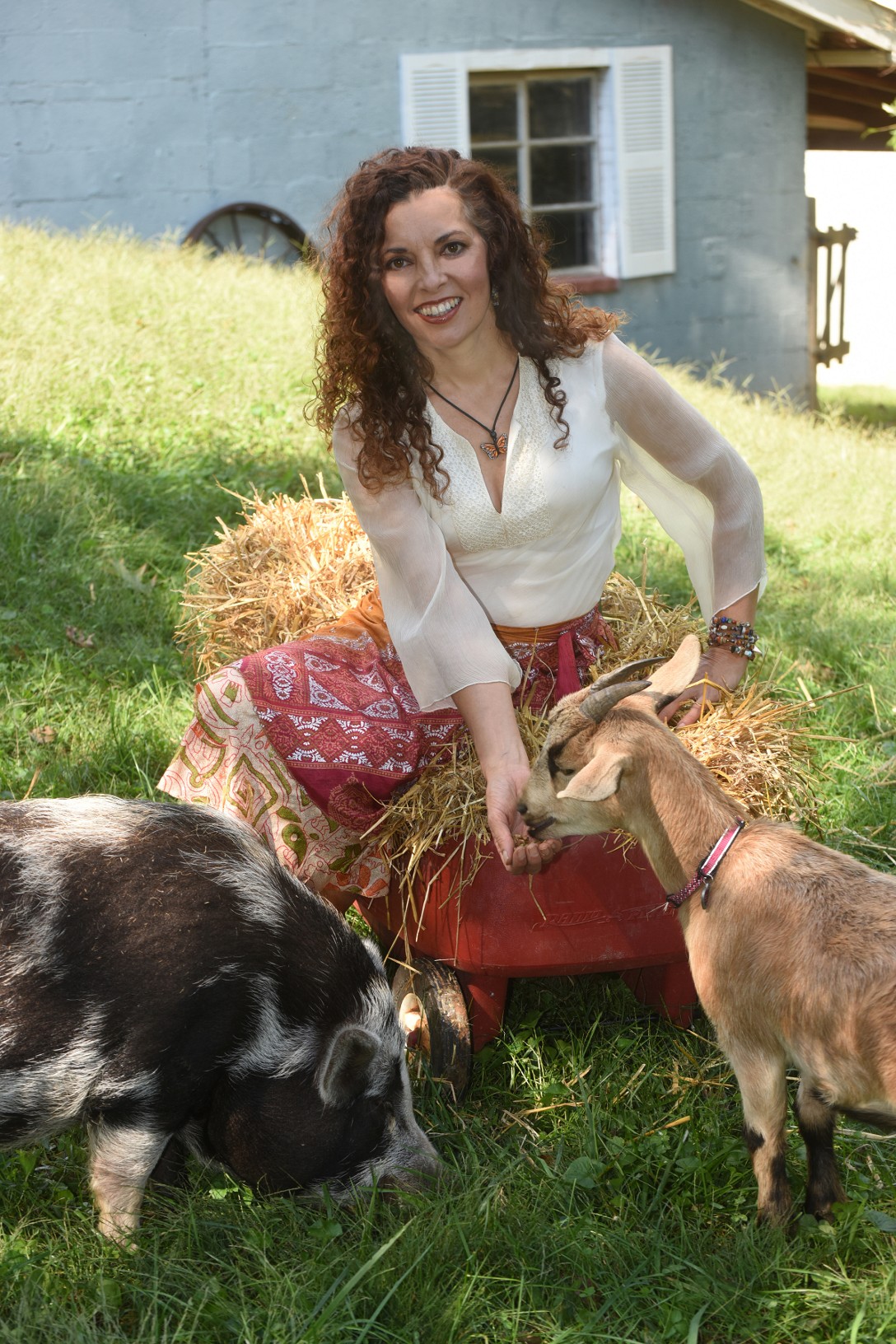
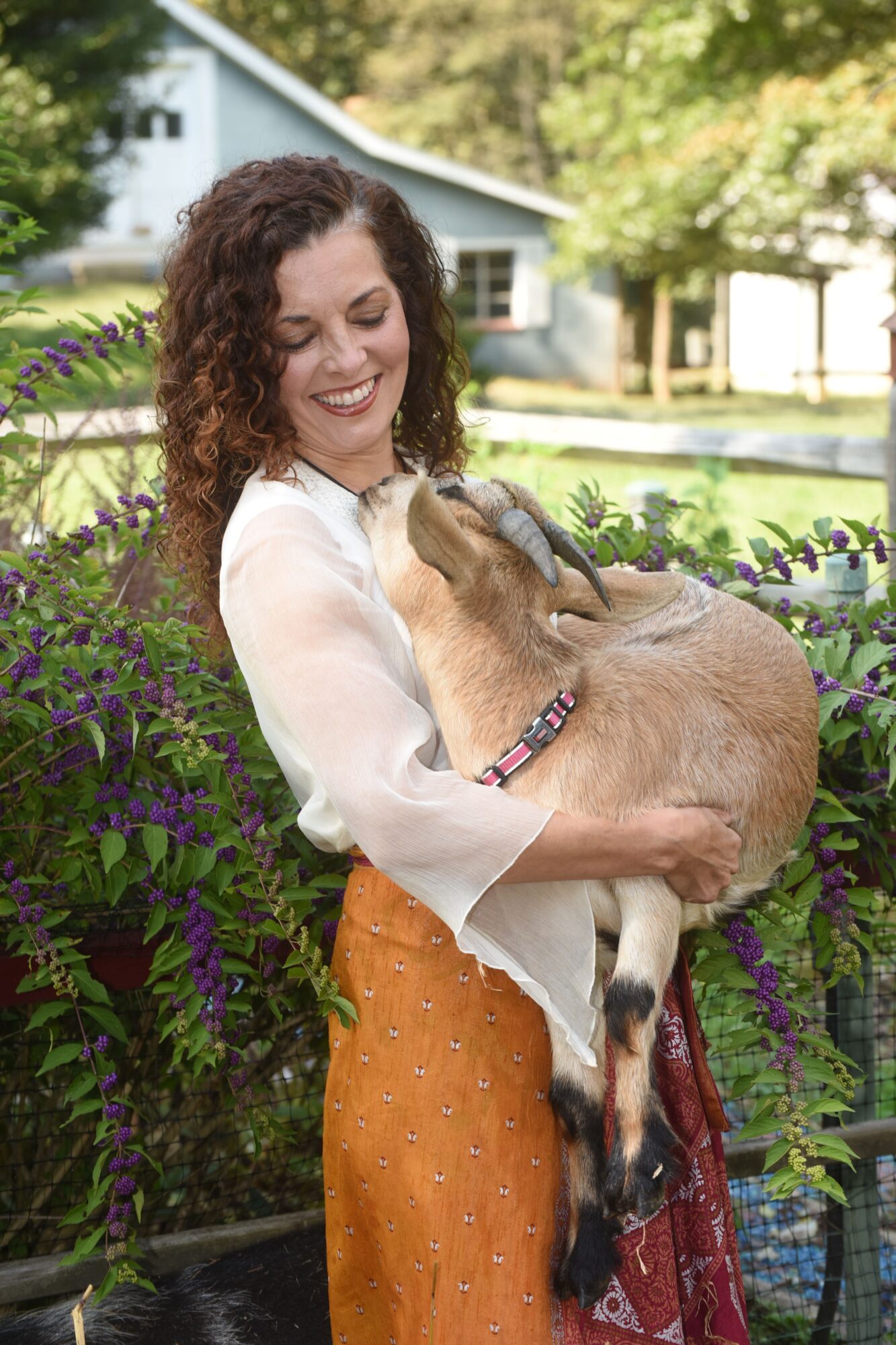
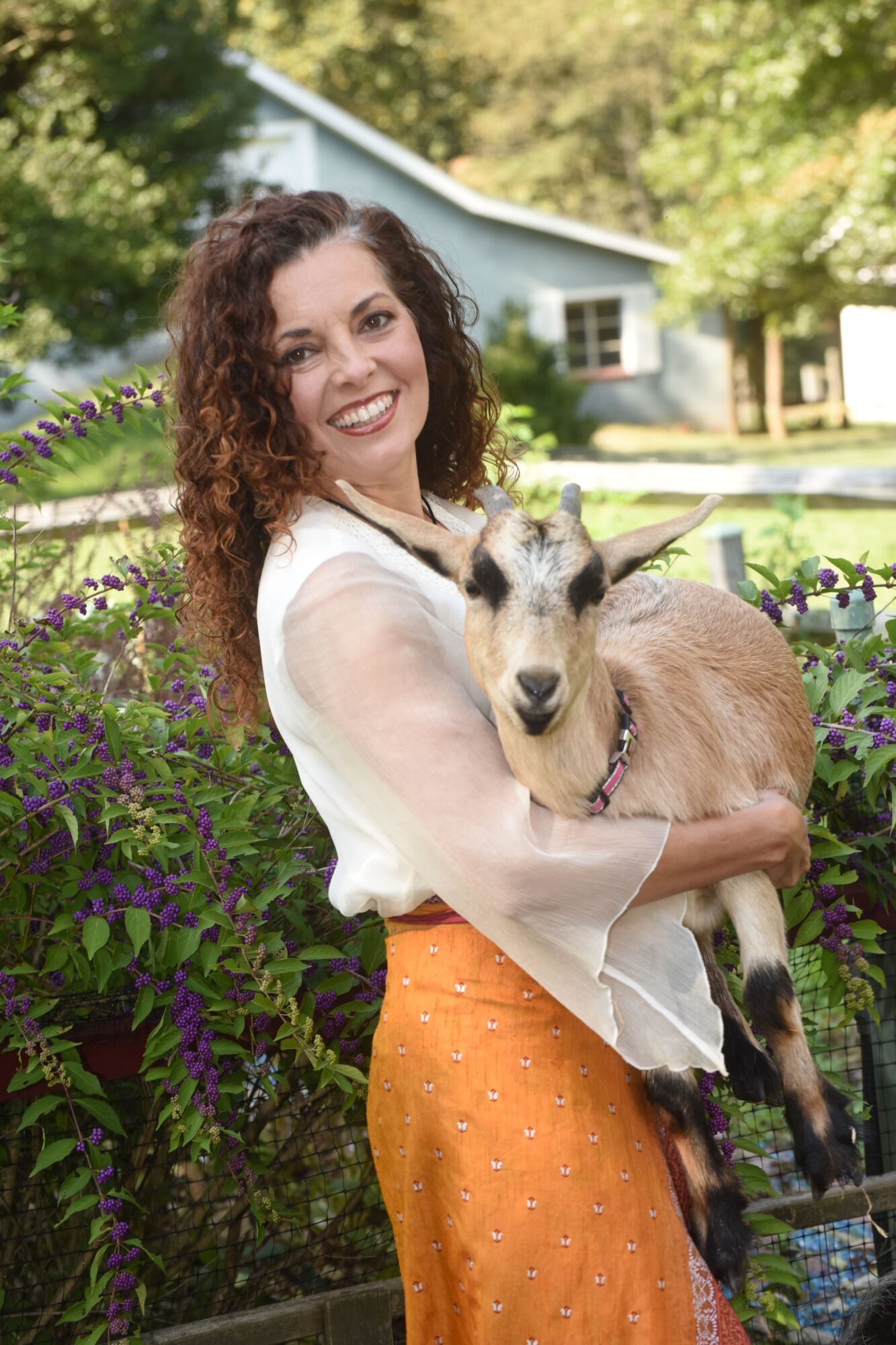
After graduating medical school in 2001, I moved to Maryland and saw all this beautiful farmland, dreaming of one day creating a farm animal sanctuary for children and teens with FASD and other neurodiverse conditions to heal. By 2006, I had completed my residency in psychiatry at Georgetown University and a 2-year fellowship in child/adolescent psychiatry, then opened my first private practice home office. It then took 9 years to pay off 3 degrees worth of student loans. In June 2014, I established a 501c3 nonprofit – 7th Generation Foundation, Inc. and incorporated my private practice – Therapeutic & Learning Centers, P-LLC. Then in May 2016, I moved my nonprofit, my children and our pets and several goats we had rescued to a small 6.43 acre farm 2 miles from where we were living. Our farm animal sanctuary – Dream Catcher Meadows, is operated by 7th Generation Foundation, Inc. Over the past several years, we have rescued and hand raised about 16 goats, 3 pigs, 2 ponies, and an injured Irish sport horse, as well as several flocks of chickens, 2 emus, and a large breed (Karakachan) livestock guardian dog named Clifford. Along the way, I have specialized my practice into working with children, adolescents and young adults with neurodiverse conditions (e.g., autism, FASD, ADHD, intellectual disability) and anxiety disorders, many of whom have been adopted from foster care or internationally. I have also worked as a forensic expert assisting counsel in overturning the death penalty in 8 cases in 5 states, as well as juvenile delinquency, child abuse, sexual abuse, and a variety of medical malpractice cases. In addition to a wide range of psychotherapeutic approaches, I was trained and certified in equine-assisted psychotherapy in 2021 (a therapy incorporating horses in treating patients).
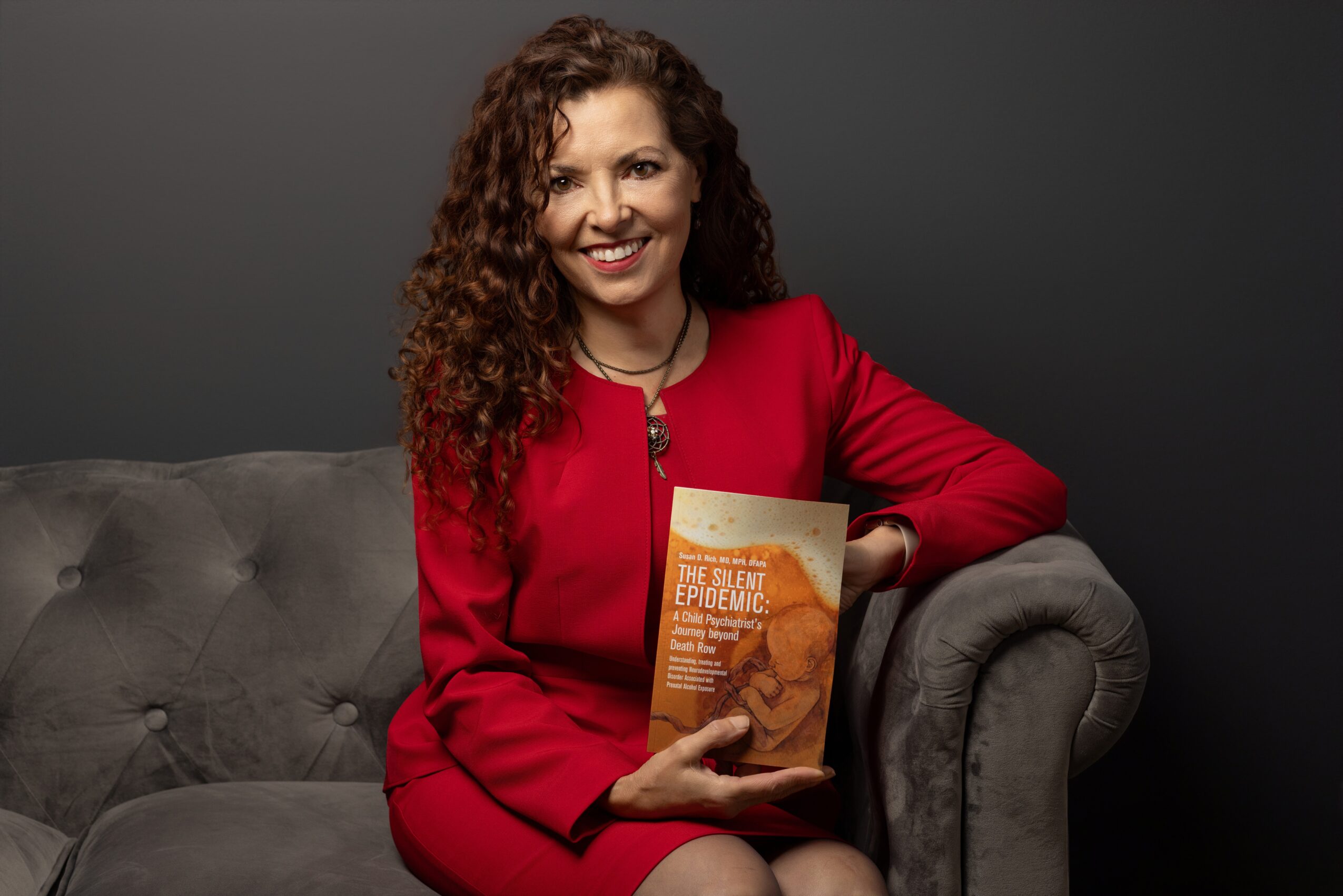
I have written a number of research papers and book chapters and speak internationally on the topics of FASD, autism, and farm-animal assisted psychotherapy and am author of a book about my life’s work – “The Silent Epidemic: A Child Psychiatrist’s Journey beyond Death Row.” Currently, I am working on my second book – “My Mother. My Earth,” a memoir about my journey in life since losing my birth mom to postpartum depression when I was 3 months old to the point of creating a sustainable green care farm animal sanctuary for children with neurodiverse conditions to heal from trauma and attachment issues.
We all face challenges, but looking back would you describe it as a relatively smooth road?
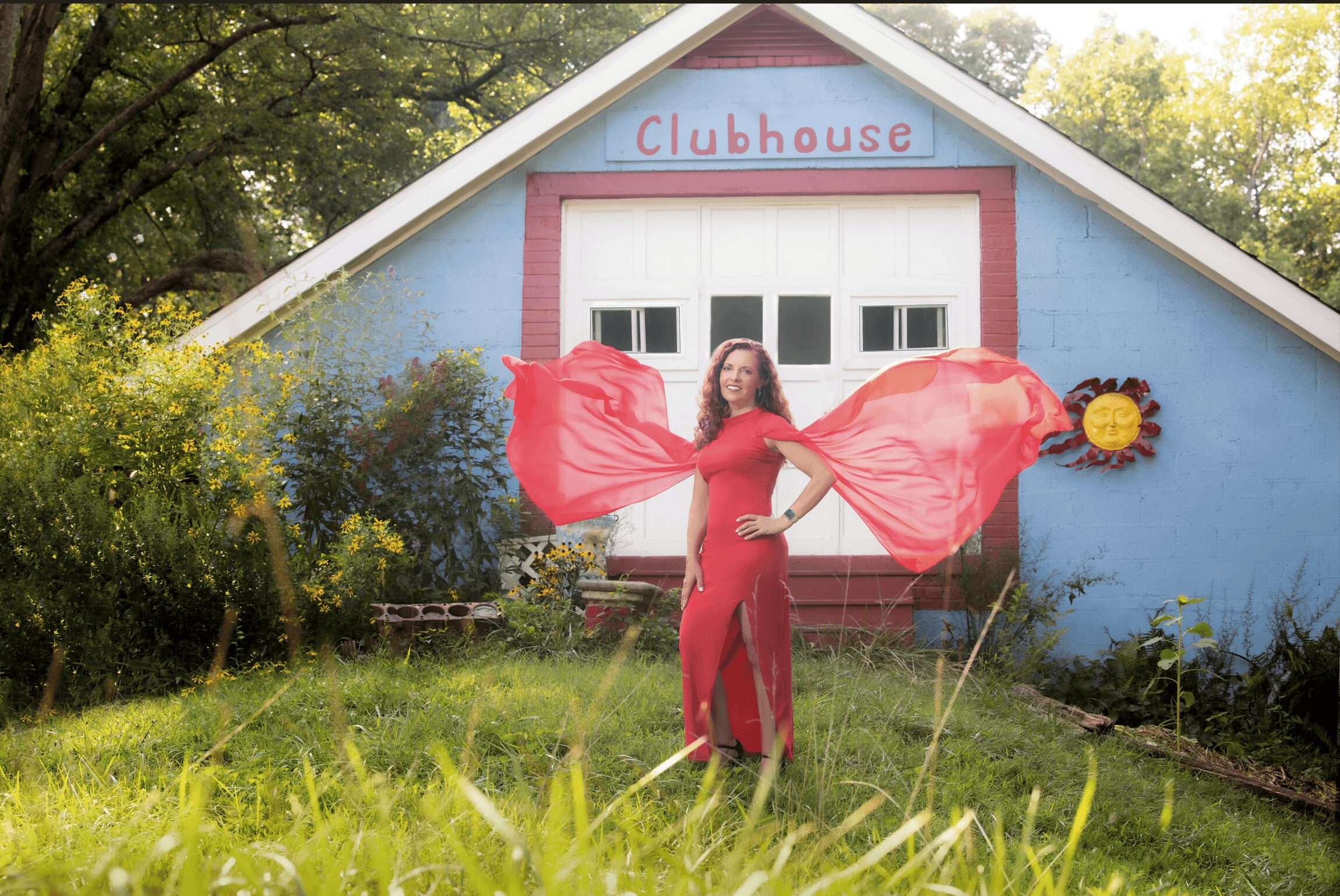
Running a private psychiatric practice and a separate nonprofit green care farm animal sanctuary has been both rewarding and challenging. At times, daily caregiving for the animals despite limited resources and volunteer support has created the need for my own efficiency each morning and evening. This past winter’s record snowfall and subzero temperatures required me to slog through nearly knee-deep snow to and from the pigs’ paddocks, to crack thick ice from one horse trough to move to the other to keep it filled, and twice daily water bucket changes to ensure the animals had fresh (liquid not frozen) water. Financially, without a philanthropic benefactor, I have accepted the financial burden of veterinary bills, farm maintenance, feed, hay, and other costs of running the green care farm. I also donate my time with the volunteers with special needs who come a couple of times a week (weather permitting) to help with water buckets, cleaning horse and goat stalls, and pulling invasive and nonnative plants. We are grateful and fortunate to have secured a State of Maryland bond bill with the generous support of our local state senator and two county grants for capital improvements to Dream Catcher Meadows. This funding allowed us to replace the original 1953 split rail and welded wire fencing on the property with a lovely two-board, no-climb woven wire fencing and rehabilitate the barn and outbuildings with improvements for the safety and health of the animals and our visitors. I selected Carolina blue for the main color, with N.C. State red metal rooves, and white trim. Those 3 colors make up my high school colors as well as the universities I attended for undergraduate, graduate and medical school. I say my whole education is in the farm! It’s been a labor of love. We completed the project from the spring of 2020 to the fall of 2021. I call it my “COVID project!”
The pandemic was particularly difficult for my private practice in that I quickly had to pivot to virtual visits for some patients. I was awarded a small business grant from Montgomery County to purchase clear masks so that I could still see patients’ faces and they could see mine as well as to refurbish my outdoor seating area with a large umbrella to have in-person sessions safely. Parents and young people appreciated being able to get away from their homes and apartments to come to the farm setting. Generally, I find virtual appointments to be lacking in that much of my work with patients is in the space created in the in-person office setting (i.e., the nuances of nonverbal cues, facial expressions, and body language difficult to convey during a “telehealth visit).
Alright, so let’s switch gears a bit and talk business. What should we know?
Therapeutic & Learning Centers, P-LLC is a holistic health focused psychiatric practice in a home office setting located in Potomac, MD. I specialize in working with children/adolescents and young adults with neurodiverse conditions (i.e., FASD, autism, ADHD, learning issues, intellectual disability) and anxiety disorders. My work blends traditional psychotherapy modalities (i.e., cognitive/behavioral approaches, insight-oriented psychodynamic methods, play therapy, family therapy, parent guidance) with patient-centered cutting edge science (e.g., genetic testing, MRI, lab tests, psychopharmacology/medication), and animal-assisted psychotherapy (incorporating dogs, cats, horses and farm animals into therapy sessions). When talking about trauma and difficult topics, kids sometimes find it’s easier while holding and petting a cat, laying beside a dog on the office rug, or brushing the horses. My patients have the choice whether the animals are present in the office, whether to walk down to the barnyard to be with the farm animals, playing a game, cards, or with toys or fidgets, or.to simply sit and talk. The multisensory experience of a farm allows me to see how perceptive they are (e.g., what they notice in the environment), what bothers them about the outdoors (e.g., bugs, grass, fur/hair, sunlight, smells), how comfortable they are in a variety of settings, as well as whether they may have underlying issues affecting their mobility, coordination, rule-following, reactivity, etc.
I am proud to have been in practice 20 years exclusively in a home office setting, providing a high level of psychiatric care to a wide range of children, adolescents and young adults in Montgomery County, MD and surrounding communities. I have had the privilege to see young people grow up from elementary school through high school and college, with many of them going on to successfully complete law school, attend medical school, finish their Master’s and doctoral programs, and acheive other amazing life goals. I believe strongly in the humanistic approach to helping others find the answers to their problems within themselves, as well as to find meaning, purpose, and joy in their lives. As Dr. Abraham Maslow and Dr. Victor Frankl believed, if we have meaning and purpose in life, we can overcome any adversity. I integrate these concepts in my work with young people, as well as teaching how the brain and body work together (mind-body connection). I help them recognize the importance of sleep, nutrition, oxygen (the breath), water, and exercise as well as sunlight and nature to their physical and mental well-being.
What makes my brand stand out is my deep compassion and commitment to helping children, teens and their parents see a way forward through very difficult situations through learning about themselves. Many of my patients have had trauma, suffer from attachment issues, and need encouragement and deep work to understand their strengths. Using a patient-centered, trauma-informed neurodevelopmental lens, they learn to find the answers to their problems within themselves. Their parents learn to see the positives in their children, to celebrate their accomplishments, and to advocate fiercely with the school system for appropriate accommodations and support. One of my methods – Mood Mapping, helps teach the language of emotions using a cognitive behavioral strategy I developed with my patients over the last 20 years.
What were you like growing up?
Growing up in a small town in North Carolina, I was raised by my paternal grandparents after my mother died when I was 3 months old. My grandmother had only a 6th grade education and my grandfather worked as an upholsterer in a furniture factory. I didn’t go to Kindergarten or preschool because they didn’t have it in my hometown, but my grandma taught me to read using my older brother’s First Grade books. I also learned from an early age to make my bed – only ever not making my bed a handful of times in my entire life. As a child, I was painfully shy, almost never spoke in class unless directly called on, and read prolifically from a variety of genre (science fiction, encyclopedias, literature, kids’ magazines, “wonders of the world,” etc.). I always had an interest in science, space, and even wanted to become an astronaut starting around age 10. I enjoyed spending Sunday afternoons at the library doing extra research for school and just for fun. During the school week, I would recopy all of my class notes to integrate what I had learned into my memory starting in middle school. My brother, sister, and I would spend weekends with my grandmother’s very large extended family in a rural area of N.C. where we helped take care of a very large garden at my great aunt’s house. There I developed a love of the outdoors, nature, gardening, and soil health, which I have incorporated into my farm animal sanctuary. Although I didn’t grow up with lots of animals, I had a beloved cat who I adored.
Pricing:
- Fee for service practice.
- Do not participate with insurance companies.
Contact Info:
- Website: https://www.susandrich.com
- Instagram: Nonprofit farm Instagram: @officialdreamcatchermeadows
- Facebook: Website for my book: www.prenatalalcoholexposure.com; and www.Facebook.com/prenatalalcoholexposure
- LinkedIn: https://www.linkedin.com/in/susandrichmdmph/
- Twitter: Article about farm animal assisted therapy: https://www.intechopen.com/chapters/1150436
- Youtube: Documentary I produced with a CDC grant about FASD: https://www.youtube.com/watch?v=3TnYC7KtM34
- Soundcloud: Psychology Today: https://www.psychologytoday.com/us/psychiatrists/susan-d-rich-potomac-md/395484
- Other: https://share.google/2lydSp83J3Vi1yFO2