


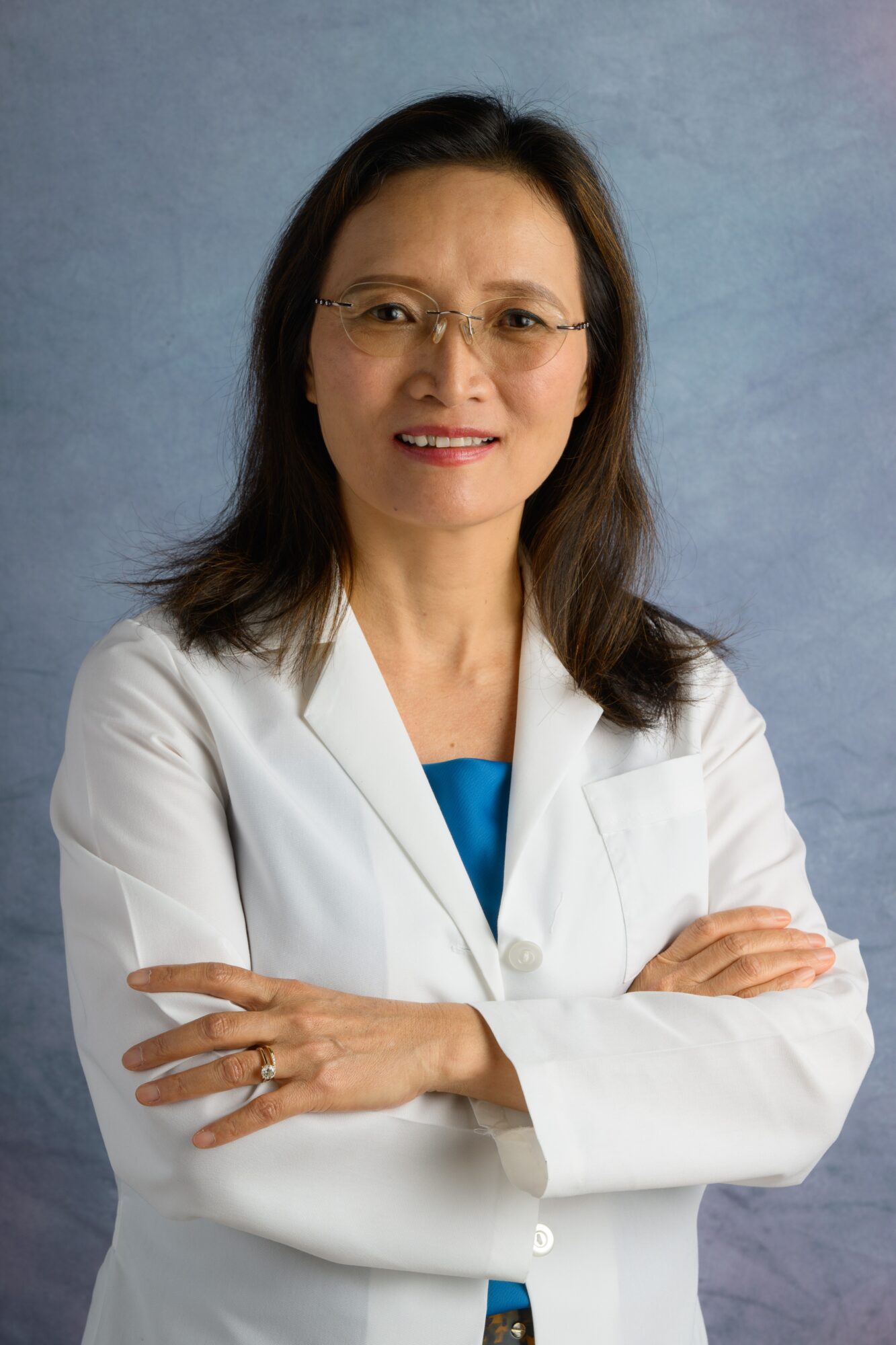
Today we’d like to introduce you to Songxuan (Song) Zhou-Niemtzow.
Hi Songxuan (Song), thanks for joining us today. We’d love for you to start by introducing yourself.
My journey in medicine began in China, where I trained as a physician in traditional Chinese medicine and acupuncture at Yunnan University of Traditional Chinese Medicine. After graduating, I continued advanced clinical study and training in Yunnan and Sichuan provinces, and in Beijing. I later established a private practice in Beijing’s embassy community, where I had the privilege of caring for embassy staff, international residents, and local families from many different cultural backgrounds.
Those early years shaped not only the clinician I became, but also the way I understand patients. I learned that although people may come from different countries, cultures, and walks of life, when we are sick, our deepest concerns are remarkably similar. We want relief from our suffering. We want to understand what is happening to us. We want to be listened to and taken seriously. And we want to trust that the person caring for us is not only knowledgeable and skilled, but genuinely cares about us as a human being.
That understanding has stayed with me throughout my medical career. I believe good healthcare begins with listening. Before deciding how to treat a patient, I want to understand what that person is experiencing, how the condition is affecting daily life, what has already been tried, and—most importantly—what the patient hopes to regain. Sometimes that means walking with less pain, sleeping through the night, returning to work or activities they love, enjoying a meal again, or simply finding hope after living with a difficult condition for a long time.
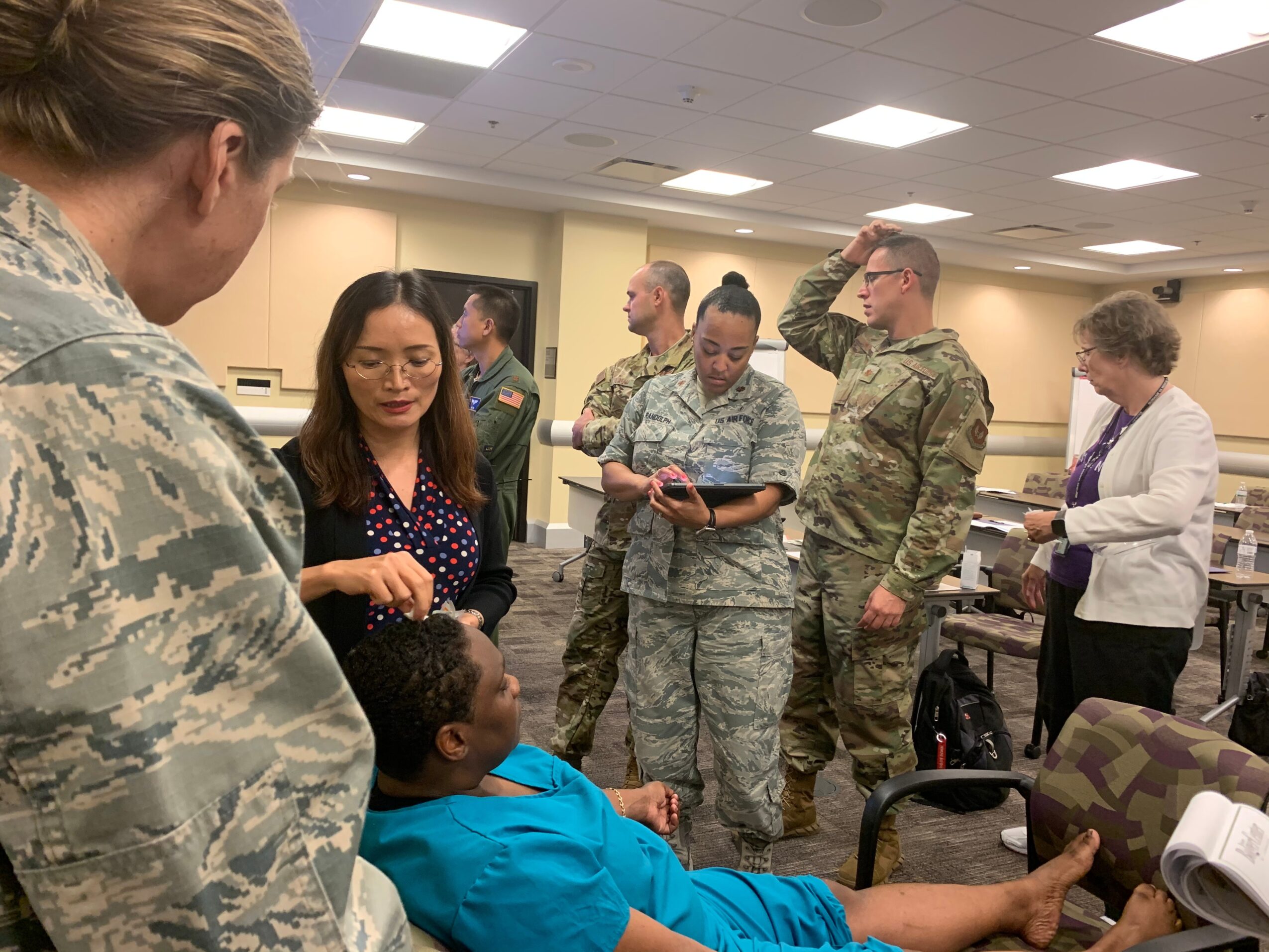
After moving to the United States, I continued developing my career as a medical acupuncturist. For approximately seven years, I worked at the U.S. Air Force Acupuncture and Integrative Medicine Center at Joint Base Andrews. There, I cared for active-duty service members, veterans, military families, and other patients with acute and chronic pain and complex health conditions. I also participated in clinical research and helped educate healthcare professionals about acupuncture and integrative medicine.
Working in military medicine strengthened my clinical skills, but it also reinforced something I had learned years earlier in China: no single medical tradition has all the answers. I came to value an approach that respects both traditional healing knowledge and modern medicine, using each thoughtfully and responsibly in the service of the patient.
A defining part of both my professional and personal journey was my late husband, Dr. Richard C. Niemtzow—my husband, best friend, mentor, and professional partner. Richard was a radiation oncologist, pioneering medical acupuncturist, researcher, educator, and internationally recognized leader in military and integrative medicine. He developed Battlefield Acupuncture, a rapid auricular acupuncture technique for pain, as well as innovative acupuncture approaches for difficult clinical problems including xerostomia, or severe dry mouth, particularly following radiation and chemotherapy and in patients with Sjögren’s syndrome. His broader clinical and research interests also included migraine, visual disorders, post-traumatic stress symptoms, depression, anxiety, and mild traumatic brain injury.
For more than 16 years, Richard and I worked side by side. We treated patients, conducted clinical research, and taught acupuncture to military and civilian healthcare professionals. Our work focused on approaches that could be practical, reproducible, and clinically useful while always keeping the patient’s well-being at the center.
One of our most meaningful research collaborations was a military Institutional Review Board–approved study investigating acupuncture for post-traumatic stress disorder. I designed the acupuncture treatment protocol, and Richard and I conducted the research together. The study demonstrated statistically significant improvement in participants’ PTSD symptoms. For us, the importance of this work went beyond the statistical results. It reflected our shared belief that acupuncture should be studied carefully and responsibly, particularly when we are asking patients and healthcare professionals to place their trust in what we do.
Through our many years together, I came to understand not only Richard’s techniques, but also the clinical judgment, research, and philosophy behind them. Our work was never simply about needles or developing new protocols. It was about helping people regain comfort, function, dignity, and hope. Because I practiced, researched, learned, and taught alongside Richard, his legacy is not something I know only through publications or memories. It is work we lived together.
When Richard passed away, I experienced tremendous personal loss. At the same time, I felt a profound responsibility to continue the mission we had shared. To me, carrying his work forward does not mean keeping it frozen in the past. It means preserving its essential principles, practicing it responsibly, continuing to study and refine it, and teaching it carefully so that future generations of healthcare professionals can use what is valuable in this work to help their own patients.
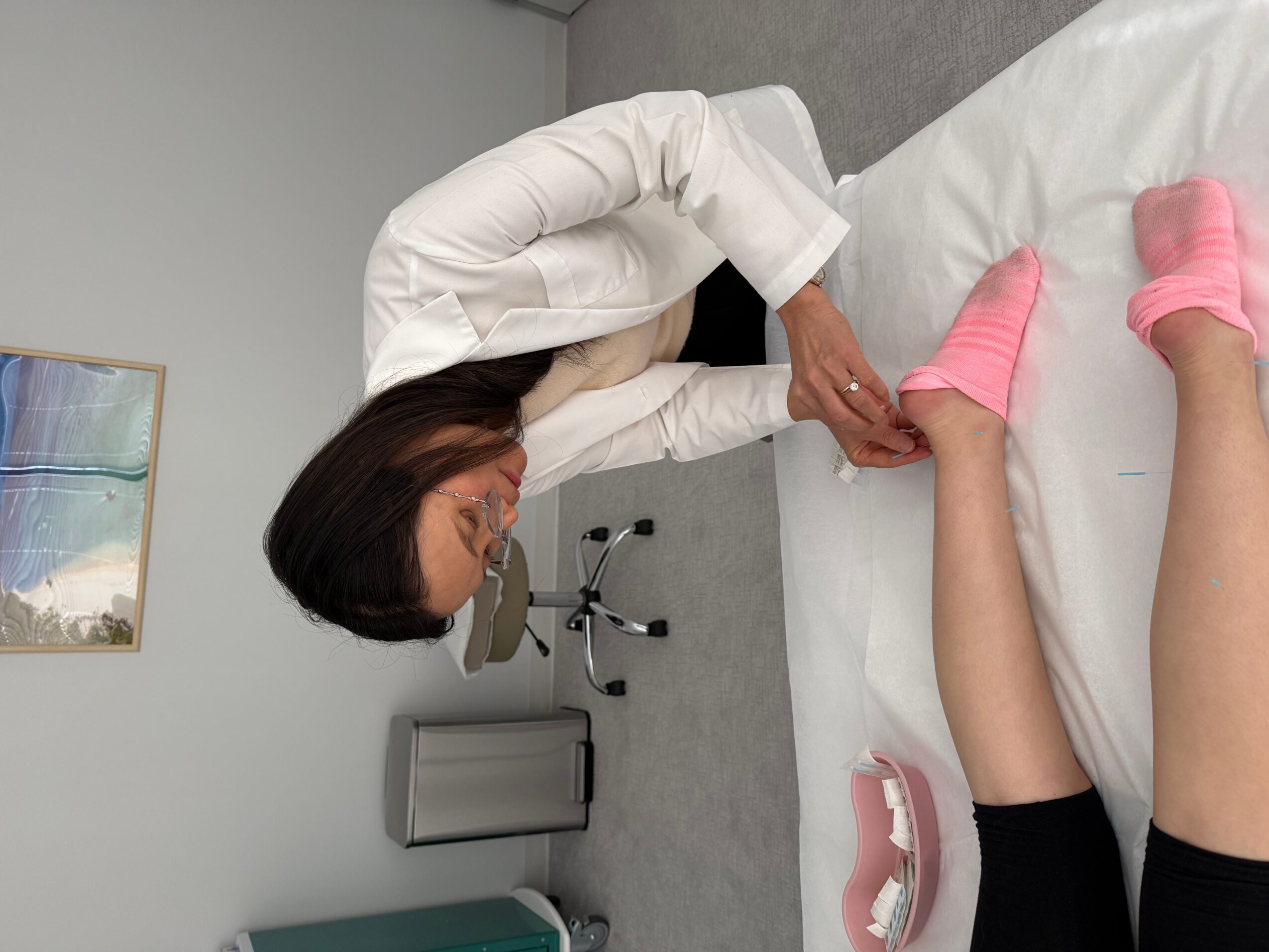
That commitment led me to establish Rapid Acupuncture, LLC, in Rockville, Maryland, where I provide individualized acupuncture care. My clinical practice focuses primarily on acute and chronic pain; mental and emotional health concerns, including PTSD, anxiety, depression, and ADHD; xerostomia (dry mouth), including dry mouth related to cancer treatment and Sjögren’s syndrome; and women’s health. Many of the patients I see are seeking additional options after living with difficult symptoms or not finding sufficient relief from previous treatments.
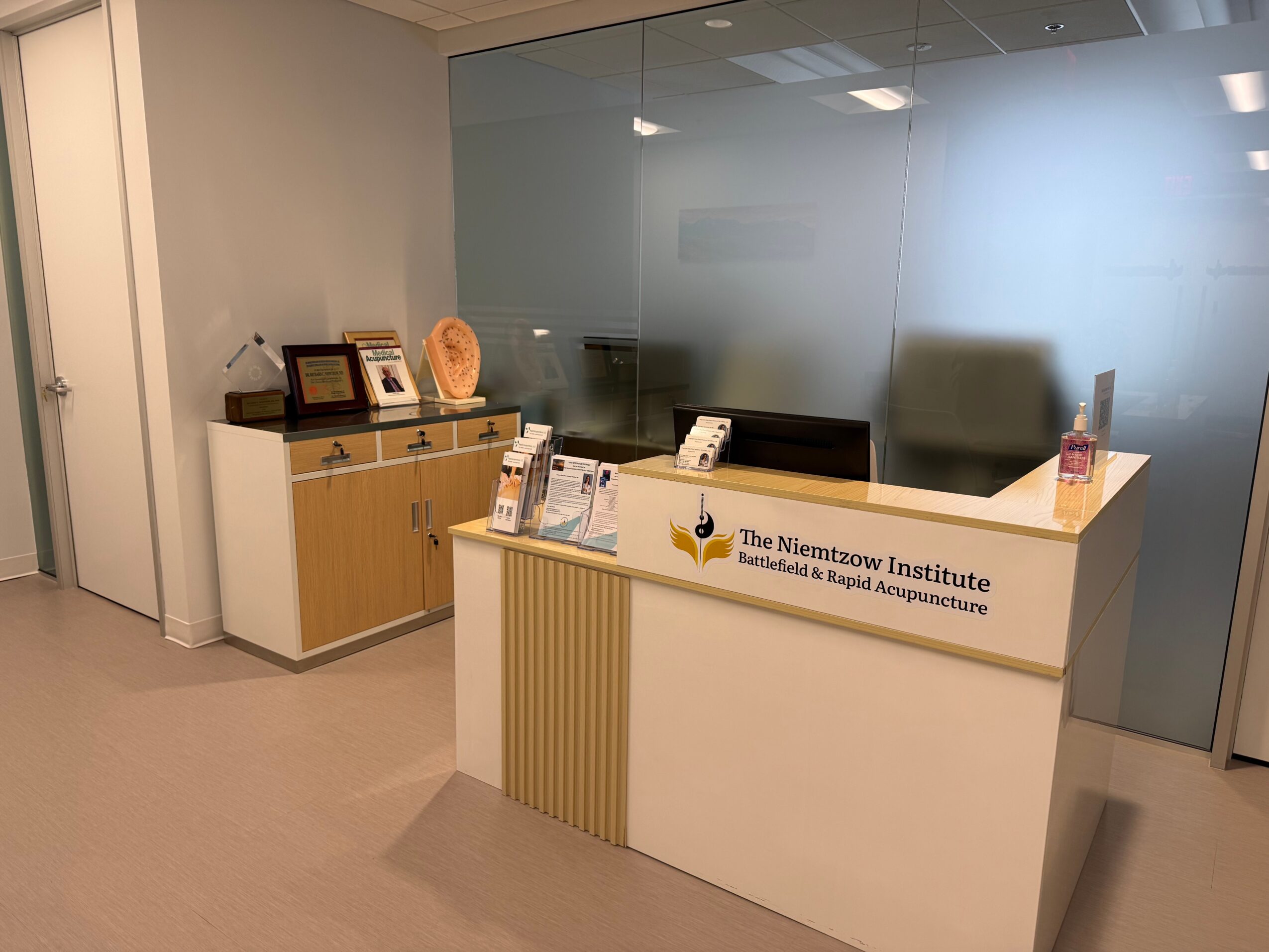
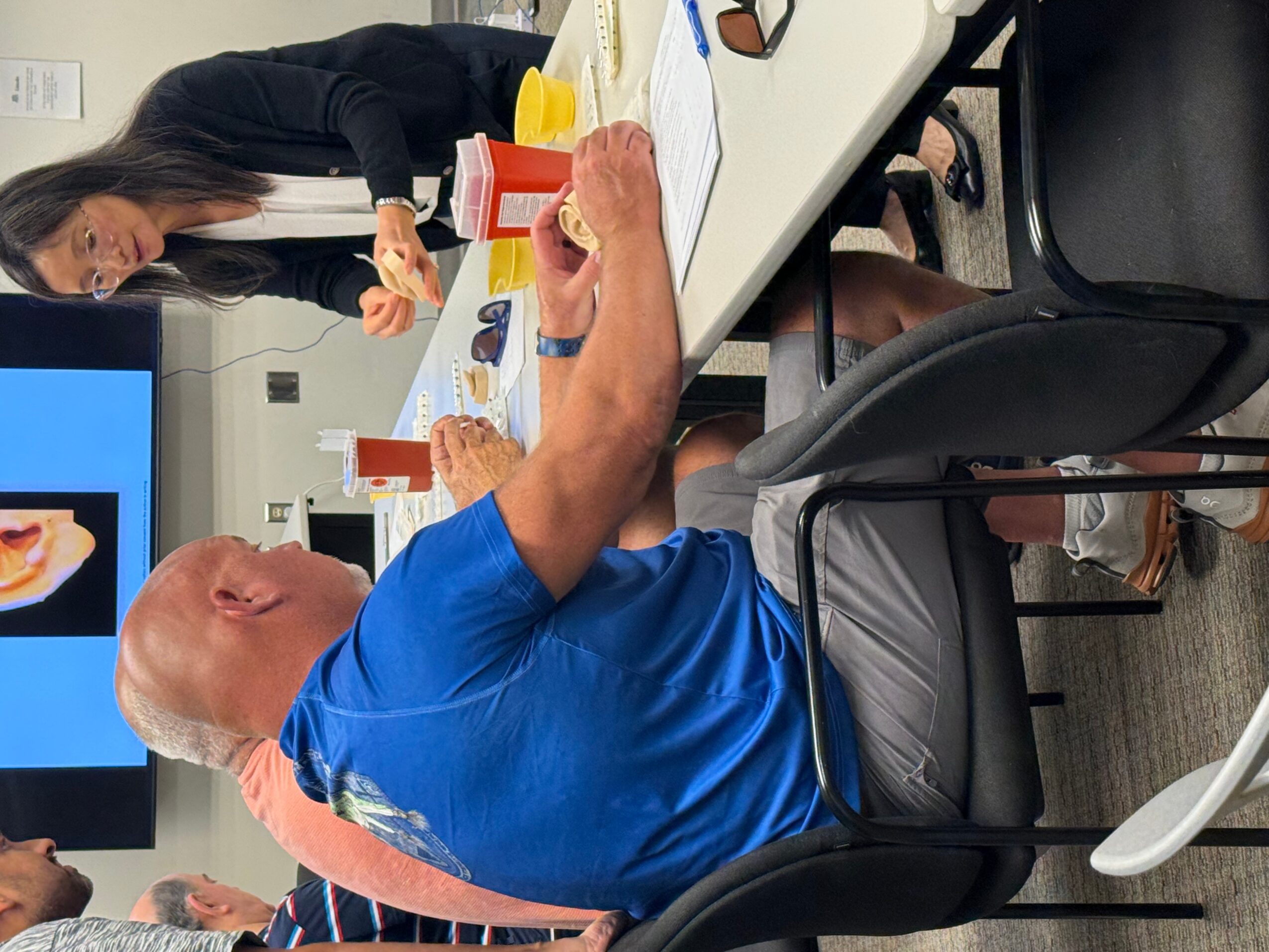
I also continue our educational mission through the Niemtzow Institute for Battlefield & Rapid Acupuncture, where my colleagues and I train licensed healthcare professionals to use Battlefield Acupuncture and related approaches safely and responsibly.
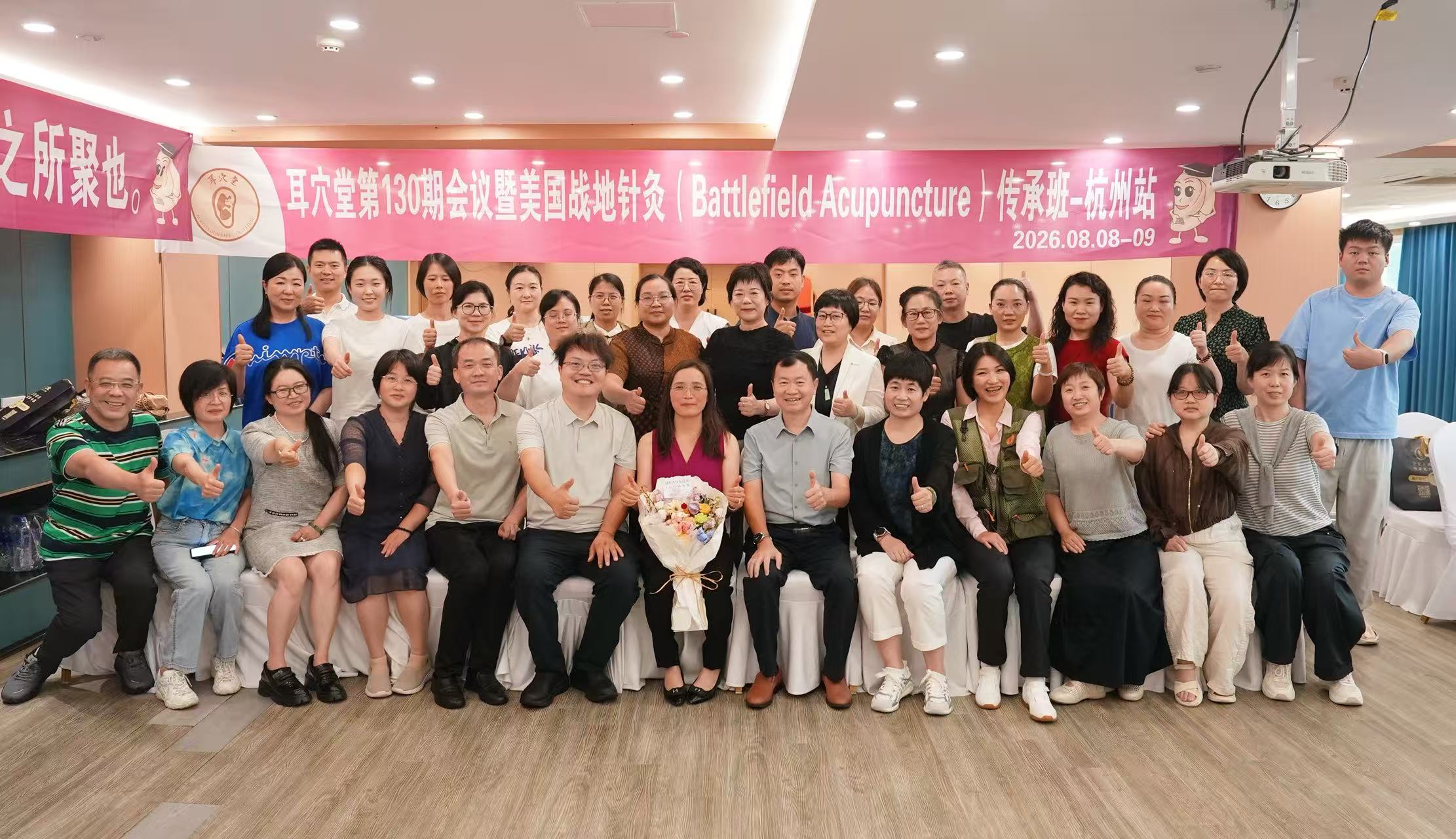
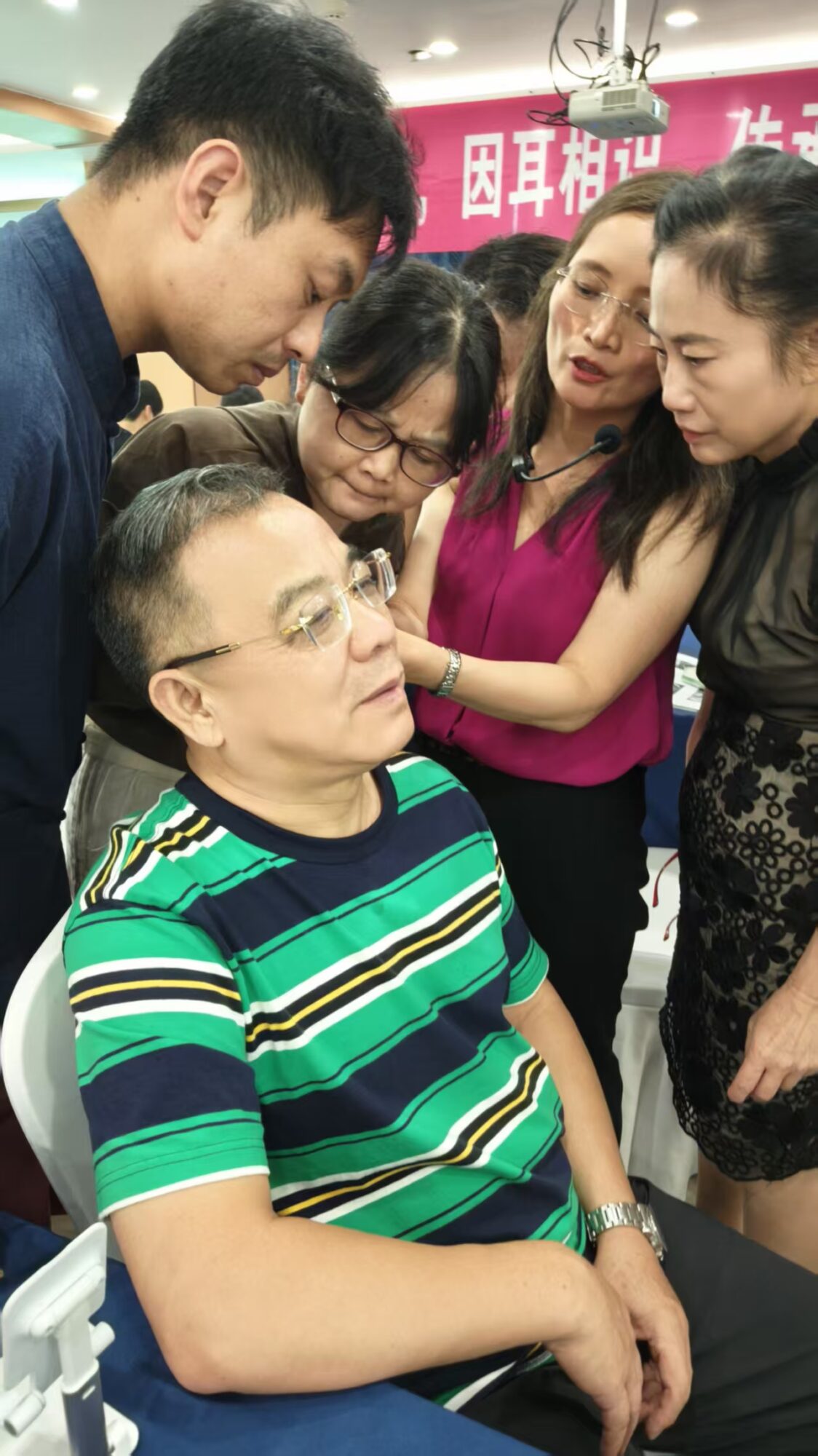
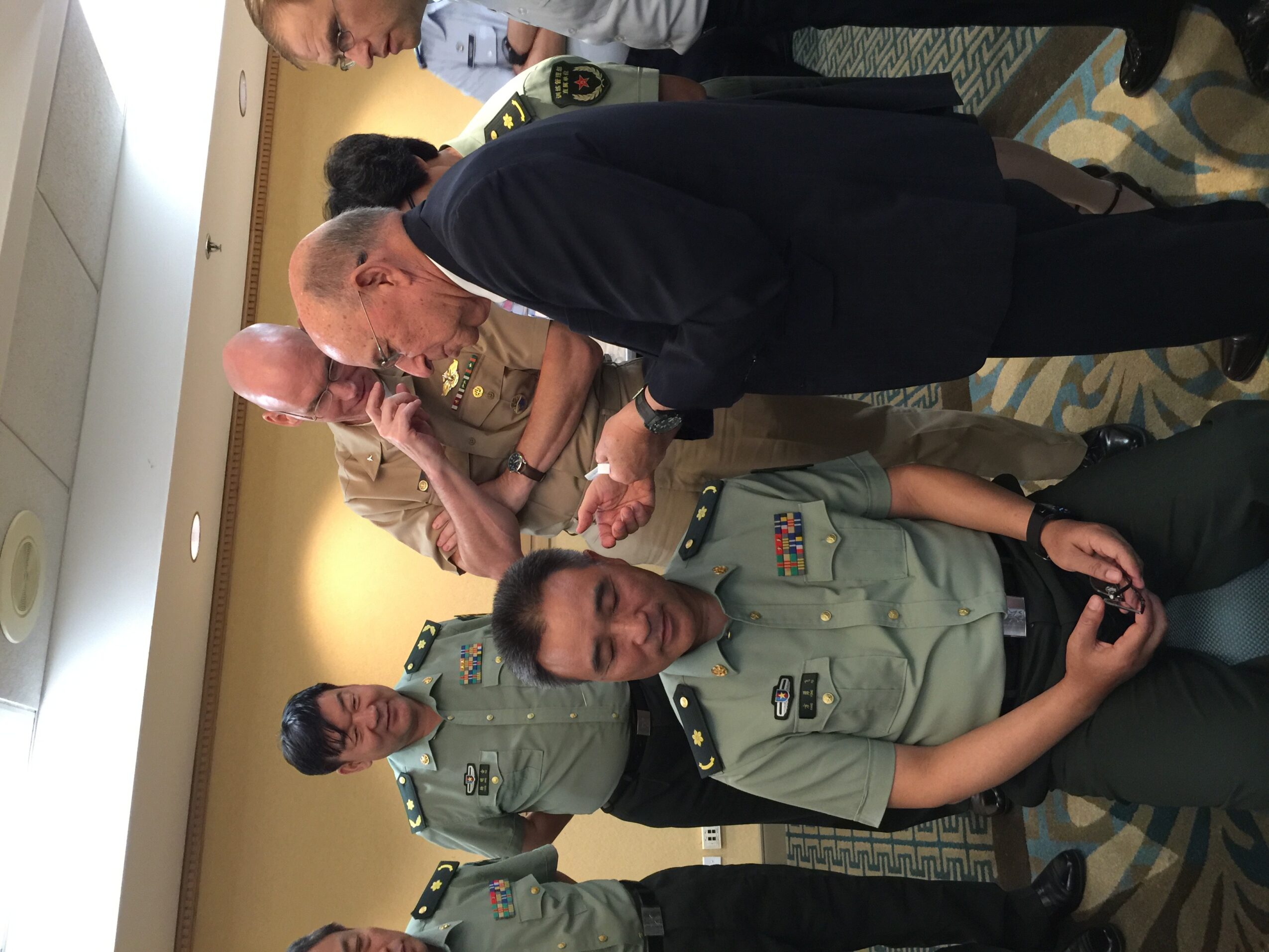
In August 2026, I returned to China to teach Battlefield Acupuncture in Hangzhou. It was deeply meaningful to bring this work back to the country where my own medical journey had begun. Soon afterward, I helped teach Battlefield Acupuncture to healthcare professionals at Walter Reed. Most recently, a production team from Hong Kong Phoenix Satellite Television came to Maryland to document our clinical work, Richard’s contributions, and the personal story behind our shared mission.
Yet despite the research, teaching, travel, and professional milestones, the heart of my work remains the individual patient sitting in front of me.
Many people who come to my clinic have been living with pain or difficult symptoms for months or even years. Some have seen multiple specialists or tried numerous treatments without enough relief. I understand how discouraging that can become. Often, they are not looking for another promise or another procedure. They want someone to listen, understand what they have been through, and honestly consider whether there may be another way to help.
When I see a patient, I take time to understand the condition as well as the person living with it. I review what has already been tried, consider whether acupuncture is appropriate, explain my recommendations, and establish realistic treatment goals. I do not believe acupuncture can help every condition or every person, and I never want a patient to continue treatment simply for the sake of continuing treatment. I carefully evaluate the response. If a patient is improving, we decide together how to proceed. If acupuncture is not helping, I believe in being honest about that. And when a condition requires evaluation or treatment beyond my scope, I encourage the patient to seek appropriate medical care.
I also welcome collaboration with physicians, dentists, physical therapists, mental health professionals, and other healthcare providers. I do not see acupuncture as something that must stand apart from modern medicine. When appropriate, it can be one part of thoughtful, coordinated care. When another healthcare professional entrusts a patient to me, I take that trust seriously.
Medicine requires knowledge, experience, and clinical skill, but my patients have taught me that it also requires compassion, honesty, humility, and human connection. I cannot promise every patient a cure. What I can promise is that I will listen carefully, treat each person with dignity and respect, be honest about what I believe acupuncture can and cannot offer, and use the best of my training and experience to help whenever I can.
Today, I see my role as a bridge—between China and the United States, traditional healing and modern medicine, patient care and clinical research, professional education and everyday practice, and Richard’s remarkable legacy and the future.
My journey has included opportunity, service, love, loss, resilience, and many unexpected turns. But through all of them, my purpose has remained remarkably simple:
To listen. To care. To relieve suffering whenever I can. And to treat not only the condition, but the person who is living with it.
I’m sure it wasn’t obstacle-free, but would you say the journey has been fairly smooth so far?
It has certainly not always been a smooth road. One of the greatest challenges of being a healthcare provider is caring for people when they are at their most vulnerable. Many patients come to me after living with pain or difficult symptoms for a long time. Some have already tried multiple treatments and arrive feeling frustrated, discouraged, or uncertain that anything else can help. When they walk through my door, they are not simply bringing me a diagnosis—they are bringing their fears, their hopes, and their trust.
That trust carries a great responsibility. I want my patients to have hope, but I never want to give them false hope. Acupuncture cannot help every person or every condition, and one of the most important lessons of my career has been knowing not only what I may be able to do for a patient, but also recognizing what I cannot do. Sometimes the challenge is finding a different approach. Sometimes it means collaborating with another healthcare provider. And sometimes the most responsible thing I can do is tell a patient honestly that acupuncture may not be the right answer.
Difficult cases have taught me humility and persistence. Patients do not expect us to have every answer, but I believe they deserve a healthcare provider who will continue to think, listen, and care even when the answer is not obvious. I have learned to reassess, remain curious, continue studying, and never allow a difficult diagnosis to become more important than the person living with it.
Another challenge has been building my professional life across two very different medical cultures. I began my career in China, where traditional Chinese medicine and acupuncture were part of my medical training, and later practiced within the American healthcare and military medical systems. Learning to move between these worlds required adaptability and an open mind, but over time, that challenge became one of my greatest strengths. It taught me to respect different medical perspectives and to focus on what ultimately matters most: what is safe, appropriate, and helpful for the patient.
The most difficult challenge of my life, however, was losing my husband, best friend, mentor, and professional partner, Dr. Richard Niemtzow. After more than 16 years of sharing our lives and our work, I had to learn how to move forward without him. I experienced tremendous grief while also feeling a responsibility to continue the work and mission we had built together.
That journey has taught me a different kind of resilience. I have learned that carrying Richard’s legacy forward does not mean living in the past. It means honoring what we built together while continuing to grow, finding my own voice, and using everything I have learned—from my patients, my training, my research, my colleagues, and Richard—to serve others.
The road has included difficult patients, professional transitions, uncertainty, personal loss, and moments when I had to find strength I did not know I had. But those challenges have shaped the clinician and person I am today.
Perhaps the greatest lesson I have learned is that we cannot always choose the challenges that come into our lives, but we can choose what we do with them. I have chosen to keep caring, keep learning, keep teaching, and keep moving forward with purpose.
We’ve been impressed with Rapid Acupuncture, LLC, but for folks who might not be as familiar, what can you share with them about what you do and what sets you apart from others?
Rapid Acupuncture, LLC is a patient-centered acupuncture practice in Rockville, Maryland, focused on individualized care for patients with pain and other challenging health conditions.
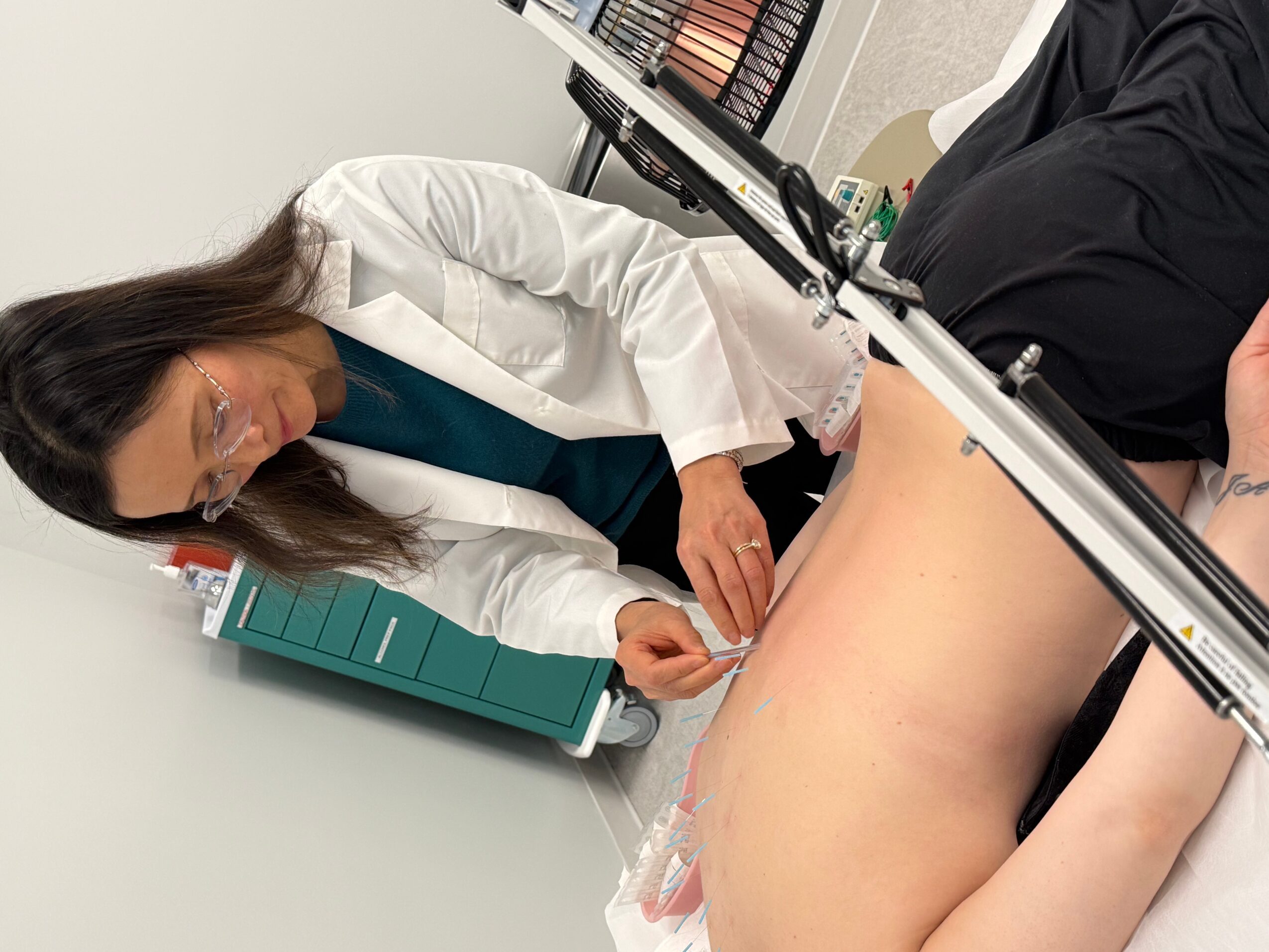
My clinical practice focuses primarily on acute and chronic pain, including neck and low back pain, sciatica, migraines, and neuropathy; xerostomia, or severe dry mouth, including dry mouth associated with radiation therapy, chemotherapy, and Sjögren’s syndrome; mental and emotional health concerns such as PTSD, anxiety, depression, and ADHD; and women’s health. I also have experience providing supportive acupuncture care for patients with post-stroke symptoms, mild traumatic brain injury, and other complex conditions.
Depending on the patient’s condition and treatment goals, I use classical body acupuncture, electroacupuncture, auricular acupuncture, scalp acupuncture, or Battlefield Acupuncture—a rapid auricular technique developed by my late husband, Dr. Richard C. Niemtzow, to help relieve acute and chronic pain. I also continue to practice specialized acupuncture approaches that Richard developed for dry mouth and other difficult clinical conditions.
What sets Rapid Acupuncture apart is the combination of medical training, extensive clinical experience, specialized techniques, and individualized care that I bring to each patient. My approach is never one-size-fits-all. I consider what the patient has already tried, determine whether acupuncture is appropriate, establish realistic goals, and evaluate the response to treatment. The word “Rapid” reflects an important principle of my practice: when possible, treatment should be focused, practical, and evaluated by meaningful changes in symptoms, function, and quality of life.
I also welcome referrals and collaboration with physicians, dentists, physical therapists, mental health professionals, and other healthcare providers. I believe acupuncture can be most valuable when it is used responsibly as part of thoughtful, coordinated patient care.
One aspect of the practice that I am especially proud of is its connection to the Niemtzow Institute for Battlefield & Rapid Acupuncture. Through the Institute, my colleagues and I train licensed healthcare professionals in Battlefield Acupuncture and related approaches according to the original methods and clinical principles developed by Dr. Niemtzow. Having practiced, researched, and taught alongside Richard for more than 16 years, I feel a deep responsibility to preserve the integrity of his work while continuing to teach and develop it responsibly.
Ultimately, what I want people to know about Rapid Acupuncture is simple: we combine experience, specialized acupuncture techniques, individualized treatment, and compassionate care with one purpose—to help each patient achieve meaningful improvement in comfort, function, and quality of life.
What makes you happy?
What makes me happiest is knowing that my work has made a meaningful difference in someone’s life. When a patient who has lived with pain or another difficult condition begins to experience relief, regain function, sleep better, or feel hopeful again, I feel deeply grateful. These moments remind me why I chose medicine and why I continue giving my best to every patient.
Teaching also brings me great happiness. When healthcare professionals learn an acupuncture technique correctly and then use it safely to help their own patients, the impact extends far beyond one classroom. Through education, knowledge can travel from one clinician to many patients, and that gives the work a life beyond my own practice.
My family, friends, and the memory of my late husband, Richard, are also important sources of happiness and strength. After losing him, I came to understand that grief and happiness are not opposites—they can exist in the same heart. Continuing the clinical, research, and educational mission we shared has helped me transform love and loss into service and purpose.
Life is not a continuous state of happiness. We all experience disappointment, uncertainty, loss, and moments when life brings us to places we never expected to be. I have learned that sometimes the lowest points in our lives can also become powerful periods of rebuilding, learning, and profound personal growth. They can teach us what truly matters, deepen our compassion for others, and help us discover strength within ourselves that we did not know was there.
Today, happiness means something different to me than it once did. I find it not only in major accomplishments, but in quiet and meaningful moments—a patient’s smile, a student’s excitement after learning something new, time with my daughter, family, and friends, and the knowledge that the work Richard and I began together continues to help others.
For me, happiness is not about having a life without hardship. It is about finding meaning through both joy and sorrow, continuing to grow, and using what life has taught me to bring something good into the lives of others.
Contact Info:
- Website: www.rapidacupuncture.com; www.battlefieldacupuncture.org