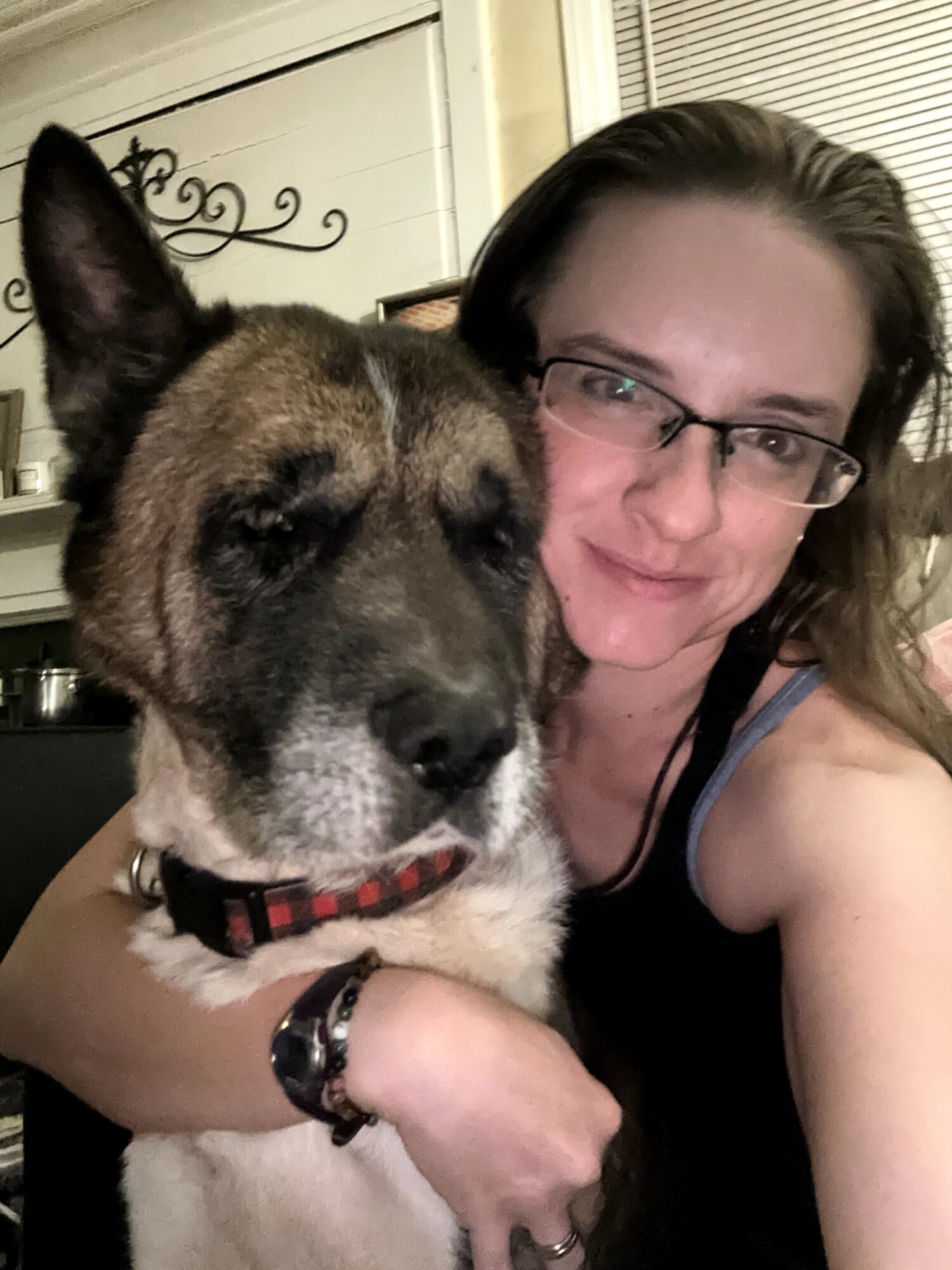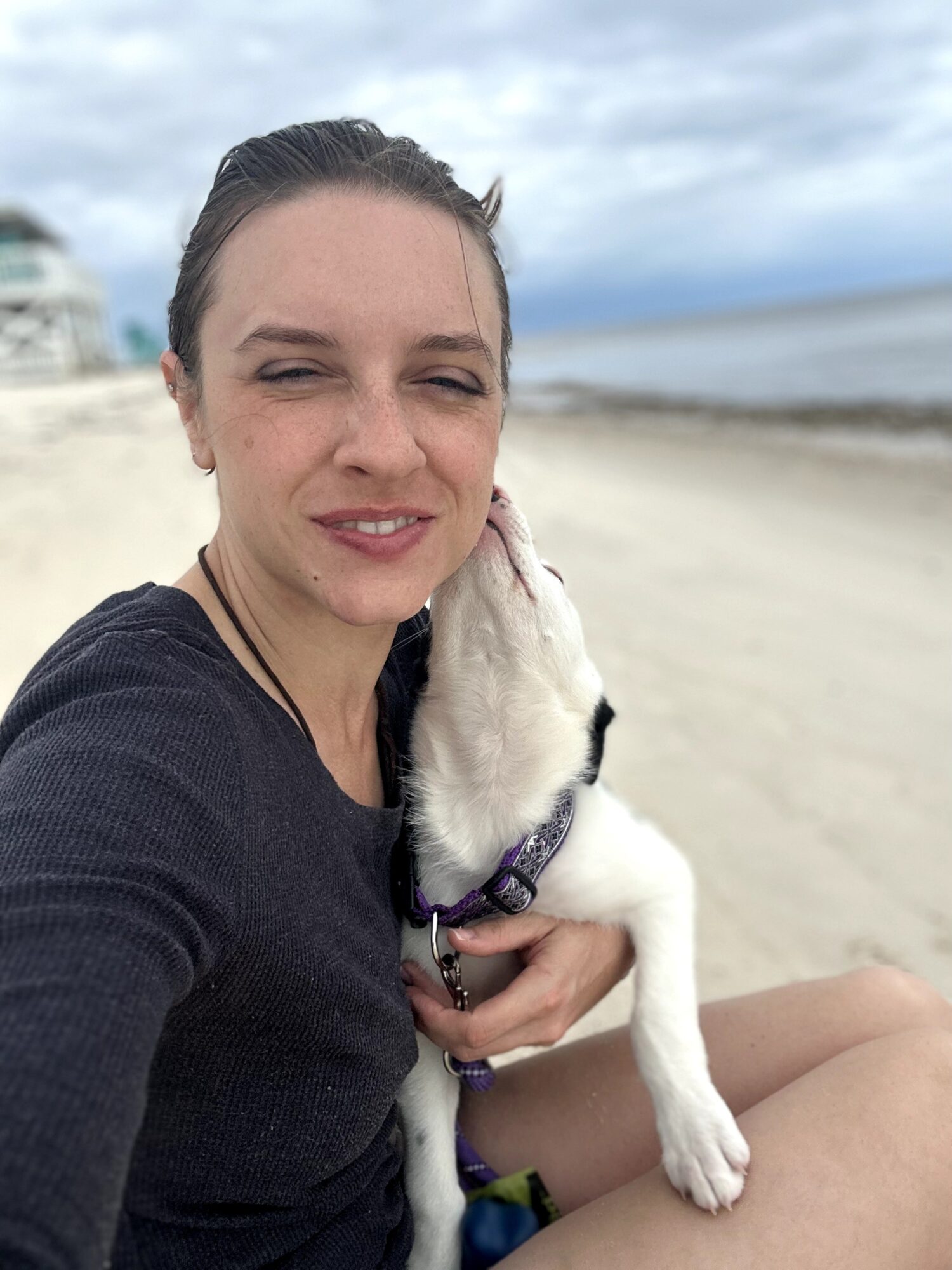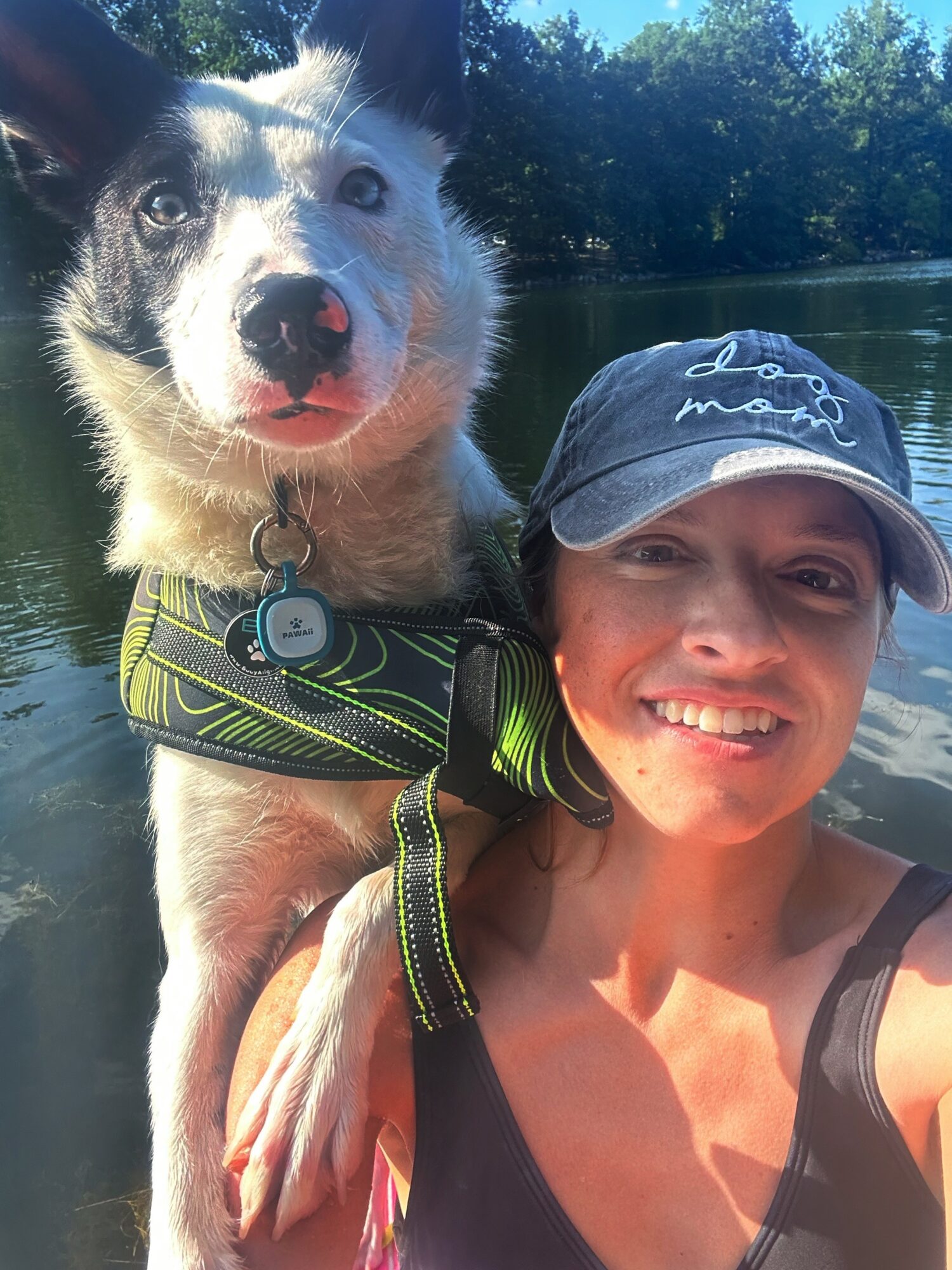





Today we’d like to introduce you to Heather Gruber-Banzhoff.
Heather, we appreciate you taking the time to share your story with us today. Where does your story begin?
I grew up as an only child. Instead of having siblings, I had a bunch of pets. It was only natural for me to be interested in some sort of career with animals. When I was in middle school, I decided I wanted to be a marine mammal trainer. That morphed into a wild animal trainer. I wasn’t specific on species anymore. It just needed to be big, and I wanted to train it! As I got closer to graduation, I realized I would have to move for certain species. I wasn’t ready for that yet, so I started leaning toward horses. There was a school close to me where I could study, and horses were everywhere. I wouldn’t have to move an order to follow my training dreams.
While I was in college, I studied therapeutic horsemanship. I took a job working in mental health with kids on the autism spectrum too. This gave me a huge advantage for what I didn’t know would be my future career and helped with some of my courses. During my junior year, though, I sort of had a mid-college crisis. I had become very interested in photography and decided I wanted to change my major. I felt lost. I had already invested so much. Plus, I really did love my major professor. So, in her true fashion to meet the needs of her students, she gave me assignments that involved photography. She even had some of my photos published in a local magazine!
A bit after graduation and ending the mental health position, I took a temp job at a photography studio. For the most part, it wasn’t what I had hoped, but there was one client that made a huge impact. I met a high school senior who made me rethink my career path yet again. She was a volunteer at the aquarium in Baltimore, and she had brought her uniform. She wanted one of her pictures to be edited to look as if she was standing in front of a dolphin tank, because her goal was to become a trainer. That’s when my middle school dreams came flooding back!
That fall, I enrolled in the local community college. I took two classes in art and two in psychology to figure out what I would major in for my master’s degree. Since I already had experience working in mental health and psychology was the number one recommended major for trainers, psychology won.
Once I finished my master’s, I received a promotion at what was by then my second mental health agency. I was making decent money, but I started to feel burnt out. I still loved horses, but I decided not to pursue that as a career path. So, I went back to a species I thought I knew – dogs.
I reached out to local training facility, and asked if I could shadow or apprentice with them. They declined, and I’m so glad they did! The next place I reached out to was the perfect fit for me. I was allowed to shadow and assist the trainer. I quickly realized I was very wrong in my knowledge of dog behavior. The owner recommended a school for me to attend so I could make this a career.
Remember that mental health experience I referenced earlier? That helped me excel in dog trainer school because what I learned was that the humane, ethical, science-based training that I was being taught was not only versatile for all species but was rooted in the exact same concepts that I had spent most of my career applying. Within a year or two, I was employed as a trainer and held two certifications.
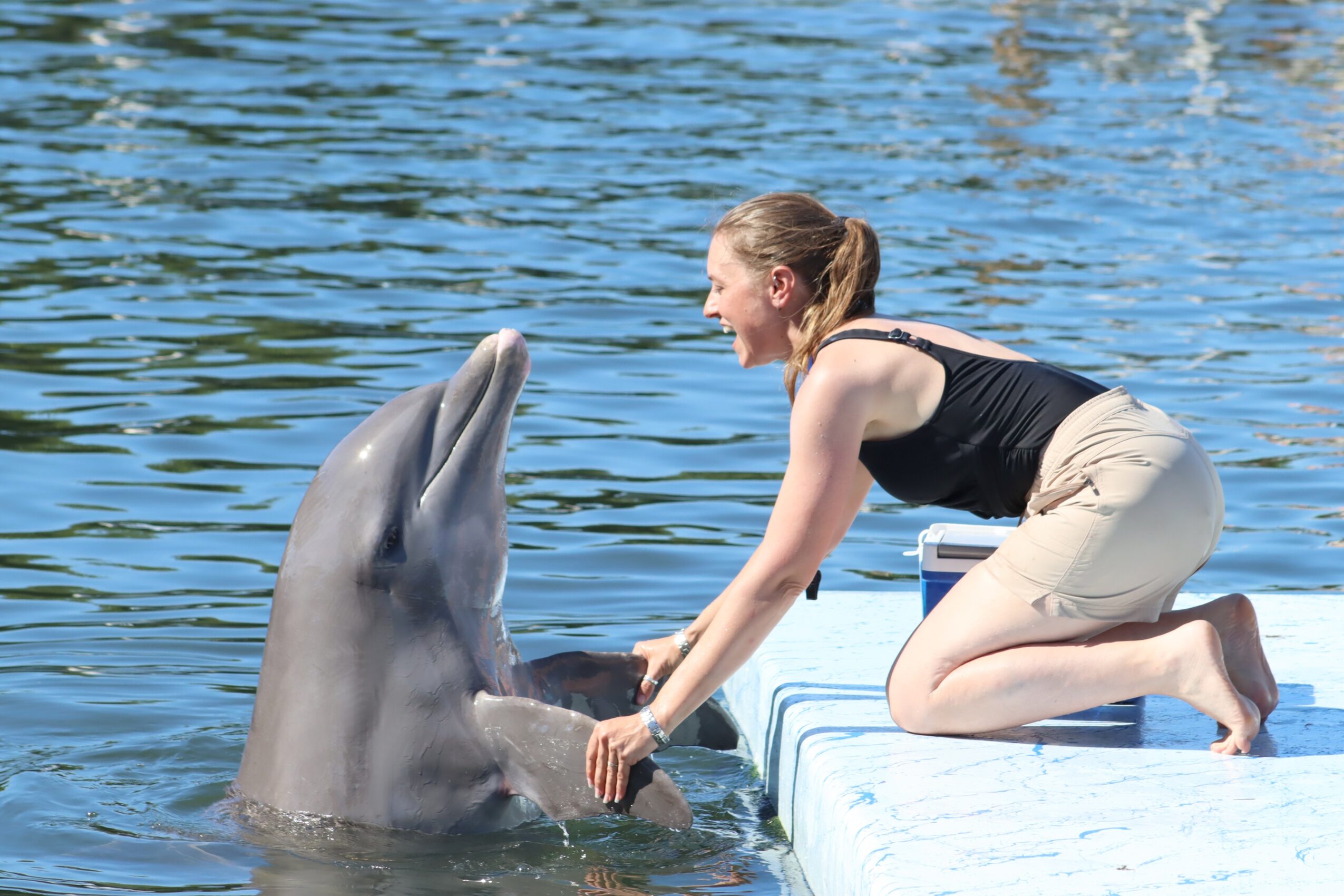
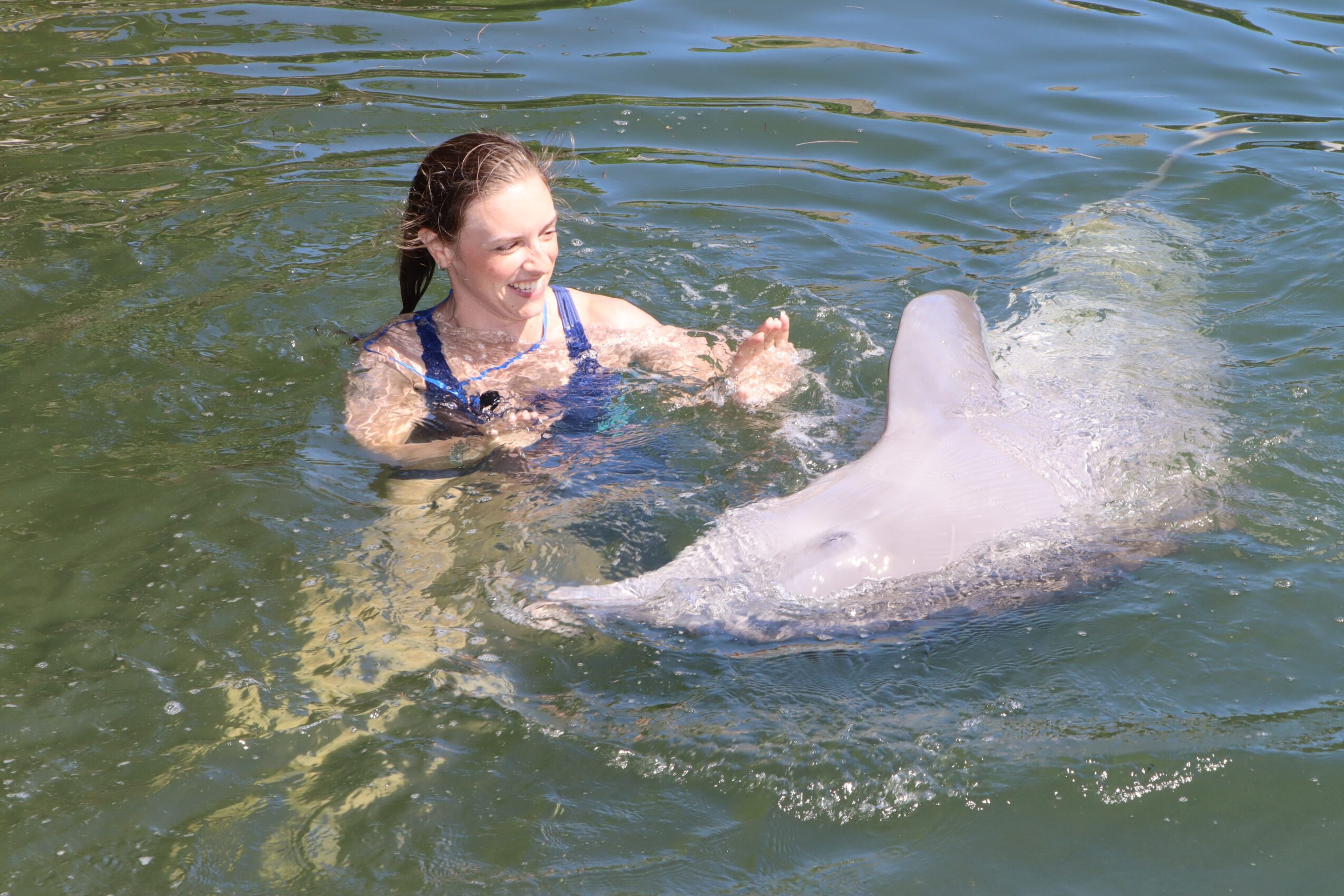
If you’re wondering what happened to the marine mammal dream that came around not once but twice… Well, I was blessed to get that in, too. In 2025, I was accepted into the Dolphin Research Center Professional Animal Trainer certificate program. I’m pretty sure I cried when I got that acceptance email. I spent all summer studying at home and then stayed on campus in the fall. I was fortunate to observe multiple training sessions (including medical procedures,) learn about research, get my own hands on time with the dolphins, and more! This may sound cliché, but it was quite literally a dream come true.
I’m sure it wasn’t obstacle-free, but would you say the journey has been fairly smooth so far?
Oh my, haha! It wasn’t long before my employer let me know that she wanted to sell the business. When a colleague declined purchasing it, she offered it to me. I took over but chose not to renew the lease for the facility. That meant I needed to go somewhere else.
I found a place that I thought might work, and the landlord allowed me to do a free trial in the space. It was unfinished, semi-shared use, and there was no temperature control. We were going to try it out before building anything. Unfortunately, the laws in that small town were not set up for a trainer – groomers, boarding, yes, but not trainers. I ended up with a cease and desist letter on the door. The costs, both financial and otherwise, for me to apply for a law change was far less than worth it and not even guaranteed to end in my favor.
So, I left. My business was active but homeless for a while before I found a new place.
Thanks for sharing that. So, maybe next you can tell us a bit more about your business?
I do a lot of things! I suppose you could say I’m an all-around trainer. My clientele is pretty split between those looking for manners skills for puppies and adults or those needing anxiety and aggression work. I provide services in all different formats: private training, group classes, in-person, in-home, remote, and of course, free educational social media. I even created a clothing line for pet parents looking to practice in public with their dogs but afraid to ask others for space. I also have a podcast that is specifically about the stress that comes with being a pet parent. It’s for all species, too!
I just opened enrollment for a remote reactivity course. It’s primarily focused toward dogs outside that react to visual stimuli, such as bicycles or pedestrians. That being said, the activities and techniques are also great for dogs that react with excitement or just need more focus in general. I’m so pleased with the curriculum I’ve created for this course. We start from the ground up and tackle everything from confidence building to understanding where your personal dog needs to start. Pet parents will also learn how to figure out their dog’s individual pace. I even have working spots, which means you can submit videos for feedback. It’s not just one of those on-demand courses where you hope you’re correctly following the instructions.
What sets me apart is that I have more credentials than most trainers but also a big background with mental health, disabilities, and even some education. I also often take a holistic approach that includes anything from considering pain or a dog’s diet as the reasons for behavior. Additionally, I want my services to be inclusive for all, so I ask any new prospects if there are limitations I should know about. This could be anything from disabilities to budget. I do my best to meet all needs, such as figuring out accommodations or offering payment plans or scholarships.
One of my professional goals is that I would really like to work toward is animal acting or modeling. I am working on mustering up the courage to talk to a local studio that films commercials and handles other marketing strategies.
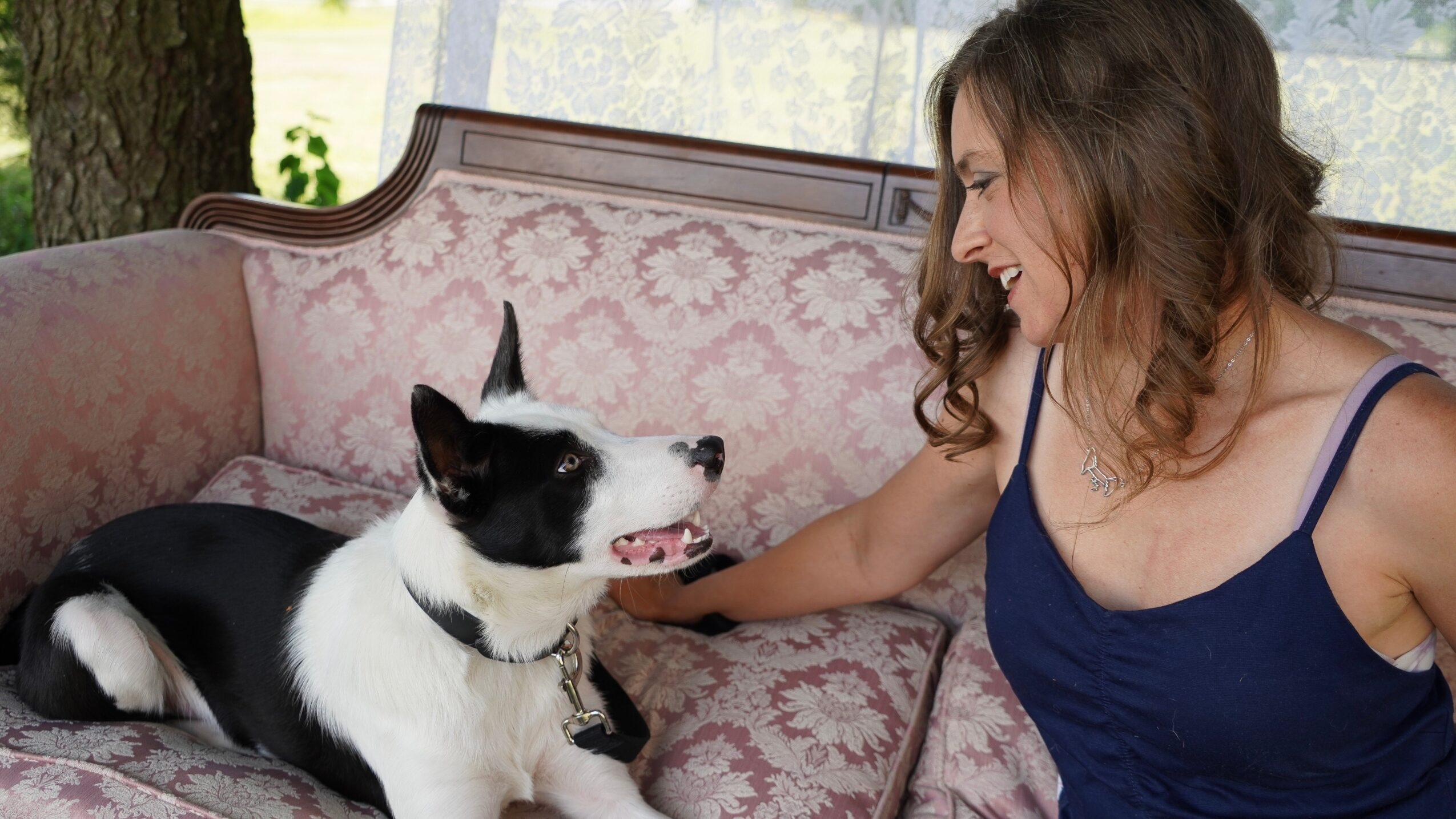
I want pet parents to understand that I’m not just a trainer. I’m a dog parent, just like all of them. I have gone through the frustrations many of them have felt. I have lived with doggy quirks and been confused about my dog’s behavior. I may be a trainer, but my animals aren’t perfect. I still have goals for my personal dog. I also have goals for us as a team. I think a lot of pet parents miss that. They don’t realize they are a team with their dog. Once you view things that way, it makes their quirks a little easier to deal with.. MOST of the time. My current project with my girl is dog dancing. I plan to start some cognition “experiments” soon, too. Those will be inspired by techniques I used in my early mental health days.
Networking and finding a mentor can have such a positive impact on one’s life and career. Any advice?
I have two bits of advice:
1) Do your research to figure out what method of your profession works best for you. For example, in my field there are numerous training techniques and methods. The reason I am so glad that first training facility declined me is because I later found out they were not using the most ethical, up-to-date training practices (in terms of behavior research.) The second facility had a multi-certified trainer who was required to receive numerous hours of continuing education for before each renewal. (This was also the facility that aligned with my mental health background.)
2) Just ask! You never know who might be willing to help, even if it’s not stated on their website. I’ve had multiple people come through seeking a mentor or learning situation. So, I eventually organized my own mentoring program. It’s very new, offered on a case-by-case basis, and not listed on my website.
Contact Info:
- Website: https://attapuptraining.com
- Instagram: https://www.instagram.com/attapuptraining
- Facebook: https://www.facebook.com/attapup
- Youtube: https://www.youtube.com/attapuptraining
- Soundcloud: https://podcasts.apple.com/us/podcast/puptalk-the-podcast-by-atta-pup/id1796655870
- Other: https://attapup.printful.me/