



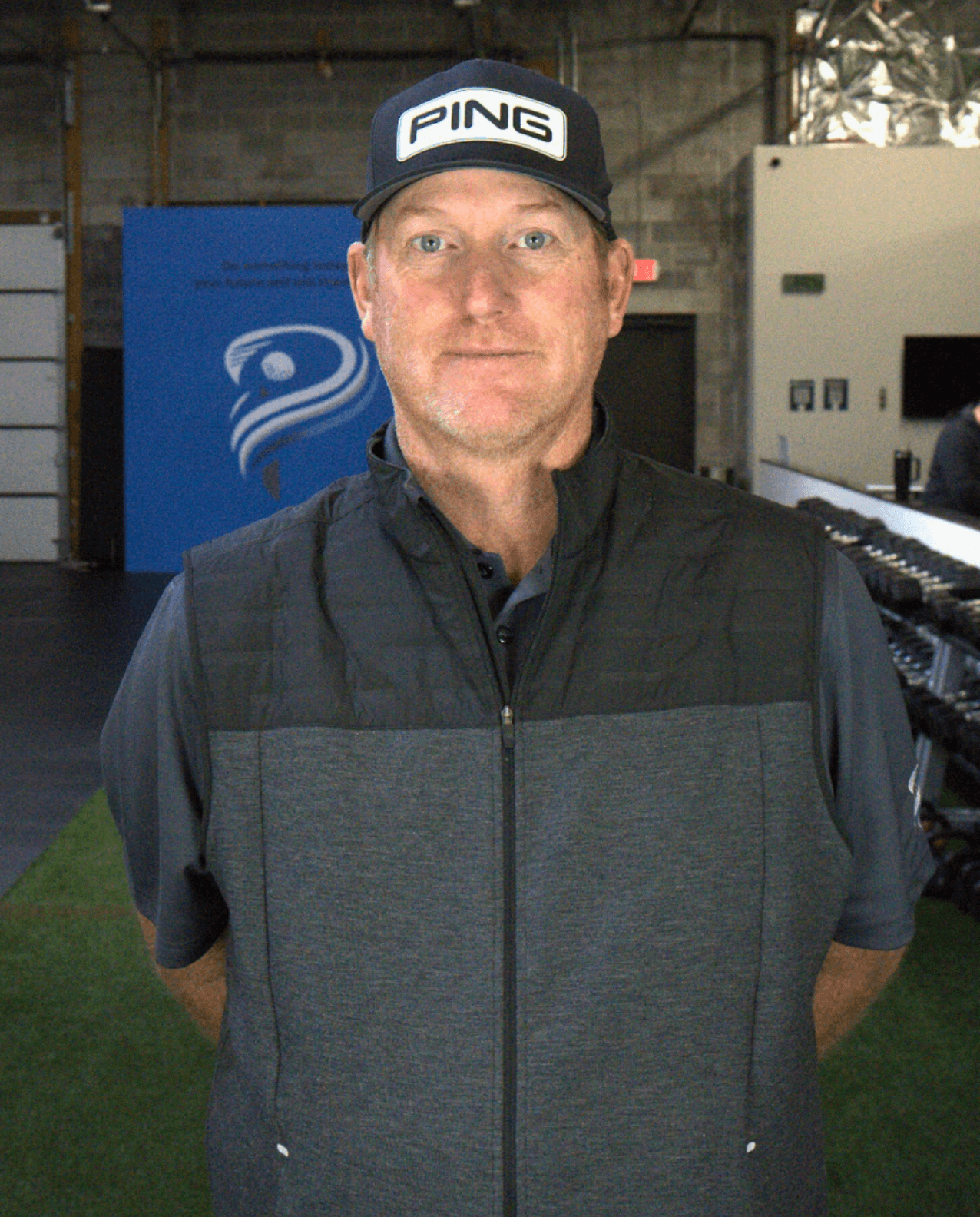
Today we’d like to introduce you to Patrick Mcguire.
Hi Patrick, thanks for sharing your story with us. To start, maybe you can tell our readers some of your backstory.
I’ve been in golf and player development for most of my life. I started as a golf coach, but pretty early on I became more interested in why players got better than simply teaching everyone the same swing or method.
Over the years, I’ve had the opportunity to work with players from young juniors all the way through college, elite amateur golf and the professional tours. What I learned is that talent is only one piece of performance. The best players develop when you understand the entire person—their golf skills, physical capabilities, mindset, learning style, personality, goals and environment—and then build a plan specifically for them.
That thinking eventually became the foundation for Peak Golf Institute.
We built Peak around a pretty simple philosophy: we teach the player, and we teach the game. We evaluate where someone is today, identify where they want to go, build the roadmap between those two points, and then bring the right coaches and specialists around that plan.
My own role has evolved along the way. I still love coaching and working directly with players, but today I spend much more of my time looking at the bigger picture—player development, evaluations, program design, building teams and challenging conventional thinking about how golf is taught.
I’ve also learned that improvement is rarely a straight line. Some of the players I started working with as little kids are now competing at the highest levels of the game. Watching that journey reinforced something I believe strongly: our job as coaches isn’t to make players dependent on us. It’s to give them the knowledge, skills and confidence to eventually own their own game.
That’s really the journey that got me here. What started with teaching golf became a much bigger pursuit: trying to build a better system for developing people and helping each player find out how good they can become.
I’m sure it wasn’t obstacle-free, but would you say the journey has been fairly smooth so far?
Nothing works every time. I had to learn that the hard way.
My biggest fight has been challenging the way our industry thinks about developing people. Golf has always had methods, systems and experts telling players what to do. But if one method worked every time, everybody would be doing it and everybody would be getting better.
I became obsessed with a different question: Are we actually making the person better?
That changed everything for me. I had to stop thinking like an instructor with all the answers and start developing as a coach who asked better questions. Why does this work for one player and not another? How does this person learn? How do they think? How do they move? What happens under pressure? And how do we know if what we’re doing is actually working?
That put me in a fight with some traditional thinking in the industry. Too often we measure lessons taught, memberships, technology, revenue and activity. Those numbers matter, but as a coach I wanted the scoreboard to be performance and development.
That fight ultimately became the foundation for Peak Golf Institute. We aren’t trying to prove that one method is right. We’re trying to understand the individual, build the right plan around them, measure what happens and keep adjusting.
Nothing works every time. That’s why great coaching can never stop questioning, learning and evolving.
We’ve been impressed with Peak Golf Institute , but for folks who might not be as familiar, what can you share with them about what you do and what sets you apart from others?
Peak Golf Institute is really the result of years of questioning how player development is traditionally done.
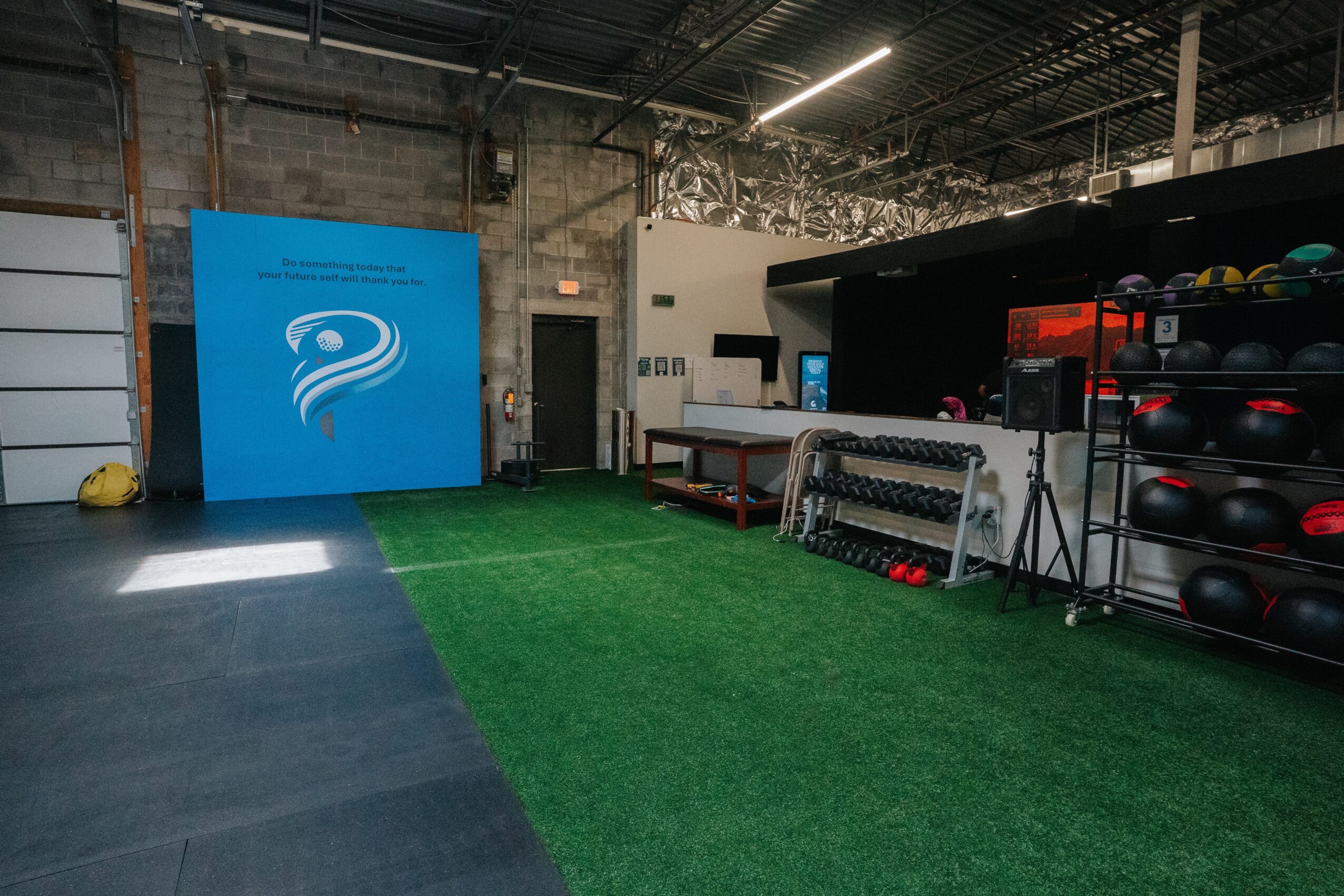
We aren’t trying to be another golf academy, fitness facility or place where someone comes for a lesson. We are building a player-development institute where evaluation comes first, a plan comes second, and coaching follows the plan.
Our philosophy is simple: Your goals. Our plan. Results.
We bring golf, physical performance, mindset, technology and evaluation together around the individual. Instead of every specialist working independently, the goal is to have everyone working from the same roadmap and measuring whether the player is actually improving.
What excites me most is that we’re still evolving. I don’t believe we’ll ever have a finished system because nothing works every time. We collect information, challenge assumptions, measure results and change when the evidence tells us to change.
Ultimately, I want Peak to help change the conversation in our industry from “What do you teach?” to “How do you develop the individual?”
That’s the business we’re building.
Is there something surprising that you feel even people who know you might not know about?
Something people may not know about me is why I question almost everything.
I often use SpaceX as an example. They were willing to blow up rockets, study exactly why they failed, make changes and try again. The traditional approach was often focused on preventing failure. I’ve always been much more interested in learning from failure.
That’s how I’ve approached golf and coaching. It’s also where I’ve sometimes found myself pushing against traditional organizations like the PGA of America. I respect the history and what the organization has done for the game, but I’ve never believed that tradition or certification should stop us from questioning how we develop players and coaches.
When something doesn’t work, I don’t want to hide it or explain it away. I want to study it. Why didn’t it work? What did we miss? What can we learn? What do we change next time?
That mindset has probably gotten me in trouble a few times, but it has also driven my entire career.
Failure doesn’t bother me nearly as much as failing and not learning why.
Pricing:
- Peak Performance Evaluation: 2hrs, $475
- Peak Golf Evaluation: 2hrs, $475
- Core Evaluation: 90 mins, $300
Contact Info:
- Website: https://www.peakgolfinstitute.com
- Instagram: https://www.instagram.com/peakgolf_institute?igsh=MWdsazc5M243MzNpbA==
- Youtube: https://www.youtube.com/@Peakgolf_institute
- Other: info@peakgolfinstitute.com