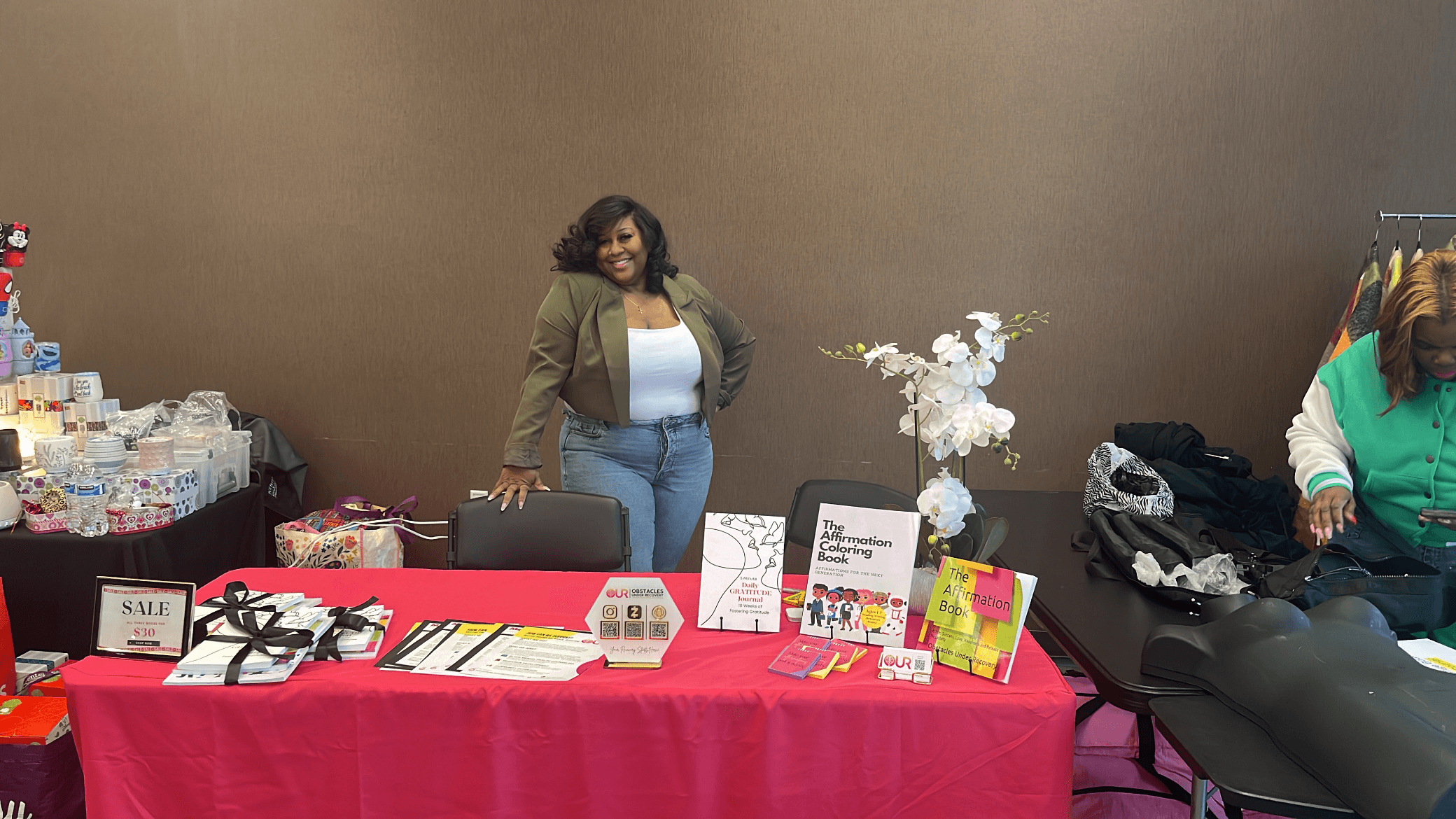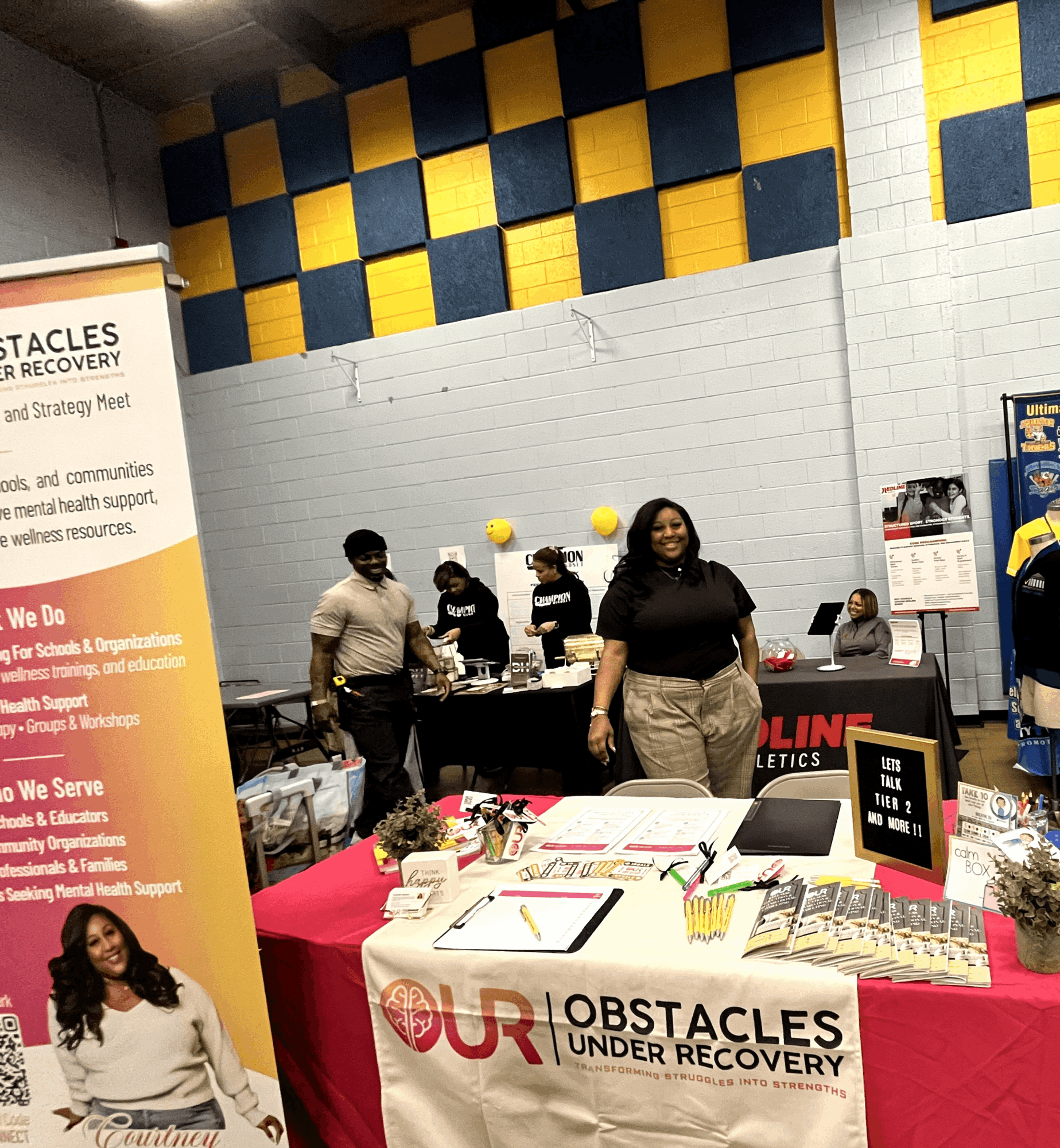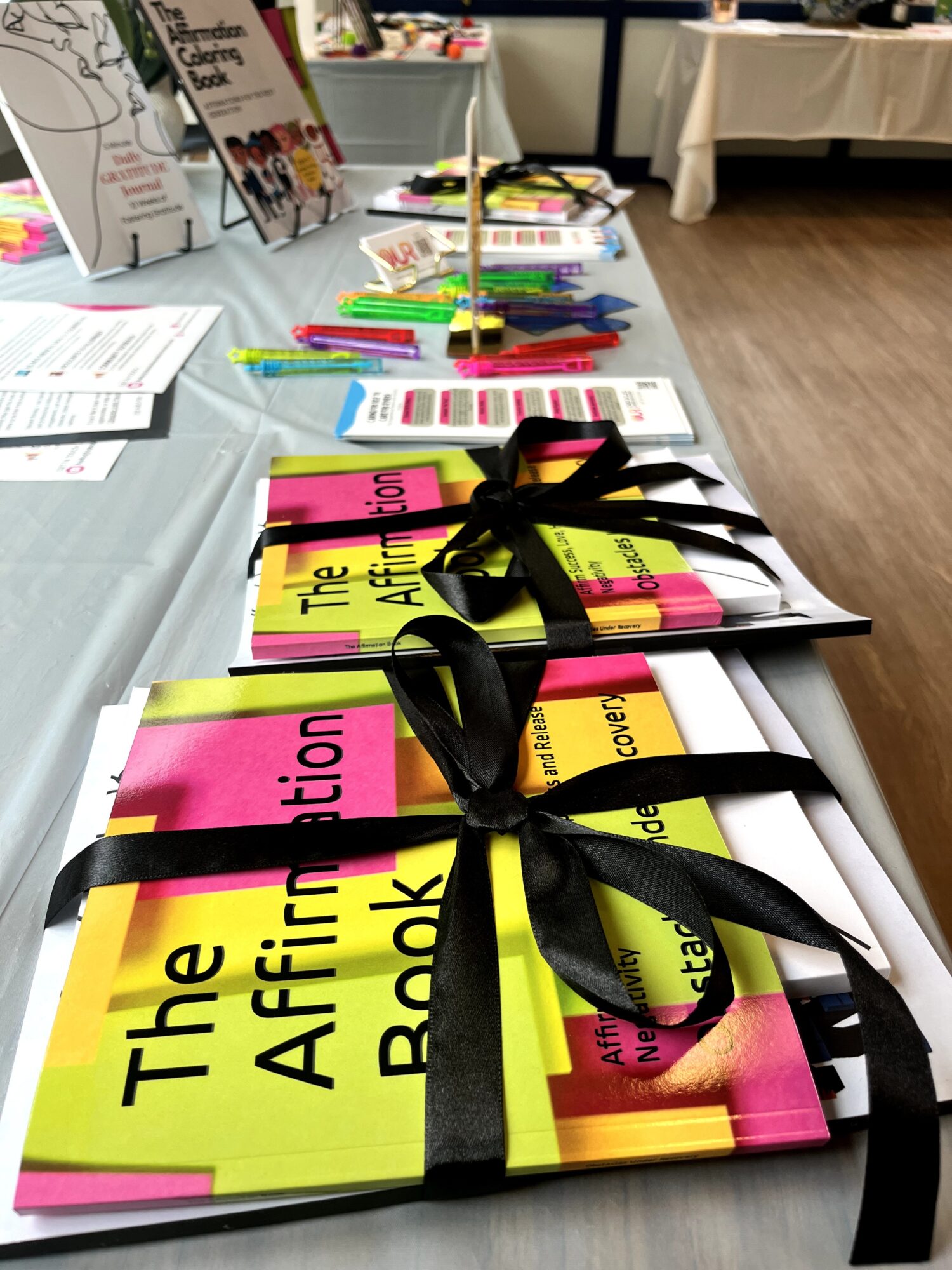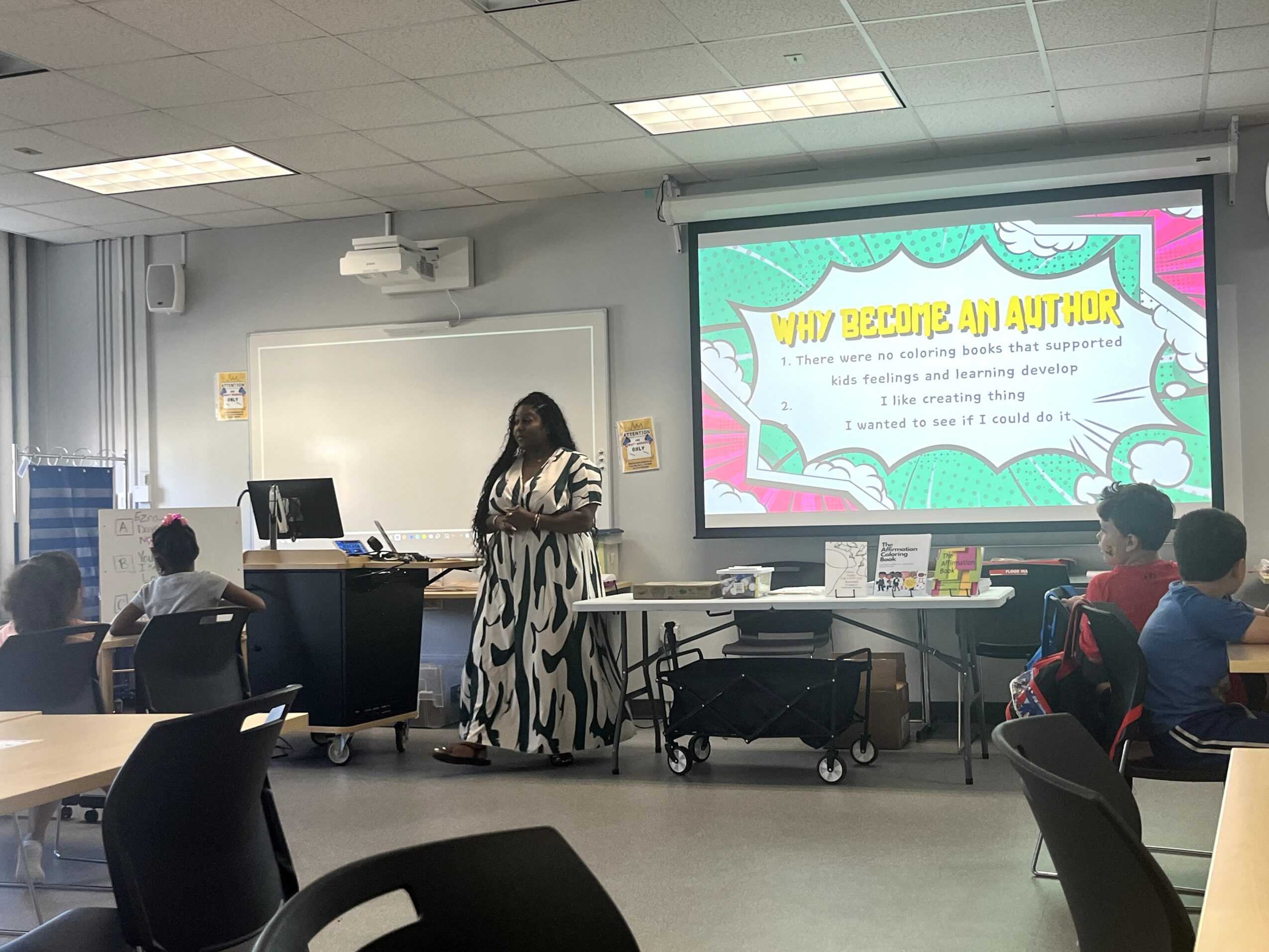



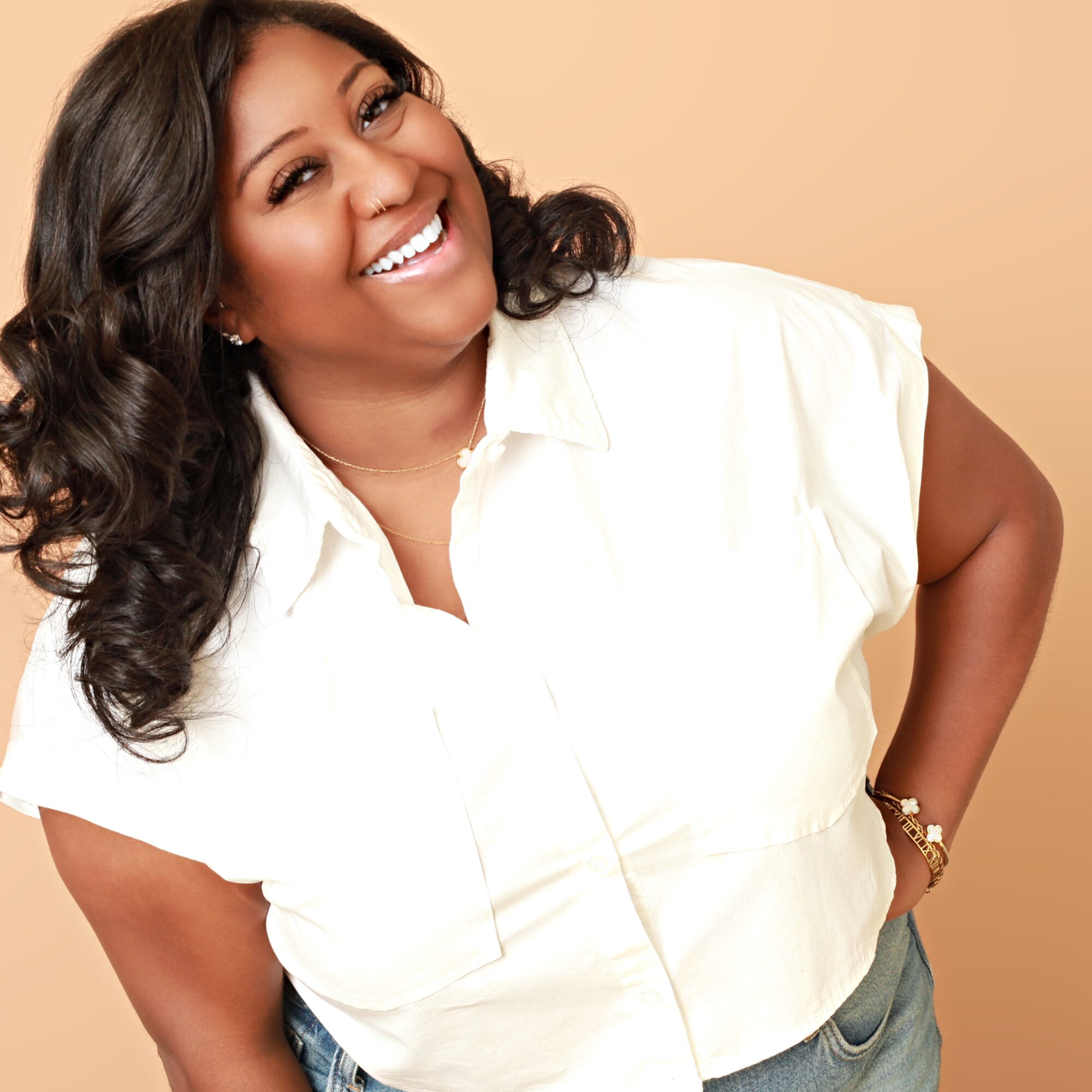
Today we’d like to introduce you to Courtney Brown.
Hi Courtney, it’s an honor to have you on the platform. Thanks for taking the time to share your story with us – to start maybe you can share some of your backstory with our readers?
I was poured into this work in a roundabout way. I completed my undergrad in Physical Education with a concentration in Physical Therapy at Morgan State University, and went on to work as a clinician assistant supporting physical, occupational, and speech therapists. What I noticed working alongside them is that our patients were going through massive life transitions, learning to walk again, speak again, do the things they used to do without thinking, and almost no one was addressing what that did to a person mentally. The mental and emotional piece was just missing.
Around that same time, I was working through my own version of that. I lost two people in my life to cancer back-to-back, and being raised in a culture where you don’t really sit with your feelings- you just keep moving started to take a toll on me. That combination, watching patients go through it and living it myself, is what pointed me toward this mental health work.
Obstacles Under Recovery(O.U.R.) was actually born in 2019, after I ran my first community outreach event, “Backpacks To The Max.” Around that same time, I spent a couple of years learning under amazing women who also owned their own practices here in the DMV. I absorbed so much, and by 2022 I was ready to take a leap and trust the Lord and run O.U.R. fully on my own.
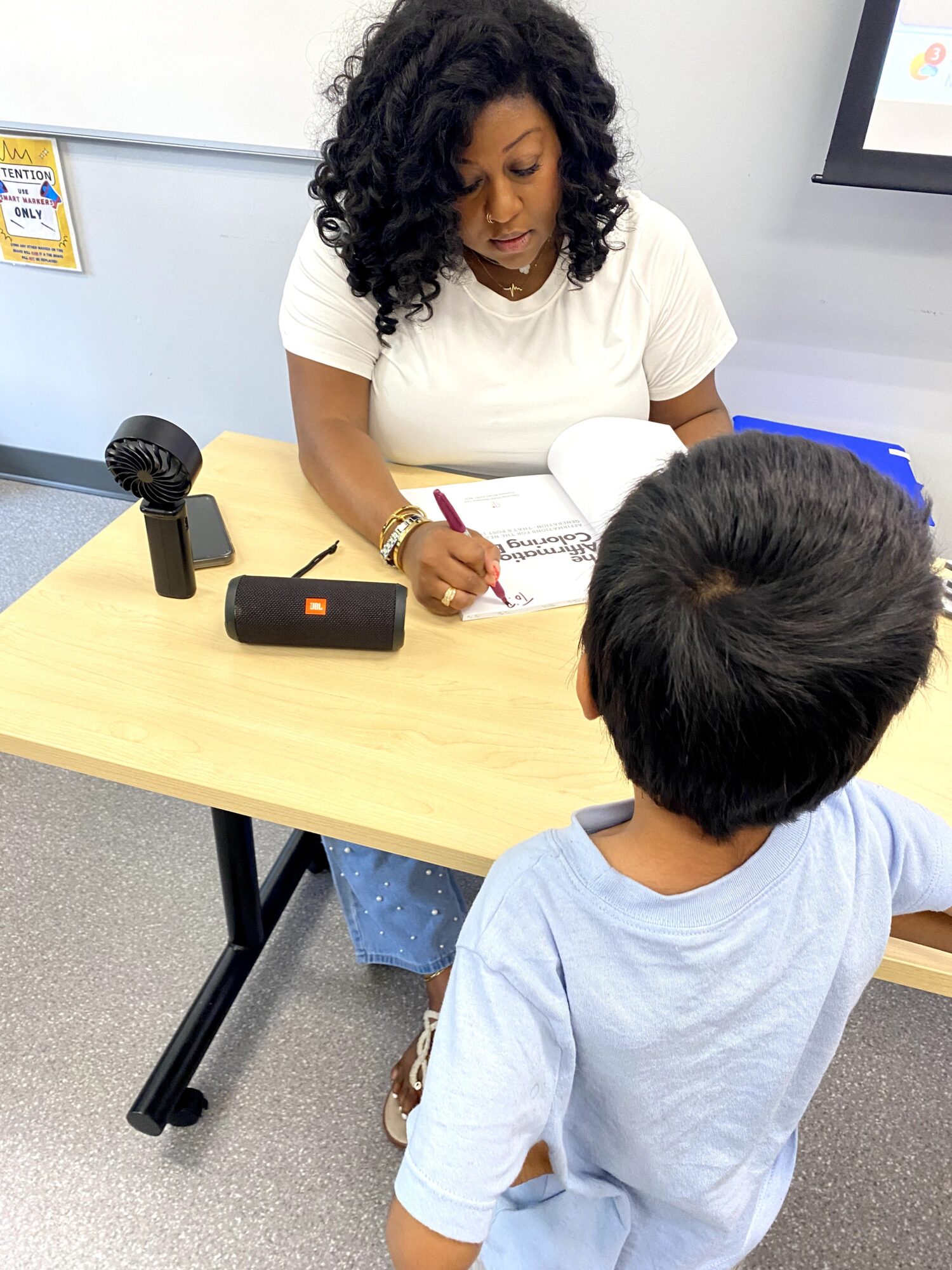
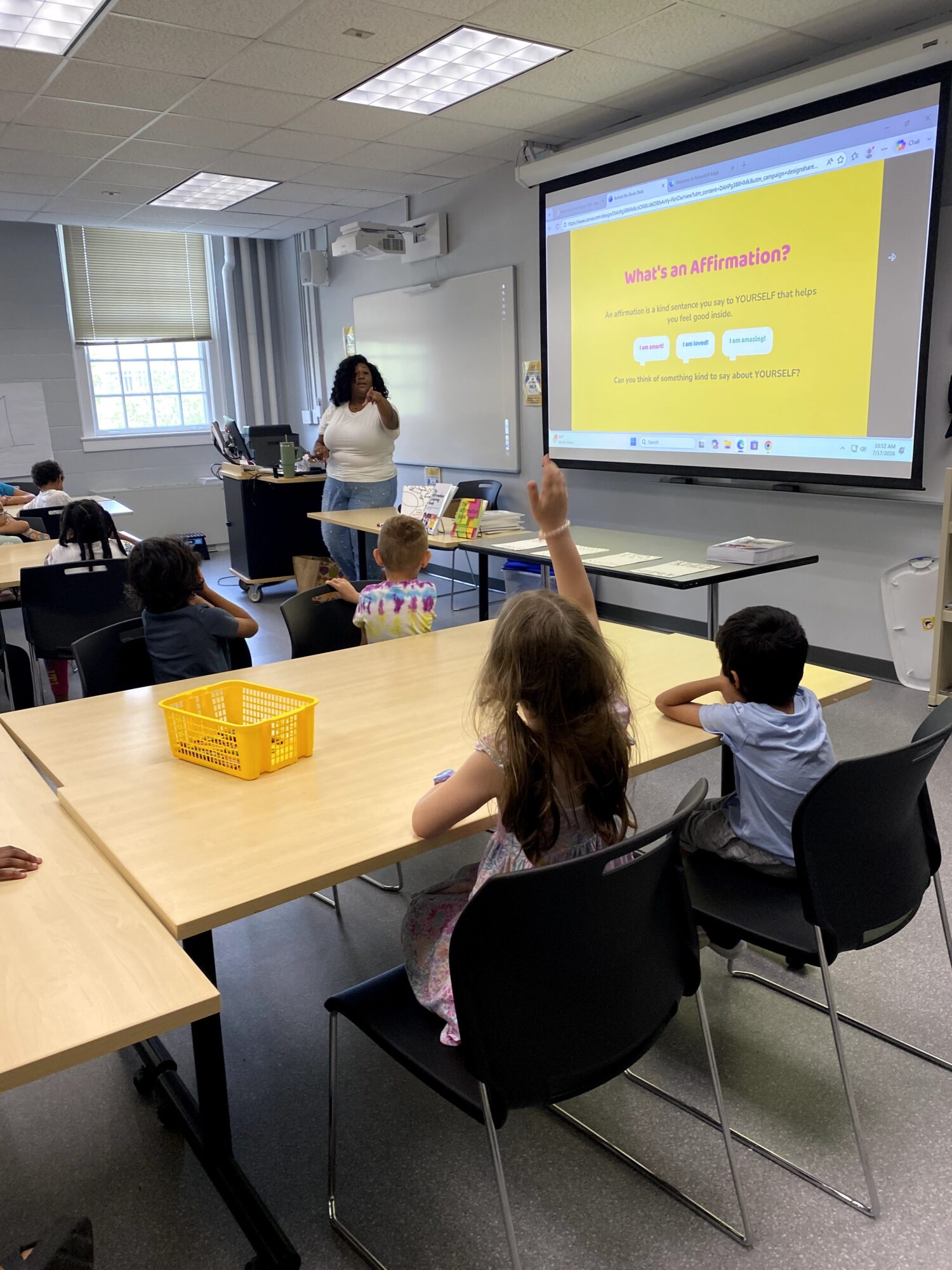
Five years into building it solo now, the practice has grown into partnerships with places like Prince George’s County Public Schools and the University of Maryland’s Summer Reading Program. Right now, I’m getting ready to launch the private practice consulting, where I support new therapists who want to open their own private practice, built around systems, structure, purpose, and sustainability, so they have an actual roadmap instead of learning everything the hard way, like I did.
I’m sure it wasn’t obstacle-free, but would you say the journey has been fairly smooth so far?
Financially, things were hard before the practice became what it is now, and a lot of that came down to details most of us are never taught in grad school. If you’re accepting insurance, one small registration error, something as minor as how you set up a piece of paperwork, can stop your claims from processing altogether. There was a stretch where I was fully credentialed, everything set up correctly on paper, and I still wasn’t getting paid. One tiny detail was the difference between money moving and money not moving.
Underneath the technical stuff was something more personal too. I wanted everything to be perfect before I let it be seen, and when you’ve put that much of yourself into something, it’s easy to fixate on every last detail instead of trusting it’s ready. What I’ve had to learn is that fixating doesn’t protect the work; it just delays it from reaching the people it’s meant for. That’s part of what made the leap into going fully solo in 2022 so hard to actually make.
When I finally did, it felt like being at the top of a roller coaster. Your stomach’s at the bottom of your feet, you’re scared, but you’re smiling anyway because you know what’s coming. There are going to be high moments where your hands are up, and you’re laughing, and there are going to be low moments where you’re gripping the restraints and bracing for impact. Both are part of the ride. It was also challenging knowing that everyone will not root for you, or that their own fears get projected onto you, and if I let that cling to me, it can quietly shrink what I knew was possible for myself.
And lastly, balancing the clinical work with a growing practice, and balancing all of that with an actual personal life, has been one of the harder parts. I started as a one-woman operation doing everything myself, so finding time where I’m not thinking about the business at all, where I can just watch something mindless and not be “on,” has taken real practice.
Thanks for sharing that. So, maybe next you can tell us a bit more about your business?
Obstacles Under Recovery (O.U.R.) is a private mental health practice based in the DMV, but it’s built to be more than therapy in the traditional sense. My clinical work centers on culturally informed, expressive arts based care for women who have lost themselves in caring for everyone else, using DBT alongside a person-centered, relational approach. I look at the whole person, not just the presenting problem, and I bring in creative modalities that let people process in ways that talk therapy alone doesn’t always reach.
What sets O.U.R. apart is that it’s never tried to be one thing. Alongside the private practice, I do wellness consulting for schools, including Prince George’s County Public Schools, bringing mental health support into spaces where it’s often missing entirely, and I consult with other therapists who are building their own private practices, so they have the systems and structure I had to figure out on my own.
What I’m proudest of, brand wise, is that O.U.R. has never felt like a copy of anything else out there. It’s grounded, it’s credible, and it’s genuinely human, built from my own experience, my own culture, and the gaps I saw firsthand and decided to fill. I built O.U.R. to be a full ecosystem of mental health work, not just a room and an hour once a week, in the therapy room, in schools, and in the practices of other clinicians who are just starting out. What I want readers to walk away knowing is that if you’re a woman who has spent so long holding everything together that you’ve lost track of yourself, this is exactly the kind of space you’re looking for.
Are there any important lessons you’ve learned that you can share with us?
If I had to name one, it’s that I’ve had to learn to trust the process, and trust that the people I’m meant to serve will actually find me. For a long time I wanted everything perfect before I let anyone see it. What I’ve learned is you can perfect it later. Put it out there first.
That lesson has shown up everywhere. It showed up when I realized being a good clinician and being a good business owner are two completely different skill sets, and that grad school doesn’t teach you the business side, no matter how good you are clinically. It showed up when I learned that I’m not for everybody who finds me, and that referring someone to the clinician who’s actually right for them is trust in action, not failure.
Contact Info:
- Website: https://www.obstaclesunderrecovery.com/
- Instagram: https://www.instagram.com/obstaclesunderrecovery
- LinkedIn: https://www.linkedin.com/in/courtney-brown-lcpc-c-dbt-9b725650/