



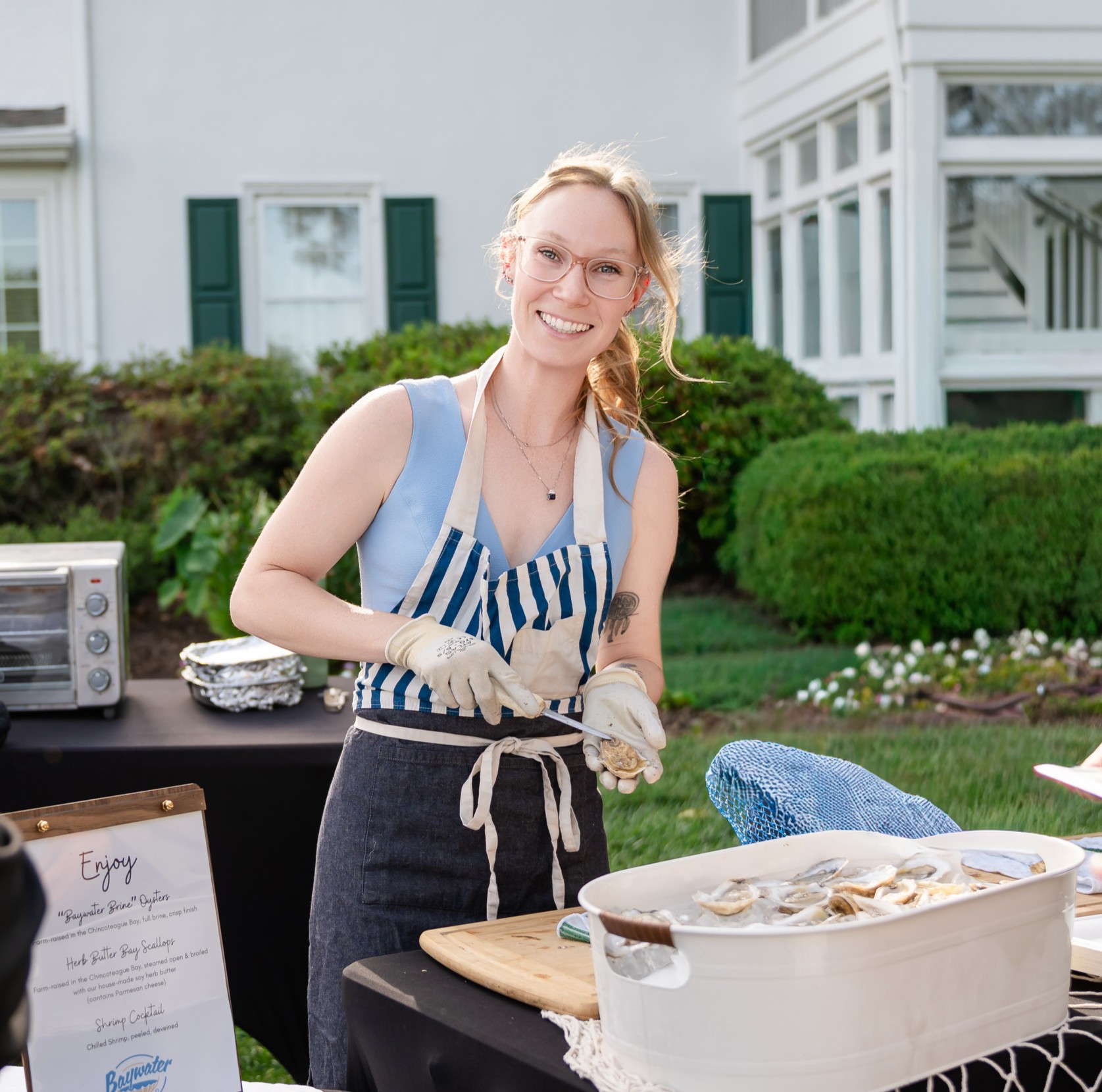
Today we’d like to introduce you to Claire Rush Blades.
Hi Claire, we’d love for you to start by introducing yourself.
Baywater Seafood started in 2020 with 3 childhood friends, Matt, Lee, and Bryan. They wanted to get their feet wet (literally) in aquaculture, but wanted to make a bigger splash than the typical Oyster farm. After researching and brain-storming, they discovered a native bivalve to Maryland’s Coastal Bays that has struggled since the 1930’s when the Ocean City inlet was cut by a hurricane, washing the bivalve’s population out. They discovered the nearly-lost Bay Scallop.
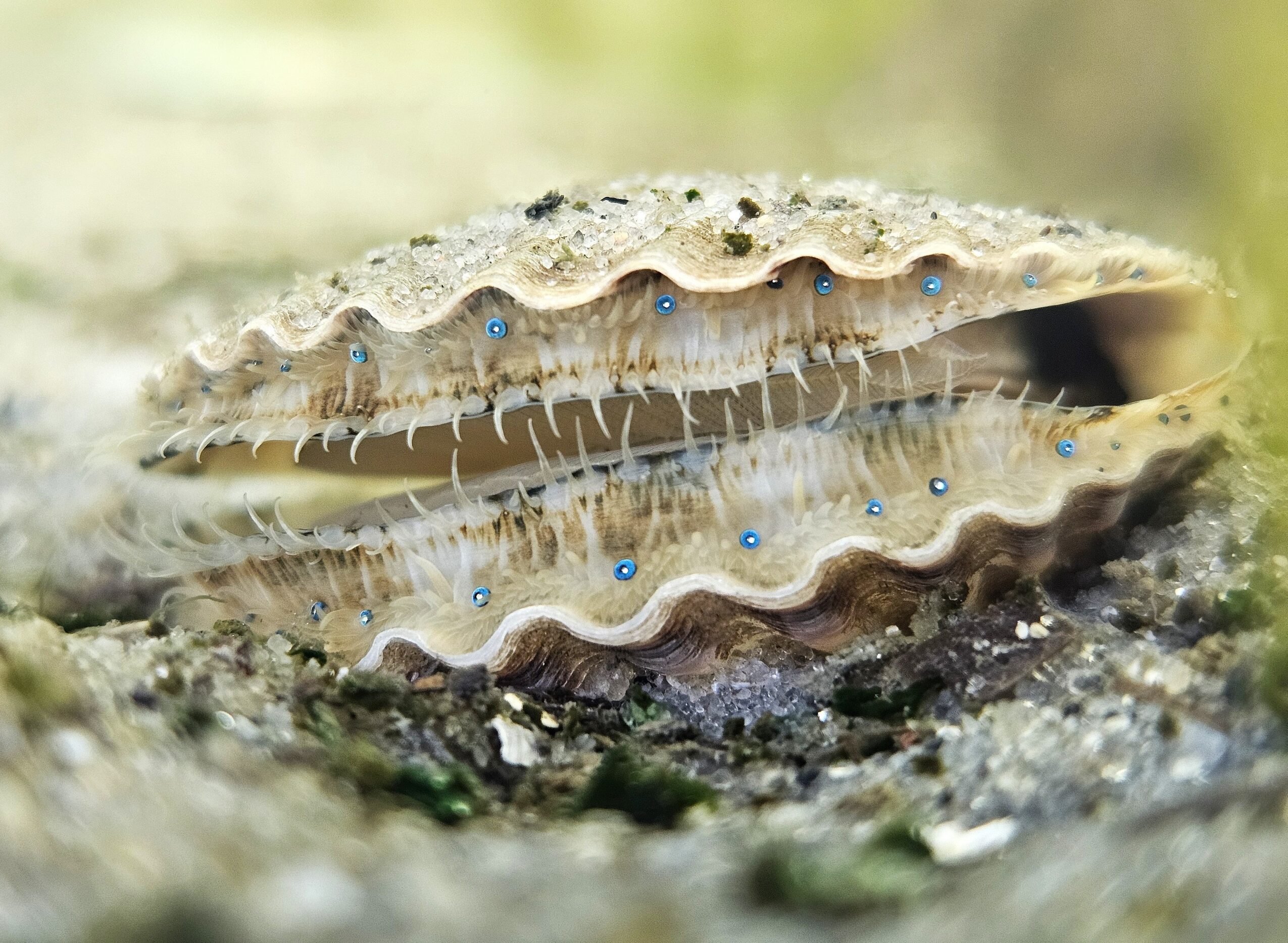
Bay Scallops thrive in shallow, salty bays, making the coastal bays, like the Chincoteague Bay in-which Baywater grows, perfect for raising them. Outside of Asia, knowledge on growing Bay Scallops via mariculture (the ocean-version of “aquaculture”. Think “mar”, meaning “sea” in Spanish) is scarce, so the next few years were spent in trial and error growing and marketing them in the area.
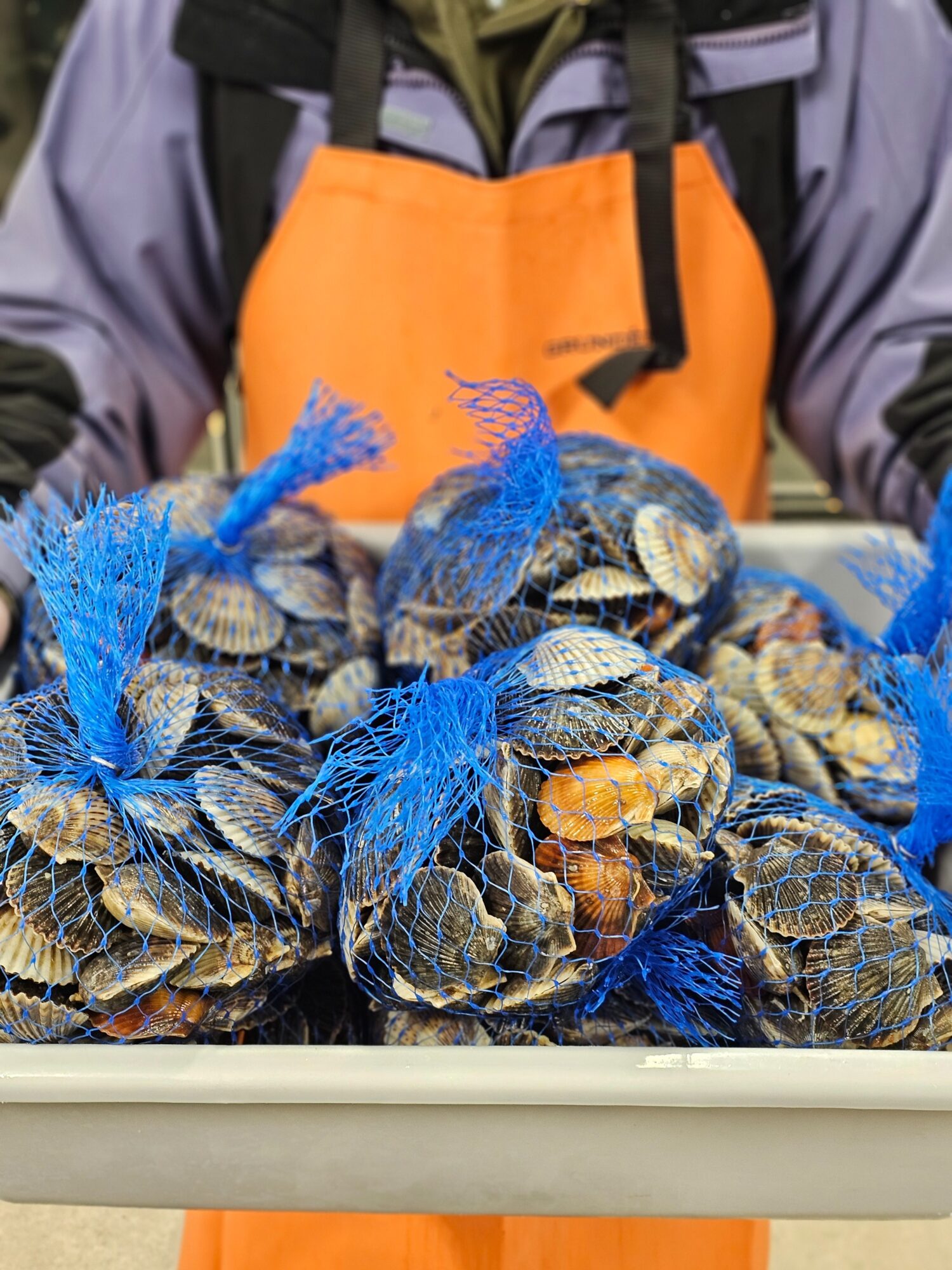
Over the last 6 years, we have shipped Maryland’s lost native shellfish to chefs from Baltimore to California! In and around Delmarva we self-distribute, and have distribution partners like J.J. McDonnell. We host school groups, community events, and professional development space, focused on being out in Maryland’s exquisite saltwater marshes and learning (and eating!) a coastal rarity.
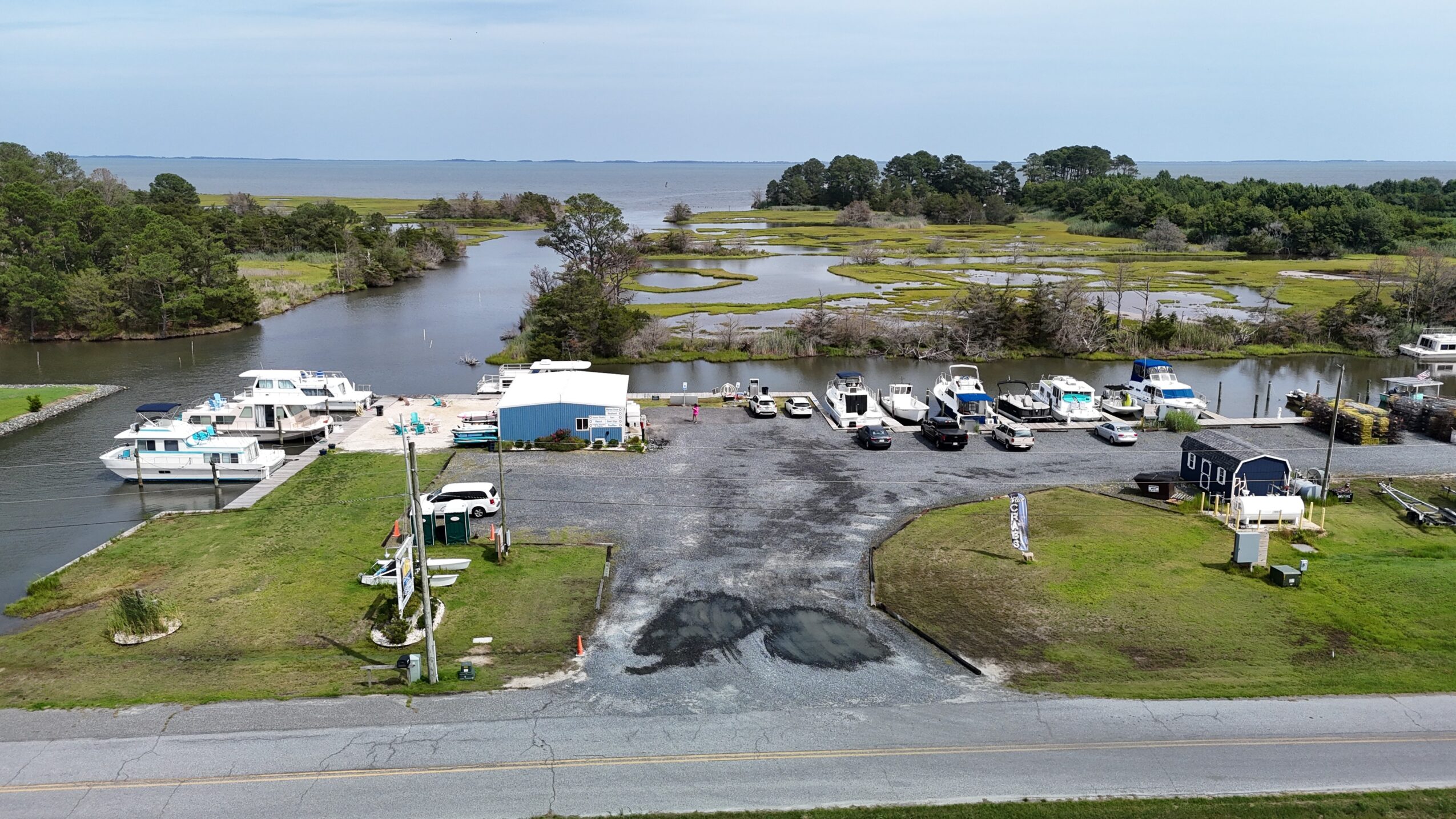
But we didn’t stop at farming. Our home base, Baywater Landing Marina, offers folks boat slips, kayak and paddle board rentals, and over-night houseboat rentals, so you can make visiting us the stay-cation you never knew you needed! Leaning into agri-tourism is quickly becoming the next phase of many local farms. Teaching Marylanders about their heritage on the water makes everyone closer to our great state.
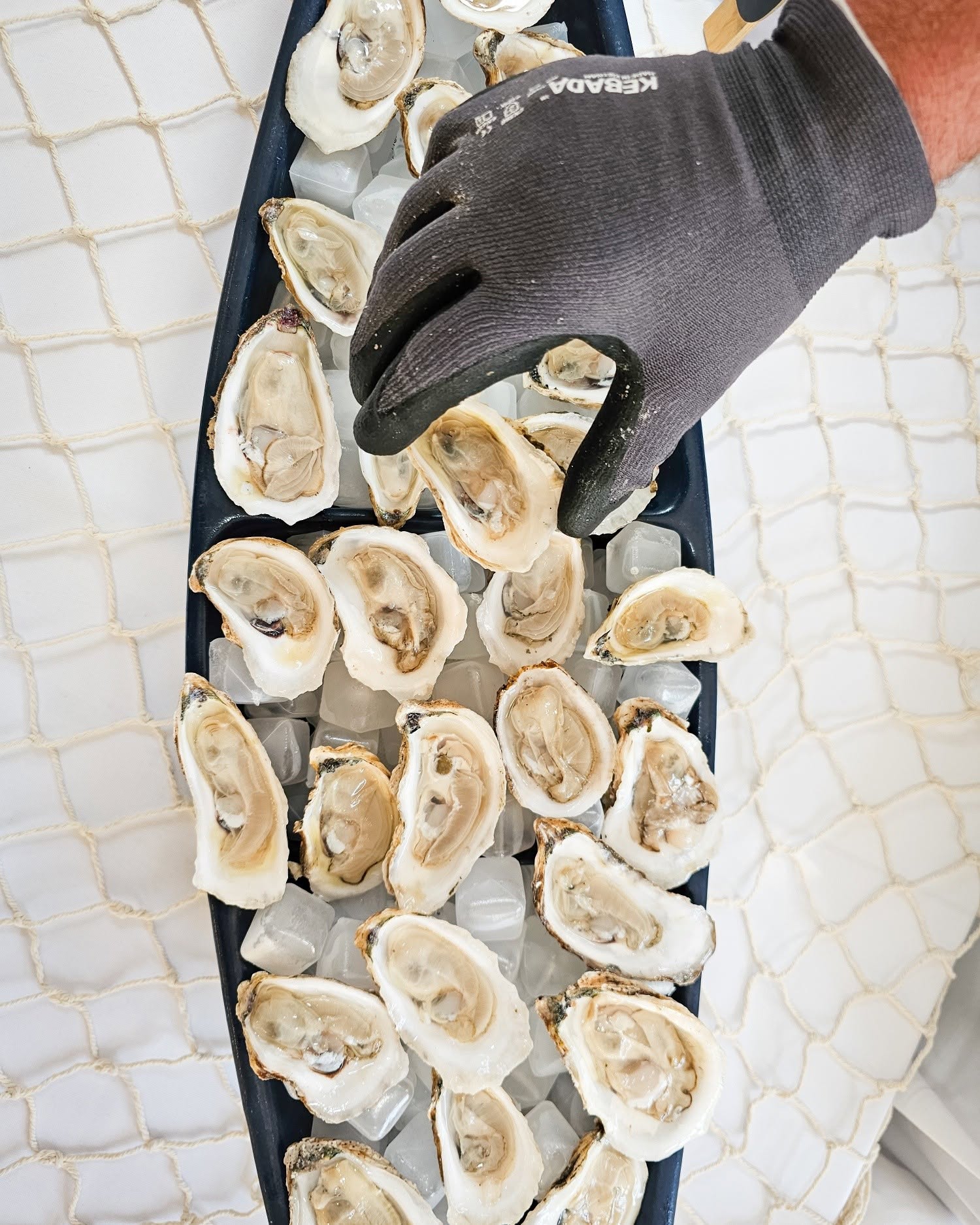
Living on Delmarva, it’s important to know your seafood source. Baywater Seafood catches seaside Blue Crabs and grows Baywater Brine Oysters in addition to our specialty item, Bay Scallops. All our products are essential for a refined, coastal, culinary experience as our brine is beyond compare, and attention to detail in raising our shellfish is second-to-none. Our products are used in dishes from Michelin Star Chefs across the country to “mom and pop” cafes close to home. Best of all, you can purchase everything we catch and grow directly from our shop in Snow Hill! Once you’re at Baywater Landing Marina, take in the serenity of the coastal wetlands, and take home the bounty of Maryland’s Coastal Bays.
Additionally, our farmed Bay Scallops are free to reproduce naturally, and since 2023, the Maryland Dept. of Natural Resources have logged exponential growth in wild Bay Scallop number during their annual shellfish survey.
Can you talk to us a bit about the challenges and lessons you’ve learned along the way. Looking back would you say it’s been easy or smooth in retrospect?
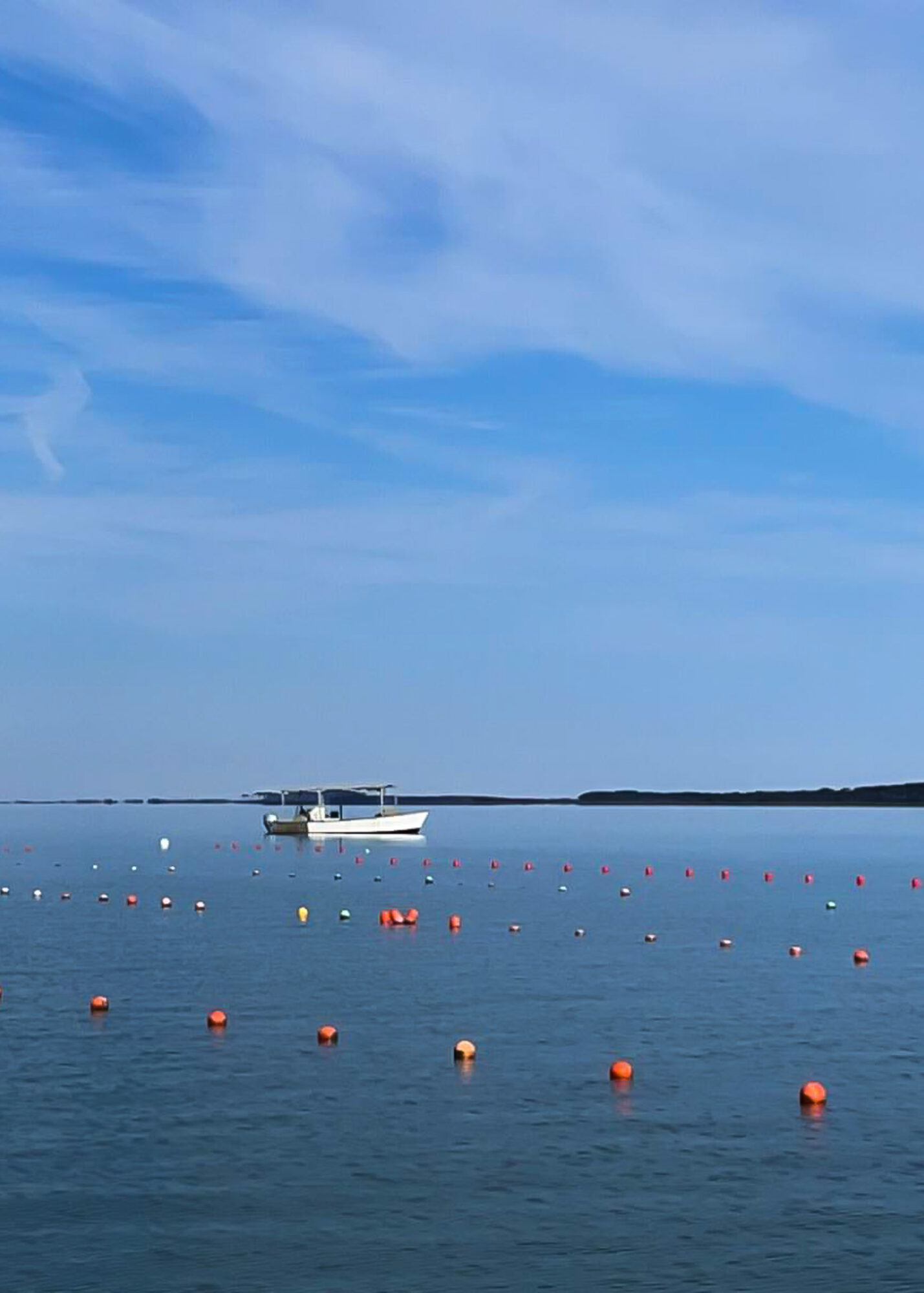
1) Growing Bay Scallops mariculture required alot of research and information mostly from Asian companies who are well-versed in Scallop farming. Unlike growing oysters in a big, metal “bottom cage” a lot of folks may be familiar with, Bay Scallops cannot survive down on the bottom where they are susceptible to being silted over and essentially suffocated by mud and sand. So, Baywater uses Lantern Nets. They are shaped like a paper lanterns with collapsible compartments that unfurl once deployed out in Maryland’s Chincoteague Bay. The nets are hung on long lines out in the water, hanging the Bay Scallops in the middle of the water column by buoys (or floats), safe from sand and silt, and in the optimal spot for feeding on micro-organisms. The Lantern Nets had to special-ordered and custom-made in Asia. Once they were deployed with some of our very first cohorts of Bay Scallops back in 2021, we soon realized we had density all wrong. They were not growing well, and some were dying all-together. We needed to thin them out by about 50%. Instead of 100 Bay Scallops per layer of the net, we reduced it to 50. This allowed them more space to swim and filter-feed, but it also meant we had to double the number of nets out on the water. The work doubled. The materials doubled. The worry doubled. But 3 years later, we understand what they need and how each cohort should look in size and density!
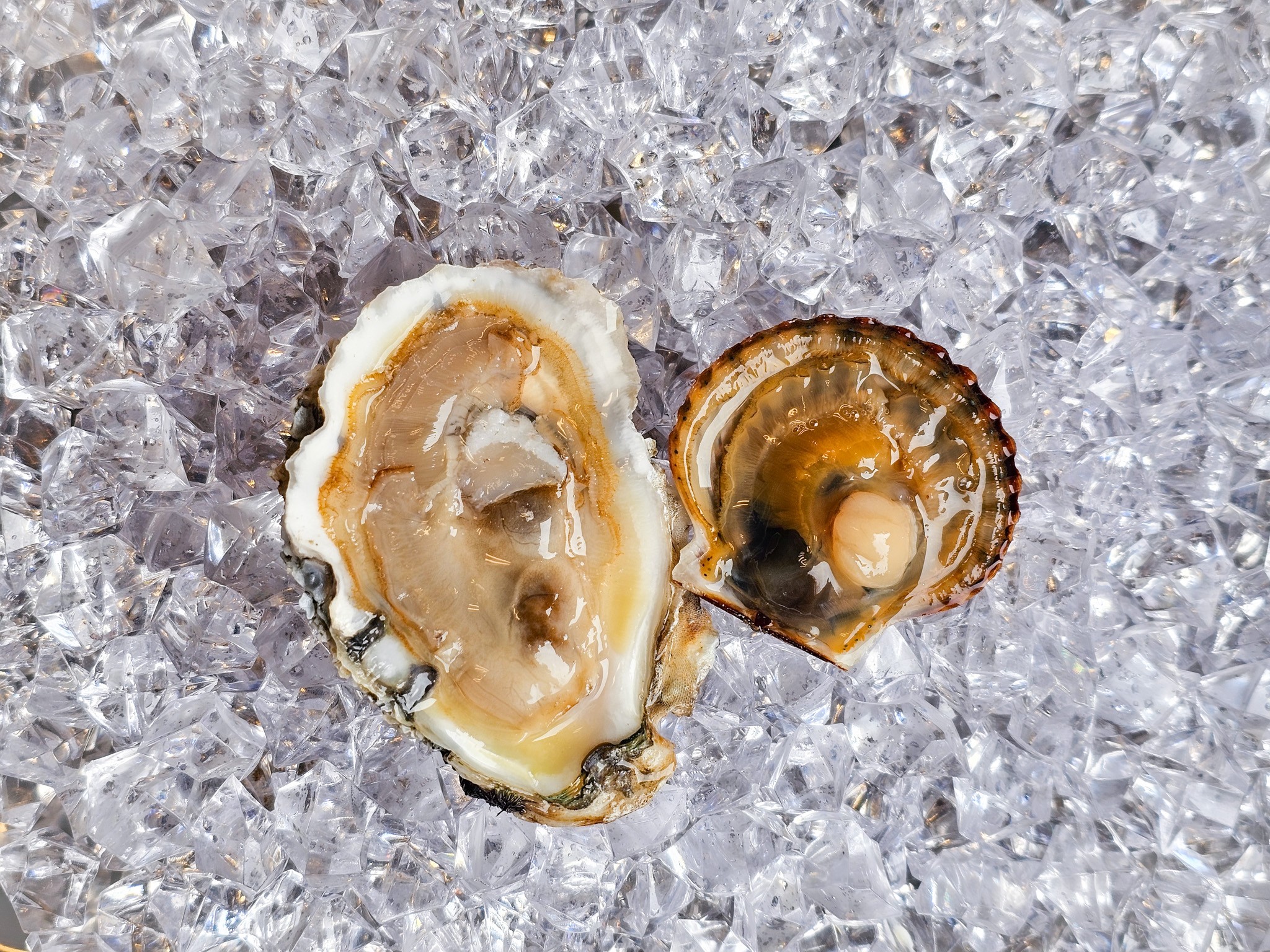
2) Another monumental challenge is marketing. Generally, folks think of eating the circular white adductor muscle of the Sea Scallop (the bigger, deep-water, ocean cousin of the Bay Scallop) when you mention the word “scallop”. We educate year-round on the differences and similarities of these swimming bivalves. Bay Scallops can be eaten whole, like when you steam a clam. They have that familiar buttery, sweet adductor muscle as the Sea Scallop, but when eating the whole animal, or “full belly” as Chefs call it, you get a whole new culinary experience!
3) Starting an aquaculture/mariculture farm is very difficult and time-consuming. Farmers expect to wait years for permits and alterations to their lease-sites on their respective body of water. Farming on the water is fundamental to feeding the world, and will only grow in necessity. When done responsibly, it does not require chemicals, fertilizer, feed, or remediation. Our hope is that future farmers will not have to jump through the hoops Baywater and our fellow farmers have had to endure, and that aquaculture/mariculture becomes the sustainable and bountiful producer of food we know if can be!
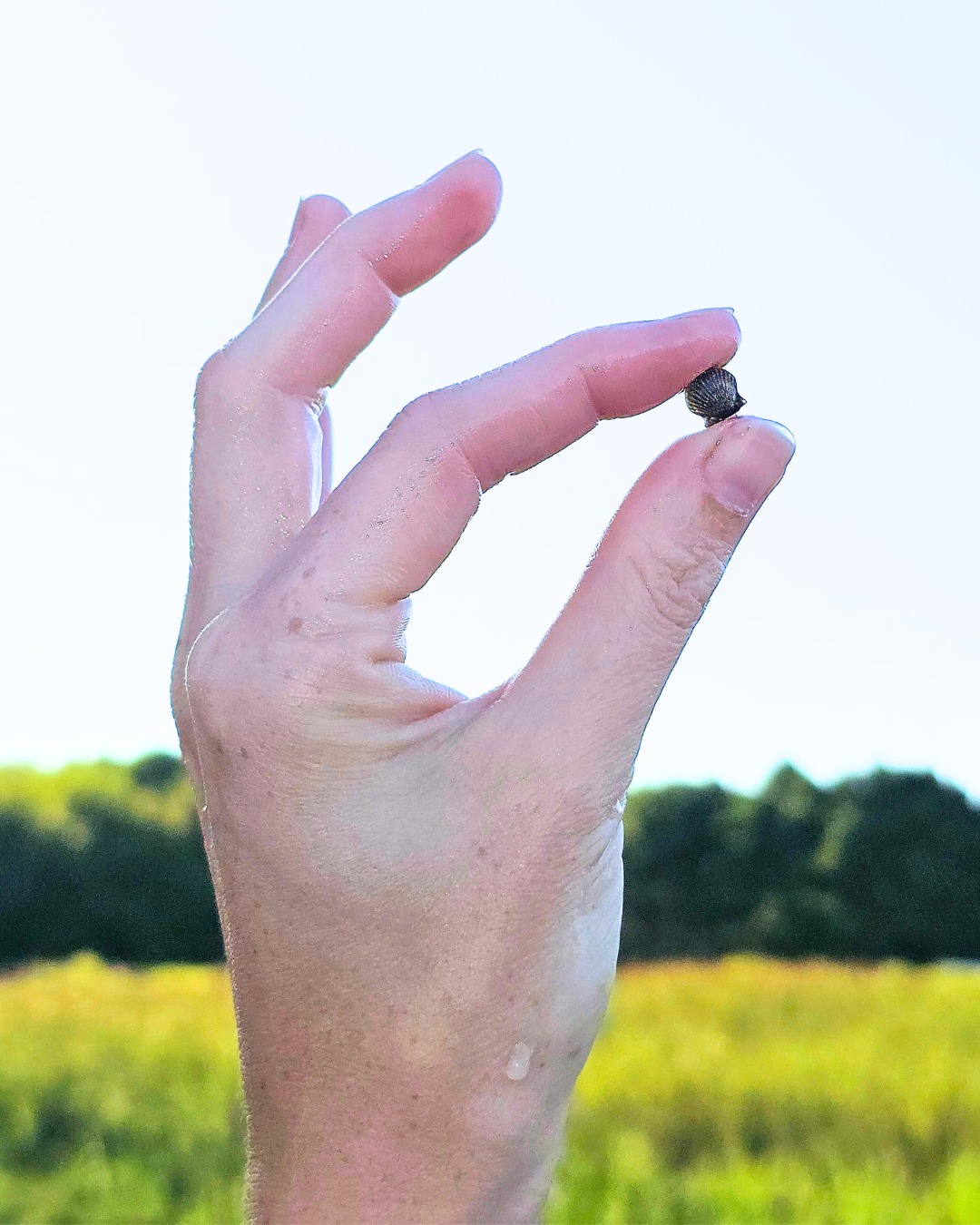
4) Baby Bay Scallops, AKA Seed or Spat, are finicky! We source babies from New England hatcheries to VIMS (Virginia Institute of Marine Science). Once they make it from the hatchery where they are born, they come to our nursery where they are kept until they are big enough to be deployed out in our lantern nets on the water (about a 1/4 inch wide). We are still learning the perfect way to raise them in the nursery setting with the right amount of water flow and right amount of space (the density issues comes into play here, too). We still lose a significant number of babies that are about half the size of a peppercorn due to density issues. Building bigger and better nursery additions are goals for 2027 and beyond.
5) Despite the above hurdles, we are lucky to have tremendous support from our community like Visit Maryland’s Coast (Worcester County Tourism), the Maryland Coastal Bays Program, and state partners like Maryland’s Best.
Alright, so let’s switch gears a bit and talk business. What should we know?
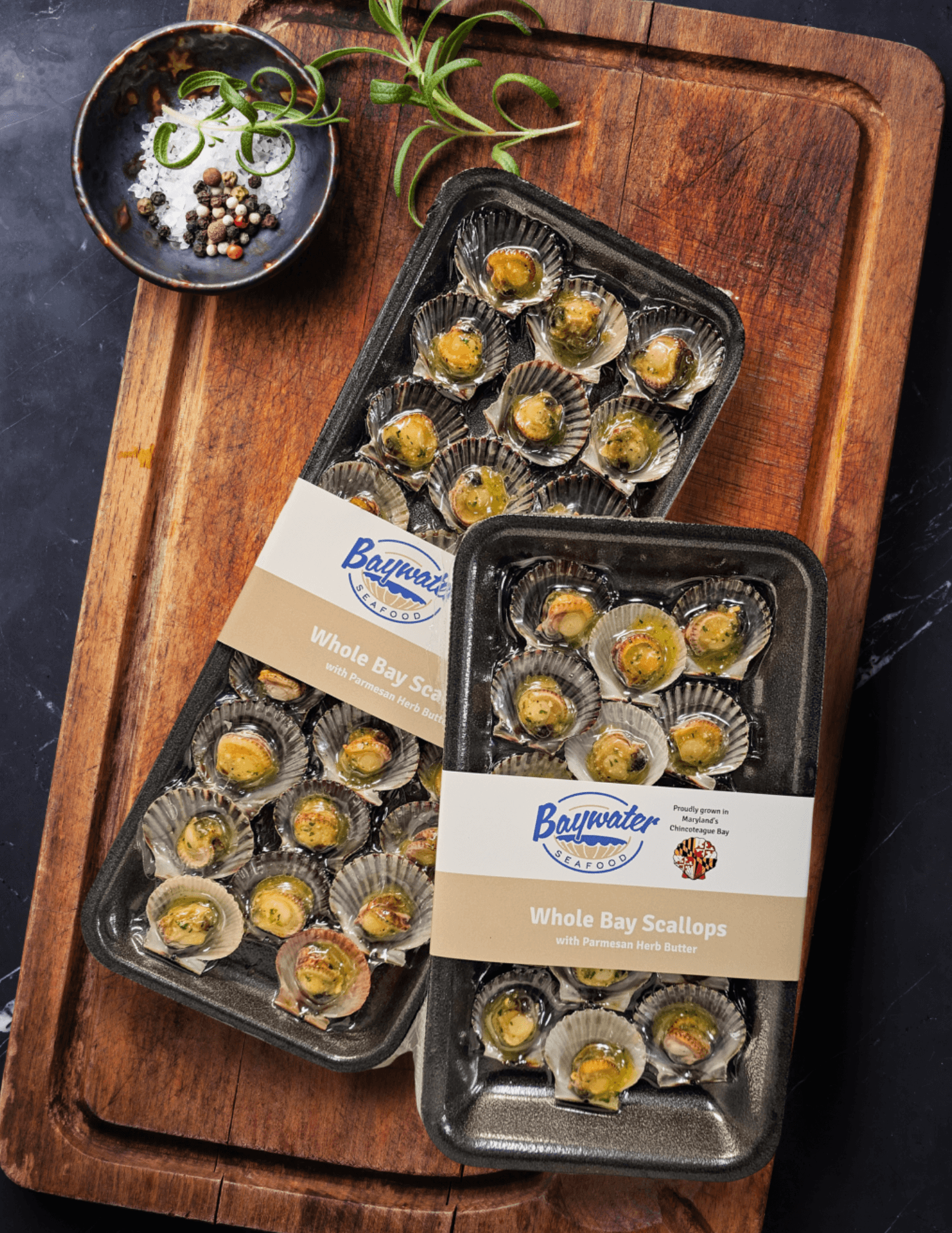
Baywater is always innovating! We recently unveiled a new, fully-cooked and flash-frozen Bay Scallop product that takes the guess work out of cooking with Bay Scallops. They require a bit of education, and can seem overwhelming for first-time users. So, we created a product to give home Chefs and restaurants the upper hand. Serve on the half shell, or toss them in a pasta or ceviche.
There is no other farm around where you can get fresh, local bay scallops. And with every purchase, you’re helping repopulate the Coastal Bays’ wild Bay Scallop populations!
We offer shucking services with our Baywater Brine Oysters and Bay Scallops (cooked or raw!). We bring the coastal bounty to you for private parties, weddings, etc.
In terms of your work and the industry, what are some of the changes you are expecting to see over the next five to ten years?
In 5-10 years we want to have a steady delivery route year-round to D.C., Baltimore, Annapolis, and the Beach towns. We currently deliver to D.C. and Baltimore in the cool months when we are slower at Baywater Landing Marina. Having the staff and demand to deliver all the time is a huge goal for us. We also want to open a small cafe on site at Baywater where guests can stay on a houseboat and have a cocktail or lunch, making us a full-service destination, while remaining quaint and respectful to our beautiful surroundings. We would also love to tin our cooked Bay Scallops as another value-added product!
Pricing:
- Bay Scallops, live in the shell: $0.50/piece
- Baywater Brine Oysters: $1.00/piece
- Bay Scallops Cooked/Frzn W Herb Butter, 26ct: $20.00
- Bay Scallops Cooked/Frzn W Herb Butter, 15ct: $12.00
- Soft Crabs, Frz/3-pack: $12.00
Contact Info:
- Website: https://www.BaywaterSeafood.com
- Instagram: https://www.instagram.com/baywaterseafood
- Facebook: https://www.facebook.com/Baywaterseafood
- Other: https://www.baywaterlanding.com