

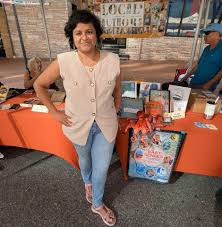
Today we’d like to introduce you to Jaya.
Hi Jaya, we’re thrilled to have a chance to learn your story today. So, before we get into specifics, maybe you can briefly walk us through how you got to where you are today?
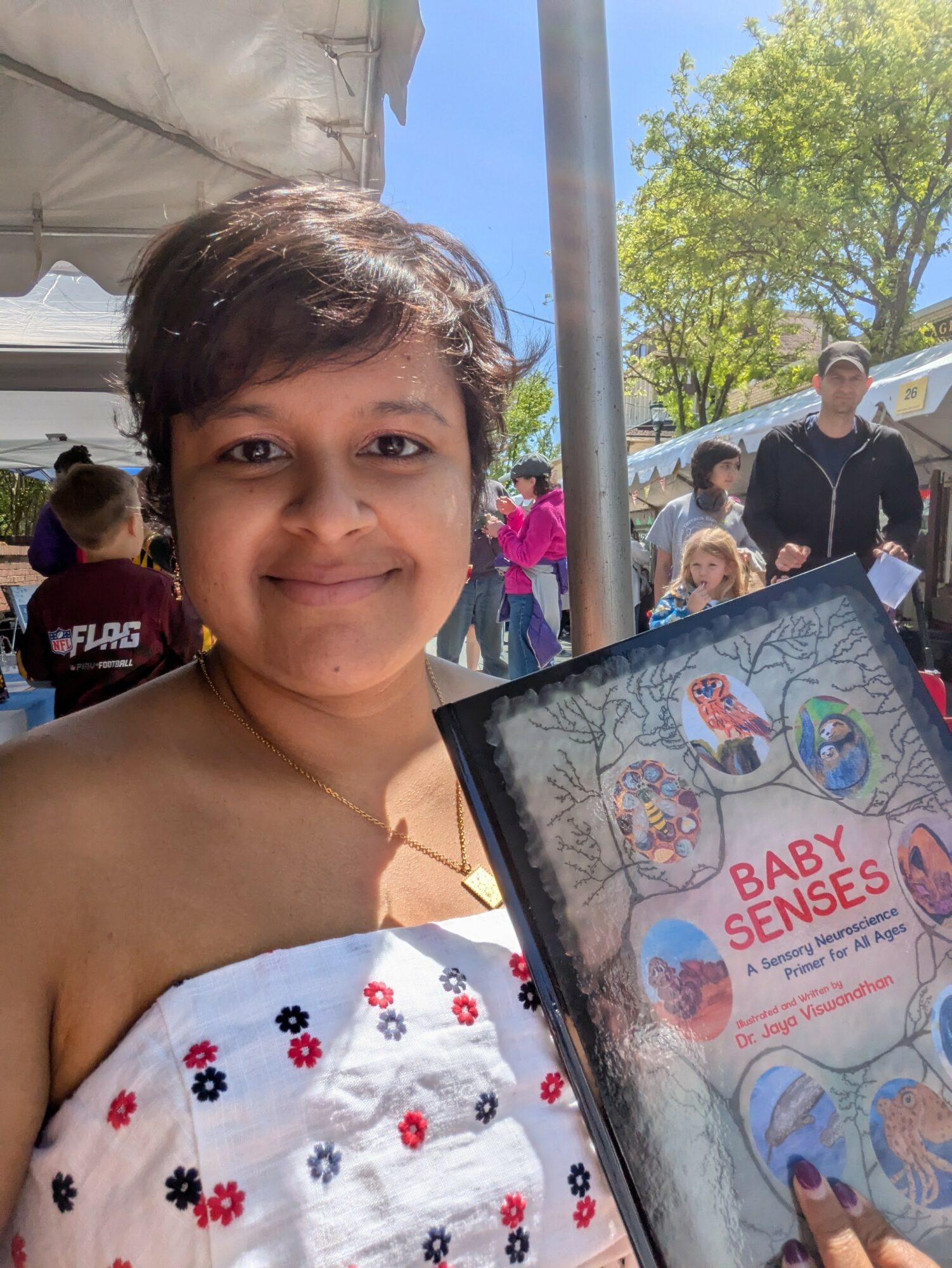
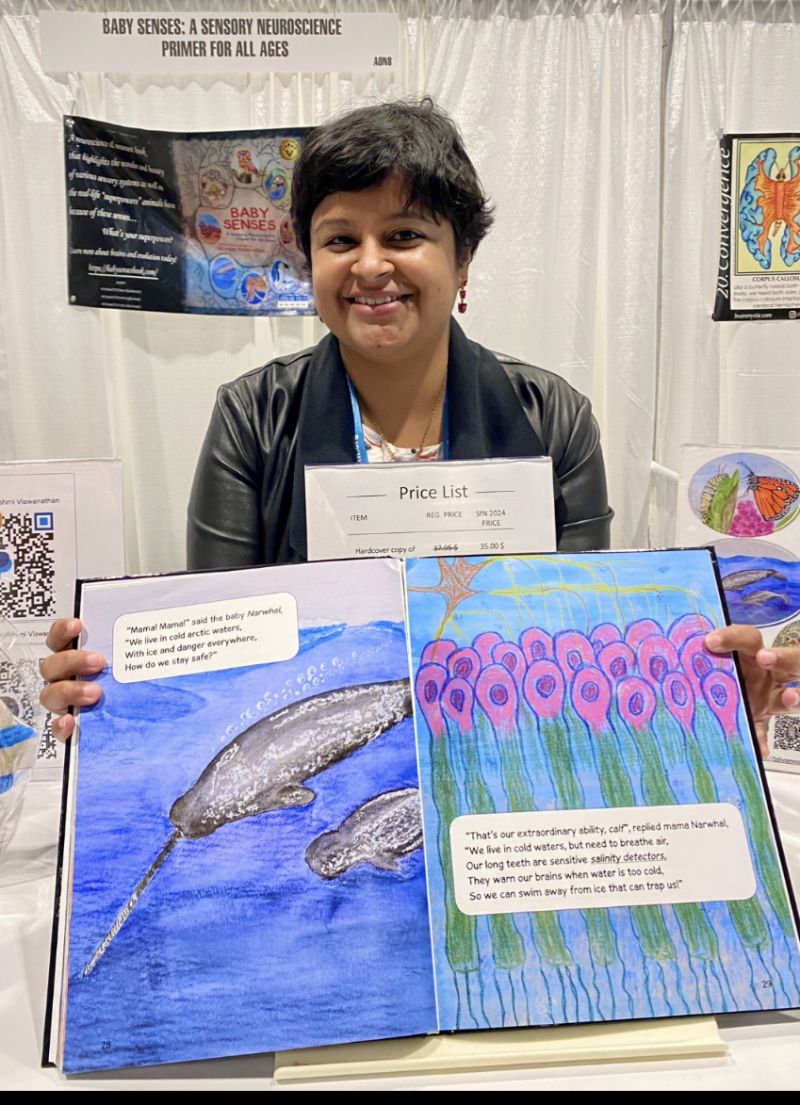
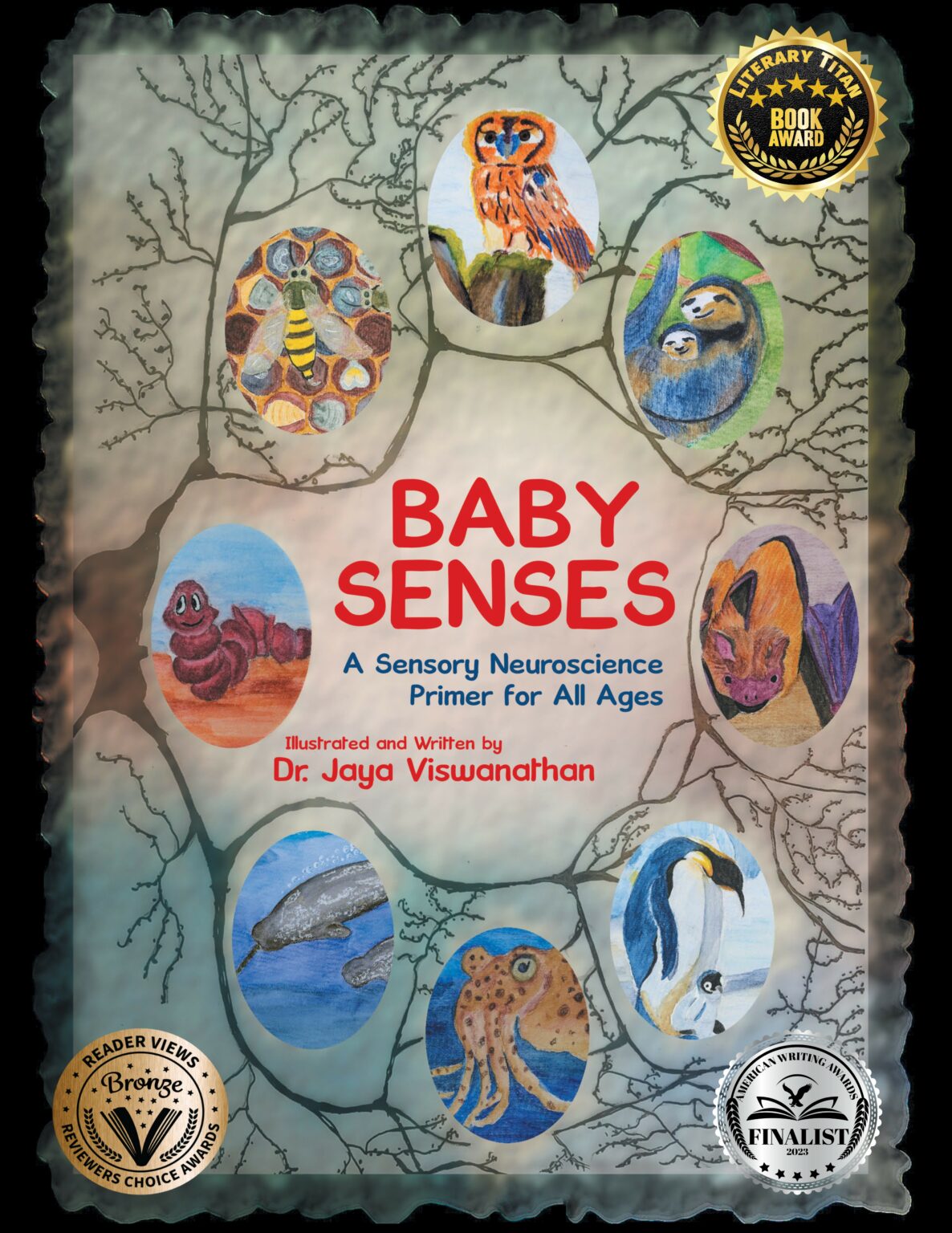
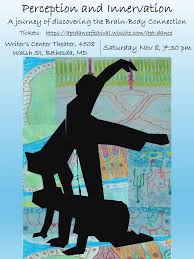
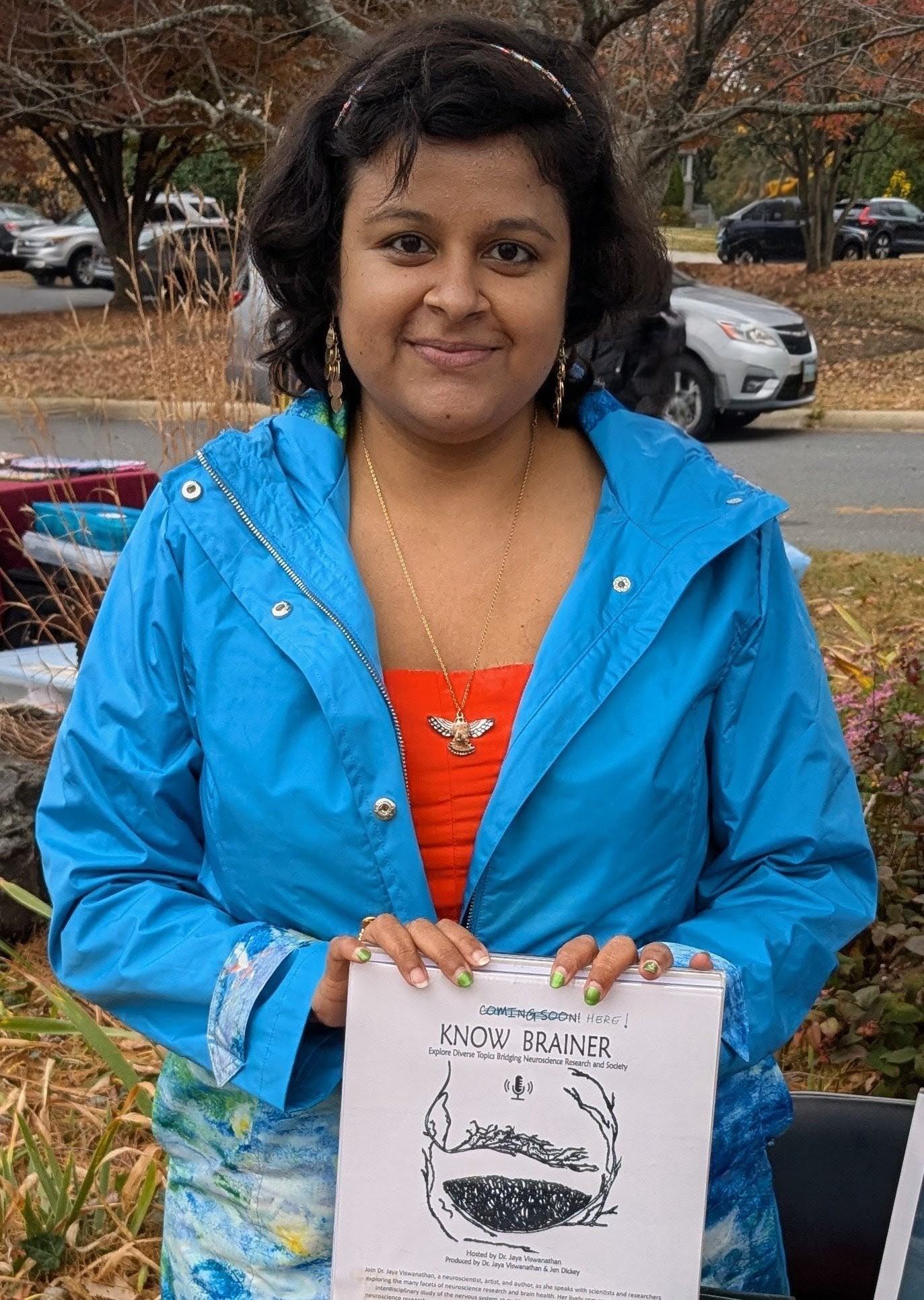
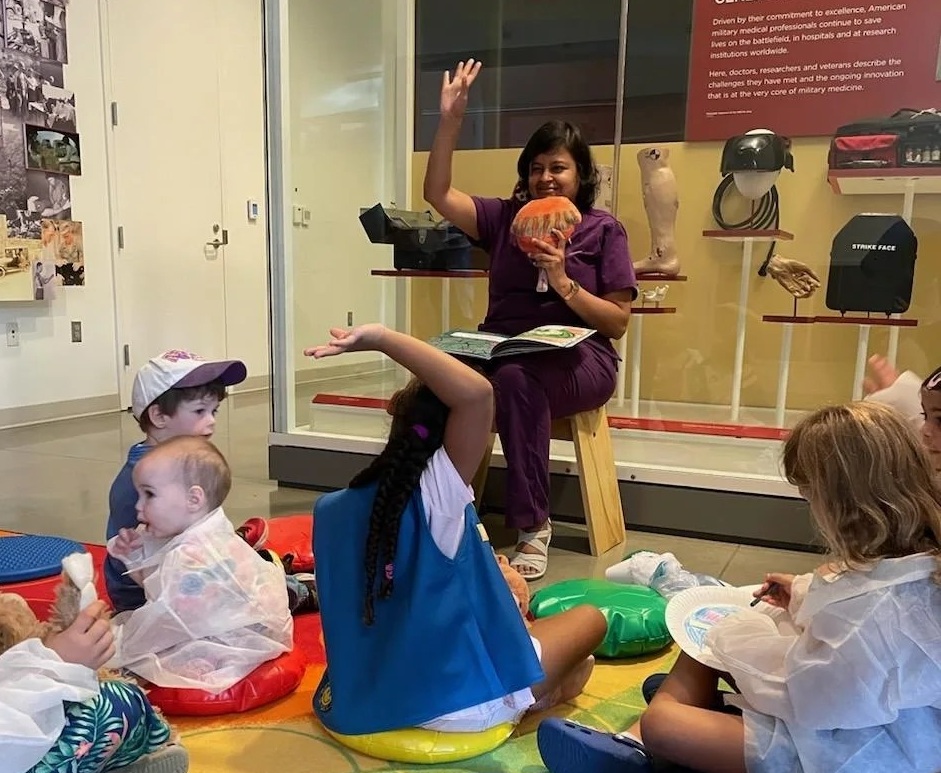
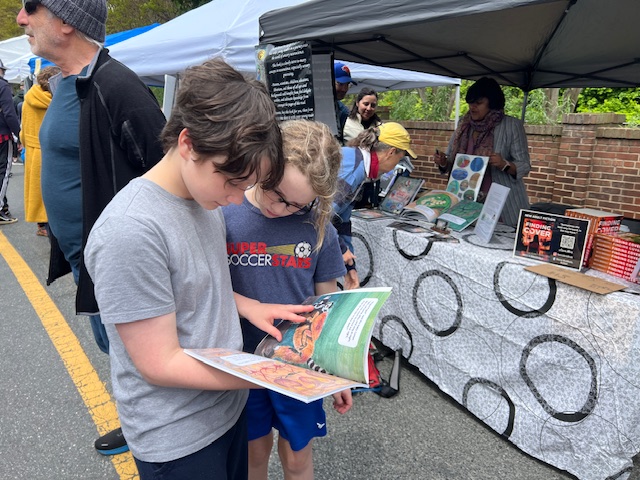
I am a neuroscientist from India passionate about understanding the brain and how it works. My interest in neuroscience and brain health began very early. Growing up in India, however, the educational resources available to an aspiring scientist were scarce and I struggled to find resources, mentors, and opportunities to explore my curiosity. This has shaped every aspect of my growth as a scientist and communicator. Through my undergraduate degree, Masters, PhD, postdoc, a scientific program analyst contractor at the NIH, and my current position as an Assistant Research Professor at the Indiana University School of Medicine, I have worked to simultaneously share my enthusiasm for the marvels of the brain to lay audiences. A few years ago, I was volunteering with Reading Partners in the DMV region and when a 3rd grader I was tutoring asked to read a neuroscience book with him, I was disappointed to realize that there is still a gap to be filled in children’s neuroscience educational books, especially ones that convey the mystery (and to me, magic) of neuroscience research. This sparked the idea for me, so I set about writing and illustrating the kind of book I’d have wanted to read – one that was relatable and real world and yet whimsical and scientifically accurate. This was the birth of Baby Senses: A Sensory Neuroscience Primer for All Ages (https://babysensesbook.com/). This neuroscience-art book for children shows the wonder and beauty of various sensory systems as well as the real-life “superpowers” animals have because of these senses. This book has opened a new avenue of early childhood neuroscience education that is multi-sensory. Since then, I have developed video programming for early childhood education (using puppets), led neuroscience and art salons, engaged with children and curious adults, exhibited neuroart, developed neurodance choreographies (in collaboration with UpRooted Dance, a Maryland based dance company) and held workshops. I am fully committed to generating educational resources that inspire curiosity and wonder about the world we live in, focusing on neuroscience.
I’m sure it wasn’t obstacle-free, but would you say the journey has been fairly smooth so far?
Writing my book, illustrating it, reading through interesting papers to distill down “fun facts” to include in the glossary – these steps were smooth and looking back, it feels like I zipped through them with enthusiastic fervor. However, the parts that came next – publishing and marketing – were rocky to say the least. Several agents and book publishers essentially informed me that “children don’t read non-fiction” and that there wasn’t really a market for my book. I was also told – quite categorically – that the reference list should be cut, that it has no place in a children’s book. By this point, though, I had a complete book that I believed in. I figured that if I reached at least one interested reader, it was worth going through with it. So, I decided on self (hybrid)-publishing, which had the added bonus of me retaining creative control (and more importantly the ability to retain the reference list and guarantee scientific accuracy). Boy, am I glad that I didn’t listen to these “industry experts”. At book events and conferences where I sell out, I am frequently told by parents how much they appreciate the extra reading. Marketing was – and continues to be – another challenging area. As a scientist, I had zero training on how to create awareness of my book, so I am very grateful for Voyage Maryland, my family and friends, colleagues, especially those at the Society for Neuroscience’s Neuronline, and fellow authors who have helped amplify my voice and supported me in my journey. They say it takes a village, and I owe the success of Baby Senses to mine.
As you know, we’re big fans of you and your work. For our readers who might not be as familiar what can you tell them about what you do?
I trained as an engineer (biotechnology) and then sensory (visual and auditory) neuroscientist. For my Masters, PhD and postdoctoral fellowship, I investigated the mechanisms by which sensory information gets processed and decoded to inform meaningful behaviors. I investigated how these happen under normal conditions, and how they might get disrupted by context, such as how auditory processing changes with aging. I’ve always been interested in the “big picture” along with the importance of investigating specific hypotheses in controlled experiments, so after my postdoctoral fellowship, I worked as a contractor at the National Institutes of Health. In early 2026, I started my current position as an Assistant Research Professor at the Indiana University School of Medicine where I work within the Microphysiological Systems (MPS-AD) as Translational Tools for Alzheimer’s Disease and Related Dementias (AD/ADRD) to develop new approach methods (NAMs) to prevent and treat AD/ADRD. I am a highly motivated, detail-oriented, service-motivated scientist and educator with a strong publication record and robust scientific expertise. I think that my commitment to rigorous, reproducible, and open science, enthusiasm for collaborative and team science efforts, as well as deep passion for public service is what sets me apart in my field. I am proud of my book, Baby Senses, and the podcast I started, Know Brainer, to spark the joy of neuroscience in the wider community. I am also proud of all my research projects, my scientific contributions to original research articles as well as narrative reviews. Stay tuned through my website and social media channels to learn more about my current and upcoming projects which I’m also very excited about!
Before we let you go, we’ve got to ask if you have any advice for those who are just starting out?
The best and unexpected opportunities in my life came through mentors and collaborators. Mentors come in all forms, from actual employers and supervisors, to colleagues who are ahead in parts of their career, or peers and friends. When well wishers have suggested options that I’ve never considered, I listened and followed their suggestions as it made sense for my goals. For example, the “neurodance” collaboration I am a part of with UpRooted Dance (https://www.uprooteddance.com/) was born from a chance conversation followed by months of collaboration and work.
Science, art and writing, the three things I am passionate about, can all be lonely and personal endeavors, and I’ve been stunned at the level of community support out there for all 3! I definitely wish I’d known early in my book publishing efforts, for example, about author resources. However, I found this after publication (primarily through the author community supported by the Kensington Row Bookshop (https://www.kensingtonrowbookshop.com/). I have also found several neuroscience resources through Society for Neuroscience’s Neuronline platform (https://neuronline.sfn.org/),
My other advice would be to find ways to get back up when you fall down. In most careers/endeavors, there will be difficult moments. What ends up defining us is the way in which we can troubleshoot, find resilience, learn our lessons and move forward.
Pricing:
- Baby Senses Hardcover: Retail $37.95 – ISBN: 9781665737166
- Baby Senses Softcover: Retail $31.95 – ISBN: 9781665737159
- Baby Senses Ebook: Retail $9.99 – ISBN: 9781665737142
- Neuro art prints, commissions, unique individually designed original neuroart: Pricing variable, upon request.
- Know Brainer Podcast: Free
Contact Info:
- Website: https://babysensesbook.com/
- Instagram: https://www.instagram.com/jaya_viswanathan/
- Facebook: https://www.facebook.com/jaya.viswanathan
- LinkedIn: https://www.linkedin.com/in/jaya-viswanathan-phd-80575127/
- Twitter: https://x.com/jayaneuro
- Youtube: https://www.youtube.com/@JayaViswanathan-Neuroscientist
- Other: https://open.spotify.com/show/3VkRhC2s8lvFdOWXat1Hql?si=a75975635f384aa3