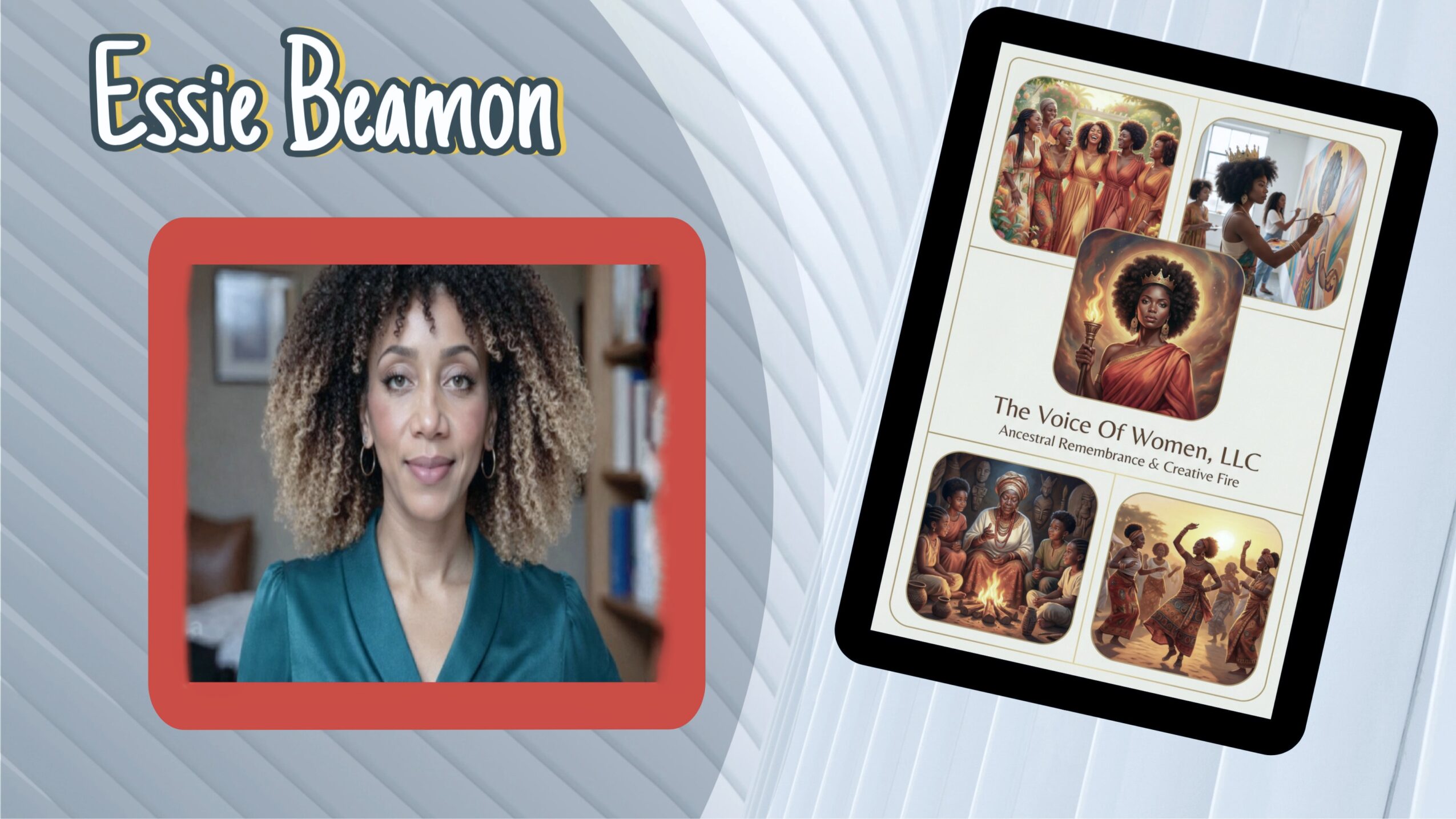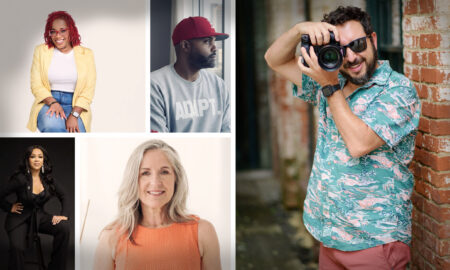




Today we’d like to introduce you to Seaila57@gmail.com Beamon-Caldwell.
Alright, so thank you so much for sharing your story and insight with our readers. To kick things off, can you tell us a bit about how you got started?
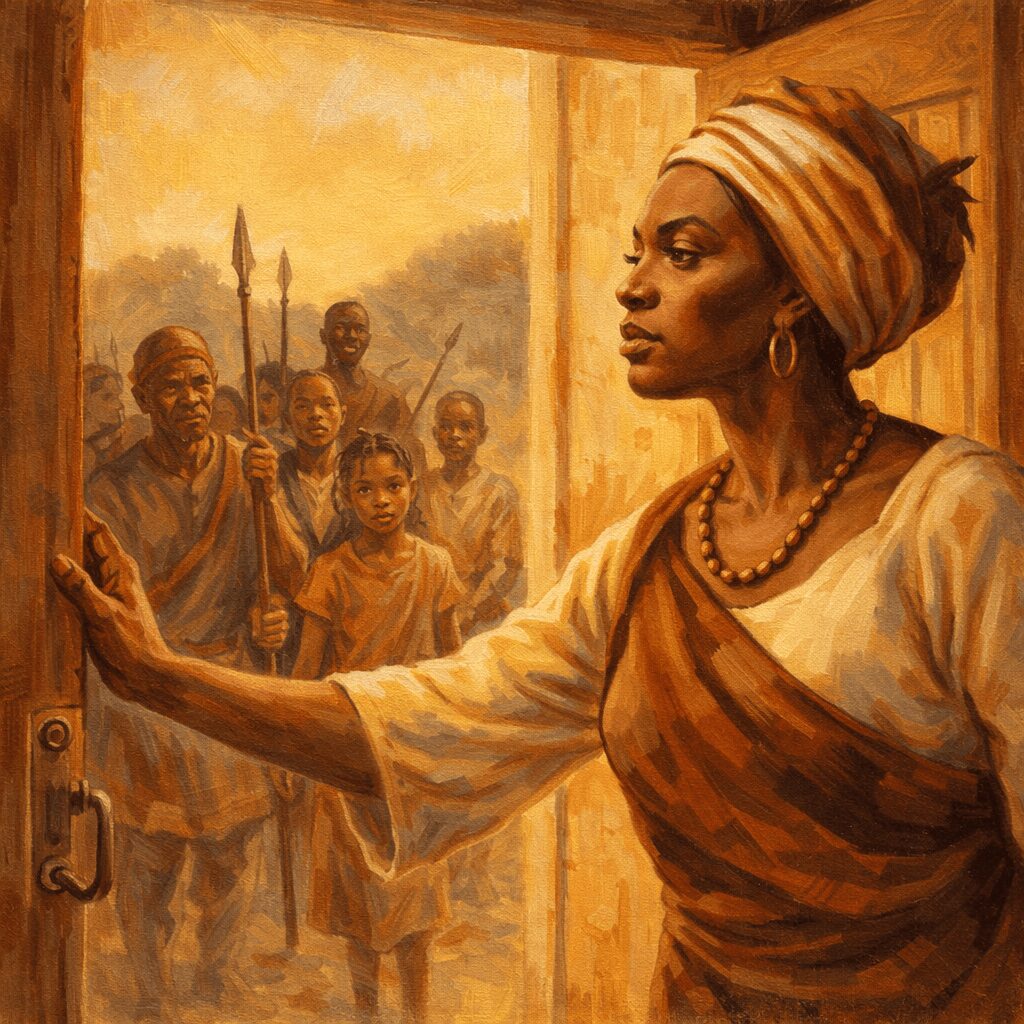
My name is Essie Beamon-Caldwell. I was born in Andalusia, Alabama, into a lineage of Black women whose strength was shaped by generations of survival, migration, and reinvention. My childhood was split between the quiet of the country woods and the realities of the Deep South, and those early years taught me resilience, truth-telling, and the importance of honoring where you come from. As a teenager, I migrated to New York City on my own, carrying both the weight of my history and the determination to build something larger than the circumstances I came from.
My journey has never been a straight line. I’ve lived through collapse, reinvention, and the long, private work of rebuilding myself. A major turning point came in 2008, when my life broke open in a way that forced me to confront generational trauma, systemic injustice, and the cost of being a Black woman who refuses to shrink.
That breaking point became the beginning of my becoming. I learned that survival is one thing, but transformation is another—and transformation requires truth, courage, and a willingness to stand in your own story.
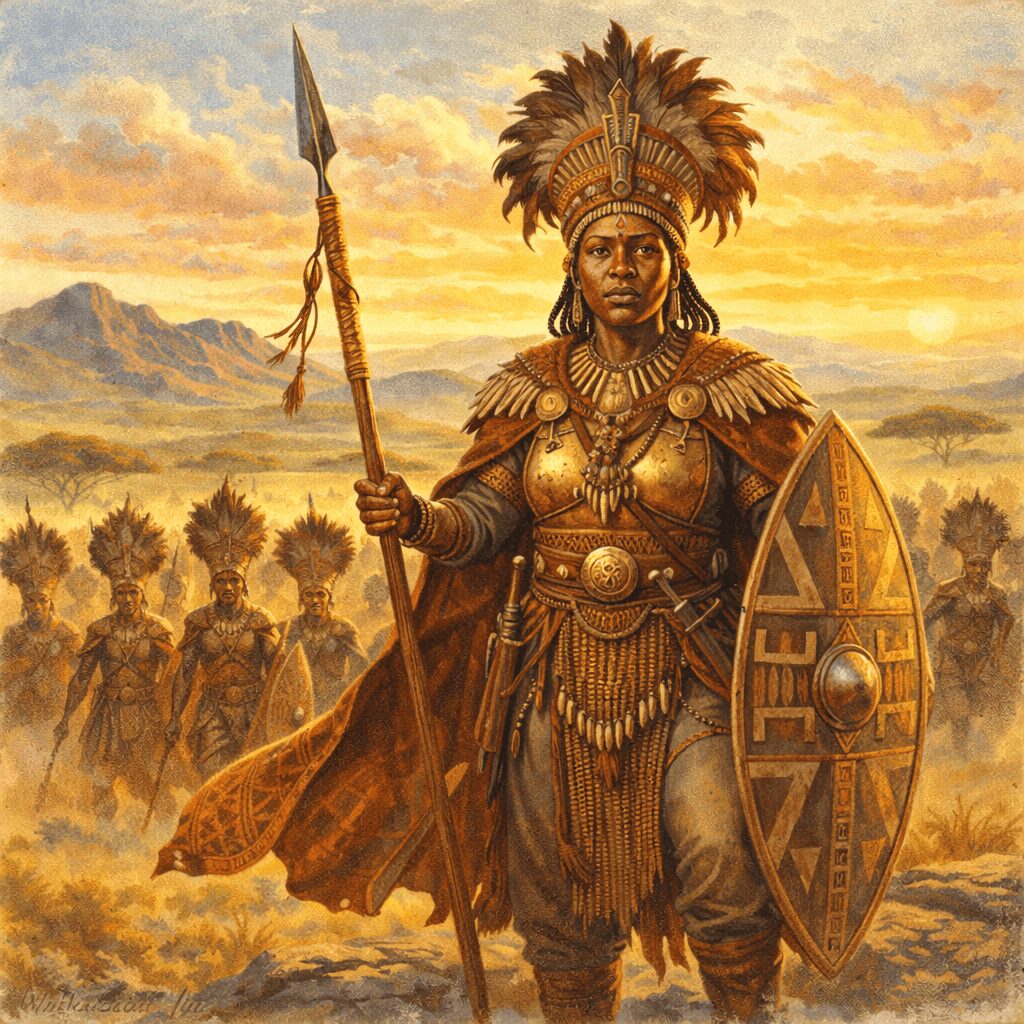
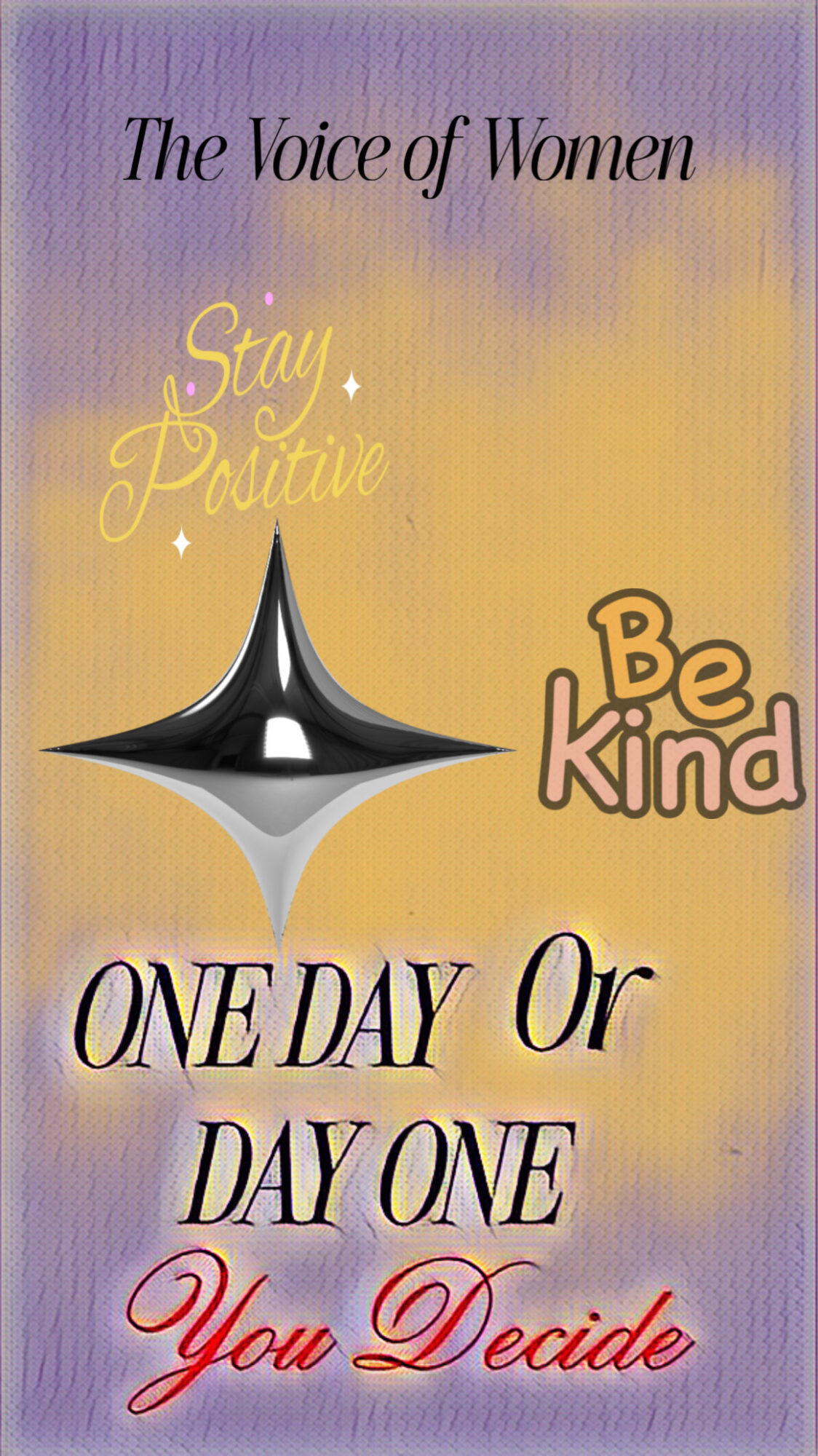
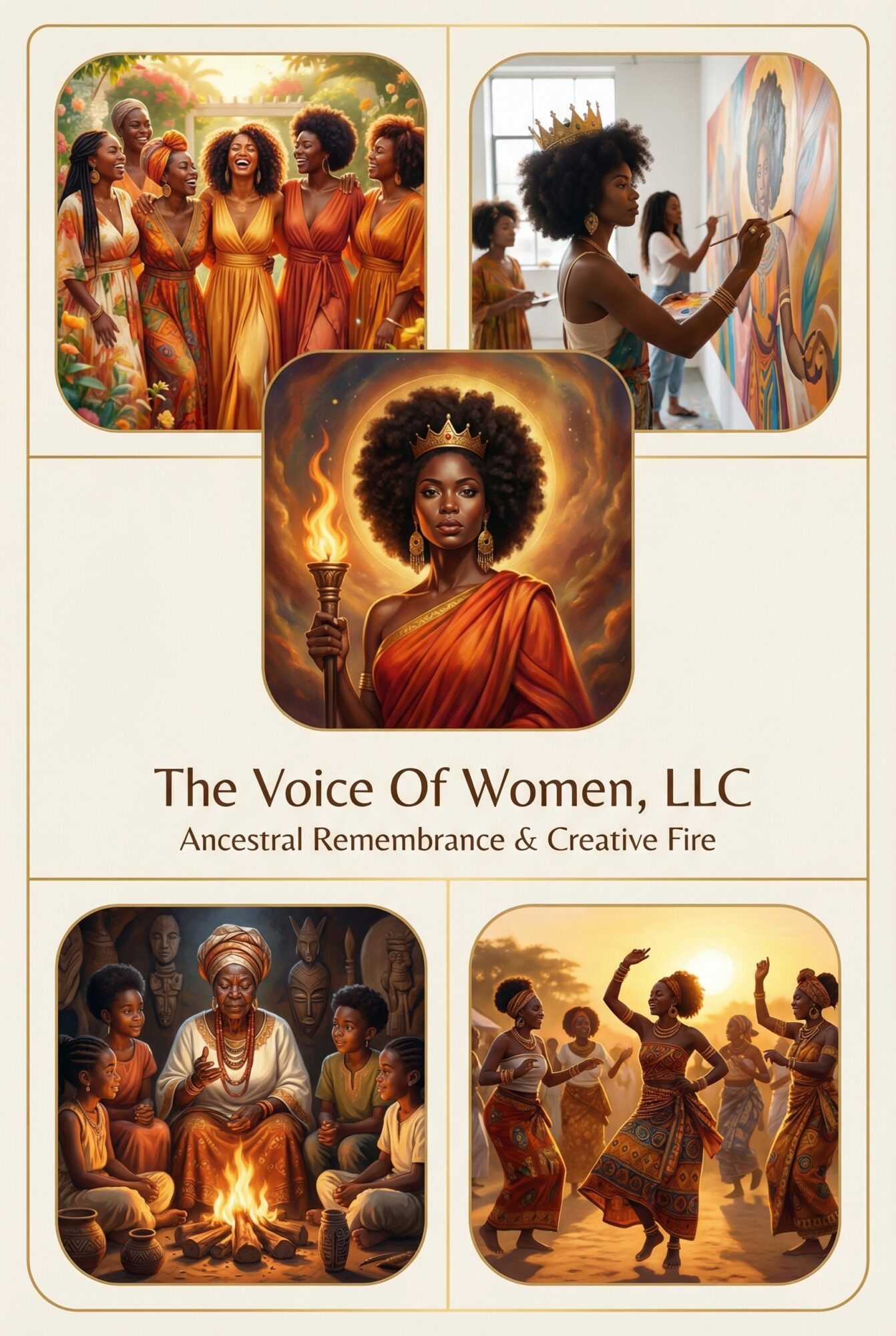
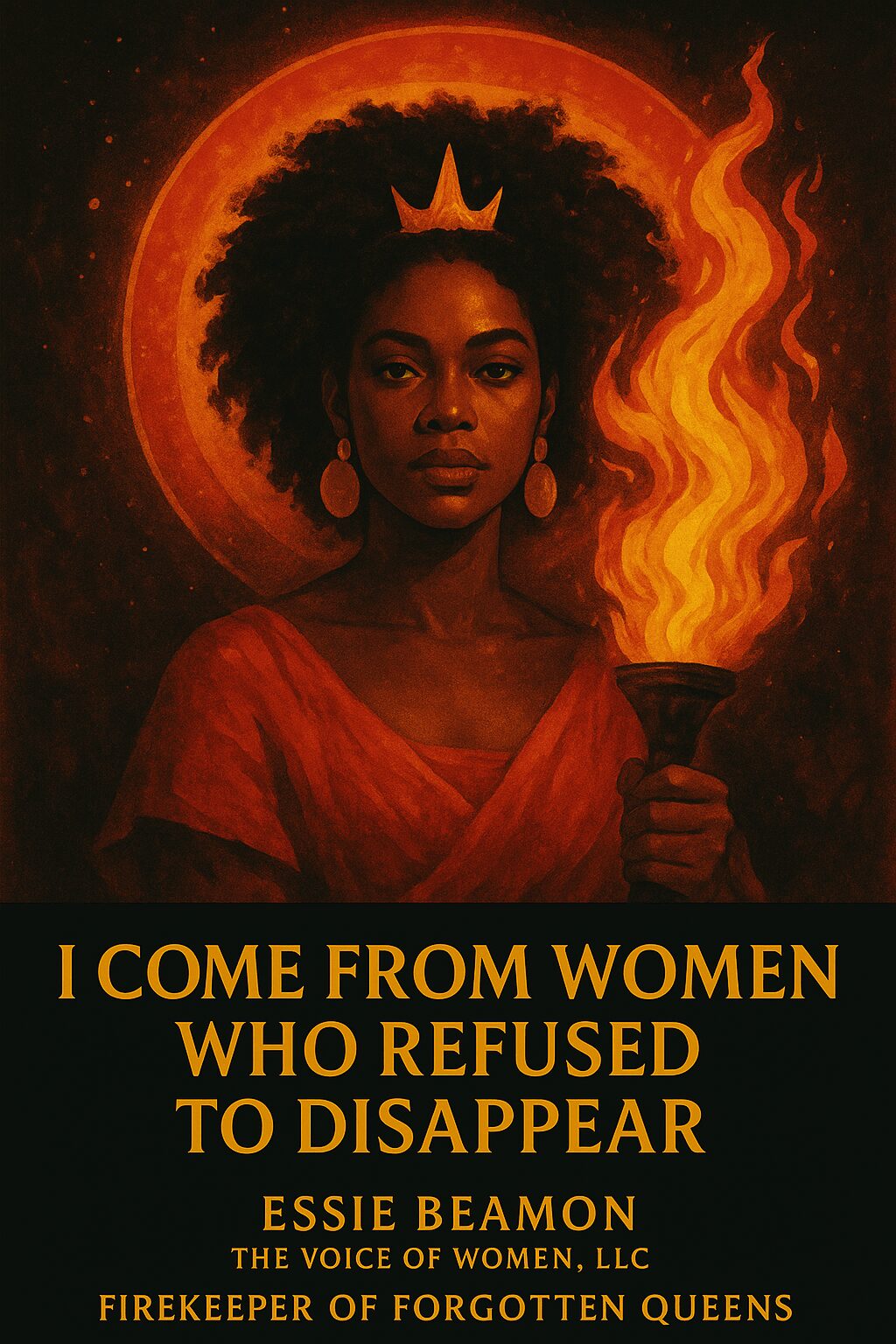
Over time, my personal healing evolved into a public purpose. I was always the go-to person for getting things done, so I became a legal advocate for my family, a community voice, and eventually the founder of The Voice of Women, LLC, a platform dedicated to resurrecting, honoring, and amplifying the stories of women—especially those who were erased, silenced, or forgotten.
I aim to blend art, ceremony, historical research, and advocacy to create a living monument, spoken-word pieces, ceremonial pages, and educational content that help communities see the continuity between our past and our present.
Today, my mission is to turn my journey into a blueprint for others. I share my story not for validation, but because I know how many people are walking with similar wounds and similar fire. My work is about truth, legacy, and liberation—helping people understand that their story is evidence, their voice is power, and their life is a testament. I am still becoming, still building, and still honoring the women who walked before me. Everything I do now is rooted in that mission.
I’m sure it wasn’t obstacle-free, but would you say the journey has been fairly smooth so far?
My road has been anything but smooth, and in many ways the challenges have shaped me more than the victories. I’ve lived through seasons that tested my mind, my body, my spirit, and my identity. In 2008, I experienced a traumatic collapse that changed the entire trajectory of my life. It was the result of years of toxic environments—both at home and at work—where I was fighting to be seen, heard, and treated with dignity. That moment led to a traumatic brain injury, aphasia, depression, and anxiety, and it took years of therapy, medical care, and inner work to rebuild myself.
During that same period, I was navigating a marriage that was unraveling, trying to raise my daughters, and then unexpectedly becoming the guardian of my 10‑year‑old nephew after my younger sister passed away. At work, I was fighting a different battle—trying to protect my job while others were quietly building a case to push me out. The pressure was relentless, and in 2011 my body collapsed again. I never returned to that job.
Those years were filled with loss, betrayal, and moments where I felt erased. But they were also the years that forced me to confront generational trauma, systemic injustice, and the cost of being a Black woman who tells the truth. They pushed me to rebuild myself from the ground up, to reclaim my voice, and to transform my pain into purpose.
What these struggles taught me
Resilience is not a personality trait—it’s a practice.
Silencing yourself to keep the peace only delays the explosion.
Your body will tell the truth even when your mouth can’t.
Every collapse contains the blueprint my becoming.
I realized you can rise from anything when you stop trying to return to who you were and start becoming who you are.
The Voice of Women, LLC was born from these struggles. My work now is to build—ceremonial storytelling, advocacy, honoring erased women, and building living monuments—comes directly from the roads I had to walk. I don’t speak from theory; I speak from lived experience. And that is what allows me to show others that finding their own voice, their own truth, and their own power is possible.
Alright, so let’s switch gears a bit and talk business. What should we know about your work?
My career with the FBI spanned several key roles that allowed me to develop a strong foundation in legal analysis, program management, and federal operations. I began in the Freedom of Information/Privacy Act Division, where I reviewed and processed requests, ensuring compliance with federal disclosure laws. From there, I was selected to join the Litigation Division, supporting the United States Attorney’s Office on cases involving the Bureau. In that role, I served as a Paralegal Specialist, preparing declarations, drafting legal documents, and managing case materials for matters in active litigation.
I later transitioned into a leadership role as the Program Manager for the Sensitive Security Background Investigation (SSBI) Program. In this position, I worked closely with agents and field offices to coordinate temporary legal status for individuals assisting in ongoing criminal investigations. This work required precision, discretion, and the ability to navigate complex legal and procedural frameworks.
Across each role, I built a career grounded in integrity, attention to detail, and a commitment to supporting the mission of justice and public safety.
In terms of your work and the industry, what are some of the changes you are expecting to see over the next five to ten years?
The next five to ten years 1’m envisioning: a world where storytelling, ancestral wisdom, and the voices of marginalized women gain cultural, political, and economic significance. The current trends indicate that the industry is finally acknowledging what women have always understood: our stories are not merely personal; they are foundational.
I don’t know where this moment will lead me; however, a comprehensive, forward-looking map of my field’s trajectory, supported by current research and movement data, says The Voice of Women, LLC can establish itself as a legacy institution.
Storytelling is shifting from “inspiration” to strategy. Advocacy organizations are increasingly using structured storytelling to fight gender inequality, especially after the pandemic widened disparities in poverty, violence, and economic vulnerability.
Which indicates that The Voice Of Women:
* Should focus on ancestral stories and erased women aligns with a growing global movement.
* Master the narrative frameworks that organizations use to become leaders in policy influence, education, and cultural memory.
* My lived lineage—from enslaved ancestors to present-day advocacy—becomes a competitive advantage, not just a personal truth.
Digital Storytelling Becomes the New Organizing Tool
Digital storytelling workshops, mentorship, and platforms for women to share their experiences are becoming essential strategies for gender equality and representation.
What this means:
* The Voice of Women can become a digital home for women’s stories—audio, video, ritual, performance, and archival.
* Younger generations (my daughters, grandchildren) will inherit a legacy platform already built for multimedia storytelling.
* Digital archives will become the new “family heirlooms” and community monuments.
Media and Culture for Marginalized Voices
What this means:
* There’s a pressing need for stories that shed light on the genuine struggles faced by Black women, enslaved ancestors, marginalized women, and all women.
* The Voice of Women can become a trusted source for truth-telling and cultural education.
Storytelling as Social Change
Initiatives like Empowering Voices demonstrate that digital storytelling is amplifying resilience, innovation, and advocacy among underrepresented women and youth.
What this means:
* The Voice of Women can train women to become storytellers, advocates, and cultural historians.
* Building a pipeline of young women who carry the fire forward.
* This becomes the legacy my daughters and grandchildren inherit—not just a business, but a movement.
What Will Set The Voice of Women Apart
In a world full of women’s groups, my differentiator is clear:
* Ancestral lineage as curriculum
* Women’s erased histories as ceremony, art, and advocacy
* A founder who is both a descendant and documentarian of enslaved women
* A movement that blends ritual, performance, legal advocacy, and cultural memory
* A multi-generational vision rooted in legacy, not trend
Most organizations focus on empowerment. My focus is on remembrance, resurrection, and truth-telling, which is needed. That is lasting.
The Next 5–10 Years for Your Legacy
If I keep going, here’s the trajectory:
* The Voice of Women becomes a nationally recognized cultural institution.
* My ceremonies, performances, and archives become annual traditions.
* My daughters inherit a living archive, not just a business.
* My grandchildren inherit a movement with their family name.
* Women across the country cite my work as the reason they found their voice.
This is not a dream. It is a blueprint.
Contact Info:
- Instagram: https://instagram.com/sealiamae
- Facebook: Facebook https://facebook.com/jusbmee