



Today we’d like to introduce you to Patrick Mcguire.
Hi patrick, thanks for joining us today. We’d love for you to start by introducing yourself.
My path to Peak Golf Institute wasn’t a straight line. I’ve always been fascinated by performance and why some people continue to improve while others get stuck.
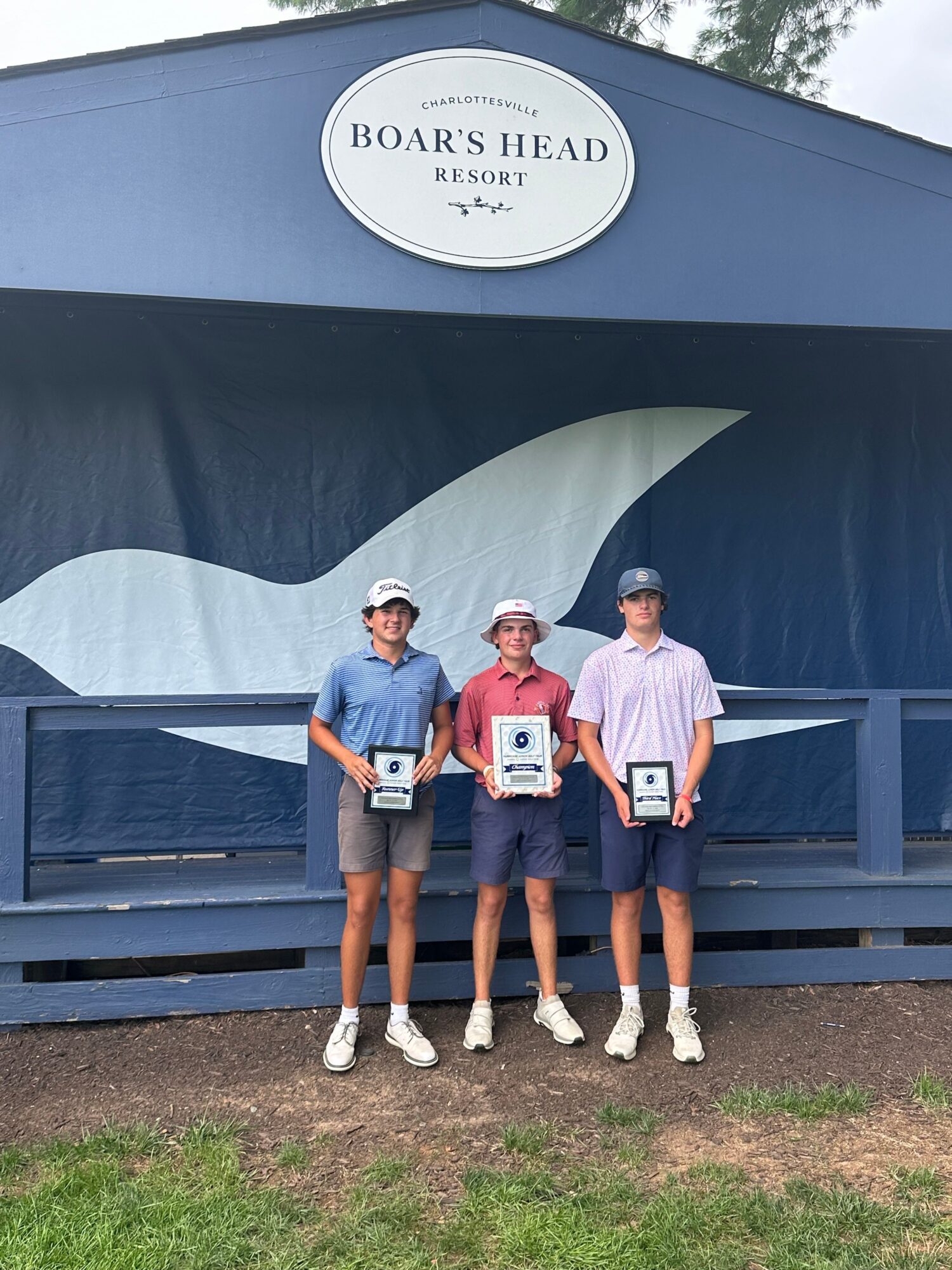
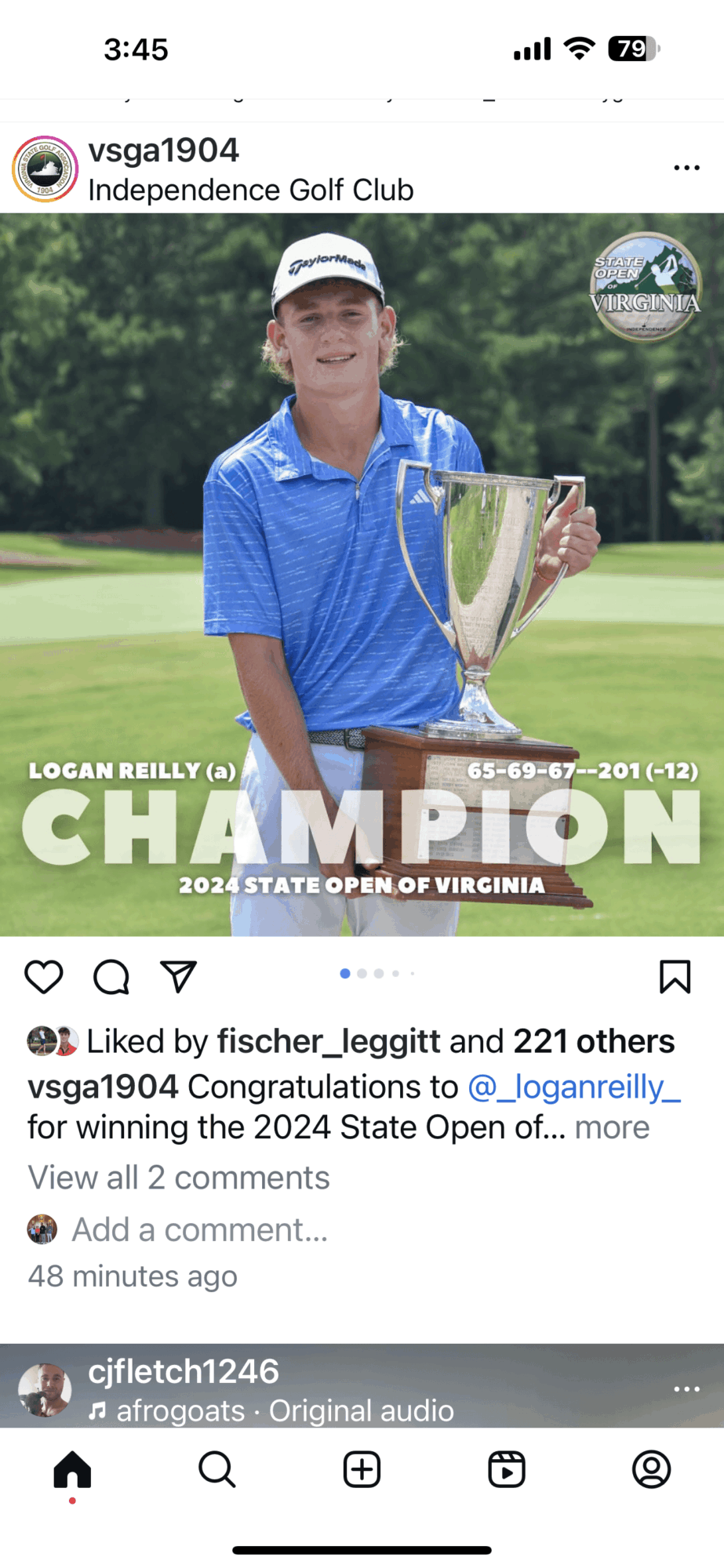
Working with players at every level has shaped how I coach. Success looks different for everyone—winning on tour, earning a scholarship, reaching a personal goal or simply gaining confidence. My job is to help each player understand what they’re capable of and give them the tools to get there.
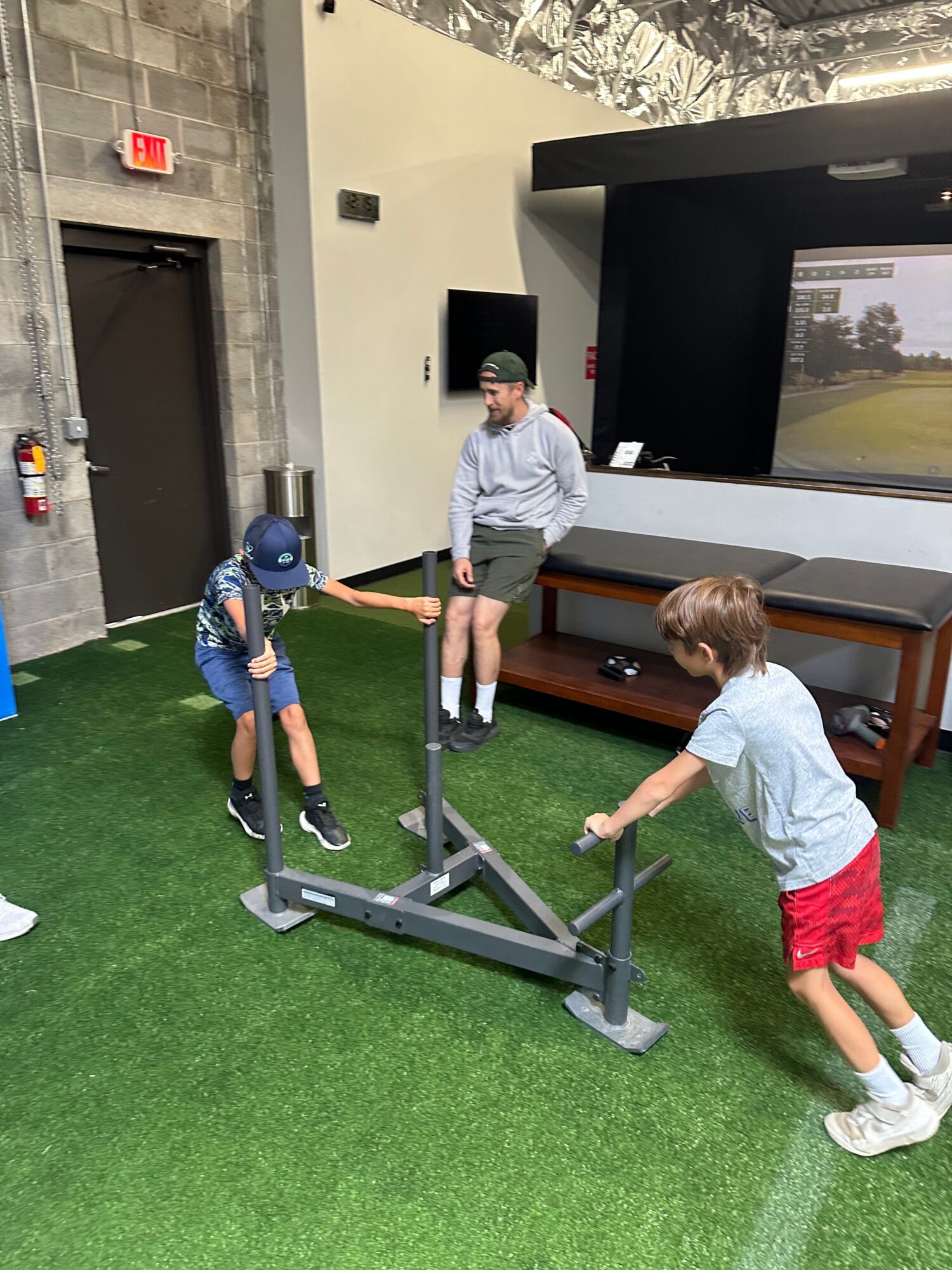
Over time, I became interested in more than just the golf swing. I wanted to understand how movement, vision, ground forces, mindset, decision-making and physical development all influence performance—and how to bring those pieces together for each player.
I also became passionate about developing coaches. Great coaching is not just about collecting information; it’s about learning how to observe, communicate and apply the right information at the right time.
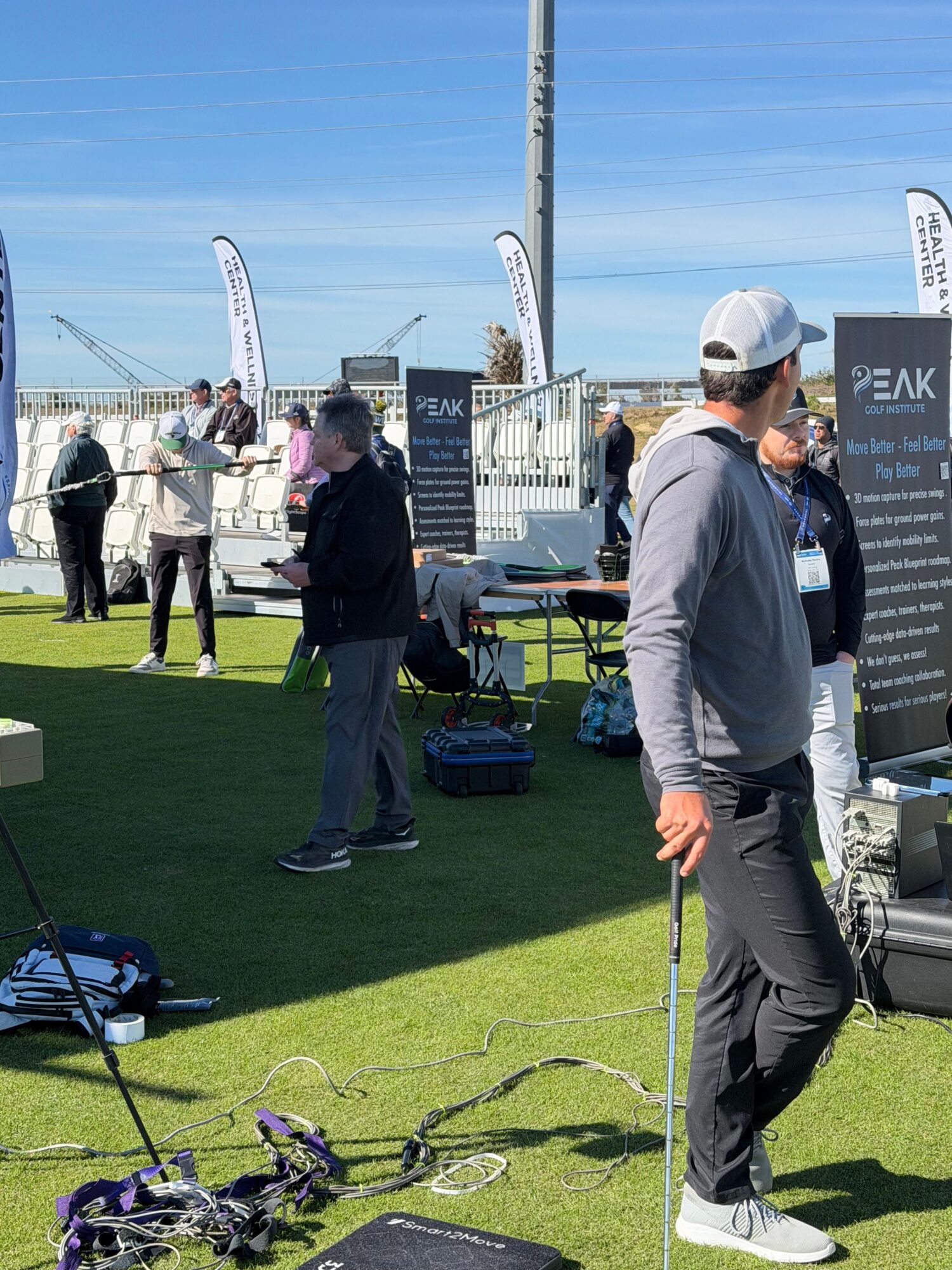
That thinking became Peak Golf Institute. PGI brings together instruction, physical performance, biomechanics, putting, vision, mental performance and player development in a way that is built around the individual.
Today, my role is to keep learning, bring talented people together, develop coaches and make sure everything connects back to the player.
That’s the idea behind Peak: we don’t just teach the golf swing—we develop the player, develop the coach and teach the game.
I’m sure it wasn’t obstacle-free, but would you say the journey has been fairly smooth so far?
It definitely hasn’t been a smooth road. One of our most recent challenges has been team coaching.
Players often want one coach, but their needs usually require a team of experts. A coach may want to provide everything for a student, but the best coaches also recognize when another expert can see something they miss or bring a level of expertise in a different area.
That can be difficult because traditional coaching is still built around the idea that one coach should have all the answers. But golf performance is too complex for that. The swing, movement, physical preparation, vision, mindset and strategy all influence one another, and no single person can be an expert in every area.
The industry needs a more connected approach, but changing that mindset has been one of our biggest challenges. It requires coaches to collaborate, players to trust a team and everyone involved to stay focused on what the player actually needs rather than protecting individual roles.
Too many players fail to reach their potential because they don’t have the right support around them, or because the people supporting them aren’t working together. Our goal has been to build a performance model without compromise—one that brings the right experts together, keeps the player at the center and makes sure each part of development supports the others.
There have been mistakes, difficult decisions and plenty of lessons along the way, but each challenge has helped us become more thoughtful about how we coach, how we collaborate and how we help players reach their potential.
As you know, we’re big fans of you and your work. For our readers who might not be as familiar what can you tell them about what you do?
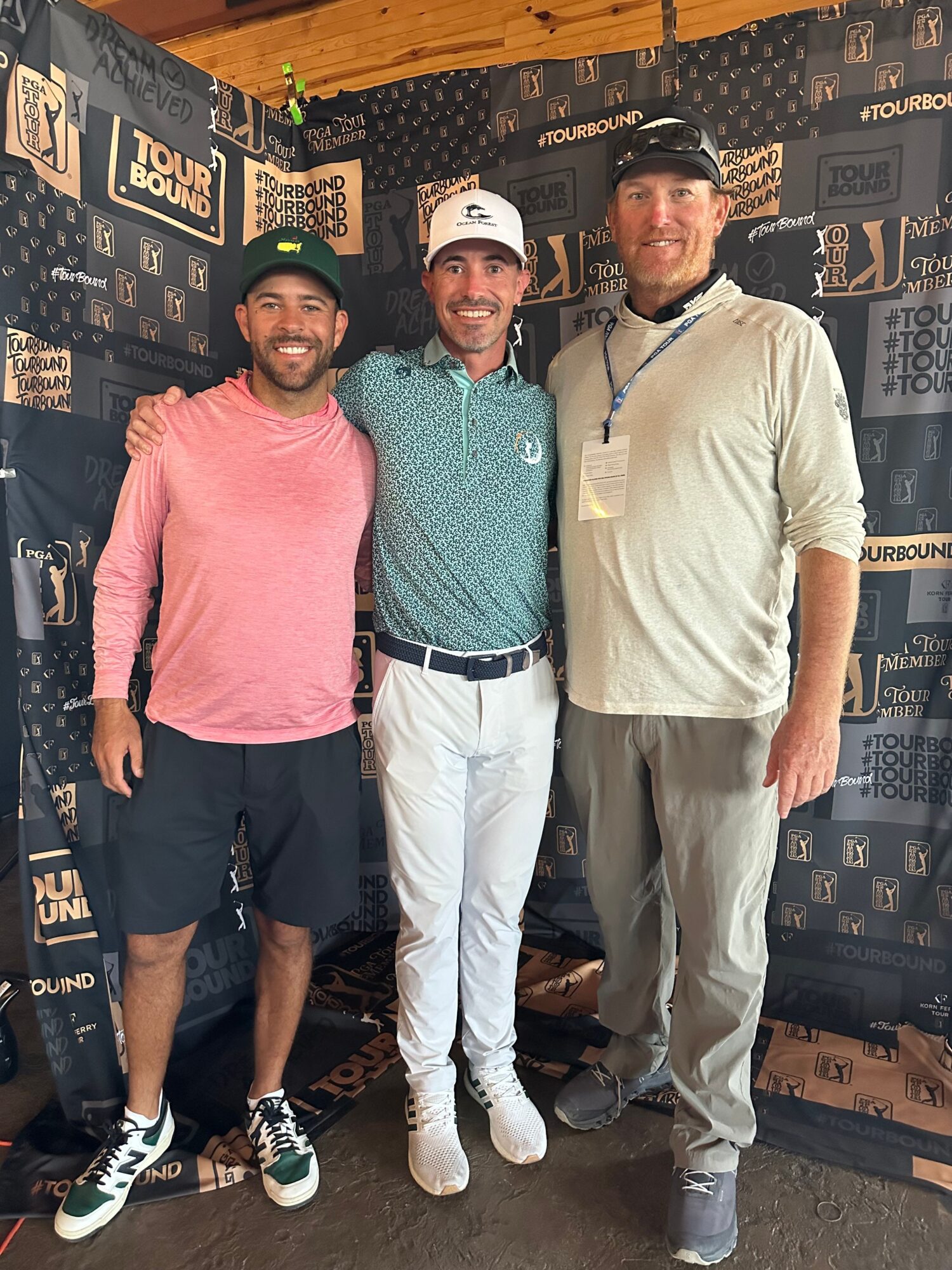
Golf has taken me places I never could have imagined. I’ve been fortunate to coach players across virtually every level of professional golf, and along the way the game has filled my passport with stamps and my phone with thousands of photos and memories.
From New Zealand to Denmark, Pebble Beach to Japan, Maine to Florida, and Virginia to California, golf has taken me across the United States and around the world. I’ve traveled wherever the game—and the players I coach—have taken me.
Some of those trips have been to some of the most recognizable places in golf. Others have been to courses most people will never hear about. But some of my favorite memories have nothing to do with how big the tournament was. They are the early mornings on the range, conversations walking a golf course, long drives, airports, meals in unfamiliar cities, and watching a player accomplish something we had worked toward together.
In a funny way, my life came full circle. I grew up moving every couple of years because my father was an Army pilot, living in different states and countries and learning to appreciate different people, cultures, food and places. Years later, golf put me back on the road.
The passport stamps and photographs are great, but the relationships are what I value most. Golf has given me the opportunity to see the world, learn from remarkable people, and bring those experiences home to what we are building at Peak Golf Institute.
What were you like growing up?
My story probably starts with my dad. He was an Army pilot who retired as a colonel, so growing up we moved about every two years. I had the opportunity to live in several different states and countries, and I think that shaped me more than I realized at the time.
Constantly being the new kid teaches you how to adapt, how to meet people and how to become comfortable with change. Living in different parts of the world also exposed me to different cultures and ways of thinking. Somewhere along the way, I developed a real love for food and wine—something that has stayed with me throughout my life.
That upbringing also gave me a natural curiosity. I’ve always wanted to understand why people do things differently and whether there might be a better way.
That curiosity eventually became a big part of my approach to golf and performance. I became fascinated by why some players continue to improve while others get stuck. The more I learned, the more I realized that developing a golfer is about much more than teaching a golf swing.
That thinking ultimately led to what we are building today at Peak Golf Institute. We look at the entire player—the golf swing, body, movement, vision, putting, mindset, strategy and how they practice and learn. Instead of expecting one coach to have every answer, we surround the player with specialists who work together around one plan.
The journey certainly hasn’t been a straight line. We’ve made mistakes, changed direction and learned a lot along the way. But I think that willingness to keep learning and adapting goes all the way back to moving every couple of years as a kid.
Today, my job is really to keep asking questions, bring great people together and make sure we never lose sight of the person we’re trying to help.
That’s ultimately what Peak is about: we teach the player, and we teach the game.
Contact Info:
- Website: https://www.peakgolfinstitute.com