



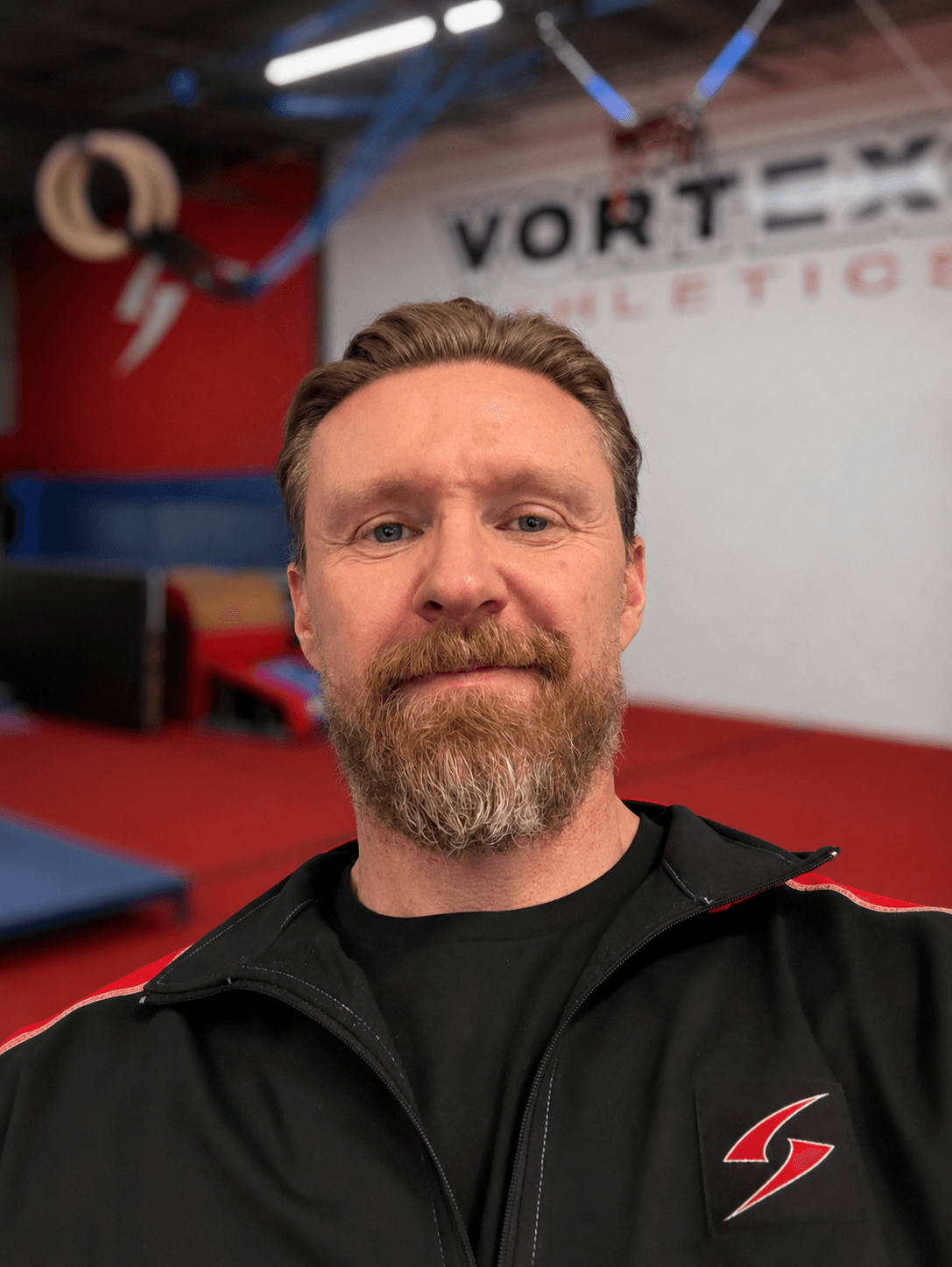
Today we’d like to introduce you to Jimmy O’Brien.
Hi Jimmy, so excited to have you on the platform. So before we get into questions about your work-life, maybe you can bring our readers up to speed on your story and how you got to where you are today?
Vortex really started with my own children. I spent 23 years in the Marine Corps, where physical fitness, discipline, resilience and leadership were part of everyday life. Outside of that career, I spent nearly a decade coaching youth sports—including football, track and field, cross-country, soccer and baseball. I’m also a USATF-certified coach, and I had the opportunity to help my daughter develop into a Division I athlete and a member of two national championship teams.
The specific idea for Vortex came when my son was about six years old. He showed a lot of athletic potential, and I began looking for a high-level gymnastics program that would challenge him—particularly one with a strong developmental path for boys. I found that those opportunities were surprisingly difficult to find.
That search eventually connected me with Coach Ali, who brought extensive experience developing gymnasts and operating gymnastics facilities internationally. We realized that our backgrounds were highly complementary. Ali brought the technical gymnastics expertise, while I brought a multi-sport athletic development background. More importantly, we shared the same belief: children are capable of far more than people often expect when they are given excellent coaching, high standards and an environment that allows them to fail, learn and improve.
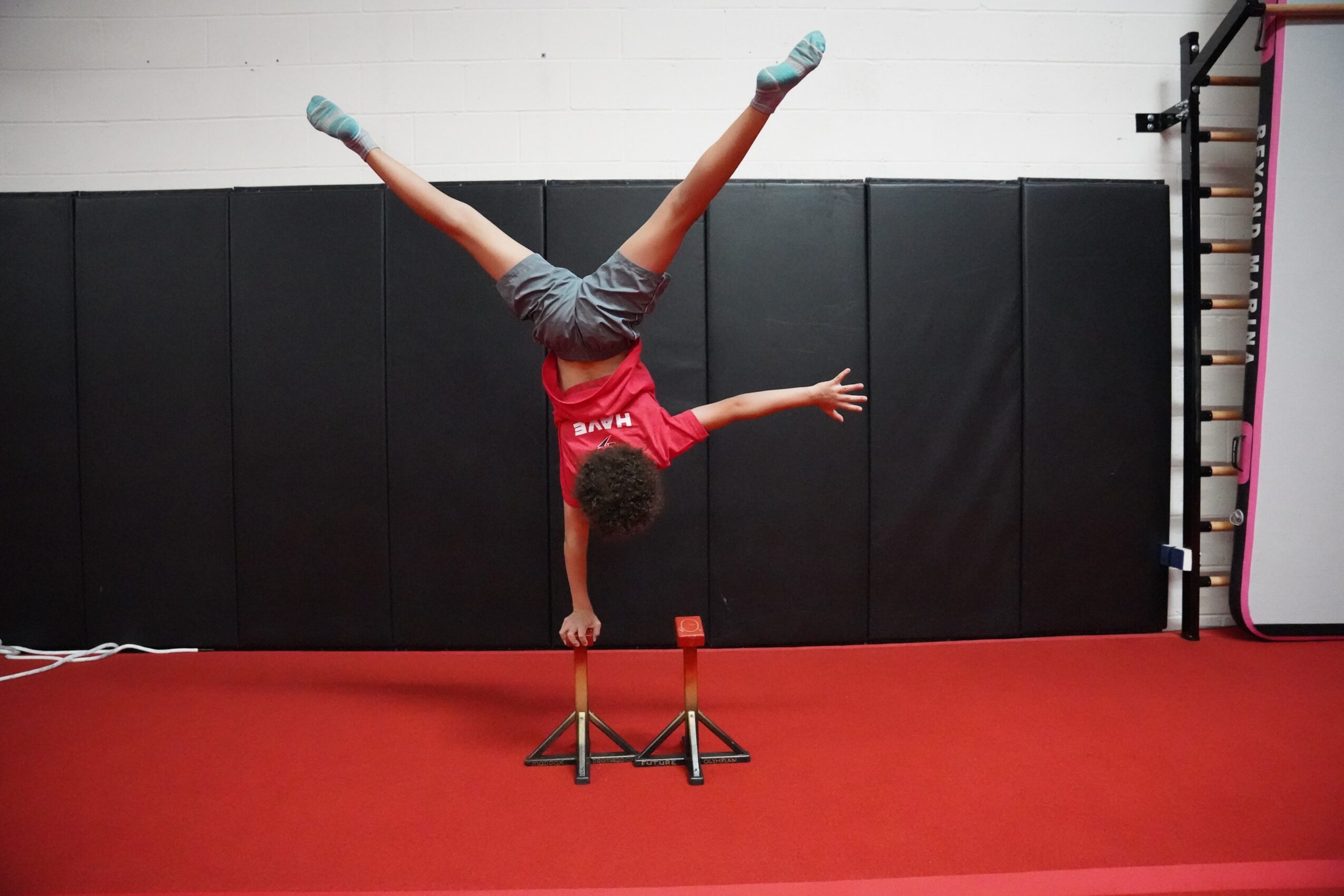
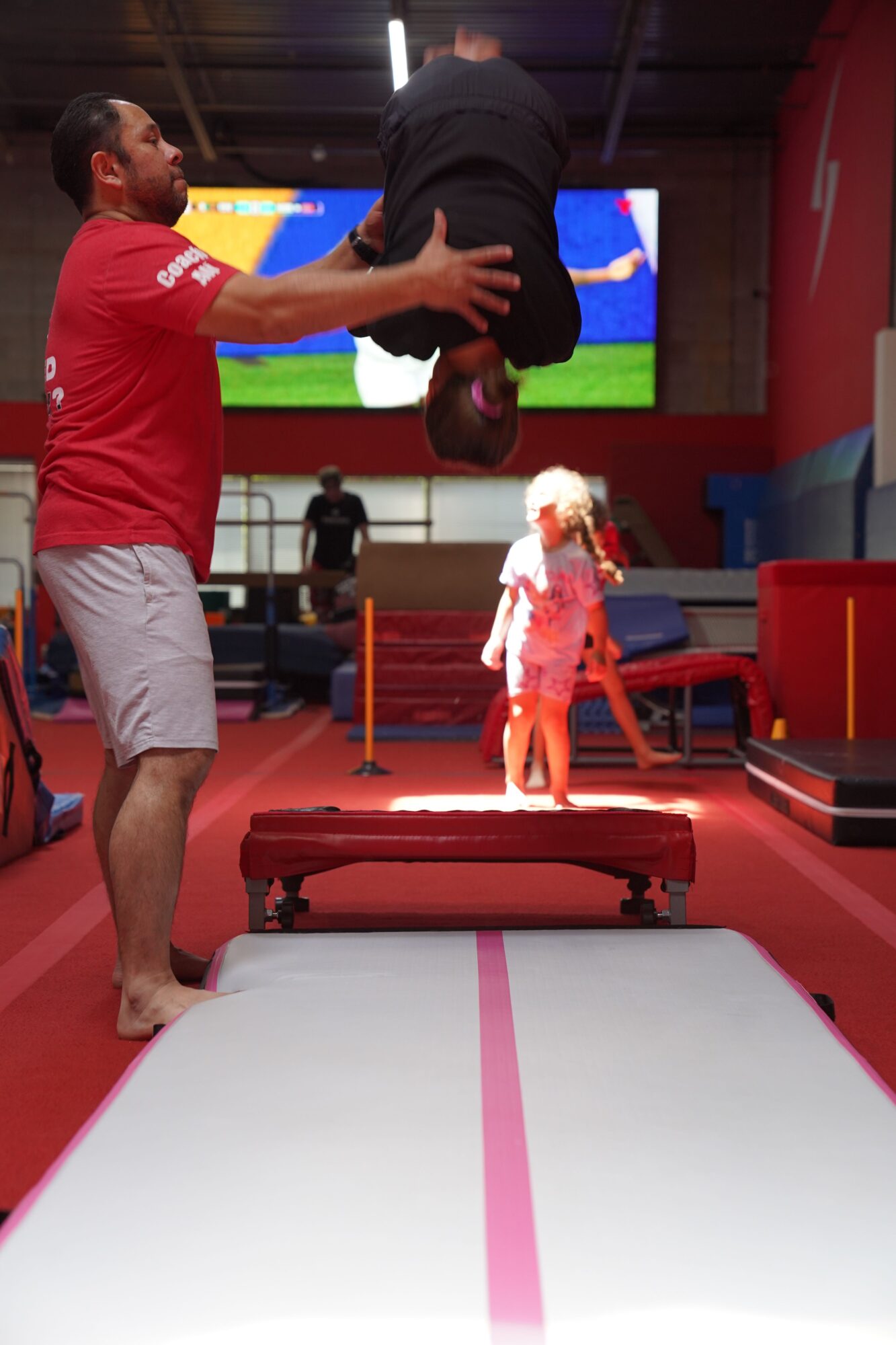
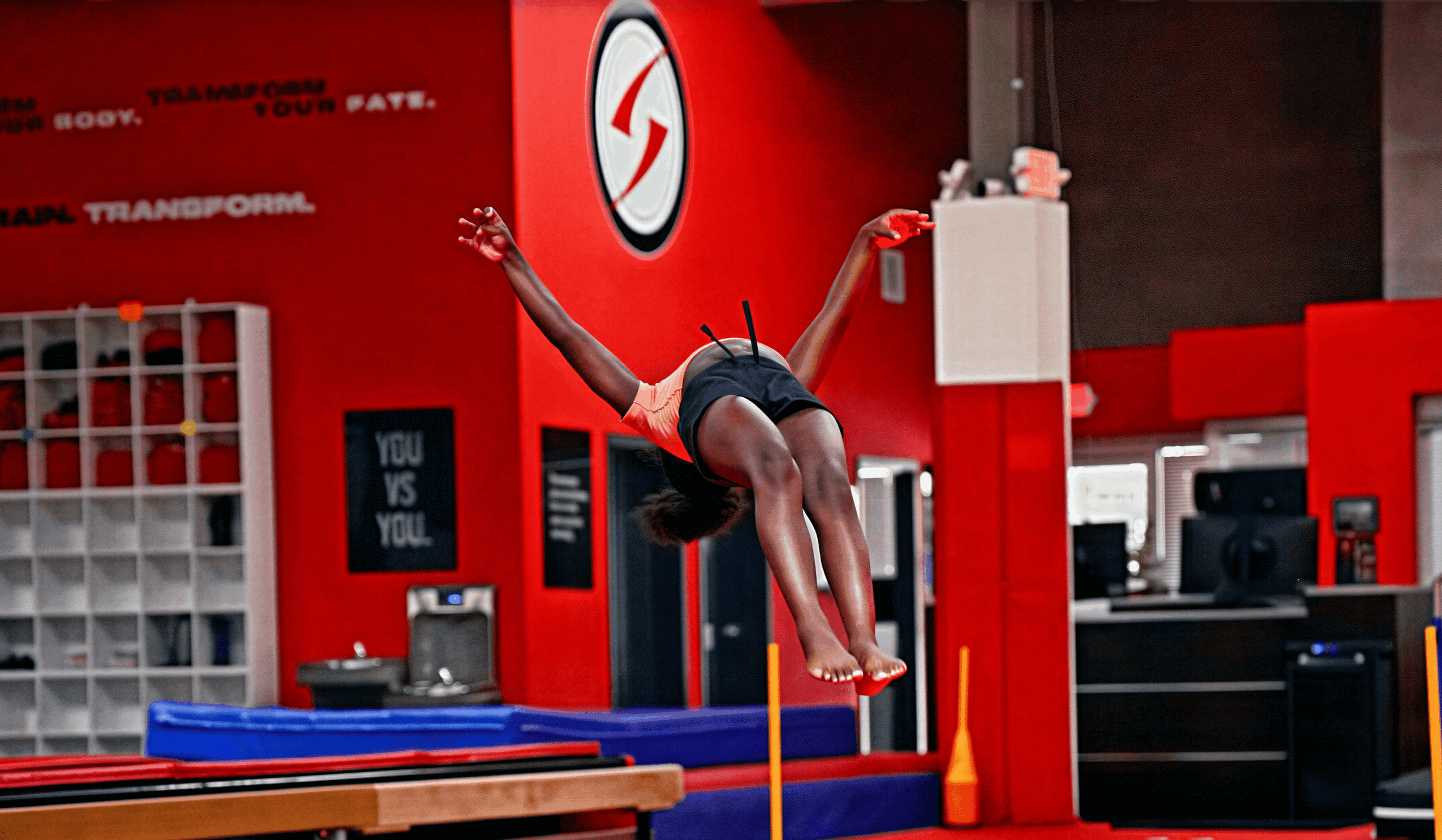
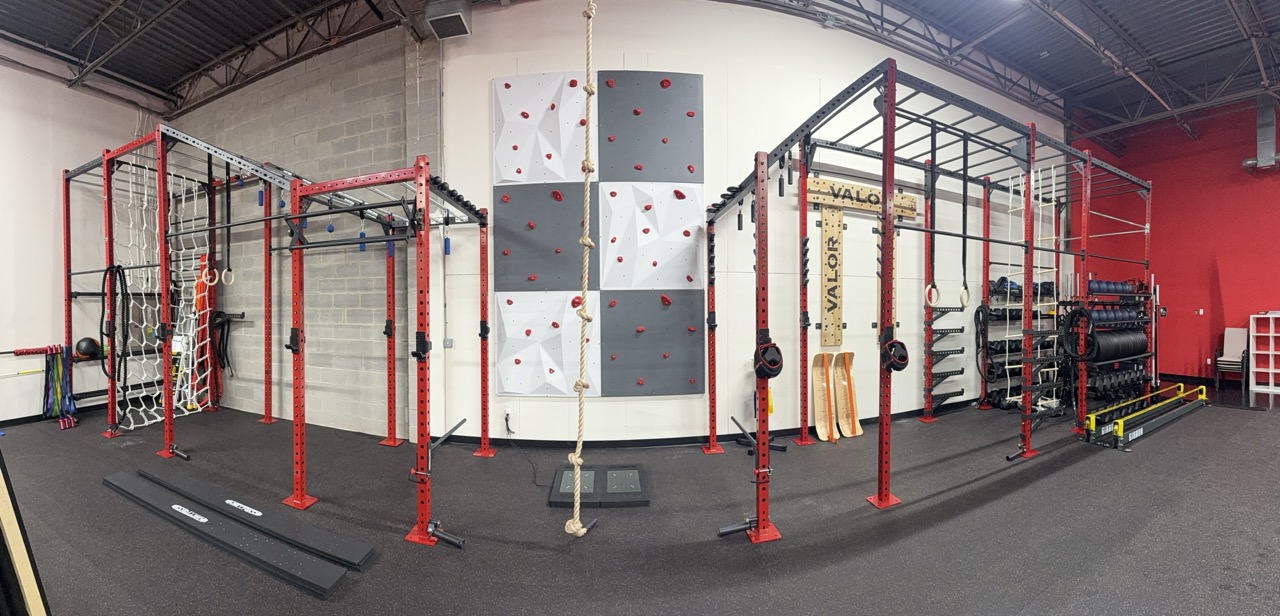
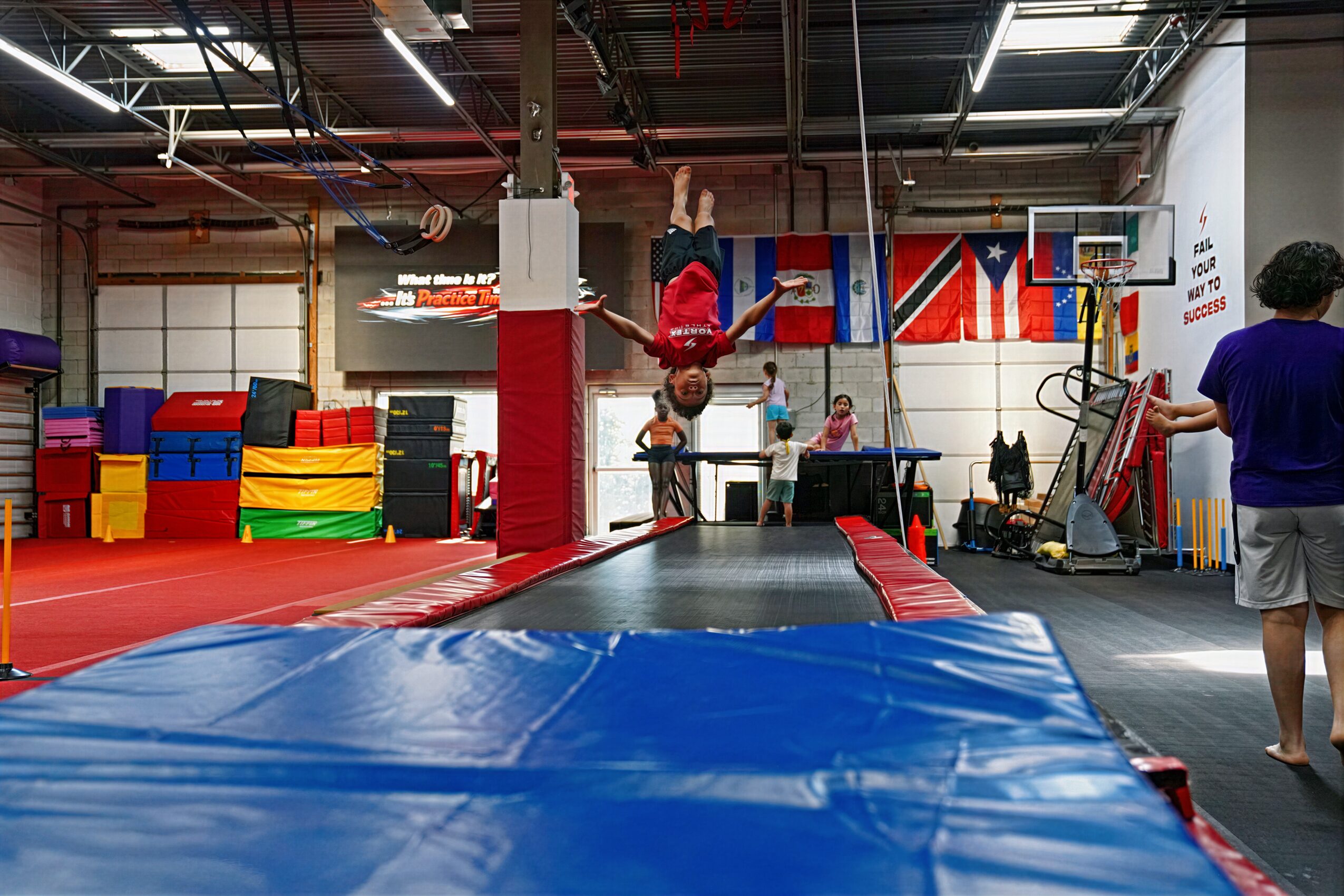
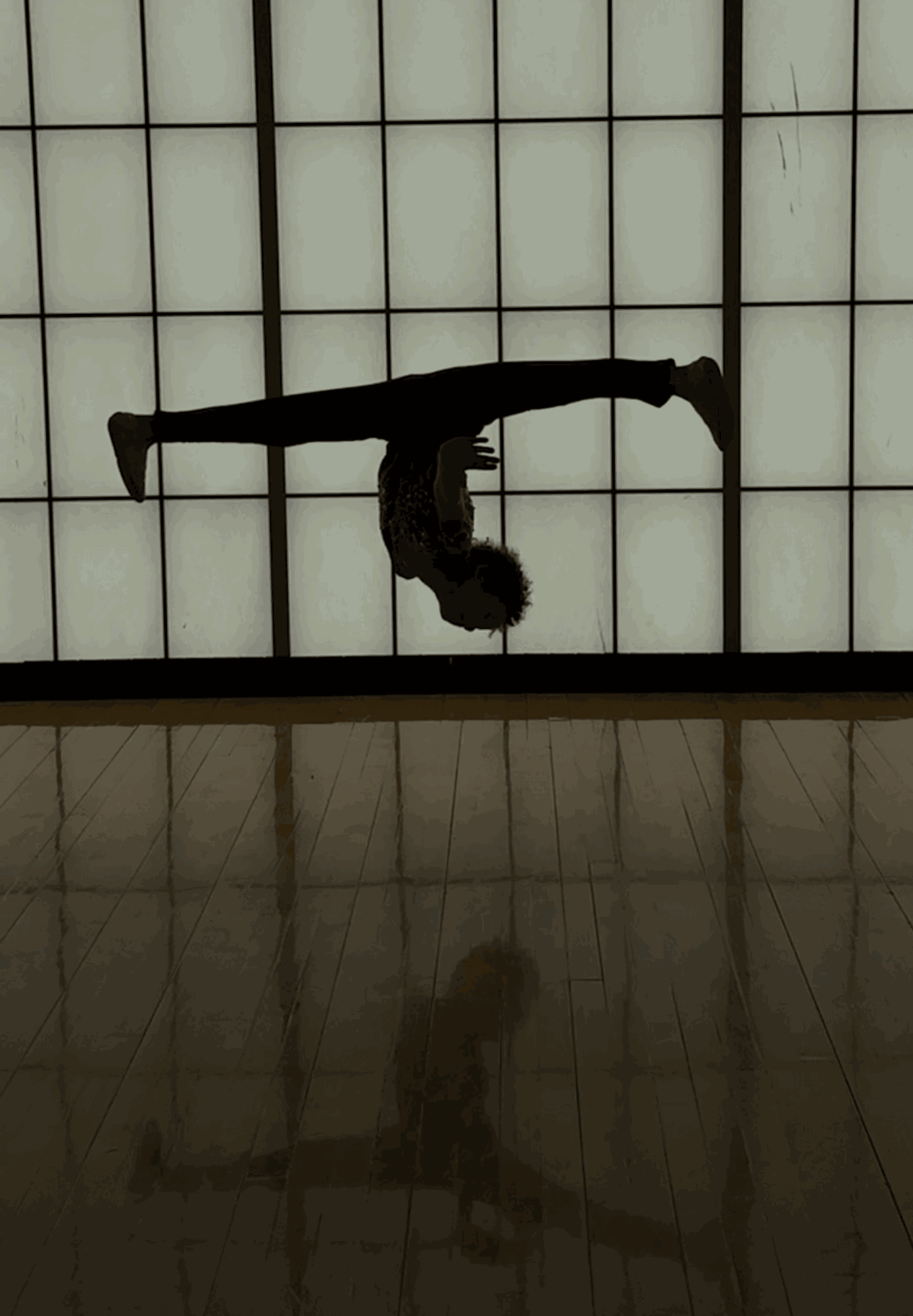
That became the foundation for Vortex Athletics & Gymnastics. We created a facility in Bowie that combines gymnastics, tumbling and athletic development rather than treating them as completely separate disciplines. We serve children at different levels—from beginners learning basic movement and body control to competitive gymnasts and serious young athletes working on strength, speed, coordination and performance.
Today, Vortex is a growing, family-owned business with a dedicated facility, recreational programs, competitive training, private coaching and broader youth athletic-development programs. We are still early in the journey, but the vision has remained consistent: to build more than great gymnasts or athletes. We want to help young people become confident, disciplined and resilient—and learn that failure isn’t something to fear; it is part of the process of becoming successful.
Would you say it’s been a smooth road, and if not what are some of the biggest challenges you’ve faced along the way?
It definitely has not been a completely smooth road. One of the biggest challenges came almost immediately: just as we launched Vortex, I lost my position with a major government contracting firm. I had to quickly move into a new role on another contract, and the demands of starting over professionally kept me away from the business more than I anticipated. As a result, I have not yet been able to fully launch and grow our Athleticism Accelerator program the way I originally intended.
Building customer awareness has also been challenging. We are growing, but more slowly than we would like. Our facility is tucked away in an industrial area with very little visibility from normal traffic, so people generally do not discover us simply by driving past. We have to work continuously through community outreach, referrals, social media and local partnerships to introduce families to Vortex and show them what makes our programs different.
The most serious uncertainty involves Coach Ali and his wife, Coach Maria. Although they are legally in the United States, they continue to face the possibility of visa revocation and deportation. That creates tremendous personal stress for their family, but it also presents a major continuity risk for Vortex because their coaching expertise, relationships with our athletes and day-to-day involvement are central to the business.
These challenges have forced us to be patient, adaptable and persistent. Growth has taken longer than we initially hoped, but we continue to gain athletes, strengthen our programs and build trust within the community. In many ways, we are living the same lesson we teach our athletes: progress is rarely a straight line, and setbacks are part of the process. What matters is how you respond to them.
Thanks for sharing that. So, maybe next you can tell us a bit more about your work?
My professional life has never followed a single lane. I spent 23 years in the Marine Corps, where I developed as a leader, instructor and problem-solver. Since retiring, I have worked at the intersection of national security, artificial intelligence, software development and business growth. I have also built businesses, developed products and spent nearly a decade coaching young athletes across multiple sports.
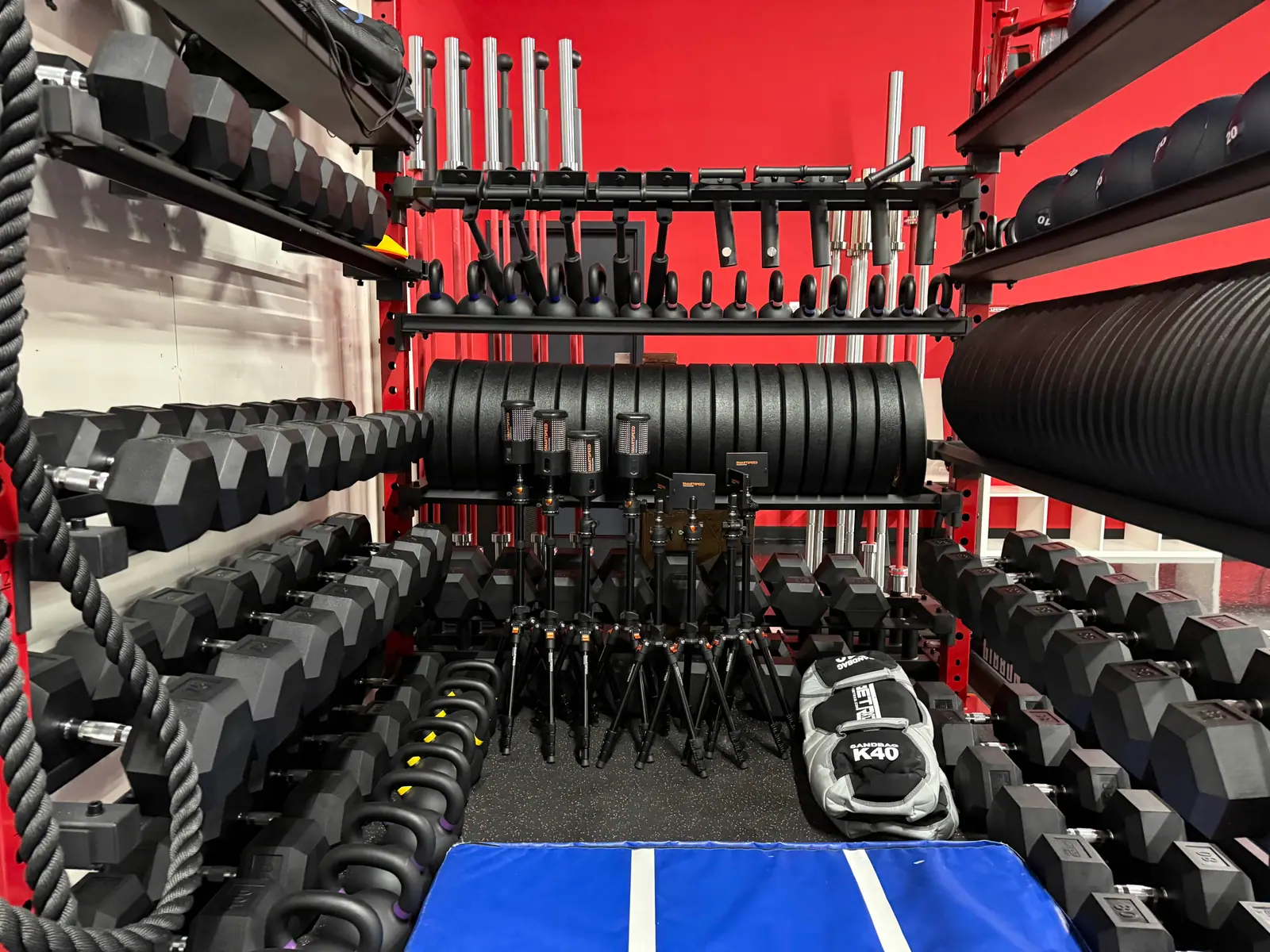
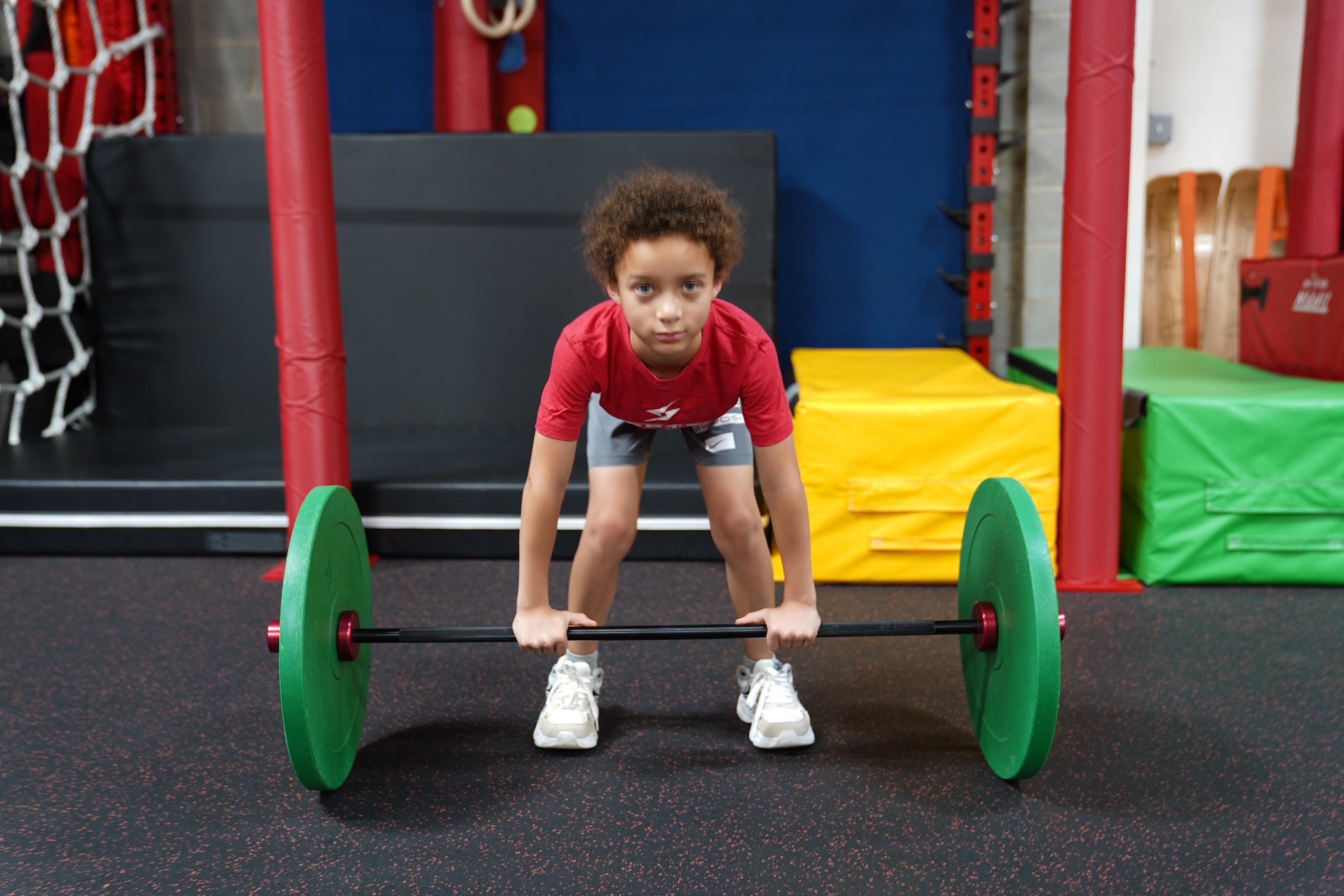
At Vortex, I serve as co-founder, president and Director of Athletic Performance. I help set the direction of the business while also developing our broader athletic-performance programs. My specialty is looking beyond a single sport and helping athletes build the underlying qualities that transfer across sports—strength, speed, explosiveness, coordination, balance, body control and resilience. I am especially interested in movement intelligence: teaching young athletes not simply to perform drills, but to recognize what is happening, make decisions and control their bodies under changing conditions.
What probably sets me apart is the combination of experiences I bring to the work. The Marine Corps taught me leadership, discipline and how to build effective teams. My technology and AI career taught me how to analyze complicated problems and create systems around them. Entrepreneurship taught me how to turn an idea into something real, often with limited resources. Coaching taught me that every athlete develops differently and that high standards work best when they are paired with patience, trust and genuine investment in the individual.
I am proud of the businesses and technical solutions I have helped build, but I am most proud of the impact I have had on young people. That includes helping my daughter develop into a Division I athlete and a member of two national championship teams, but it also includes every child who gains confidence, learns a new skill or begins to see themselves differently because of something we taught them.
Ultimately, I think I am known for seeing potential—in people, ideas and organizations—and then building a path to help that potential become something real. That is what connects the different chapters of my career, and it is the same principle at the heart of Vortex.
Can you talk to us a bit about the role of luck?
I believe luck plays a role in everyone’s life. I have certainly experienced both. Meeting Coach Ali at the right time was good fortune and ultimately helped make Vortex possible. Losing my job just as we launched the business felt like extraordinarily bad luck. However, I also believe that we can increase the likelihood of finding “good luck” through preparedness, positivity and creativity.
Preparedness means doing everything within your control to position yourself for an opportunity before it appears. You may not know when the door will open, but when it does, you need the knowledge, experience and courage to walk through it.
Positivity keeps you engaged during the most difficult periods. It does not mean ignoring reality or pretending that problems do not exist. It means continuing to search for solutions when circumstances are discouraging. Where someone else might give up, you remain motivated, keep moving and continue looking for the next opportunity. At that point, what may appear to others as luck is often perseverance.
Creativity allows you to create opportunities where they might not otherwise exist. It helps you examine problems from different angles, find alternate paths and take a small sliver of possibility and turn it into a much larger opportunity.
Most successful people will attribute at least part of their success to luck, and I do not disagree with them. We cannot control timing, circumstances or every obstacle placed in our path. But if we remain prepared, positive and creative, we place ourselves in more situations where good things can happen. In that sense, I believe we make much of our own luck.
Pricing:
- Multi class discounts for individuals and families.
Contact Info:
- Website: https://vortexathletics.com
- Instagram: @vortexathletics.usa
- Facebook: https://www.facebook.com/VortexAthleticsUSA/
- Youtube: @VortexAthleticsUSA