



Today we’d like to introduce you to David Trowbridge.
David, we appreciate you taking the time to share your story with us today. Where does your story begin?
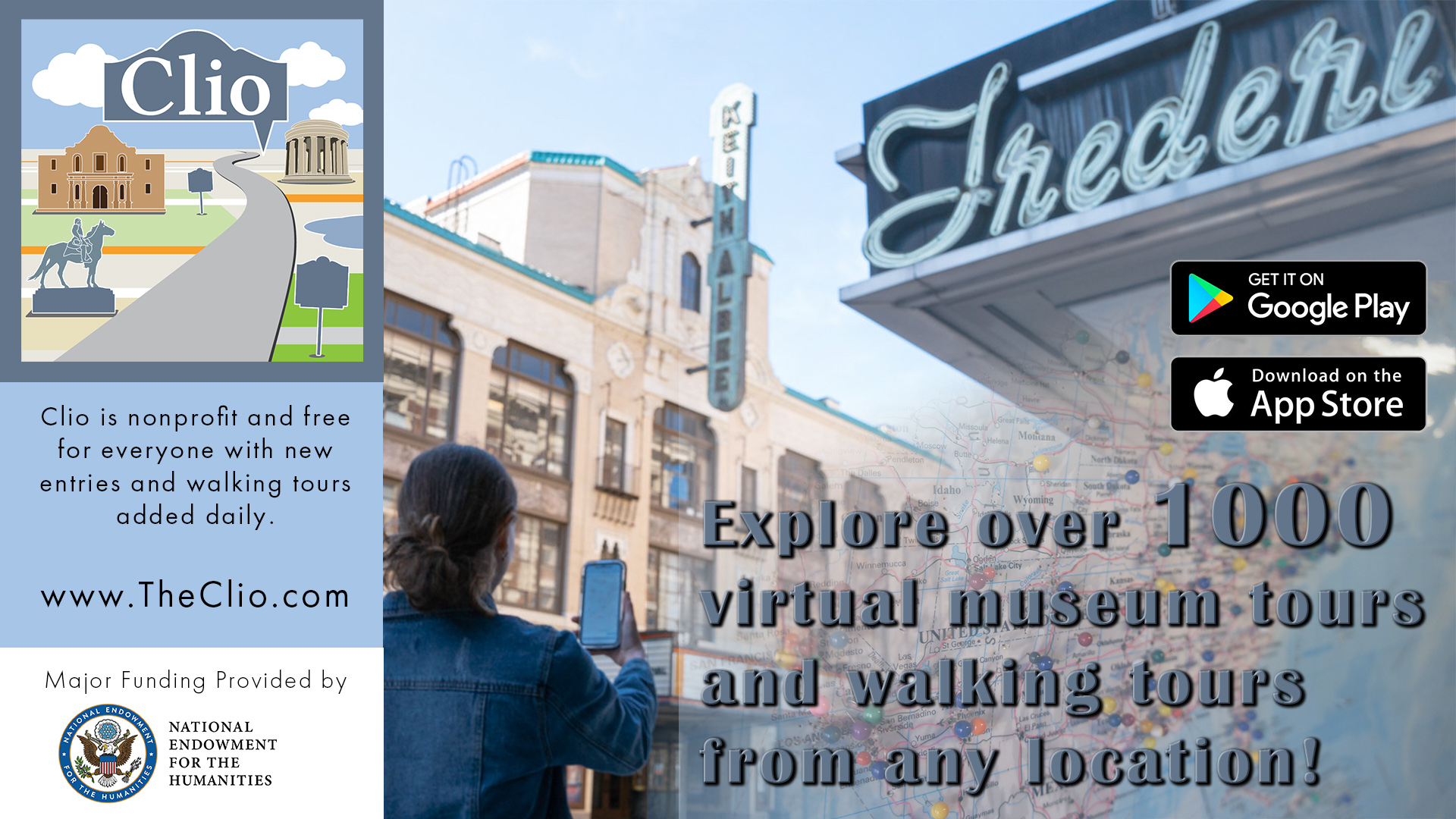
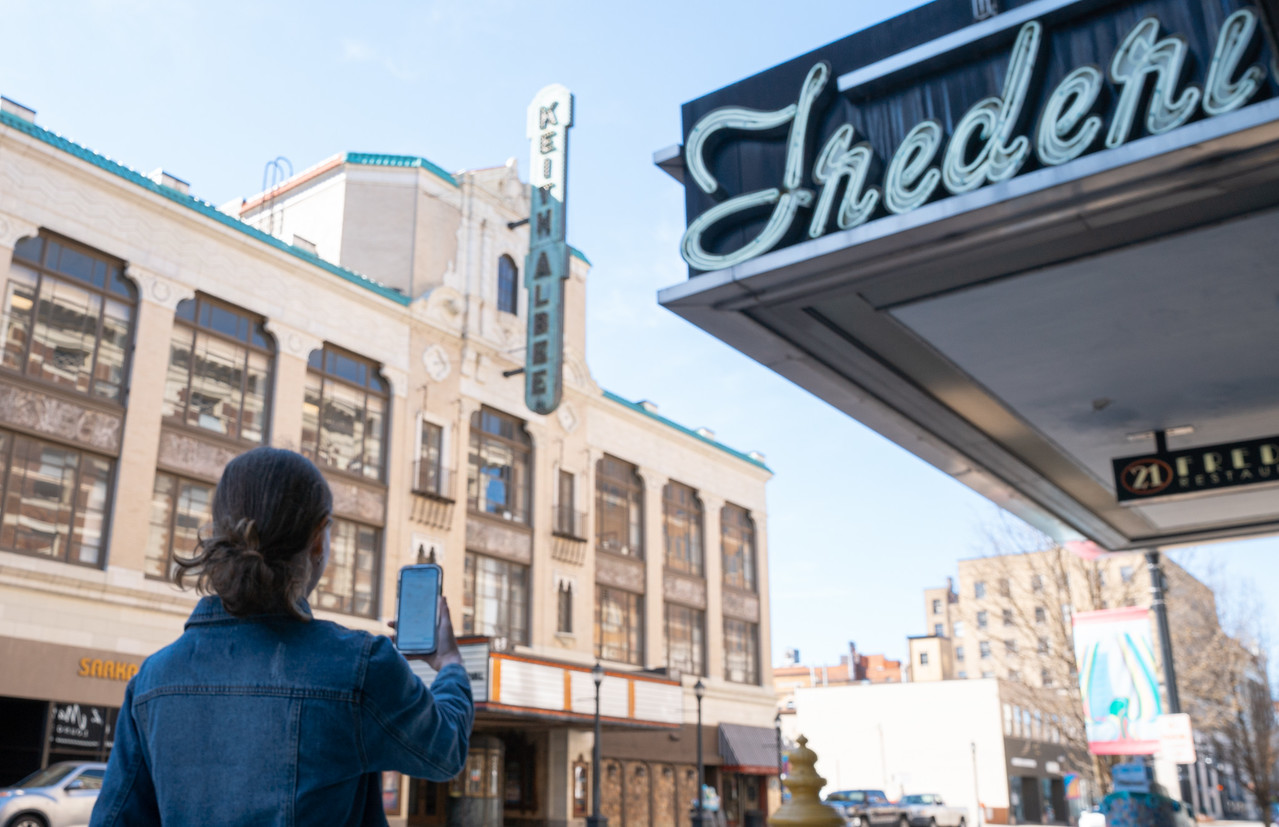
Clio is a website and app that guides millions to nearby history and culture. It’s operated by a nonprofit 501(c)(3) and is a free platform for everyone, with a growing community of museums, historical societies, libraries, universities, etc., using it to build articles for landmarks in their community, along with walking and driving tours. Anyone can browse or search the website or the mobile app, and if they share their location, the mobile app shows the nearest landmarks in relation to you and updates so that people can walk or drive and discover the history behind places all over the US. The project began 12 years ago in a history class and grew into a nonprofit dedicated to helping people discover and learn about their hometown or any place they visit.
This one-minute video shows Clio in action as a way to discover history as they travel the US or explore their hometown. https://www.youtube.com/watch?v=aF8lXIBV07k
Here is a piece from the National Humanities Alliance: https://humanitiesforall.org/projects/clio
Would you say it’s been a smooth road, and if not what are some of the biggest challenges you’ve faced along the way?
I’m a history professor, so I had to learn how to build the original website and then worked with developers to maintain and improve it over the past 12 years, while keeping the platform free and easy to use. But it’s connecting people to histories at the exact moment of their curiosity, and that keeps me going.
FAQs: https://theclio.com/faqs
Appreciate you sharing that. What else should we know about what you do?
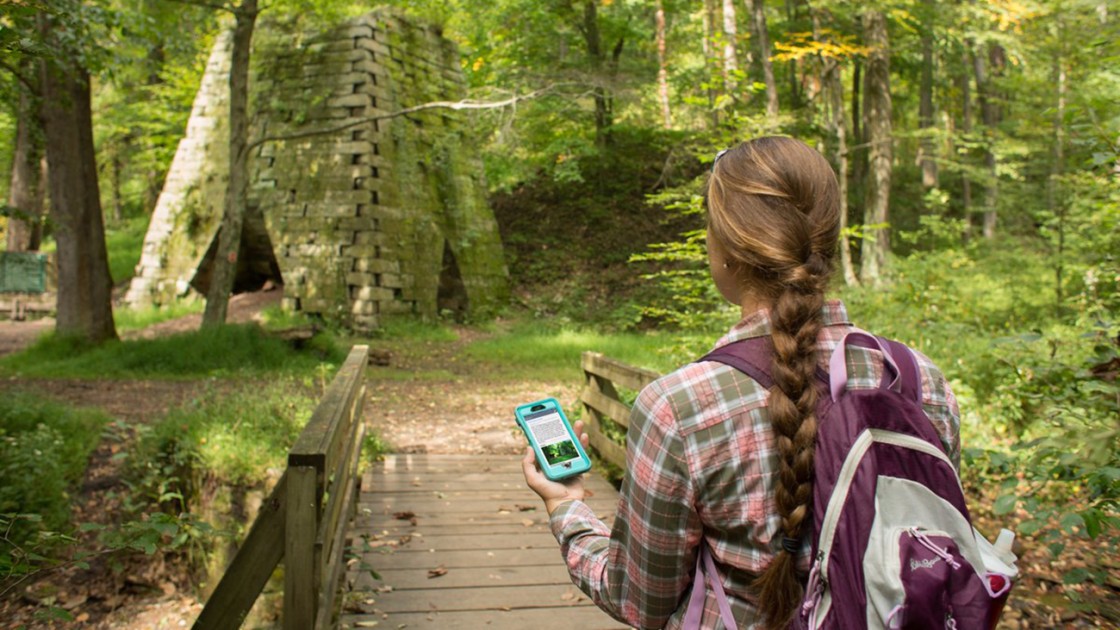
Clio began as a local history program, and when more cities wanted to build something similar, the professor in that class created a nonprofit and made it so that organizations could build entries for landmarks and complete walking and driving tours at no cost. He named it in honor of the ancient muse of history, and asked how smartphones could make us smarter and more connected. Since our phones know where we are, they can share history at the precise moment of curiosity while also offering the capacity to search and browse. In recent years, organizations have built educational hiking trails and interpretive art walks where people can listen to park rangers, artists, historians, and local residents narrate their walk.
Here is my personal website: https://www.davidjtrowbridge.com/
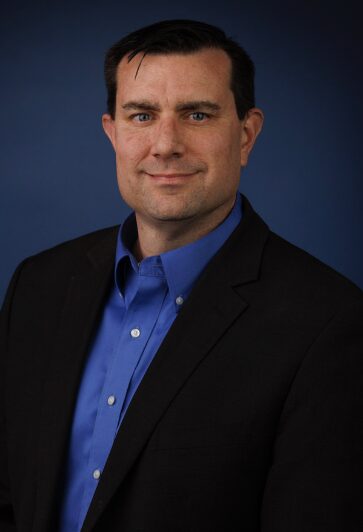
Dr. David Trowbridge (Ph.D. Kansas, 2008) is the William T. Kemper Associate Research Professor of Digital and Public Humanities at the University of Missouri-Kansas City.
Contact Info:
- Website: https://theclio.com/
- Instagram: https://www.instagram.com/cliofoundation/
- Facebook: https://www.facebook.com/TheClio
- Twitter: https://x.com/thecliodotcom
- Youtube: https://www.youtube.com/@ClioYourGuidetoHistory