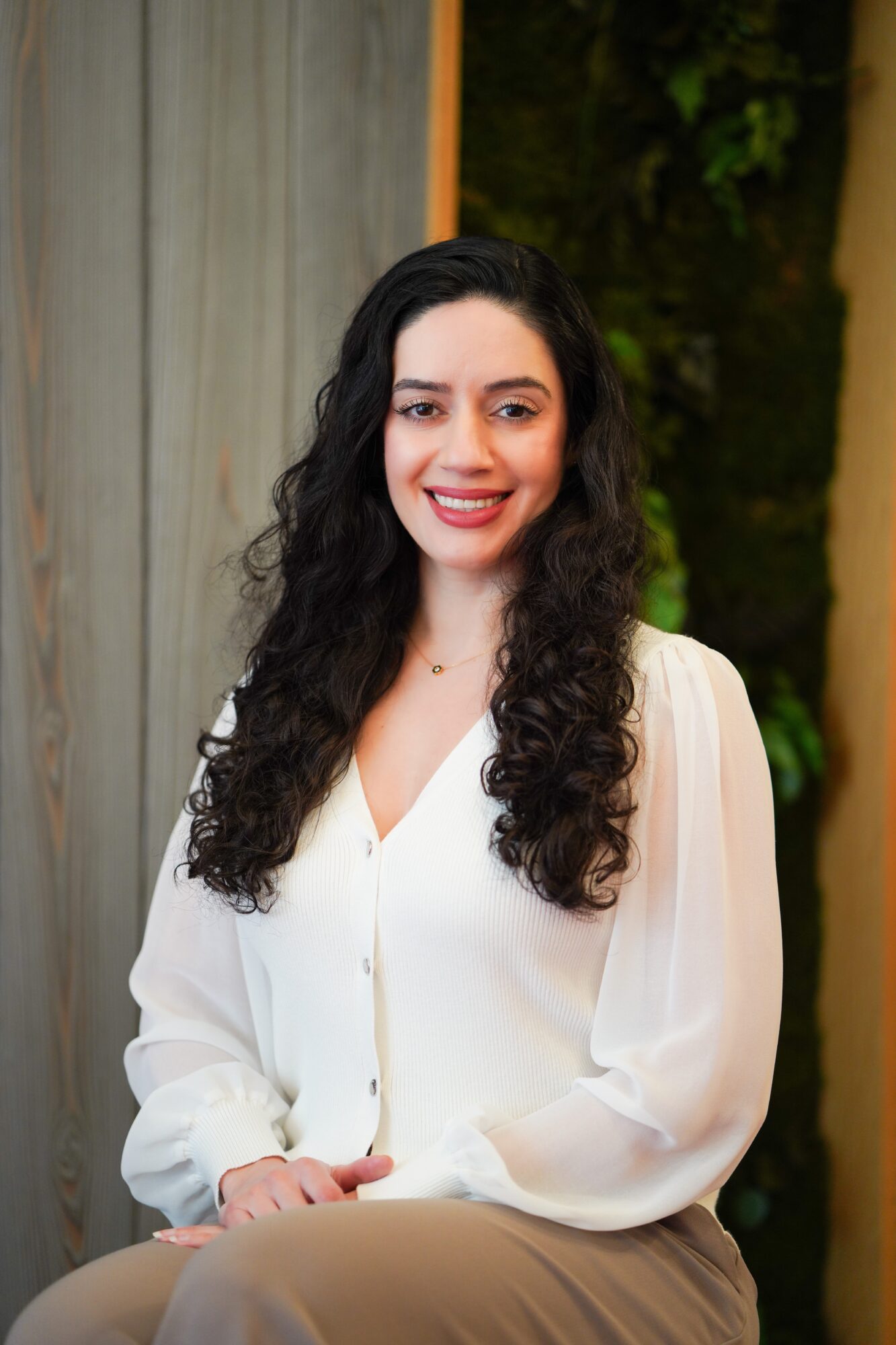




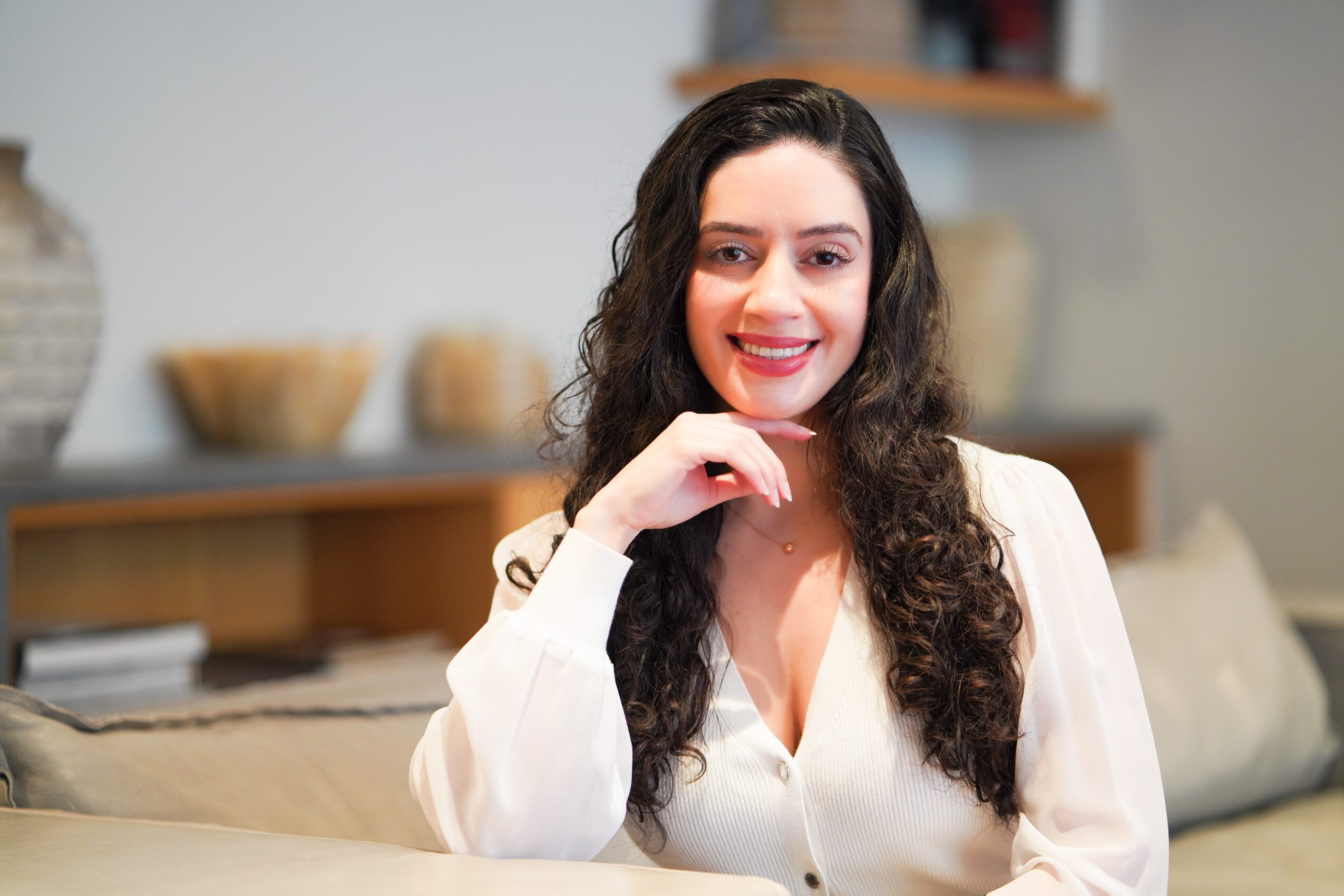
Today we’d like to introduce you to Setareh Kamali.
Hi Setareh, thanks for sharing your story with us. To start, maybe you can tell our readers some of your backstory.
For more than a decade, I worked as a federal employee in public affairs and communications, most recently at the National Institute of Mental Health (NIMH), part of the National Institutes of Health. At NIMH, I focused on communicating trusted, evidence-based mental health information in ways people could understand and use.
Over the years, I became increasingly interested in a question that information alone couldn’t answer: Why do so many of us know what we should be doing for our health, but still struggle to actually do it?
Most people don’t need another list telling them to exercise, eat healthier, manage their stress, or get more sleep. We’re surrounded by health information. The harder part is figuring out how to make meaningful changes within the realities of our actual lives—and how to keep going when life inevitably gets in the way.
That realization ultimately led me to health and wellness coaching.
After more than a decade in federal service, my position was eliminated in 2025 as part of a federal reduction in force (RIF). It was an unexpected turning point that allowed me to think seriously about what I wanted the next chapter of my life to look like. Rather than trying to recreate my previous career, I decided to pursue something I had become increasingly passionate about: helping people turn what they know about health into changes they can actually sustain.
I completed Georgetown University’s Health & Wellness Coaching program and founded SET Health Coaching.
Today, I work one-on-one with people who want to improve their health and well-being but may feel stuck, overwhelmed, or frustrated because they know what they want to change but struggle to follow through. My approach isn’t about perfection, quick fixes, or giving people another list of things they “should” be doing. It’s about helping people understand what’s getting in their way and create realistic, sustainable changes that actually fit their lives.
I’ve also started expanding that message through my YouTube channel, SET Sessions, where I talk about behavior change, healthy habits, self-care, mindset, and what realistic wellness actually looks like—especially in a world where we’re constantly being shown what health and wellness are “supposed” to look like.
In many ways, SET Health Coaching brings together everything I’ve done throughout my career—health communication, education, behavior change, and connecting with people—but in a much more personal way. I still help people navigate health information, but now I get to help them bridge the gap between knowing what to do and actually making it part of their lives.
I’m sure it wasn’t obstacle-free, but would you say the journey has been fairly smooth so far?
One of the biggest challenges was simply how unexpectedly this chapter of my life began. After spending more than a decade in federal service, having my position eliminated through a reduction in force meant losing not only a job, but also the stability and professional identity I had built over many years.
Starting a business after that required a very different kind of confidence. In federal service, I knew how to do my job and had years of experience behind me. Entrepreneurship meant becoming a beginner again. Suddenly, I wasn’t just a health coach; I was also responsible for building a brand, finding clients, marketing my services, creating content, networking, and figuring out what worked, often without knowing whether something would pay off.
One of the biggest lessons has been getting more comfortable with uncertainty. When you’re building something from scratch, there isn’t always immediate validation that you’re on the right path. You can put a lot of effort into something and not see results right away. I’ve had to remind myself that consistency and progress don’t always look exciting in the beginning.
Interestingly, that experience has also made me a better coach because I’ve had to practice many of the same things I talk about with my clients. I’ve had to challenge perfectionism, take small steps, experiment, adjust when something isn’t working, and keep moving forward without having everything figured out.
I think we sometimes imagine that starting over means having a perfectly mapped-out new beginning. My experience has been much messier than that, but also much more meaningful. I’m learning to measure progress not by whether everything goes according to plan, but by whether I’m still building a life and career that feel aligned with who I am and what matters to me.
Great, so let’s talk business. Can you tell our readers more about what you do and what you think sets you apart from others?
SET Health Coaching is a one-on-one health and wellness coaching practice built around a simple belief: most people don’t need more information about what they “should” be doing for their health; they need support turning what they already know into changes that work in their real lives.
I work with people who want to improve their health and well-being but feel stuck, overwhelmed, inconsistent, or frustrated that they can’t seem to follow through. That might mean creating a more sustainable exercise routine, improving self-care, managing stress, prioritizing sleep, navigating a life transition, or simply feeling better and more in control of their well-being.
What sets my approach apart is that I’m not here to hand someone a perfect routine or tell them exactly how they should live. Coaching is collaborative and personalized. We look at the whole person, their goals, values, responsibilities, environment, barriers, and what is realistically sustainable for them, and then work together to turn intentions into action.
My background also gives me a unique perspective. I spent more than a decade in federal public affairs and communications, including years communicating evidence-based mental health information at the National Institute of Mental Health, and later trained in health and wellness coaching at Georgetown University. I bring those worlds together through an approach that values credible health information while recognizing that knowing what to do and actually being able to do it are two very different things.
Clients can work with me through several coaching packages—Spark, Empower, and Thrive—depending on the level and length of support they’re looking for. I offer a complimentary Clarity Call so people can talk with me about what they’re experiencing, what they would like to change, and whether coaching feels like the right fit before committing.
I’m especially proud that the SET brand doesn’t present wellness as something that has to be perfect, aesthetically pleasing, or all-consuming. I want health to feel like something that supports your life, not something your entire life has to revolve around.
That philosophy also extends to SET Sessions, my YouTube channel, where I have honest conversations about behavior change, healthy habits, mindset, self-care, and realistic wellness. My goal with both SET Health Coaching and SET Sessions is to create a space where people can step away from the pressure to do health “perfectly” and instead ask a more useful question: What could being healthier realistically look like for me?
In terms of your work and the industry, what are some of the changes you are expecting to see over the next five to ten years?
I think health and wellness coaching will become increasingly recognized as an important part of preventive health and whole-person care over the next 5–10 years. We’re already seeing greater awareness of the role health coaches can play in helping people make sustainable behavior changes and actually implement the recommendations they receive from healthcare professionals.
Technology will obviously play a major role in that evolution. AI, wearable devices, health apps, and other digital tools are giving people access to more personalized health information than ever before. I think those tools have tremendous potential, but I also believe they make the human side of health even more important.
We can have more data, more information, and more recommendations than ever before and still struggle with the same question: How do I actually make this work in my life?
That’s where I believe health coaching can grow. Technology can tell someone how much they slept, how many steps they took, or suggest ways to improve their health, but sustainable behavior change is deeply personal. People still need space to explore their motivations, barriers, priorities, confidence, and what they’re realistically willing and able to change.
I also think we’ll continue moving away from a one-size-fits-all definition of wellness. People are becoming more aware that health doesn’t have to look like a perfectly curated morning routine, an extreme fitness regimen, or following every wellness trend. There is growing value in approaches that are personalized, realistic, and sustainable.
Ultimately, I hope health coaching becomes a more familiar and accessible part of the broader healthcare and wellness landscape. I see coaches helping bridge an important gap between the information and recommendations people receive and what actually happens when they go home and try to incorporate those changes into their everyday lives.
Contact Info:
- Website: https://www.sethealthcoaching.com/
- LinkedIn: https://www.linkedin.com/in/setarehkamali/
- Youtube: https://www.youtube.com/@sethealthcoaching