



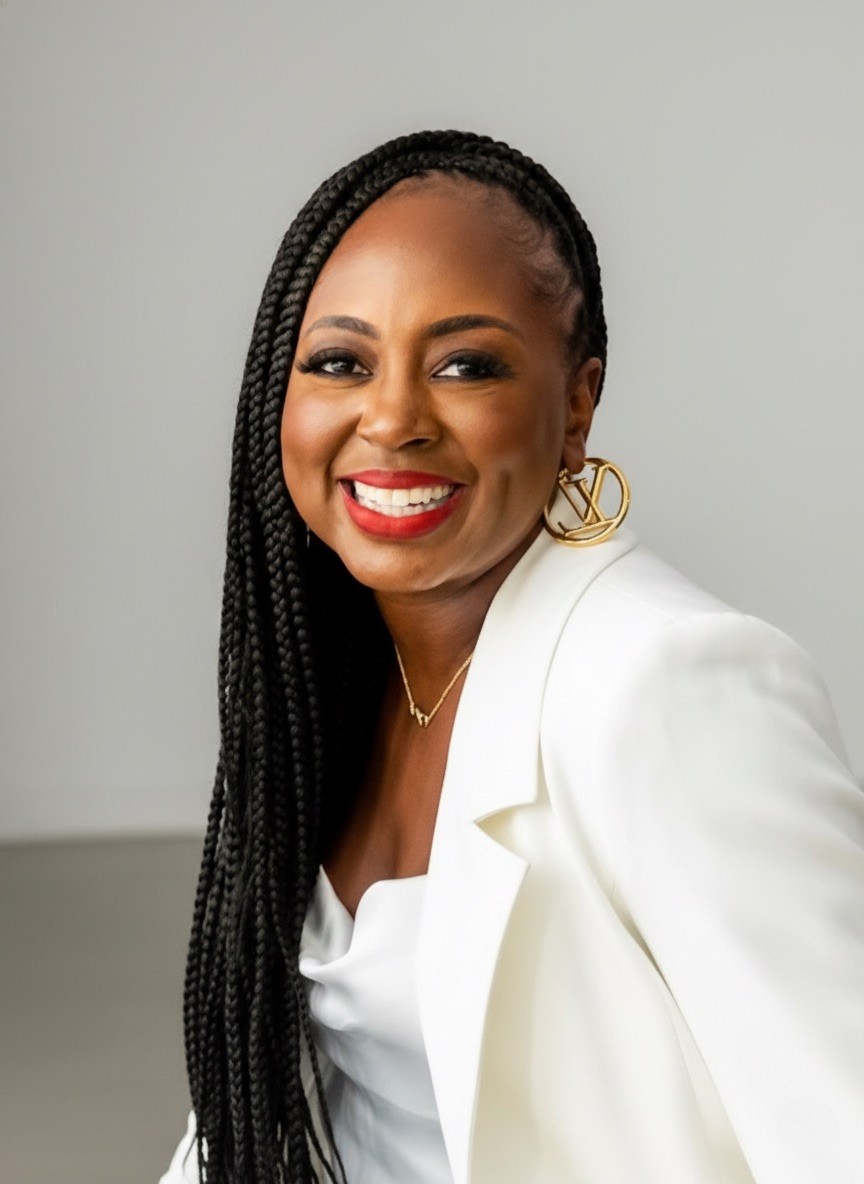
Today we’d like to introduce you to Natarsha Wright.
Hi Natarsha, it’s an honor to have you on the platform. Thanks for taking the time to share your story with us – to start maybe you can share some of your backstory with our readers?
My path has connected creativity, strategy, and the work it takes to bring an idea to life. Over more than 17 years working in operations, project leadership, and organizational support, I became the person who could see how the pieces fit together: the people, the processes, the systems, and the details that determine whether a plan actually works.
Alongside that experience, photography and creative work gave me another way to connect with people and tell their stories. Looking back, there has always been a common thread: I enjoy helping people see what is possible and making the next step feel clear and manageable.
That thread led me to entrepreneurship, and building a strategy and operations consultancy based in Maryland. I help leaders and lean teams bridge the gap between strategy and day-to-day execution. Sometimes that means clarifying priorities or improving a workflow. Other times, it means helping a team understand where AI can support their work and what needs to be in place before they introduce another tool. And other times it means being onsite with a client for implementation support for high impact brand and strategic partnership initiatives through Strategic Content Operations.
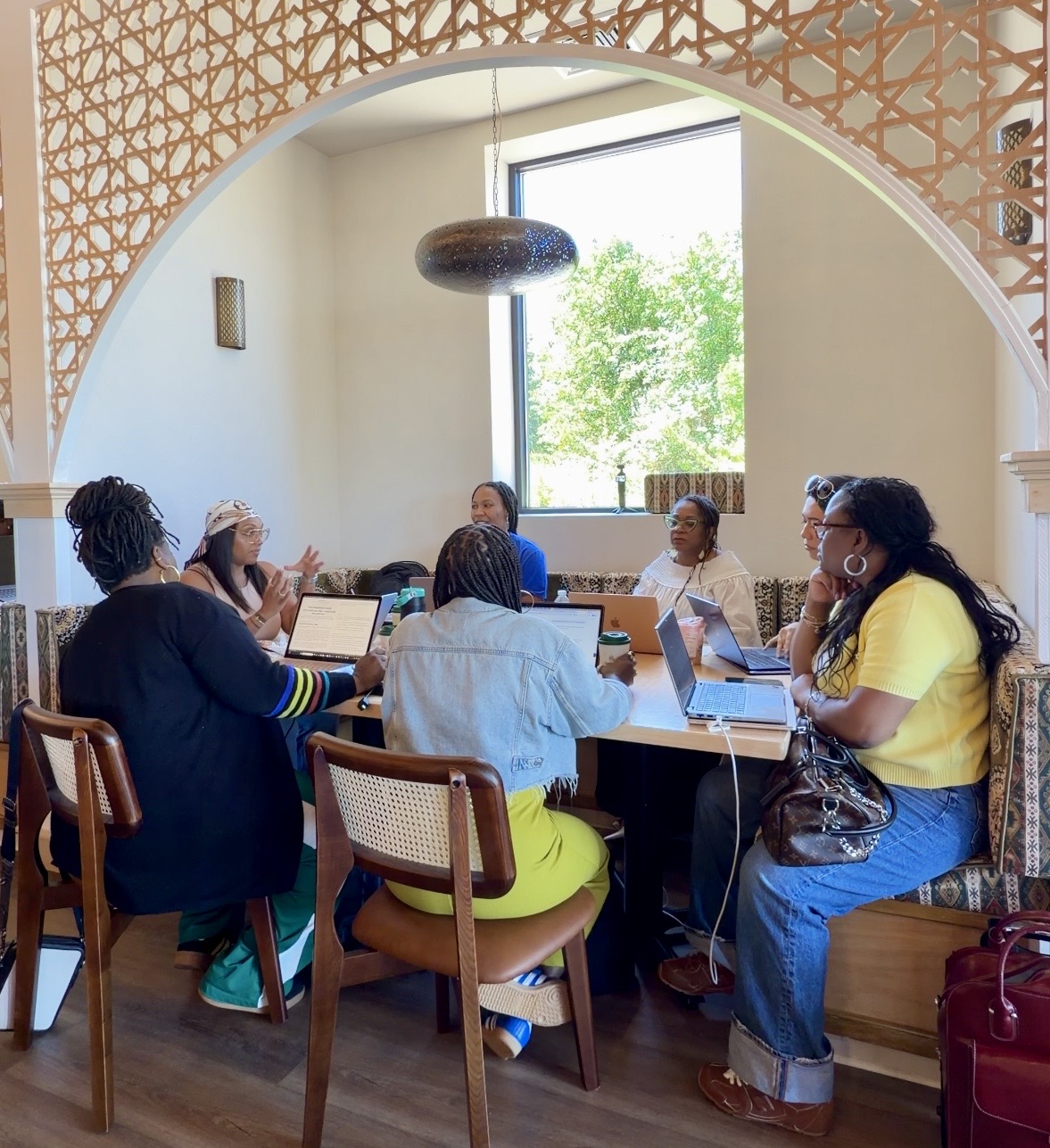
As I became more involved in AI, I saw a need for spaces where women founders and small business owners could ask questions, experiment, and build confidence together. That inspired BuildHer AI Network. I wanted to create room for learning that feels practical and accessible, with community built into the experience.
Today, my work brings together consulting, speaking, facilitation, and implementation. Faith, integrity, and community shape how I approach all of it. I am still building, learning, and stretching, but I am much clearer about the contribution I want to make: helping people move from a good idea to meaningful action.
I’m sure it wasn’t obstacle-free, but would you say the journey has been fairly smooth so far?
It has not been a straight line. One of the biggest challenges has been learning how to communicate the value of work that connects several areas. When your experience includes operations, strategy, creativity, and technology, it can be easy for people to see the individual pieces without seeing how they work together. I have had to get clearer about that connection myself so I can explain it simply to others.
Building a business has also required me to be honest about capacity. Having the ability to do something does not mean I have the time or space to do everything. I am learning to make more intentional decisions about what I take on, how I price my work, and what systems I need to support the business as it grows. The same clarity I help clients create is something I have to practice in my own business.
There is also the challenge of building in a field that changes as quickly as AI. There is always another tool, announcement, or conversation happening. I have had to stay grounded in the problems people actually need to solve and keep learning without feeling like I need to chase everything.
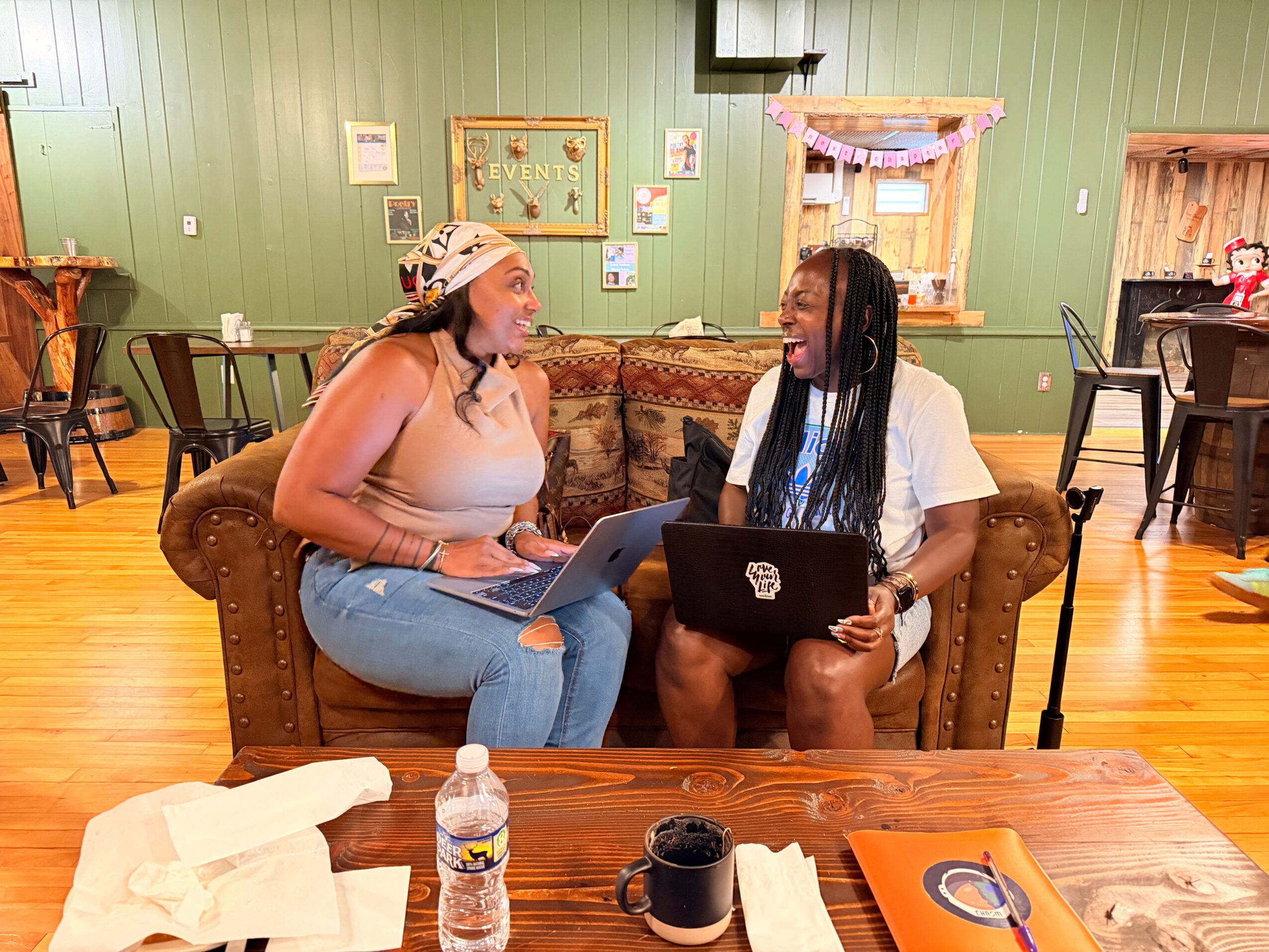
What has helped is being willing to take the next step before I have every detail figured out, while staying open to feedback and change. Community matters, too. Having people around me who share knowledge, make introductions, and remind me of what I bring to the table has made a difference. I am learning that growth requires both courage and structure.
Appreciate you sharing that. What should we know about Ethos Strategy Partners?
I’m known for helping leaders and lean teams close the gap between strategy and execution. A business can have a strong vision and capable people and still struggle because priorities are unclear, processes live in someone’s head, or the systems do not support how the team actually works. That is where I come in.
My work focuses on business strategy, operational improvement, practical AI adoption, and change leadership. Through consulting, working sessions, workshops, and implementation support, I help clients identify what needs attention, decide where to start, and put a workable plan into practice. That might involve mapping a process, organizing a team’s work, or identifying an AI use case that can reduce repetitive tasks and give people more time for higher-value work.
What sets my approach apart is that I look at the whole picture. Before recommending a tool or an automation, I want to understand the goal, the people doing the work, and what is getting in their way. A solution needs to make sense for the organization’s capacity and be something the team can actually use and sustain.
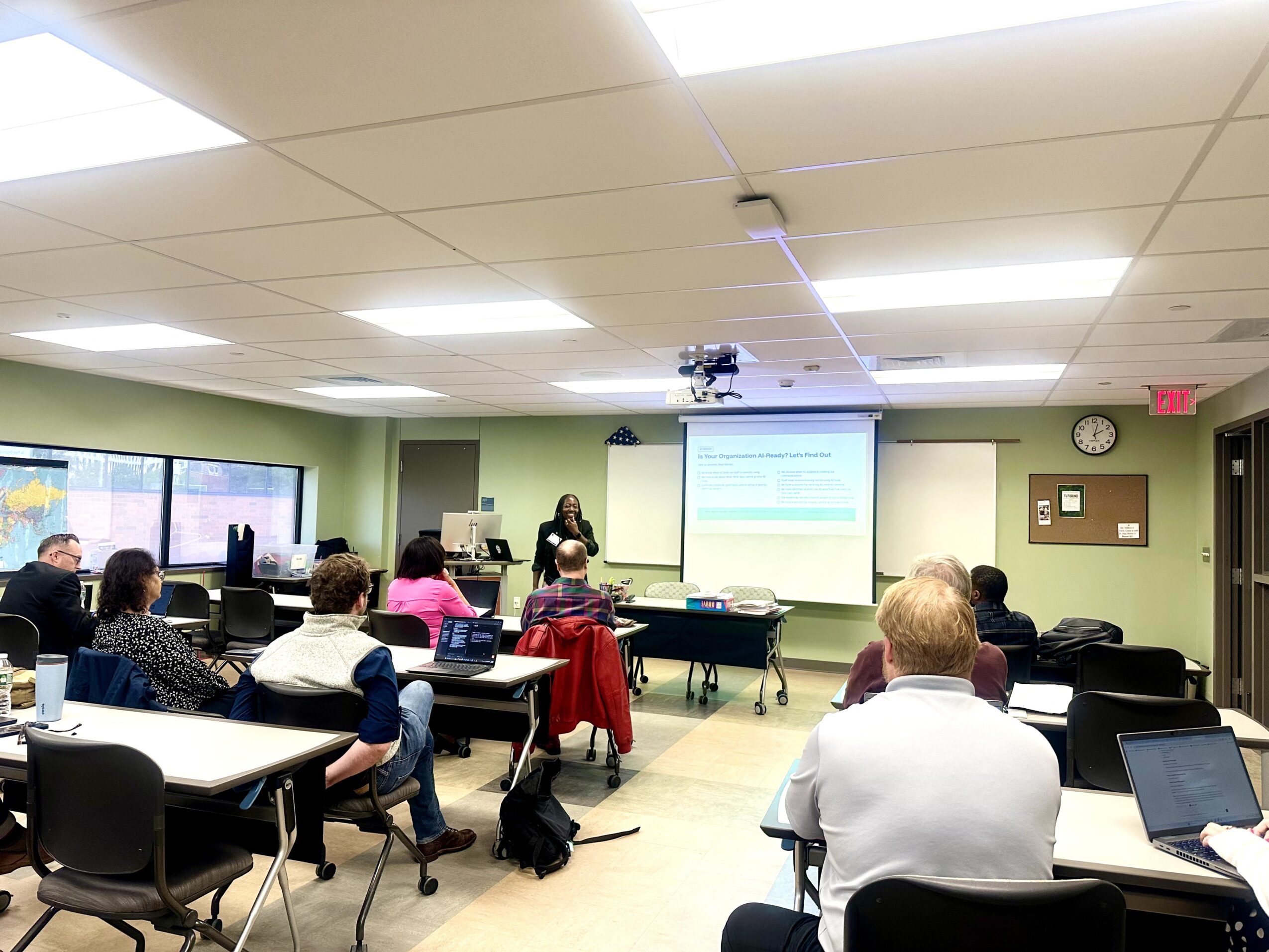
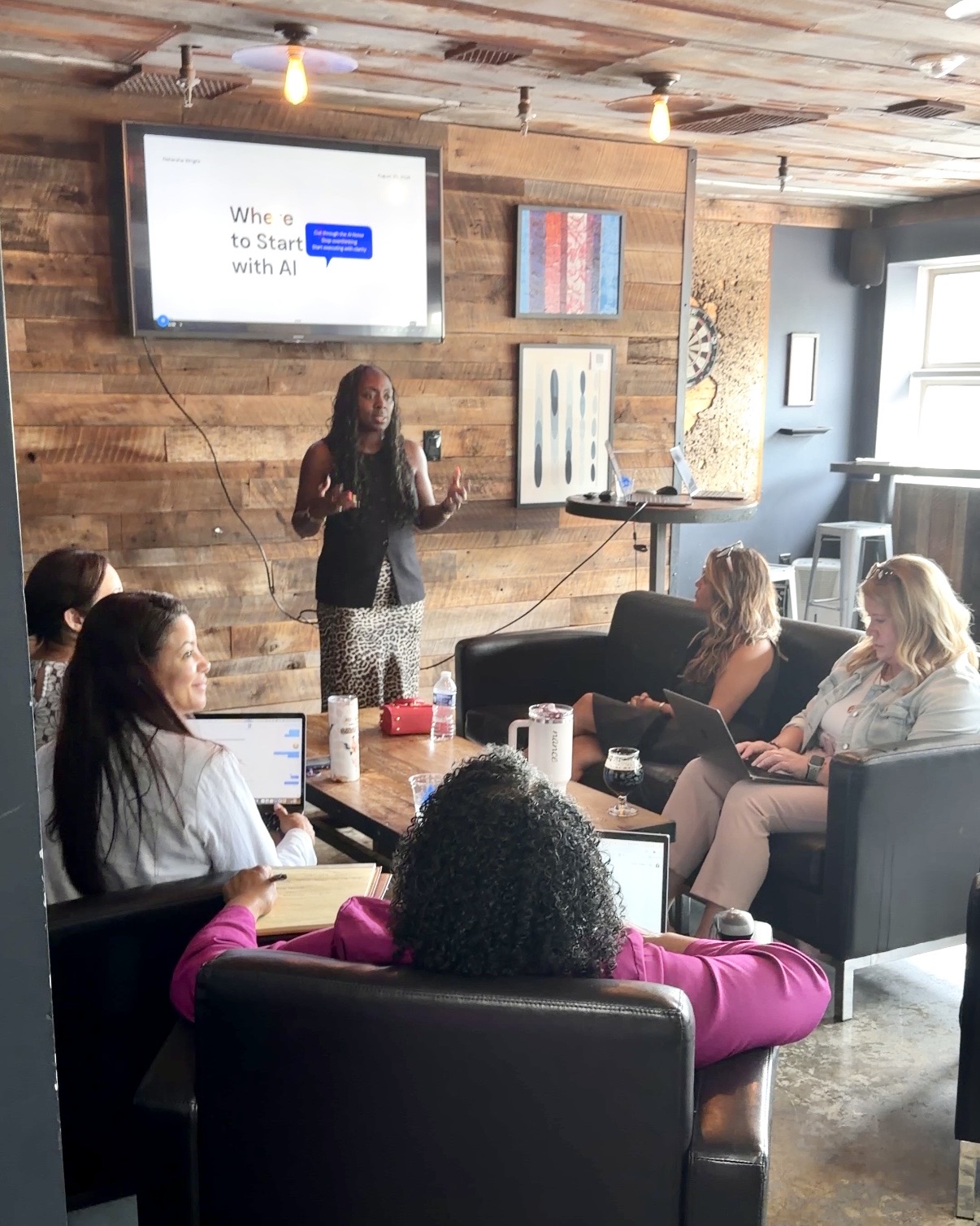
Speaking and facilitation are also an important part of my work. I create space for people to ask questions, connect new ideas to their own experience, and leave with a clear next step. Through BuildHer AI Network, I extend that commitment to women founders and small business owners who want to build their AI literacy and confidence in community. We do not just demo AI; we pressure-test it together.
What I am most proud of is building a business that reflects how I want to serve: with clarity, integrity, and practical support. I want readers to know they do not need to have everything figured out before asking for help. We can start with the challenge in front of them and build from there.
Where do you see things going in the next 5-10 years?
I believe the next five to ten years will bring a shift from experimenting with AI to making deliberate decisions about how it fits into everyday life and work. The conversation will increasingly need to address what happens after a tool is introduced: how responsibilities change, how people evaluate its output, and how leaders know whether it is helping.
For small businesses and lean teams, I see a real opportunity to build capacity. Tasks that once required more time or resources may become easier to manage. But access to technology alone will not create the outcome. Businesses will still need clear priorities, useful processes, and people who understand how to make informed decisions.
I also expect AI literacy and change leadership to become more closely connected. People need space to understand what is changing, ask questions, and learn through practice. Leaders will have to consider trust, judgment, and the impact on people’s work alongside efficiency.
In consulting, I think clients will increasingly look for support that connects strategy with implementation. They will want help making decisions and putting them into practice in a way that fits their business. That is the work I am excited about: helping people understand their options, choose a useful starting point, and build the ability to keep adapting.
Contact Info:
- Website: https://natarshawright.com
- LinkedIn: https://www.linkedin.com/in/natarshawright/