


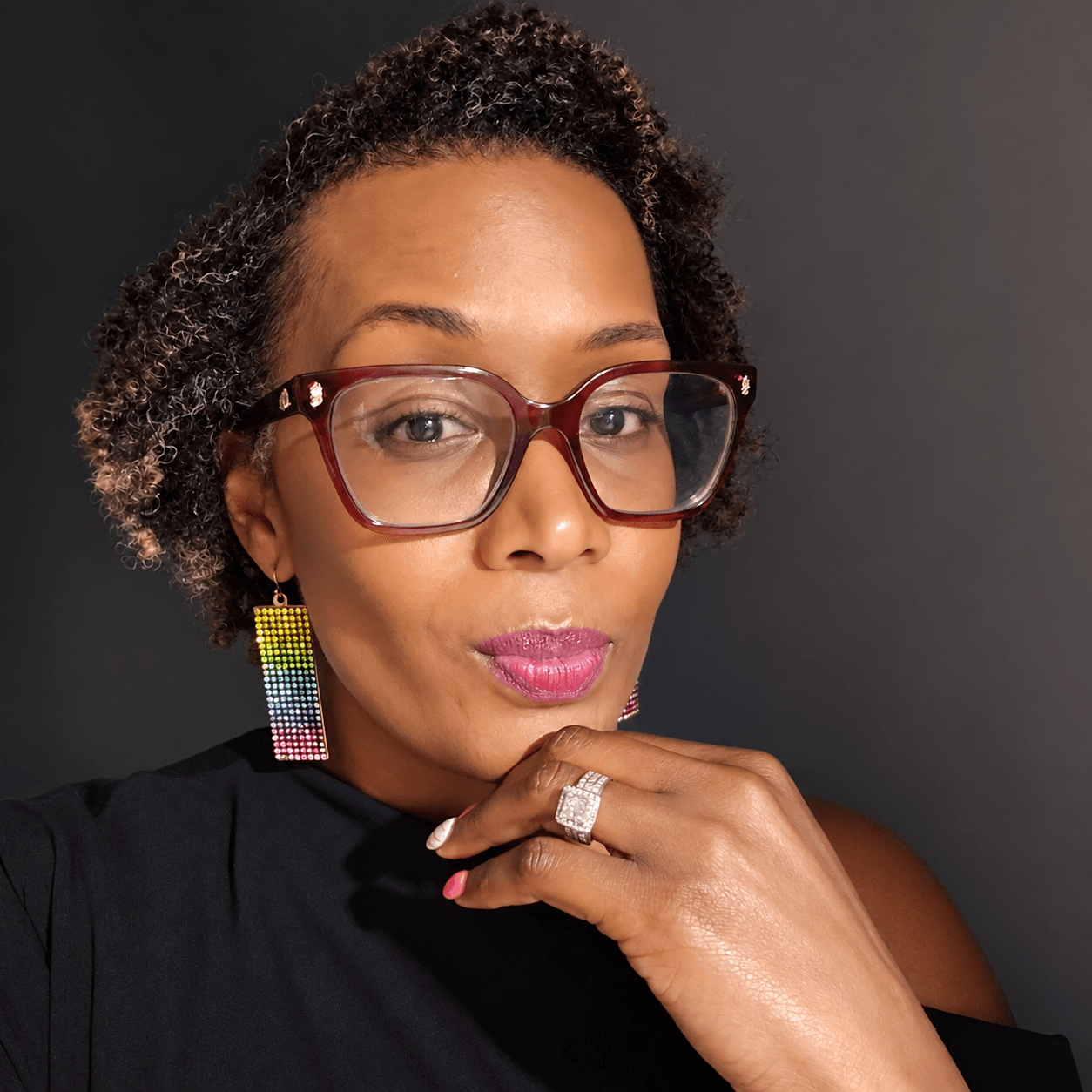
Today we’d like to introduce you to Kaprece James.
Hi Kaprece, can you start by introducing yourself? We’d love to learn more about how you got to where you are today?
I started Stella’s Girls, Inc. in 2016 because I kept seeing the same pattern—brilliant girls and young women with big dreams, but too few safe spaces, mentors, and resources to help them heal, lead, and fully step into their power. My background is rooted in service and community work, including years of humanitarian and advocacy experience in rural communities, and I’ve always been drawn to the intersection of education, advocacy, and leadership development. I wanted to build something that didn’t just “support” girls, but defended their rights and equipped them to become architects of change in their own communities.
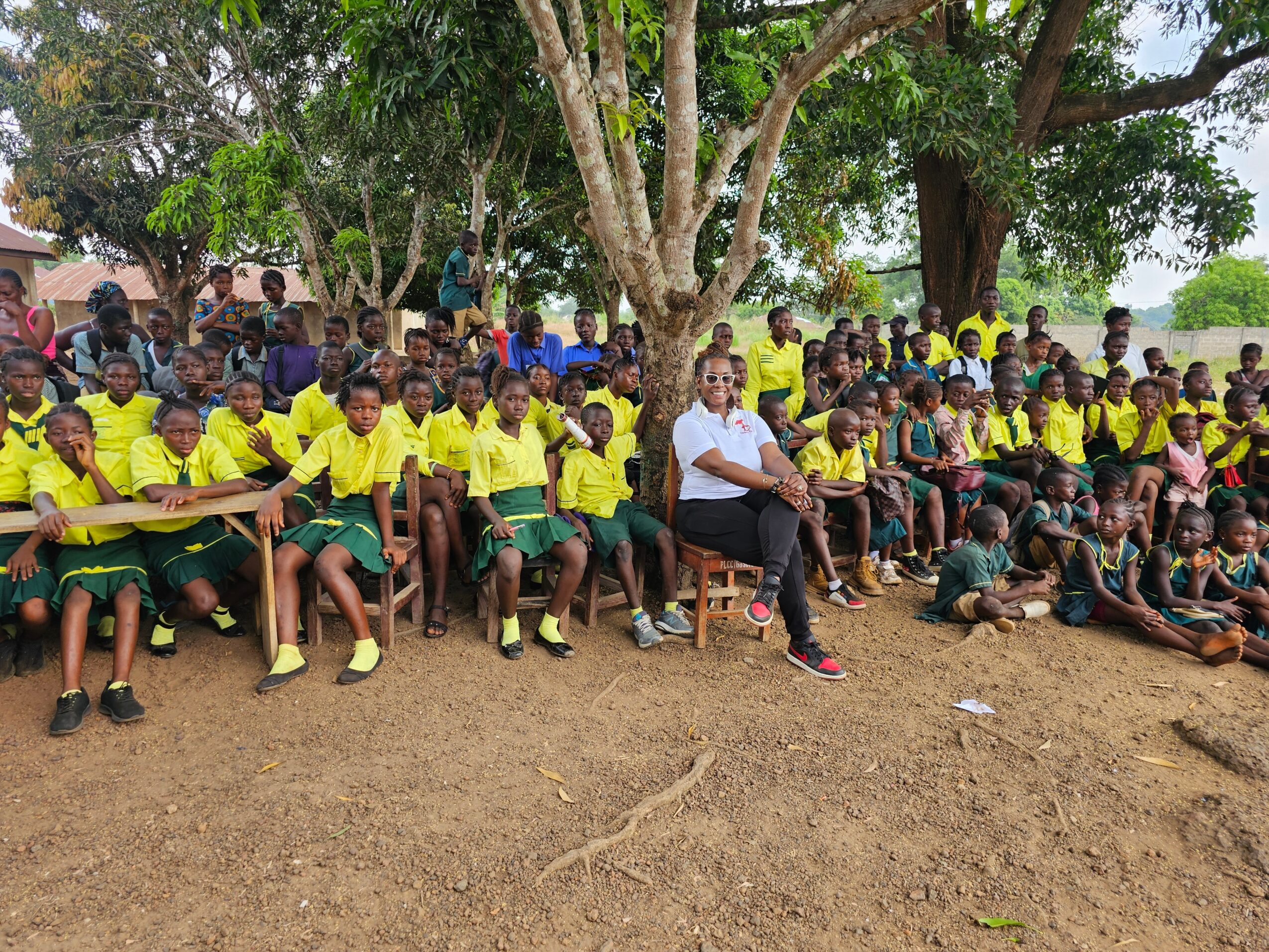
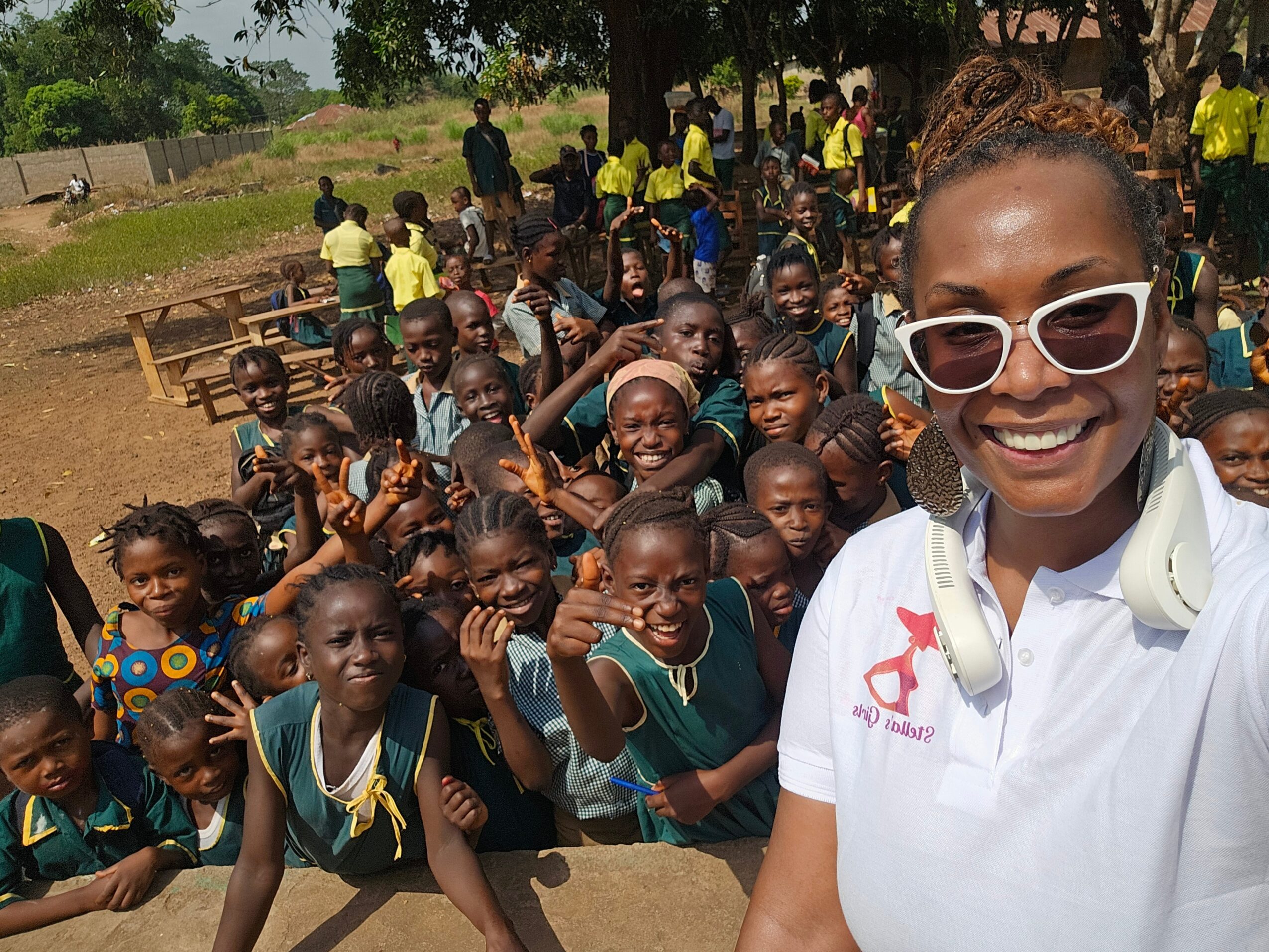
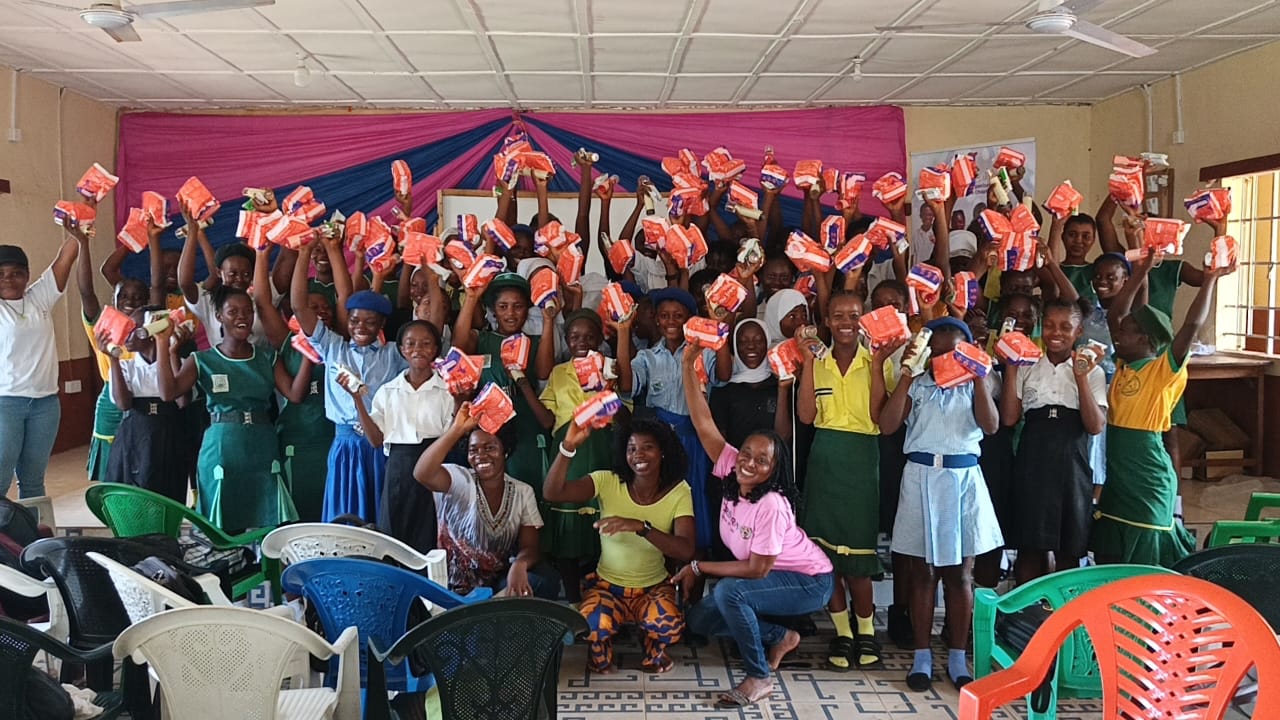
What began as a grassroots effort quickly became a cross-border mission. Stella’s Girls launched in 2016 in Maryland, Japan, and West Africa, and over time our reach expanded across seven African countries while deepening locally in Southern Maryland since 2019. We’ve built free, culturally relevant advocacy, mentoring, and leadership programs—along with STEM and workforce development pathways—because access shouldn’t depend on zip code, income, or who knows who. We also centered trauma-informed care through initiatives like The Sunflower Project, because you can’t talk about achievement without acknowledging what many young people are carrying.
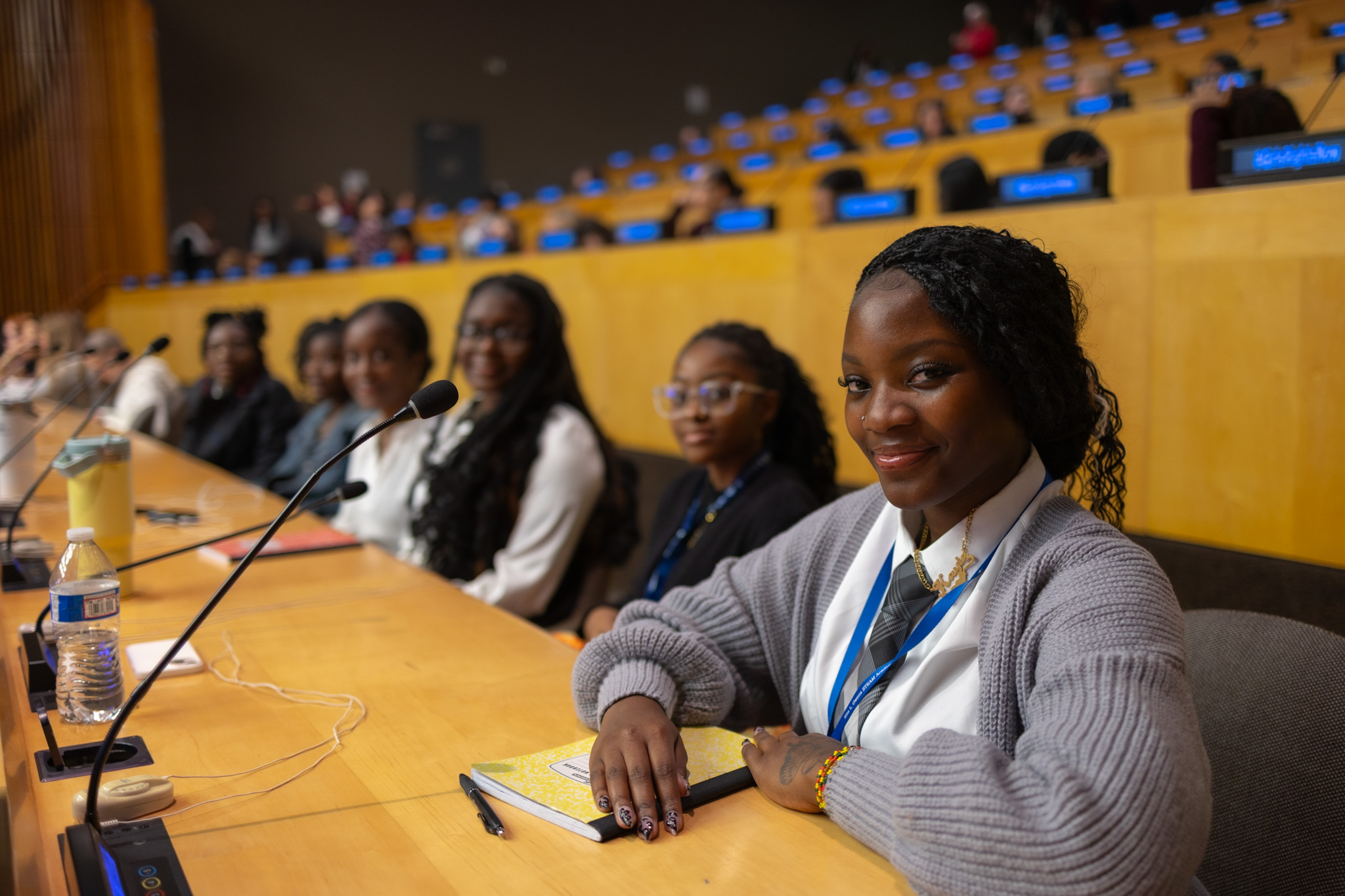
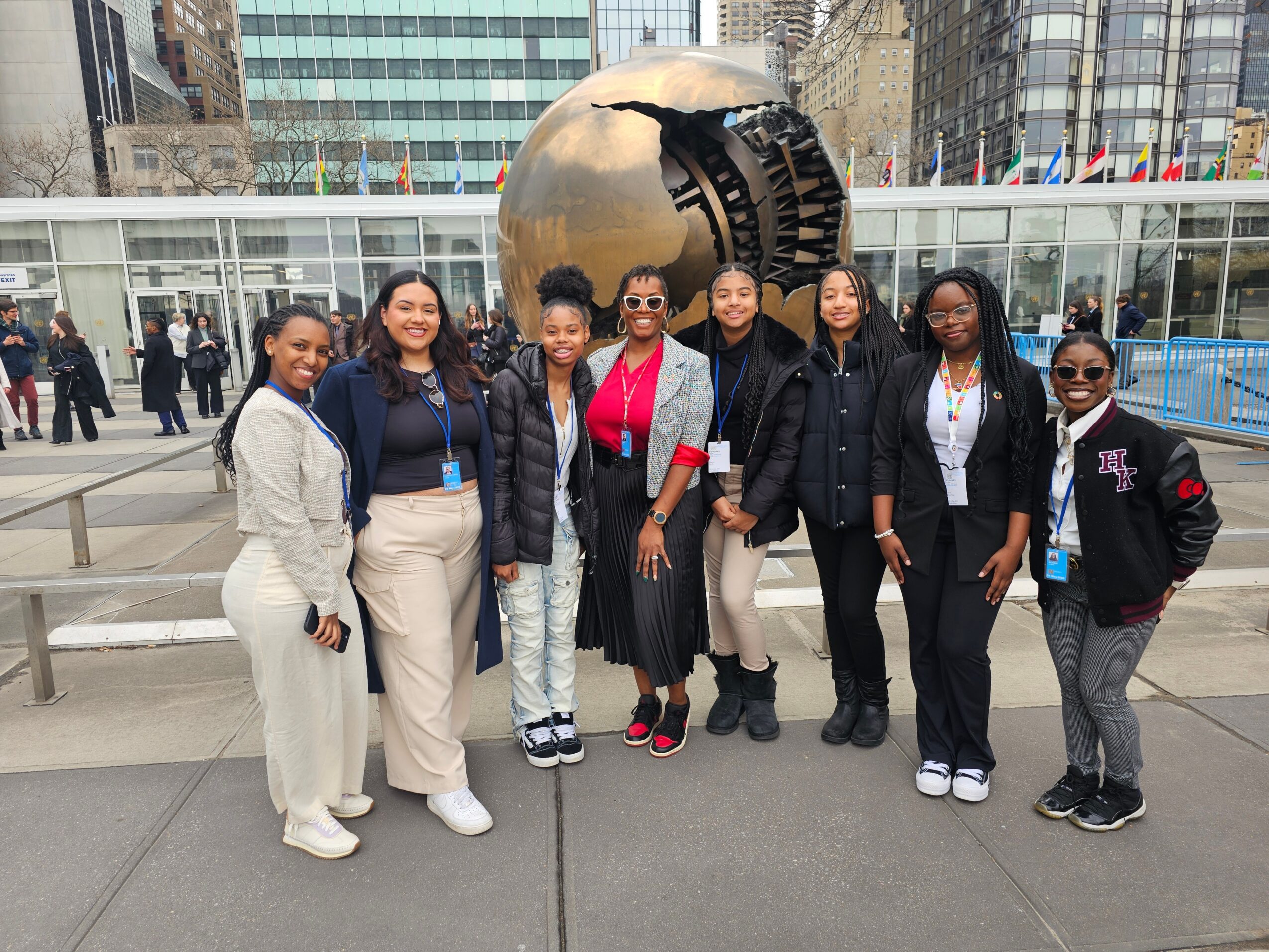
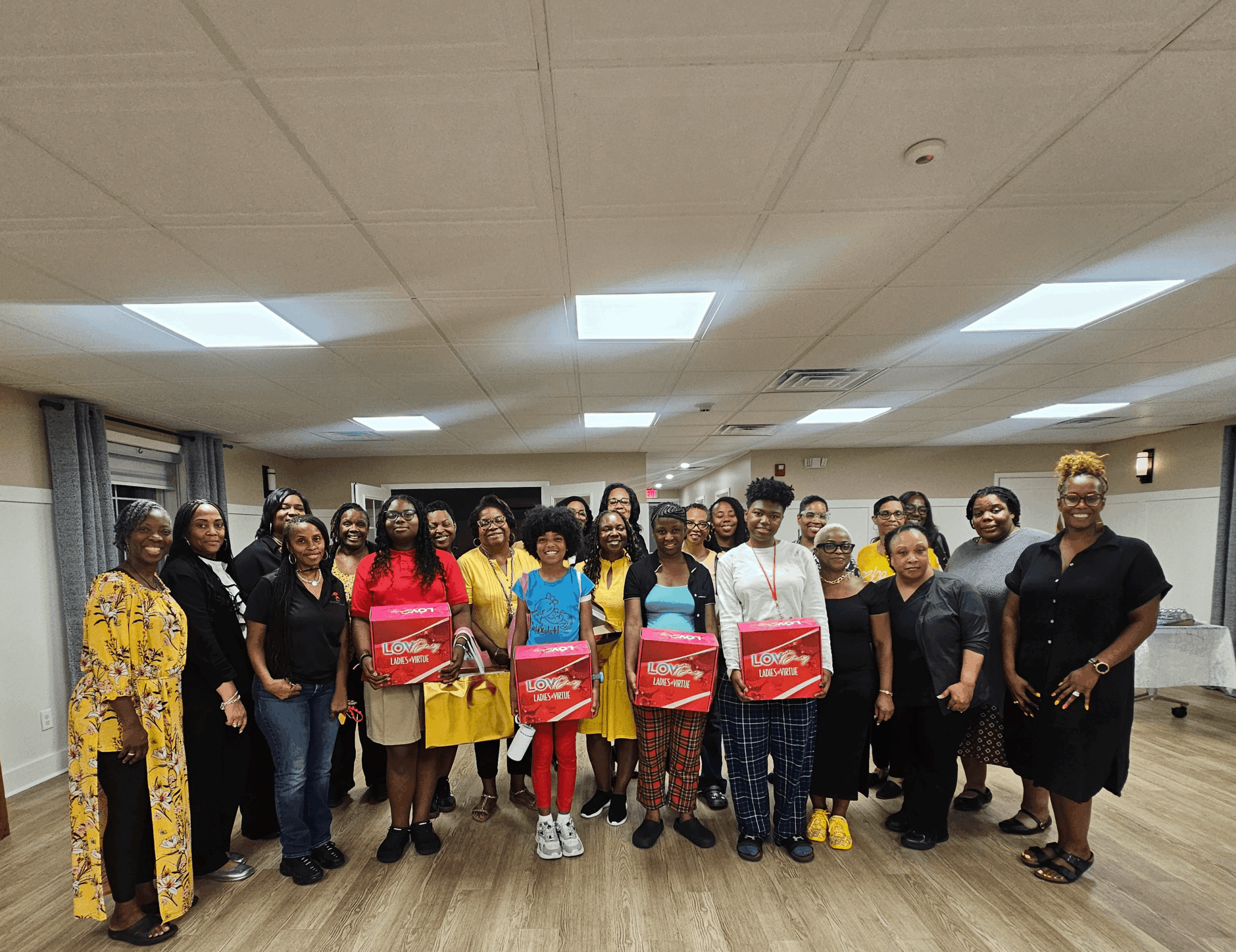
Today, I serve as Founder and CEO, and I’m proud that our work has reached over 8,000 girls and women globally while continuing to grow at home, with over 1500 youth locally supported by a strong mentor community and a team that believes in bold, outcomes-driven service. Along the way, I’ve learned that impact is built one relationship at a time: one girl who finds her voice, one family that feels supported, one community that decides it’s no longer acceptable to leave young people to be left behind. That’s what keeps me going—this belief that when we invest in girls and youth leadership, we’re not just changing individual lives; we’re changing the future.
Can you talk to us a bit about the challenges and lessons you’ve learned along the way. Looking back would you say it’s been easy or smooth in retrospect?
It definitely hasn’t been a smooth road. One of the hardest parts has been the weight of the need—girls and young women from around the globe reaching out for support, and facing the reality that our bandwidth and funding don’t always match the urgency of what they’re experiencing. When you’re doing rights-based work, education support, and advocacy around the girl child and young women, the requests aren’t “nice to have”—they’re often time-sensitive and life-shaping. Having to say “not yet” when you can see the potential and the stakes is a struggle I carry seriously.
Funding has been a constant challenge, especially because we provide free, culturally relevant programming and we operate across borders. This work takes real resources—trained mentors, safe spaces, curriculum, transportation, materials, and the behind-the-scenes infrastructure that keeps young people protected and supported. And when funding is tight, it doesn’t just slow growth; it can limit how quickly you can respond to the very communities you’re committed to.
Another challenge has been visibility. We’re in a very small percentage of organizations doing what we do—combining mentoring, leadership development, STEM, and fierce advocacy across Maryland and multiple African countries—yet getting the right people to see the work and help amplify it has taken persistence. Building awareness while running programs, supporting youth, managing partnerships, and leading operations is a lot for any team, especially a grassroots organization. Still, every challenge has sharpened our focus: we’ve learned to be strategic, to protect the mission, and to keep showing up—because the girls and youth we serve deserve consistency, not just good intentions.
We’ve been impressed with Stella’s Girls, Incorporated, but for folks who might not be as familiar, what can you share with them about what you do and what sets you apart from others?
Stella’s Girls, Inc. is a grassroots 501(c)(3) based in Maryland with a global footprint across several African countries. Our mission is to educate and empower girls and young women—while supporting youth more broadly—to become leaders, advocates, and agents of social change through education, mentorship, leadership development, and trauma-informed care. Since 2016, we’ve served over 8,000 girls and women globally, and we’ve built a model that meets young people where they are: in schools, communities, and underserved spaces where opportunity too often feels out of reach.
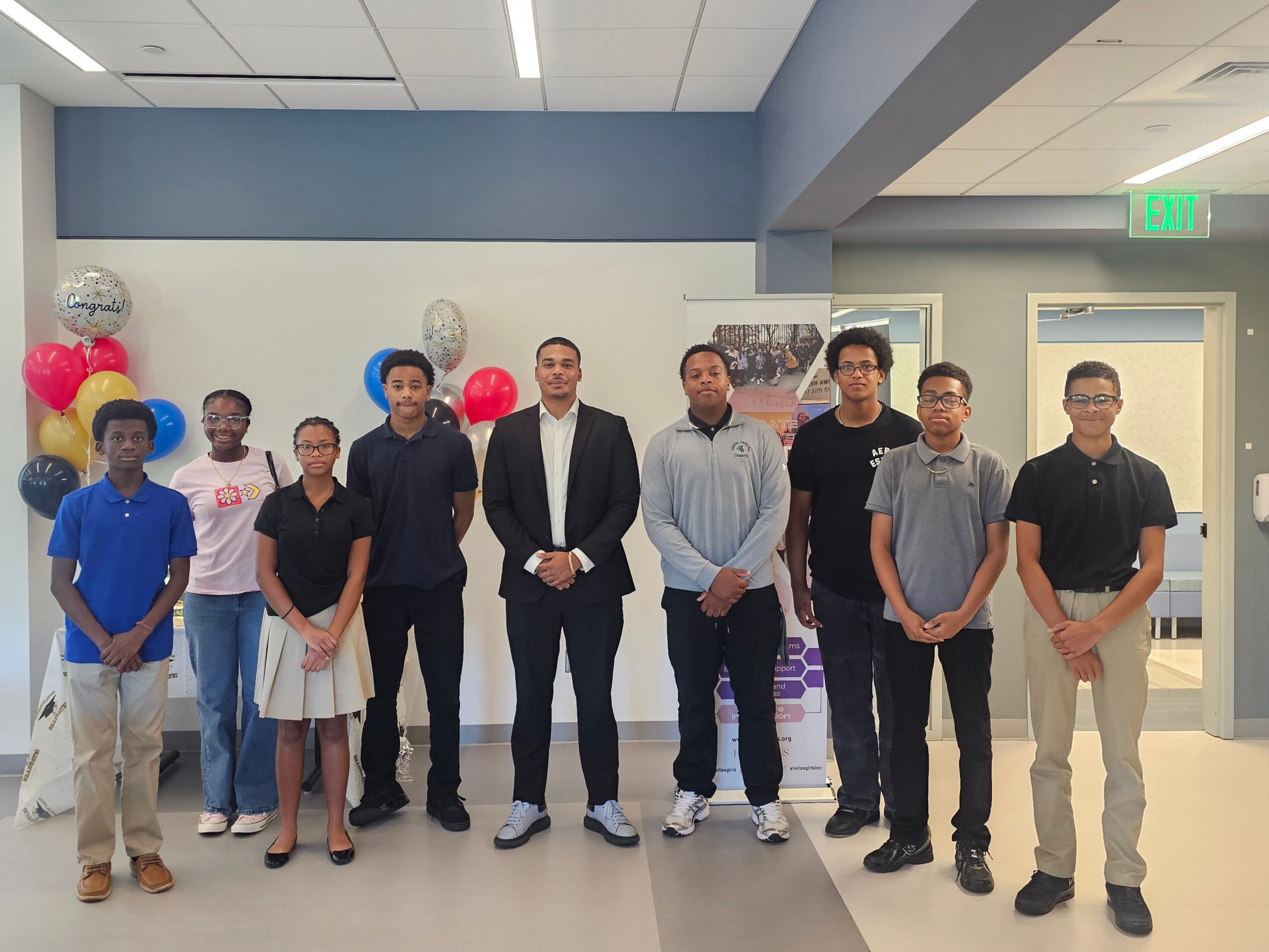
We’re known for combining direct service with fierce advocacy. We don’t just mentor—we build leadership pipelines. We don’t just offer programs—we defend and promote girls’ rights as a core mandate. Our signature work includes culturally responsive mentoring, STEM and coding programs (like Leaders Who Code and Emerging Coders), and trauma-informed initiatives like The Sunflower Project. We also engage boys through Journey to Manhood because we believe community change requires everyone—while still keeping girls’ empowerment and rights at the center of what we do.
What sets us apart is the way we bridge local and global impact without losing the “human” part of the work. We’re not a one-size-fits-all program—we adapt our approach to culture, language, and community realities, while holding a consistent standard of care and outcomes. We also lead with representation and lived experience: our leadership is majority women, and we build our work with communities, not impose it on them. That cross-border, culturally grounded approach—paired with real metrics and long-term relationships—is rare, and it’s why our programs resonate.
Brandwise, I’m most proud that Stella’s Girls has stayed bold and mission-true as we’ve grown. We are warm, inclusive, and community-centered—but also urgent and unapologetic about what girls deserve: safety, education, dignity, and power. I want readers to know that when they support Stella’s Girls, they’re not just donating to a program—they’re investing in a movement that equips young people to lead, heal, and change the systems around them.
What would you say have been one of the most important lessons you’ve learned?
The most important lesson I’ve learned is that flexibility and listening aren’t “soft skills” in this work—they’re the foundation. When you’re serving youth, especially girls and young women navigating trauma, inequity, or limited access, you can’t lead with assumptions or a rigid plan. You have to stay adaptable, keep an open ear, and be willing to adjust programs, pacing, and support based on what young people are actually experiencing in real time.
I’ve also learned that this work becomes more than a program for many of the youth we serve—it becomes a source of hope and a turning point. That’s a sacred responsibility. When a young person trusts you with their story, their fears, and their goals, you’re not just impacting a semester or a school year—you’re shaping how they see themselves and what they believe is possible for their life. That realization has made me more intentional, more patient, and more committed to building spaces where youth feel heard, protected, and empowered to lead.
Contact Info:
- Website: https://www.stellasgirls.org
- Instagram: https://www.instagram.com/stellasgirls/
- Facebook: https://www.facebook.com/StellasGirlsInc/
- LinkedIn: https://www.linkedin.com/company/stellas-girls-inc/