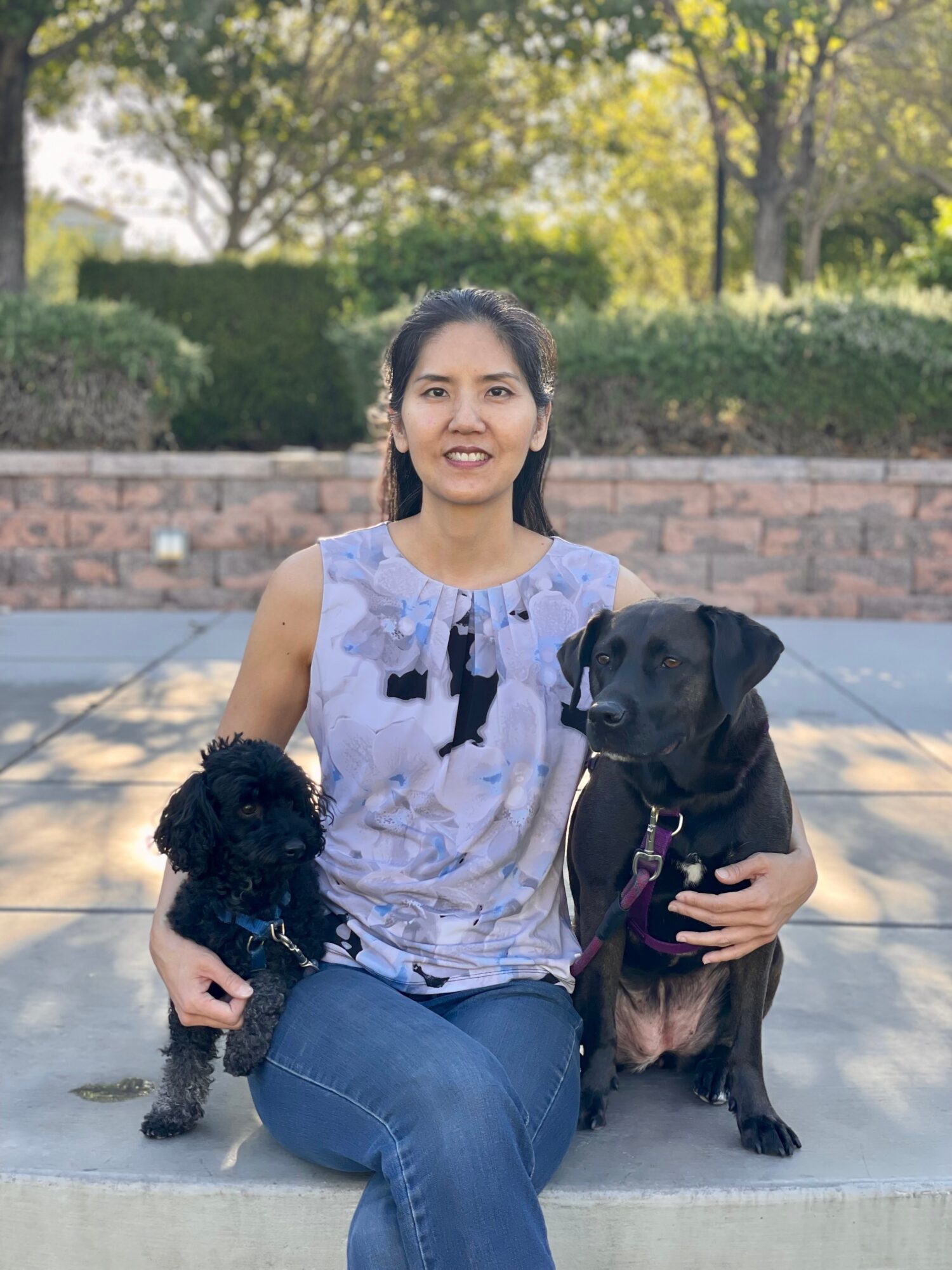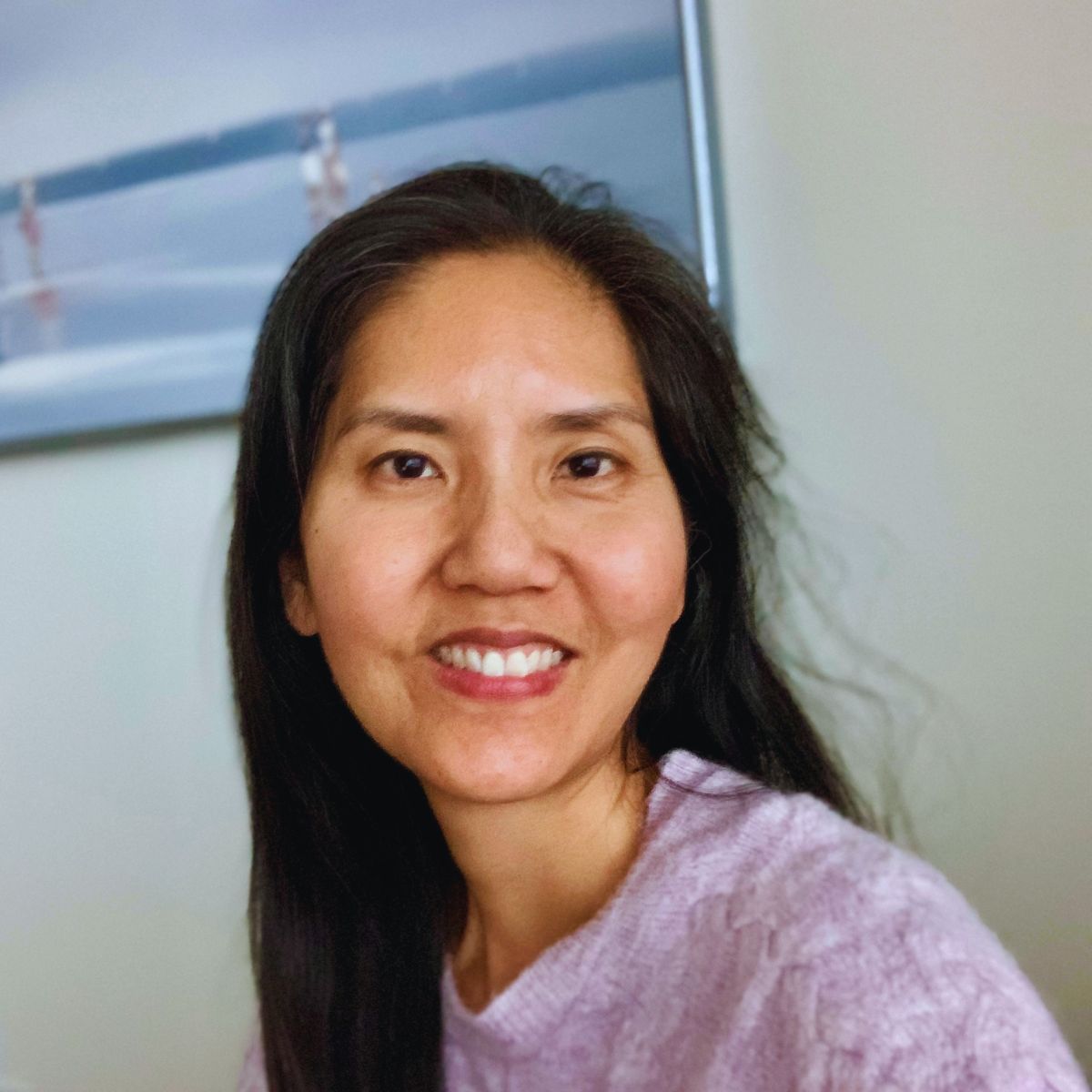




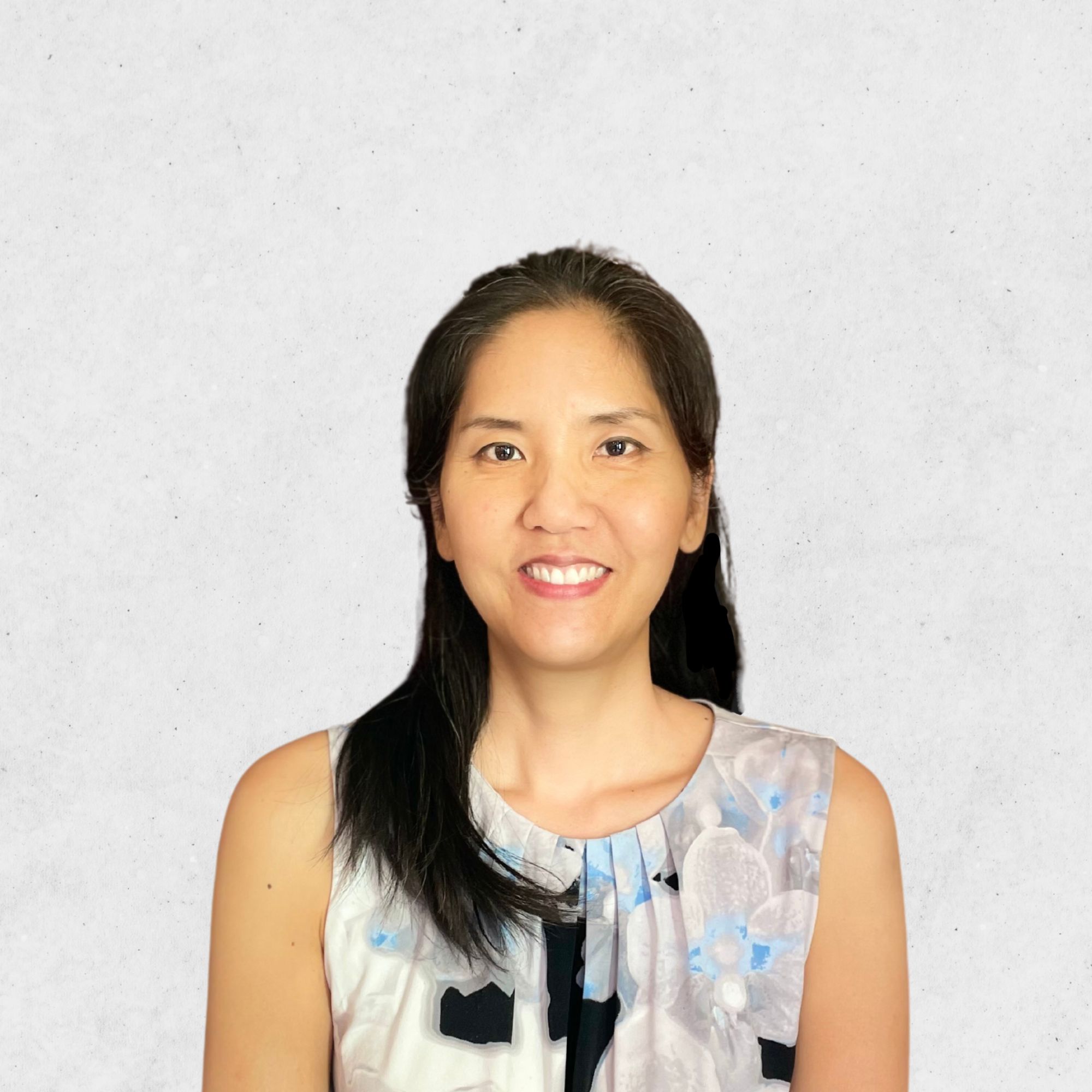
Today we’d like to introduce you to Judy Wang.
Judy, we appreciate you taking the time to share your story with us today. Where does your story begin?
My story began with just showing up. I was volunteering with the children’s ministry at church and kept finding myself drawn to the kids who were off to the side by themselves or just looked sad. I would go sit with them and listen. I didn’t really have a plan at the time, but looking back, that was the moment I knew this was what I was supposed to do.
So I went back to school and got my Master’s in Counseling. After I graduated, I worked in residential settings, outpatient programs, and clinics before eventually starting my own private practice, where I worked mostly with children. But what I kept seeing was that kids can only go so far if the adults around them aren’t in a good place too. That shifted my focus to parents and adults in general.
When I moved to telehealth, I started noticing something interesting. A lot of the people reaching out to me didn’t really need traditional therapy. They weren’t in crisis. They just had goals they wanted to reach and felt stuck or unsure of how to get there. That’s where coaching came in for me, and it’s been really energizing. Getting to work with someone around their career, their relationships, their health, or just where they want their life to go, and helping them actually get there, that’s the work I love doing now.
Can you talk to us a bit about the challenges and lessons you’ve learned along the way. Looking back would you say it’s been easy or smooth in retrospect?
There have been some real challenges along the way. I made a pretty significant career shift to get into counseling. It wasn’t a natural next step from what I was doing before, so going back to school in my early 30s was an adjustment. I was sitting in classes with students who were basically a decade younger than me and while that ended up being a good experience, it definitely took some getting used to.
But I think the struggle that has stayed with me the most is navigating unconscious bias and I mean that in a few different directions. Kids are honest in a way adults aren’t and some of the things I heard from young clients over the years were eye opening reminders of what they were absorbing at home and in their communities. And it wasn’t just clients. I encountered those same biases among colleagues in the field too, which was harder in a different way because you expect more awareness from people doing this kind of work.
I’m glad the field has started requiring cultural competency continuing education as part of licensing. It’s a step in the right direction, though I do think there’s still a lot of room to grow there.
And then there’s the shift to coaching, which has been its own kind of challenge. It really does feel like starting over in some ways, building something new, changing how you think about the work and going through additional training. But when I see a coaching client actually reach something they’ve been working toward, all of that fades into the background. That part makes it completely worth it.
Thanks – so what else should our readers know about Healing Hearts Counseling, LLC?
On the Therapy Side
My therapy practice specializes in anxiety and trauma, but probably not in the way most people think of those things. The anxiety I work with isn’t the kind where you just need some coping tools and you’re good to go. A lot of people have already learned the coping skills, but the anxiety keeps coming back. That’s because the patterns underneath it haven’t been touched yet. Those patterns usually started in childhood, rooted in how our nervous system learned to respond to what was happening around us. So that’s what we actually go after.
The trauma work follows a similar thread. I focus a lot on childhood emotional neglect, which isn’t always the dramatic, obvious kind of trauma people picture. It’s more subtle: the things that didn’t happen, the needs that went unmet, the ways kids quietly adapt to survive their environment. Those wounds tend to stick around and show up in adult life in ways people don’t always connect back to their origins.
For both of these, I offer EMDR Intensives, which is a focused, deeper way of processing attachment and developmental wounds. I’ve also added an intensive program for more recent traumas, designed to help people work through something before it has a chance to settle in as PTSD.
On the Coaching Side
My coaching practice is a completely different experience. My clients there aren’t in crisis, aren’t looking for clinical support and don’t qualify for a medical diagnosis. They are people with real vision for their lives who have hit a wall. Maybe they have a big dream around their career, a relationship goal, a health change, or just a version of their life they can clearly picture but can’t seem to step into. My job is to help them figure out what’s actually in the way and take that next leap forward. If you know where you want to go but keep finding yourself stuck, that’s exactly who I work with.
What was your favorite childhood memory?
Going to my grandparents’ house. I can still picture opening the door and seeing this big Buddha statue with the biggest smile and just knowing it was going to be a good time. That smile meant my grandmother had already been in the kitchen making all my favorite foods. It meant I could eat what I wanted, watch what I wanted and just be myself without any pressure or expectations.
Looking back, what I was really experiencing there was a sense of safety and freedom. I didn’t have a word for it then, but I felt completely at ease in that space. As someone who now works with people around childhood experiences and how they shape us, I understand more deeply what a gift that was. Those moments of feeling truly seen and cared for, even if they were just at grandma’s house, can carry a person further than they realize.
Pricing:
- I won’t share specific pricing here since it can vary depending on the services and individual circumstances, but I do want to share something that I think is really important for anyone who is trying to find a therapist and feeling discouraged by the cost. Ask about sliding scale fees. Many therapists, myself included, reserve spots on their caseload for clients who need a reduced rate based on their financial situation. It’s not always advertised, but it’s more common than people realize. The worst a therapist can say is no and a lot of us will say yes or help point you in the right direction. Finances should not be the reason someone doesn’t get the support they need. So if cost has been a barrier for you, please don’t give up. Just ask.
Contact Info:
- Website: https://healingheartscounselingllc.org/
- Instagram: https://www.instagram.com/healingheartscounselingllc/
- Facebook: https://www.facebook.com/healingheartscounselingllc/
- LinkedIn: https://www.linkedin.com/in/judy-wang-therapist/
- Youtube: https://www.youtube.com/@Healingheartscounselingllc