




Today we’d like to introduce you to Jared Stape.
Hi Jared, can you start by introducing yourself? We’d love to learn more about how you got to where you are today?
Growing up, I watched my family go through something that I think a lot of people recognize but nobody really talks about. My grandmother developed Alzheimer’s, and what followed was one of the hardest stretches my family ever went through. My mom and her four siblings were suddenly coordinating across state lines, driving back and forth to New York, trying to manage the sale of my grandmother’s home, her move, her finances, and her transition into a memory care facility, all at the same time. And while they were doing all of that, they were also dealing with each other. Five adult siblings, each with their own opinion about what should happen, when it should happen, and who should be doing what. The logistics were hard enough. The family dynamics made it brutal.
But here’s what people don’t fully appreciate until they’re in it. It’s not just the big decisions that break you. It’s the thousand small ones that nobody warned you about. Who gets grandmother’s china? What happens to the furniture nobody wants but nobody can bring themselves to throw away? Where does forty years of accumulated life go when the house has to be cleared out in a matter of weeks? My mom and her siblings were making those calls while emotionally reeling, because selling that house wasn’t just a transaction. It was saying goodbye to the place where their childhood happened. Every room held something. Every closet was a decision. And they had to make all of those decisions while grieving, while exhausted, while disagreeing with each other, while watching a parent disappear into a disease that had already stolen so much.
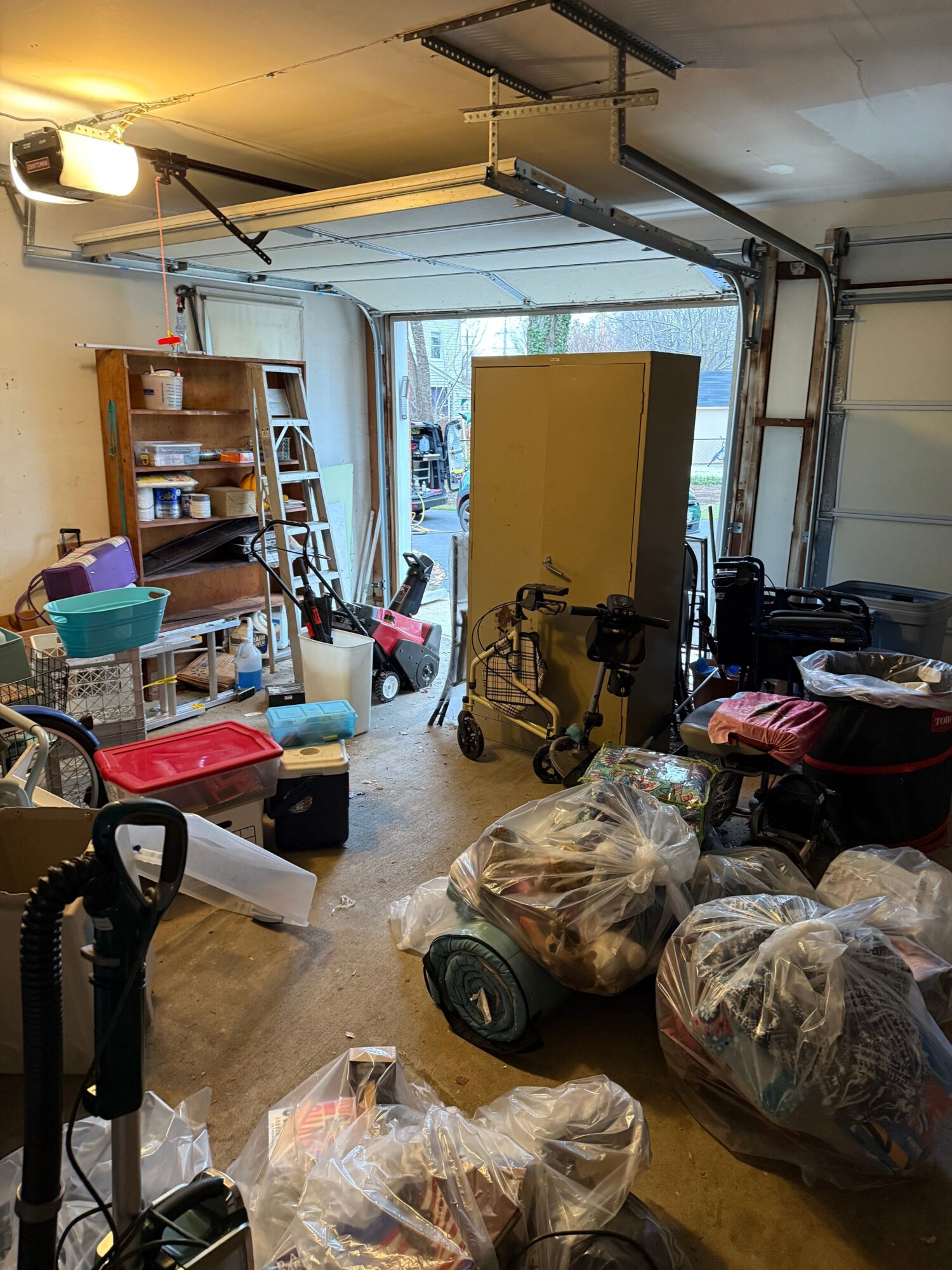
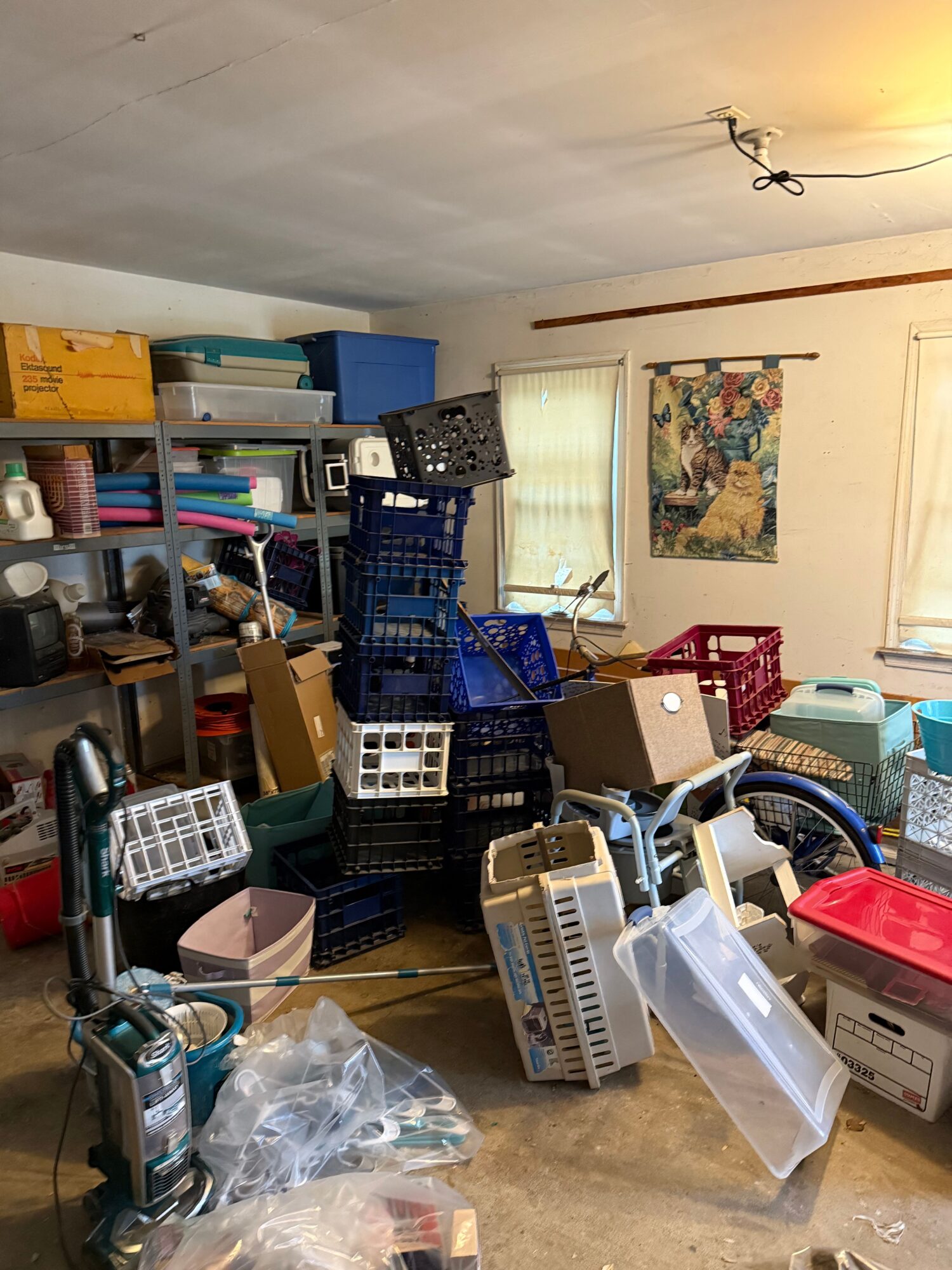
The stuff that ended up in storage tells the whole story. Boxes that were supposed to be temporary became permanent because nobody had the bandwidth to deal with them. Things that should have gone to family members never made it there because the process was never organized enough to make that happen thoughtfully. A lifetime of memories got sorted in a fog, and the decisions made under that kind of pressure are ones families often look back on with regret.
I was a teenager watching all of this, and what stuck with me wasn’t just how painful it was. It was how alone they all felt. Nobody handed them a roadmap. Nobody said here is the order of operations, here is who you call, here is how you get through this without destroying each other in the process, and here is how you preserve her legacy. They figured it out the hard way, and it cost them time, money, and a lot of stress that didn’t have to exist.
I went to law school carrying that experience with me, even if I didn’t fully connect the dots at the time. I went into estate planning and real estate law, which in hindsight makes complete sense. Those are the two areas that sit right at the intersection of what my family went through. And in 2023, I opened Bethesda Brokers.
Over the past year, what I kept seeing in my practice was the same situation playing out over and over again. Families in crisis mode, no plan, no coordination, siblings pulling in different directions, and a parent whose wellbeing was stuck in the middle of it all. The legal piece and the real estate piece were never enough on their own. What families actually need is someone who understands all of it — the sale, the cleanout, the storage decisions, the heirlooms, the conversations about who gets what — and can bring order to something that feels completely overwhelming.
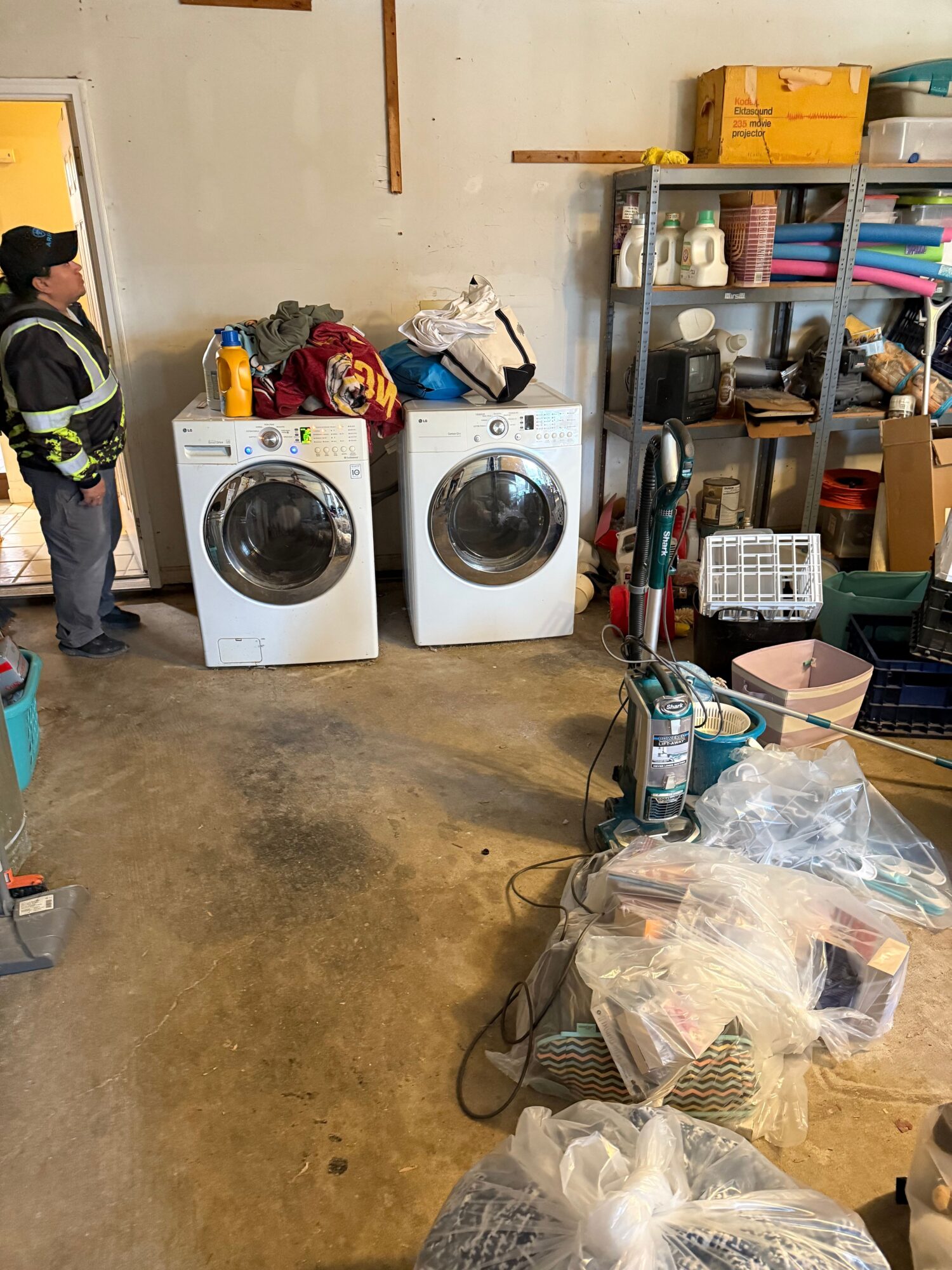
That’s what Next Chapter Relocation is. It’s the thing I wish had existed for my mom and her siblings. We handle the sale, the move, understanding the legal nuances involved, the vendor coordination, the cleanout, donations, lenders, and we help families think through the personal property decisions before they become points of conflict. We work with appraisers, estate sale coordinators, donation services, and cleanout crews so that the family doesn’t have to figure out who to call or in what order. The goal is to make sure that a lifetime of belongings gets handled with the same care and intentionality that the people who accumulated them deserved.
The name is intentional. This isn’t just about moving a parent out of a house and letting the cards fall as they may. It’s about helping a family close one chapter and open the next one with as much dignity, and as little chaos, as possible. I know what it looks like when that process goes wrong. I watched it as a kid. Everything I’ve built since then has been pointed at making sure other families don’t have to go through it the same way.
Can you talk to us a bit about the challenges and lessons you’ve learned along the way. Looking back would you say it’s been easy or smooth in retrospect?
The first real challenge was internal. Before I could sell anything or serve anyone, I had to build the infrastructure from scratch. Systems, processes, intake workflows, vendor relationships, the sequencing of how everything fits together. All of that had to be built while we were simultaneously trying to serve real families going through real crises. There were moments where things were coming apart behind the scenes while we were trying to look completely put-together on the front end. That tension is part of building something new, but it’s humbling.
Once the operational side started coming together, the next challenge was learning how to actually sell something that people don’t know they need until they’re already drowning in it. This isn’t a service where someone raises their hand and says I’m ready. These families are often in denial, or they haven’t accepted what’s happening yet, or they genuinely believe they can handle it themselves. Learning how to communicate the value before someone hits a wall took real work and honestly it’s something we’re still refining.
But the biggest learning curve, and this one took me longer to figure out than I’d like to admit, was that you cannot lead with process when someone is in emotional pain. My instinct coming from a legal background was to immediately shift into problem-solving mode. Here’s the plan, here are the steps, let’s get moving. And that completely missed where the family actually was.
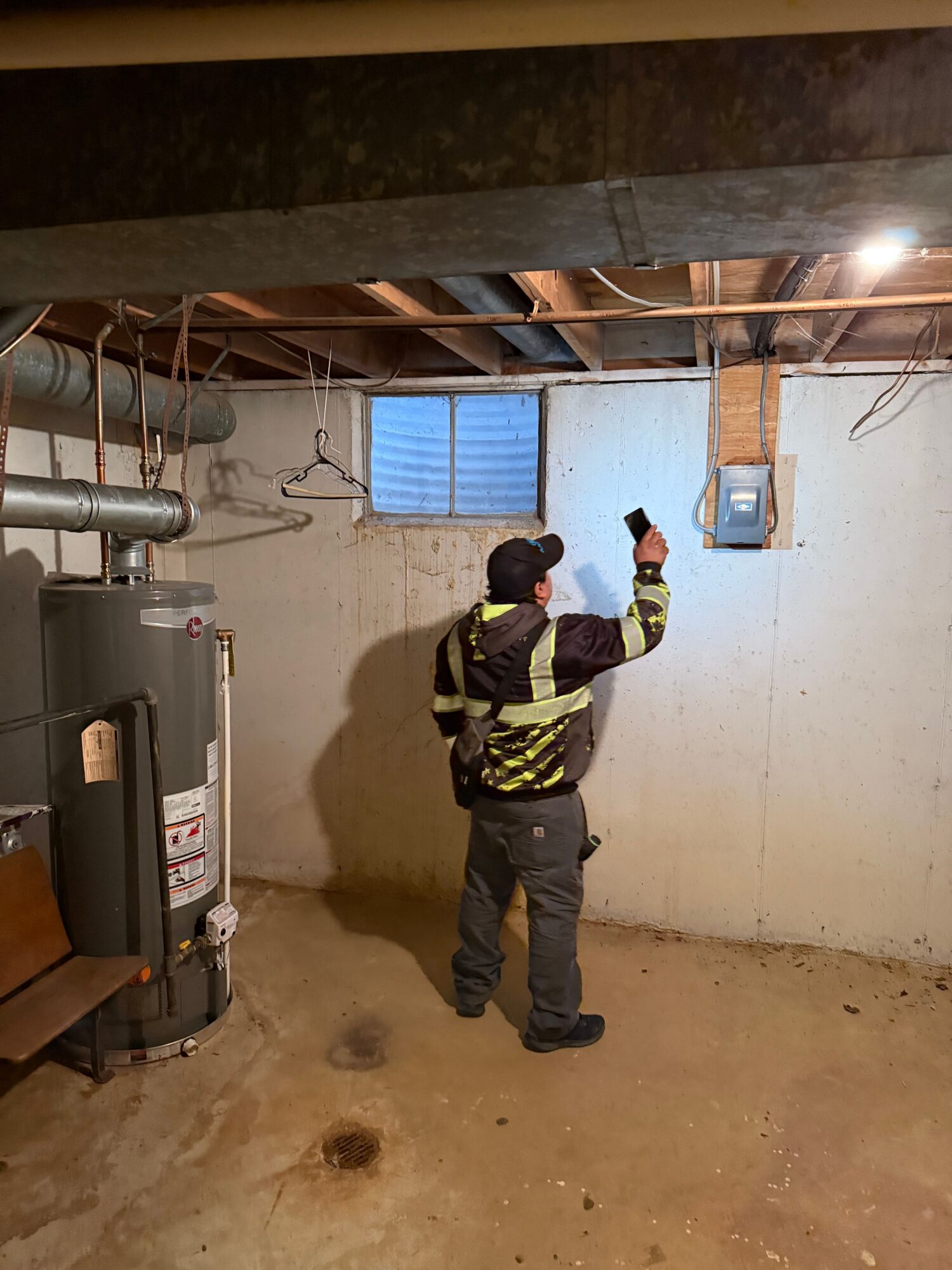
What I figured out is that before anyone can make a logical decision, you have to clear the emotional ones first. So we built a system around that. One of the first things we do now is walk the property room by room with the family. Not to assess anything, not to start sorting, just to be in the space with them and let them label what comes with them, what gets donated, and what gets disposed of. On their timeline.
Because most of what a family is holding onto has nothing to do with monetary value. It’s the chair their dad sat in every Sunday. The lamp that was always on in the kitchen. Things that would sell for nothing at an estate sale but carry decades of memory. If you skip past that and jump straight to logistics, you get resistance, conflict, and decisions the family regrets. But once those emotional decisions get made, the logical ones follow. The process moves, the vendors come in, and everything clicks into place. You just can’t get to the logical brain until the emotional one has been heard. Building a system that respects that order has been one of the most important things we’ve done.
Appreciate you sharing that. What should we know about Bethesda Brokers LLC?
Bethesda Brokers is a full-service boutique brokerage serving Maryland and DC. We handle residential purchases and sales, investment properties, and commercial real estate, and we do all of it with legal insight baked directly into the process. That’s not something you typically get from a brokerage. Your home is likely your most valuable asset, and most people treat the transaction like a commodity. We don’t. We bring deep market knowledge and experienced legal perspective to every deal so that our clients close with confidence, not surprises.
But what I’m most proud of, and what I think truly sets us apart from anyone else in this space, is Next Chapter Relocation.
There is no other brokerage, no law firm, no moving company, no senior transition service that can offer what we offer. Most people in this space own one piece of the puzzle. A realtor handles the sale. A moving company handles the move. A lawyer handles the estate documents. A senior placement advisor helps find the facility. And the family is left trying to coordinate all of those people, none of whom are talking to each other, while simultaneously managing one of the most emotionally difficult experiences of their lives.
We own every piece. The legal review, the real estate strategy, the personal property decisions, the vendor coordination, the cleanout, the storage, and the transition into the next living situation. All of it runs through one coordinated plan with one team.
And we don’t stop at the move. One of the things I’m genuinely proud of is that we partner with vendors specifically focused on combating senior isolation. They coordinate group outings, museum tours, and social activities that help seniors get out, meet people, and actually build a life in their new environment. We even cover things like Uber Health so that transportation is never the barrier that keeps someone stuck at home alone. Because getting a senior safely relocated is only half the job. Making sure they’re not isolated on the other side of that move is just as important, and almost nobody is thinking about that piece.
I describe the whole process as a game of chess, and I mean that literally. Every move affects every other move, and the path you choose at the beginning determines the outcome at the end. One of the things we can do that most people don’t realize is help a senior or their family buy before they sell. Using strategic financing options where applicable, we can secure the next property first, take the pressure off the timeline, and avoid the chaos of trying to coordinate a move and a sale simultaneously under deadline. That changes everything about how the process unfolds.
That’s the kind of decision that requires someone who understands the legal side, the financing side, the real estate market, and the family’s specific situation all at once. Without that full picture, you’re guessing. With it, you’re playing the board strategically and moving toward the outcome you actually want rather than just reacting to whatever comes next.
We have mastery over every one of those pieces. That’s what makes us so effective at guiding families through something that feels completely unmanageable. And that’s what I want people to know about this brand. We built it for the family that is staring down an impossible situation and doesn’t know where to start. We know exactly where to start. And we see the whole board.
We all have a different way of looking at and defining success. How do you define success?
Success for me isn’t a number or a milestone.Success for me isn’t a number or a milestone. It’s a mindset.
I define success as looking adversity in the face and not blinking. Every career I’ve built, every service I’ve created, every problem a client brings to me, it all comes down to the same thing. Can you stay clear-headed when things get hard and find the most optimal path through? That’s what I pride myself on.
My entire career is built on problem solving. Law teaches you to take a complex, messy situation and find the cleanest, most defensible path forward. Real estate teaches you to read a market, read people, and make decisions under pressure. And Next Chapter Relocation takes both of those things and applies them to some of the most emotionally charged situations a family will ever face. None of it works if you let the weight of the problem overwhelm you.
I genuinely believe that no problem is insurmountable if you’re willing to dedicate yourself fully to understanding it and working through it. I apply that the same way in my personal life as I do in business. The problems change, the stakes change, but the approach doesn’t. You assess, you strategize, you execute, and you don’t stop until you’ve found the best possible outcome for everyone involved.
So when I look back on what success means to me, it’s not the deals closed or the revenue or the recognition. It’s the moments where something looked impossible and we found a way through it anyway. That’s what drives me. That’s what gets me up in the morning. And honestly, that’s what I think separates the people who build something lasting from the ones who don’t.
Contact Info:
- Website: https://www.bethesdabrokers.com
- Instagram: https://www.instagram.com/bethesdabrokersllc/
- Facebook: https://www.facebook.com/people/Bethesda-Brokers/61584102370559/
- LinkedIn: https://www.linkedin.com/company/bethesda-brokers/