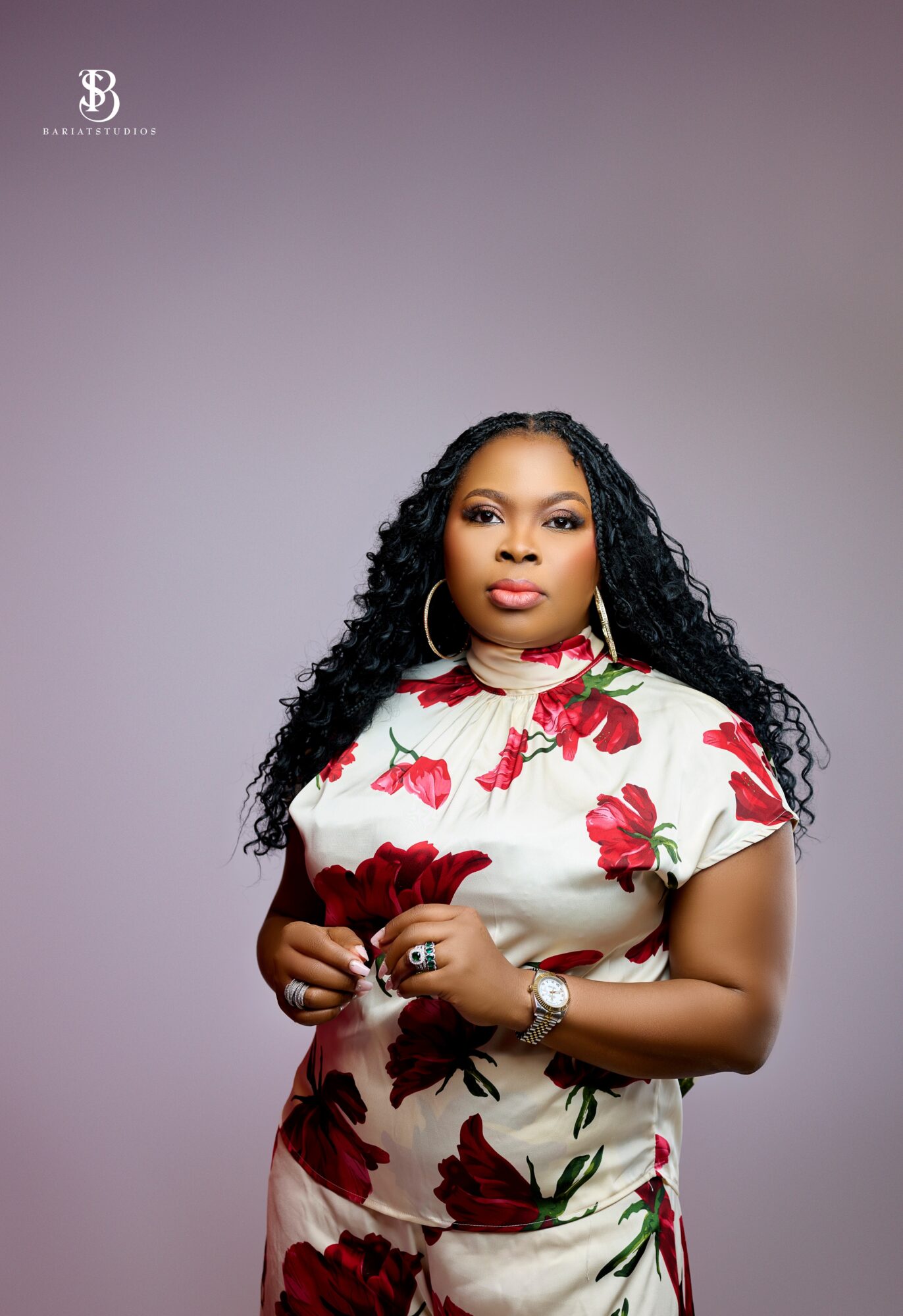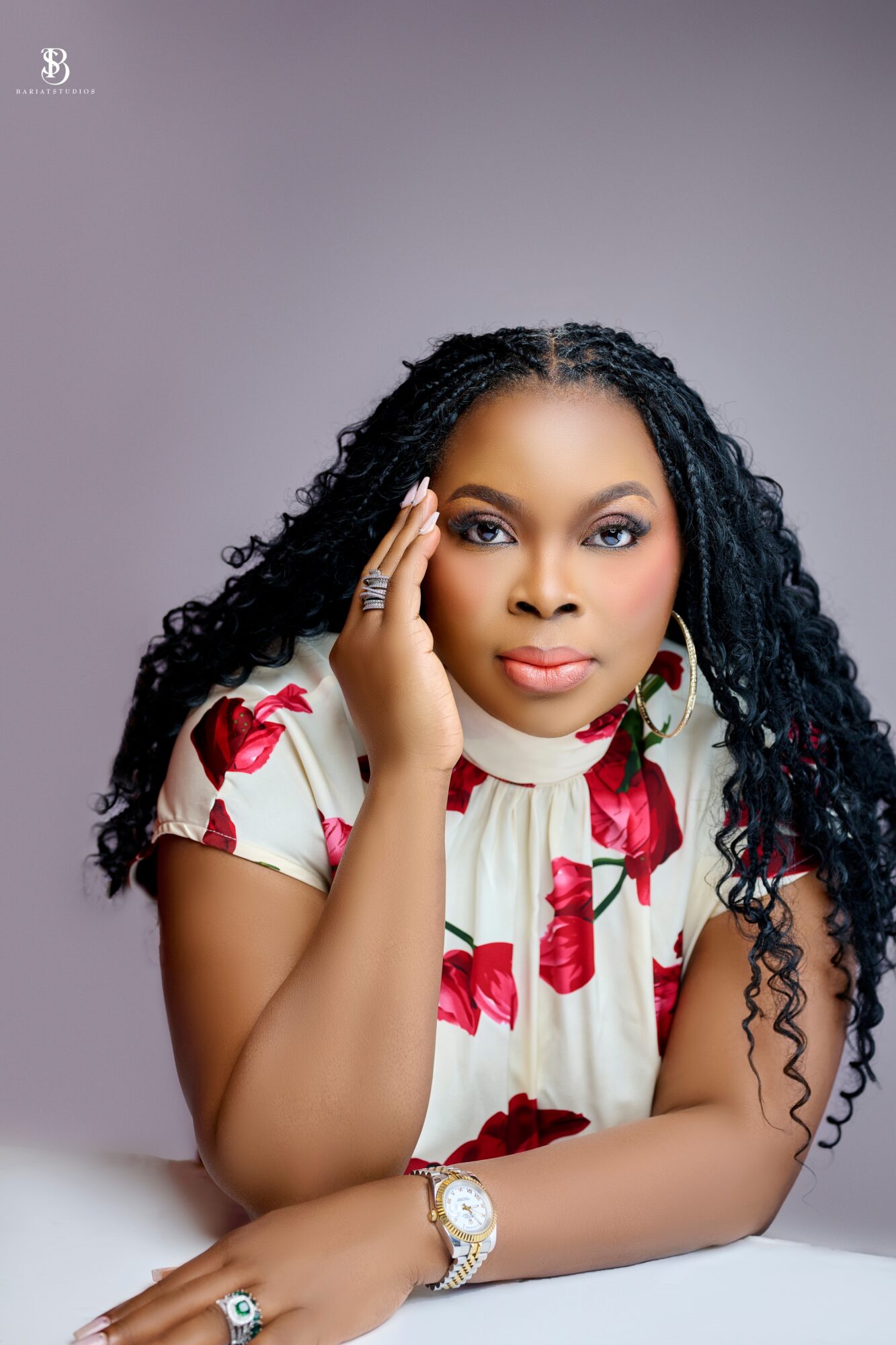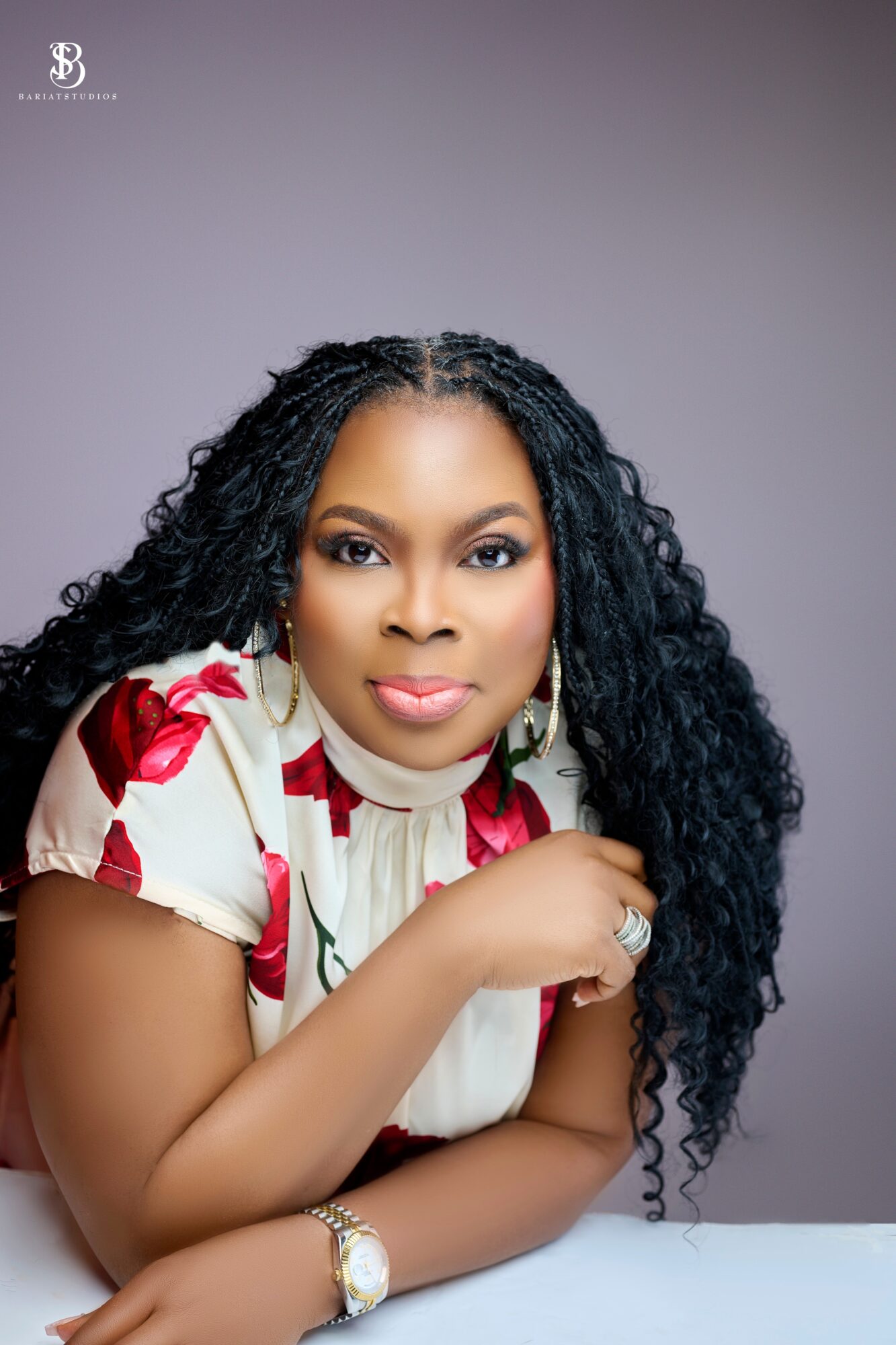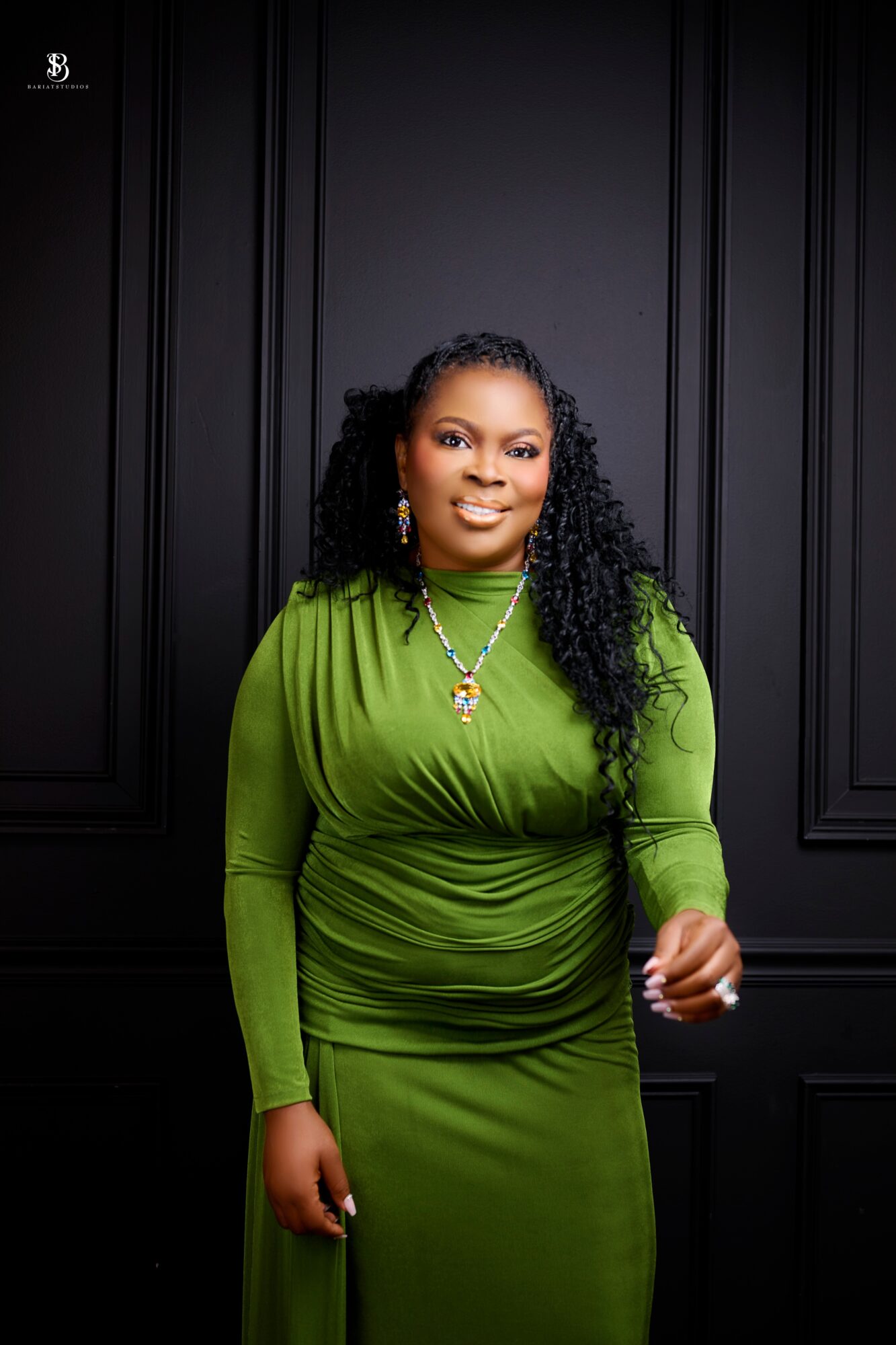




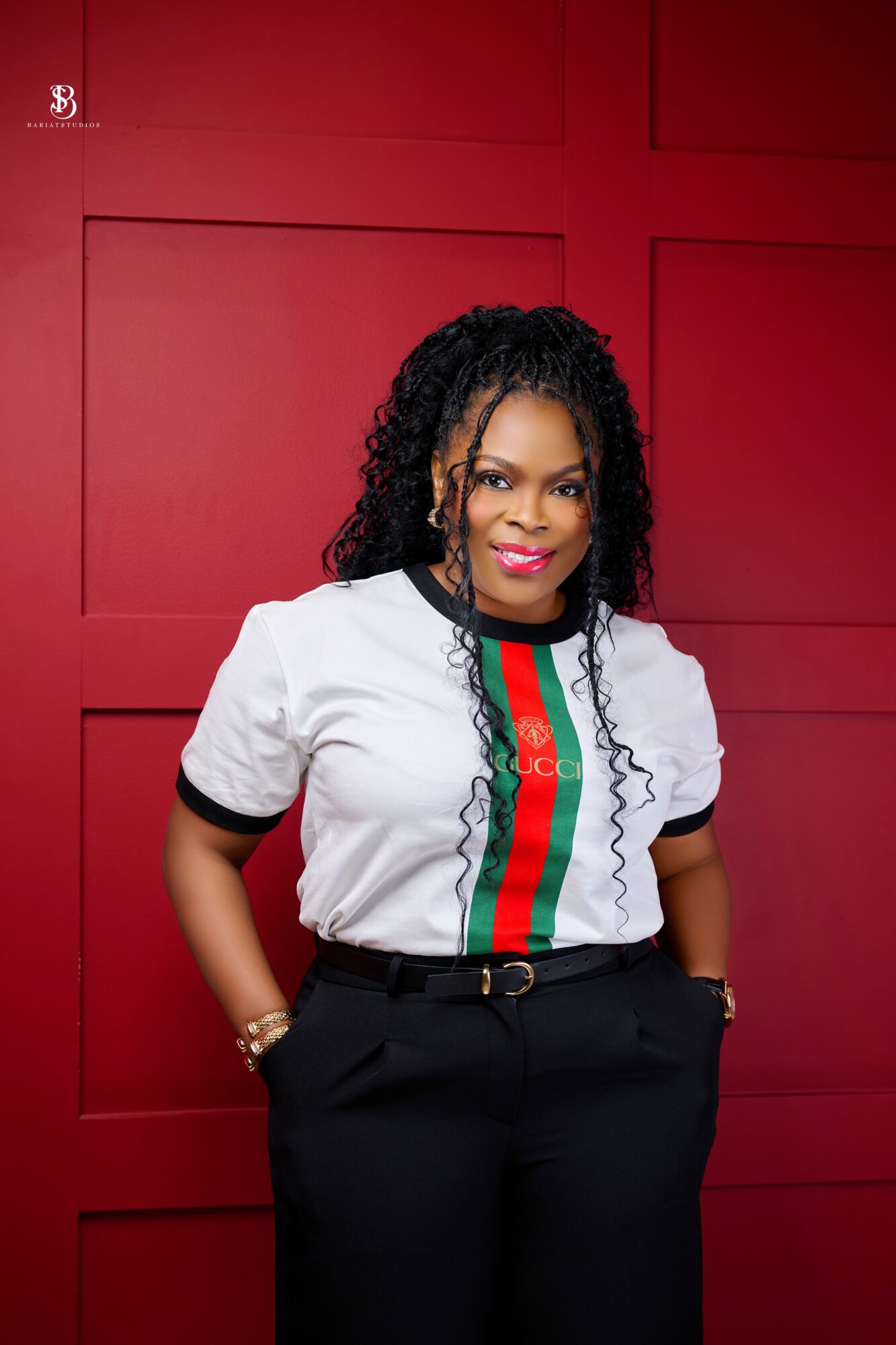
Today we’d like to introduce you to Dr. Teniola Akinwuntan.
Hi Dr. Teniola , so excited to have you on the platform. So before we get into questions about your work-life, maybe you can bring our readers up to speed on your story and how you got to where you are today?
Dr. Teniola Akinwuntan: Rehabilitation Visionary
A Walkthrough of Integrated, Outcomes-Driven Population Health Leadership
From Transformational Training to Global Health Initiatives: How THEESEEDS Institute and Women of Valor Are Redefining Public Health Management Through Measurable Results — Not Just Programs
In public health, the distinction between activity and impact has never been more critical.
Dr. Teniola Akinwuntan, Founder, President, CEO, and Clinical Director of THEESEEDS Institute and Women of Valor Global Initiative, refuses to measure success by programs launched or participants counted.
Instead, she engineers outcomes-driven services that deliver verifiable improvements in population health — particularly for immigrants, women, youth, and underserved communities across Maryland’s nine counties, with growing global reach.
A governmental policy advisor, educator, author, and Ph.D. in Psychology who completed the prestigious Global Public Health Leadership Program at Harvard T.H. Chan School of Public Health, Dr. Akinwuntan brings an uncommon synthesis of clinical expertise, strategic systems thinking (Executive MBA in International Relations and B.S. in Computer Science), and culturally responsive execution. Recently appointed Commissioner (Immigrant Representative of the Business Community) on the Baltimore County Immigrant Affairs Commission, she continues to shape policy while building on-the-ground solutions.
This magazine walkthrough takes you stop-by-stop through her journey, philosophy, and operating model — revealing how integrated behavioral health, education, and workforce development are producing not scattered activity, but measurable population-level transformation.
Stop 1: The Foundation — Credentials, Advocacy, and a Systems Mindset
Dr. Akinwuntan’s preparation for this work is deliberate and multidisciplinary. Her academic and professional portfolio — in Psychology, and International Relations, B.S. in Computer Science, Harvard Global Public Health Leadership, plus certifications in Project Management, Behavioral Health, Human Rights Education, and Human Trafficking Prevention — equips her to operate at the intersection of clinical care, policy, data systems, and international strategy.
As a Peer Learning Professor, Transformation Coach, and Forbes Coaches Council member, she has long advanced the principle that psychological well-being and mindset are foundational to professional and community success.
Recognition follows results: Maryland State Achievement Award (2021) for supporting minority women, 2023 Mayor’s Business Recognition Award (Baltimore City), Baltimore Game Changers Award (Governor Wes Moore), and inclusion in Marquis Who’s Who. She has served on the board of the League of Women Voters of Baltimore and the Leadership Council of the National Small Business Association (NSBA), representing Maryland interests in Washington, D.C.
These are not credentials for display — they are the operating system for reimagining how behavioral health integrates with education and public health management to serve entire populations more effectively.
Stop 2: THEESEEDS Institute — Building the Ecosystem for Workforce and Behavioral Health Transformation
THEESEEDS Institute stands at the center of her vision. It delivers more than 2000+ accredited courses in public health, behavioral health, and workforce development, with a deliberate focus on Maryland residents facing financial barriers and employment challenges.
Culturally responsive pedagogies and a commitment to job readiness across seven industries have produced strong outcomes, including a documented 98.2% retention rate — evidence that participants don’t merely enroll; they complete, apply learning, and sustain progress.
In 2026, the Institute achieved BHA approval as a mental health group and secured the 1915(i) Intensive Behavioral Health Services waiver, unlocking respite care, trauma recovery (TRC) pathways, and intensive services calibrated to population needs. Additionally, she launched MTS and Health Home Adult Services.
The May 2026 launch of the Spiritual Unit added a voluntary, Christ-centered spiritual intervention care coordination track — fully integrated into a bio-psycho-social-spiritual (BPS-S) whole-person model, COMAR- and HIPAA-compliant, and structured so that at least 30% of services are subsidized with no financial barriers for those who elect to participate.
Here, the philosophy is explicit: behavioral health cannot be a standalone silo. It must be woven into educational attainment and vocational pathways that create sustainable life change.
Stop 3: Women of Valor Global Initiative — Local Empowerment with Global Health Ambition
Parallel to THEESEEDS, Dr. Akinwuntan founded Women of Valor Global Initiative to advance women’s empowerment, immigrant support, and global health equity.
The organization has removed concrete economic barriers through initiatives such as Supportive Housing and Transportation Services, enabling fuller participation in education, employment, and health services.
With aspirations to scale women’s leadership development to 5,000 leaders and pursue strategic international partnerships, Women of Valor extends the integrated model beyond Maryland into global health initiatives. She is currently leading public health efforts in Rwanda and Dubai.
It remains grounded in culturally respectful, outcomes-focused practice — addressing social determinants at scale while staying accountable to measurable results for the populations served.
Stop 4: The Integration Imperative — Dissolving Silos for Public Health Management
Traditional public health frequently operates in fragments: behavioral health in one lane, education in another, workforce development in a third.
Dr. Akinwuntan’s model deliberately collapses these divisions. At THEESEEDS and Women of Valor, behavioral health interventions are coordinated with educational and vocational supports so that clinical progress reinforces economic mobility, family stability, and community resilience — creating reinforcing loops rather than isolated gains.
This is public health management executed at the systems level: addressing root causes (trauma, fragmented access, social determinants) through coordinated, multi-domain services. The population-level payoff appears in improved resilience, employment trajectories, reduced health disparities for immigrant and minority communities, and stronger household functioning.
Stop 5: Outcomes Over Programs — Clarifying Population Health Impact
This is the core clarification Dr. Akinwuntan brings to the field.
Population health is defined by the health outcomes of a defined group of individuals and the distribution of those outcomes. Outcomes-driven services ask a different set of questions than traditional program counting:
• Are behavioral health symptoms and functional impairments decreasing across the youth population served?
• Are employment placement, wage progression, and job retention rising for training graduates, and do those gains translate into measurable household and community health improvements?
• Are disparities in access and outcomes narrowing for immigrant, women, and minority populations?
• Does integrated care reduce unnecessary crisis utilization while improving quality of life, family functioning, and long-term stability?
At THEESEEDS this philosophy is operationalized across service lines:
• Youth Population Focus (Recent Launch): Intensive psychoeducation programs for children, adolescents, and youth services, explicitly designed to deliver stable, transformative behavioral health aligned with integrated health care services. Success metrics prioritize behavioral stability, emotional regulation, school/developmental engagement, family system improvements, and reduced need for higher-intensity interventions over time — not merely enrollment or session counts.
• Workforce & Training Pipelines: Beyond course completion, the Institute tracks placement rates, 6- and 12-month retention, wage progression, and downstream effects on household and community health.
• 1915(i) Intensive Behavioral Health & Trauma Recovery Services: Individualized, evidence-based care plans with documented progress on clinical and functional outcomes, coordinated with respite and supportive services.
• Spiritual Unit Integration: For participants who voluntarily elect it, spiritual wellness is incorporated as a recognized determinant of overall health — measured alongside clinical metrics through client-reported sense of purpose, coping resources, and community connection.
“We are not building programs to check boxes. We are engineering ecosystems that produce measurable, population-level improvements in behavioral health stability, economic mobility, and whole-person well-being. That is the standard public health management demands — and that our communities deserve.”
— Dr. Teniola Akinwuntan
This shift from activity-based to outcome-based accountability is what positions her organizations as models for scalable, sustainable impact.
Stop 6: The Youth Imperative — Investing Upstream in Population Stability
The most recent expression of this outcomes-driven ethos is the launch of intensive psychoeducation programs specifically for children, adolescents, and youth. Designed in alignment with integrated health care services, these programs aim to interrupt intergenerational cycles of trauma and behavioral health challenges early, laying stable, transformative foundations.
By concentrating on this population segment, Dr. Akinwuntan invests upstream in public health — recognizing that today’s supported youth become tomorrow’s resilient workforce, stable families, and community leaders.
The integration with THEESEEDS’ broader educational and behavioral health infrastructure ensures continuity: youth services feed into workforce pathways while family support components strengthen the household ecosystem. The design prioritizes long-term population health dividends over short-term compliance metrics.
Stop 7: Policy Influence and the Commissioner Role — Shaping Systems from the Inside
Appointed in March 2026 as Commissioner on the Baltimore County Immigrant Affairs Commission (Immigrant Representative of the Business Community, term through December 2027), Dr. Akinwuntan brings her integrated, outcomes-focused lens directly into governmental policy advising.
This role amplifies her capacity to advocate for policies that expand immigrant populations’ access to behavioral health, education, and workforce services — removing structural barriers that fragment care and perpetuate disparities. It is a natural extension of her NSBA leadership, community board service, and lifelong commitment to equity and inclusion. Her presence ensures that frontline outcomes data and the realities of small-business and workforce developers inform immigrant affairs strategy.
Stop 8: The Horizon — Scaling Sustainable, Integrated Ecosystems
Dr. Akinwuntan’s forward focus is on harnessing cutting-edge strategies to enhance effectiveness, comprehensively measure impacts, and secure sustainable funding for both THEESEEDS Institute and Women of Valor.
She continues to pursue methodologies that strengthen psycho-educational interventions and workforce development while expanding the integrated model.
Ambitious yet grounded priorities include scaling women’s leadership development, deepening university and international partnerships, and embedding rigorous outcomes measurement into every service line.
The 2026 milestones — BHA approval, 1915(i) waiver, Spiritual Unit launch, and youth psychoeducation programs — are building blocks for a replicable, evidence-generating model of population health improvement.
Her ultimate aim remains clear: communities in which every individual, regardless of background, has access to coordinated, outcomes-driven services that heal the whole person, unlock potential, and contribute to thriving populations.
Closing Reflection
Dr. Teniola Akinwuntan’s leadership offers a compelling blueprint for 21st-century public health management. By refusing to settle for program activity and instead insisting on population health outcomes, she demonstrates that integrated behavioral health, education, and globally minded initiatives can deliver transformative, measurable results for the people who need them most.
For executives, policymakers, funders, and practitioners seeking models that work, this walkthrough — from personal conviction to systemic architecture — provides both inspiration and a practical framework. The seeds planted are already bearing fruit. The harvest of population health, equity, and empowered communities is underway.
Would you say it’s been a smooth road, and if not what are some of the biggest challenges you’ve faced along the way?
No, it has not been a smooth road — and every challenge has sharpened the clarity and compassion behind our mission.
The most profound test came early in 2025, when I survived a cardiac arrest that left my heart still for 45 minutes. That near-death experience, followed by recovery while continuing to lead, deepened my conviction that behavioral health must address the whole person — bio-psycho-social-spiritual — and deliver measurable stability, not just services.
Professionally, we have faced significant systemic and operational struggles: navigating the rigorous process to secure BHA approval and the 1915(i) Intensive Behavioral Health Services waiver in a fragmented landscape; managing dozens of initially denied claims while fighting for sustainable reimbursement; and building an integrated model that bridges behavioral health, education, workforce development, youth psychoeducation, and voluntary spiritual care amid siloed systems and resource constraints.
These hurdles — especially while serving immigrant, women, and minority populations facing compounded barriers — reinforced why we reject program counting in favor of outcomes-driven services.
They have forged our insistence on evidence-based, culturally responsive care that produces real population health improvements: stable youth, resilient families, and sustainable employment.
The struggles did not break the vision; they refined it. Today, they fuel our commitment to scalable, integrated ecosystems that break cycles of trauma and create lasting transformation.
Thanks for sharing that. So, maybe next you can tell us a bit more about your business?
At THEESEEDS Institute and Women of Valor Global Initiative, we build integrated, outcomes-driven ecosystems that improve population health — not just deliver programs.
We specialize in psycho-educational behavioral health training, workforce development, and intensive clinical services for underserved populations, particularly immigrants, women, minorities, and youth across Maryland’s nine counties. Our offerings include over 300 college-accredited courses, 1915(i) Intensive Behavioral Health Services, respite and trauma recovery care, and our recently launched intensive psychoeducation programs for children, adolescents, and youth.
In May 2026, we introduced the Spiritual Unit — a voluntary, COMAR- and HIPAA-compliant, Christ-centered care coordination track integrated into our bio-psycho-social-spiritual model and subsidized to remove financial barriers.
We are known for achieving measurable population health outcomes rather than counting activity. Our 98.2% retention rate, BHA approval as a mental health group, and successful 1915(i) waiver reflect disciplined execution and evidence-based practice. What sets us apart is the deliberate integration of behavioral health with education, workforce pathways, and — where clients choose — spiritual wellness, all grounded in culturally responsive, trauma-informed care and rigorous outcomes tracking.
This produces stable, transformative results: improved behavioral health for youth, sustainable employment, stronger families, and reduced disparities.
Brand-wise, I am most proud that we have built a model that refuses to accept fragmented care or activity metrics. Readers should know we are not expanding programs for their own sake; we are engineering coordinated services that deliver verifiable improvements in population health, economic mobility, and whole-person well-being — with the same rigor we apply to policy advocacy as Commissioner on the Baltimore County Immigrant Affairs Commission.
Our mission is simple and non-negotiable: create accessible, integrated pathways that break cycles of trauma and equip individuals and communities to thrive.
How do you think about luck?
Luck, in the conventional sense of random chance, has played a surprisingly small role in my life and the building of THEESEEDS Institute and Women of Valor Global Initiative.
What has mattered far more is grace, disciplined preparation, strategic execution, and the willingness to transform adversity into purpose.
The most defining “bad – good luck” moment came in 2026 when I survived a cardiac arrest that left my heart still for 45 minutes.
That life-altering event could have ended everything. Instead, it became a profound reset. Recovering while leading our organizations deepened my conviction that behavioral health must be whole-person, outcomes-driven, and accessible — especially for the immigrant, women, and youth populations we serve.
It removed any illusion that success is guaranteed and replaced it with a sharper focus on measurable population health impact.
On the positive side, opportunities such as the Harvard Global Public Health Leadership program, my appointment as Commissioner on the Baltimore County Immigrant Affairs Commission, BHA approval, the 1915(i) waiver, and the launch of our youth psychoeducation programs and Spiritual Unit have felt like timely openings. Yet each arrived after years of advocacy, evidence-building, regulatory navigation, and team resilience — not random fortune. Even our 98.2% retention rate and recent regulatory wins reflect persistent execution more than luck.
In business and leadership, I have learned that what some call “bad luck” is often the refining fire that clarifies mission and strengthens systems. What some call “good luck” is usually the intersection of preparation, alignment, and divine timing. At THEESEEDS and Women of Valor, we do not rely on luck.
We build integrated, evidence-based ecosystems that produce stable, transformative outcomes for the
populations who need them most — regardless of the obstacles encountered along the way.
I am grateful for every lesson and every open door. Both have made our work more precise, more compassionate, and more committed to results over activity.
Contact Info:
- Website: https://thewov.org
- Instagram: Teniakinwuntan
- LinkedIn: https://www.linkedin.com/in/teniola-a-71356a86
- Other: http://aybclubhouse.com