


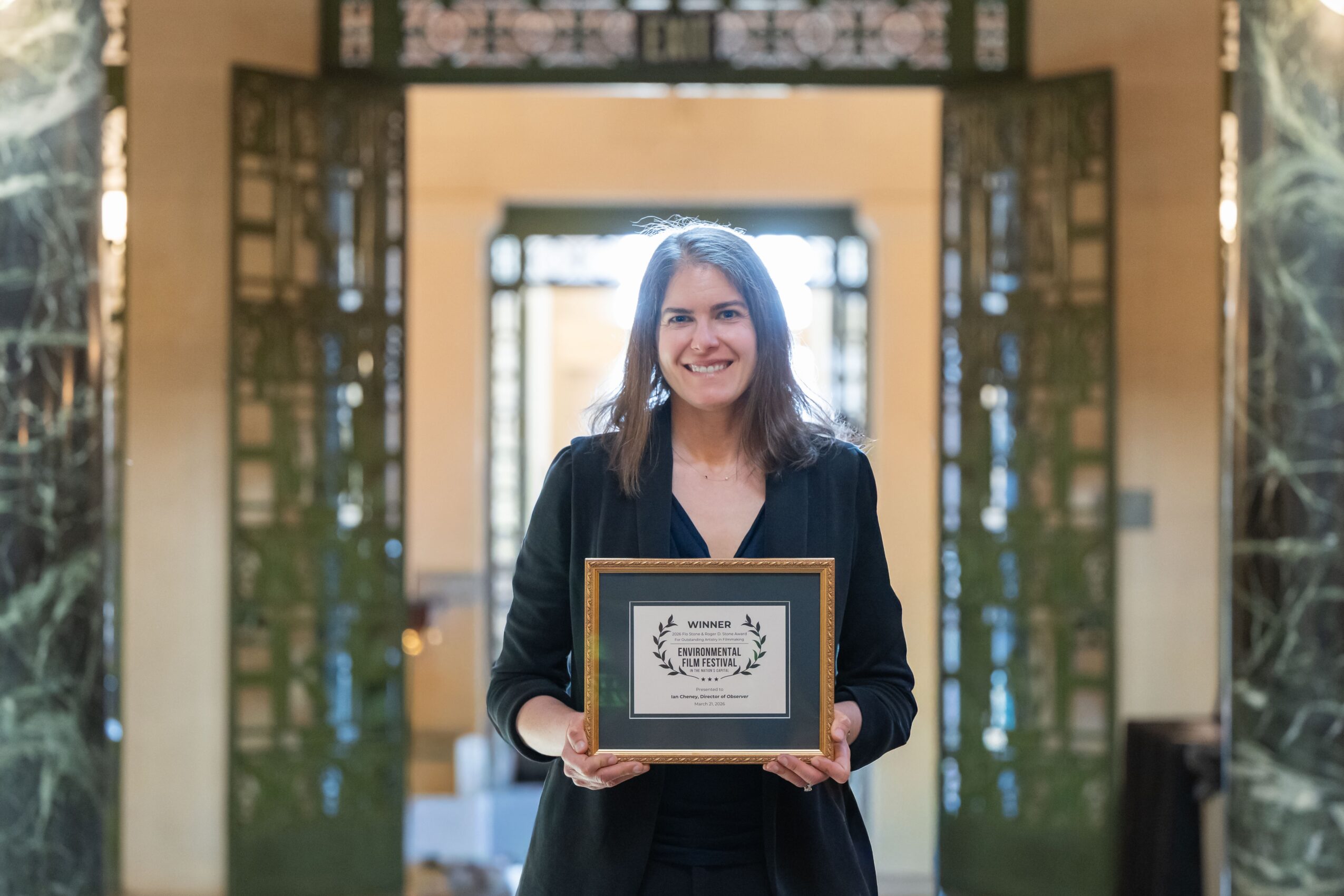
Today we’d like to introduce you to Sarah Goodwin.
Alright, so thank you so much for sharing your story and insight with our readers. To kick things off, can you tell us a bit about how you got started?
My path into science communication and education started at the lab bench. I was a PhD student at the University of California, San Francisco in Dr. Ron Vale’s lab when Ron founded iBiology in 2006. His idea was to film talks by leading scientists and make them freely available online to anyone, anywhere. I’d always been interested in science education and public engagement, so I started volunteering for the project. I ran interviews, helped with project management, and even created subtitles for the talks.
When I was close to graduating, Ron received an NSF grant to hire someone to run the project full time, and he asked if I wanted the job. I loved doing research, but I was really excited by the chance to share science widely while working with some of the top scientists in the world. It was a crossroads, and I ultimately decided to join in 2011. I’m really happy I chose this path.
When I started, it was me and a few part-time colleagues, and our whole program was focused on recording lectures by prominent scientists, mainly for the scientific community. Over the next decade we expanded to reach undergraduates, early-career scientists, and the general public. We ran research studies in undergraduate science classrooms to understand how our videos were affecting student outcomes, and we created online courses and workshops to help PhD students and postdocs sharpen their research and communication skills. At the same time, we started thinking about how we could bring these stories to a broader audience.
In 2015, we launched the Wonder Collaborative, a brand focused on science communication for the general public. Our first major project was Human Nature, a feature documentary about CRISPR and gene editing that earned three Emmy nominations. We then supported Picture a Scientist, which follows three women scientists confronting gender discrimination and has now been shown at more than 2,000 community screenings and institutional trainings. More recently, we released Observer, which follows several scientists and observers as they explore the world around us through their own expertise. It won the award for Outstanding Filmmaking at the DC Environmental Film Festival.
In 2020, we changed our name from iBiology to Science Communication Lab. We wanted the name to reflect the broader range of topics we cover and our experimental approach to science communication, which includes rigorous research and evaluation. Building on what we learned from the Wonder Collaborative, we also shifted from recorded lectures to immersive documentaries told through first-person storytelling by the scientists themselves. Through all of these changes, we’ve stayed committed to creating films and resources that are free for anyone to use, accurate to the science, and told in scientists’ own words.
Along the way, we noticed more and more middle and high school teachers using our films in their classrooms. So over the past several years, we’ve developed programs where we work directly with educators to bring science into their classrooms in new ways. The films resonate strongly with students, and when they’re paired with hands-on activities that mirror what students see on screen, we see powerful outcomes, including stronger science identity, better understanding of science, and deeper participation. Right now we’re especially focused on growing this work so that students can see the human side of science, and see themselves as people who can do science too.
Alright, so let’s dig a little deeper into the story – has it been an easy path overall and if not, what were the challenges you’ve had to overcome?
The most important thing for us is to have an impact. I think we’ve done a great job of iterating and experimenting across film production, distribution and engagement, and research and evaluation, so we can reach audiences and understand what actually works. Along the way, we’ve helped move the field forward in understanding how audiences connect with science films.
One challenge is that we often don’t fit neatly into one bucket. We’re an educational organization that also does film production, academic research, and impact campaigns. Usually each of those is done by a different group. Because we do a lot of different and innovative work, it can be hard to find our place in the funding landscape.
Funding has been the biggest challenge, especially right now. Our organization was built on government grants from the NIH and NSF, along with support from several private foundations. That support allowed us to build high-quality resources and experiences and contribute to what we know about science communication and education. But the funding landscape has shifted a lot over the last several years, and it’s become harder to find consistent support. That’s especially tough because I think we’re doing some of our most important work right now, helping K-12 students see that they can do science, understand it, and use it in their own lives. We’re exploring new avenues, and I’m hopeful something will come through so we can keep this work going.
Can you tell our readers more about what you do and what you think sets you apart from others?
My professional career has been defined by the Science Communication Lab, where I’ve been for 15 years, since finishing my PhD. As an organization, we’re best known for our immersive science storytelling documentaries, and I’ve served as a producer and executive producer on our films. For this work, I’ve been recognized with the top prize at the 2023 National Academy of Sciences Schmidt Awards for Excellence in Science Communications, along with Emmy nominations and other honors.
I love telling science stories through film because it really draws people in. We can bring together multiple perspectives and let people share their experiences in their own words, use animation to explain challenging scientific concepts visually, film in the lab or out in the field, and weave in archival footage and music. Getting to see and hear directly from the people we feature makes the experience much more personal for the audience. Film also lets us dive into things that are harder to convey in other formats, like the nature of science itself.
Research has always been a core part of what we do. As a scientist, I want to know whether what we’re making actually works, and for whom. We’ve studied how our videos affect students in undergraduate classrooms and found they help students feel more confident that they belong in science and give them a better understanding of how science is done. We’ve also partnered with science communication researchers to look at how documentaries shape audiences’ understanding of science, their trust in it, and their connection to scientists. More recently, we’ve been studying how films paired with hands-on activities affect science identity and participation among middle and high school students. That evidence shapes every decision we make about what to focus on next.
Leading a nonprofit for this long has also taught me a lot. I’ve guided SCL through several major transitions, from a lecture series run by a handful of people to an award-winning film studio to the education-focused organization we are today. Along the way, I’ve learned a great deal about leadership and management, building and supporting a team, working closely with a board on good governance, and fundraising from federal agencies, private foundations, and individual donors. Those skills are less visible than the films, but they’re what make the films and programs possible.
What sets us apart is that we’re multifaceted. We do film production, formal and informal education, research and evaluation, distribution and engagement, and professional development. The work has been incredibly rewarding, and it feels like we’ve had a real impact on people’s relationship with science.
Can you talk to us about how you think about risk?
I think risk-taking is important, but I tend toward calculated risks. Having evidence that a risk is worth taking really matters to me, especially when you’re making decisions for an organization.
When I reflect on the risks I’ve taken, a couple come to mind. The first was deciding to join iBiology instead of continuing in academic research. I had just published a paper in a major journal and was graduating from one of the leading labs at a top research institution, so I could have kept going on that track. In fact, when I joined iBiology, the plan was to stay for just a year and then return to academic research. But I found I loved the work and was given the opportunity to stay. It was a tough decision, but it opened up a path I never could have imagined.
Another big risk, or what I’d rather call an experiment, was making our first feature-length documentary, Human Nature. We wanted to create a film that really dove into the fascinating research behind CRISPR. The first third of the film focused entirely on that story, told in the scientists’ own words, and there was a real question about whether people would find it interesting. They did! That gave us the confidence to make more science documentaries and shift our whole approach.
These days, I think about risk less as one big leap and more as a habit of experimentation. At SCL, we’re always trying new things, whether that’s a new way of telling a story, a new partnership, or a new program with teachers. Then we look closely at what’s working, reflect, and adjust. Each of those steps is a much smaller risk, but together they’ve led to some of our most meaningful work. I think that’s the scientist in me. You don’t have to know the answer before you start. You just have to be willing to ask the question and learn from what you find.
Contact Info:
- Website: https://sciencecommunicationlab.org
- LinkedIn: https://www.linkedin.com/in/ssgoodwin
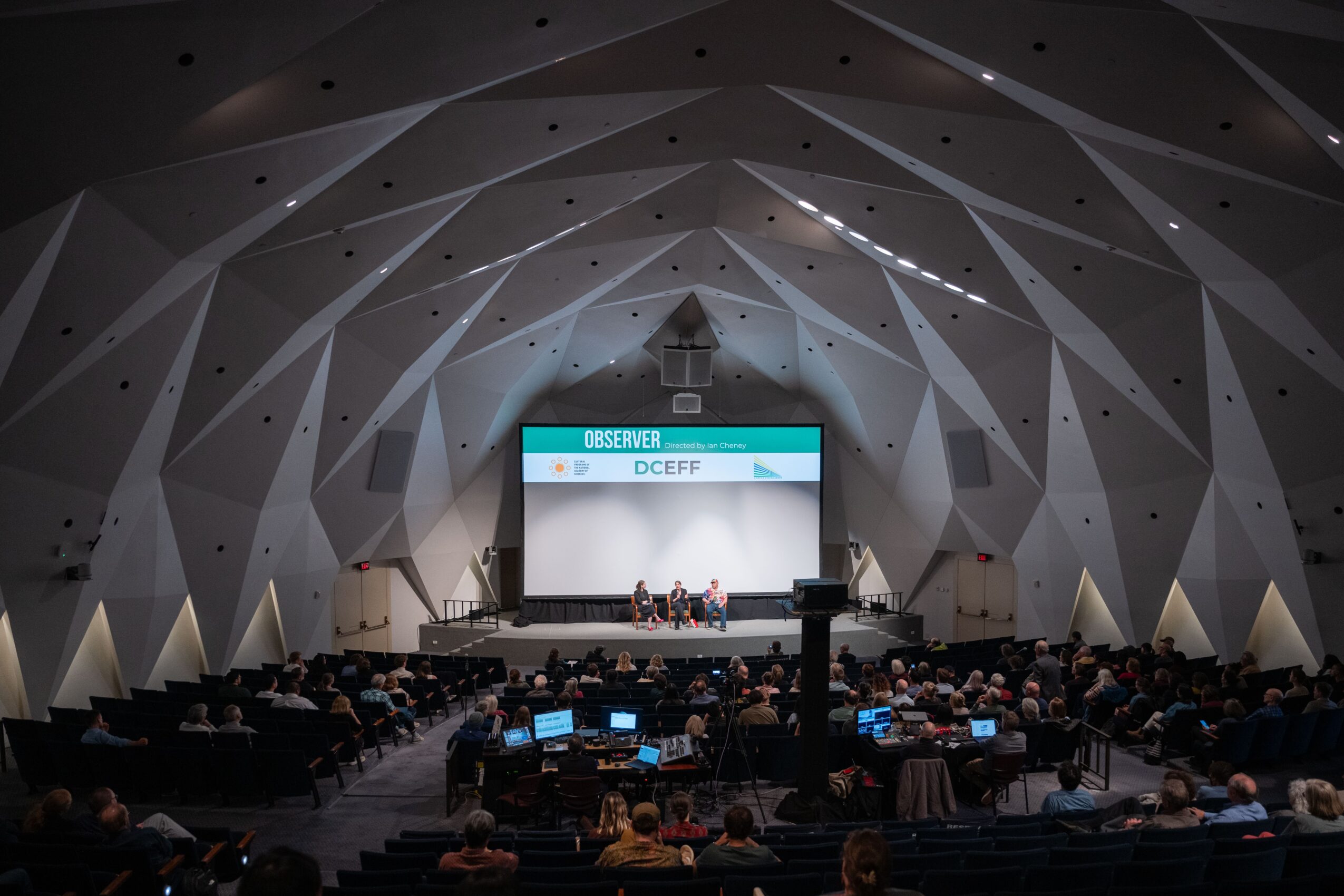
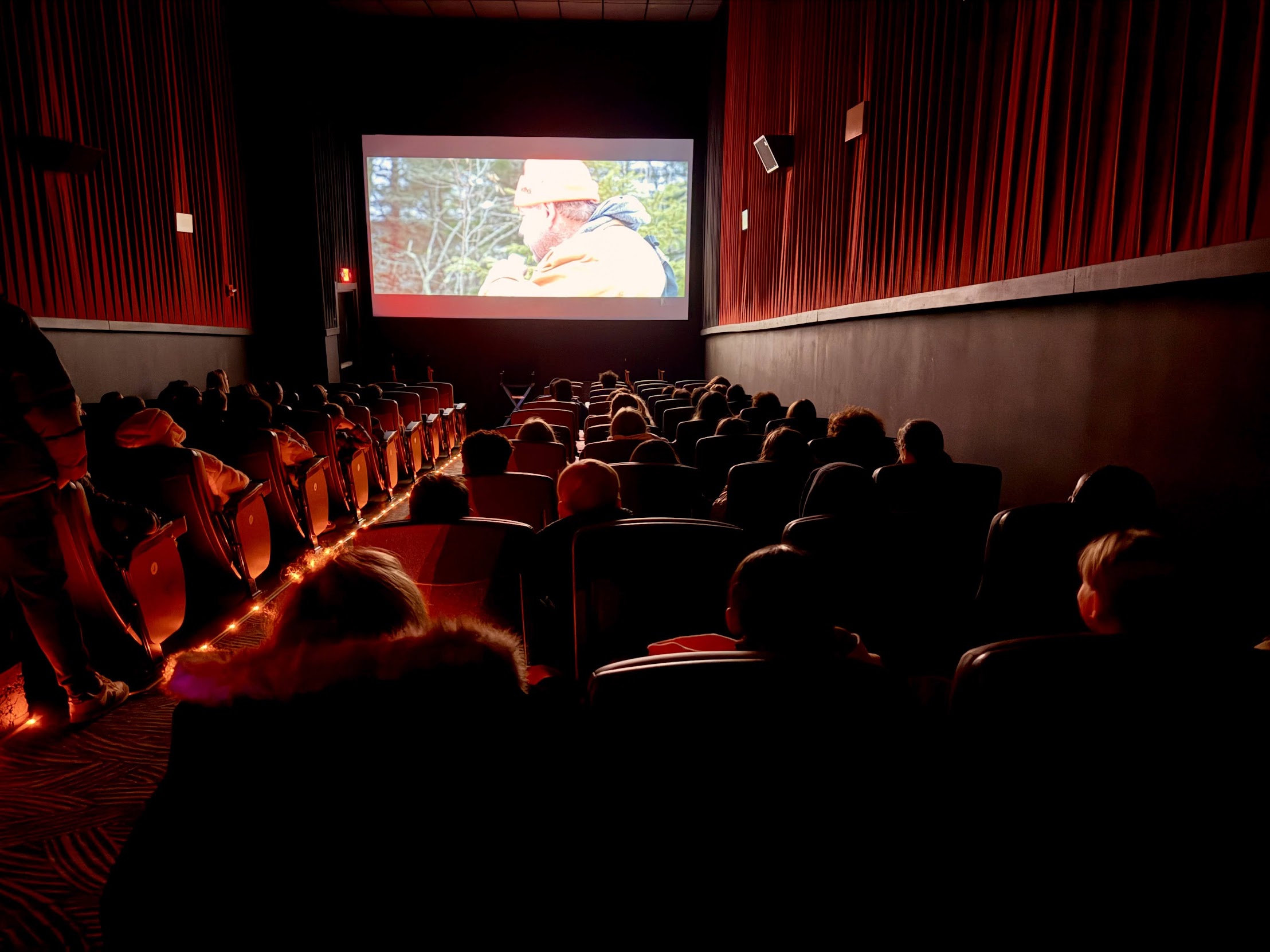
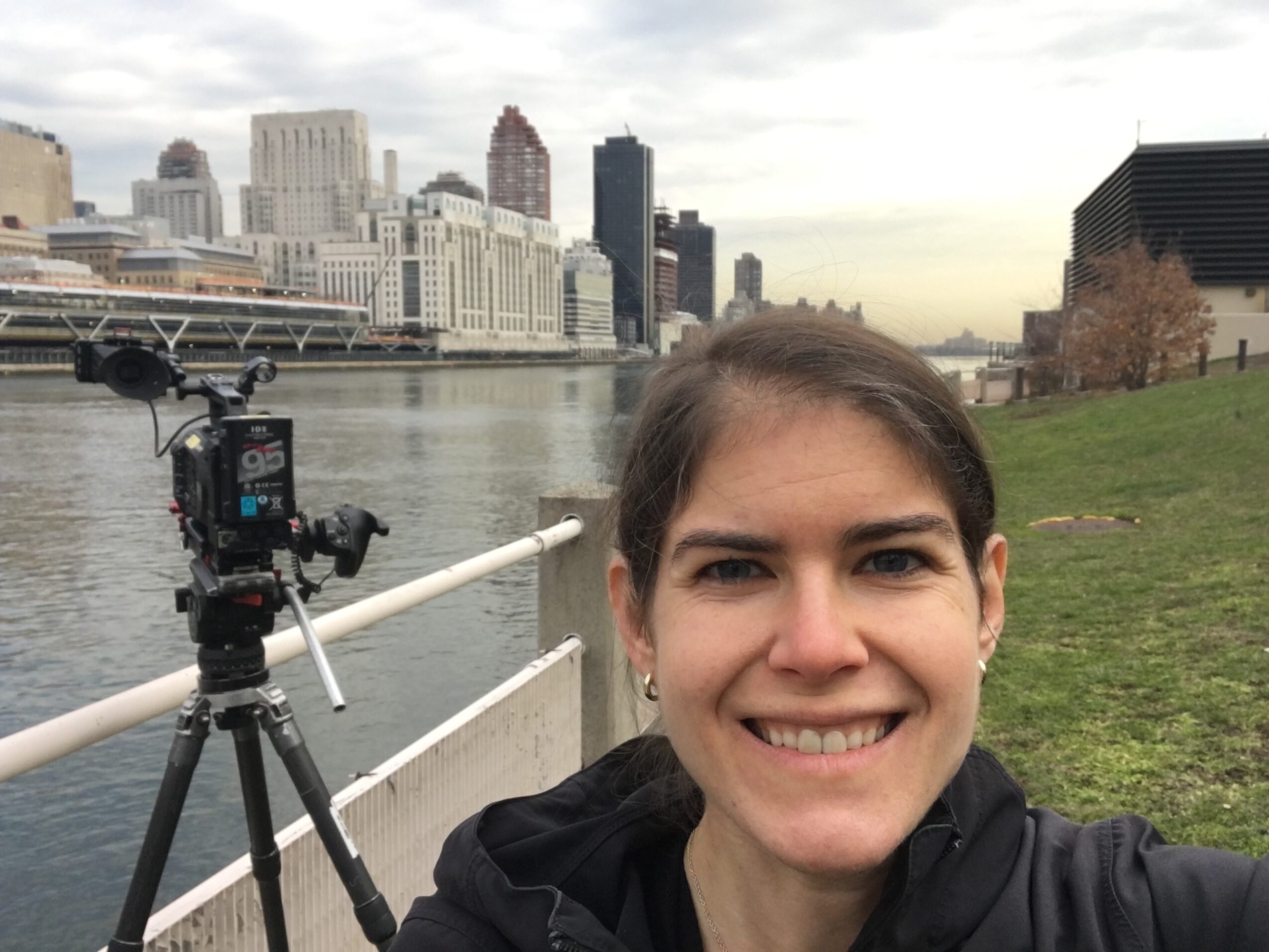
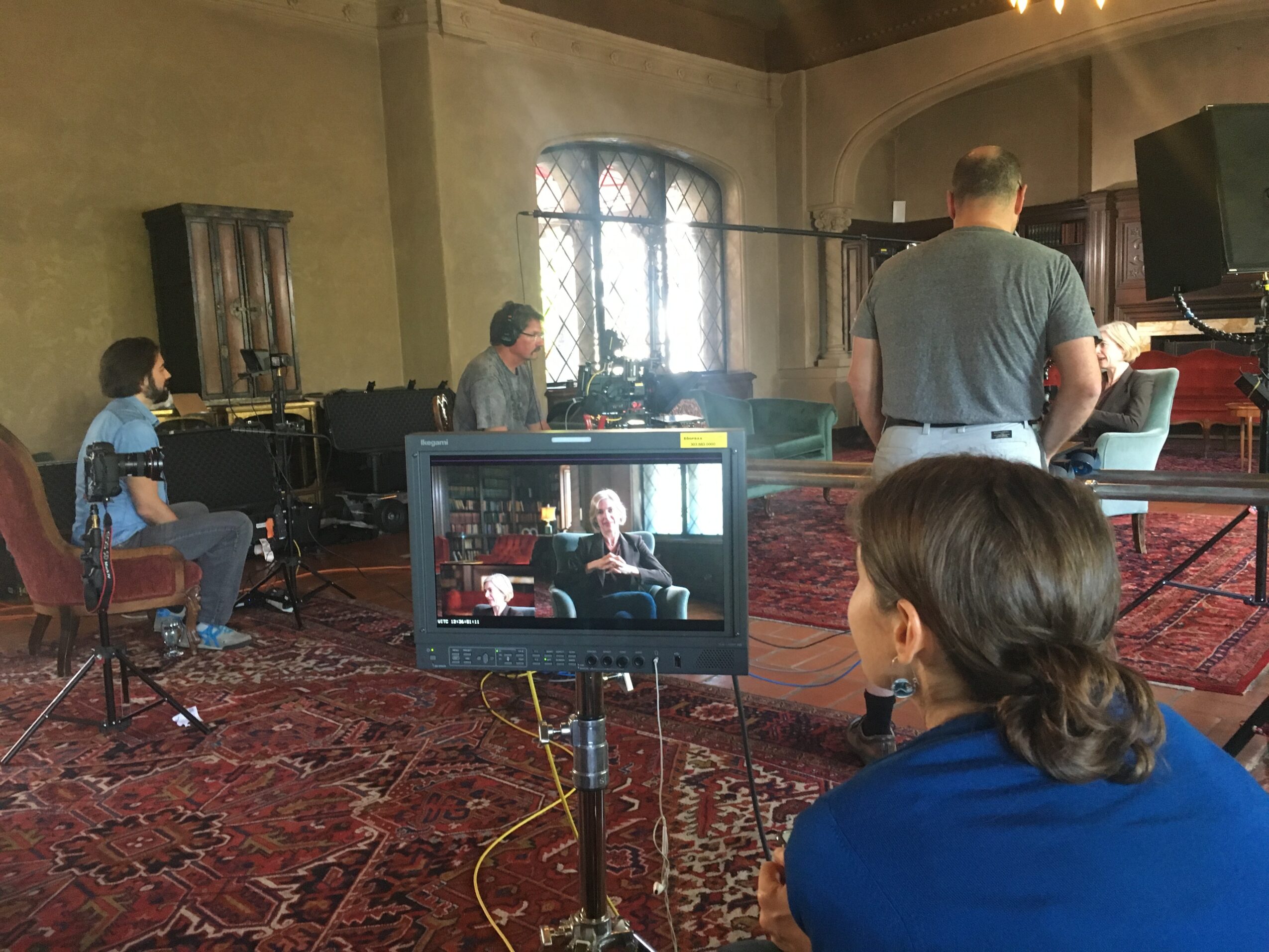
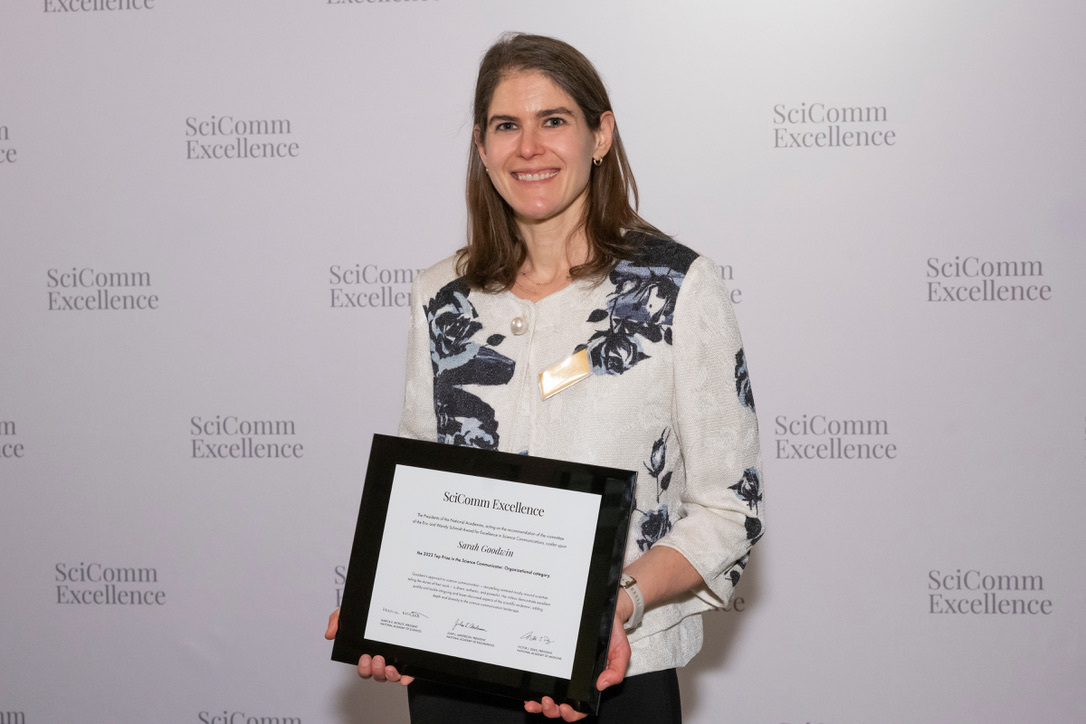
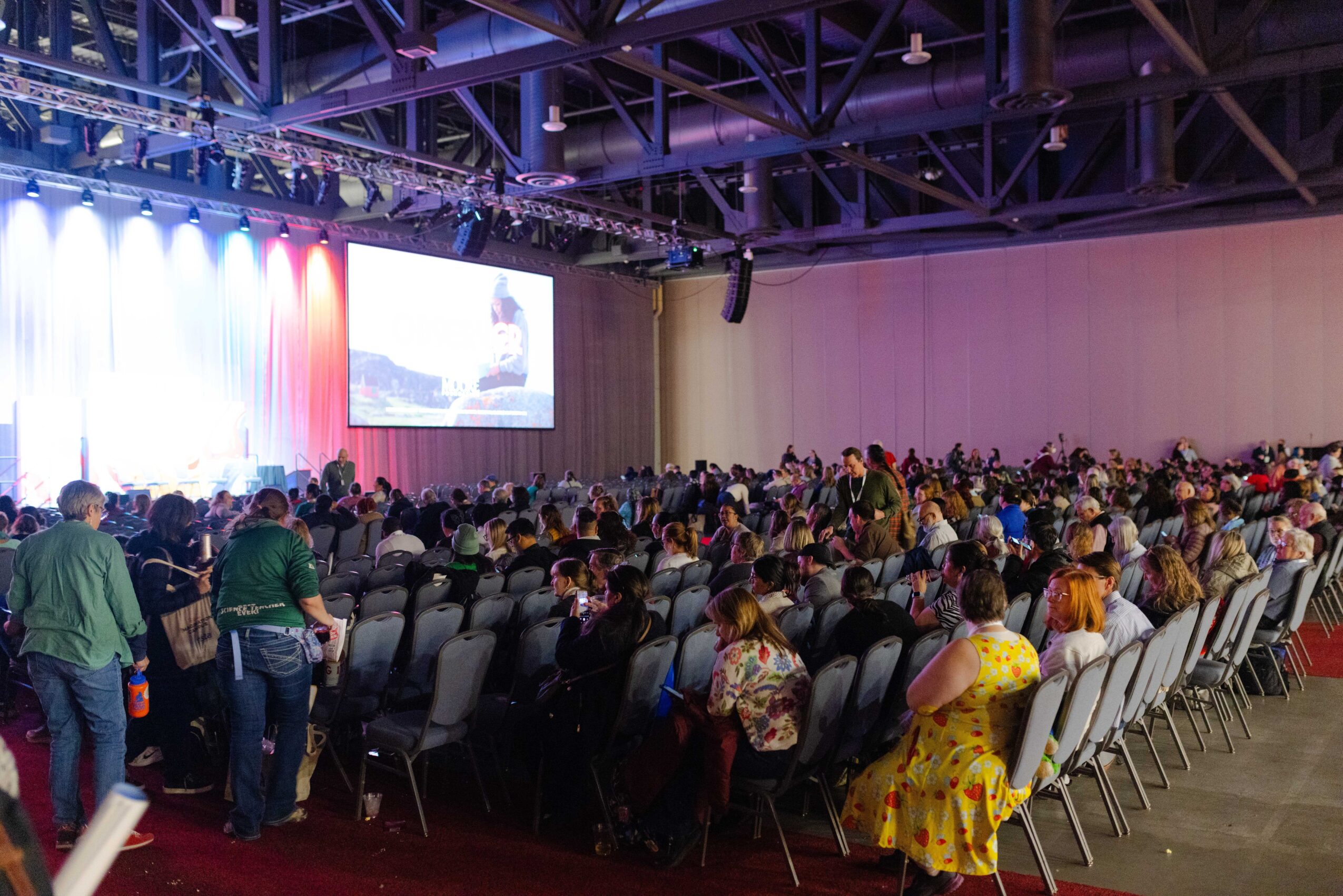
Image Credits
Photos by Joy Asico at DCEFF, Meredith DeSalazar, and Lee Goodwin