



Today we’d like to introduce you to Garrick Beauliere
Hi Garrick, thanks for sharing your story with us. To start, maybe you can tell our readers some of your backstory.
“In the criminal justice system, sexually based offenses are considered especially heinous. In New York City, the dedicated detectives who…” It is 2008 and 14 year old me is relaxing at home after school and all I can hear is my mom screaming “GARRICK!!! Turn off the TV and pick up a book!” It’s ironic disregarding my mom’s wishes to “pick up a book” has led me to be the first doctor in my family. I never had a dream to become a doctor, let alone a psychologist, but after watching episode after episode of Law-and-Order SVU, I became enamored by concept of knowing why people did the things they did. As a teen and young adult, I was glued to the television analyzing each individual and formulating my own hypothesis as to who the criminal was and why they committed the crime. Yes, I was wrong most of the time, but it never stopped me from trying.
I am not ashamed to acknowledge that Dr. Huang, the forensic psychiatrist on SVU, was my inspiration to pursue psychology. As I watched how he conceptualized and explained the behaviors of various characters, I knew I wanted to do something similar to him. Although Stabler and Benson, the main detectives of the show, were the face of the television series, they relied heavily on Huang’s expertise to explain the behaviors of the criminals and learn about mental health disorders. Although I did not follow Dr. Huang’s exact path, since psychiatry is not an interest of mine, his proficiency in psychology, passion to help others, and commitment to decrease mental health stigmas were admirable qualities.
Although mental health is my passion, I understand the suspicion of doctors and the science of psychology because I am privy to the cultural dynamics of not only my Haitian culture, but Black culture in general. It is always gratifying when a Black patient goes against their initial bias of mental health to trust my judgement as a Black psychologist. Learning and understanding mental health from someone that shares a similar background is not only important, but powerful. On multiple occasions I learned what the clients learned from sessions with me eventually led to discussions within their own family and friends.
The same way Dr. Huang helped New York City, is the same way I want to help my community. I have grown since 2008 and although I know I can do more, I see those same three admirable qualities I saw in Dr. Huang, in myself. I wanted to cultivate those same qualities so I can help the Black/Haitian community the same way he did for countless survivors on the show.
Alright, so let’s dig a little deeper into the story – has it been an easy path overall and if not, what were the challenges you’ve had to overcome?
About 5% of psychologists in the United States are Black and less than 1% of those Black psychologists are men. The lack of male representation is difficult, especially when you try to look for mentorship. I am glad to have found my village, but we need more Black men in the field.
The psychology licensing exam is biased, expensive, and does not align with what clinicians experience in practical settings. I had job opportunities put on hold because I did not initially pass my exam. I am part of an advocacy group called “Radical Psychologists (@radicalpsychs)” to fight the systemic barriers preventing qualified clinicians to practice independently.
I was in my doctoral program from 2017 to 2022 so yes, I wrote and defended my dissertation during the COVID-19 pandemic amongst completing other requirements for school. The process felt 10x harder because my dissertation was assessing vicarious trauma in Black Americans who have not experienced police violence. It was triggering because George Floyd, Breonna Taylor, Jacob Black, and more were on my mind as I was completing the biggest project of my academic career.
Navigating graduate school while you see your friends get married, have kids, buy houses, make 6 figures, and travel internationally made me feel like I was missing out especially since I was in school 80% of my 20s. Life keeps going, even when you’re in school. I understand it’s a sacrifice, but I would be remiss to say it didn’t affect me seeing my friends thrive in their early to mid 20s while I am pulling all-nighters and studying.
Thanks – so what else should our readers know about your work and what you’re currently focused on?
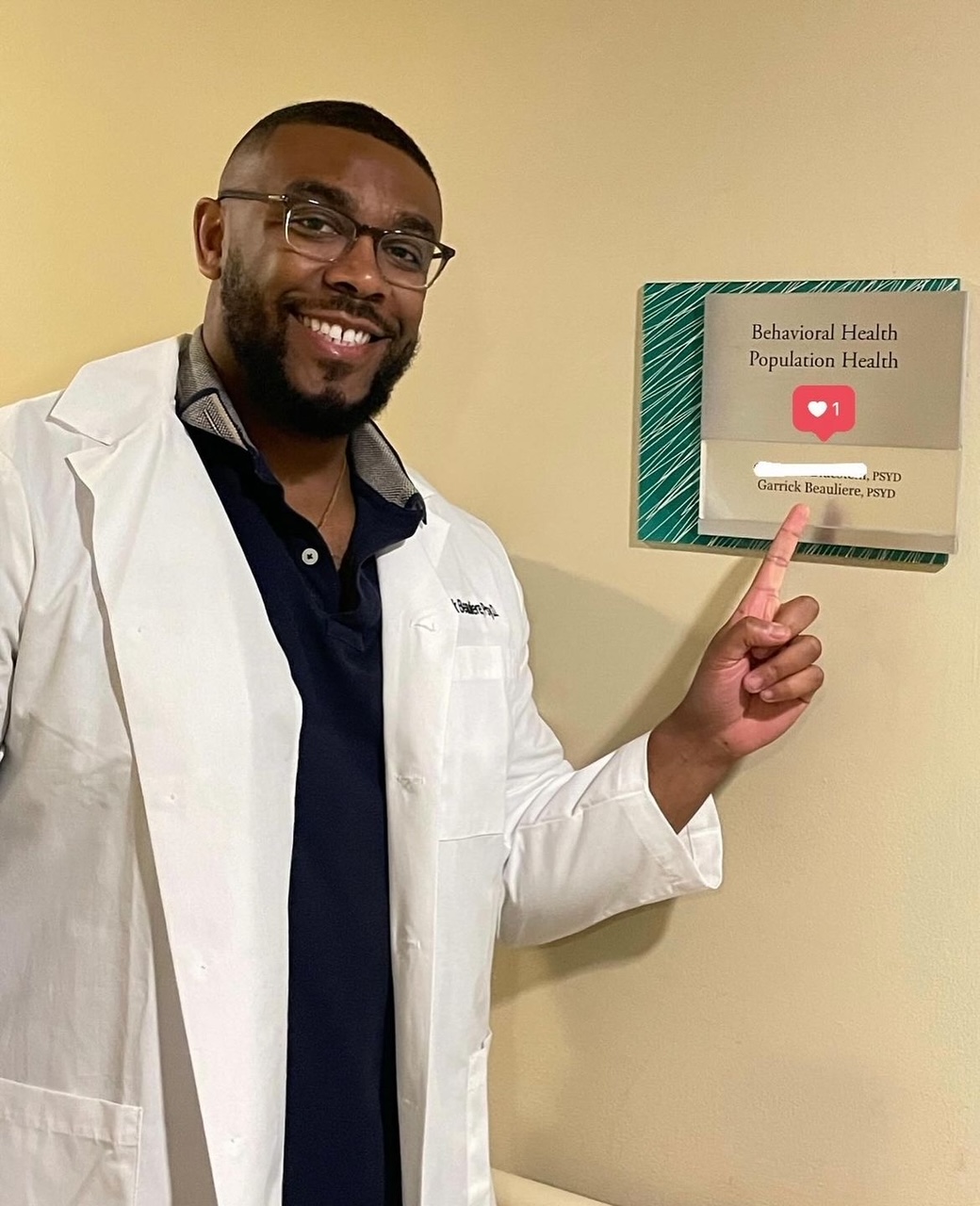
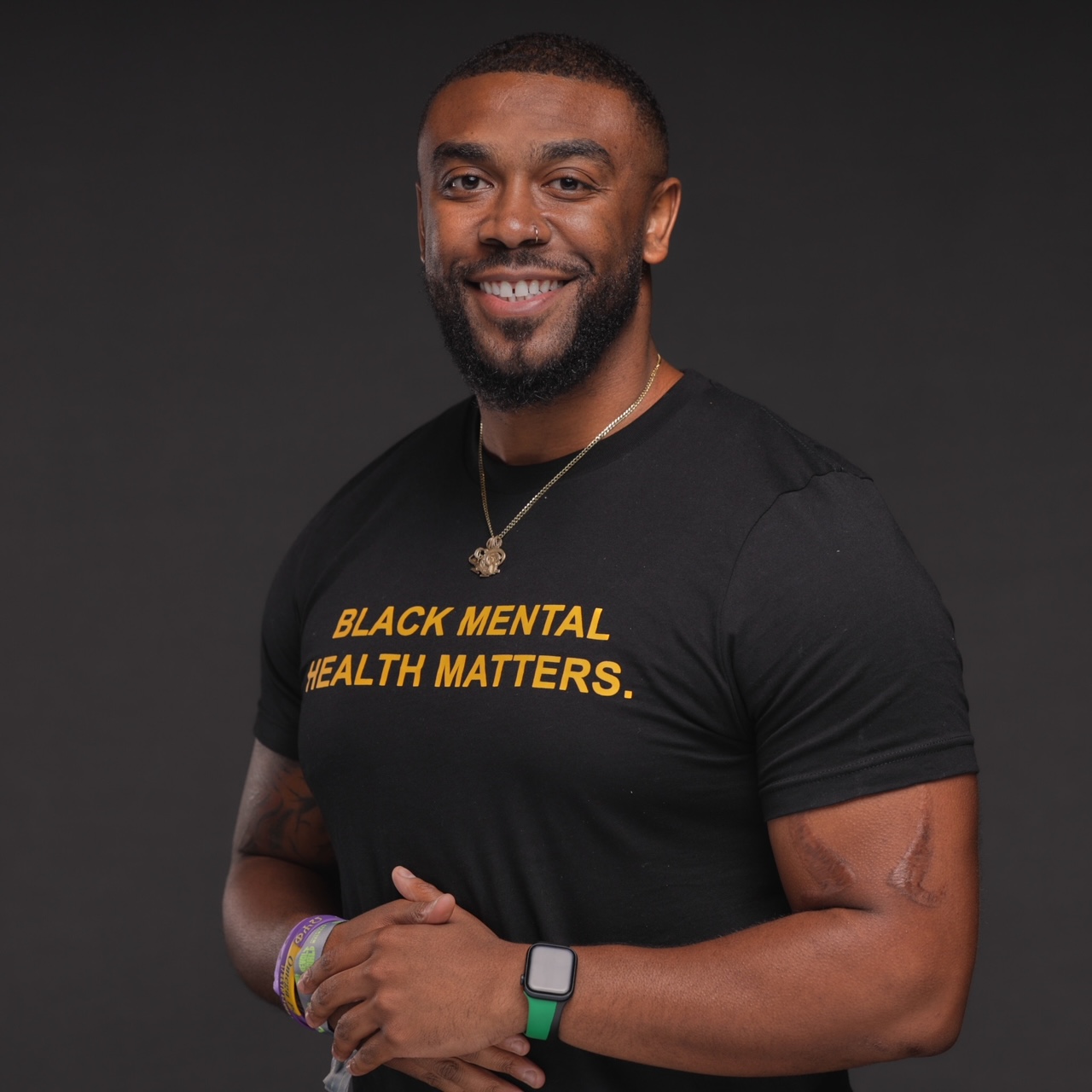
I am a licensed clinical psychologist working at a hospital in Baltimore, Maryland. My clinical interests include anxiety, depression, trauma, serious mental illness, mood regulation, substance abuse, family issues, stress management, friendship conflicts, guided lifestyle change, Black psychology, police violence, men’s issues, diversity, equity, and inclusion (DEI) topics, and African centered interventions.
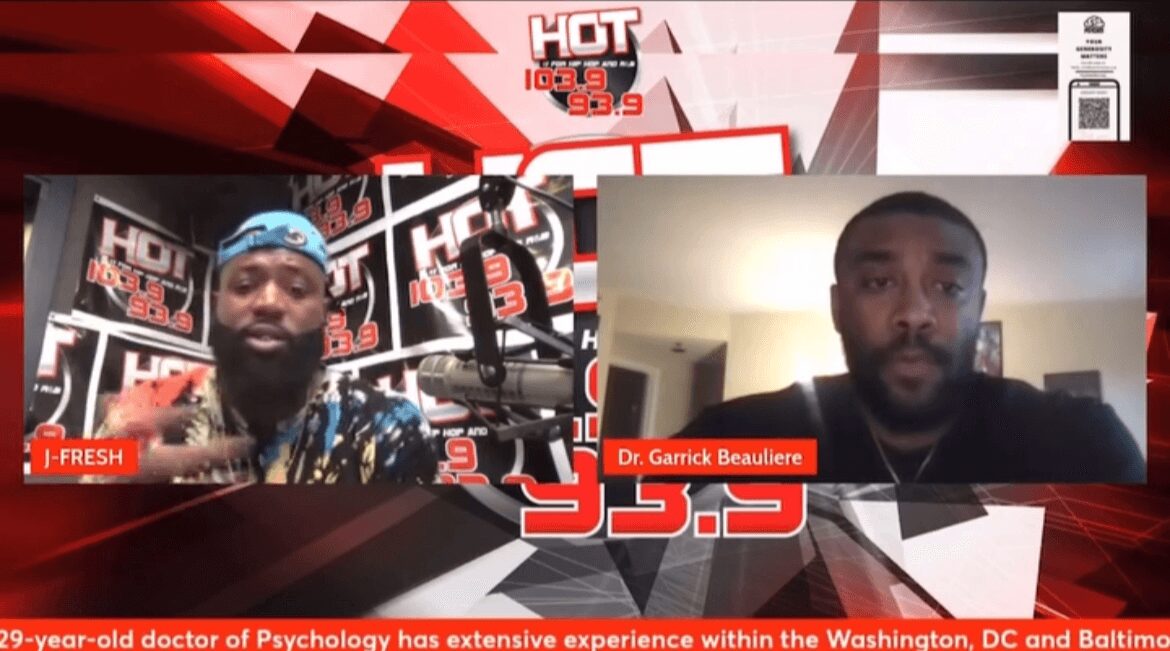
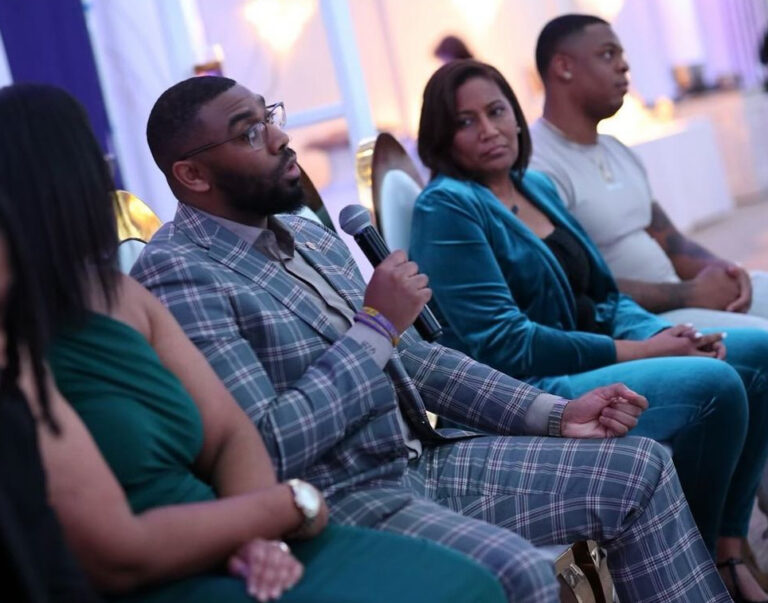
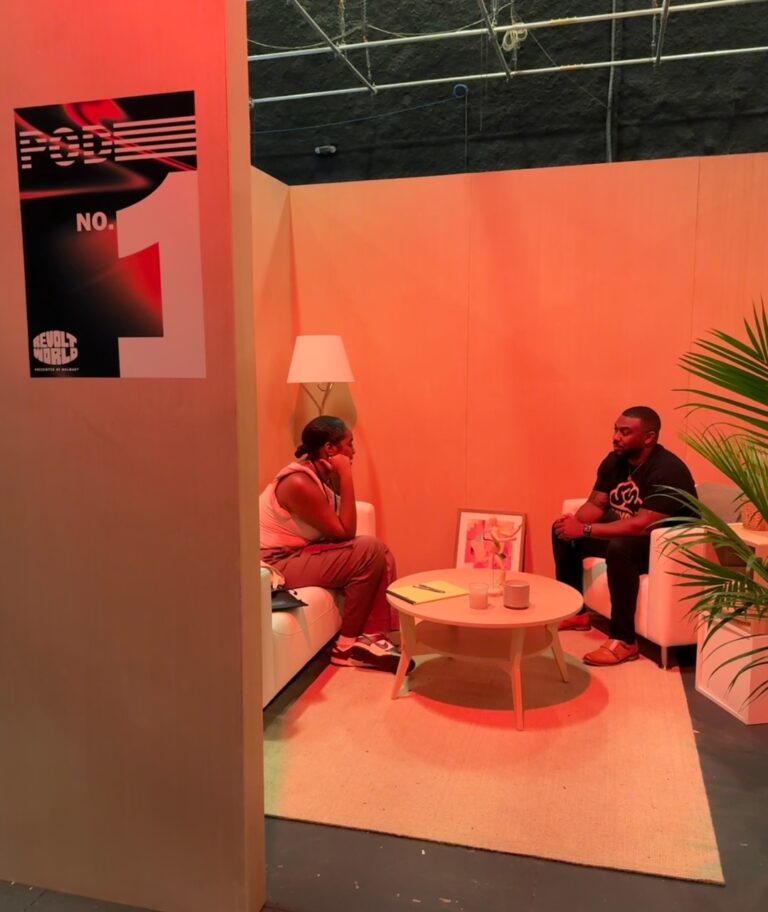
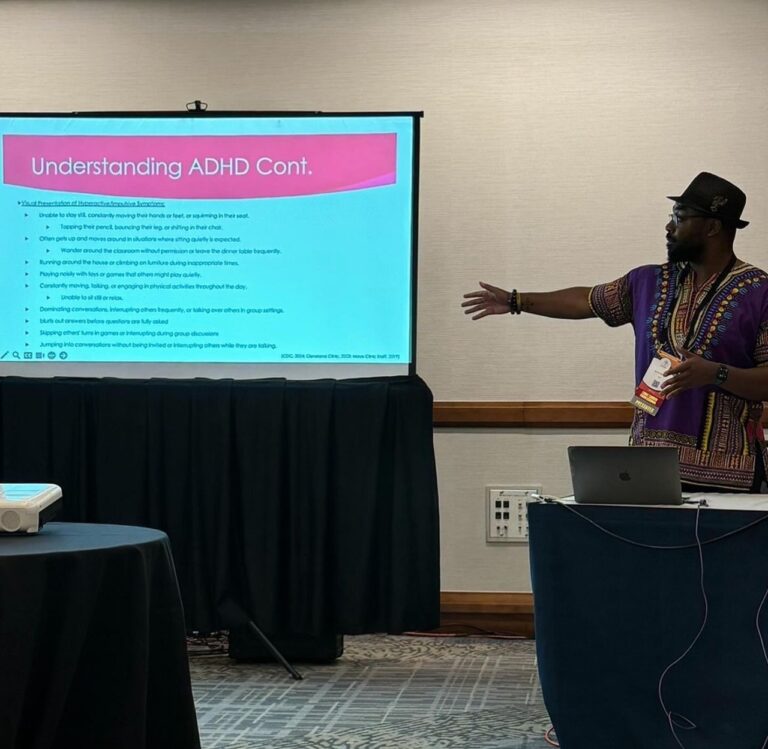
In addition to my clinical work, I am the current President of the DC chapter of the Association of Black Psychologists (ABPsi). As a graduate student, I was on the ABPsi Student National Board as the Eastern Graduate Representative and Membership Chair. My contributions to the community have been nationally recognized as well. I was selected as one of the 2023 McDonald’s Black and Positively Golden Change Leaders and was recognized on stage at the 2023 BET Awards for the impact I made in the Black community as a mental health advocate. I was featured on BET’s website and YouTube and was interviewed by Revolt TV highlighting my work as a mental health expert. I am frequently invited by organizations, such as AfroTech, The Congressional Black Caucus, Live Nation, REVOLT World, radio stations, universities, and hospital centers, to share my expertise and educate about mental health.
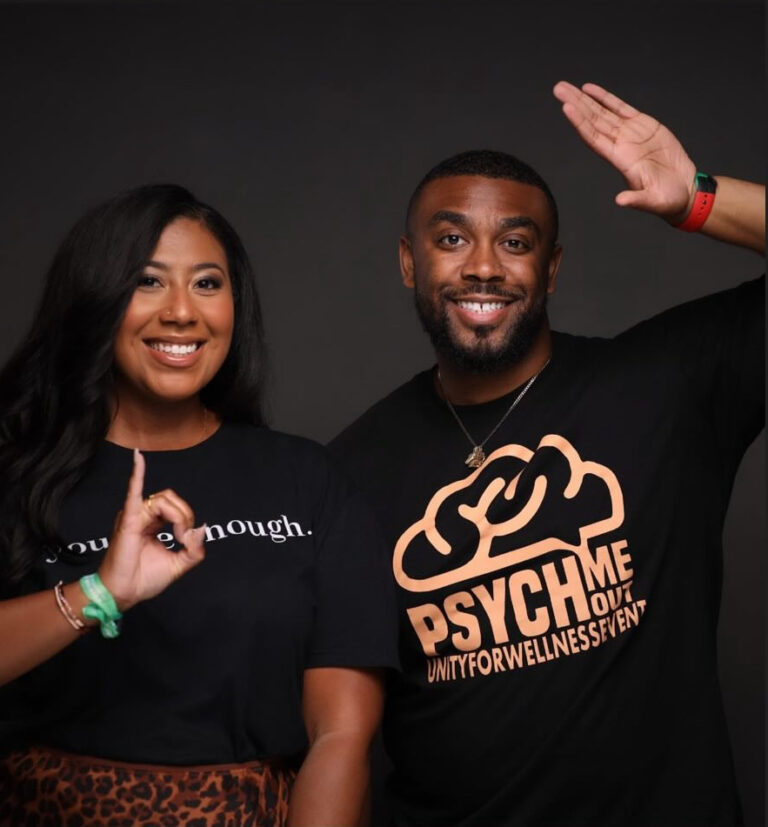
I am also the co-founder of the mental health organization, Psych Me Out (IG: @PsychMe.Out). The organization’s mission is to bridge the gap between Black generations and all things mental health. The vision is to improve the Black community’s quality of life by inspiring them to care for their mental health. PMO is unique because it was founded by two 30-year-old Black licensed psychologists, myself and my friend/colleague Dr. Alexis Ferguson. Between the two of us, we have extensive experience within NJ, NY, MD, and DC in a variety of settings such as child guidance clinics, schools/universities, inpatient forensic psychiatric hospitals, Veterans Affairs Medical Centers, prisons, and private practices. We have experience with children, teens, adults, and older adults. I believe our identities, experience, and expertise coupled with our passion to help the Black community is something that differentiates us from others in our field. There are many advocates doing amazing mental health work but Psych Me Out is founded by 2 Black male and female experts with experience doing the work.
Risk taking is a topic that people have widely differing views on – we’d love to hear your thoughts.
I was born and raised in NJ, so moving to Maryland at the age of 22 to start this psychology doctorate program was one of the biggest risks I’ve ever made. Leaving everyone I knew to start from scratch was scary but worth it. Ever since I moved, I gambled on myself and shot at any opportunity that came my way, kind of like this one haha. If I want to make a name for myself, I need to shoot my shot and see what goes in. Losing, I can accept but I cannot accept not trying. Being a risk-taker isn’t the absence of fear, it’s simply being afraid and doing it anyways. Your entire life can change when you decide to try, but also following through with it. The irony of life is that bigger opportunities may appear just because you tried, regardless if you initially succeeded or not. You never know who’s watching…so keep going.
Contact Info:
- Website: https://www.psychmeout.org/
- Instagram: https://www.instagram.com/_itsg94/
- Youtube: https://www.youtube.com/watch?v=P4iGO0eo7vE
- Other: https://www.instagram.com/psychme.out/?hl=en