



Today we’d like to introduce you to Gabriela Romo.
Hi Gabriela , we’d love for you to start by introducing yourself.
I was born and raised in Mexico, and my professional journey began in communications. I studied at the Universidad Iberoamericana (IBERO), where I developed an understanding of the power of communication, storytelling, and the relationship between individuals and society. At that stage, my professional interests extended beyond traditional communications. I was drawn to questions about social development, inequality, and the circumstances that shape people’s opportunities. This curiosity led me to pursue a master’s degree in Development Studies at the University of London.
My early professional experiences in Mexico and the United Kingdom gave me an international perspective and exposed me to the complexity of social and economic development. I learned to understand social problems from a broader perspective, including the institutional, cultural, and structural factors that influence people’s lives. But over time, something began to change.
Although development work allowed me to contribute to broader social initiatives, I increasingly wanted to work more directly with people. I wanted to see the impact of my work not only through programs or policies, but through the lives of individuals and families. I was looking for a more personal way to serve. I decided to go back to school and did a postgraduate in the University of Oxford in counseling. However, I moved to the US after living in the UK for 6 years due to my husband’s job. Here I did a master’s degree in mental health counseling at Johns Hopkins University. My work gradually shifted from understanding social challenges at a systemic level to helping individuals and families navigate the psychological consequences of those challenges.
As I entered the mental health field, I found a way to bring together everything I had learned: communications, social development, cultural understanding, and the importance of human relationships. I began working with vulnerable populations, including low-income families, survivors of domestic violence, and members of immigrant communities. My clinical experience included work in outpatient mental health services and a domestic violence shelter.
These experiences helped me understand that trauma, poverty, violence, discrimination, migration, and family separation are not isolated circumstances. They affect how people understand themselves, relate to others, make decisions, and envision their futures.
I established my private clinical practice, serving immigrants, mainly from the Hispanic community. As a bilingual Licensed Clinical Professional Counselor, I specialized in trauma, family separation, domestic violence, and the systemic challenges affecting immigrant families. My work expanded beyond psychotherapy. I became involved in psychosocial and psychological evaluations for immigration proceedings, helping document the mental health consequences of persecution, violence, family separation, and the possibility of deportation for courts and immigration authorities that make decisions on asylum seekers, victims of violence, and mixed families. To me, behind every immigration case is a human being, a family, and a story that deserves to be understood.
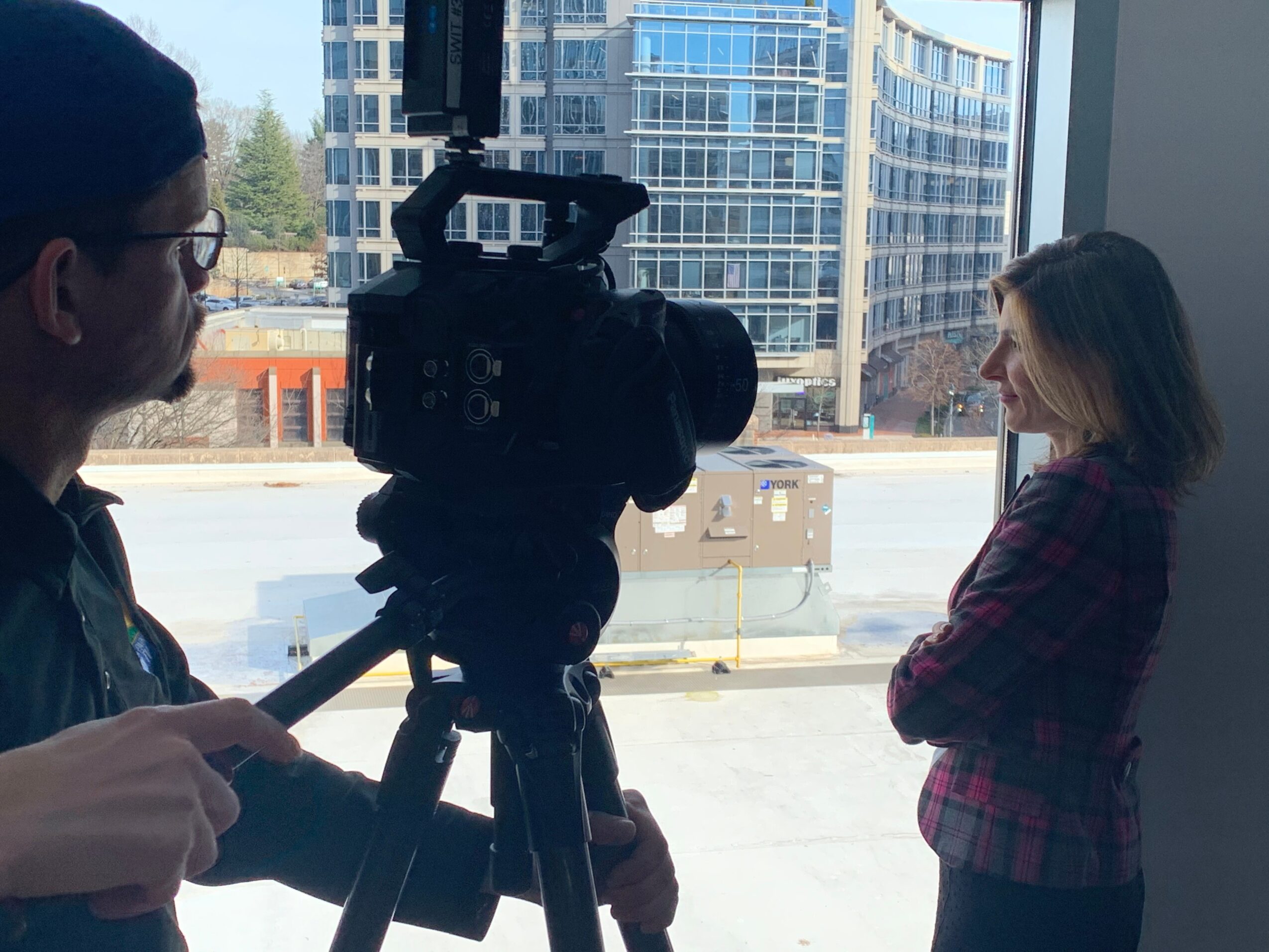
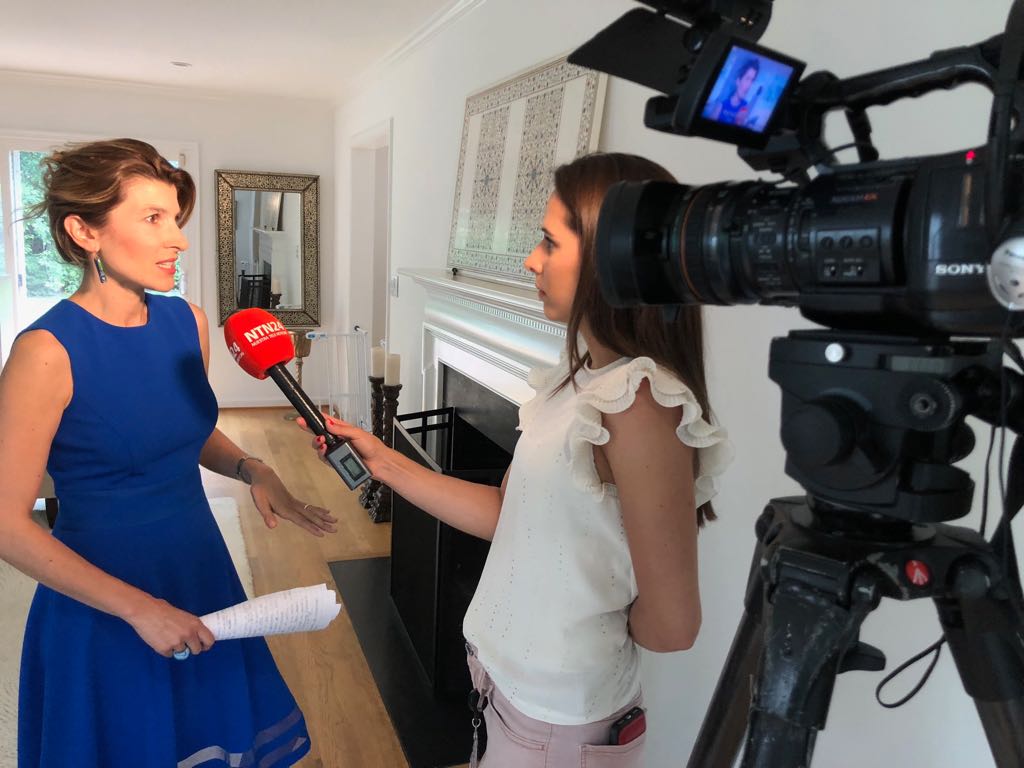
Also, for more than a decade, I have served as a mental health expert and commentator in Spanish-language media, including Telemundo and Univision, as well as Spanish-language radio, reaching the Hispanic community. Through interviews, educational segments, and weekly radio shows,I have addressed subjects such as domestic violence, anxiety, depression, parenting, trauma, child development, family relationships, and the emotional effects of social circumstances on Latino families.
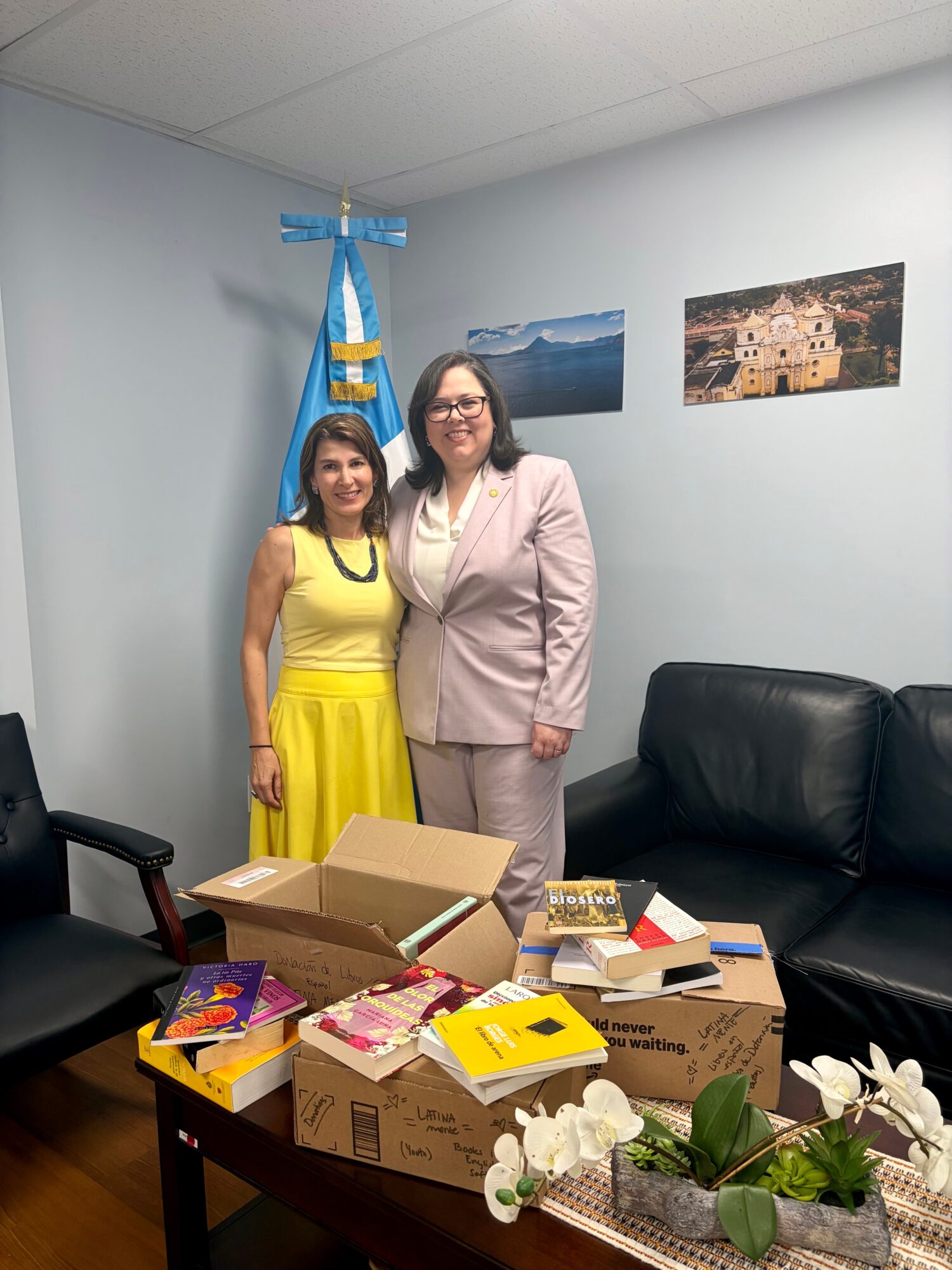
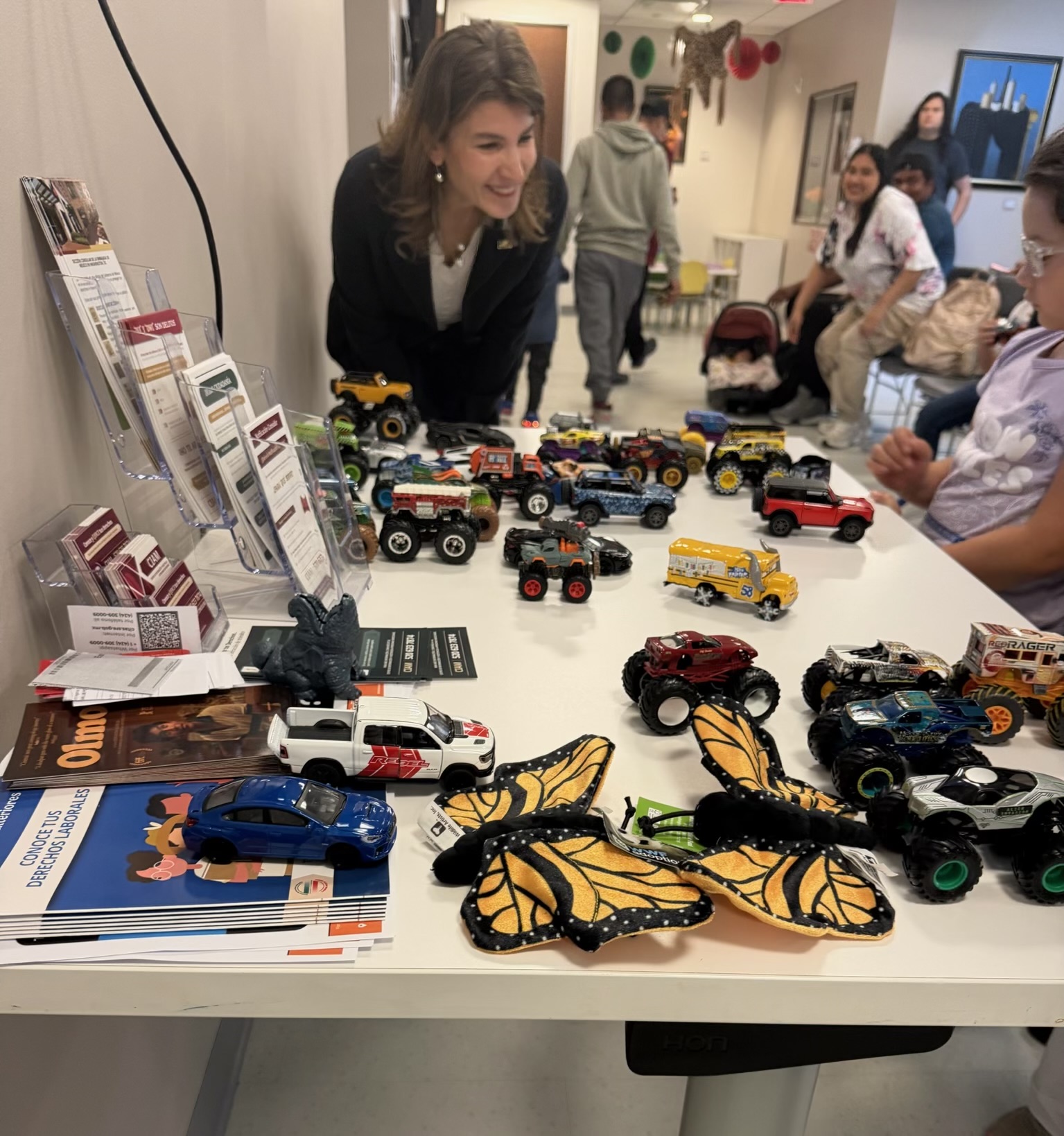
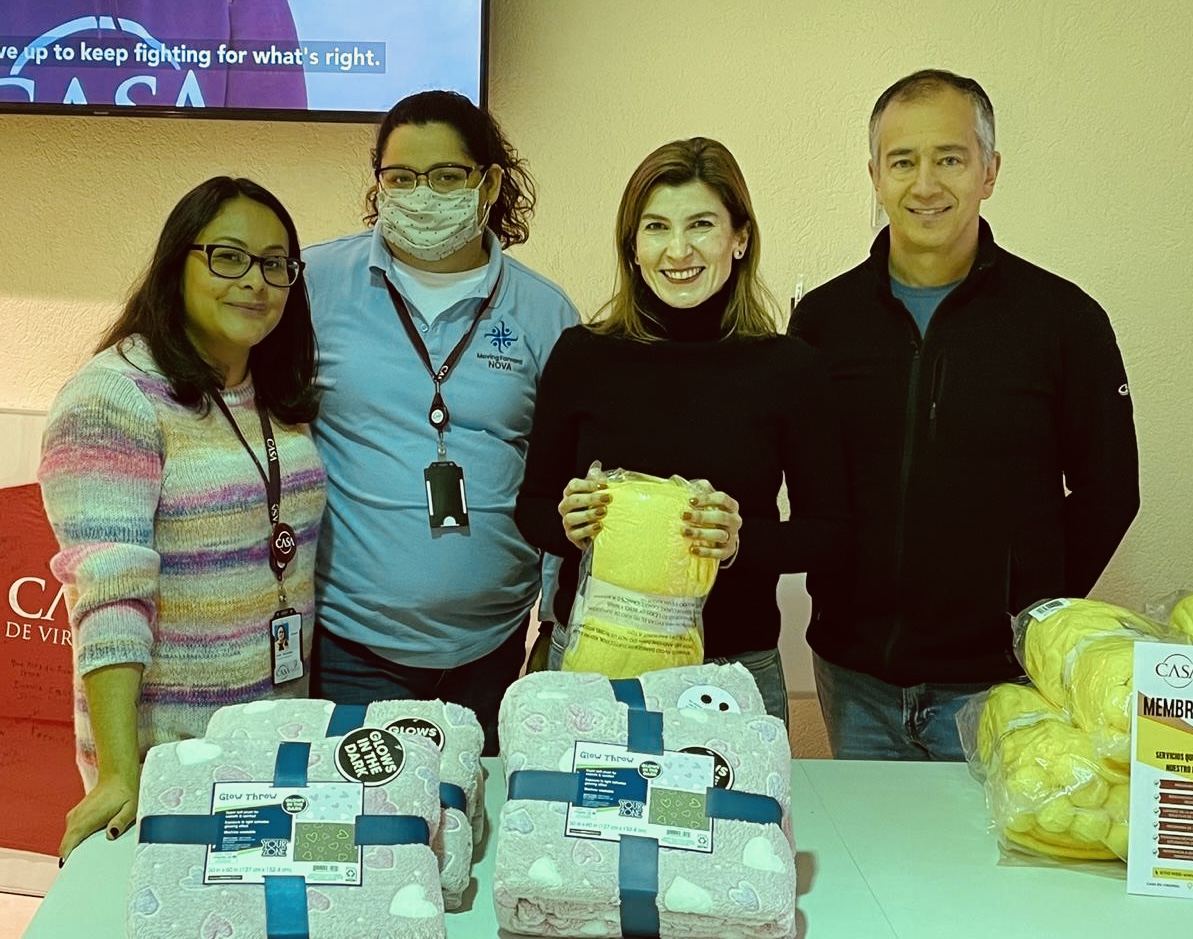
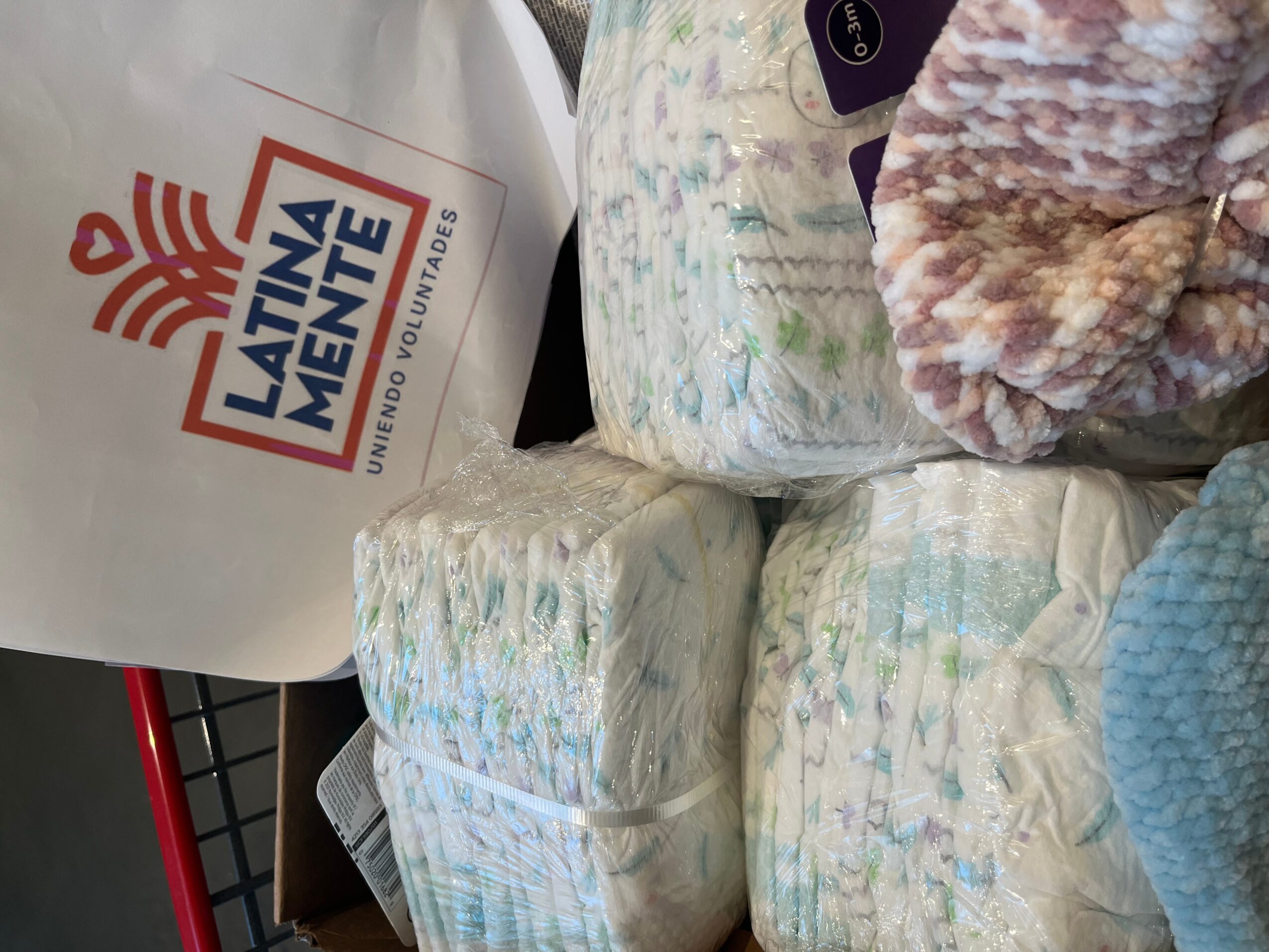
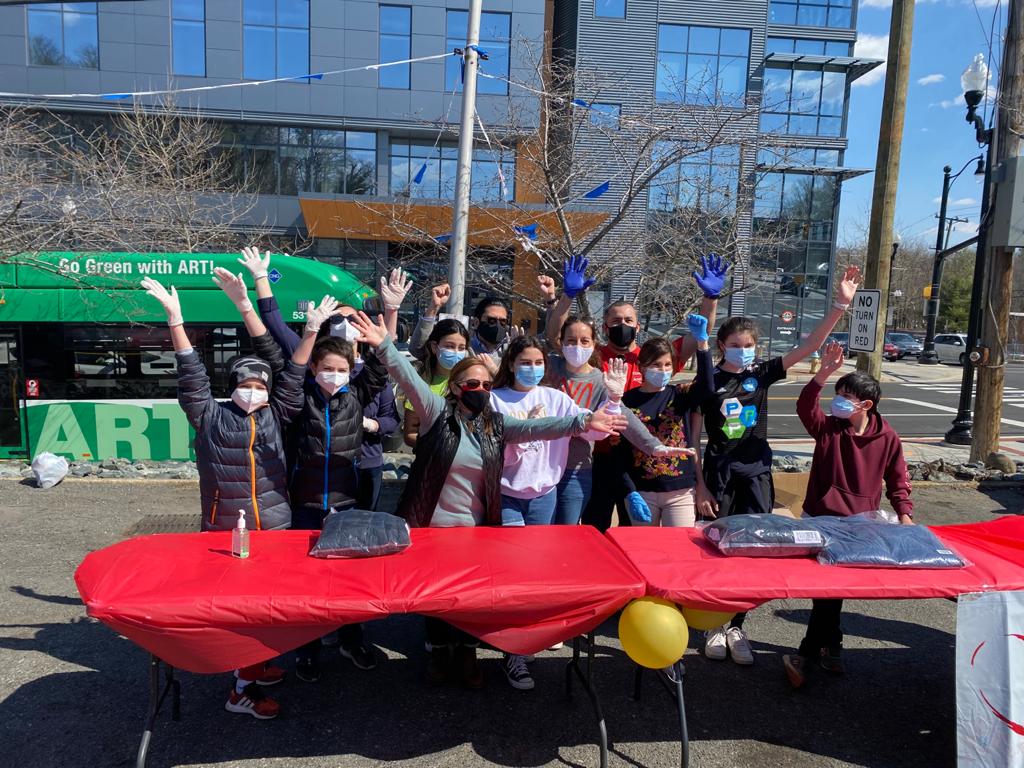
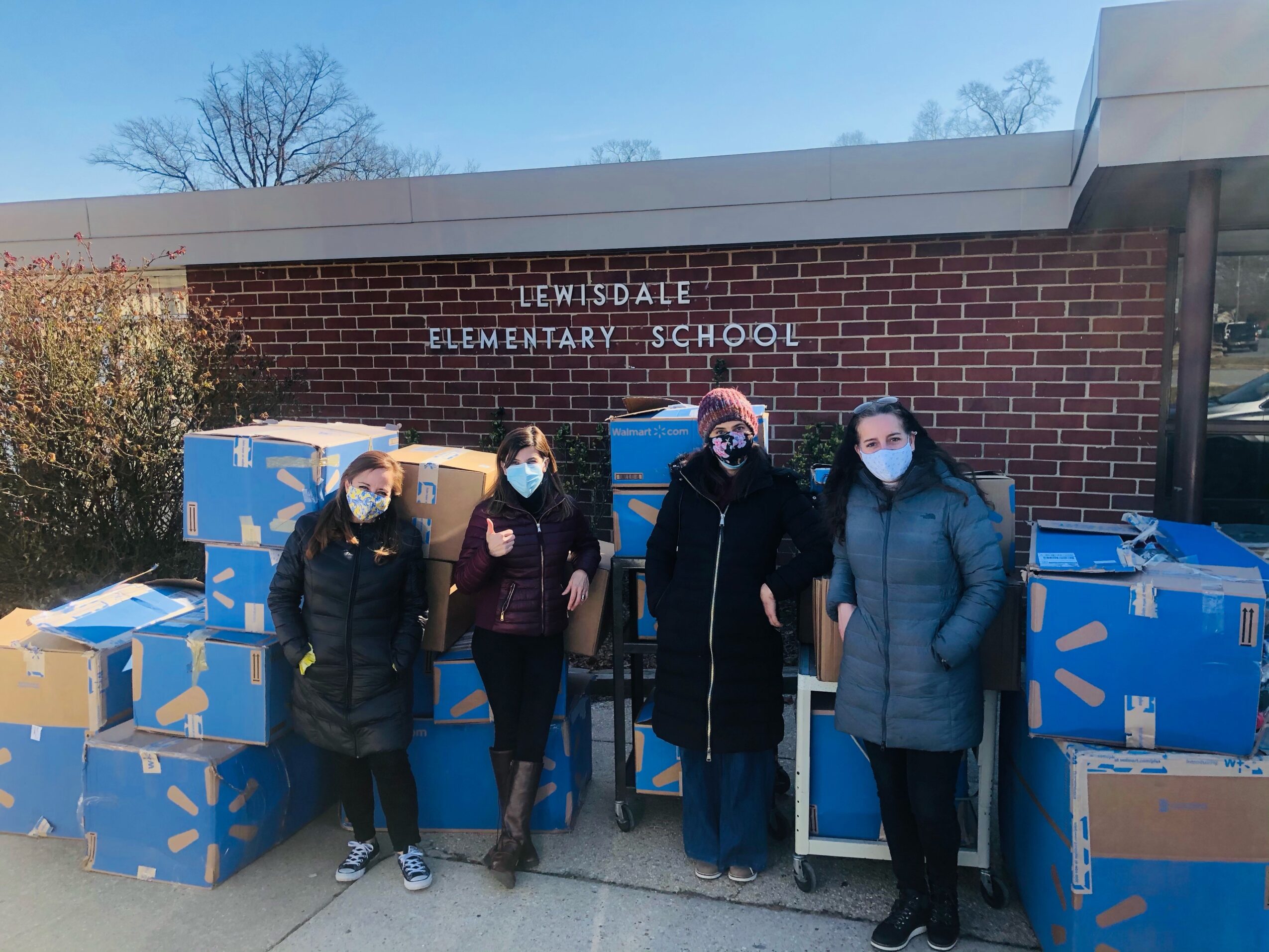
One of the most recent achievements, was the creation of Latinamente, a nonprofit organization I founded to address the needs of Latino families in the United States and Mexico. It emerged from a recognition that mental health cannot be addressed independently of the circumstances in which people live. A family experiencing emotional distress may also be struggling with food insecurity, a lack of clothing, limited educational opportunities, or the consequences of family separation. My work is to expand access to mental health and essential resources, promote education, and create opportunities for community connection. Its initiatives have included free mental health services, food and clothing donations, school-supply campaigns, educational workshops, and programs supporting families navigating difficult transitions. Currently, through Latinamente, we are serving with free therapy to children with a parent in detention, we are running a campaign of books to donate to detention centers, and soon we will start a winter coat donation, as well.
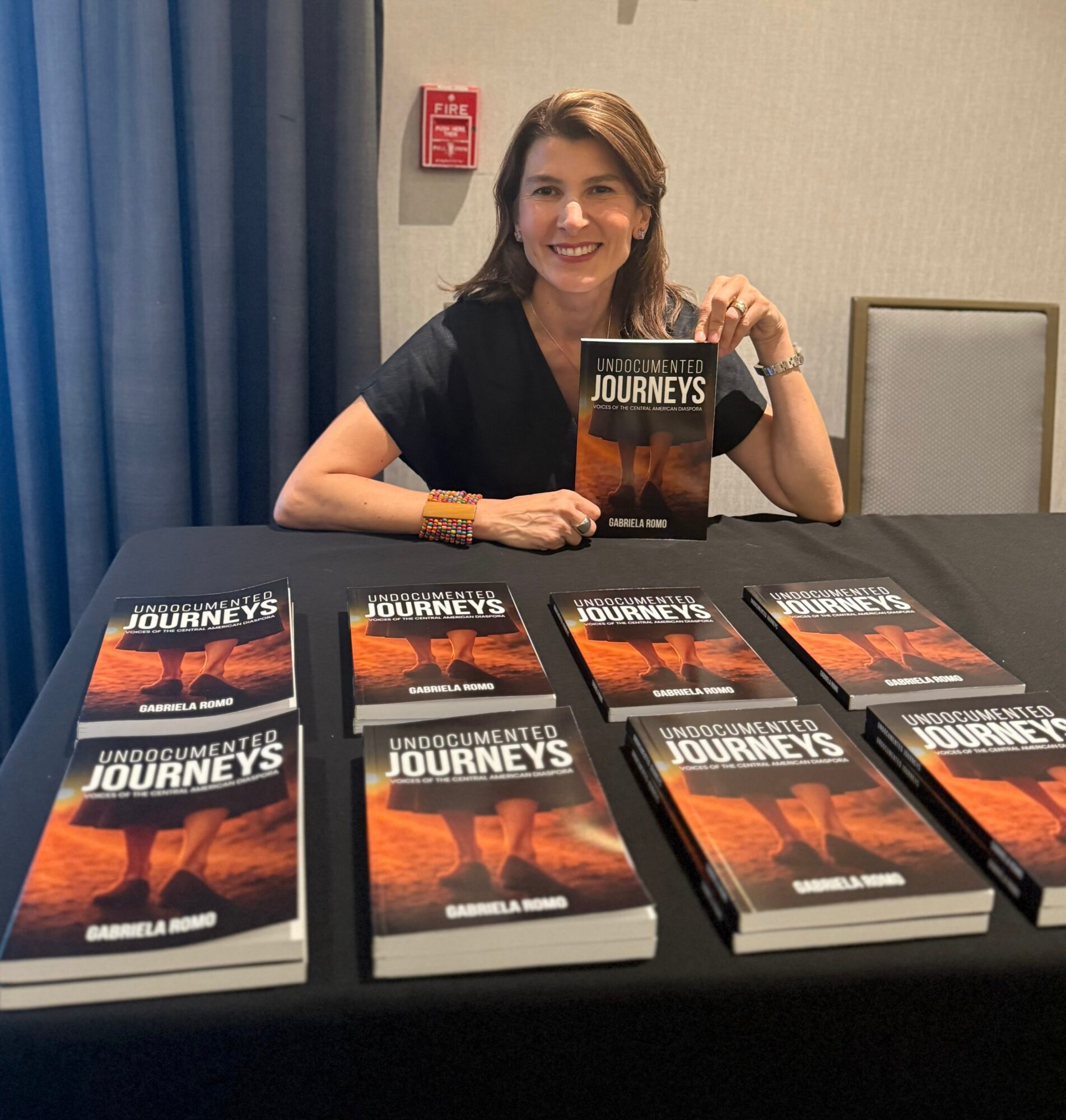
In 2025, I published Undocumented Journeys: Voices of the Central American Diaspora, a book that brings attention to the experiences of Central American migrants and the human realities behind migration. The book brings together personal testimonies, interviews, psychosocial perspectives, and an understanding of the social circumstances surrounding migration.
Over time, my professional and community contributions received recognition on both sides of the border:
– 2024 – Ohtli Award: Presented by the Government of Mexico, which is highest recognition to a Mexican living abroad in recognition of my contributions to the Mexican community abroad. The award recognizes individuals who help open pathways and improve opportunities for Mexicans living outside their country.
– 2025 – Latina Leader Award: Recognized by the Montgomery County Council in Maryland for my leadership and contributions to the community.
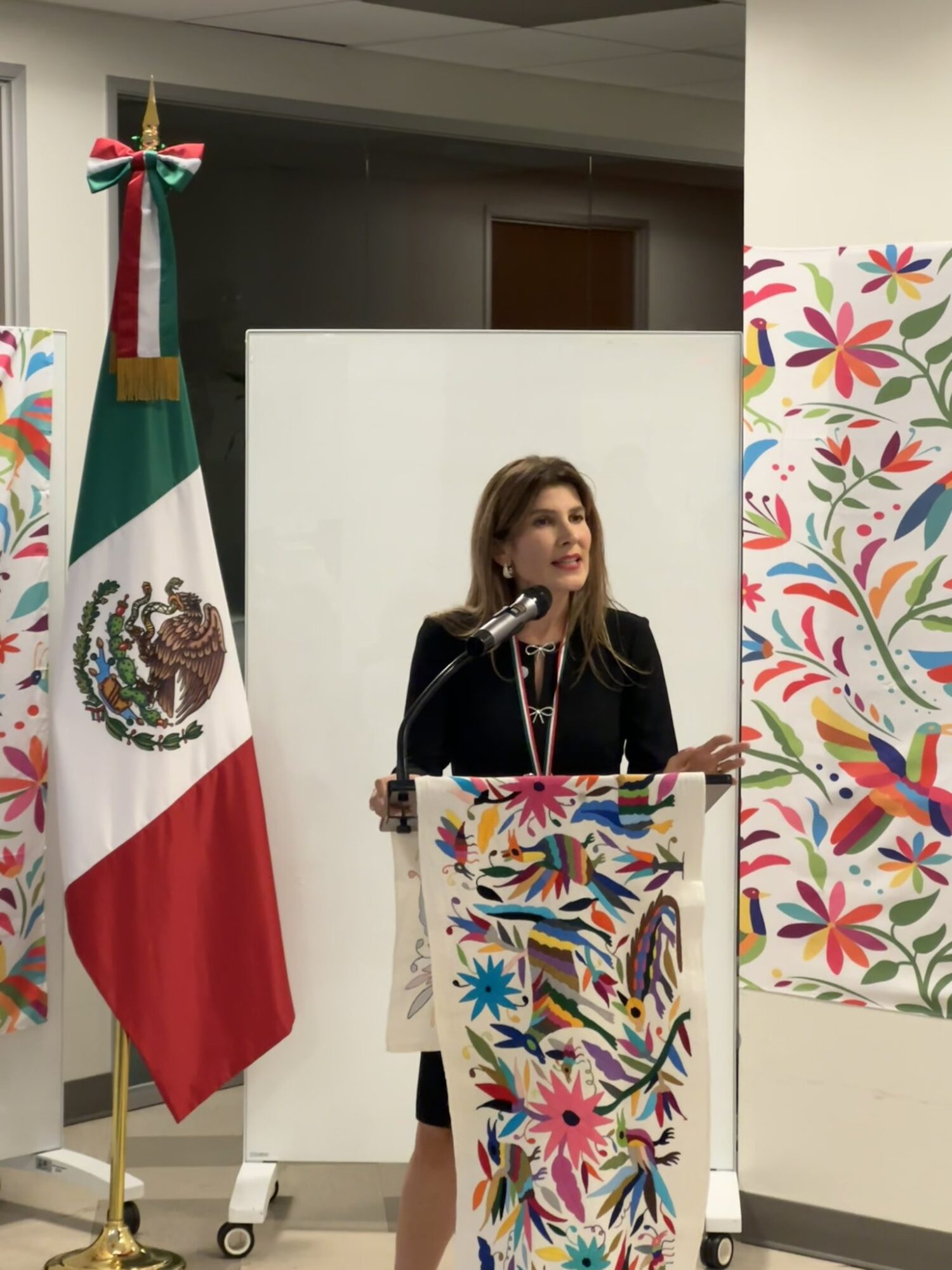
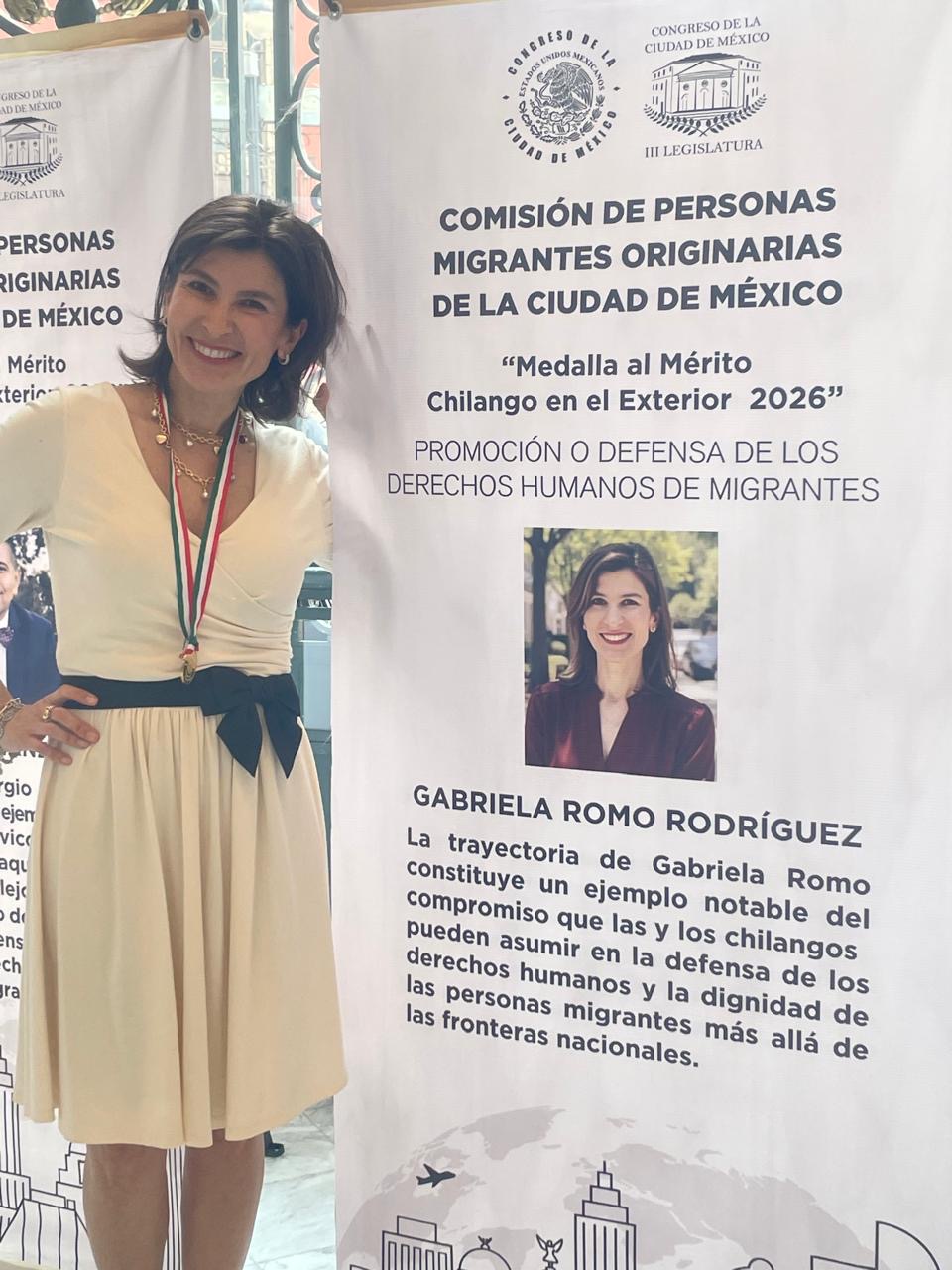
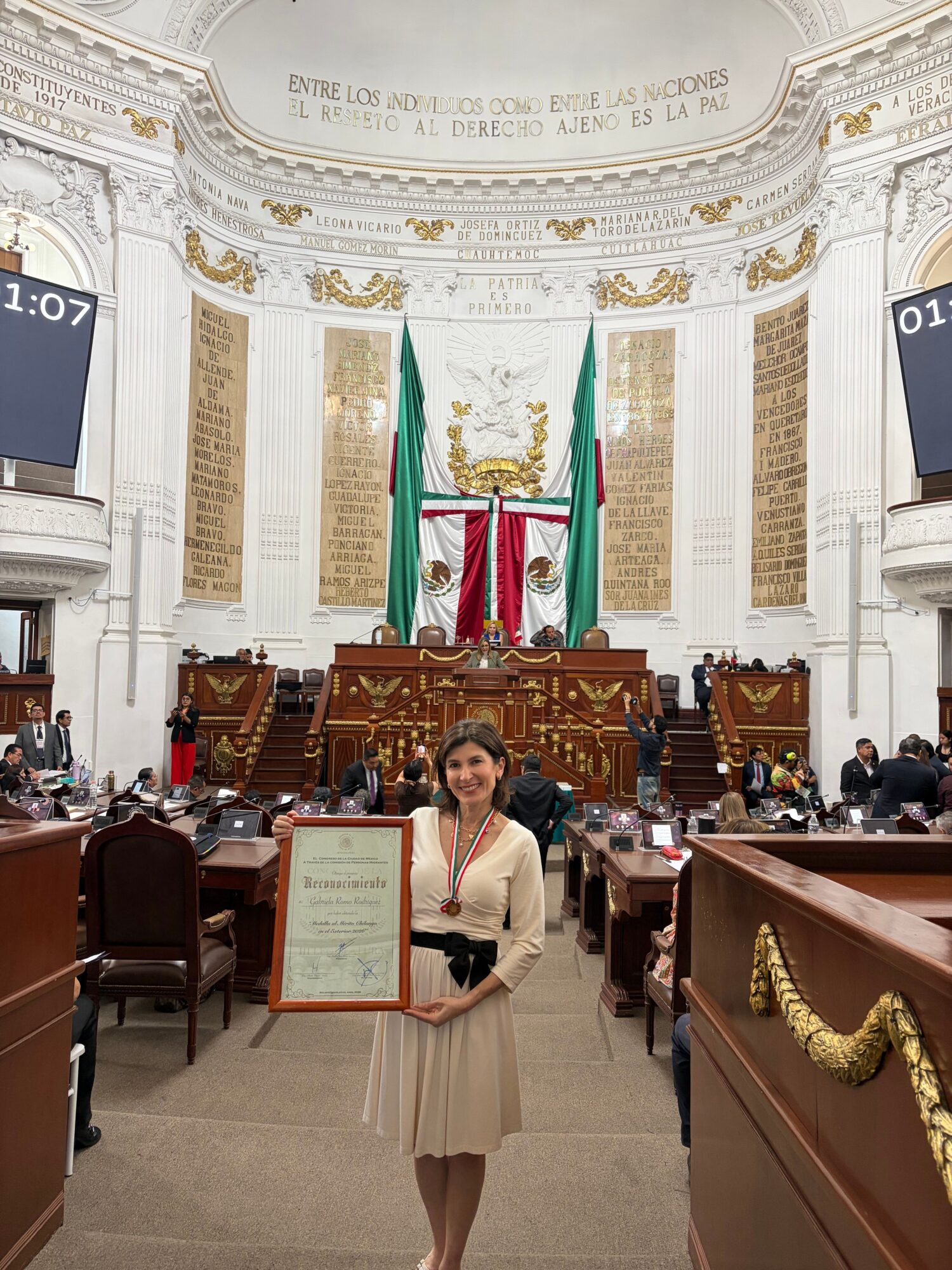
– 2026 – Medal of Merit, presented by the Congress of Mexico City, awarded in recognition of my work promoting and defending the rights and well-being of Mexicans abroad.
We all face challenges, but looking back would you describe it as a relatively smooth road?
No! I switched careers, I separated from my family, moved countries, I went back to school with two young kids (my daughter was two years old and my son was two months old when we moved to the US) in a new country, I while at the same time my husband was working non-stop in a new job and I had lost of my support system.
As you know, we’re big fans of you and your work. For our readers who might not be as familiar what can you tell them about what you do?
I wear so many hats today. I am:
–A bilingual Licensed Clinical Professional Counselor in Maryland, with a private practice specializing in evaluations for immigration proceedings, trauma, and family separation, serving as an expert witness in courts and providing psychotherapy.
-Founder and CEO of Latinamente, a non-profit organization working to expand mental health access, education, and essential resources for Latino families, both in the US and Mexico.
–An author of the book Undocumented Journeys: Voices of the Central American Diaspora which brings visibility to the experiences of migrants. All proceedings go to free mental health.
–A Spanish-language media expert for more than 10 years, contributing to public education through television and radio.
–Chair of the Board of Everstand, a non-profit organization with more than 150 years of work serving vulnerable children and youth.
Perhaps what sets me apart from others is that I could have focused exclusively on my private practice, but instead, I created Latinamente to reach people who might otherwise have limited access to support. I could have kept my professional knowledge within clinical settings, but instead, I brought mental health education to television, radio, community events, and public conversations. I could have written a book simply to share my research and professional insights, but instead, I have used it to amplify migrant voices and support access to psychological services.
What were you like growing up?
I was a child who loved to play with my older sister. Anything, from pretend play, Barbies, to board games.
I always liked to help others. I remember that I was around 13 years old, when I started preparing bags of cookies to homeless people. In Mexico City, where I grew up, it was common to see children around my age, in the traffic lights asking for money. In those bags I always included a piece of paper with a quote, which I thought would brighten their day, or at least the moment they opened it.
Contact Info:
- Website: https://www.gabrielaromo.com
- LinkedIn: https://www.linkedin.com/in/gabriela-romo-a4397016/
- Other: https://www.latinamente.org