



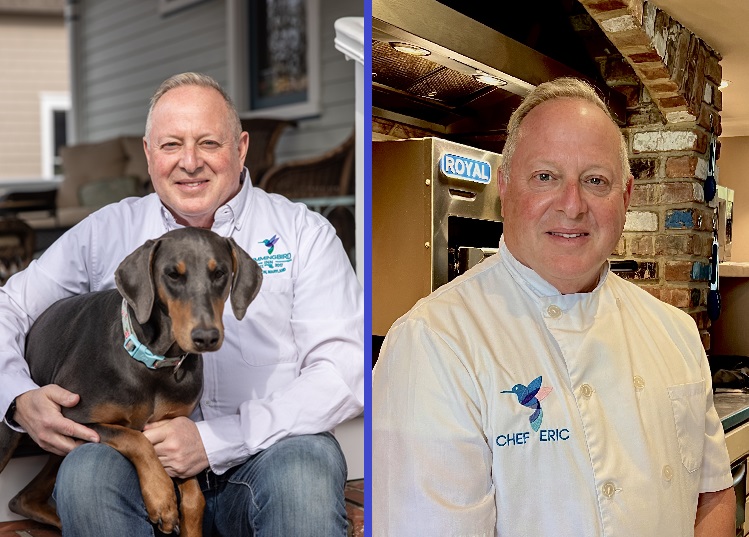
Today we’d like to introduce you to Eric Levinson.
Hi Eric, we’re thrilled to have a chance to learn your story today. So, before we get into specifics, maybe you can briefly walk us through how you got to where you are today?
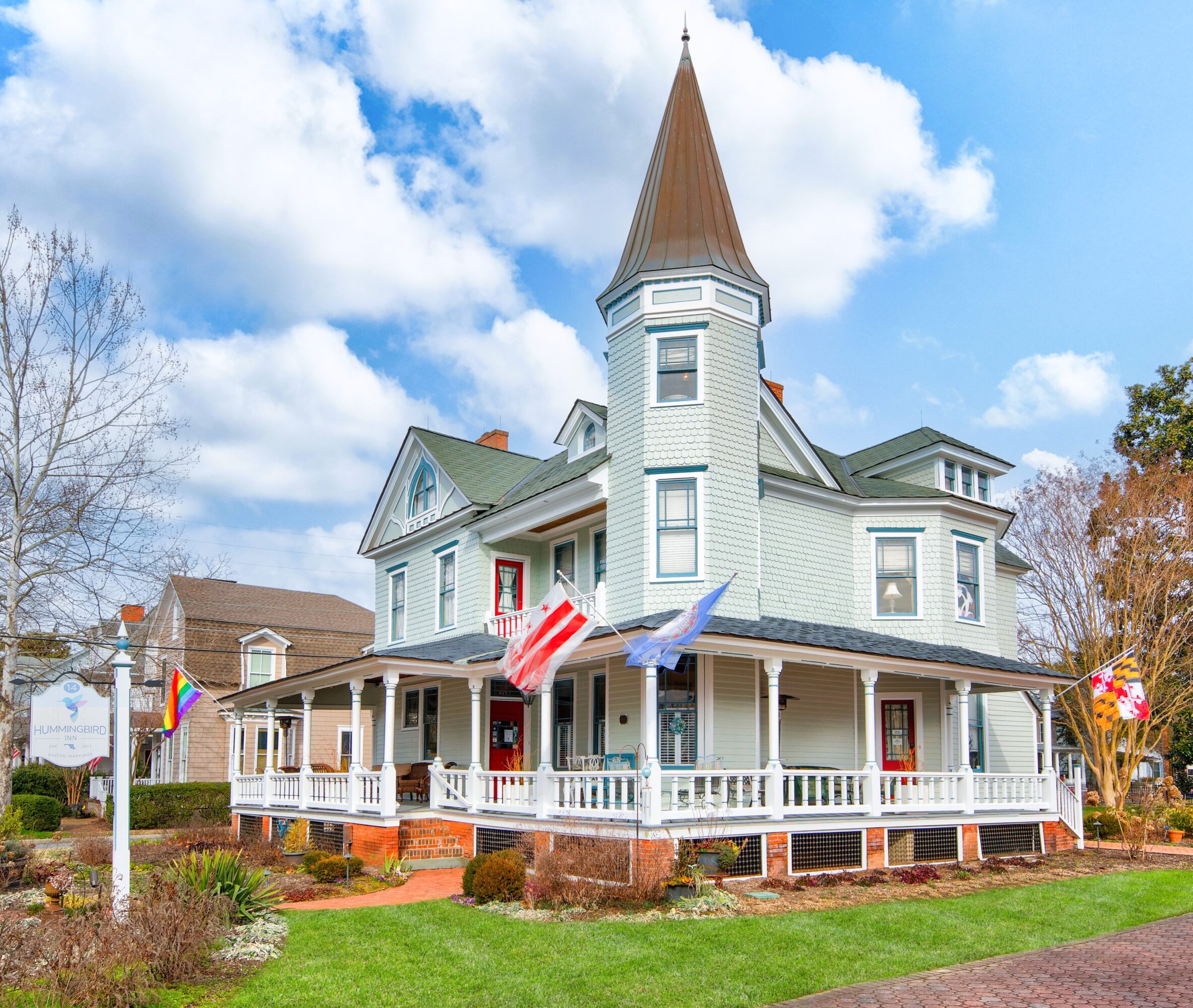
I opened Hummingbird Inn in 2017, but the path to becoming an innkeeper and chef was anything but linear. I grew up in the Washington, DC area and later returned to the Eastern Shore, where I felt a strong pull toward creating something rooted in hospitality, community, and genuine connection.
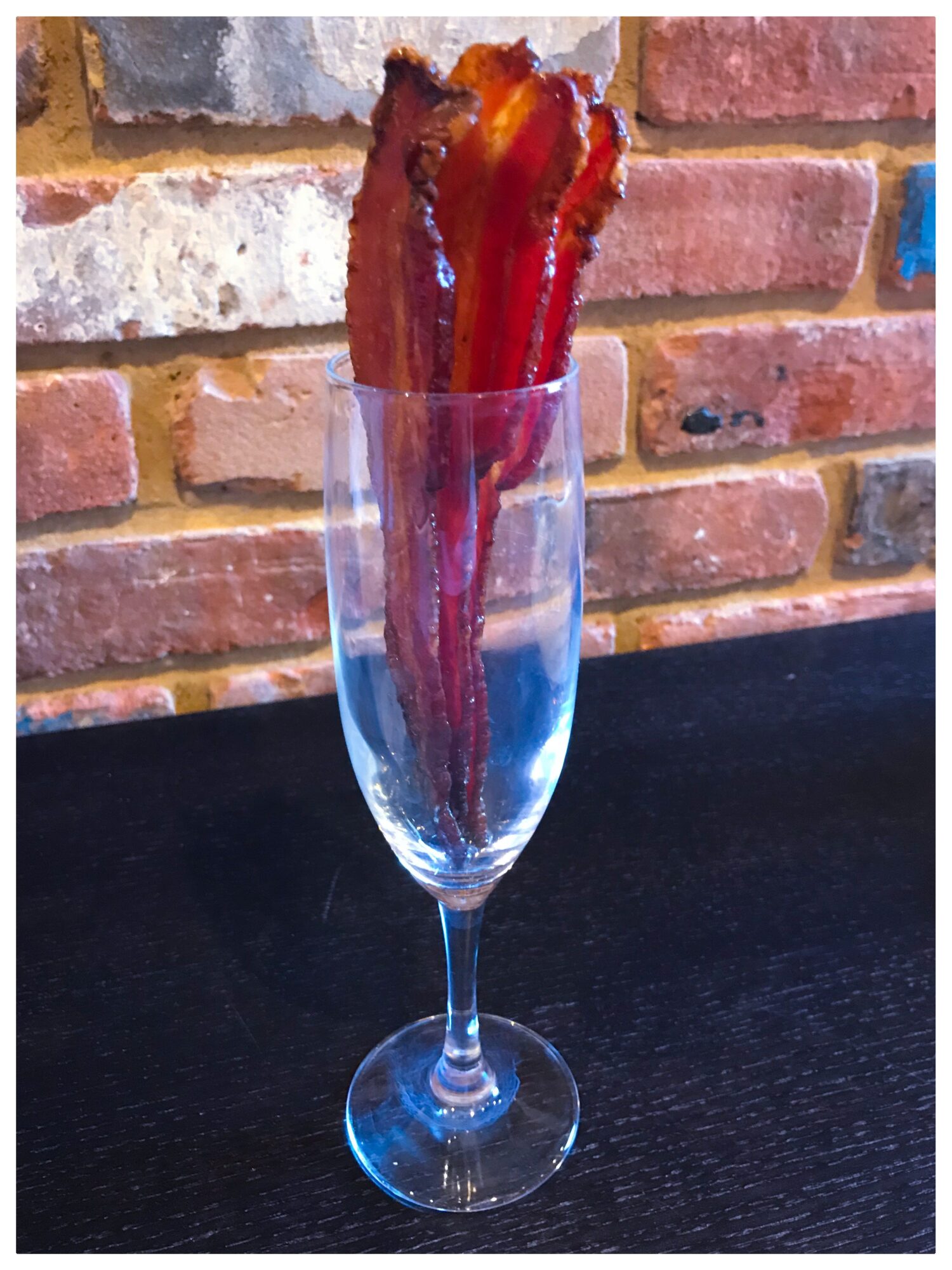
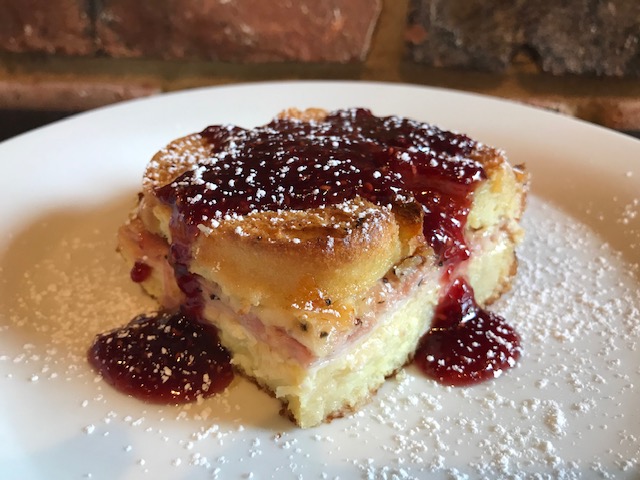
Before opening the Inn, my background was in business and operations, but food and hosting were always at the center of my life. I’ve traveled to more than 70 countries, and along the way I became fascinated not just with cuisine, but with how food, culture, and hospitality bring people together. Those experiences deeply influence how I approach the guest experience today — from the breakfasts we serve to the events we host.
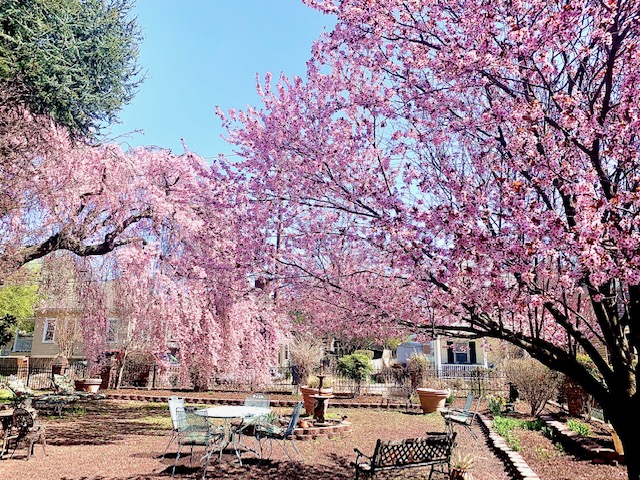
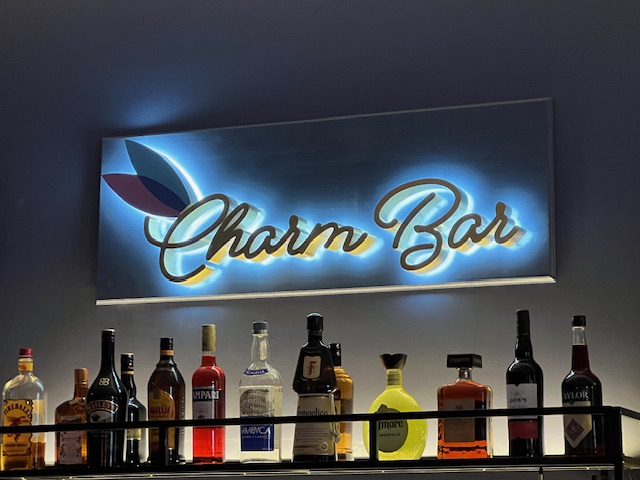
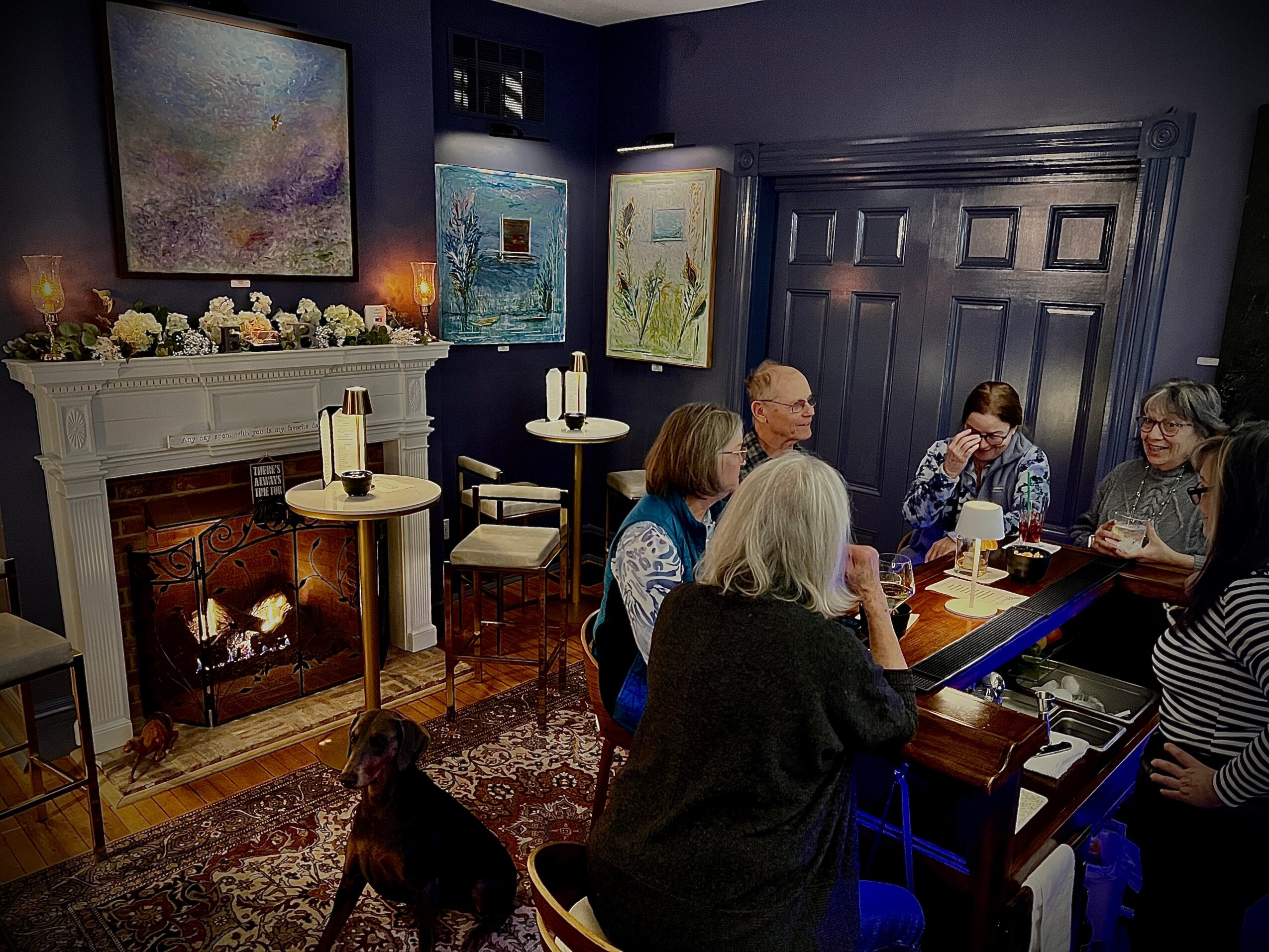
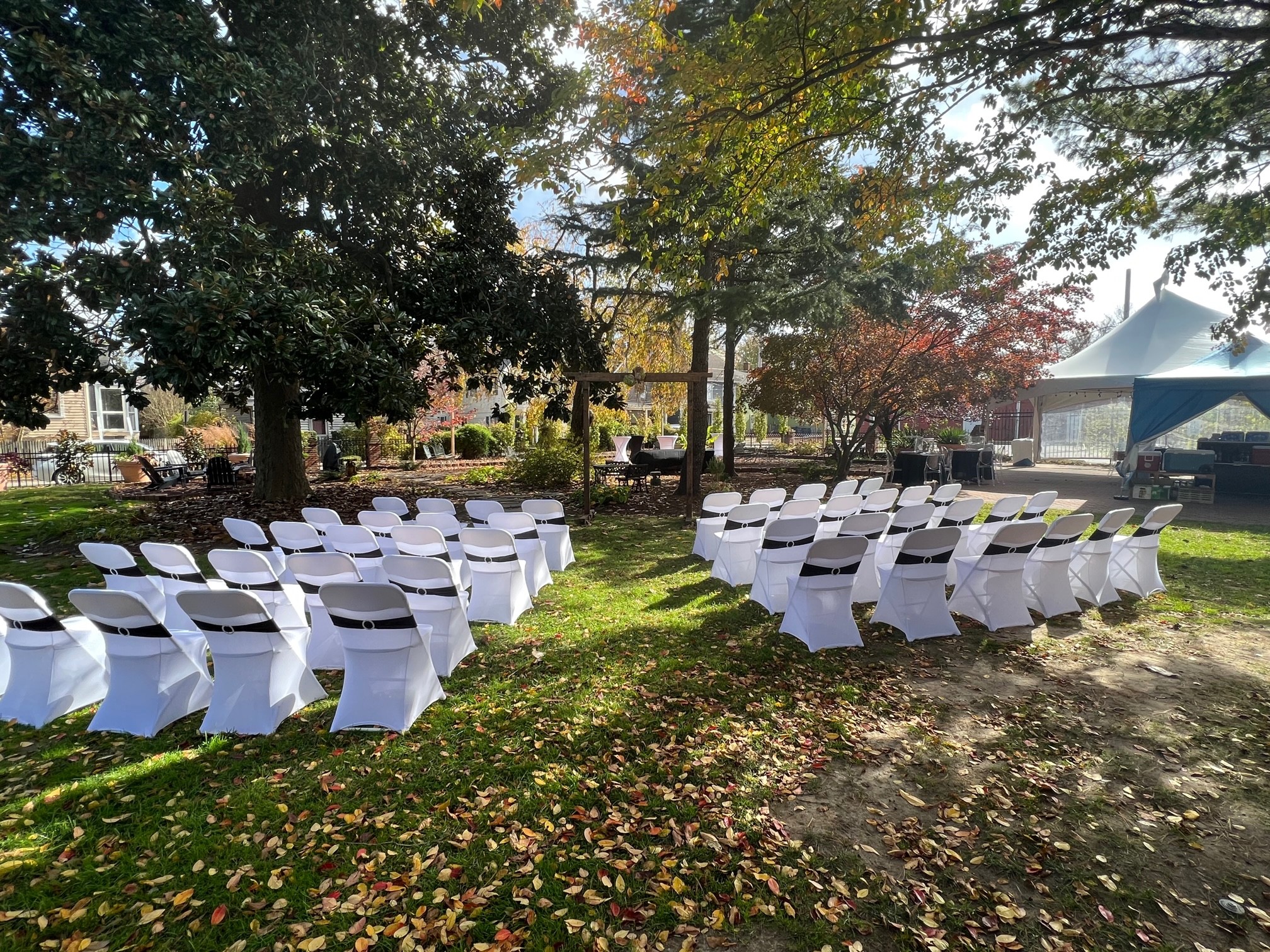
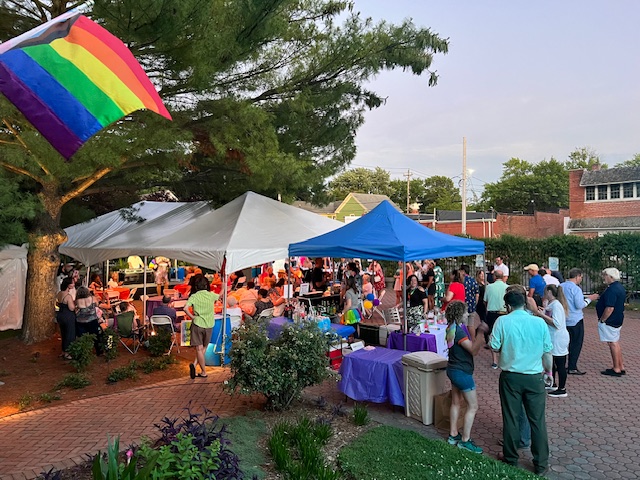
Hummingbird Inn began as a vision to create a place that felt both refined and welcoming — a Victorian inn where guests could feel instantly at ease, whether they were visiting for a weekend getaway, an Afternoon Tea, or a community event. Over time, the Inn has grown into more than just a place to stay. It has become a gathering place for locals and travelers alike, hosting everything from themed dinners and teas to Pride events, live music, and community celebrations.
I’m deeply involved in every aspect of the Inn, from designing menus and cooking breakfast to marketing, event planning, and guest relations. That hands-on approach has allowed the Inn to evolve organically and stay true to its values. Being recognized for things like Best Breakfast and Best Bed & Breakfast is gratifying, but what matters most to me is that guests leave feeling cared for and connected.
Today, Hummingbird Inn reflects both my personal journey and the community it serves — a place where hospitality is intentional, inclusive, and always evolving.
Can you talk to us a bit about the challenges and lessons you’ve learned along the way. Looking back would you say it’s been easy or smooth in retrospect?
Like most small businesses, it hasn’t been without its challenges, but overall I would say the road has been relatively smooth. Early on, there were the typical hurdles that come with launching any new venture — securing financing, building awareness, finding and retaining the right staff, and learning how to balance vision with day-to-day operations.
The most significant challenge came about three years after opening, when COVID forced a complete shutdown. That was something no one could have anticipated, and it required a complete shift in thinking overnight. With no guests and no income, the focus became survival — finding creative ways to keep the business afloat while staying connected to our community.
I was fortunate to receive support from the town, which made a meaningful difference, and I was deeply moved by the support of our guests, many of whom chose credits instead of refunds. There were also unexpected acts of generosity from the community that helped us get through that uncertain period. Those moments reinforced just how strong and supportive the community around Hummingbird Inn truly is.
In many ways, that experience strengthened both the business and my perspective as an owner, reminding me that hospitality is as much about relationships as it is about rooms and meals.
Thanks for sharing that. So, maybe next you can tell us a bit more about your work?
I’ve always experienced my professional life as an extension of who I am creatively. Long before I owned an inn, I was someone who loved to cook for others, to host, to create environments where people felt comfortable, curious, and connected. Hospitality became the language through which I could express that instinct.
Travel played a significant role in shaping that perspective. Visiting more than 70 countries exposed me not just to different cuisines, but to the many ways people gather, welcome, and care for one another. Those experiences taught me that hospitality is deeply cultural and profoundly human — it’s about presence, generosity, and attention to detail in ways that go far beyond food or lodging.
At Hummingbird Inn, creativity is less about novelty and more about intention. It shows up in small choices: how a table is set, how a menu unfolds, how a space feels at a particular moment in the day. I’m always thinking about the emotional experience of the guest — whether they feel relaxed, inspired, or simply at home. The events we host, the meals we serve, and the spaces we curate are all designed with that feeling in mind.
Running a business is, of course, part of the equation, but I’ve never seen creativity as separate from that responsibility. For me, creativity is what gives the business meaning and longevity. It’s what allows the Inn to evolve organically while remaining grounded in its original purpose.
Ultimately, my work is about creating moments that feel human and memorable — moments where people slow down, connect, and leave feeling just a little more cared for than when they arrived. That, to me, is the most meaningful form of creativity.
What do you like and dislike about the city?
What I appreciate most about Easton is its evolution. From the time I first moved here to today, I’ve seen real growth — not just economically, but socially and culturally as well. The town has become more vibrant, more diverse, and more welcoming. From a business perspective, I’m encouraged by the direction Easton is moving. New businesses continue to open, adding to the fabric of the community through retail, food, entertainment, and the arts, and that momentum aligns closely with my own values and goals as a business owner.
What I find more challenging is that, alongside that progress, there is still visible resistance to change and acceptance. Easton is not the same town it was twenty years ago, and while change can be difficult, it is also necessary for growth. I believe there are ways to navigate change that are respectful, inclusive, and rooted in dialogue, and I’m hopeful that as Easton continues to evolve, those approaches will become more widely embraced.
Contact Info:
- Website: https://www.HummingbirdInnEaston.com
- Instagram: https://www.instagram.com/hummingbirdinneaston/
- Facebook: https://www.facebook.com/HummingbirdInnEaston/
- Yelp: https://www.yelp.com/biz/hummingbird-inn-easton-2?osq=hummingbird+Inn&override_cta=Get+information