



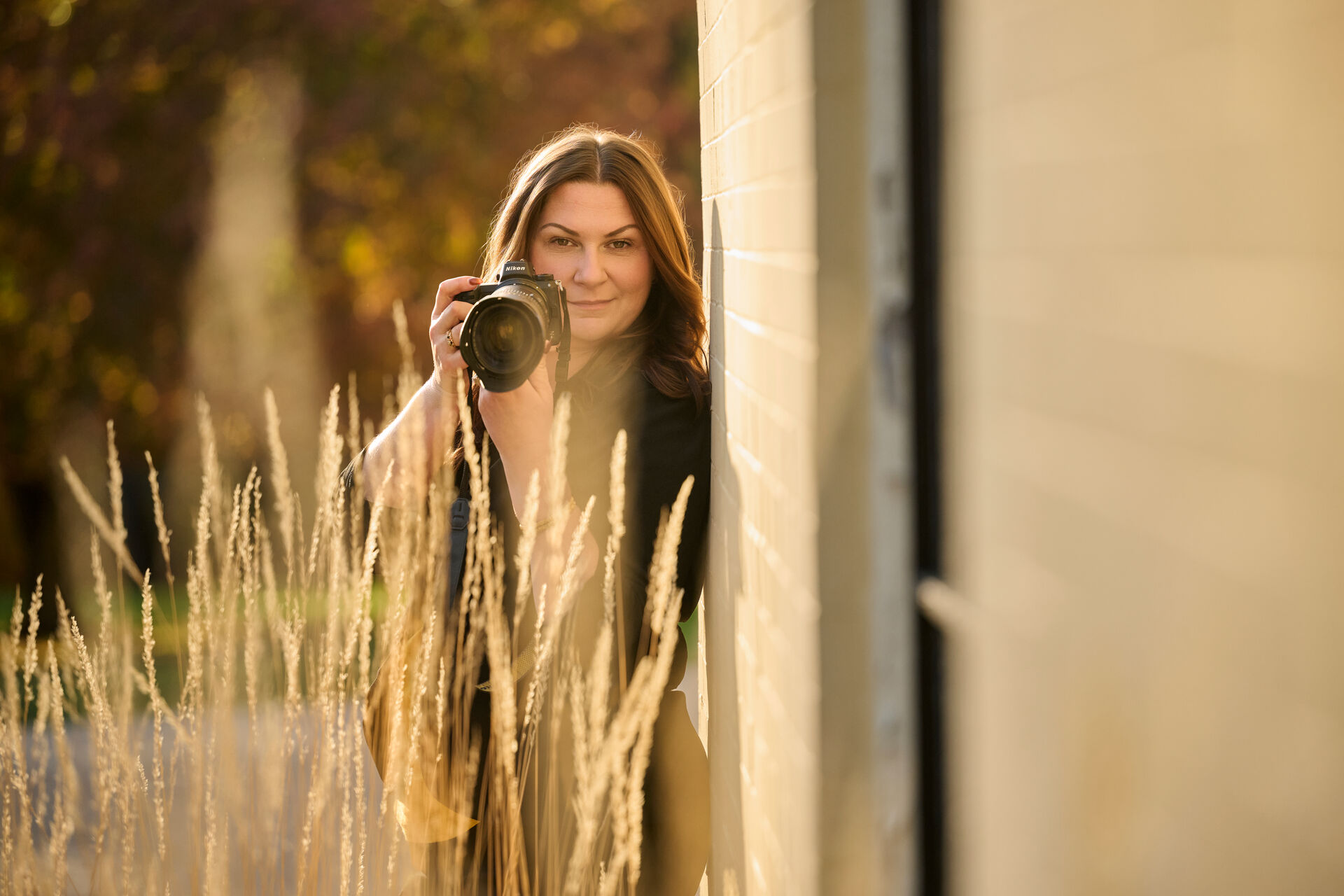
Today we’d like to introduce you to Amy Regeti.
Hi Amy, it’s an honor to have you on the platform. Thanks for taking the time to share your story with us – to start maybe you can share some of your backstory with our readers?
We didn’t set out to build a brand around South Asian weddings.
We set out to build a life.
Photography started long before it became a business. It began with curiosity — documenting family, milestones, ordinary days that didn’t feel ordinary to us. Over time, what began as creative exploration became a calling. We realized that photography wasn’t just about beautiful images. It was about preservation. Legacy. Memory. The moments that quietly shape a family’s story.
As our skill and experience grew, so did our understanding of what weddings truly represent.
Early on, we photographed a wide range of celebrations. But when we stepped into our first South Asian wedding, everything shifted. The color. The scale. The emotional layers. The multi-day storytelling. The way family wasn’t peripheral — it was central. It felt immersive. Cinematic. Alive.
Because we are an intercultural couple ourselves — Indian and American, Hindu and Christian — we weren’t just observing these weddings from the outside. We were living a version of that cultural negotiation in our own home. We understood what it meant to merge traditions. To translate expectations. To balance autonomy with family honor. That perspective naturally shaped the way we photographed.
Over time, we became known for documenting luxury Indian and Indian-American weddings not just with technical precision, but with cultural fluency. We knew when a glance between a bride and her mother meant something deeper. We knew when a ritual required reverence. We knew when to step back and when to lean in.
As the weddings grew in scale — multi-day celebrations across the country and internationally — so did our responsibility. We weren’t just vendors. We were trusted witnesses. Confidants. Sometimes mediators. Often the calm in the storm.
That evolution led to something bigger.
After nearly two decades in the industry, we realized the conversations happening behind the scenes — the ones brides whispered during hair and makeup, the ones couples had in quiet corners about guest lists, budgets, cultural pressure, identity — were just as important as the images themselves.
That realization became South Asian Wedded Life (SAWL).
SAWL was born from a desire to translate what’s often unspoken. To create a space for South Asian and fusion couples navigating engagement, planning, and married life in America. Weddings are often where cultural tension surfaces first — but those dynamics don’t end when the celebration does.
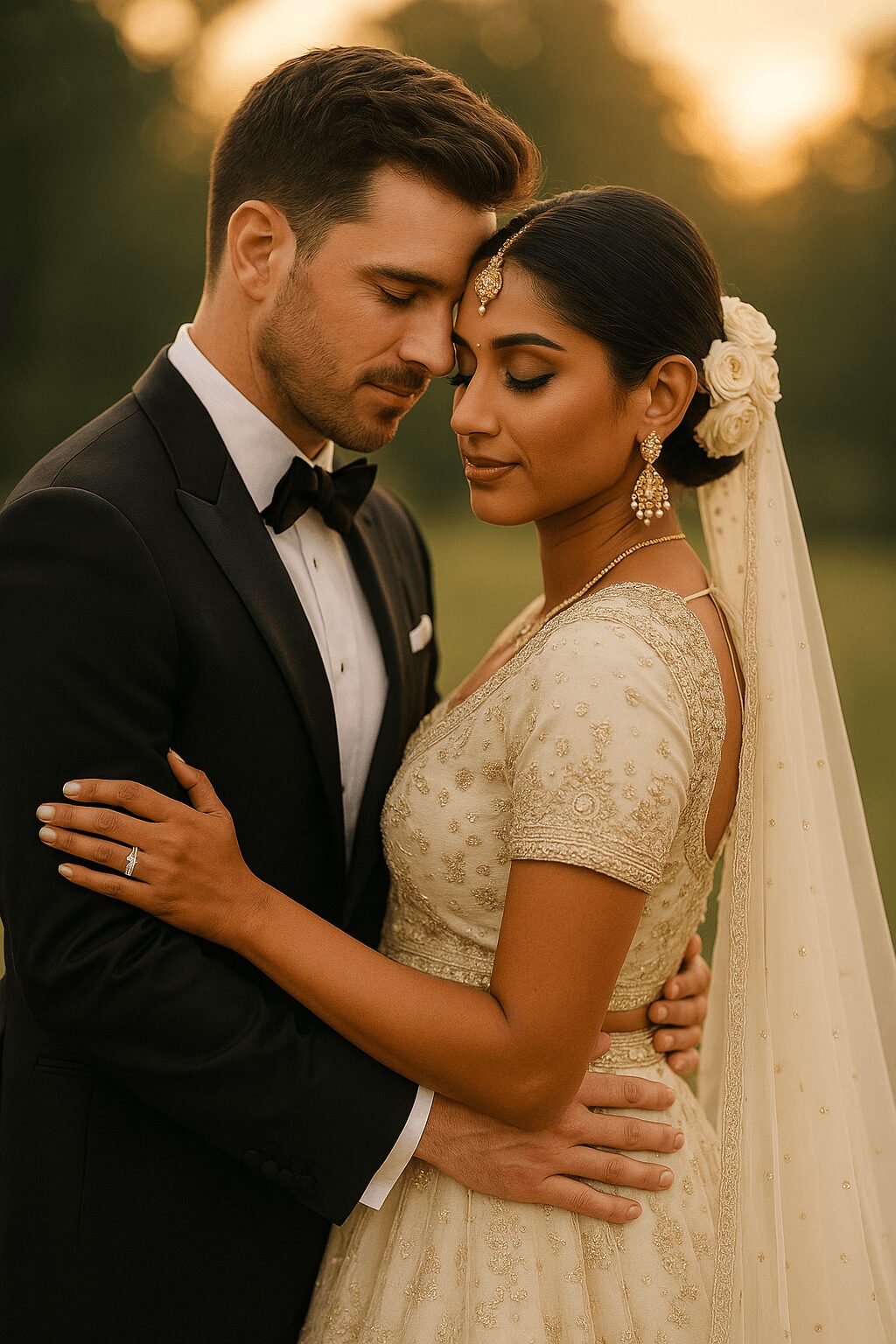
Today, our work lives at the intersection of luxury wedding photography and cultural storytelling. We photograph high-end Indian-American celebrations with the same intention we bring to SAWL: clarity, respect, and depth.
The photography preserves the legacy.
The platform gives language to the experience.
Where we are now is the result of years of showing up — for our clients, for our craft, and for the community we’ve grown to love deeply. What began as a camera in our hands has evolved into a movement centered on representation, nuance, and honoring the full story behind the celebration.
And we’re just getting started.
We all face challenges, but looking back would you describe it as a relatively smooth road?
It hasn’t been a smooth road — and in many ways, we’re grateful for that.
Entrepreneurship looks glamorous from the outside, especially in the luxury wedding space. But behind every beautifully curated celebration is a business that had to survive uncertainty, rejection, reinvention, and growth seasons that were anything but predictable.
In the early years, the struggle was credibility. We were building in an industry that is relationship-driven and referral-based. Trust isn’t given — it’s earned. And when you begin working within South Asian weddings, credibility carries even more weight. Families want to know you understand the culture, the rituals, the nuance. Being an intercultural couple helped, but we still had to prove that we weren’t just photographers who could “handle” an Indian wedding — we needed to demonstrate that we could interpret it with fluency and respect.
There were also business struggles that every entrepreneur faces: inconsistent income in the beginning, learning how to price ourselves appropriately, understanding contracts, managing growth without losing quality. Luxury positioning didn’t happen overnight. It required confidence — and confidence is usually built through mistakes.
One of the more complex challenges was navigating perception. As a cross-cultural couple working primarily in Indian-American weddings, there were moments where we felt both “inside” and “outside” at the same time. We had to earn trust in spaces that are deeply familial and culturally layered. That meant listening more than speaking, observing more than asserting, and honoring traditions without centering ourselves in them.
Another major turning point came when we realized that being talented at photography wasn’t enough. We had to become excellent business operators. Marketing, branding, communication systems, album workflows, client education — those were skills we had to develop intentionally. There were seasons of burnout where we were shooting multi-day weddings while also editing, delivering, answering inquiries, and raising a family. Balancing ambition with presence at home has always required conscious recalibration.
Then came broader industry shifts — economic downturns, evolving client expectations, the impact of social media algorithms, and the reality that visibility online doesn’t always translate to sustainability offline. There were years that felt abundant and years that required tightening everything up.
SAWL itself was born out of a struggle.
After nearly two decades of witnessing what brides were carrying emotionally — cultural pressure, financial tension, identity questions — it became clear that photography alone wasn’t enough. We could document the beauty, but we also wanted to address the complexity. Creating SAWL meant stepping into a new lane. It meant risking criticism, having uncomfortable conversations, and speaking openly about topics that are often left behind closed doors.
That hasn’t always been easy. But it has been necessary.
If anything, the road has been layered — much like the weddings we photograph. There have been seasons of doubt, reinvention, financial stress, creative evolution, and personal growth. But each struggle sharpened our clarity.
It taught us how to price with confidence.
How to build systems.
How to serve at a higher level.
How to speak with intention.
And perhaps most importantly — how to stay grounded in why we started.
We didn’t build this business just to photograph beautiful events. We built it to tell stories that matter and to create work that stands the test of time.
The road hasn’t been smooth — but it’s been meaningful.
Thanks – so what else should our readers know about your work and what you’re currently focused on?
At the heart of what we do is storytelling — but not just visual storytelling. Cultural storytelling. Emotional storytelling. Legacy storytelling.
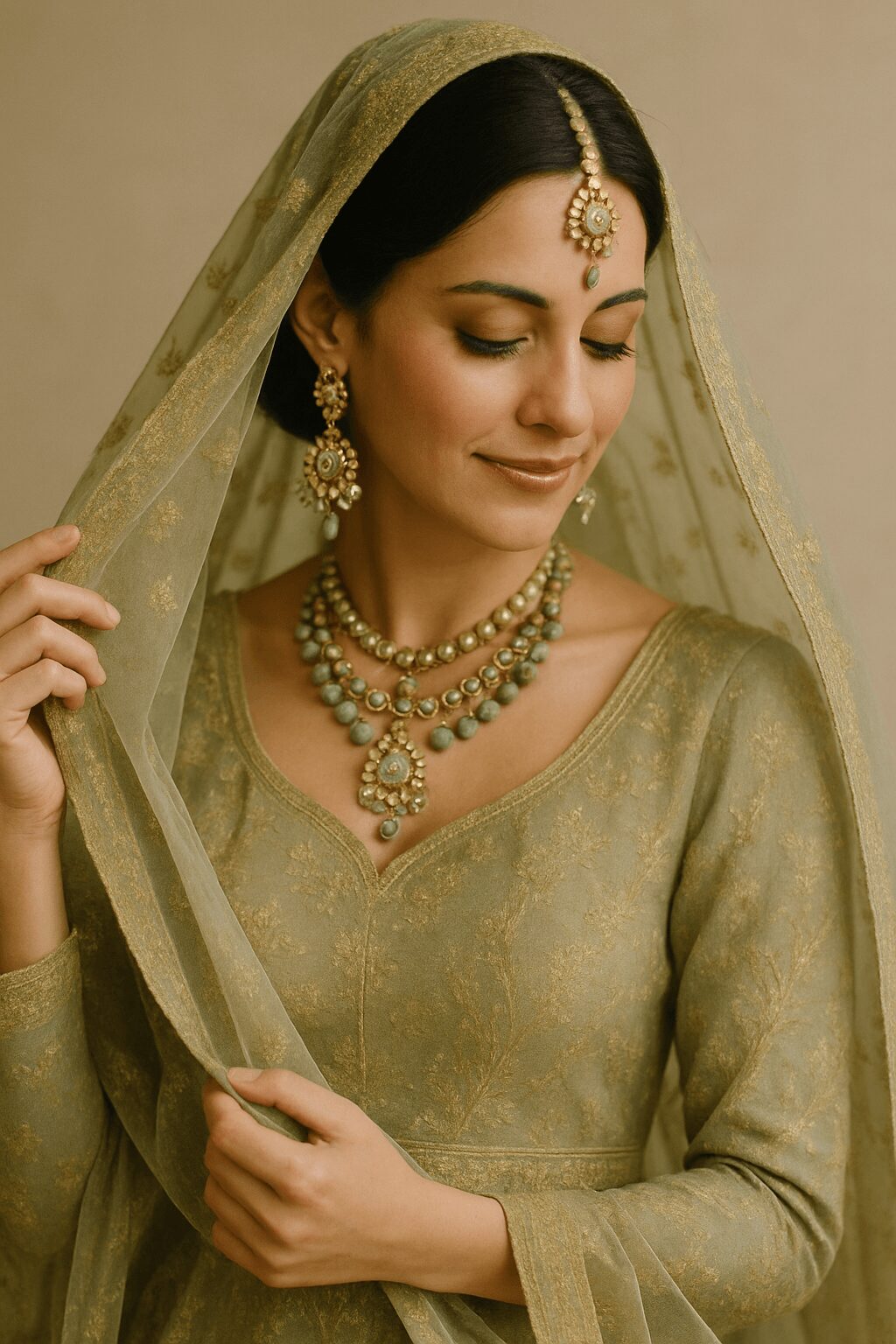
We are luxury wedding photographers specializing in South Asian and Indian-American celebrations, particularly multi-day events that blend tradition, modernity, and cross-cultural nuance. Our work centers on weddings where heritage isn’t an accessory — it’s the backbone of the experience.
Indian weddings are layered. They are visual, symbolic, generational, and deeply relational. We don’t approach them as a checklist of events to document. We approach them as a living narrative unfolding over several days. From the intimacy of Haldi to the choreography of the Sangeet to the reverence inside the mandap, we photograph with an understanding of rhythm — when the energy is high, when it’s sacred, when it’s political, and when it’s tender.
What we specialize in is interpretation.
We understand the micro-moments that matter. The glance between a bride and her father before the baraat arrives. The subtle shift in posture during a ritual. The generational dynamic playing out in the front row. Because we live within a cross-cultural marriage ourselves, we see what others might miss. We understand what it means to translate traditions across languages and expectations.
Over time, we’ve become known for a few key things:
• Cultural fluency — not just knowing what a ritual is, but understanding why it matters.
• Calm leadership in high-pressure environments.
• Multi-day endurance and consistency.
• Refined, editorial imagery that still feels emotionally honest.
• And what our couples often describe as a “double date” experience — professional, but deeply relational.
We are also known for helping families feel seen. Indian-American weddings often carry layers of negotiation — old world and new world values sharing the same room. We photograph with respect for elders while protecting space for the couple’s individuality. That balance is delicate. It requires emotional intelligence as much as technical skill.
What sets us apart is that we don’t separate the art from the awareness.
After nearly two decades in this space, we realized that photography alone wasn’t the full story. That’s where South Asian Wedded Life (SAWL) was born. SAWL extends our work beyond the wedding day into the conversations that surround it — engagement, planning, family dynamics, cultural identity, marriage itself. We built it because we were hearing the same whispered concerns from brides year after year. We wanted to create a platform that gives language to what is often carried silently.
So while we are known for luxury wedding photography, we are equally invested in education and clarity. Our books, podcast, and resources are all rooted in the same mission: helping South Asian and fusion couples navigate this chapter consciously.
What we’re most proud of isn’t a single wedding or accolade.
It’s trust.
Families invite us into sacred spaces. Brides hand us moments they will never get back. Parents hug us at the end of a reception. Couples return years later for anniversary portraits, maternity sessions, legacy albums.
We’re proud that our work lasts. Not just on Instagram — but on coffee tables. In albums passed down. In conversations years later when someone says, “I didn’t realize that moment was happening until I saw the photograph.”
We’re proud that we built this from the ground up — refining our craft, elevating our brand, learning the business side, and staying rooted in service.
And we’re proud that we’ve carved out a lane that feels authentic to who we are: an intercultural couple documenting intercultural love stories.
What sets us apart isn’t just style. It’s perspective.
We don’t photograph weddings as outsiders looking in.
We photograph them as participants who understand the weight, the joy, and the layers beneath the surface.
And that depth changes everything.
What sort of changes are you expecting over the next 5-10 years?
The wedding industry — particularly in the South Asian and Indian-American space — is entering a very interesting chapter.
Over the next 5–10 years, I see three major shifts happening simultaneously: intentionality, personalization, and cultural recalibration.
First, intentionality.
Couples are becoming more educated before they book vendors. They’re researching more, questioning more, and thinking about long-term value rather than just aesthetic trends. Luxury will continue to exist, but it will look different. It won’t just be about scale — it will be about experience design. Couples will ask: Does this reflect us? Does this feel aligned?
Photography will shift further toward legacy-driven storytelling. Social media-friendly content will still matter, but albums and tangible heirlooms will regain importance. After years of chasing what performs online, many couples are realizing that what truly lasts isn’t a viral reel — it’s a printed memory.
Second, personalization over replication.
For a while, weddings followed templates. Pinterest boards, Instagram inspiration, replicated mandap designs. But I see couples moving away from “what everyone else is doing” toward “what makes sense for us.” That’s especially true in Indian-American weddings where younger generations are thoughtfully reinterpreting tradition instead of abandoning it.
We’re already seeing regional rituals being explained to guests. We’re seeing fusion ceremonies done with more clarity. We’re seeing couples shorten multi-day timelines not out of disrespect, but out of practicality and balance. There’s less pressure to perform tradition exactly as it was done decades ago and more desire to understand it before choosing it.
That shift will continue.
Third, cultural recalibration.
Indian-American couples are navigating identity differently than previous generations. They are proud of heritage but also unapologetically American. They want their weddings to reflect both. That means vendors will need cultural fluency — not just the ability to photograph or plan an event, but the ability to navigate family dynamics, generational expectations, and cross-cultural sensitivity.
The industry will reward those who understand nuance.
Another big shift will be transparency.
Conversations around pricing, value, and vendor relationships will become more open. Couples are asking smarter questions. They want to know how teams collaborate. They want to avoid cookie-cutter vendor bundles that don’t serve them. That’s healthy for the industry.
Technology will also continue to evolve the landscape. AI editing tools, faster delivery systems, hybrid photo/video coverage, and immersive content experiences will become more common. But technology won’t replace human intuition. If anything, it will amplify the importance of emotional intelligence — because that cannot be automated.
In the South Asian luxury market specifically, I believe we’ll see:
• More destination weddings that blend continents.
• Smaller guest counts with higher per-guest experiences.
• Greater emphasis on guest education (programs explaining rituals, multilingual elements).
• And stronger branding from wedding professionals who position themselves as cultural specialists rather than generalists.
What will matter most over the next decade is depth.
Couples don’t just want vendors — they want partners who understand what they’re building. Vendors who can anticipate tension before it escalates. Creatives who can lead without overpowering.
For us personally, that’s why platforms like South Asian Wedded Life matter. The conversations surrounding weddings are becoming just as important as the celebration itself. The industry is no longer just about execution — it’s about guidance.
The next 5–10 years will belong to those who combine craft with consciousness.
Beautiful work will always matter.
But understanding people — their heritage, their identity, their families — will matter even more.
Pricing:
- Average spend on our services for full coverage of all events ranges between 10-12K
Contact Info:
- Website: http://www.theregetis.com
- Instagram: https://www.instagram.com/theregetis
- Facebook: https://www.facebook.com/theregetis
- Youtube: https://www.youtube.com/@amyregeti
- Other: https://www.SAWL.life