



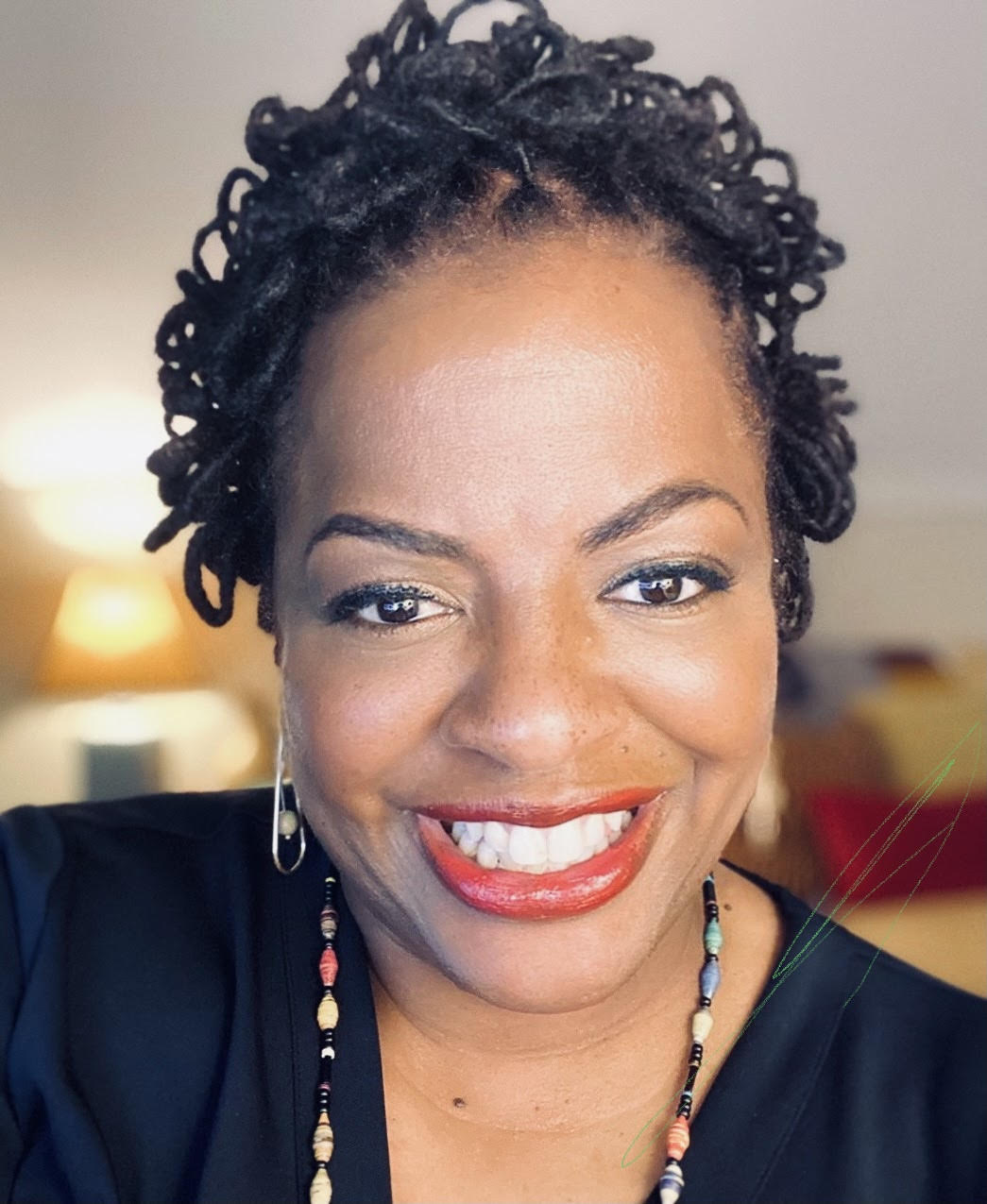
Today we’d like to introduce you to Kirsten Gettys Downs.
Hi Kirsten, it’s an honor to have you on the platform. Thanks for taking the time to share your story with us – to start maybe you can share some of your backstory with our readers?
Family Background
I come from a family where education, service, and institution-building were daily practices, and that is where my story truly begins. I grew up watching the people I loved find ways to lead and serve. My grandfather, Spencer Lee Gettys, was a Negro League catcher with the Bacharach Giants, a skilled stonemason, and later an educator who returned to college in his 60s. My grandmother, Alice Manigault Gettys, led the Radnor Township Civic Association for two decades and helped sustain Black civic life in Rosemont and Wayne, Pennsylvania. My mother, Alice Gettys Downs, is a graduate of Morgan State University and a retired educator whose career focused on home economics and family science. My father, Dr. Raymond Downs, was a higher education leader at several institutions, including Morgan State University, and built student affairs and campus life programs that were caring and inclusive. Taken together, those examples taught me that systems and institutions matter because people live with their consequences, and that you can spend a life working to make communities and systems better.
Becoming a lawyer and a public defender
When I went to the University of Pennsylvania for my undergraduate degree in communications and later to Berkeley Law, I gravitated toward projects that centered on race, gender, and public interest work. At Berkeley, I served as Notes and Comments Editor for the Black Law Journal, co-chaired a committee on race, poverty, and environmental justice, and helped build public interest networks for women of color. It was through these experiences that I learned that the law should be used as a tool for community and structural change.
I began my legal career at the Federal Public Defender’s Office in the U.S. Virgin Islands, eventually serving as an Assistant Federal Public Defender, representing multi-national and multilingual clients in cases involving serious federal charges, including criminal immigration, homicide, and complex fraud. Early on, I learned that the people most vilified by the criminal legal system were often those most neglected by it, and that my role was to be a fierce advocate for the individual and for reform.
Broadening into institutional reform
From there, I moved into roles that combined law, systems, and strategy. At the U.S. Department of Justice, I served as Special Counsel in the Attorney General’s Lateral Attorney Recruitment Program, working on recruitment strategies and outreach to build a more diverse and professionalized corps of experienced DOJ attorneys. I also worked at Smith College as Assistant Director for Prospect Research, leading a research group that supported fundraising and strategic development. This experience sharpened my ability to think about institutions, resources, and long-term planning.
Those experiences outside the courtroom gave me a different vantage point: how organizations define priorities, who they invite in, and what it takes to shift culture, not just policy. They also prepared me to return to public defense and carry both a frontline and systems lens into that work.
Building a career in Maryland public defense
When I joined the Maryland Office of the Public Defender, I stepped into a series of roles that steadily expanded from individual representation to office leadership and systems work. I started as an Assistant Public Defender in Prince George’s County, representing clients in complex criminal cases. I then became Chief Attorney for the Western District Court Division in Baltimore City. I later served as Deputy District Public Defender in Montgomery County, where I supervised attorneys, managed operations, and focused on mentoring and standards of practice. Projects included strengthening community engagement, building relationships with community service providers, and collaborating with local and state agencies to expand alternatives to incarceration for clients.
Later, I served as the District Public Defender for Baltimore City, leading the office through high-impact initiatives to improve client representation, strengthen supervisory frameworks, and deepen community partnerships. In that role, I also became deeply involved in citywide efforts on behavioral health, overdose response, and the Baltimore police consent decree, serving on committees and collaborative bodies that brought together courts, public health, and community stakeholders. Those years solidified my identity as both a defender and a systems builder—someone responsible not only for individual clients but also for shifting the conditions that produce their cases.
Leading nonprofits and statewide reform
I moved from district-level leadership to nonprofit executive work and then back to statewide reform. I served as Executive Director of the Homeless Persons Representation Project, a legal services organization focused on homelessness and housing insecurity. That role deepened my understanding of how housing, behavioral health, and the criminal legal system intersect, and what it takes for an organization to respond to those intersections with both rigor and compassion.
Today, I serve as the Director of Systemic Reform at the Maryland Office of the Public Defender and as the Coordinator of the Maryland Justice Partnership, which coordinates statewide initiatives working toward more equitable legal, health, and education systems. I guide cross-agency projects, work with community partners, and sit at tables such as the Maryland Commission on Hate Crime Response and Prevention and the City’s and State’s behavioral health advisory and overdose response bodies, helping to move reforms from principle to practice. I have invested significantly in training and leadership development, including facilitating the National Association of Public Defense’s Executive Leadership Institute and creating curricula on supervision and time management. I believe that the next generation of advocates can help communities tackle challenges effectively.
The central theme of my story is my commitment to a legacy of building institutions that foster learning, fellowship, and belonging. I have chosen to carry this legacy forward by working in public defense, supporting behavioral health, and advocating for statewide justice reform.
Would you say it’s been a smooth road, and if not what are some of the biggest challenges you’ve faced along the way?
One of the biggest struggles in seeking reform and public defense has been working in a system that was never designed to acknowledge the full humanity of all communities. As a district public defender and now in statewide reform, I have faced deep resource constraints, high caseloads, and staff burnout, all of which have been significant and persistent challenges.
Additionally, there is the personal and leadership challenge of sustaining myself and my teams in work that is emotionally heavy and structurally slow to change. In response, I have prioritized leadership development, training, and time-management practices. I have also focused on building collaborative communities of practice, both locally and through national public defense networks, to ensure that those in this work feel supported, developed, and connected to a larger mission of justice rather than facing their challenges in isolation.
Great, so let’s talk business. Can you tell our readers more about what you do and what you think sets you apart from others?
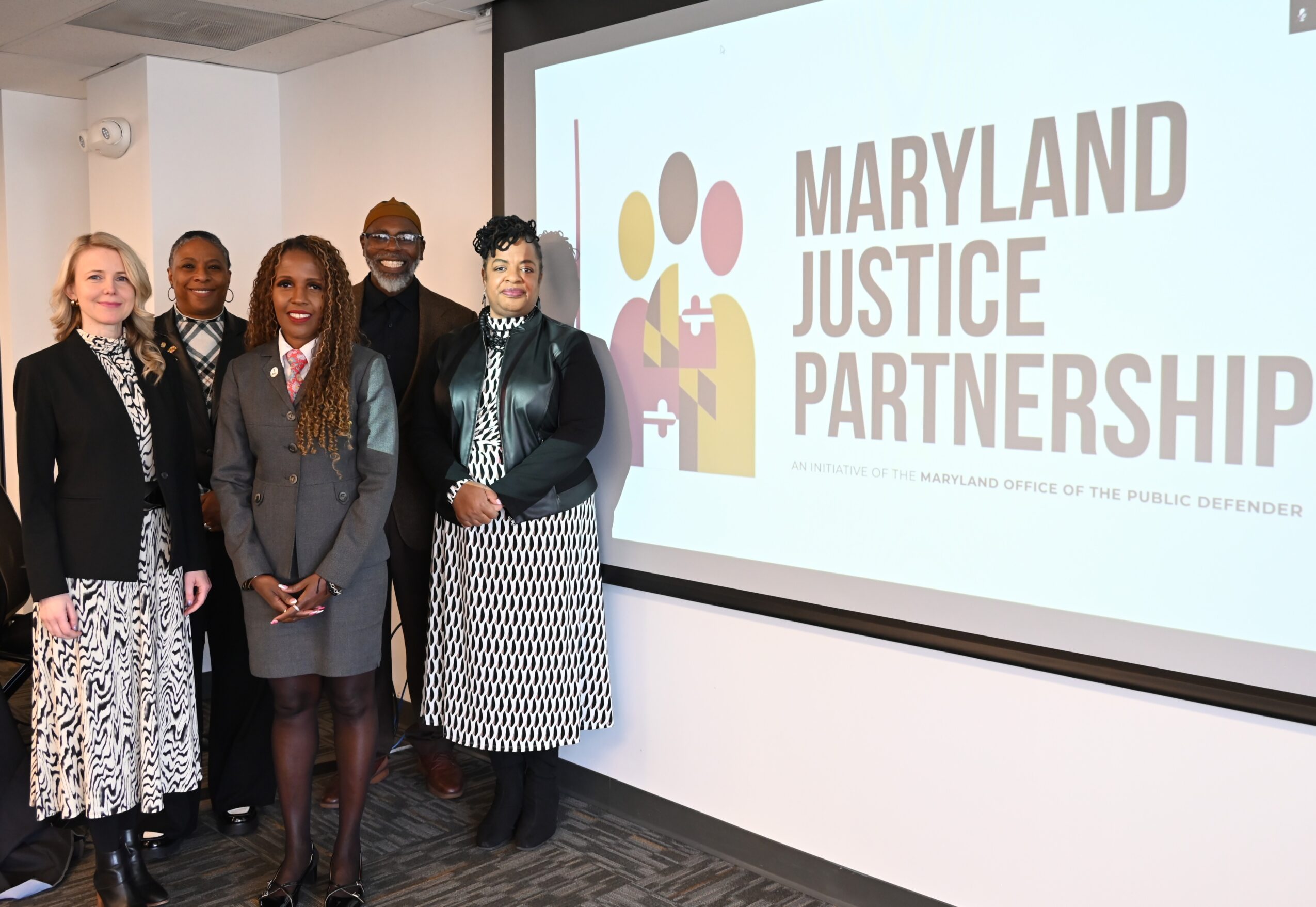
I currently serve as the Coordinator for the Maryland Justice Partnership (MJP). The MJP is a statewide catalyst for transforming how Maryland delivers justice, care, and safety—especially for people who have been most harmed and least heard by existing systems.
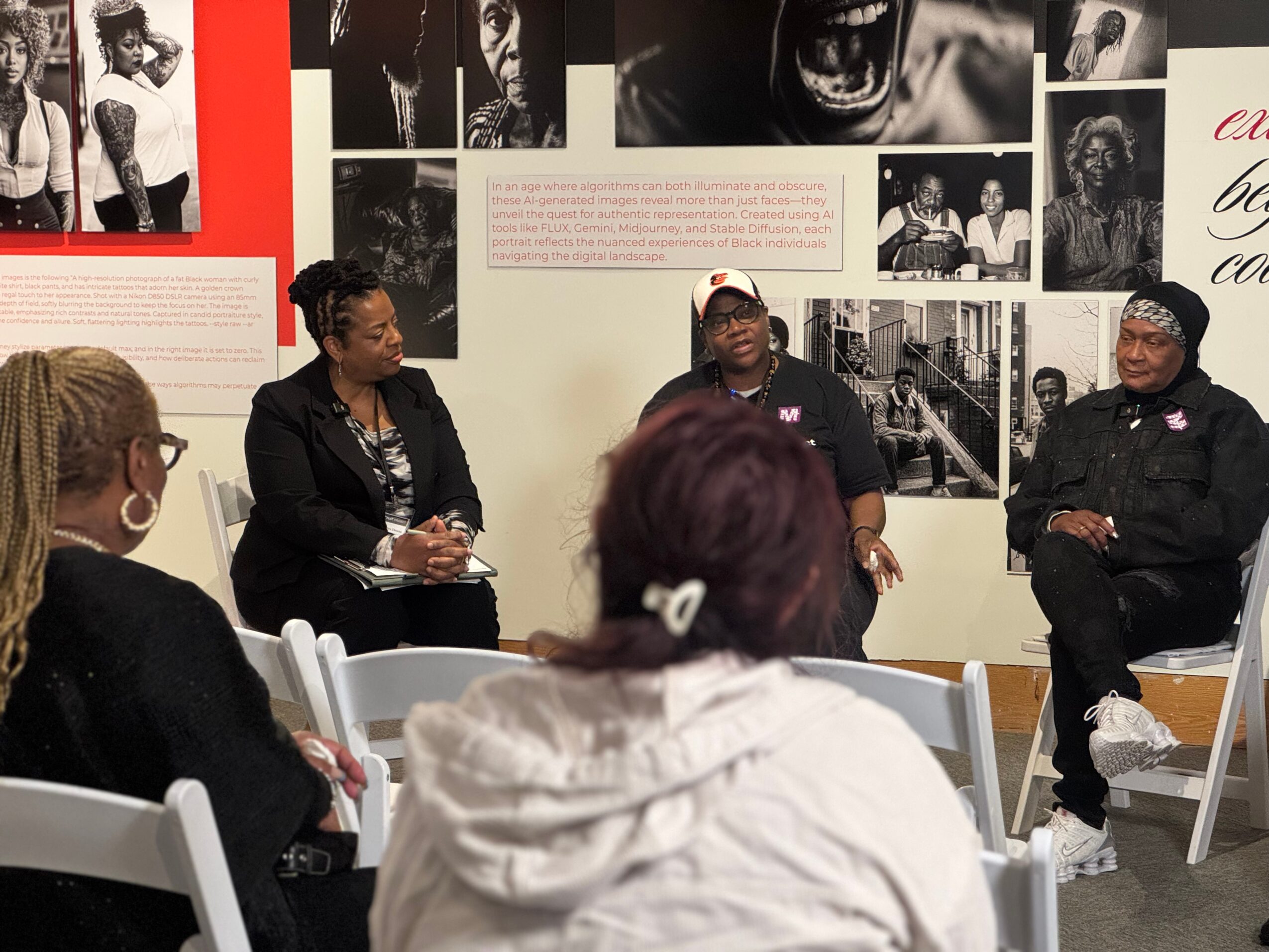
It brings together public defenders, community leaders, service providers, state agencies, and people with lived experience to move bold recommendations from the page to daily practice. I’m proud that the Maryland Justice Partnership lets the Maryland Office of the Public Defender do what we were meant to do: not just show up case by case, but help fix the conditions that keep bringing people into the system in the first place this is core to our mission—this is how we make sure our advocacy at the individual level is backed up by real change at the systems level.
The Partnership takes 18 justice-reform recommendations developed by more than 40 organizations and Maryland decision-makers. It turns them into focused implementation work, with real partners at the table and a focus on real outcomes. The MJP treats justice reform not as a series of isolated projects but as long-term, relationship-driven work that connects courts, behavioral health, housing, reentry, and community supports.
What excites me most is that the impact is tangible. We are working to reduce unnecessary pretrial detention, improve access to behavioral health care, strengthen sentencing and parole practices, support better reentry, and keep young people tied to school and opportunity. For example, one of our hubs focuses on reducing unnecessary pretrial detention by tightening the flow of cases among courts, jails, and service providers. That includes simple yet high-impact changes, such as earlier eligibility screening for pretrial release, clearer criteria for who truly needs to be detained, and better data sharing so judges have reliable information at the first appearance. Another hub is focused on behavioral health and helping connect people to treatment rather than jail. That looks like building direct referral pathways into community-based treatment, expanding the use of crisis response teams, and making sure people leaving incarceration have their supports in place to be healthy and successful. The work of the Maryland Justice Partnership can lead to safer communities, smarter use of public resources, and better outcomes for families—not in theory, but in how systems actually operate.
I’m also proud of the way accountability is built into the design. Each hub has defined objectives, and we are committed to sharing progress openly so Marylanders can see what is changing and where more work is needed. For me, the Maryland Justice Partnership is a concrete example of what it looks like when the Office of the Public Defender leads collaboration with both responsibility and imagination: we defend people in court, and we also help build a system that is fairer, more effective, and more responsive to the communities we serve.
What do you like and dislike about the city?
I’m a big fan of Baltimore! I love music, art, and any creative pursuit. I truly believe you can find amazing food, incredible art, and talented musicians throughout the Baltimore region. Many of these artists are telling stories and advocating for justice in their work. I love experiencing all the entertainment and rich culture the city has to offer whenever I get the chance. One thing I really enjoy is that there’s usually some festival happening at least once a month. If I had to mention something a bit challenging, it would be getting around the city. Unless you’re in the downtown area, it can take a little while to travel from one side of the city to the other, but overall, it is never a dull moment along the way.
Contact Info:
- Website: .opd.state.md.us
- Instagram: linktr.ee/mdpublicdefender
- Facebook: @MarylandOPD
- LinkedIn: https://linkedin.comin/kgdownsadvocacy