



Today we’d like to introduce you to Patricia Slaughter.
Alright, so thank you so much for sharing your story and insight with our readers. To kick things off, can you tell us a bit about how you got started?
I grew up in a traditional Irish Catholic family, the fourth of five children. I was blessed more than most with wonderful siblings and two loving parents who have since passed on. Somehow, my parents managed to get all five of us to Mass every Sunday—and every single day during Holy Week! I am pretty sure it was their deep faith in God that got them through raising five kids.
My parents were always giving back and serving others. My eldest sister, Kathy, used to joke about how my dad would call us up and say, “Okay, we need 500 cookies made by Tuesday.” There were never any questions asked; we did what we were told and did it with a good attitude it just came naturally.
I remember selling Christmas trees at church with my dad and delivering holiday meals to families in need. Helping others in the community was simply who my parents were, and they instilled that mindset in all of us.
When I was about seven or eight years old, my father began working in the non-profit sector as an accountant. One thing led to another, and before he knew it, he was executive directing organizations focused on international development. He traveled all over the world. By my mid-twenties, after years of me begging him for a job, my father finally hired me. Looking back, I realize I needed to earn his trust and respect to prove I was capable of the work.
At 26, I started traveling to Africa with him. Since then, I’ve been to Nigeria, Ghana, Kenya, Tanzania, Senegal, Bangladesh, and Honduras. I always stayed with missionaries—often without running water or electricity. If there was electricity, it was usually powered by a generator on a timer. I bathed out of buckets. Trips like that ground a person. They open your eyes to truly understand poverty. The gift of water!!
I learned what it meant to carry the weight of my blessings compared to a woman who had to walk her sick child three days just to reach a hospital. I could pick up the phone, make a doctor’s appointment, hop in my car and go get the medical help my child needed. In those facilities, I saw doctors reusing surgical gloves, infants in incubators heated by lightbulbs, and children lying on bare vinyl beds in 120-degree heat. Seeing true starvation and suffering left a profound mark on me. I reflect often on the biblical principle: “To whom much is given, much is expected.” That is the perspective I have been fortunate enough to inherit and share.
Never again did I stand in front of a refrigerator filled with food and say, “there is nothing to eat”.
My father passed away from congestive heart failure in 1997. I recall so vividly, as he was going in and out of consciousness, he looked at us and said, “I can’t go yet—there’s so much more work to do.”
Losing him was extremely hard. My siblings and I were so lucky because he was a man who loved us for who we were, not who he wanted us to be. My brother wanted to make money running a paper route, dad was up at 4:00 am helping him, my two sisters loved softball, dad sponsored their team and never missed a game, my sister wanted to be a life guard – our back yard was open to all the children in the neighborhood so my sister could teach everyone to swim. And not to leave my mother out—she was an amazing, devoted stay-at-home mom who kept everything running smoothly.
I decided to take the pain of my loss and channel it into something good. Something that deeply troubled my father was child abuse and neglect—perhaps (I’m not sure) because of experiences in his own childhood.
I set out to find the “missing link” in domestic violence support, wanting to fill a gap rather than reinvent the wheel. I began volunteering with the Abused Persons Program as a court companion. Essentially, I was there to support victims of domestic violence on the morning of their abuser’s court arraignment. I didn’t provide any legal advice. I was just a warm body to sit next to a hand to hold if they needed it.
The very first woman I met outside the courtroom was terrified. You see this was the first time she’d be seeing her abuser since he had been arrested. She had a severe panic attack, began vomiting, and we had to call 911 (tel:911) to rush her to the hospital. It was right then and there that I began researching the long-term reality for victims of domestic violence.
I learned that emergency shelters could only offer women and children a very limited window of time—usually around 60 days. While shelters assist with immediate safety, SNAP benefits, and cash assistance, which is extremely important, think about what that reality actually looks like:
1. You arrive at a shelter with your children and nothing but the clothes on your back.
2. The shelter stabilizes the immediate crisis, but then what? If you’re lucky they have room for you.
If you have no job, no money, no car, and a 60-day limit, where do you go? There is no way to secure employment and save enough for a security deposit, first month’s rent, furniture, and clothing in 60 days. Tragically, most victims return to their abusers because they have no financial alternative—and living with the abuse feels safer than living on the street with their children. That is a major reason why it takes an average of seven attempts for a victim to leave an abuser for good.
I came into this work with a pure heart and a desire to honor my father’s memory. I had no college degree, no formal social work background, and zero management experience. I learned everything the hard way. Early on, I applied for grant money without a concrete business plan—in fact, I didn’t even know how to write one! I was just a nice girl wanting to do something nice in memory of my father. Every door was shut in my face. People told me it would take at least 10 years to purchase our first transitional home. I did it in four.
After my experience with that woman in the courtroom, I sat down and thought about what survivors truly needed:
They needed time to Rebuild: No human being can pull their life together and become fully self-sufficient in 60 days. That is why our program spans two years. Clients often need time to earn a GED, complete job training, and secure gainful employment.
They needed the dignity of a Real Home: Everyone deserves the dignity of living in their own home—especially children who have experienced trauma. A child should be able to step off the school bus and run into their own home, rather than a single crowded room shared by the whole family.
They needed to become financially responsible: By living in an independent home setting, clients gain self-respect. With utilities in their own names, they learn household budgeting and the realities of financial independence.
They needed mental health recovery: Domestic violence causes immense trauma. Intensive, weekly one-on-one therapy is required to heal.
They needed comprehensive case management: Due to past neglect and abuse, many survivors lack critical life skills or struggle with self-worth. We provide intensive, weekly one-on-one case management where clients master budgeting, credit repair, savings, and career growth. Meanwhile, children watch their mothers bloom, learning that anything is possible with hard work and determination.
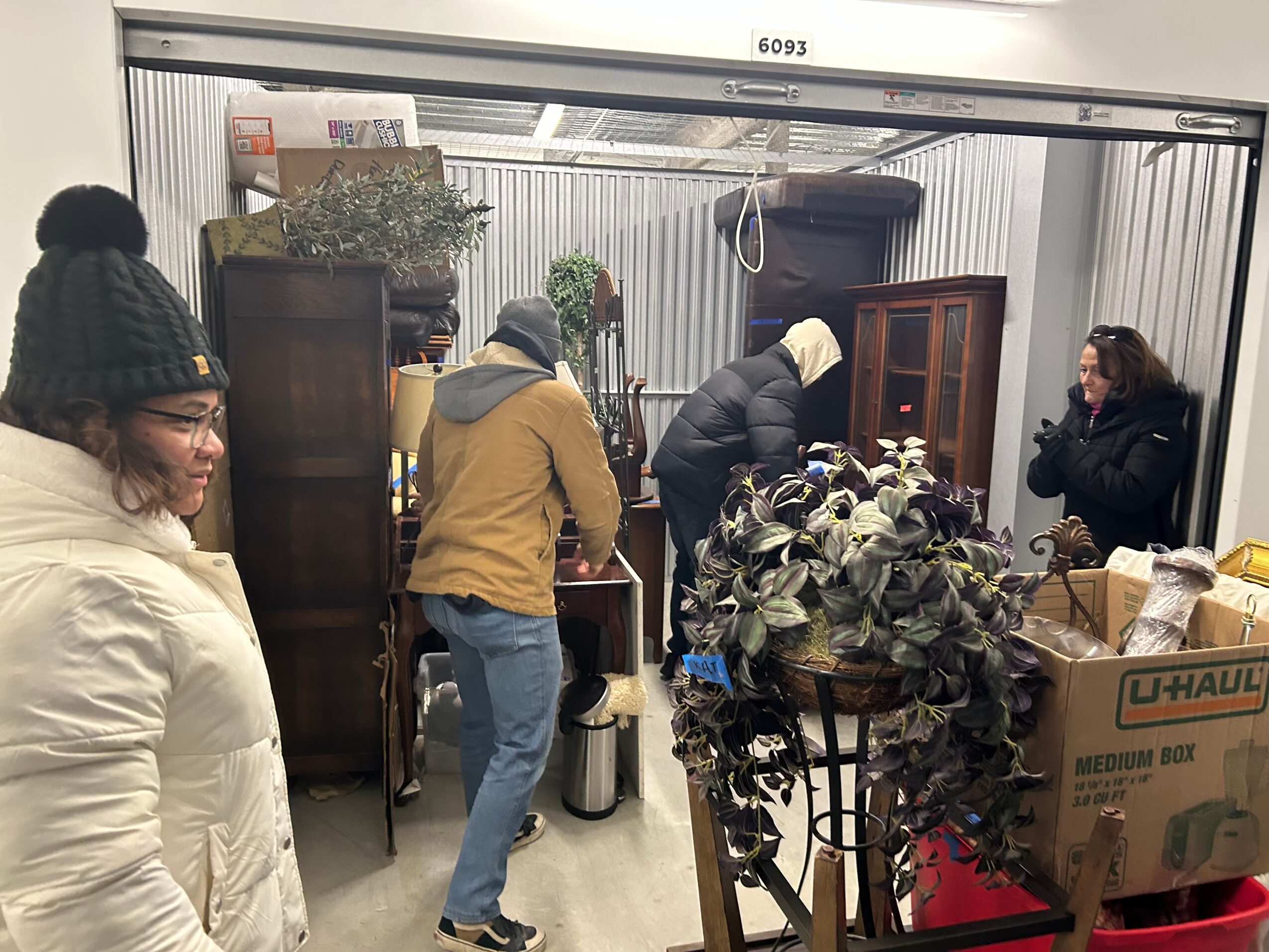
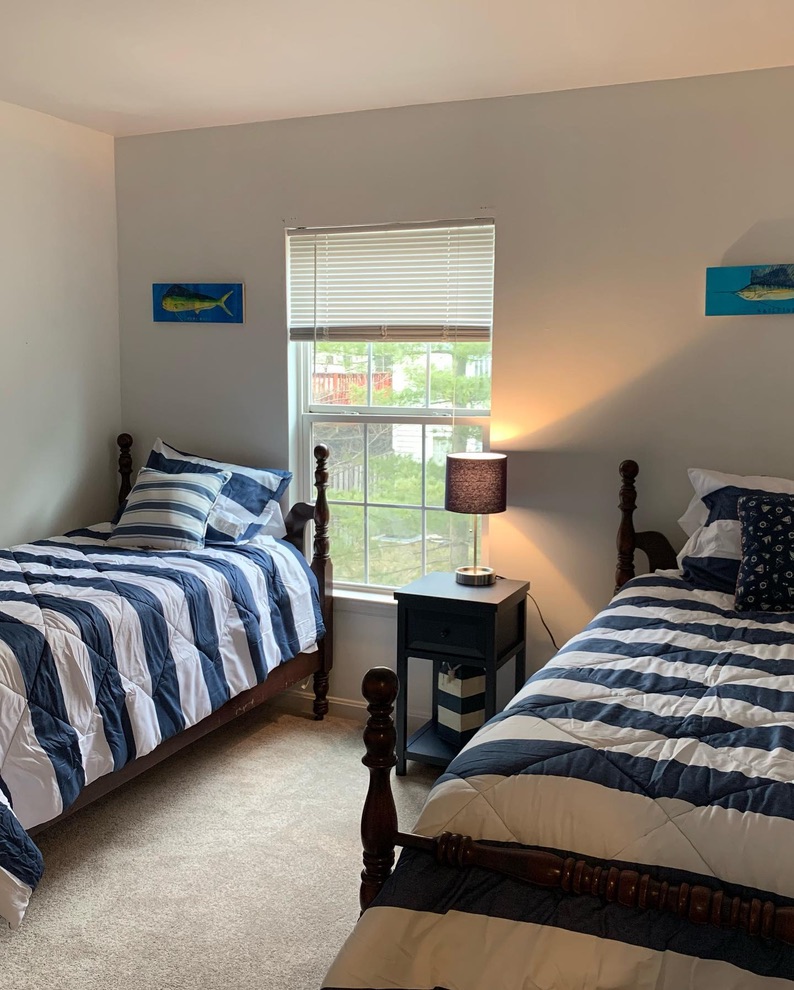
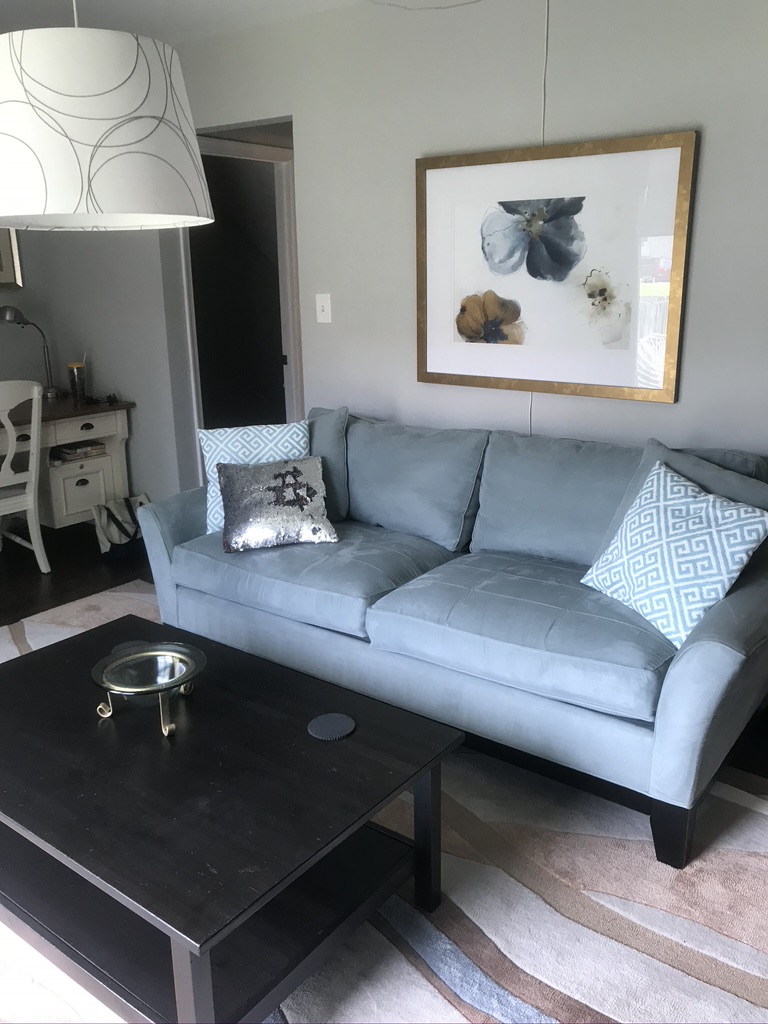
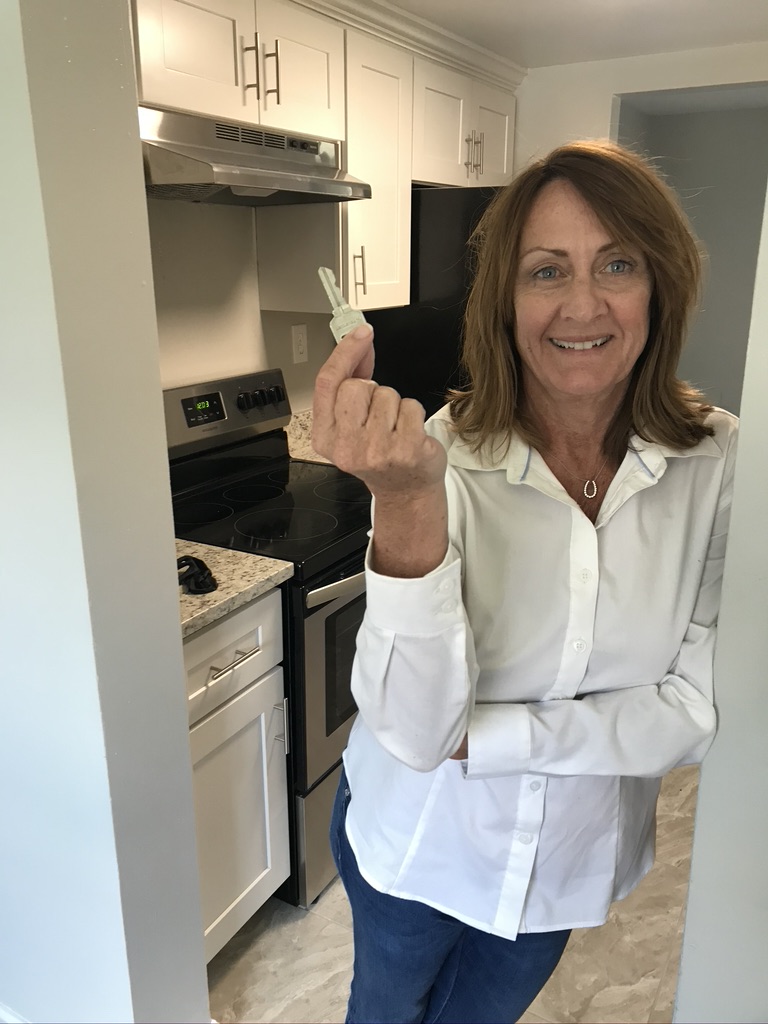
They needed turnkey living: When clients move in, the homes are 100% furnished—from beds, bedding, and towels to kitchen tables, dishes, curtains, and food. They receive everything they need at zero cost.
They needed to learn accountability: Clients are required to establish a savings account and pay a nominal program fee based on their income level.
They need a fresh start: When clients successfully graduate, the entire contents of the home are theirs to keep for their next chapter.
Because I couldn’t get initial grant funding, I had to raise the money myself. I started hosting backyard wine tastings with the help and support of my husband and children, holding silent auctions right on our dining room table.
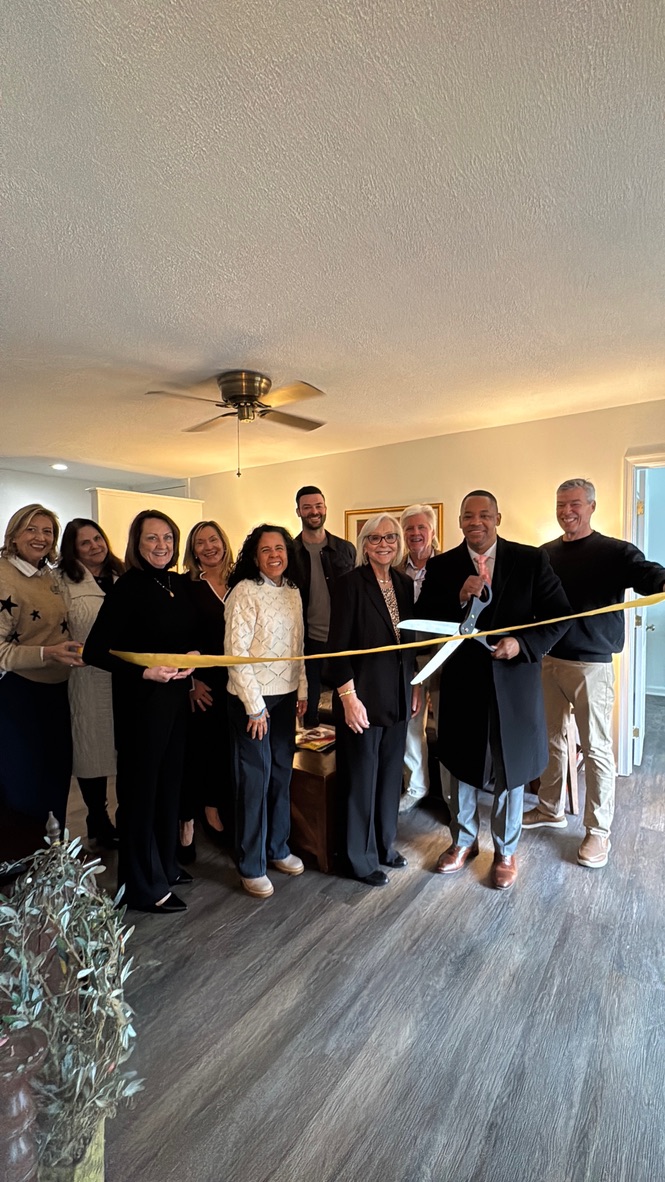
I was able to pay off our first home in 13 years. Today, The Bernie House owns a total of 3 homes.
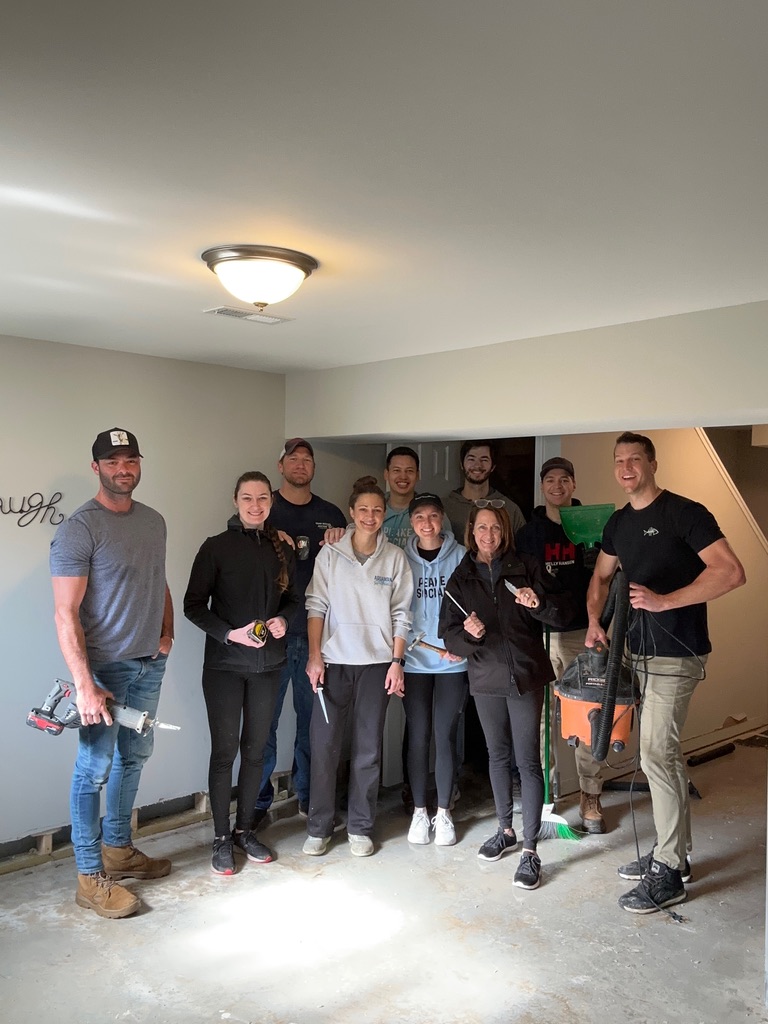
As I’ve said before, I am deeply blessed. I have been surrounded by incredibly generous donors and dedicated volunteers who have been with us for years. They see the generational impact this organization makes. Almost everyone on this earth has been touched by domestic violence in some way—whether personally or through a mother, sister, or friend.
I have not seen another organization that does what The Bernie House does. We have had women graduate and buy their own homes. We have graduates who are now published authors, business owners, and mothers whose children became the first in their families to attend college.
All of this happens because someone gave another human being a real, fighting chance.
I’m sure it wasn’t obstacle-free, but would you say the journey has been fairly smooth so far?
Well, of course, anything worth doing is never an easy road.
For a smaller organization, the biggest hurdle is always sustainable funding—specifically, building the capacity to hire dedicated staff and a professional grant writer. We are deeply grateful for the wonderful Good Samaritans who step up to volunteer, though naturally, life and work have to take priority for them, which I completely understand. BUT we do have an army of dedicated volunteers we would not be able to keep our mission going.
We also maintain actual homes for the families we serve, which comes with very real, everyday costs—utilities, property insurance, trash removal, audits, and legal compliance. If the snow isn’t shoveled, clients can’t safely reach the front door. If the grass isn’t cut, the trash isn’t hauled, and the HOA fees aren’t paid, our properties lose the safety and basic dignity our families deserve. You simply cannot serve people out of an empty field.
Beyond the financial hurdles, the hardest challenge is emotional. Sometimes, even after we’ve poured everything into a client—refocusing on their specific needs, pivoting, and helping them explore a new skill area—they still stumble. Having to watch someone fail after multiple attempts is heartbreaking, not just for them, but for the little ones caught in the middle who are simply victims of circumstance. Those are the nights that truly keep me awake.
And yes, there have definitely been days where I’ve thought, “Okay, the money isn’t coming in this just isn’t going to work. We’re going to have to shut the doors.” And then, out of nowhere, a small miracle happens and a check comes through that carries us for months. Those moments—and the people behind them—are an absolute Godsend.
Thanks for sharing that. So, maybe next you can tell us a bit more about your work?
Before anything else, I am extremely proud of my two daughters, my three grandchildren, and my husband—they are my foundation.
I’m also proud of the women and children who have successfully moved on from our program – their stories – their strengths are amazing!!
Professionally, I didn’t come into this with a traditional corporate background or a blueprint. I am simply someone who stepped up with no prior experience, wanting to do something meaningful in memory of my father, Bernie Hughes. Honoring his memory and carrying his spirit forward is what keeps me anchored every single day.
Because of how I started, I’ve had to learn everything the hard way—and when you learn a lesson like that, you never forget it. I know I probably don’t give myself enough credit and still see myself as a work in progress, but I’ve realized I’m a steady leader when it counts. What I lacked in formal training at the beginning, I’ve made up for in sheer determination. Running a nonprofit from the ground up tests you daily, and without that grit and refusal to quit, this organization simply wouldn’t be here today.
Honestly, I keep my nose so close to the grindstone that I rarely pause to reflect or measure my personal accomplishments—I’m always focused on moving forward to help the next person who needs us. Day to day, my work comes down to doing whatever it takes to keep our houses running and ensure the people we serve have a safe, dignified place to land. AND they know they have me to depend on and a complete army of volunteers who are in thier corner.
If anything sets me apart, it’s that relentless focus on action over recognition. I’m not in this for titles or praise; I’m in the trenches every day making sure things get done. When I do force myself to take a breath, what I’m most proud of isn’t a single award or milestone—it’s the simple fact that we are still standing, that we haven’t given up when things got tough, and that lives are genuinely being changed because we refused to walk away.
Is there something surprising that you feel even people who know you might not know about?
People who know my work usually see the outgoing, driven side of me, so they’re often surprised to learn that I’m actually quite introvert and that I have a bit of a hidden creative streak. I’m a decent visual artist, though I rarely make time to nurture it. GUILT – I should. Oh, and I can genuinely belt out a song as long as it only requires knowing four words of the lyrics. After that, my solo career is over.
Contact Info:
- Website: www.theberniehouse,org
- Instagram: https://www.instagram.com/theberniehouse
- Facebook: https://www.facebook.com/theberniehousesaves/
- LinkedIn: https://www.linkedin.com/company/the-bernie-house