


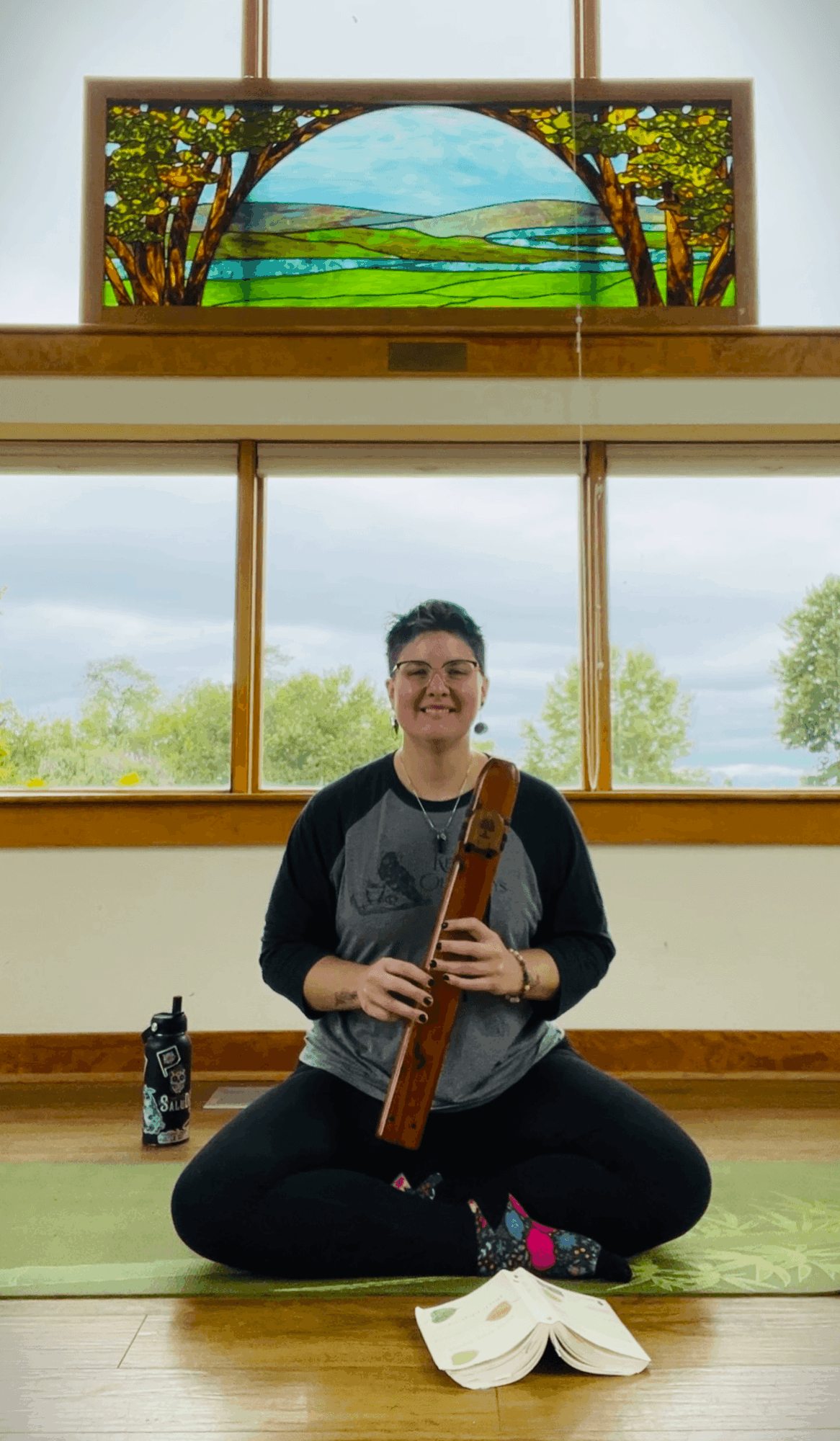
Today we’d like to introduce you to Lauren Koch.
Hi Lauren , can you start by introducing yourself? We’d love to learn more about how you got to where you are today?
I’m Lauren G. Koch, an integrative wellbeing practitioner, spirit worker, herbalist, educator, and creative. My background is a bit of a winding path! I began my career as a music teacher, performer, and visual artist, eventually earning my MFA from the University of Maryland in 2020. I went on to spend several years as an academic professor while simultaneously building my small business. I’ve always been interested in exploring the ways creativity, the body, nature, and the unknown intersect.
Over time, my interests in herbalism, mindfulness, and traditional practices began weaving together with my creative work. What started as personal exploration gradually became a way of supporting others through accessible movement, somatic practices, herbal education, spiritual exploration, and creative experiences. Today, I bring together the many threads of those different parts of myself through Keeper of the Old Ways.
My deep connection to Southern Appalachia also influences how I approach life and view the world. When I think about my roots, I think first of the land, the value placed on a hard day’s honest work, the knowledge held in working with our hands, and the closeness of everyday life with the natural world. I feel a deep connection to ancestors I never had the opportunity to know personally, but whose presence I still sense in the work I do and the path I find myself following.
That connection shows up in the things I intentionally weave into my daily life: herbalism and gardening, working with integrity, and creating beautiful and sometimes necessary, mundane things. I try to approach these practices with both the discerning eye of an artisan and the sensitivity to follow the rhythms of the land, tuning into the seasons and cycles we can so easily become disconnected from in the hustle and bustle of modern society.
I feel those connections through the murmurings of voices from the past, through music and traditional arts, storytelling, passed-down recipes, quilts that wrap us in the embrace of our ancestors, visible marks left on the land, and treasured objects that carry memories across generations. At the same time, I see myself as someone stepping into uncharted territory and forging my own path, much as my ancestors did when they established farms and communities throughout the mountains and valleys. These everyday practices hold so much knowledge and meaning. They remind me that tradition isn’t always found in grand ceremonies or written histories. Sometimes it’s in a recipe someone remembers by heart, a familiar song, a plant growing near the house, or something made by hand and kept for decades or longer.
I’ve also been fortunate to spend much of my adult life learning and teaching at John C. Campbell Folk School in Brasstown, North Carolina. I first started attending classes there in 2006, and I’m happy to say I’ve been teaching there at least once a year since 2019. That community has continued to shape my relationship with traditional knowledge, stewardship, artistry, and shared learning.
We all face challenges, but looking back would you describe it as a relatively smooth road?
One of the biggest challenges for me has been learning how to bring together all the different parts of myself without feeling like I have to choose just one. I’ve been a musician, an artist, a professor, a spiritual seeker, and an educator. For a long time, I felt like I needed to fit those interests into more conventional professional paths, even when they didn’t quite fit.
As a blacksmith, I suppose I’ve always had a tendency to keep too many irons in the fire!
I’m also someone who has navigated neurodivergence, hypermobility, MCAS, chronic health challenges, and an overactive nervous system. Learning to work with my own body rather than constantly pushing against it has been a significant part of my journey.
There was a point when the pace and expectations of academia and productivity culture became unsustainable. At times, it felt like my body was its own battlefield. I struggled with feeling as though my body was rejecting me every day, while the careers and identities I’d invested so much time and energy into building seemed to be slipping away. Stepping away from that pace, and from more conventional or easily understood ideas of professional success, has been a difficult transition. But it also gave me the opportunity to build something that better reflected my values and the way I wanted to live and experience life.
I’ve also had to learn the importance of boundaries and discernment. When you’re someone who genuinely loves helping others, it’s easy to overextend yourself. I’ve come to understand that service without discernment can become self-abandonment. I want my work to be sustainable, not just for the people I support, but for myself as well.
Those experiences have deeply influenced how I hold space for others, particularly people who are neurodivergent, chronically ill, highly sensitive, or who have felt misunderstood by society and overlooked by more conventional approaches to wellbeing. I don’t believe in forcing people into a particular idea of what health, healing, or personal growth should look like. I’m not a fixer, either. I see myself more as a mirror and an ally, offering tools and support as people begin to listen to themselves, forge their own paths, and find ways to step out of survival mode. Sometimes the most meaningful work isn’t about fighting harder, but learning when to lay down the armor and choose a different way forward.
As you know, we’re big fans of Keeper of the Old Ways. For our readers who might not be as familiar what can you tell them about the brand?
Keeper of the Old Ways is a small-batch herbal apothecary and integrative creative wellbeing practice rooted in meaningful connection with ourselves, our communities, and the natural world. My work brings together traditional knowledge and contemporary research through herbalism, somatic practices, mindfulness, spirituality, creativity, and education.
The name Keeper of the Old Ways reflects my desire to help keep traditional knowledge alive. To me, that means more than studying or preserving the past as stagnant thing that doesn’t evolve. It means actively practicing them, sharing what I learn with others, and finding thoughtful ways to carry that knowledge into contemporary life.
I’m interested in the wisdom held in folkways and everyday traditions — the ways our ancestors worked with plants, prepared food, made things by hand, understood the seasons, cared for one another, and built relationships with the land around them. I don’t believe we need to recreate the past exactly as it was. Rather, I want to understand what those traditions can teach us, protect knowledge that might otherwise be lost, and make room for it to continue growing in ways that are meaningful today.
My work is based in Frederick County’s Monocacy Valley region of Maryland, where I’ve lived since 2019. I also maintain connections throughout Appalachia, traveling between communities from my Southern Appalachian roots in the Deep South to the mountain communities of the Mid-Atlantic and New England. Those relationships and regional influences continue to inform my work, teaching, and creative practice.
My work crosses a few different disciplines, but they all come back to connection, self-awareness, and supporting people as they forge their own paths toward a more sustainable and authentic life.
A significant part of my work is accessible movement and somatic practice. I’m a registered yoga teacher with a background in mobility, stability, breathwork, mindfulness, and trauma-informed approaches to movement and nervous system awareness. I enjoy creating classes and individual sessions that meet people where they are, rather than expecting everyone to move or participate in the same way.
Herbalism is another longstanding thread of my work. My approach draws from Appalachian and other folk herbal traditions, Ayurveda, Chinese medicine, and contemporary research. I enjoy exploring the relationships between plants, people, seasons, and place, as well as sharing practical knowledge people can incorporate into everyday life.
I’m also ordained clergy and serve my community as a spirit worker. This part of my practice encompasses support for the mind, body, and spirit, from facilitating larger community rituals to creating intentional spaces for individuals to explore their own relationships with the sacred, themselves, the land, and their ancestors. My own spiritual path is rooted in animism and the practice of interbeing, and I appreciate the many ways people find meaning and connection.
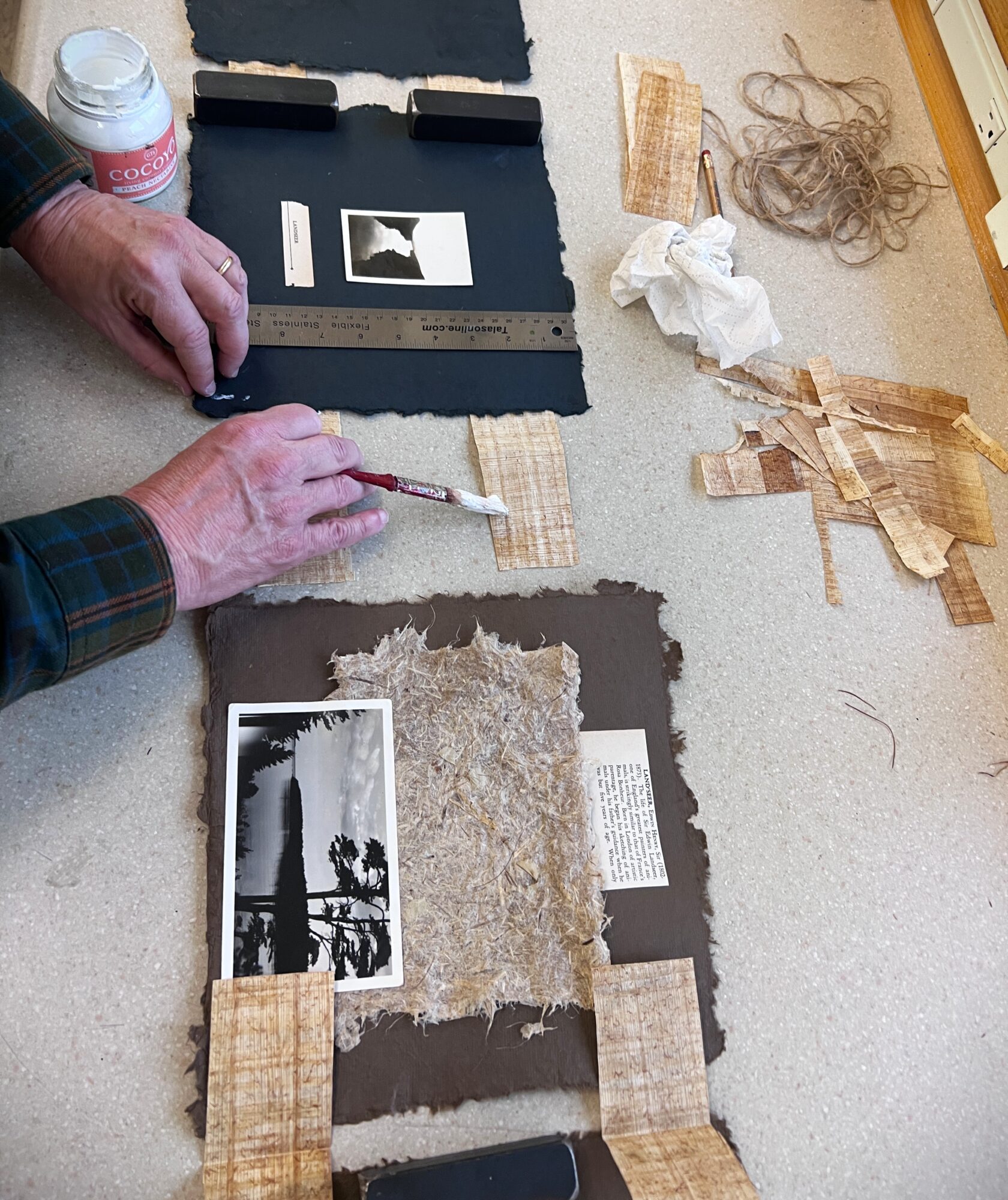
Creativity is threaded through all of it. Whether I’m working with metal, clay, wood, stones, or other materials inspired by the places around me, making herbal preparations, teaching a workshop, playing music, or creating space for people to explore something entirely new or dive deep into the shadows, I see creativity as an important part of how we engage with ourselves and the world around us.
I think what makes my work different is the combination of lived experience, creative practice, and an interdisciplinary approach. I don’t see wellbeing as something that exists separately from creativity, spirituality, community, or our relationship with the natural world.
I also wish more people understood the depth of knowledge held within Appalachian communities. There’s a persistent misconception that traditional mountain ways are somehow less informed or less sophisticated than modern approaches. In reality, generations of close observation, experimentation, adaptation, and relationship with the natural world have produced an incredible body of knowledge. There is so much to learn from people who understand their local plants, landscapes, seasons, foodways, and materials through lived experience.
Many regional traditions and cultural distinctions have been diminished or obscured through assimilation, cultural erasure, and colonization. As someone whose ancestry includes Scottish and Irish, Polish, German, and Scandinavian roots, I’ve had to do a great deal of research to reconnect with traditions that have become fragmented or less visible over generations. That experience has made me think deeply about how we can reclaim meaningful connections to our own histories without repeating the patterns of cultural appropriation and erasure that have caused so much harm.
I feel strongly that we don’t need to borrow indiscriminately from Indigenous traditions to find meaning, spirituality, or connection. There is deep wisdom to explore within our own family histories, regional folkways, and relationships with the places we come from. That doesn’t mean claiming every tradition as our own or assuming ancestry automatically grants us access to a practice. It means approaching the work with curiosity, humility, and respect — learning where we come from while recognizing the histories, sovereignty, and living traditions of Indigenous peoples and the communities who have maintained their own ways of life.
I also believe traditional knowledge and modern research can exist alongside one another. Honoring the past doesn’t mean rejecting what we’ve learned in the present. It’s about remaining curious, asking questions, understanding context, and being discerning about what we practice and share.
Ultimately, I don’t see my role as fixing people or telling them how they should live. I want to offer tools, experiences, and opportunities for people to reconnect with their own knowledge, intuition, and sense of agency. My goal is to support personal sovereignty, not create dependence on a practitioner.
One of the things I’m especially proud of is my herbal apothecary work, which actually began when I was around 13 years old.
I started making my own skincare, candles, and herbal preparations because I struggled with the fragrances and ingredients in many commercially available products. Over time, I began making larger batches to share with friends and family, and what started as a personal experiment grew into something I’ve continued developing for more than 20 years.
Some of those original recipes have evolved, but the foundations are still there. I put a lot of thought into ingredients, sourcing, formulation, and the experience of using the products. I know firsthand how frustrating it can be to navigate sensitivities and feel like even everyday self-care products aren’t made with you in mind. That experience has shaped the way I approach my apothecary work.
I’m proud that I’ve been able to take something so personal and turn it into an opportunity to share practical, thoughtfully made goods with others. It’s a reminder that sometimes the things we begin making out of necessity can grow into something meaningful for our communities.
I offer a variety of individual and group experiences, both in person and virtually.
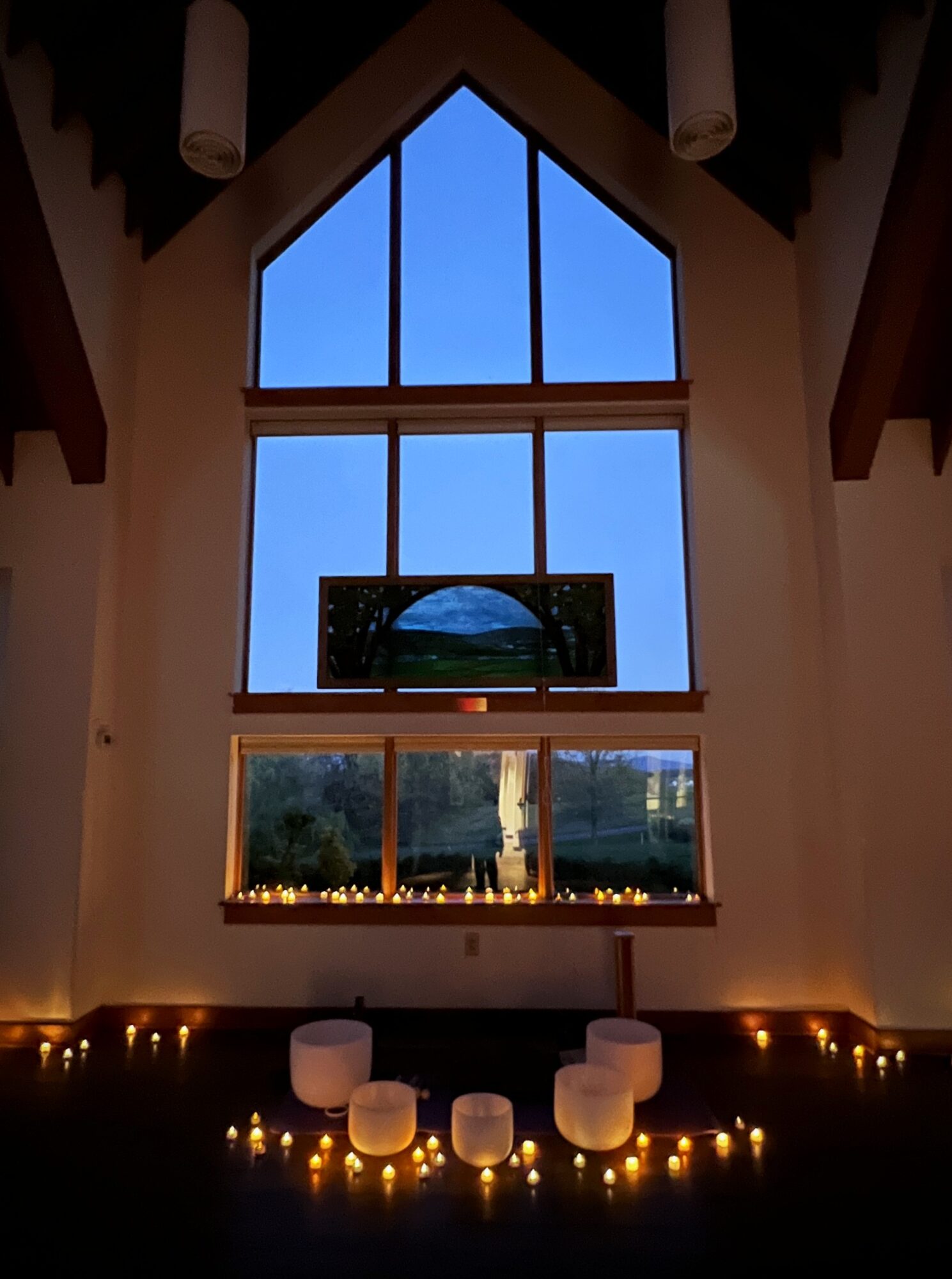
These include accessible yoga and movement classes, individualized somatic and mindfulness sessions, breathwork, sound immersions, herbal education, spiritual support, and ritual experiences. I also facilitate creative workshops and seasonal gatherings that invite people to explore traditional skills, personal expression, and their connection with the natural world.
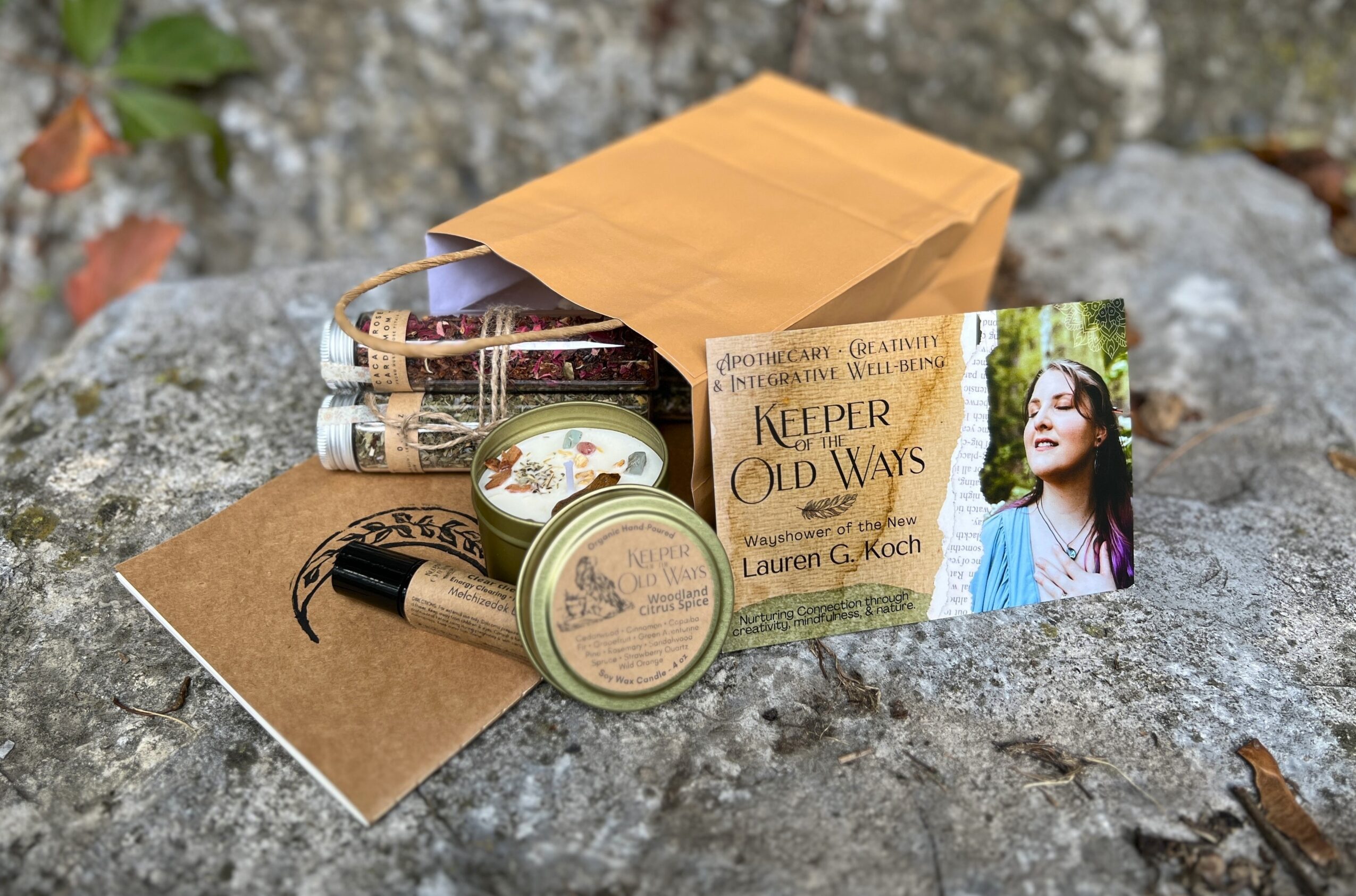
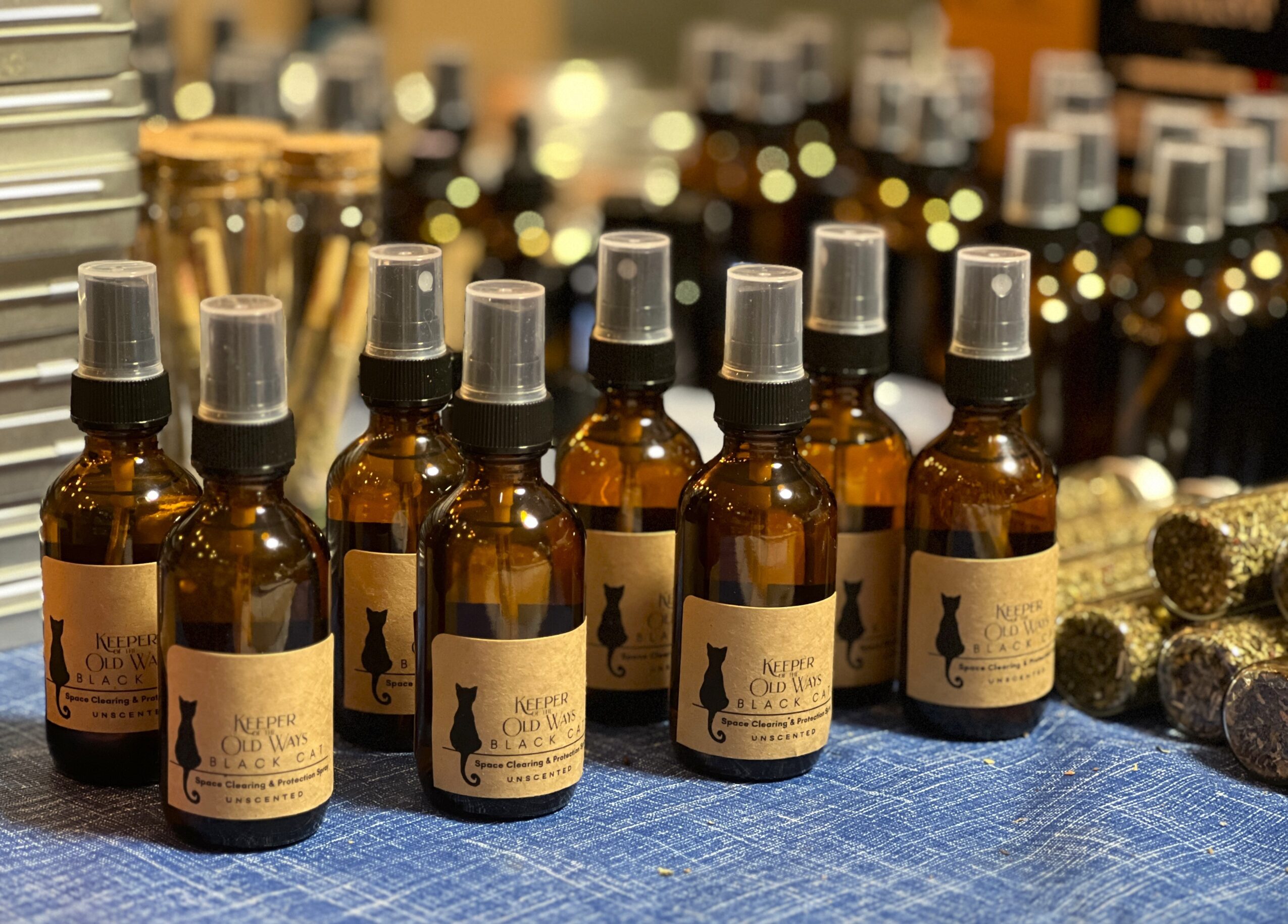
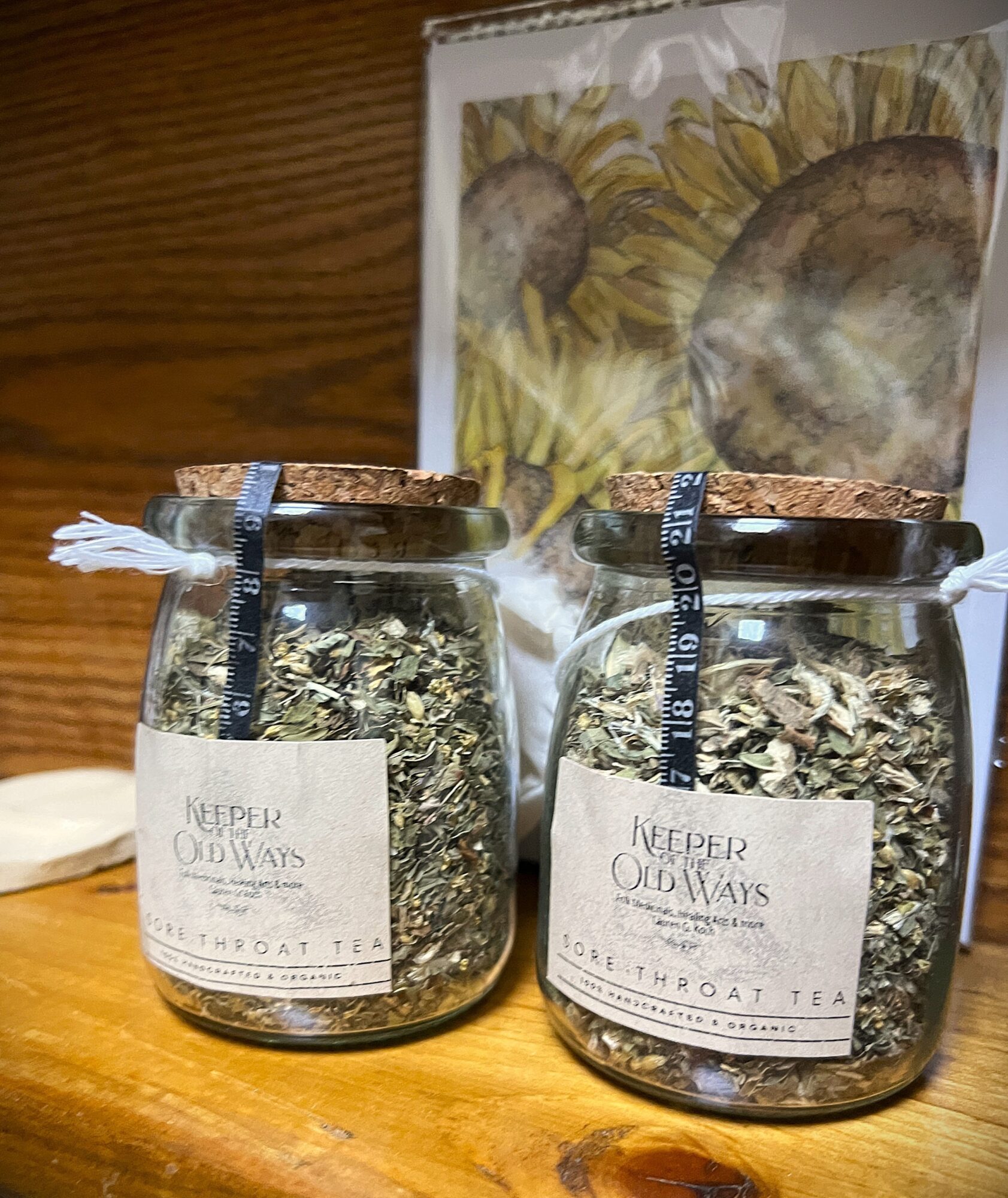
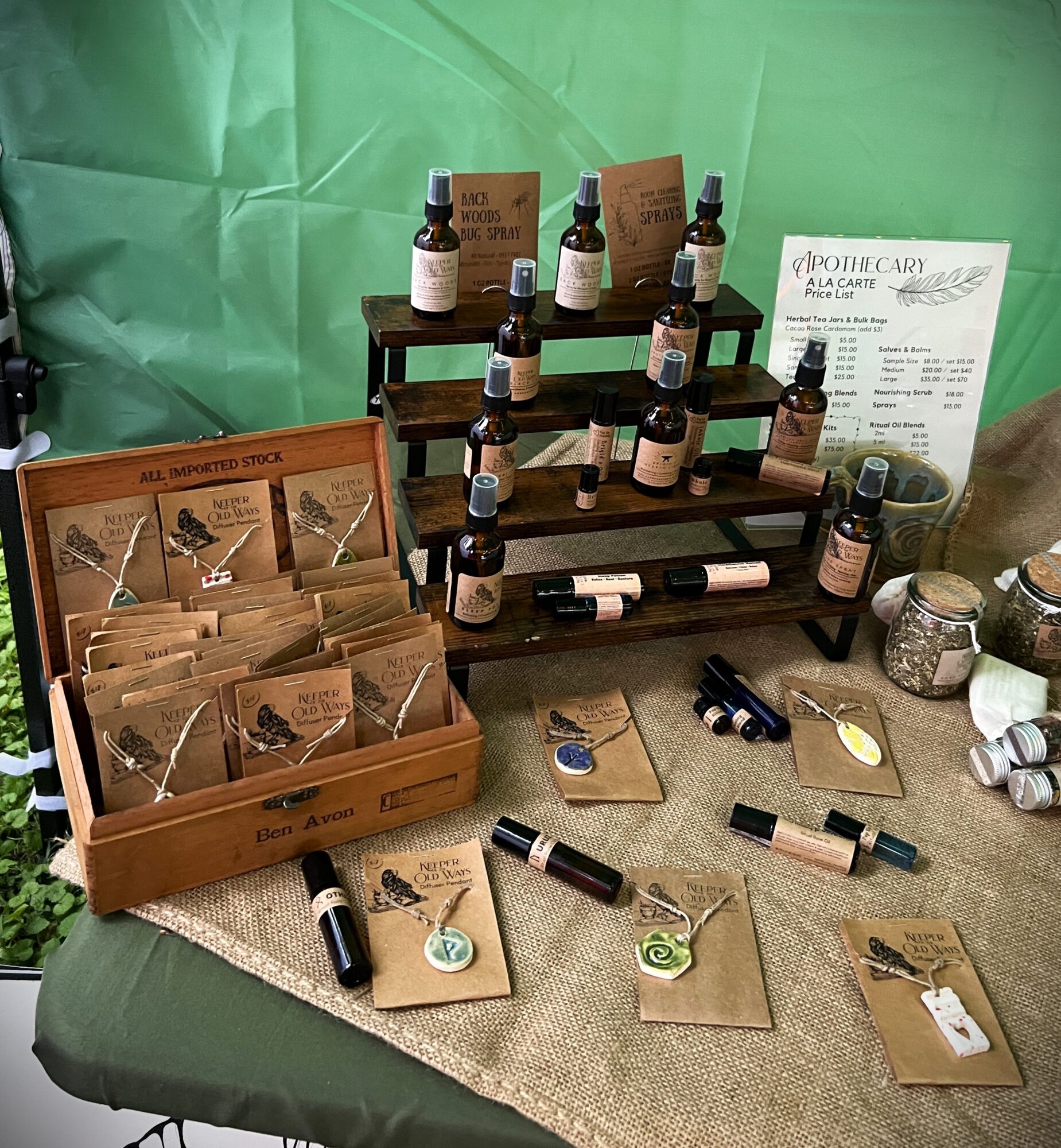
My apothecary offerings include handcrafted herbal preparations, body care, candles, and seasonal goods. I really enjoy creating opportunities for people to learn about plants and traditional practices while being able to take home something practical and thoughtfully made.
Folks can also find me leading workshops and classes through community spaces and organizations, including John C. Campbell Folk School and Frederick CUUPS. I’ve always appreciated environments where people can come together across generations and experience levels, build camaraderie, and learn from one another.
One of the things I love most about the Folk School is its noncompetitive atmosphere. People of all ages, backgrounds, and experience levels come together to learn, make things, share stories, and explore traditional skills. The community is rich with knowledge and lived experience, and there’s a beautiful exchange that happens when everyone has something to teach and something to learn.
That spirit has influenced how I approach my own workshops. I want to create spaces where people feel welcome to experiment, ask questions, share what they know, and learn from one another without the pressure of having to be an expert. For me, keeping traditional knowledge alive is as much about building those relationships and creating opportunities for shared learning as it is about the practices themselves.
Whether someone comes to a class, books an individual session, joins a workshop, or simply follows along with the educational content I share, I hope they find something that encourages them to reconnect with themselves and the world around them. You don’t need to follow a particular spiritual path or have any previous experience to participate. Curiosity and an open heart are a good place to start.
What’s next?
At this point in my journey, I’m less interested in growth for the sake of expansion. Over the past year, I’ve actually been cutting back and honing in on the things that genuinely inspire and support me. After all, as a practitioner, it’s important that I maintain a strong personal practice and continue walking my own path with integrity. I’m more interested in deepening the relationships and community connections I’ve been building over the past several years.
I want to continue creating spaces where people feel welcome to explore, learn, and connect, particularly those who may not always feel represented or accommodated in conventional wellness or spiritual settings. I’d love to keep expanding educational opportunities around traditional knowledge, herbalism, creativity, and accessible somatic practices.
I’m also looking forward to continuing to develop the spiritual and community aspects of Keeper of the Old Ways. There is so much value in creating opportunities for people to gather, share experiences, explore their own paths, and learn from one another.
I want my offerings to exist in a way that remains sustainable and aligned with my own values. That means being thoughtful about what I take on, allowing different offerings to ebb and flow with the seasons, and leaving room for my own creativity and continued learning.
Ultimately, I hope to keep nurturing connection: with ourselves, with one another, with the land, and with the knowledge and traditions that have helped shape who we are. The old ways aren’t simply something to look back at. They’re something we can continue to witness, learn from, share, and tend as they evolve — making room for the new paths we traverse along the way.
Contact Info:
- Website: https://www.keeperoftheoldways.com
- Instagram: https://www.instagram.com/keeper.of.the.old.ways/
- Facebook: https://www.facebook.com/keeperoftheoldways
- Youtube: https://www.youtube.com/@KeeperOfTheOldWays?app=desktop
- Other: https://www.patreon.com/cw/keeperoftheoldways