



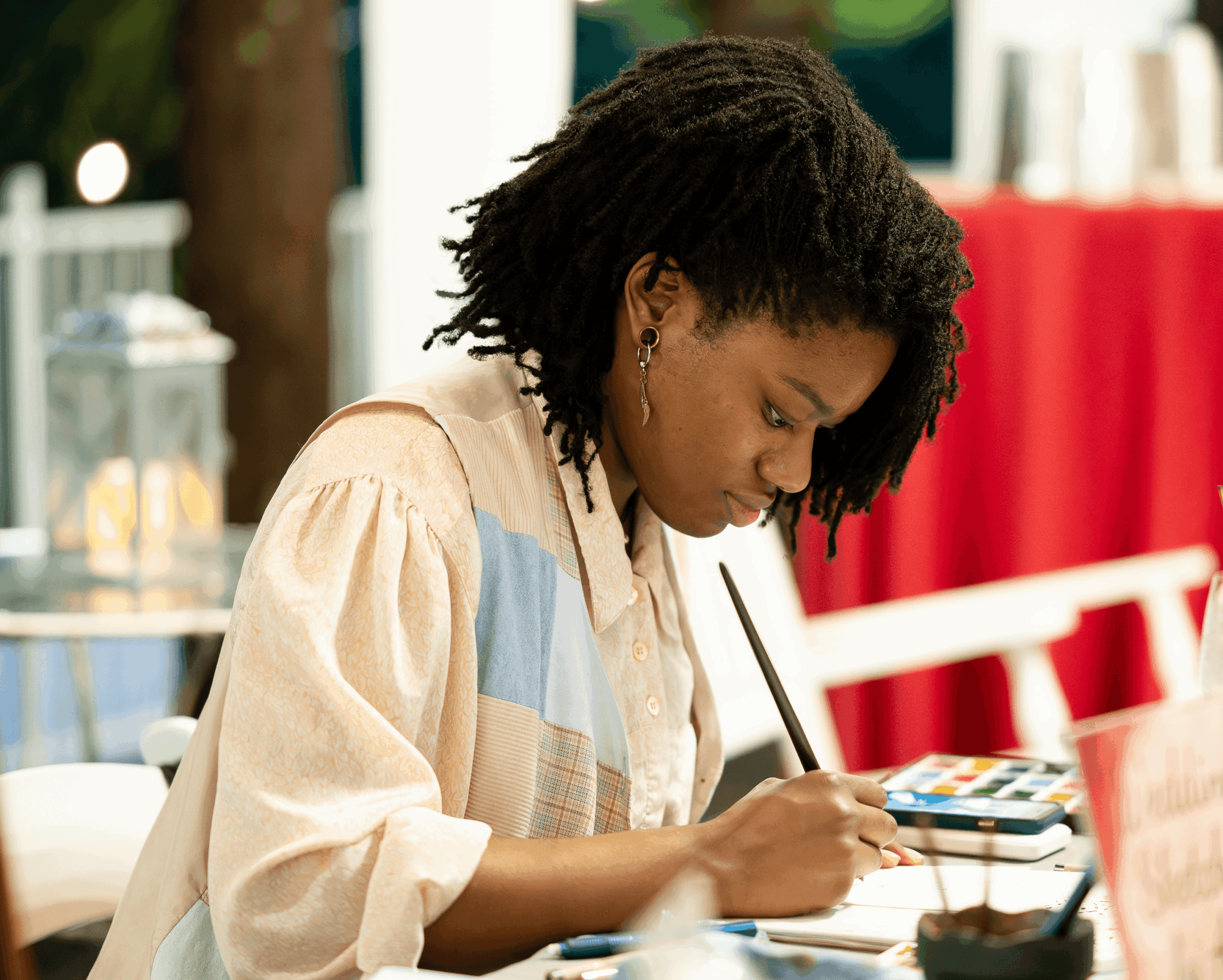
Today we’d like to introduce you to Ash Samuels.
Ash, we appreciate you taking the time to share your story with us today. Where does your story begin?
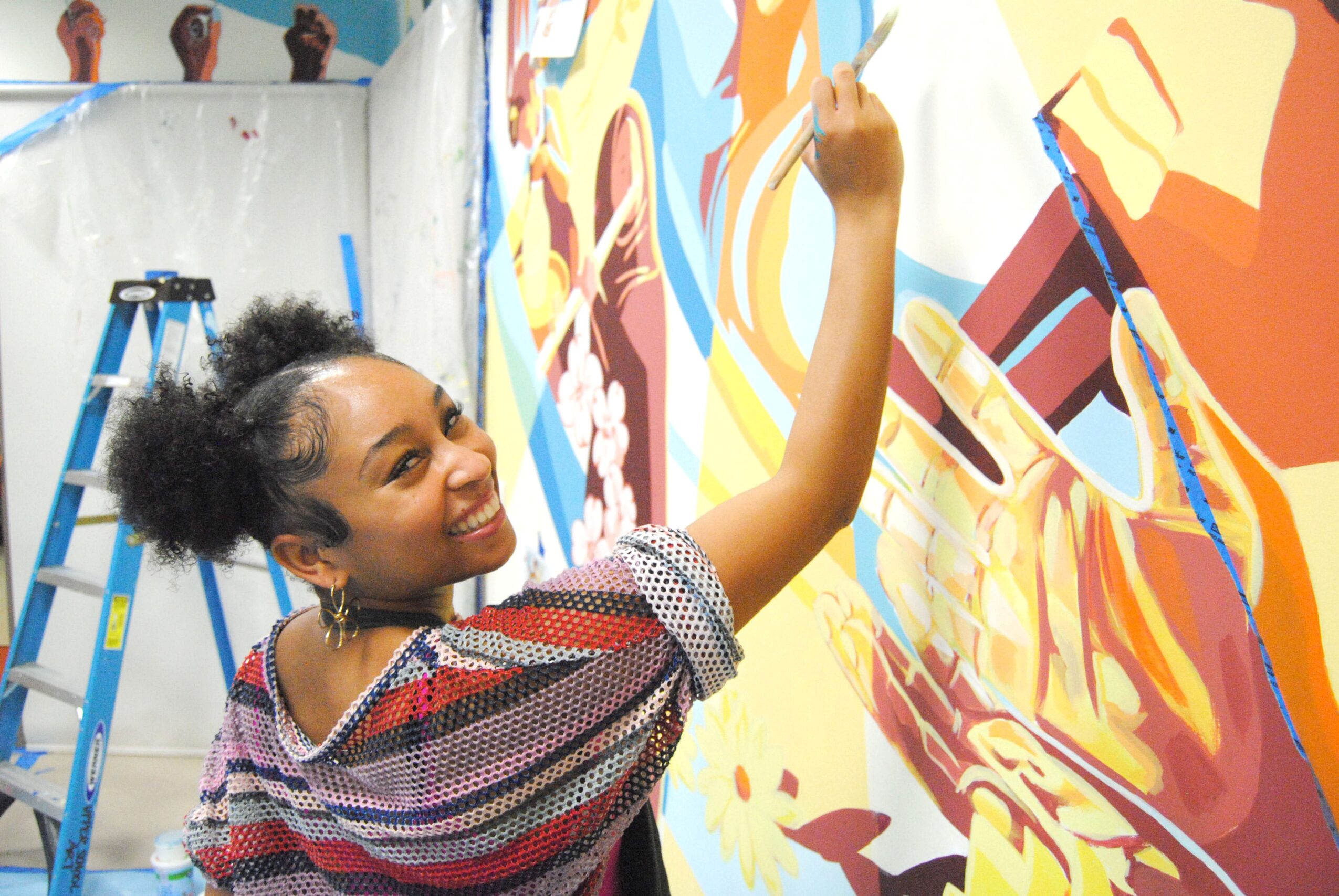
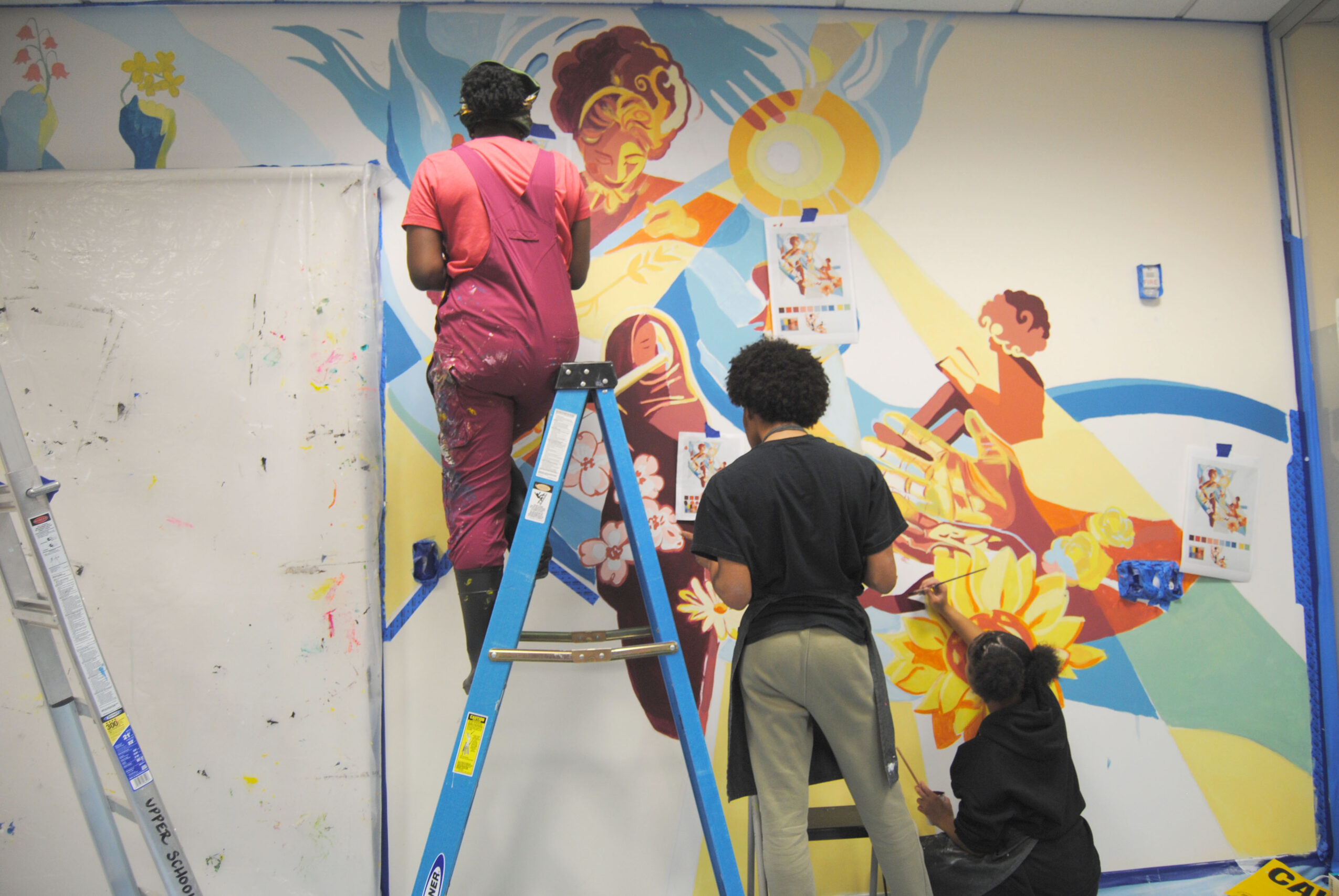
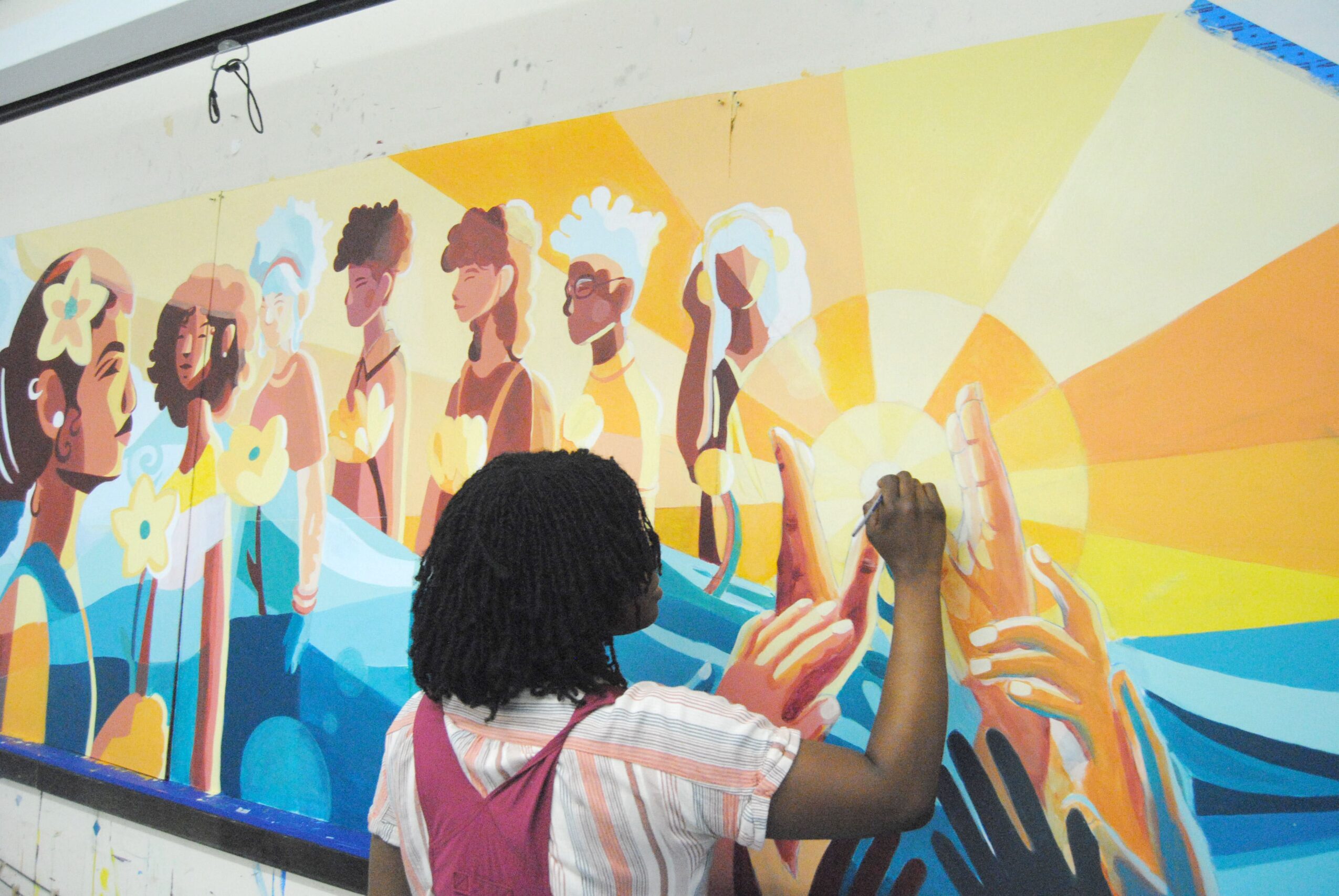
The arts have always been important to me for self-expression, as a hobby, and eventually as a form of storytelling and community connection. I grew up in the DMV and received my BFA at the Rhode Island School of Design. Afterward, I did my first internship in TV animation, then held roles in arts education, administration, and even mural design. When one of my contracts slowed down with no clear timeline for resuming, I found myself in the middle of a difficult job market, applying constantly while many businesses were doing layoffs. In the meantime, I pieced together gig work, freelance illustration work, design contracts, and wedding sketching, along with part-time roles.
I had known for a while that I wanted to work at the intersection of art, accessibility, and wellness, but I didn’t know how to make that happen or what it would look like in practice. It was actually my first community mural contract that made me wonder if that kind of work could be a model to build on, with consideration for different backgrounds and access needs.
Through interdisciplinary discussions in an educational fellowship I’m in, and conversations with community members themselves, service providers, and parent advocates of young Autistic adults and children, I began to realize how many families and programs wanted meaningful daytime activities, especially for Autistic and IDD young adults who had aged out of school-based programs. It’s heartbreaking when parents reach out saying that their child has aged out of every option, whether because no fitting alternatives were offered or because their child has been placed on one of many never-ending waitlists for services. Many were also looking for something flexible enough for people with complex profiles, whose support needs might vary, or who don’t fit into the boxes some programs may be built around.
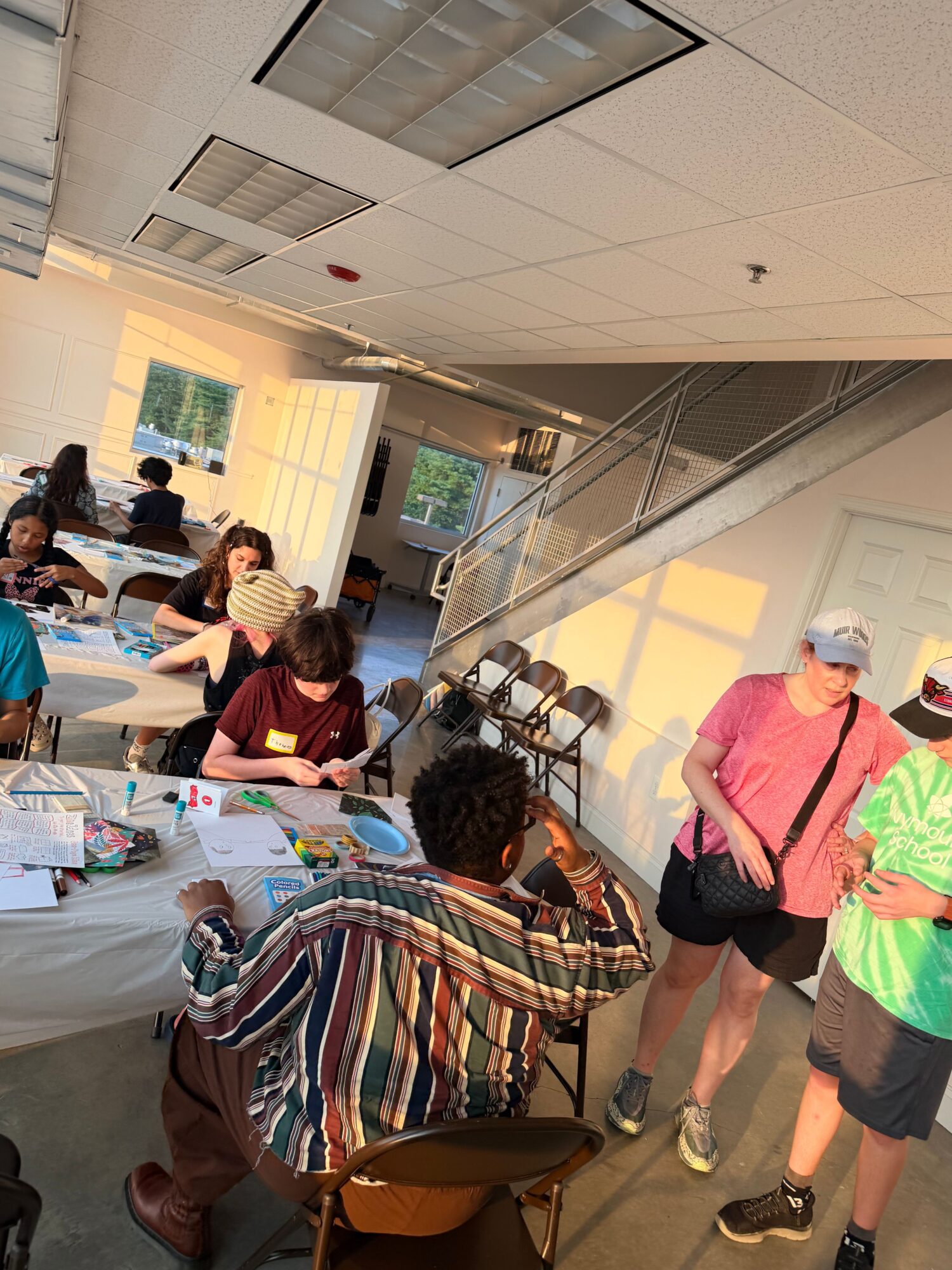
When I first put the website up, it was just the basics. Over time, through outreach, conversations, and posters hung at local libraries and community centers, I was surprised by the ways people were reaching out to NeuroNest. I was still balancing contract and part-time work when I started slowly running small pilot workshops in the evenings with the help of Cura Personalis Project Inc. Organizations soon began approaching me about collaborating or co-hosting programs. Parents and young adults reached out about 1:1 sessions or groups where they could explore creative interests. Today, NeuroNest is a small, growing practice, and I am grateful to the families, young adults, and organizations who have trusted me with their creative journeys. I hope to keep building a space where everyone has a place to create, and where creativity, accessibility, and belonging meet.
Would you say it’s been a smooth road, and if not what are some of the biggest challenges you’ve faced along the way?
It has not been a smooth road, but it has been a deeply fulfilling one that I wouldn’t change. I started NeuroNest while working multiple positions, building my website, coordinating workshops, and figuring out how on earth I was going to make it all work in the evenings or between shifts. I’ve had to wear the many hats of a business owner: marketing, newsletters, invoicing, accessible design language, and learning how DDA funding works, all while building a practice around three core services that can look very different depending on context and population. It’s a lot to manage as one person, and I must remain mindful of my capacity.
Seeing people’s frustration with systems they’ve been trying to navigate, or seeing the dejection of those who can’t find resources for their loved ones after pouring everything into the search, is challenging and heartbreaking. However, I get to talk with people and establish this creative space as one where collaboration is welcome. I hear that I’ve changed someone’s experience with art and expression, that they’re thankful to have a space where they’re listened to; that someone’s confidence has been uplifted; or that someone has found ways to connect with peers through artistic expression. All of this shines brighter than the challenges that come with running a business.
Appreciate you sharing that. What should we know about NeuroNest™ Art?
NeuroNest™ is a neurodivergent-affirming arts studio and accessibility initiative based in Silver Spring, MD, and serving the wider D.C. Metro Area. As an artist and educator, I work with people of all ages and access needs, with a particular focus on individuals with neurodevelopmental disabilities, including Autism, Intellectual and Developmental Disabilities (IDD), learning disabilities, ADHD, as well as related disabilities and experiences.
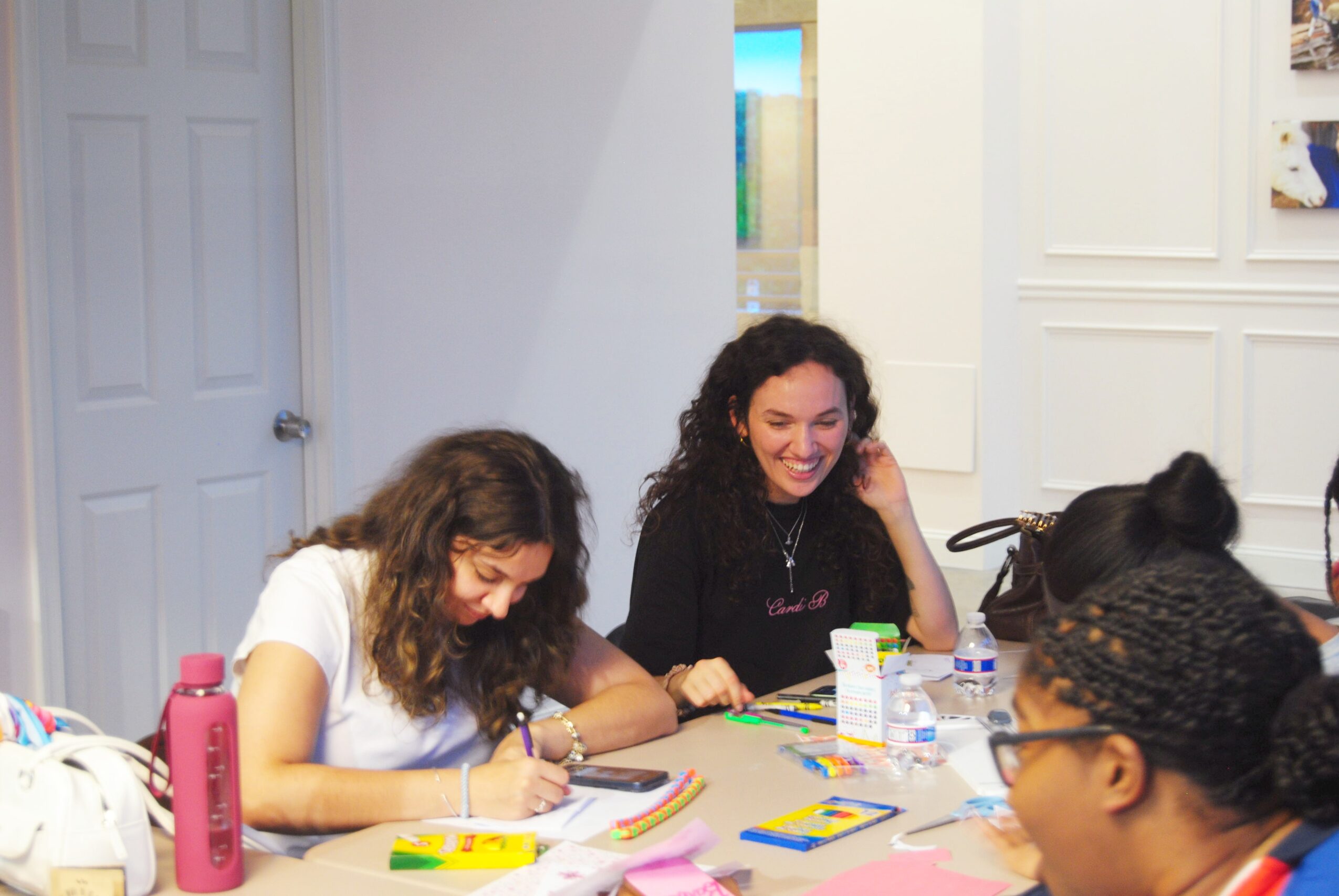
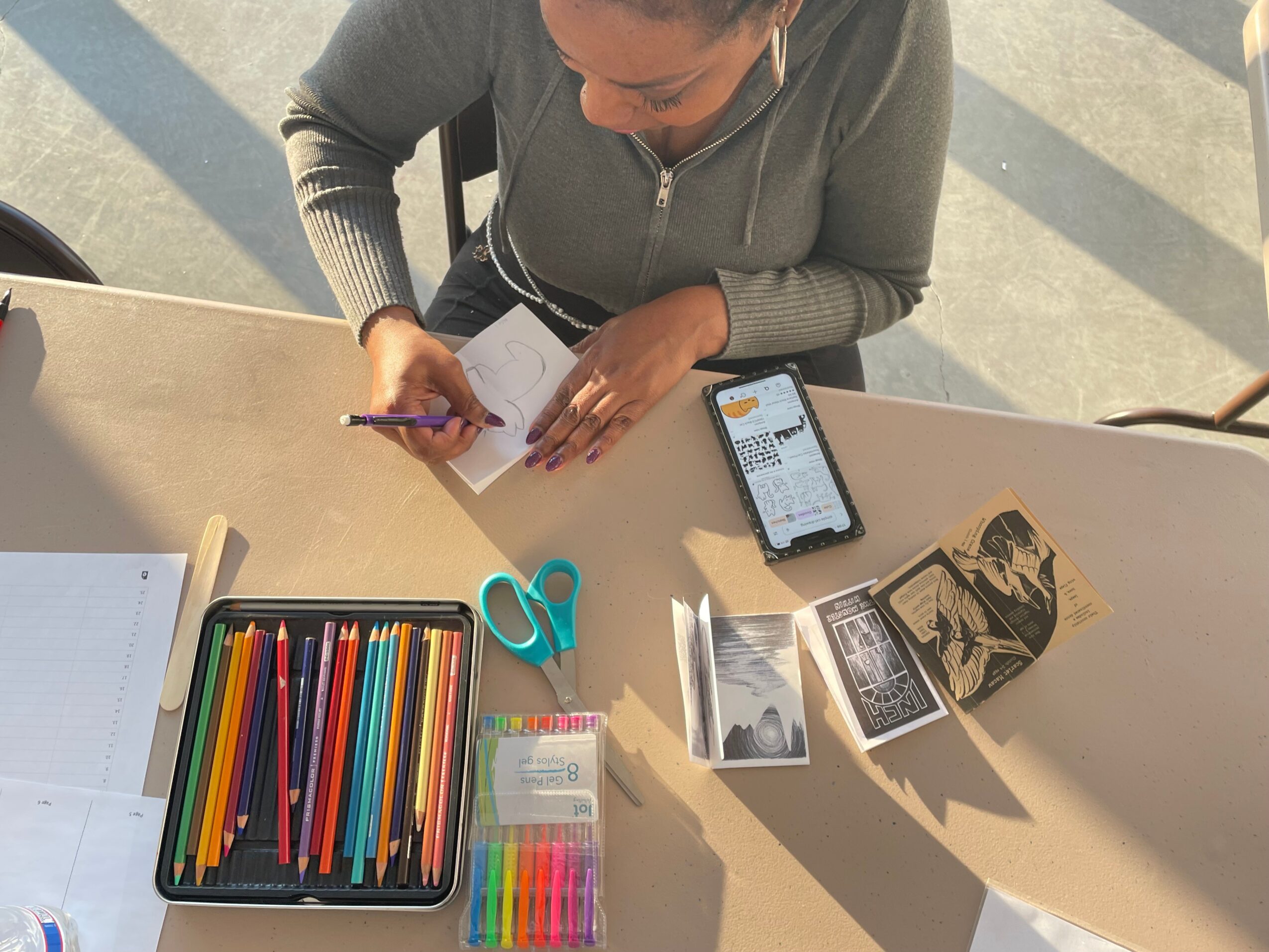
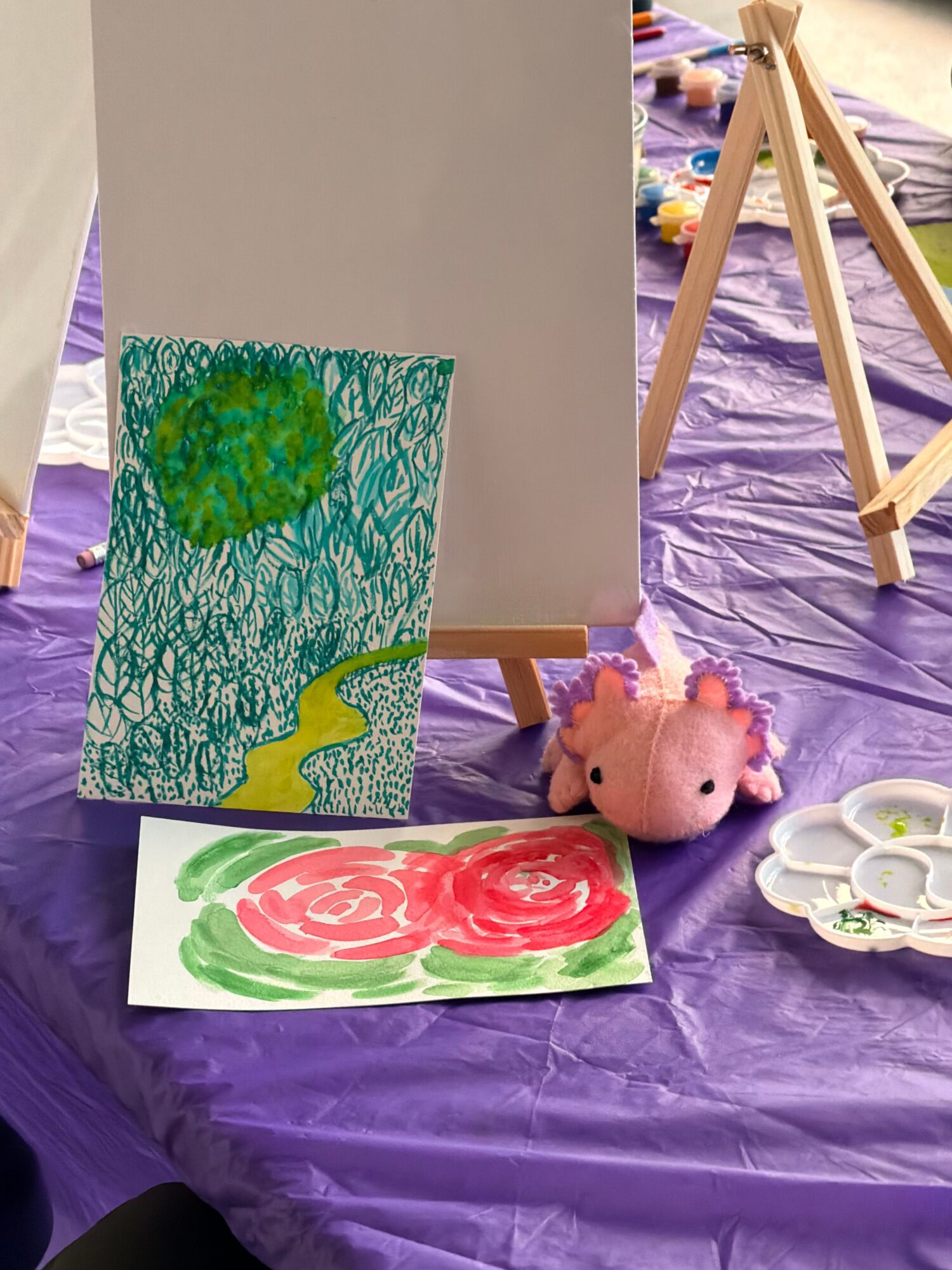
Most people work with me in one of three ways: 1:1 creative sessions (private art lessons, portfolio preparation, or even art-based play), workshops and programs, and organizational collaboration. Virtual sessions are available too. While NeuroNest isn’t a clinical practice, it’s built to bridge creative exploration with wellness for people who have found traditional art settings overwhelming or inaccessible.
My clients include families, individual learners, group homes, and organizations, from Autistic adults with varied support and communication needs to community partners co-designing programs like collaborative murals and workshops. Before we begin, I take time with guardians or program coordinators to understand sensory, communication, and support needs, regulation factors, interests, and anything else they’d like me to know. I also support autonomy for young adults who want to help shape their intake, schedules, and creative curricula. Some need more guardian or instructor support, while others prefer to work independently with support in specific areas.
Because every person is unique, the care and services they receive should be too. I take a strengths-based approach and bring lived experience to this work; people come from a wide range of backgrounds, and it’s special to offer programs that adapt to their rhythms and meet them where they are. Clients may stay with 1:1 sessions or move into small groups or classes over time. One of my favorite things is weaving special interests into creative skill-building while fostering belonging and confidence.
Before we let you go, we’ve got to ask if you have any advice for those who are just starting out?
I wish I had reached out to people in related fields sooner. Don’t be afraid to ask questions, because talking with others doing similar work is the best way to really learn. When I started, I had no idea how to build what I was imagining, and I could not have gotten here without mentorship, peer support, and community.
Pricing:
- 1:1 Private Art Sessions (Including Portfolio Preparation): Starting at $95.00 for 60 minutes
- Adaptive Arts program Consulting for organizations: Starting at $150/hour
- Organizational workshops & creative events: Starting at $150/hour
- Groups & Workshops: Starting at $30 per participant
- NeuroNest is not yet a DDA vendor, but we’re happy to work with families and support coordinators exploring Autism waiver or DDA funding, which may be able to partially or fully cover services.
Contact Info:
- Website: https://www.neuronest.art
- Instagram: https://www.instagram.com/neuronest.art
- Other: https://NeuroNest.eventbrite.com