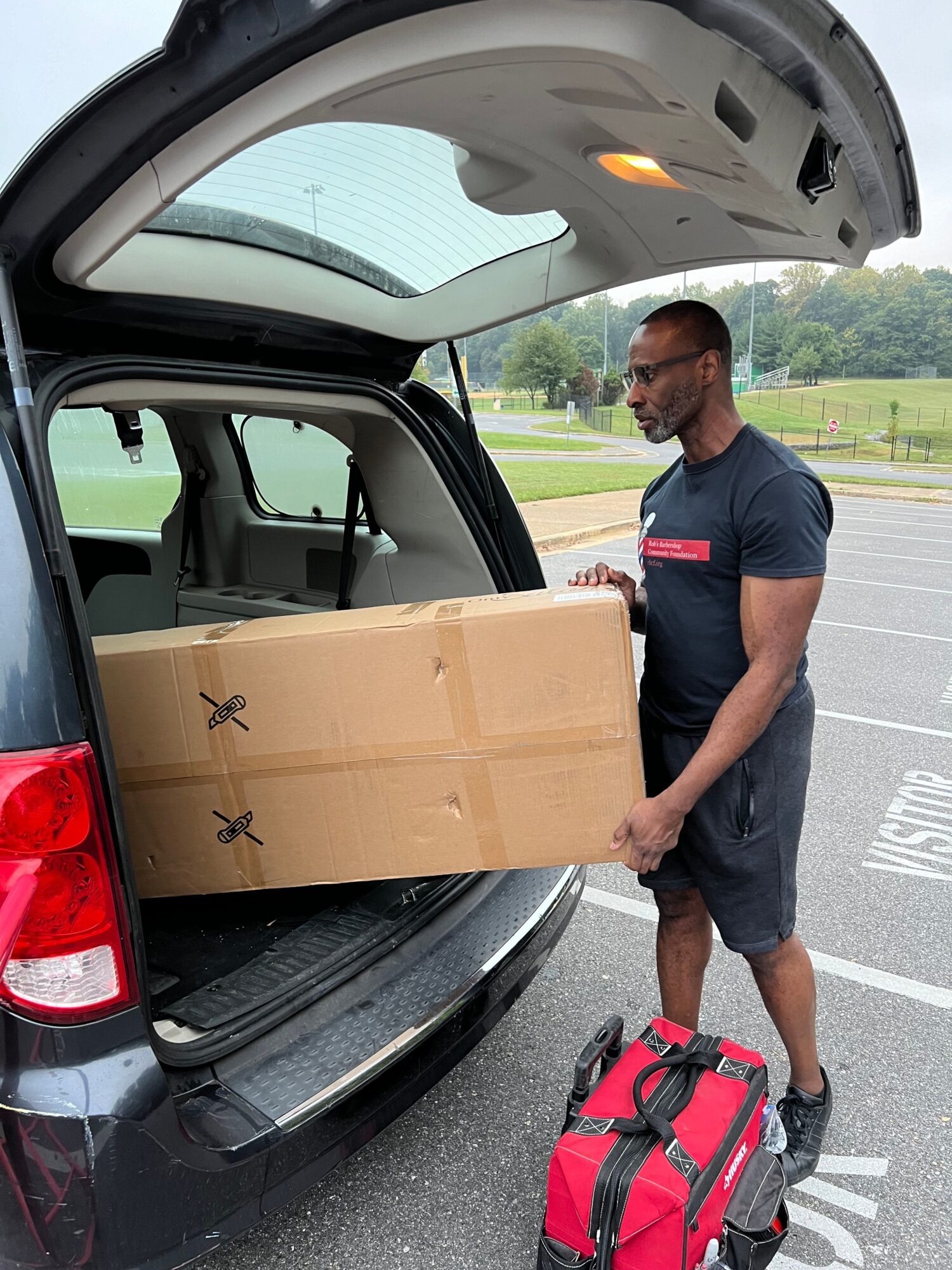




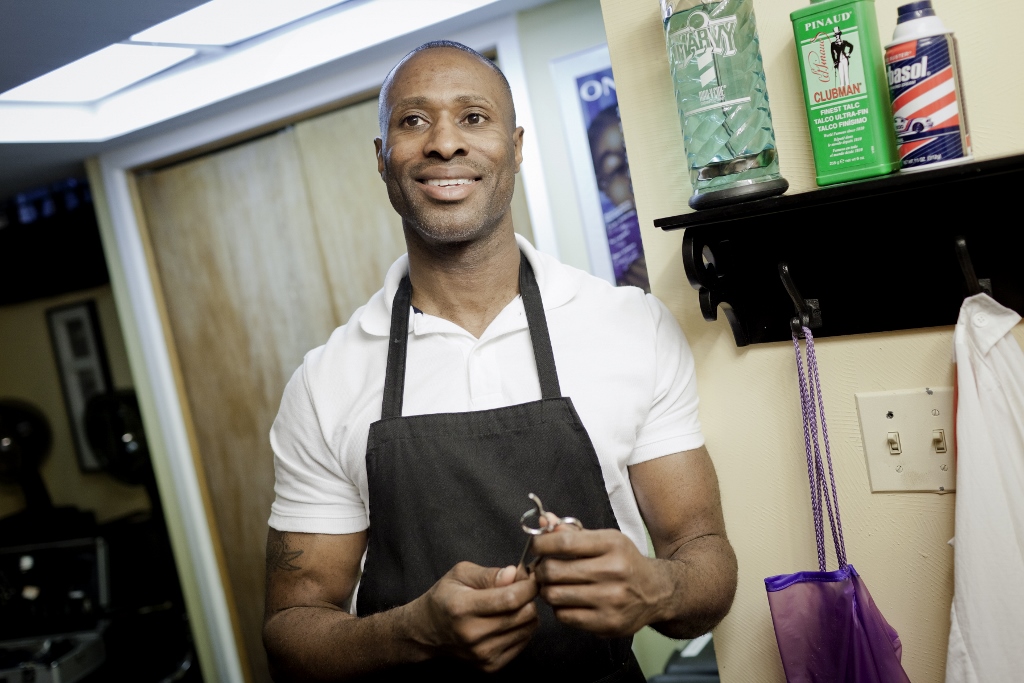
Today we’d like to introduce you to Robert Cradle.
Hi Robert, thanks for sharing your story with us. To start, maybe you can tell our readers some of your backstory.
My story actually begins at a very young age. When I graduated from high school in June 1985, I already knew the direction I wanted to take. That November, I enrolled in barber school, completed my training in May 1986, and began working in several barbershops throughout Baltimore.
In 1988, I landed at a barbershop in Odenton, Maryland, just outside Fort George G. Meade. By 1991, I had opened my own barbershop in Odenton—about a mile from a homeless shelter located on the Army base.
Nearly a decade later, in 2000, the shelter’s volunteer coordinator became one of my customers. Through our conversations, he explained that many of the shelter’s clients faced barriers to receiving regular grooming services at a barber or beauty salon, including limited discretionary income and lack of transportation.
At the same time, I was taking coursework in resource development and nonprofit management. That gave me an idea: what if I raised money from my existing customers and used those funds to pay the barbers in my shop to provide haircuts to people at the shelter at no cost?
My customers loved the idea. They were willing to give so people who couldn’t afford regular grooming services could receive them. That simple idea became the foundation for Rob’s Barbershop Community Foundation (RBCF).
What began with one barbershop and one nearby homeless shelter eventually grew into an organization addressing grooming-related barriers among populations served by homeless shelters, public schools, social service agencies, colleges, and universities.
Since then, RBCF has completed 52 projects at 52 different agencies and schools, providing more than 34,000 grooming services to 18,722 unduplicated individuals.
It all started with a conversation between a barber and one of his customers—and the realization that I could use the profession I already knew, the customers I already had, and the resources within my community to help solve a problem.
More than 25 years later, I’m still doing it—and it’s been a great journey!
Can you talk to us a bit about the challenges and lessons you’ve learned along the way. Looking back would you say it’s been easy or smooth in retrospect?
No business has a 100% smooth road. However, looking back on my journey, I have been fortunate. I would describe it as about 85% smooth.
Even when I made the major decision to sell my barbershop and transition to managing my nonprofit organization full-time, I didn’t experience many of the major struggles you might expect from such a transition. A big reason was preparation. Before making that move, I made sure I had no personal or consumer debt, which gave me the financial flexibility to transition without putting unnecessary pressure on myself or the organization.
Preparation also meant investing heavily in my education. I studied resource development—how to raise money—and nonprofit management. That training has been invaluable. In fact, throughout RBCF’s history, we have never taken on a project without having the budget necessary to complete it. Whenever we decided to serve a particular population or address a particular grooming-related need, we made sure we could raise the resources required to follow through.
Looking back, I believe that combination of personal financial preparation, resource development skills, and nonprofit management training is a major reason my journey has been relatively smooth. Without that foundation, I know I would have faced much greater challenges, and RBCF might not still be here 26 years later.
I have completed hundreds of hours of coursework and professional training over the years, and I continue adding to those hours every year. One of the biggest lessons I’ve learned is that education matters, but being prepared before the opportunity—or challenge—arrives matters just as much.
After 26 years, I still don’t assume I know everything. I keep learning because every new skill strengthens my ability to sustain the organization and accomplish the work we set out to do.
Thanks for sharing that. So, maybe next you can tell us a bit more about your business?
Rob’s Barbershop Community Foundation, Inc. (RBCF) is a nonprofit organization that **makes grooming services accessible to populations facing barriers to regular hair care**. For more than 25 years, we have worked with public schools, homeless shelters, social service agencies, colleges and universities, and other community organizations to identify grooming-related barriers and develop practical solutions to address them.
We specialize in developing **community-based grooming projects around measurable problems**. We begin by assessing a population’s grooming needs and identifying the barriers preventing people from receiving regular services. We then develop an intervention, secure the resources necessary to implement it, measure the services and activities produced, and evaluate whether the original problem was reduced.
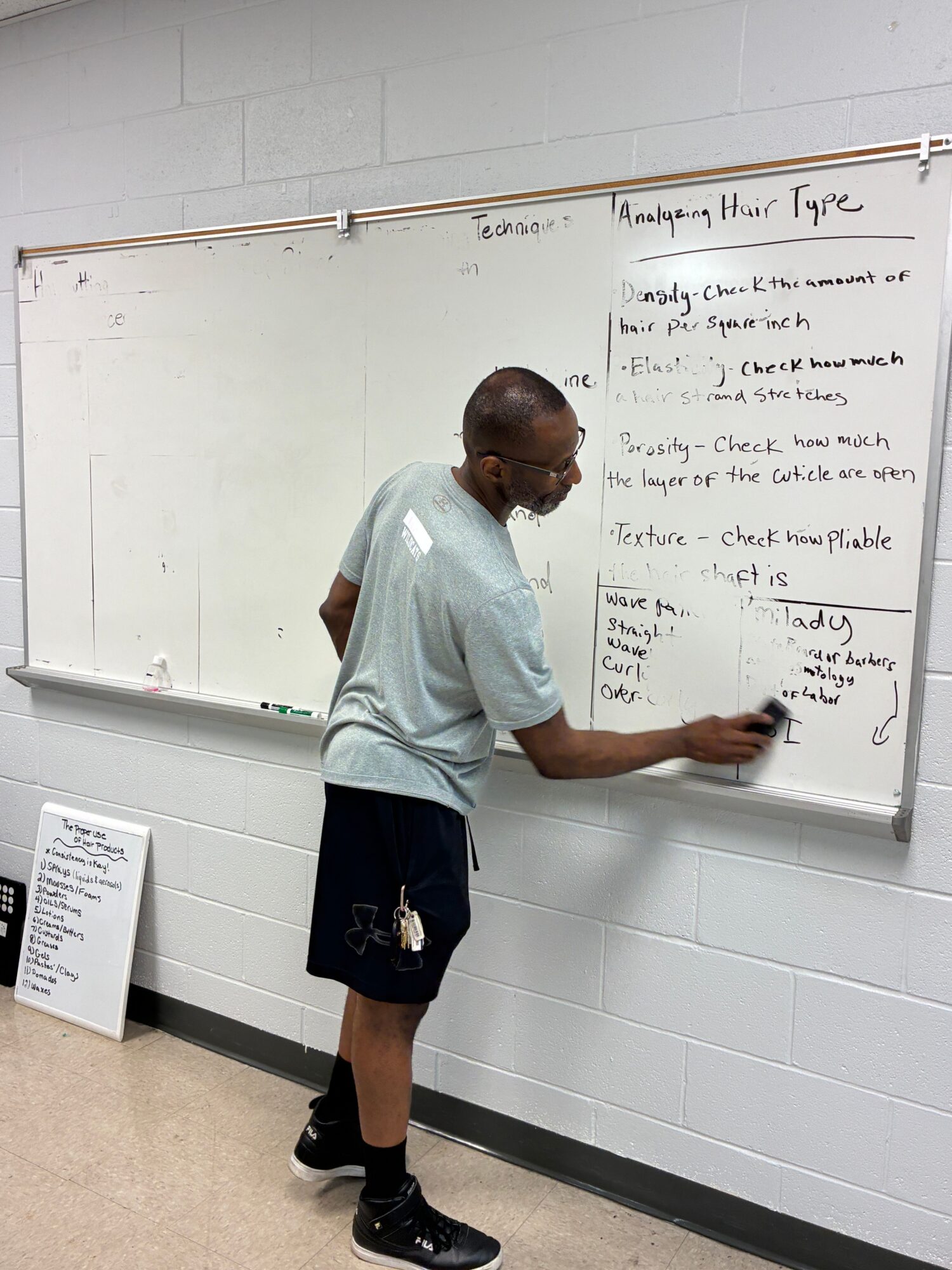
Over the years, that approach has resulted in **52 projects at 52 separate agencies and schools, more than 34,000 grooming services, and 18,722 unduplicated individuals served**. Our projects have included onsite barber and beauty salons, pop-up grooming programs, grooming education, internships, and apprenticeships that allow participants to develop skills, earn professional licenses, and, in some cases, become service providers themselves.
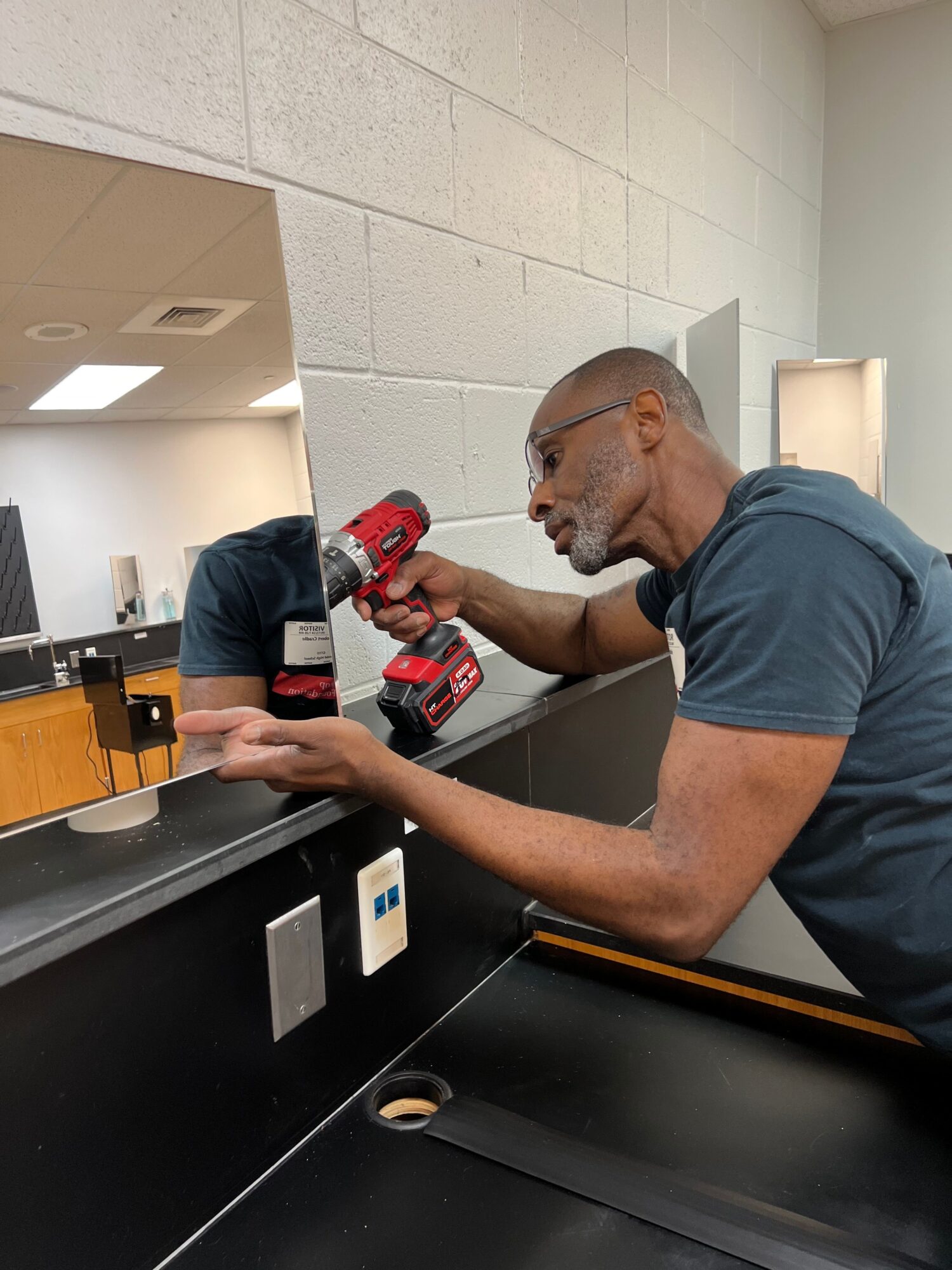
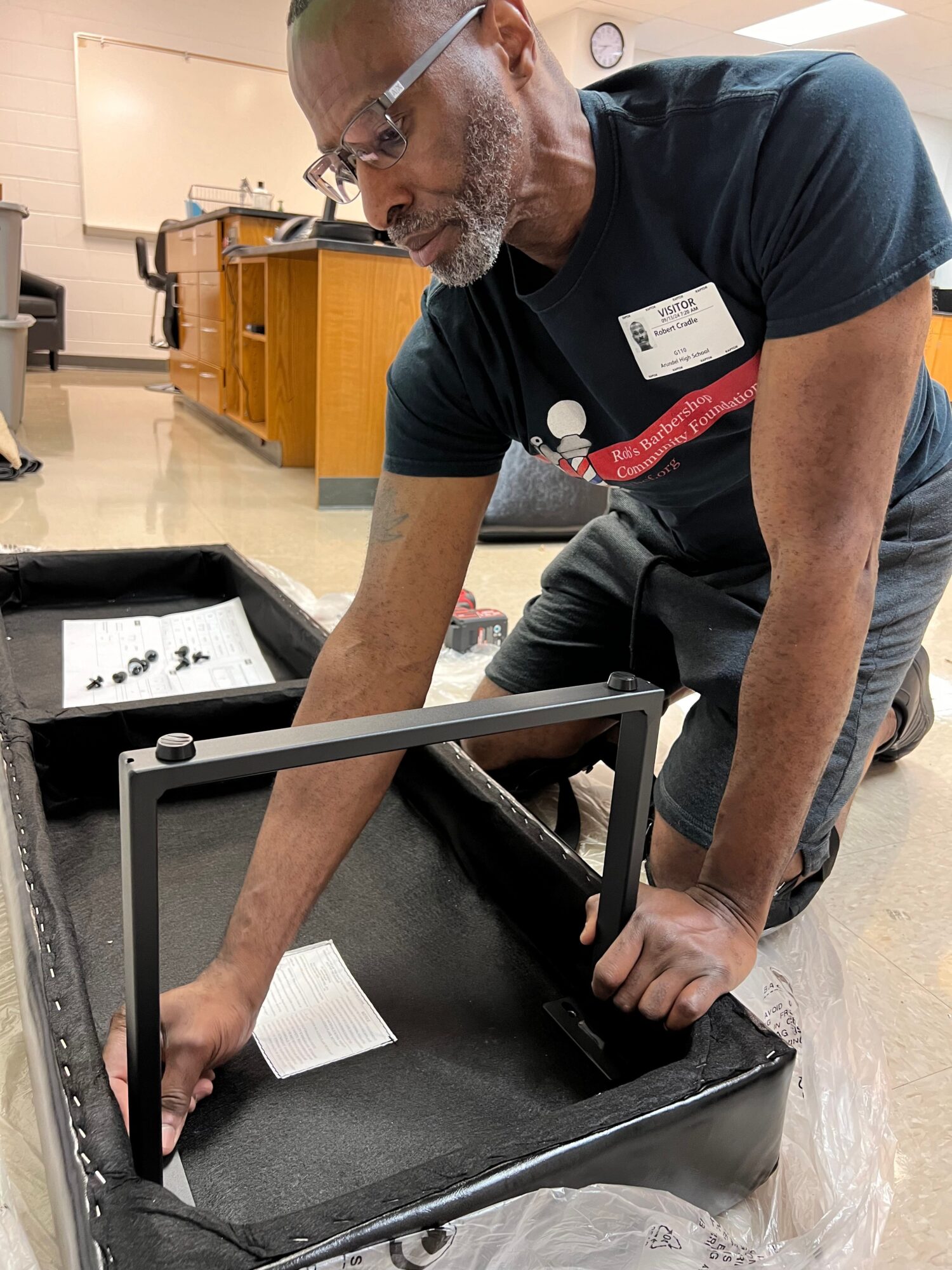
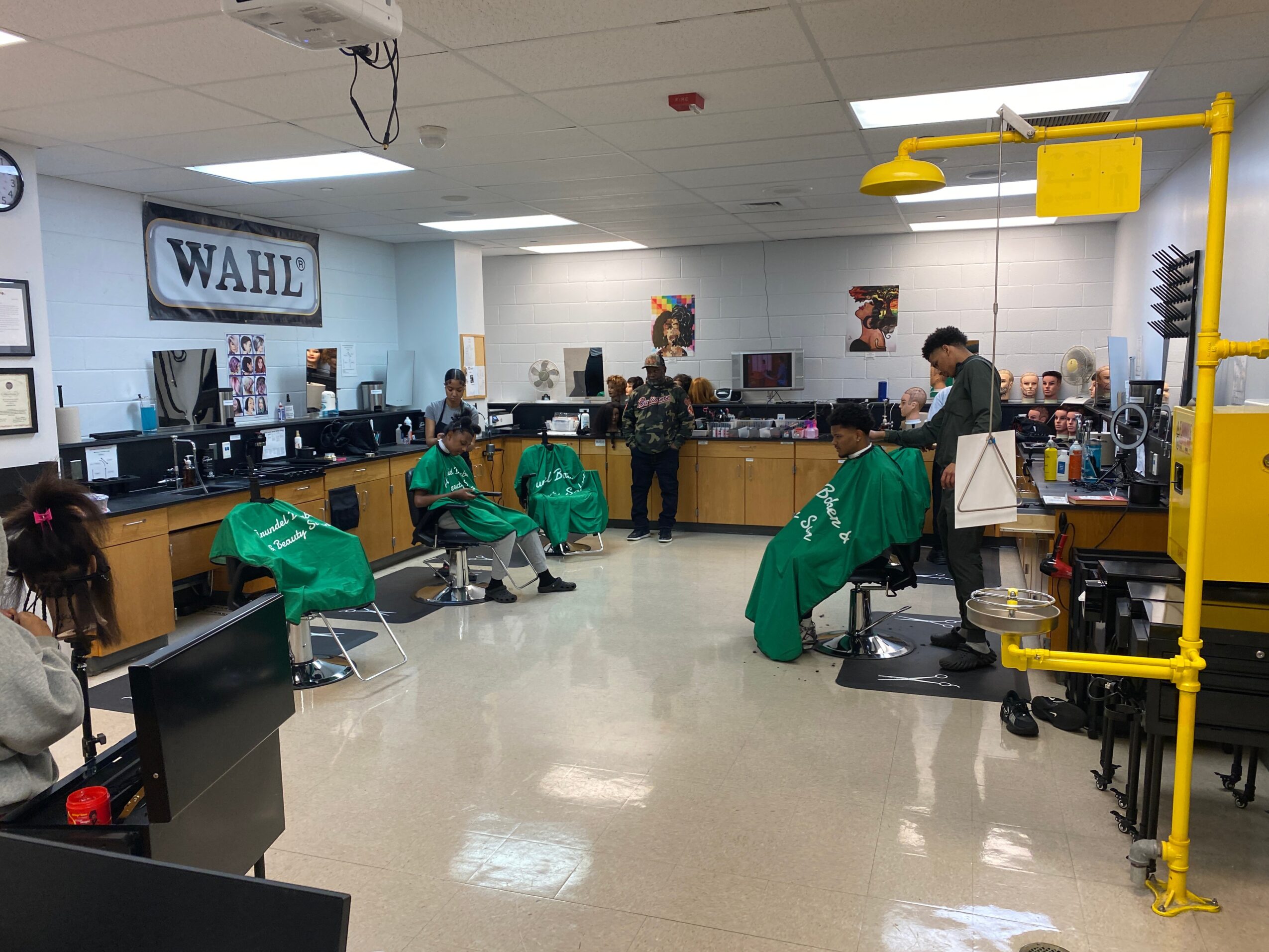
What really sets RBCF apart—and what we have become known for—is installing full-service barber and beauty salons directly inside the locations where our target populations already receive services**. Of the 52 projects RBCF has completed, **23 involved installing onsite barber and beauty salons in homeless shelters, social service agencies, public schools, and colleges or universities.**
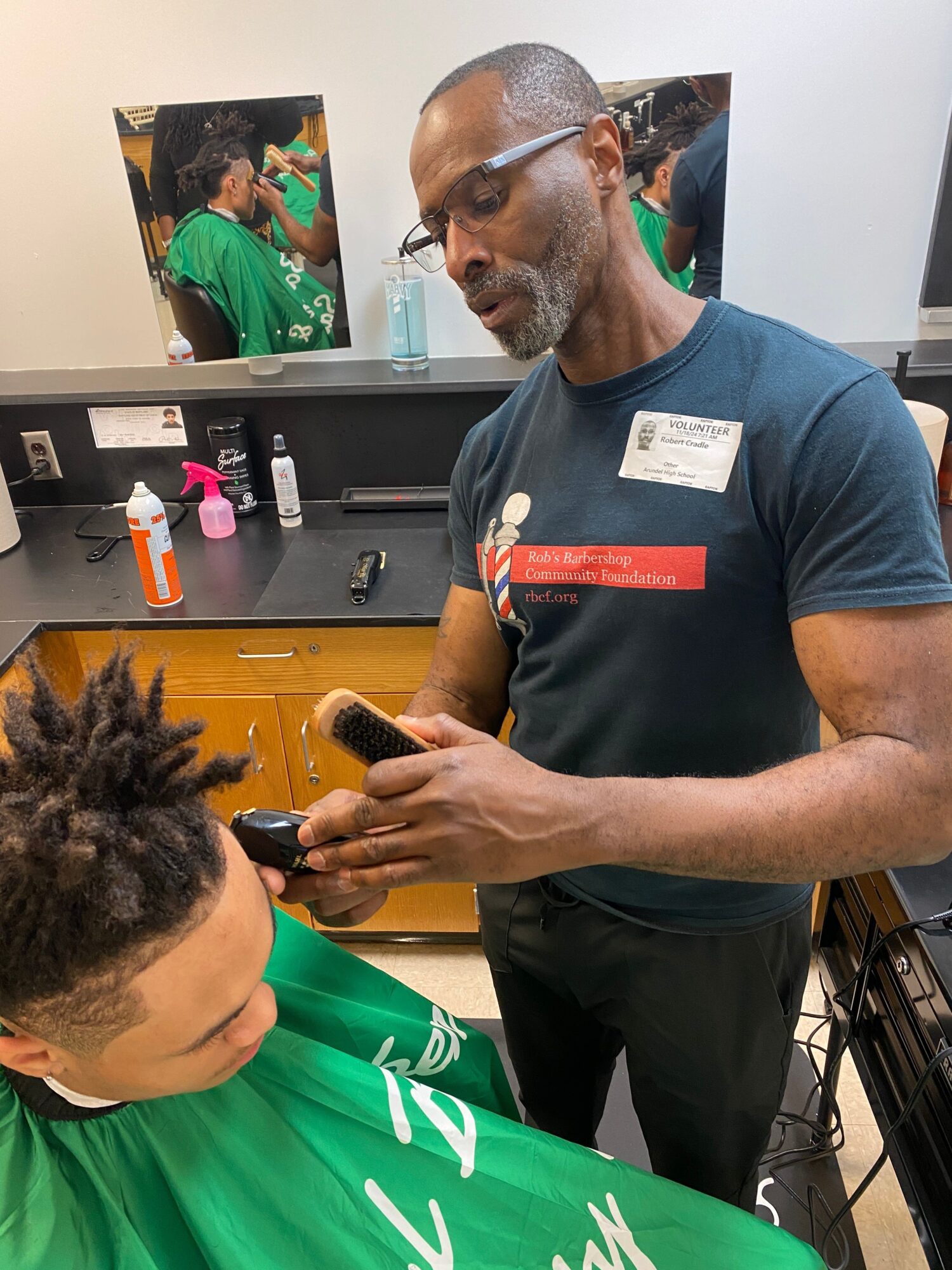
Instead of continually bringing outside services into a location, whenever possible, we identify and train **individuals from within the target population to provide grooming services and education to one another**. Depending on the project, that can include teaching participants grooming skills, developing student operators, creating internships or apprenticeships, and helping individuals work toward professional credentials.
This approach does more than provide a haircut or hairstyle. **It builds capacity within the organization and the population itself.** The location gains the physical infrastructure, equipment, knowledge, and human resources needed to address its own grooming needs rather than remaining permanently dependent on RBCF or outside service providers.
Ultimately, our goal is not simply to deliver a service. **We want to leave behind the capacity to continue the service.** That is one of the defining features of the RBCF model and something we are especially know.
I am most proud that the RBCF brand has grown to represent much more than providing grooming services. **We use grooming as a tool for capacity building for organizations.**
A haircut, hairstyle, or grooming lesson may be the service someone sees, but behind that service is a much larger system involving needs assessment, resource development, education, workforce development, partnerships, data collection, and measurable outcomes.
After more than 25 years, I am especially proud that what began with one barber raising money from his customers to help people at a nearby homeless shelter has developed into a model that can help **other professionals, schools, agencies, and communities create solutions of their own.**
One of our latest developments is the **Hair Pair Project**, which uses a matching platform to connect grooming professionals with schools and social service agencies serving populations facing barriers to regular hair care.
Rather than RBCF having to organize every partnership, Hair Pair helps **people with resources find people with needs**. At the same time, it gives grooming professionals opportunities to develop volunteer, sponsored, and contractual community partnerships of their own.
Through our broader work, RBCF also develops and supports **onsite barber and beauty salons, pop-up grooming programs, grooming education, internships, apprenticeships, professional-community partnerships, and other projects designed around the specific needs of the population being served.**
I want readers to understand that **RBCF is not simply about giving someone a haircut. We are interested in solving the underlying barrier that prevented that person from accessing regular grooming services in the first place.**
We identify the problem, develop an intervention, bring together the necessary people and resources, measure what happens, and then look for ways to sustain the solution.
**The grooming service may be what you see. The system behind it is what RBCF builds.**
Do you have any advice for those looking to network or find a mentor?
If you want to find a mentor, DON’T start by asking someone to lunch or requesting a meeting to “pick their brain.” Instead, look for an opportunity to provide value first. Offer a service—free of charge—that can genuinely help them. Volunteer to assist with a project. Find a way to make yourself useful. That approach can immediately get someone’s attention because you are beginning the relationship by giving rather than asking.
And remember, you don’t always have to be in your mentor’s presence. You just need to be in the presence of the systems they create. Pay attention to how they organize their work, make decisions, solve problems, build relationships, and produce results. Sometimes you can learn far more by observing how a successful person operates than by sitting across the table asking them questions.
One important warning: make sure you have the knowledge, skills, and time to deliver what you offer! Otherwise, your attempt to build a mentoring relationship could go horribly wrong. But if you are prepared and willing to provide value before asking for something in return, a genuine relationship may develop naturally—and with it, the leadership, guidance, and support you were looking for.
When it comes to networking, I also believe in quality over quantity. Don’t stretch yourself too thin trying to network with everyone. I suggest keeping your network fairly focused: perhaps 75% of the people you intentionally connect with should share interests related to your own, while about 25% should come from different fields, backgrounds, or perspectives. The 75% can strengthen your knowledge, relationships, and opportunities in areas that matter to you. The other 25% can introduce you to different ideas and perspectives and help keep you from becoming trapped in an echo chamber or developing cognitive blind spots.
Networking can happen in person or across digital platforms, so determine what works best for you and be consistent. The same applies to mentoring. Consider whether you are most comfortable with formal mentoring (structured relationships), informal mentoring (relationships that develop naturally), or nonformal mentoring (learning that occurs through experiences, conversations, observations, and teachable moments).
For me, formal mentoring and networking have worked extremely well, especially when I invested in membership associations that put me in regular contact with people who had the knowledge and experience I wanted to gain. I wasn’t simply paying for a membership; I was paying for access to an environment where I could learn.
Ultimately, my approach is simple: Don’t begin by asking successful people what they can do for you. Find a way to bring value to the relationship, put yourself in environments where you can learn, study the systems successful people create, and be intentional about the network you build.
Pricing:
- A $46 monthly donation for 12 months can provide a member of our target population with grooming services for an entire year!
Contact Info:
- Website: https://therbcf.com/
- Instagram: https://www.instagram.com/therbcf/
- Facebook: https://www.facebook.com/RobsFoundation
- LinkedIn: https://www.linkedin.com/in/robert-cradle-55168914/