


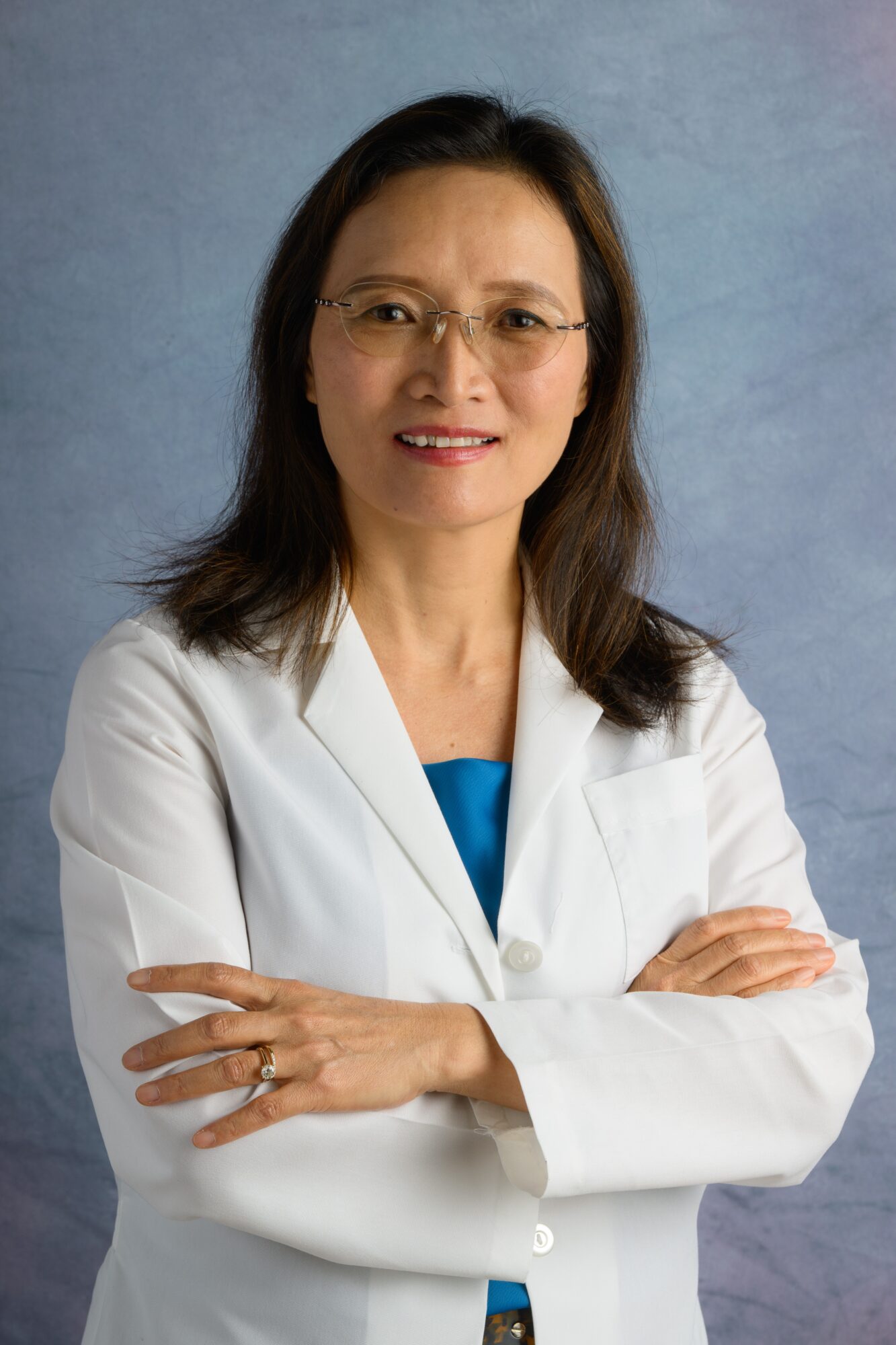
Today we’d like to introduce you to Songxuan (Song) Zhou-Niemtzow.
Can you briefly walk us through your story – how you started and how you got to where you are today. You can include as little or as much detail as you’d like.
My journey in medicine began in China, where I trained as a physician in traditional Chinese medicine and acupuncture at Yunnan University of Traditional Chinese Medicine. After graduating, I continued advanced clinical study and training in Yunnan and Sichuan provinces, and in Beijing. I later established a private practice in Beijing’s embassy community, where I had the privilege of caring for embassy staff, international residents, and local families from many different cultural backgrounds. Those early experiences really made an impact on me and not only helped me become the clinician that I am today, but they provided me with some valuable insights into different cultures and the way those cultures viewed the practice of medicine. One of the most important things I learned was that although people may come from different walks of life, with vastly different experiences, when they or a loved one is sick, we all want the same thing: relief from our suffering and a better understanding of what is happening to us. We want to be listened to and taken seriously. And we want to trust that the person caring for us is not only knowledgeable and skilled but genuinely cares about us as a human being.
That understanding has stayed with me and remains an integral part of my practice as I believe good healthcare begins by genuinely listening to what the patient has to say. So, before deciding how to treat a particular patient, I first want to understand what that person is experiencing, how the condition is affecting his/her daily life, what, if anything has already been tried, and most importantly, what type of outcome does the patient hope to achieve?
For some people, that might simply mean walking with less pain, sleeping through the night, returning to work or being able to engage in activities they enjoy. For others, it might involve finding a measure of hope after living with a difficult condition for a long time.
After moving to the United States, I continued developing my career as a medical acupuncturist. For approximately seven years, I worked at the U.S. Air Force
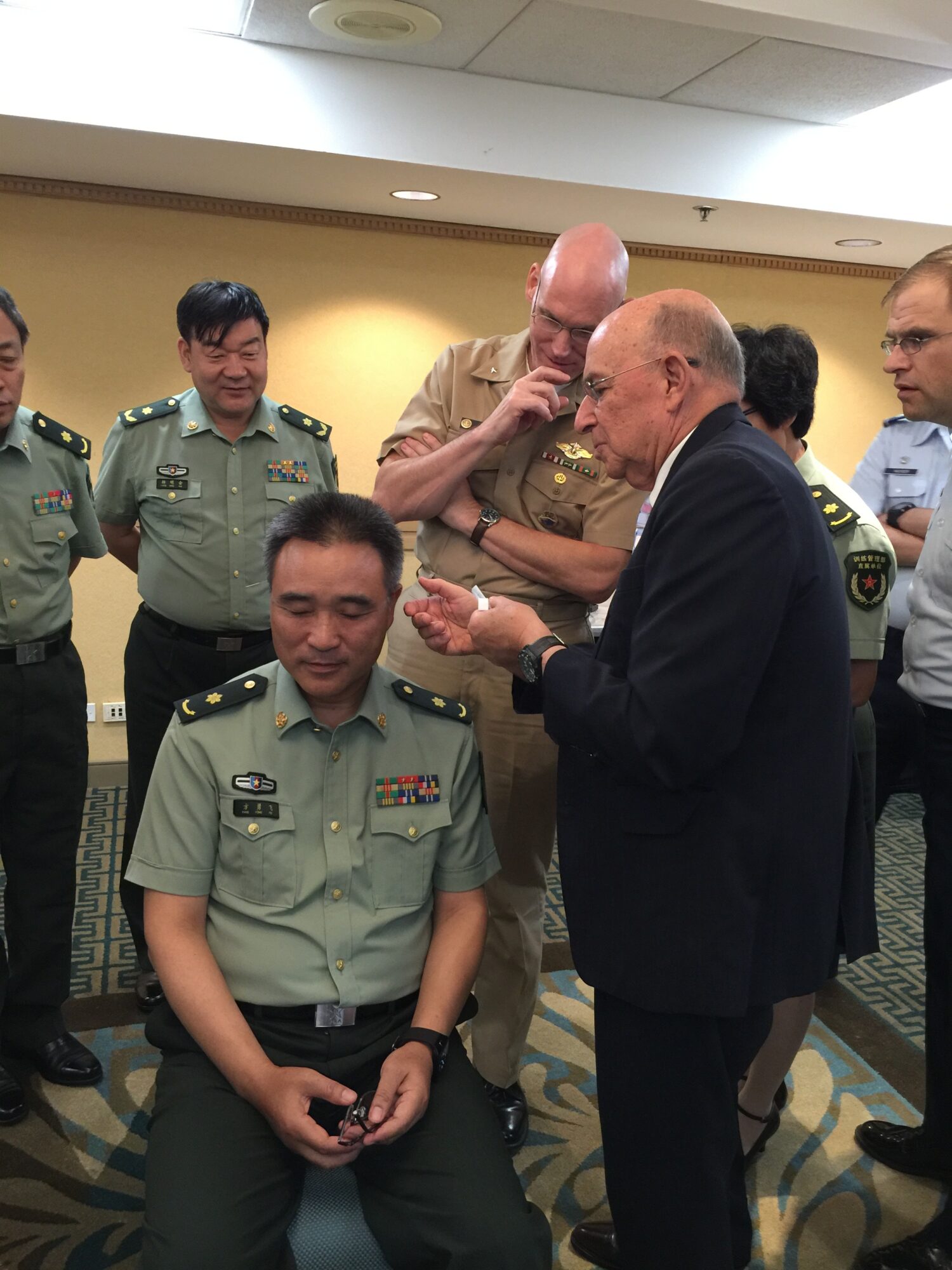
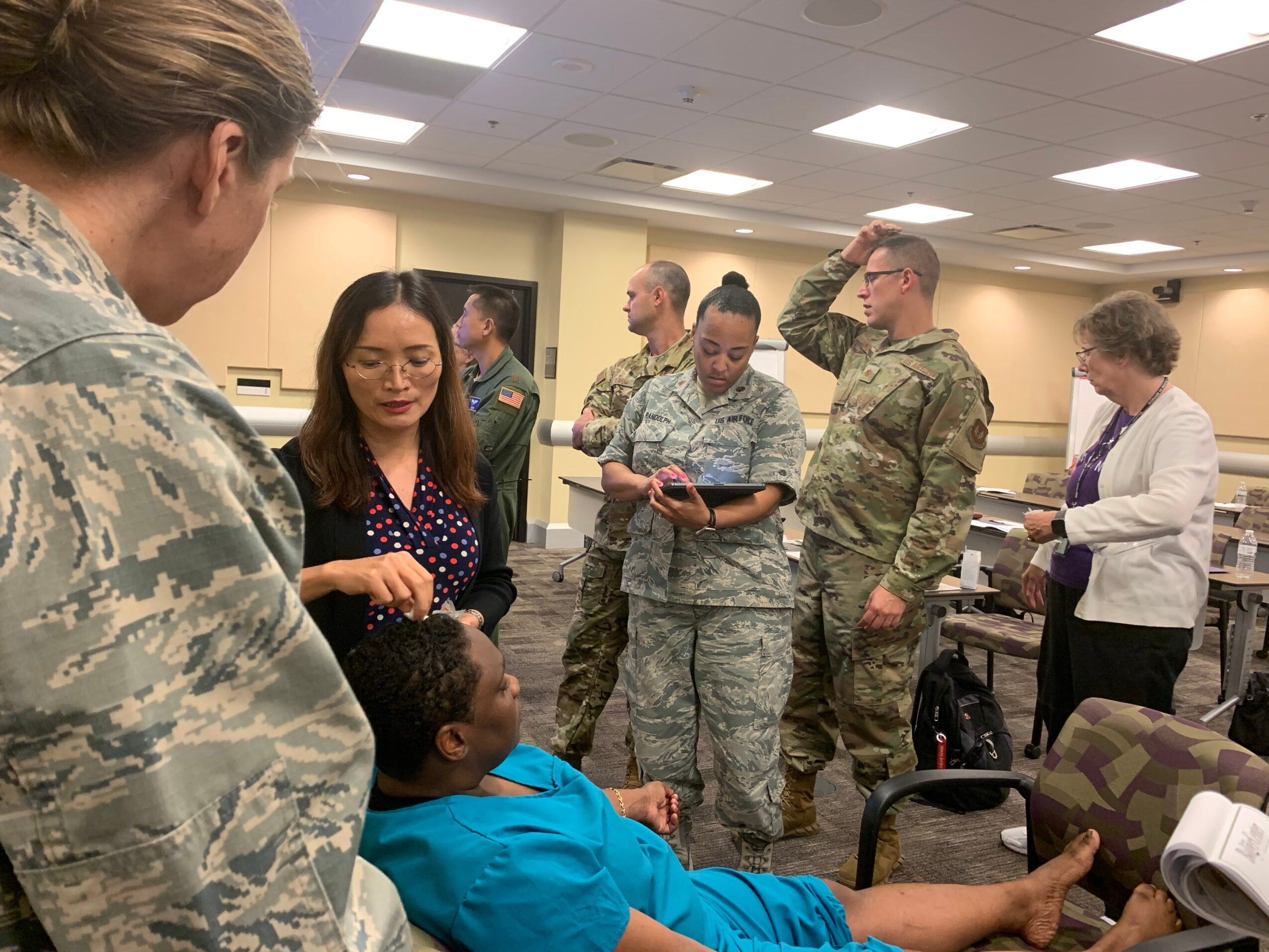
Acupuncture and Integrative Medicine Center at Joint Base Andrews. There, I cared for active-duty service members, veterans, military families, and other patients with acute and chronic pain and complex health conditions. I also participated in clinical research and helped teach healthcare professionals–from a variety of different specialties–about acupuncture and integrative medicine. Working in military medicine strengthened my clinical skills, but it also reinforced something I had learned years earlier in China: no single medical tradition has all the answers. I came to value an approach that respects both traditional healing knowledge and modern medicine, using each thoughtfully and responsibly when caring for a particular patient.
A defining part of both my personal and professional journey occurred when I met my late husband, Dr. Richard C. Niemtzow—my best friend, mentor, and professional partner. Richard was a man of many talents, for while he started his medical career as a radiation oncologist, he was a true pioneer in the field of medical acupuncture, emerging as a internationally renowned leader, teacher, and researcher in the field of military and integrative medicine. He created the Battlefield Acupuncture technique, a rapid auricular (ear) based protocol designed to rapidly relief pain of virtually any etiology. He also developed a number of innovative acupuncture approaches for difficult clinical problems including one to help relieve the severe dry mouth (xerostomia) that
often develops in the aftermath of the radiation and chemotherapy used to treat different forms of head and neck related cancer, or in patients with Sjögren’s syndrome.
For more than 16 years, Richard and I worked side by side, treating a wide array of patients to include those suffering from debilitating migraine headaches, visual disorders, post-traumatic stress symptoms, depression, anxiety, and symptoms associated with certain traumatic brain injuries. Together we treated patients with complex clinical conditions, conducted clinical research, and taught acupuncture to a variety of military and civilian healthcare professionals.
Our work focused on developing approaches that could be practical, reproducible, and clinically useful while always keeping the patient’s well-being at the center. One of our most meaningful research collaborations was a Institutional Review Board (IRB) approved study investigating acupuncture for post-traumatic stress disorder. I designed the acupuncture treatment protocol, and Richard and I conducted the research together. The study demonstrated that our acupuncture protocol provided clinically meaningful and statistically significant improvements in participants’ PTSD symptoms.
Although the outcomes of this work were important, it represented the fact that Richard and I both believed that acupuncture should be studied carefully and responsibly, particularly when we are asking patients and healthcare professionals to place their trust in what we do. Our work was never simply about creating new treatments or developing new protocols. It was about helping people regain control over their lives and being able to do the things that mean the most to them, while preserving overall functionality, dignity, and hope.
Because I practiced, researched, learned, and taught alongside Richard, his legacy is not something I know only through publications or memories. His legacy has become part of my legacy. Last year (2025), when Richard passed away, I experienced tremendous personal loss. At the same time, I felt a profound responsibility to continue our shared mission. To me, carrying his work forward does not mean keeping it frozen in the past. It means preserving the essential principles and practicing responsibly, while continually seeking to adapt, refine, and teach some of these life-enhancing protocols, so that future generations of healthcare professionals can use some of these techniques to help their own patients.
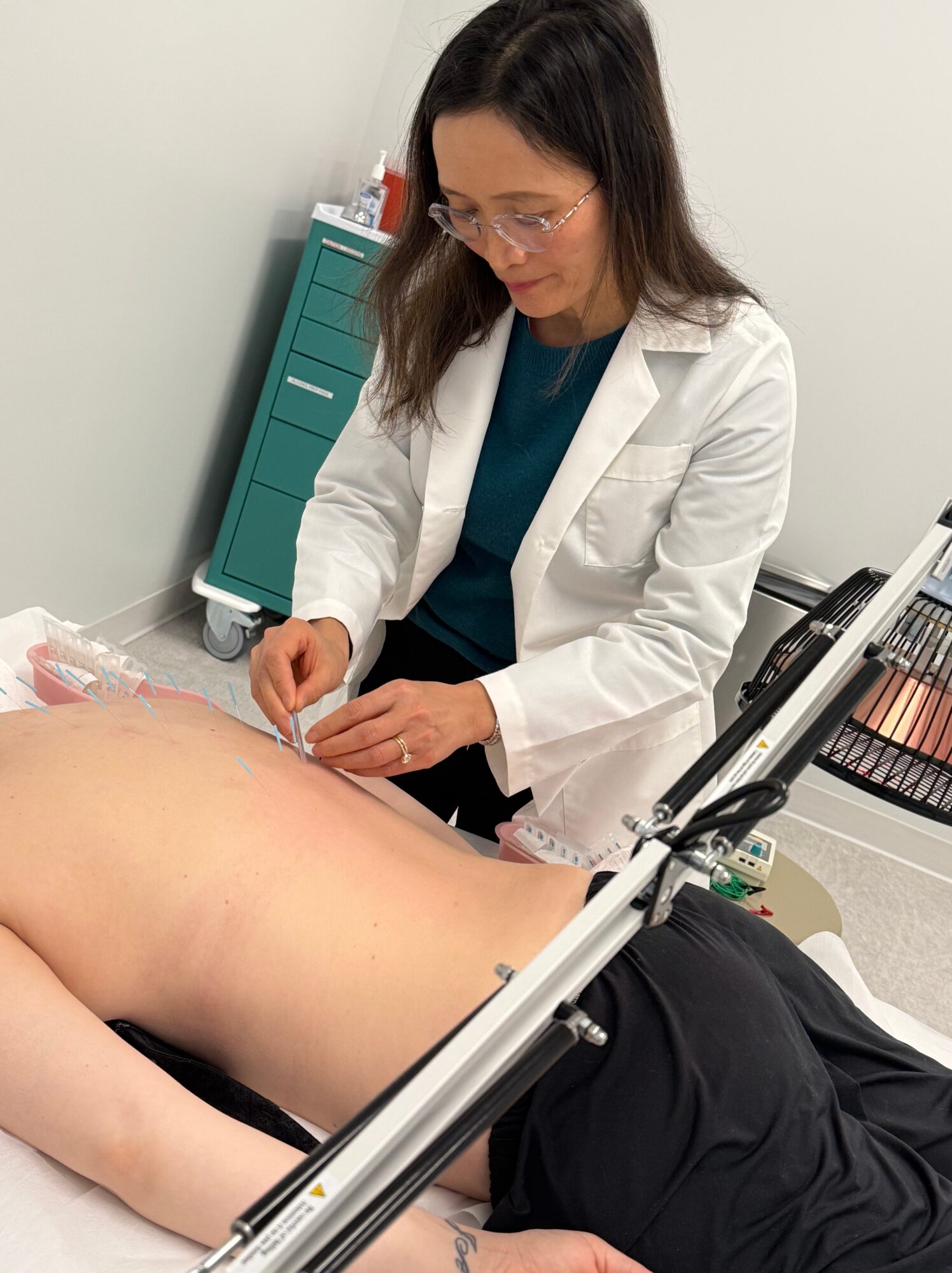
It was that commitment that led me to establish Rapid Acupuncture, LLC, in Rockville, Maryland, where I provide individualized acupuncture care in an outpatient setting. My current clinical practice focuses primarily on relieving acute and chronic pain, mental and emotional health concerns—such as PTSD, anxiety, depression, and ADHD. I also care for patients suffering from severe dry mouth (xerostomia) and a variety of women’s health related concerns, such as menopausal hot flashes. Many of the patients I see are living with difficult symptoms or simply haven’t found sufficient relief from other treatments.
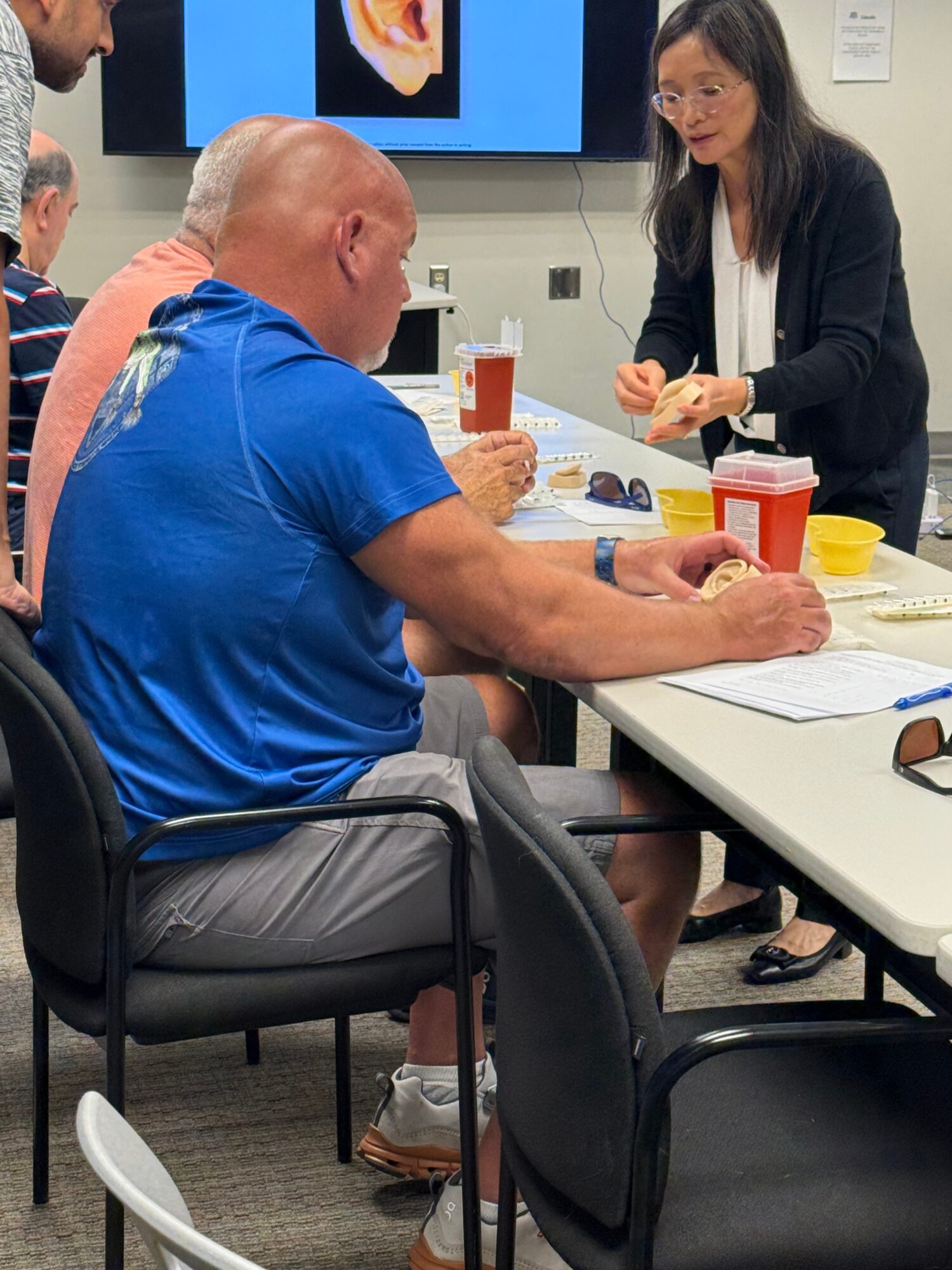
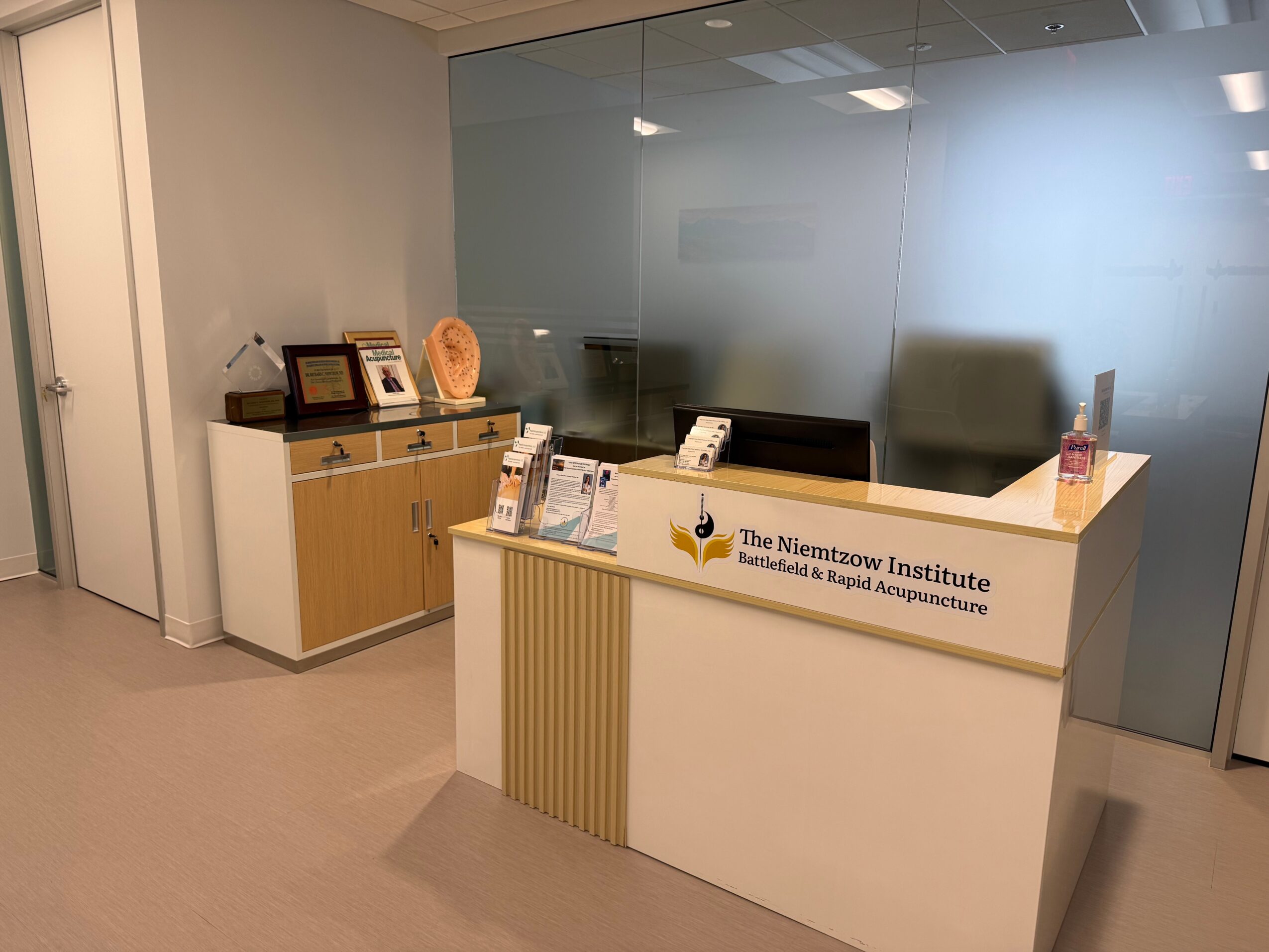
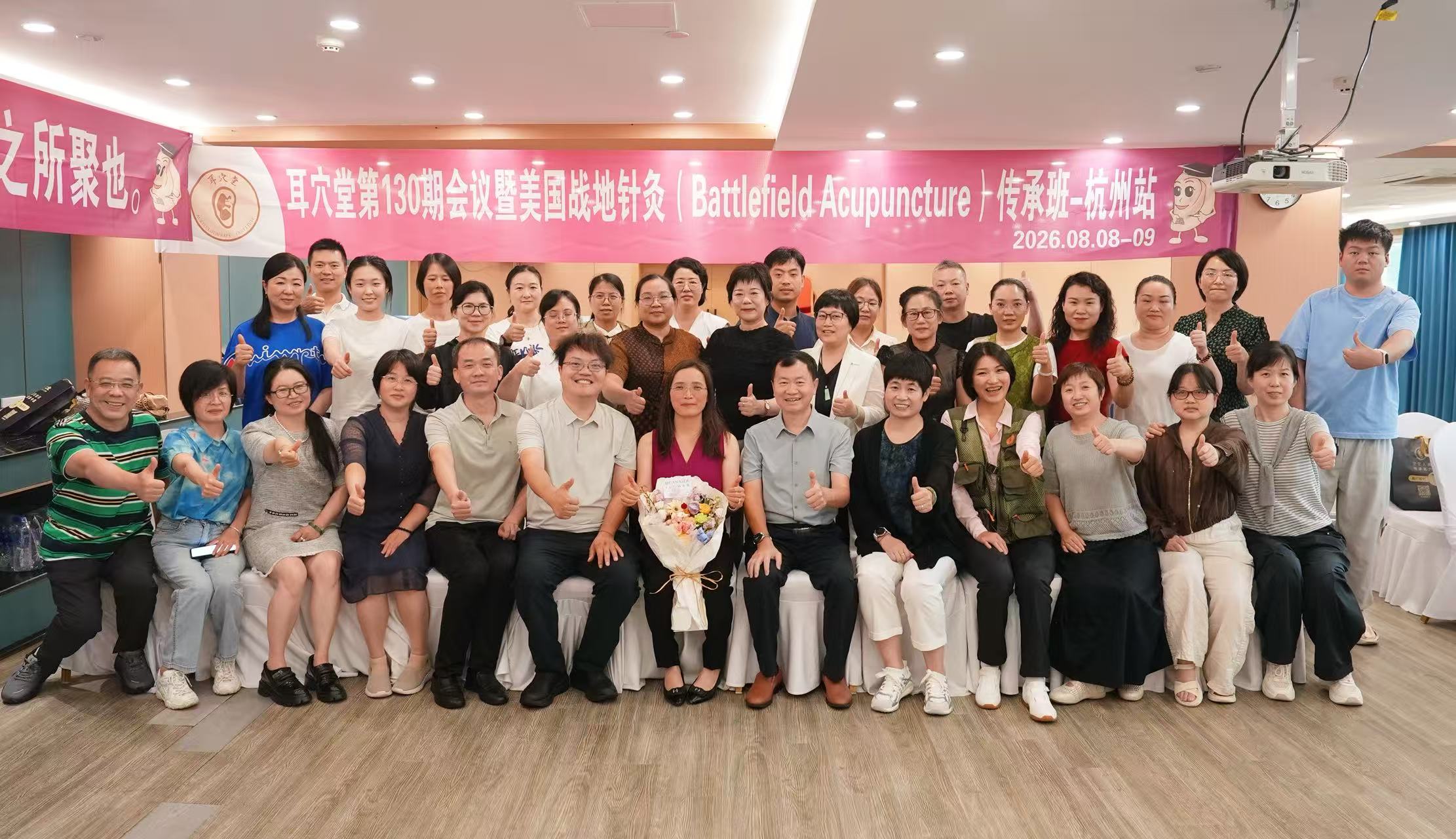
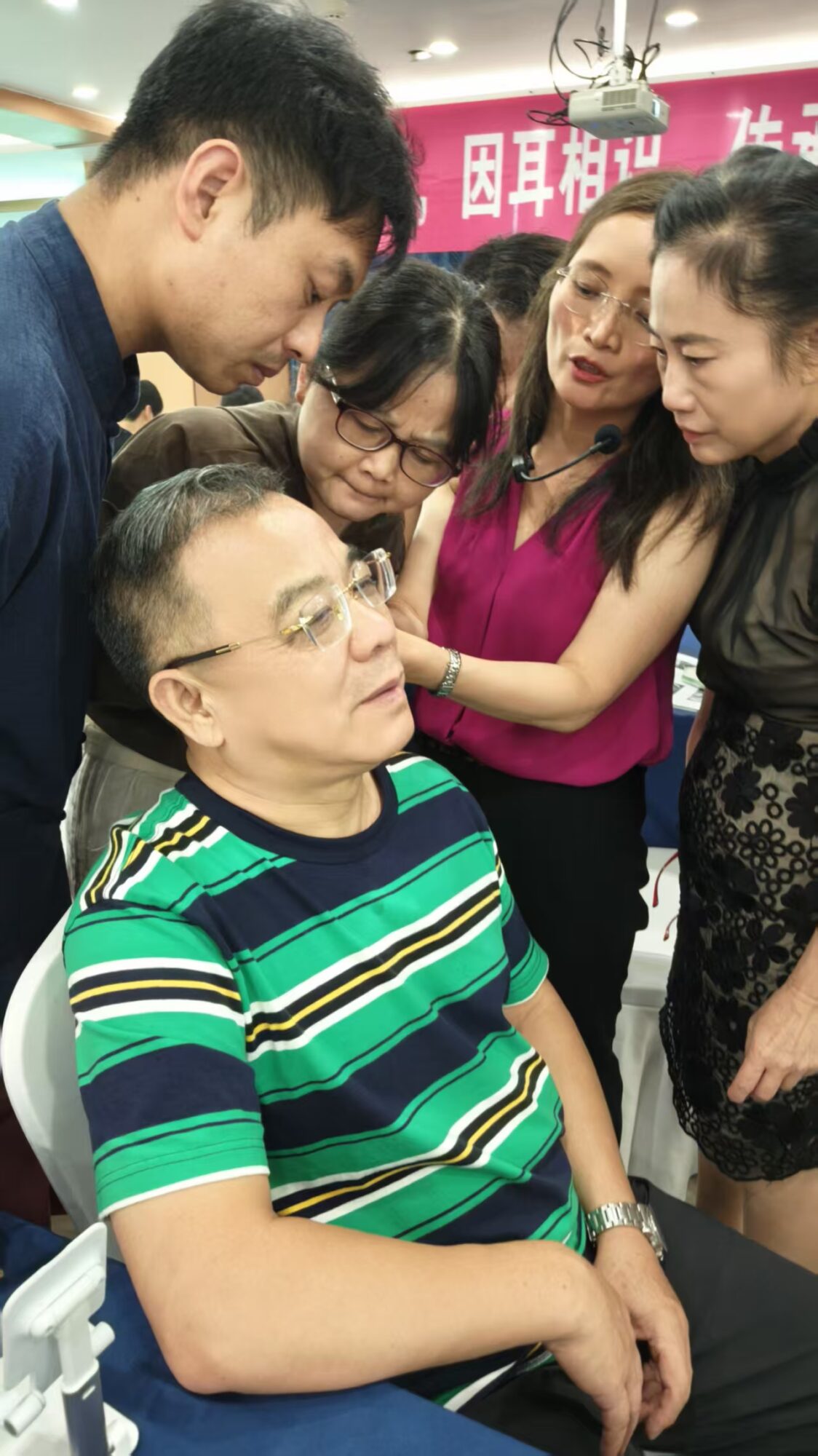
In addition to providing direct clinical care, I’m also focused on continuing our educational mission through the Niemtzow Institute for Battlefield & Rapid Acupuncture. The Niemtzow Institute is designed to teach licensed healthcare professionals how to use the Battlefield Acupuncture and related techniques safely, effectively and responsibly. In fact, earlier this summer (August 2026), I was invited to return to China to teach Battlefield Acupuncture in the city of Hangzhou. It was deeply meaningful to bring this work back to the country where my own medical journey had begun. In fact, a production team from Hong Kong Phoenix Satellite Television came to Maryland to document some of the work being done by the Niemtzow Institute, to include the story behind the Institute’s special mission.
Yet despite the research, teaching, travel, and professional milestones, the heart of my work remains focused on the individual patient sitting in front of me. Many people who come to my clinic have been living with pain or difficult symptoms for months or even years. Some have seen multiple specialists or tried numerous treatments without relief. I understand how discouraging that can become as they’re not looking for another promise or another procedure. They want someone to listen, understand what they have been through, and honestly consider whether there may be another way to help.
When I see a patient, I take time to understand the underlying condition as well as the person living with it. I review what has already been tried, consider whether acupuncture is appropriate, explain my recommendations, and the underlying rationale. Acupuncture can accomplish many things, but it may not help every condition or every person, so I try to establish realistic treatment goals and carefully evaluate the patient’s response. If a patient is improving, we’ll decide together how best to proceed. If, however, acupuncture is not helping, I believe in being honest about that. Even more importantly, whenever I think a condition requires evaluation or treatment that’s beyond my particular area of expertise, I’ll encourage the patient to obtain the necessary consultation.
Speaking of consultations, I welcome the opportunity to consult and collaborate with physicians, dentists, physical therapists, mental health professionals, and other healthcare providers. I do not see acupuncture as something that must stand apart from modern medicine, as it can be part of a thoughtfully coordinated care plan. When another healthcare professional entrusts a patient to me, I take that trust seriously. Medicine requires knowledge, experience, and clinical skill, but my patients have taught me that it also requires compassion, honesty, humility, and human connection. I cannot promise every patient a complete cure. What I can promise is that I will listen carefully, treat each person respectfully and will be up front about what I believe acupuncture can
and cannot offer, and use the best of my training and experience to help whenever I can.
Today, I see my role as serving as a human bridge—offering a bridge between China and the United States, between traditional healing and modern medicine, and as a bridge connecting clinical care and everyday practice with Richard’s remarkable legacy.
Has it been a smooth road? If not, what were some of the struggles along the way?
It certainly hasn’t been a smooth road, as my journey to date has been punctuated by opportunity, service, love, loss, resilience, and many unexpected turns. But through all of them, my purpose has remained remarkably simple: To listen. To care. To relieve suffering whenever I can. And to treat not only the condition, but the person who is living with it.
One of the greatest challenges of being a healthcare provider is caring for people when they are at their most vulnerable. Many patients come to me after living with pain or difficult symptoms for a long time. Some have already tried multiple treatments and arrive feeling frustrated, discouraged, or uncertain that anything else can help. When they walk through my door, they are not simply coming with a diagnosis; they are coming with an array of hopes and fears. I want my patients to have hope, but I never want to give them false hope.
Acupuncture cannot help every person or every condition, and one of the most important lessons of my career has been knowing not only what I may be able to do for a patient but also recognizing what I cannot do. Sometimes the challenge is simply finding the right approach for the right patient. Sometimes it means collaborating with another healthcare provider. And sometimes the most responsible thing I can do is tell a patient honestly that acupuncture may not be the right answer. Difficult cases have taught me humility and persistence. Patients do not expect us to have every answer, but I believe they deserve a healthcare provider who will continue to think, listen, and care even when the answer is not obvious. I have learned to reassess, remain curious, continue studying, and never allow a difficult diagnosis to become more important than the person living with it.
Another challenge has been building my professional life across two very different medical cultures. I began my career in China, where traditional Chinese medicine and acupuncture were part of my medical training, and later practiced within the American healthcare and U.S. military. Learning to move between these different worlds required adaptability and an open mind, but over time, that challenge became one of my greatest strengths. It taught me to better appreciate different approaches to various medical conditions and focus on what ultimately matters most: providing care that is safe, appropriate and most likely to be helpful for a given patient.
The most difficult challenge of my life, however, was losing my husband. After more than 16 years of sharing our lives and our work, I had to learn how to move forward without him. I experienced tremendous grief while also feeling a responsibility to continue the work and mission we had built together. That journey has helped me develop a different type of resilience as I’ve come to appreciate that carrying Richard’s legacy forward doesn’t mean that one continually lives in the past. It means finding new ways to honor what we built together, while continuing to grow, finding my own voice, and using everything I have learned—from my patients, my training, my research, my colleagues, and Richard—to serve others. The road has included some difficult transitions, as well as periods of uncertainty, personal loss, and moments when I had to find strength I did not know I had…. Perhaps the greatest lesson I have learned is that we cannot always choose the challenges that come into our lives, but we can choose what we do with them. I have chosen to keep caring, keep learning, keep teaching, and keep moving forward with purpose.
Please tell us more about your business or organization. What should we know? What do you do, what do you specialize in / what are you known for? What sets you apart from others? What are you most proud brand wise? What do you want our readers to know about your brand, offerings, services, etc?
Rapid Acupuncture, LLC is a patient-centered acupuncture practice located in Rockville, Maryland. The practice specializes in providing individualized care for patients with pain and other challenging health conditions. Some of the more common conditions that I treat include acute or chronic neck pain, shoulder pain, knee pain, low back pain, as well as migraine headaches, xerostomia, anxiety, depression, PTSD, ADHD, menopausal hot flashes and other women’s health concerns. I also have experience providing supportive acupuncture care for patients with post-stroke symptoms, mild traumatic brain injuries, and other complex conditions.
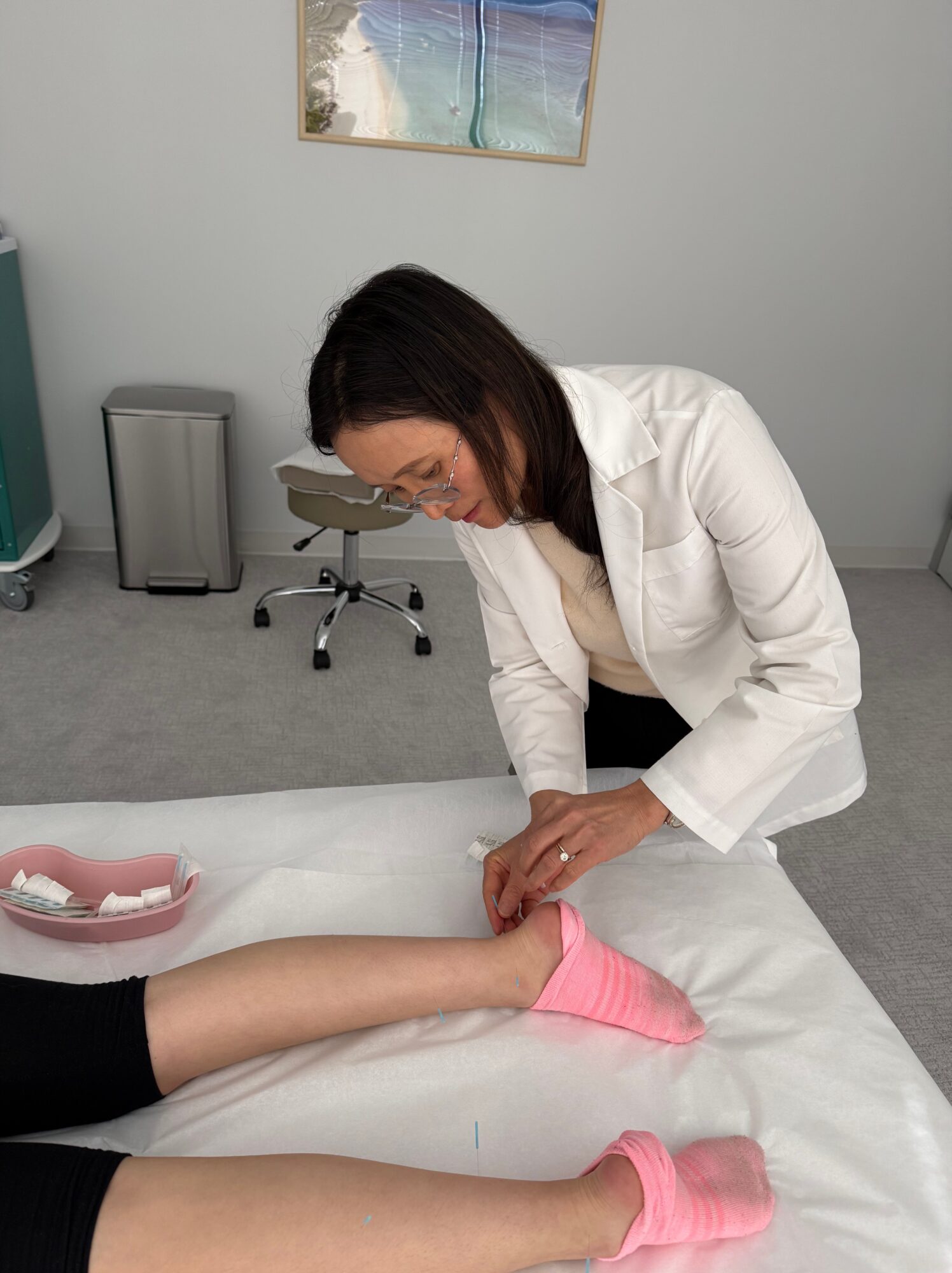
Depending on the patient’s condition, I may use a combination of traditional Chinese body acupuncture, electroacupuncture, therapeutic cupping, auricular (ear) acupuncture and/or traditional Chinese scalp acupuncture. I often use the Battlefield Acupuncture technique as it can be especially effective in providing rapid pain relief—frequently within minutes.
One of the things that often sets Rapid Acupuncture, LLC apart from other acupuncture clinics is the combination of medical training, extensive clinical experience, specialized techniques, and individualized care that I can offer to my patients. My approach is never designed to be a “one-size-fits-all” as I carefully consider what the patient has already tried and use my clinical knowledge and experience to determine if acupuncture is an appropriate option.
The inclusion of the term “Rapid” in the name of my practice, conveys an important principle as I firmly believe that whenever possible, a patient’s treatment should be designed to deliver meaningful changes in symptoms, function, and quality of life as effectively and efficiently as possible.
I welcome referrals and collaboration with physicians, dentists, physical therapists, mental health professionals, and other healthcare providers. I believe acupuncture can be most valuable when it is used responsibly as part of thoughtful, coordinated patient care.
In short, what I would like people to know about Rapid Acupuncture LLC is simple: we combine experience, specialized acupuncture techniques, individualized treatment, and compassionate care with one purpose—to help each patient achieve meaningful improvements in comfort, function, and quality of life. And from a practical perspective, I provide transparent pricing, letting prospective patients know what types of costs might be involved, up front. We also accept insurance from carriers such as Aetna and CareFirst Blue Cross-Blue Shield.
What makes you happy? Why?
What makes me happiest is making a positive difference in someone’s life. When a patient who has lived with chronic pain or any other difficult condition begins to experience relief, regaining function, sleeping better, or simply feeling hopeful again, it renews my spirit and leaves me feeling deeply grateful. These moments remind me why I chose a career in medicine and why I continue working to give my best to every patient.
Teaching also brings me happiness. When healthcare professionals learn an acupuncture technique correctly and then use it safely to help their own patients, the impact extends far beyond one classroom. That knowledge can travel from one clinician to many patients, crossing borders and connecting people and patients around the world.
Today, happiness means something different to me than it once did. I find it not only in my professional accomplishments, but in quiet and meaningful moments—when a patient’s expression of pain converts to a genuine smile of joy and relief, when a student shares the excitement of learning something new, when I can spend special moments with my daughter, family, and friends, and when I know that the work Richard and I began together continues to help others. For me, happiness is not about having a life without hardship. It is about finding meaning through both joy and sorrow, continuing to grow, and using what life has taught me to bring something good into the lives of others.
Contact Info: