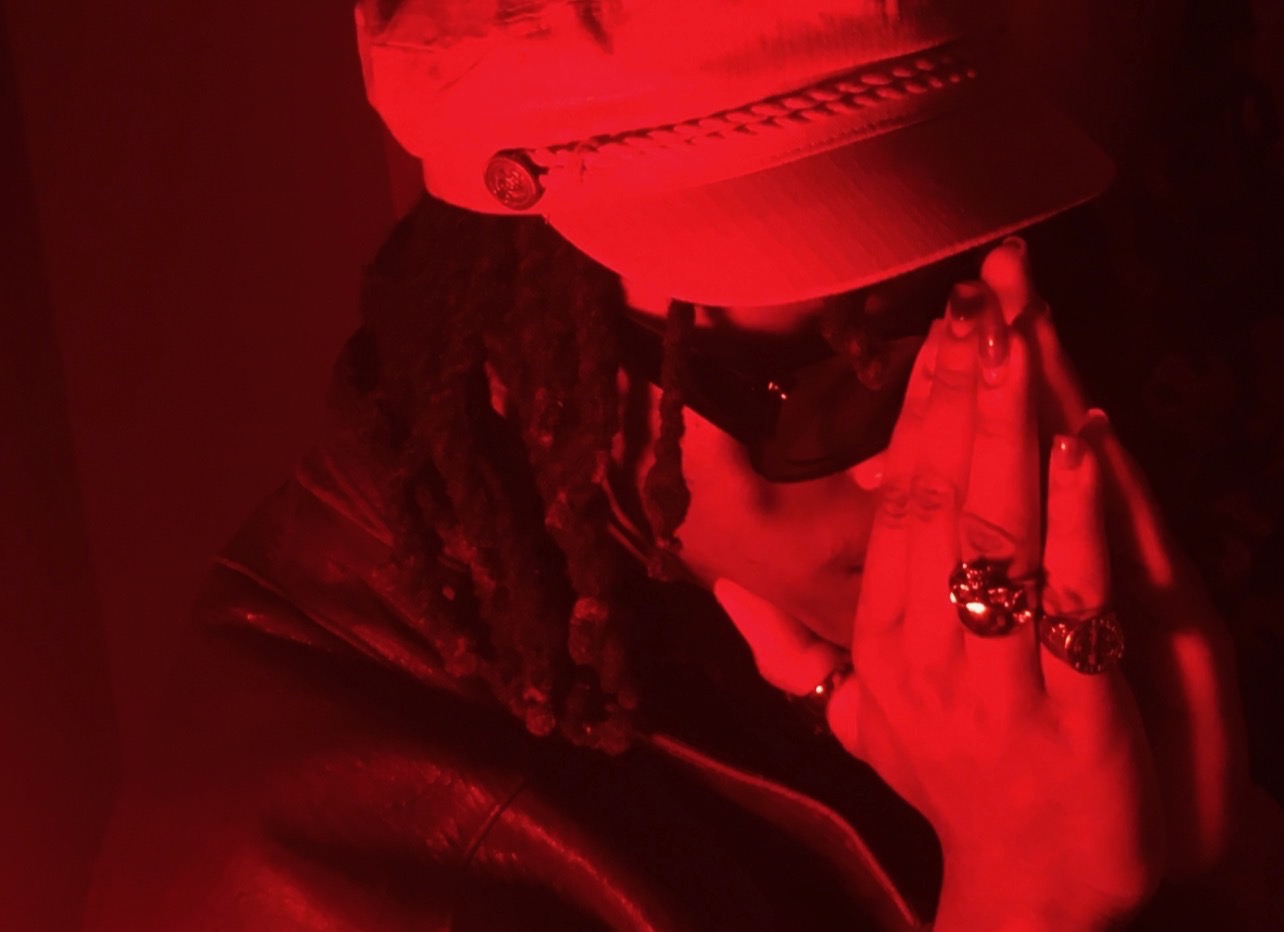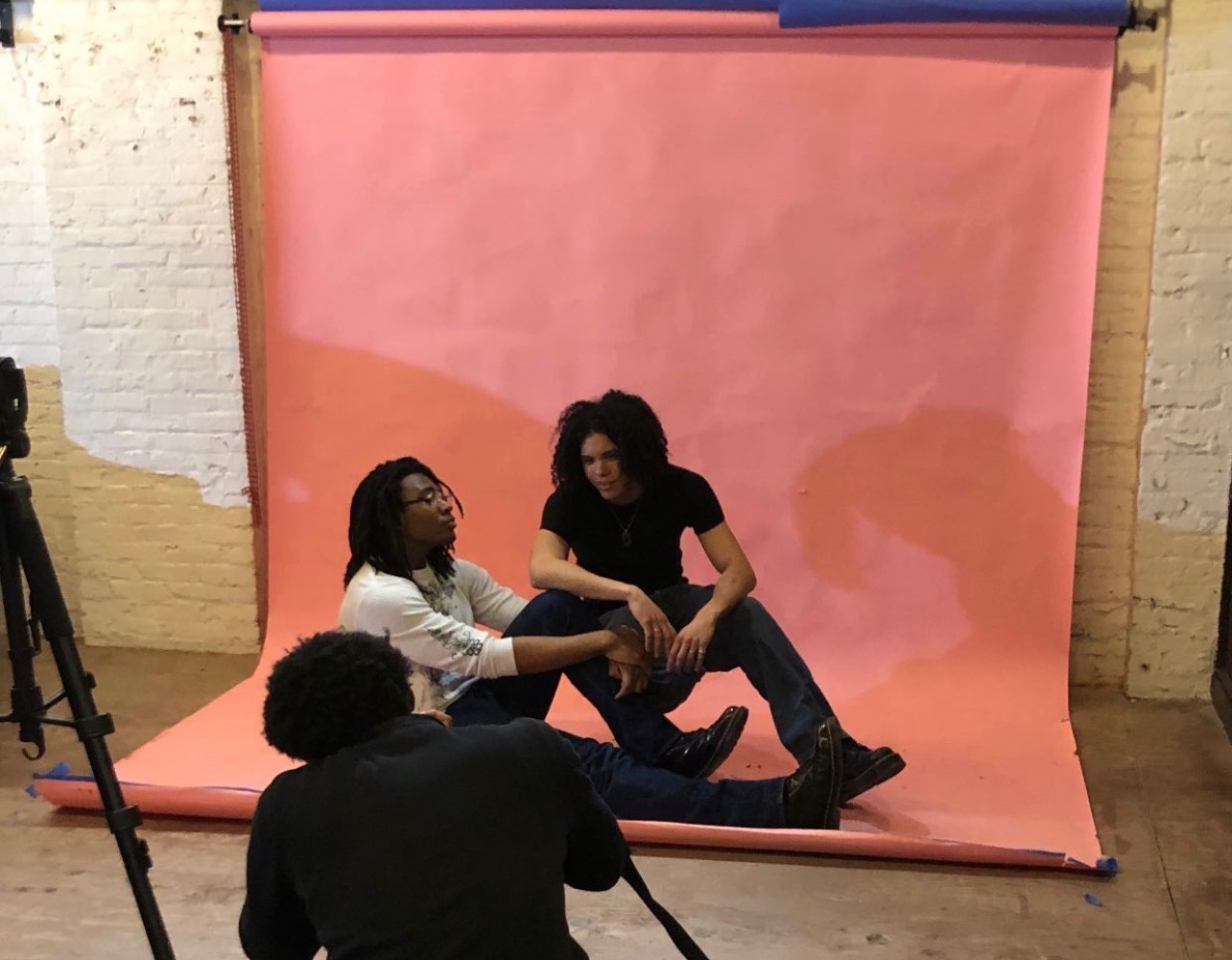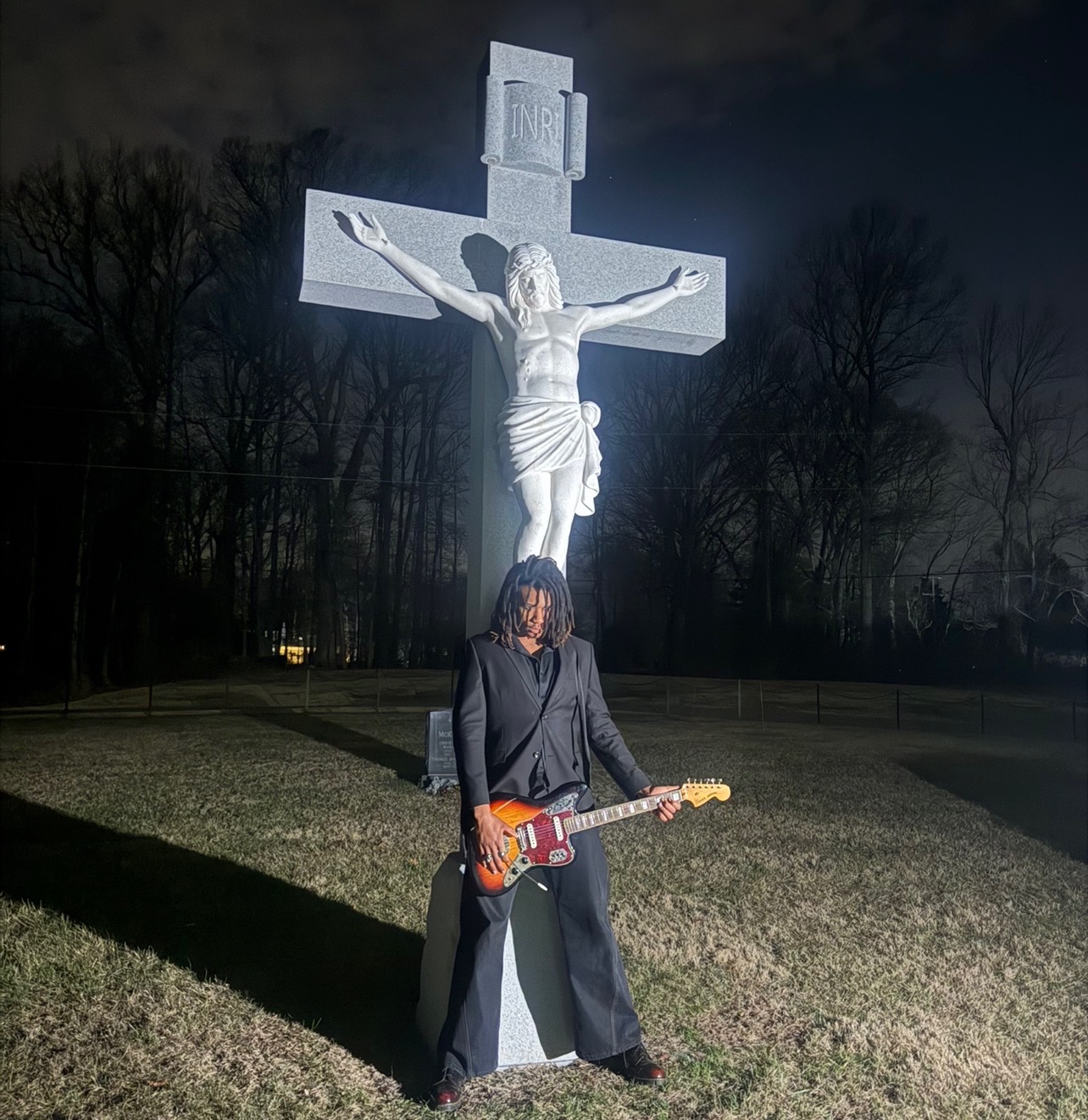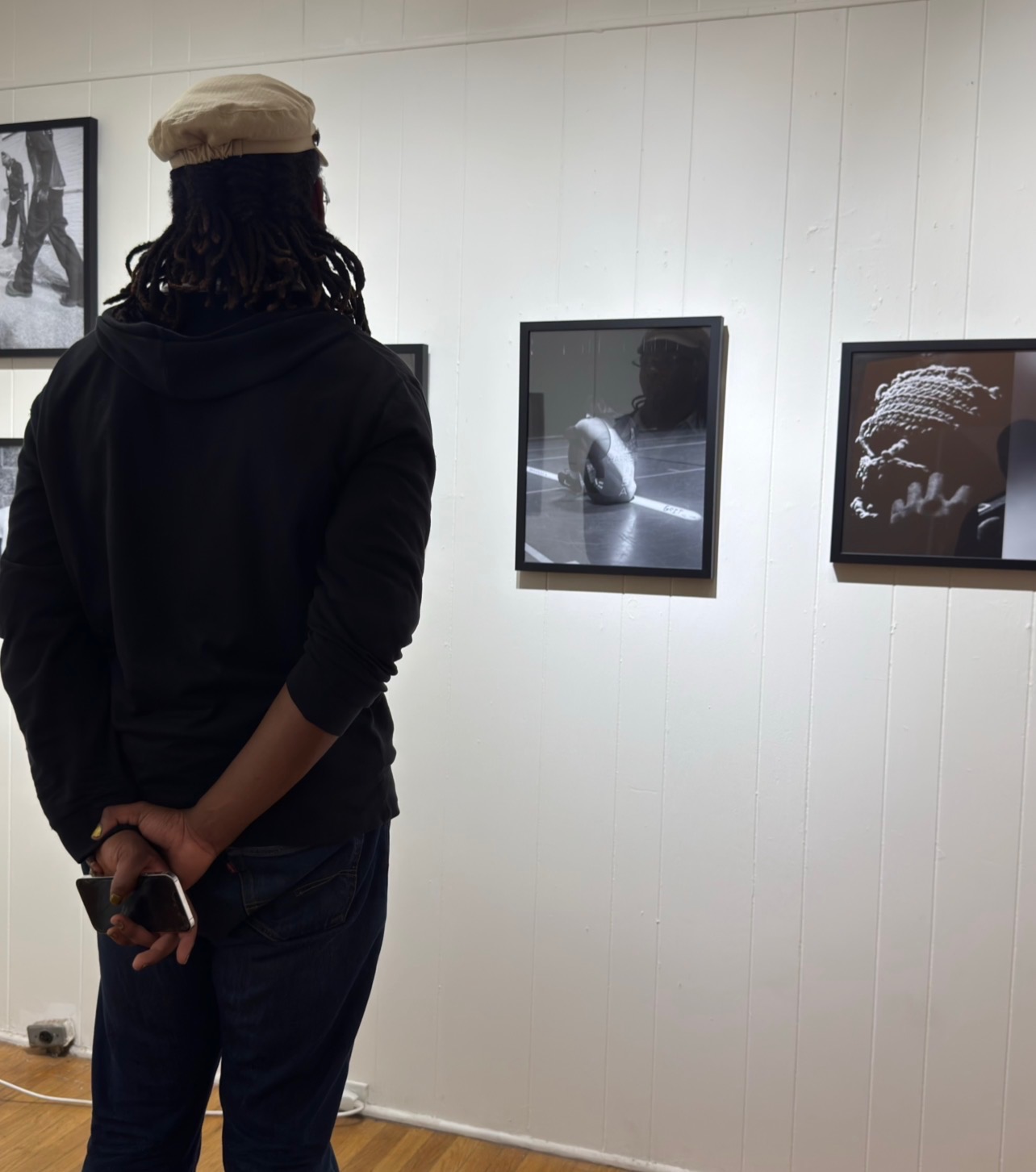



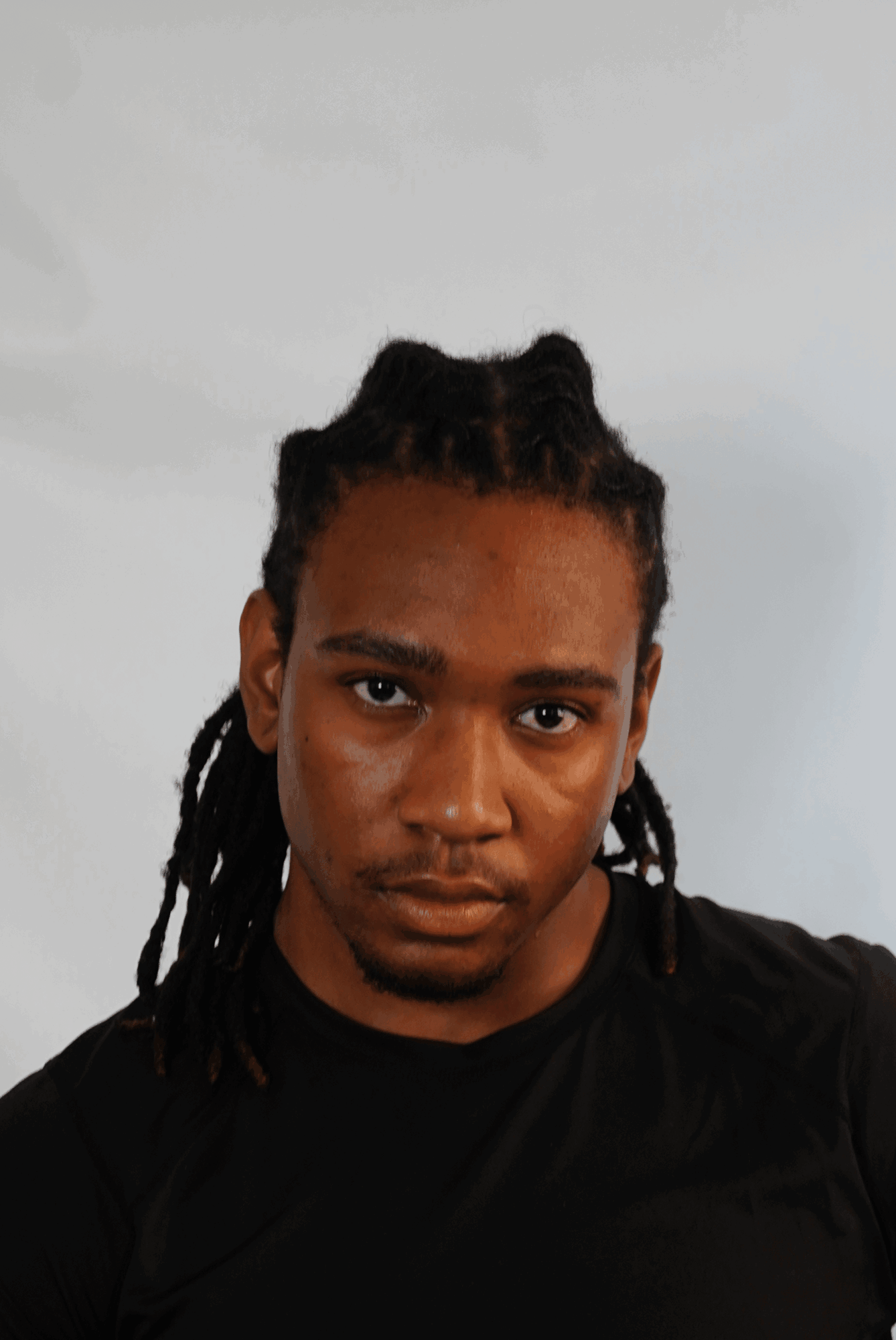
Today we’d like to introduce you to Vire Alexander.
Hi Vire, please kick things off for us with an introduction to yourself and your story.
The story of Vire Alexander starts with trauma. The Covid pandemic shifted the way that I was living my life. At the time I enjoyed it and the freedom that was able to be experienced alongside so much pain. But the pains that were marinating in that time started from much earlier in my life. A deep rejection of self that started as a child and only first began to reach its boiling point when the world was forced to pause.
During the pandemic intergenerational familial trauma had found its way home. A new generation had been marked to continue a cycle of pain and trauma and the life I had known previously would come crashing down with it.
The place I once called home became a prison in which peace tried to call to me in a hurricane violence. What was meant to only be a temporary solution turned into an active reality for just under 3 years. Habituating with the embodiment of generational trauma I was given a choice, to concede and become another cog in the machine of trauma that lay before me or do everything in my power to mend what had been falsified within them and me.
Choosing the latter led me down a path of reunification and healing that I could have never expected. Making the choice to heal shifted my wants and desires heavily. The first goal I had was to create a non-profit around emotional understanding on an individual and communal basis. Trying to get this off the ground I started going out to random events to try and understand the minds of people that already had some success in their own regards. While I did this I came to the realization that the greatest healing can come from the arts.
So I made art.
I started with my docu-series Life Through Lenses. I wanted to capture the lifecycle of art in its wholeness and I knew I just had to get started with something. So I went out to events and started recording. The final image wasn’t clear yet but I knew I needed something to set the stage as I continued.
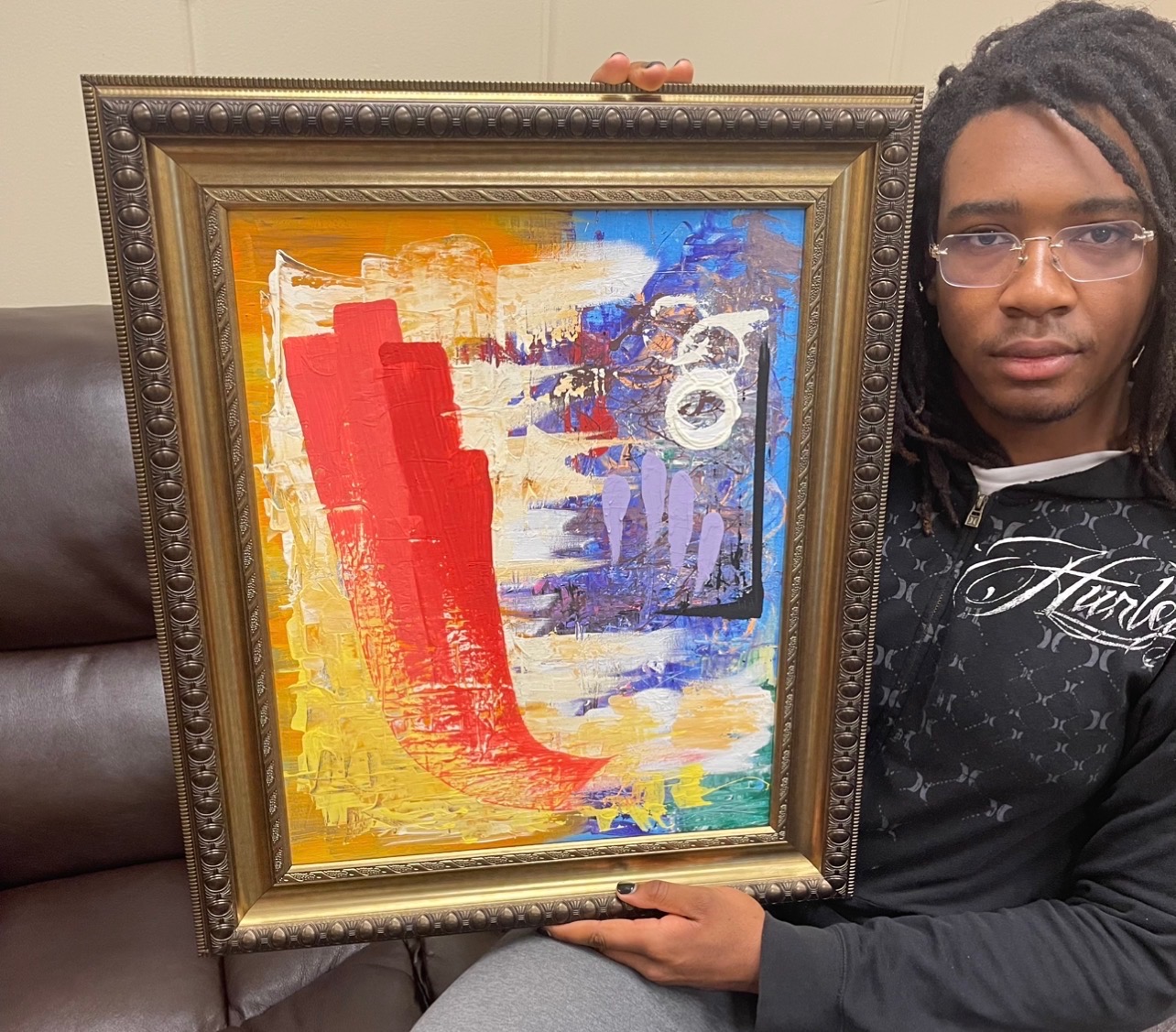
Next was my series of 60 Days of Ambidexterity. Being born left handed and having to switch at such a young age I wondered about how much of me went unexpressed. For 60 days I sat down with myself and reconnected through art. At first it was simply writing but evolved into both drawing and writing with a conversation on a myriad of topics, whatever it took to fill up those 60 episodes.
My artistry was growing heavily, I knew I needed to make more and I just couldn’t stop.
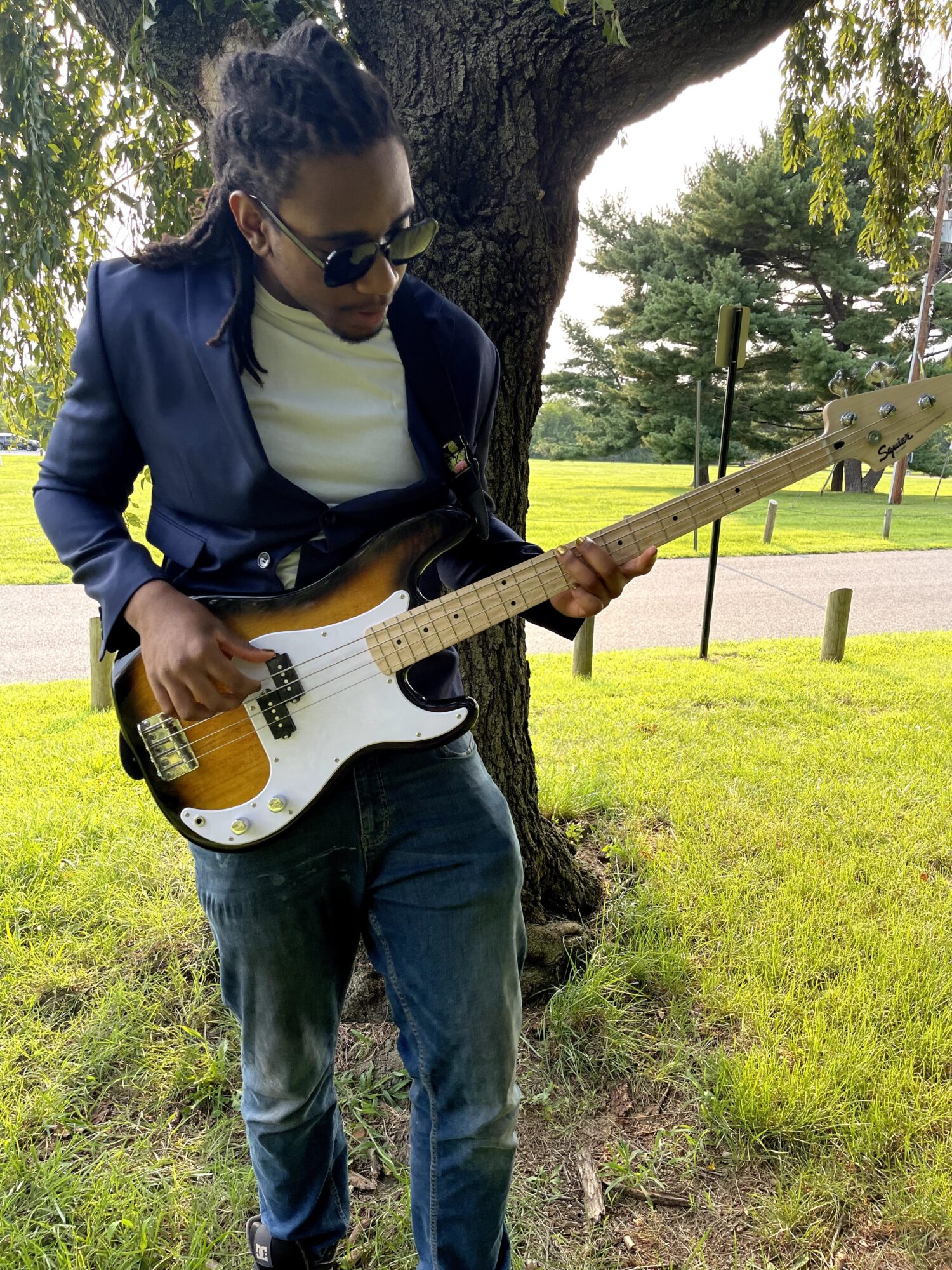
I dove into photography appreciating the fleeting moments that life had to offer. I started writing to verbalize an emotional well that had been kept shut for so many years, and I even started making music to give my words the world that they deserve. But it wasn’t enough.
What was once abandoned as a child had found its way back to me and refused to let go. A miraculous victorious fire was roaring.
Vire had been actualized.
So I continued. The world around me could only be processed in so many ways and the cleanest of it came when at least 3 of the arts were acted upon. Painting or drawing, writing, and music. These 3 avenues of expression allowed me to exercise the deepest pains and traumas felt within me in a way that was safe. But the artistic ideal that propelled this has stuck with me throughout. Seeing the process of artistry, the context in which it has been actualized and the context in which it is consumed emphasizes the meaning of the piece to a personal extent that can settle with someone for life.
So now today I create and emphasize the context of my work in as many reasonable avenues as I can. Whether my work is understood is not of concern, my hope is that it empowers the individuals that consume it to make greater strides for personal independence.
Can you talk to us a bit about the challenges and lessons you’ve learned along the way. Looking back would you say it’s been easy or smooth in retrospect?
Every aspect of struggle that I’ve faced so far has initially started with me and the mental limits that I’ve placed upon myself. While in the process of handling my entire artistic self discovery I had surgery. I tore my labrum and had to get it fixed up. This event led me to becoming incredibly insecure about my body. But this event also reshaped the manner in which I composed my life. This change had me practice an appreciation for the present moment and to be incredibly patient about the ways progress is actualized. Sometimes it felt as if my patience was never enough.
I questioned if I practiced gratitude to distract myself from the disappointment at how slow my life seemed to be moving. It was a game of constantly refining my mental processes and what I value in myself and others. Although the art provided great reflection, sometimes I didn’t like what I saw. For years after surgery I couldn’t stand looking at my own body, then now something I had created shows me an image I am uncomfortable with.
Although it may be extreme, my resolution to handle this issue was to dive head first into all things I found aversive about myself, in as many ways as possible and to learn to love it. To look into the deepest aspects of myself and say I like and love the ‘ugliness’. Not out of any place of compensation but out of legitimacy.
The more time I spent with the aspects of myself that made me more eccentric and different, the more I loved myself in a way that could never be torn down. The same behaviors that used to have me spiraling in paranoia came to be what I leaned in to.
This led to a change in how I came to process all adversity. Learning to love the process of growth that this mindset brought made me gain a genuine appreciation for all that I had. Slowly a real joyous smile came to wash my face everyday.
Appreciate you sharing that. What else should we know about what you do?
I currently work as an RBT (Registered Behavior Technician), this field has me working with individuals that are all over the spectrum of autism and they sometimes have other disabilities as well. I absolutely adore this work, primarily because of the passive education that occurs in recognizing the importance of self expression and the ways that it can be channeled for positive development. When working with all of these kids I always saw a piece of myself in them, some aspect of their self expression had been wired or conditioned to make itself known in one way and it was my job to help them have an avenue so that a desired behavior and expression can be brought about. Since I’ve been working in this field alongside my artistic renaissance it has really encouraged me to try and help these kids voice an unvoiced aspect to them, since that’s what I was in the process of doing for myself anyway. And it’s been beautiful to see, about 90% of all the kids I’ve worked with have been non-verbal or have needed something called an Augmentative and Alternative Communication (AAC) Device to communicate. So this forces me to get creative to engage with them in ways that would really promote their independence.
It is an everyday challenge working with them but I love it. Seeing the small ways in which they slowly open themselves up more and more creates a satisfying feeling that no other job could provide.
Do you have recommendations for books, apps, blogs, etc?
I would definitely say my favorite book would be My Grandmother’s Hands by Resmaa Menakem. Reading that book is what really started me on my journey to heal and inspire me to find a deeper purpose with helping others.
Then I would say my favorite podcast at the moment is Doing Big Things with Kamille Little. I really appreciate the way she investigates the minds of the artists that come on her show.
Contact Info:
- Website: https://virealexander.com/
- Instagram: https://www.instagram.com/a.llxndr/
- Youtube: https://www.youtube.com/@allxxndr
- Soundcloud: https://soundcloud.com/allxxndr
- Other: https://allxndrr.blog/