




Today we’d like to introduce you to Melanie Vendette.
Hi Melanie, thanks for sharing your story with us. To start, maybe you can tell our readers some of your backstory.
Serenity Soak started because I needed somewhere to put my energy.
I was going through a difficult season and had become interested in healthier alternatives, which eventually led me to essential oils.
At that point, there was no Serenity Soak. There weren’t even “sensory baths.” I just took normal baths.
I started making bath salts around what I was feeling and what I needed in that moment. And then something happened: my baths started feeling different.
So naturally, I wanted to know why.
That question sent me down rabbit hole after rabbit hole—chakras, energy, sound, cymatics, water and more. But the more I experimented with the bath, the more I was learning about myself. Every experiment began with the same question: What do I need right now?
Then other people became curious.
I began creating experiences for my sister, my mom and eventually friends. When they started reporting similar experiences, I thought I had figured out what Serenity Soak could be.
I started a bath-product business.
And I hated it.
The products became the focus when the most important part had always been the woman participating in the experience. I stopped selling them.
I went looking for another way. That led me to coaching and education, and eventually to working directly with women. Once again, Serenity Soak changed.
After years of researching baths, I realized I wasn’t actually trying to create the perfect one.
I was exploring the relationship a woman has with herself.
The bath simply gave her somewhere to practise it.
That’s the Serenity Soak I’m building today—and I’m still following the questions to see where they take me next.
Would you say it’s been a smooth road, and if not what are some of the biggest challenges you’ve faced along the way?
I definitely wouldn’t call it a smooth road. Much of the challenge has come from trying to build something without always having the resources to explore it as deeply as I wanted.
For a long time, I was doing this while working full-time and raising two children. My curiosity often moved faster than my finances and the time I had available. There were courses I wanted to take but couldn’t afford yet, research I wanted to explore more deeply and things I simply had to put aside until I had the capacity to return to them.
But one of the harder parts has been learning how to communicate Serenity Soak itself.
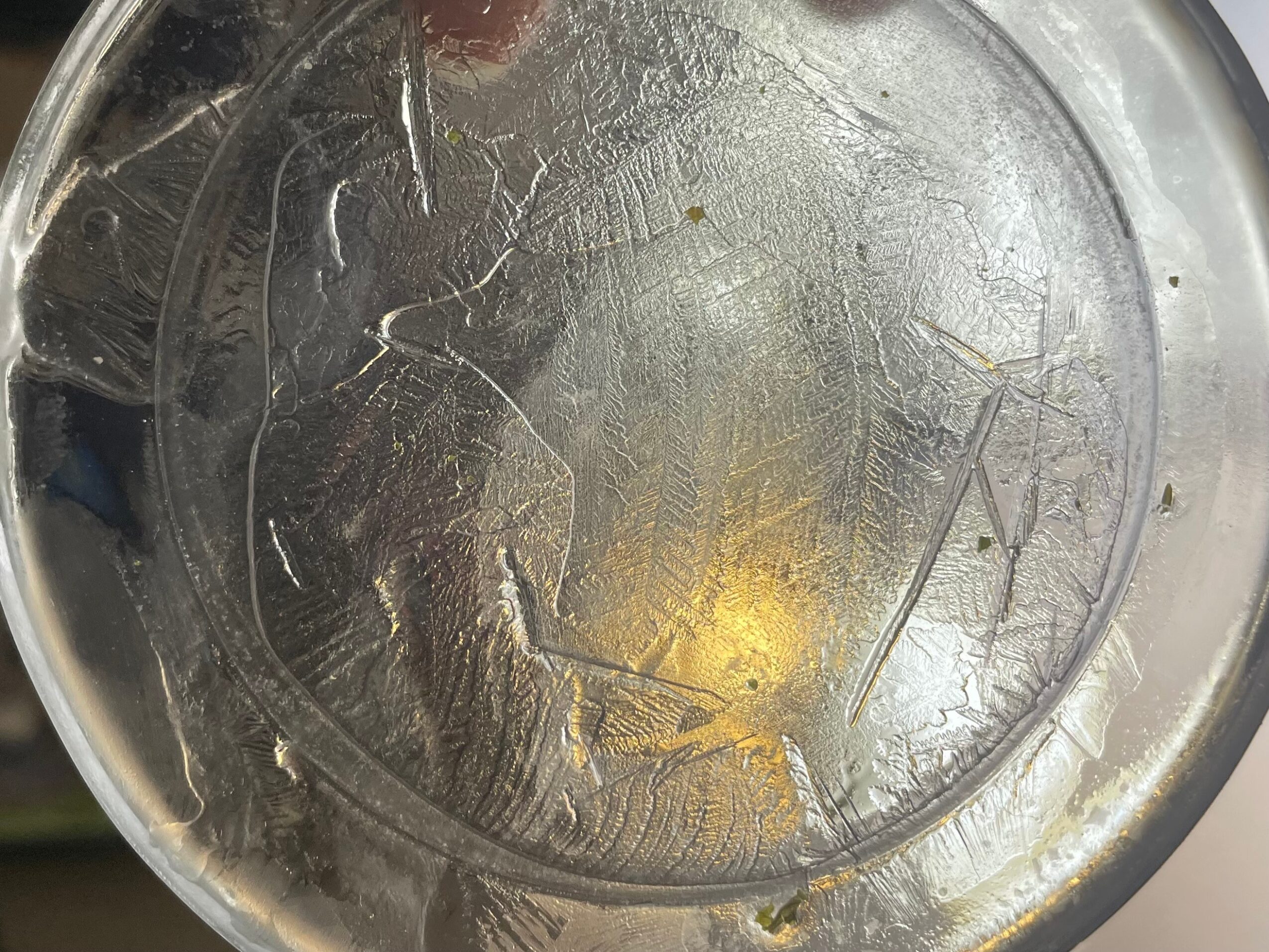
Water research is probably the clearest example. I’ve explored around water memory and EZ water, and I’ve followed Veda Austin’s freezing techniques with my own bath water and produced crystallographic images myself. I can show you those images. I know what I did and I know the results I got. But I also know that the research surrounding what I’m exploring isn’t considered established science.
And that puts me in a difficult position when I try to communicate Serenity Soak. This research wasn’t something I discovered afterwards and tried to fit into the program. It was part of what informed its development.
That’s where trusting my own voice has been difficult. I can feel confident in what I’ve researched, experienced and observed, and then lose that confidence when I try to put it into words. I start second-guessing the language I use because I know the science surrounding some of these subjects can immediately be challenged.
Being visible has made that much more noticeable. Being visible doesn’t come naturally to me in the first place, and Serenity Soak increasingly requires me to put words around things I spent years exploring privately. Sometimes I understand what I’m trying to say long before I know how to say it in a way that feels both honest to my work and responsible about what I can actually claim.
Alright, so let’s switch gears a bit and talk business. What should we know?
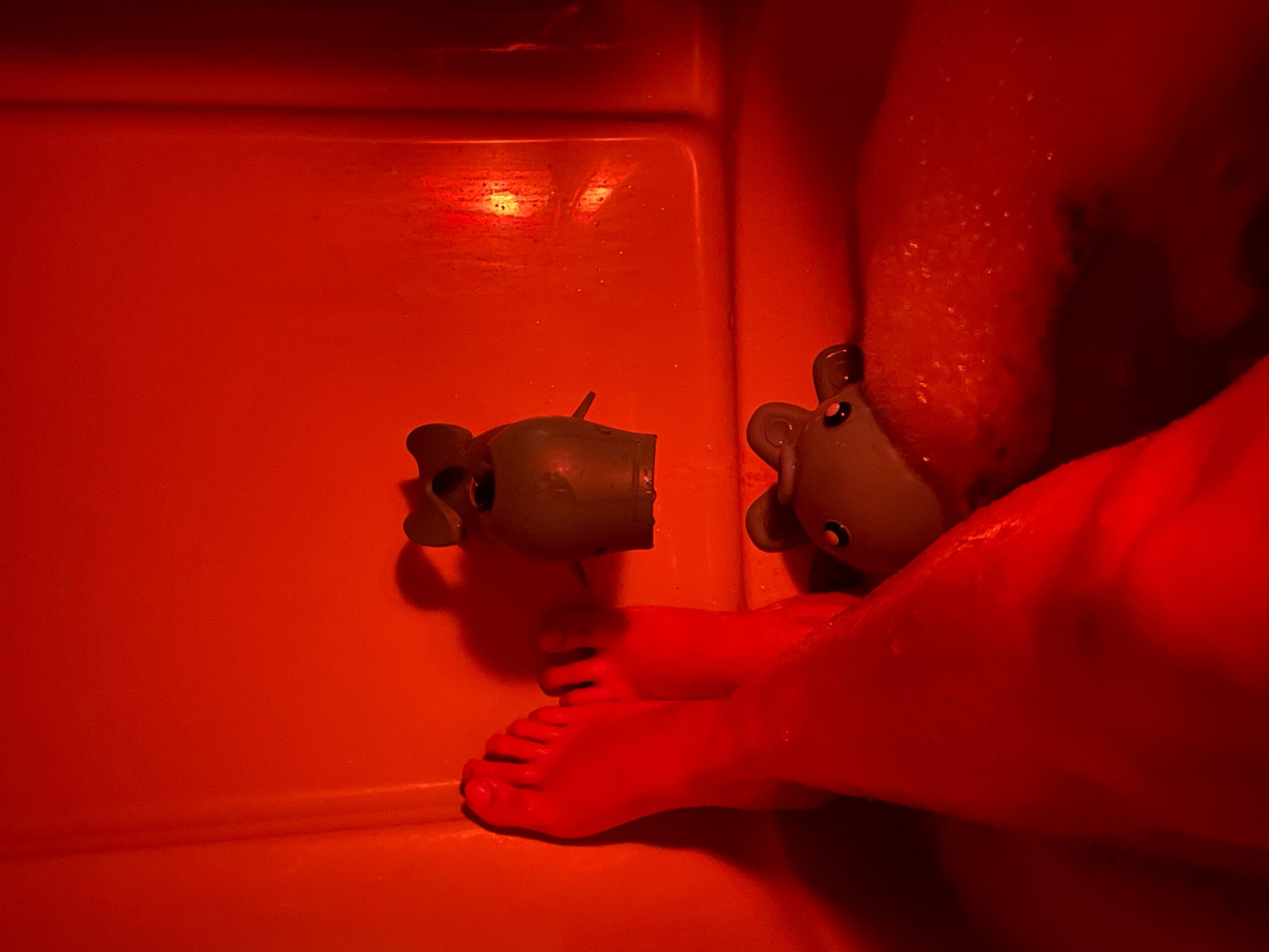
Serenity Soak is built around a simple idea: the bath isn’t her sanctuary. Her relationship with herself is. The bath gives her a place to explore.
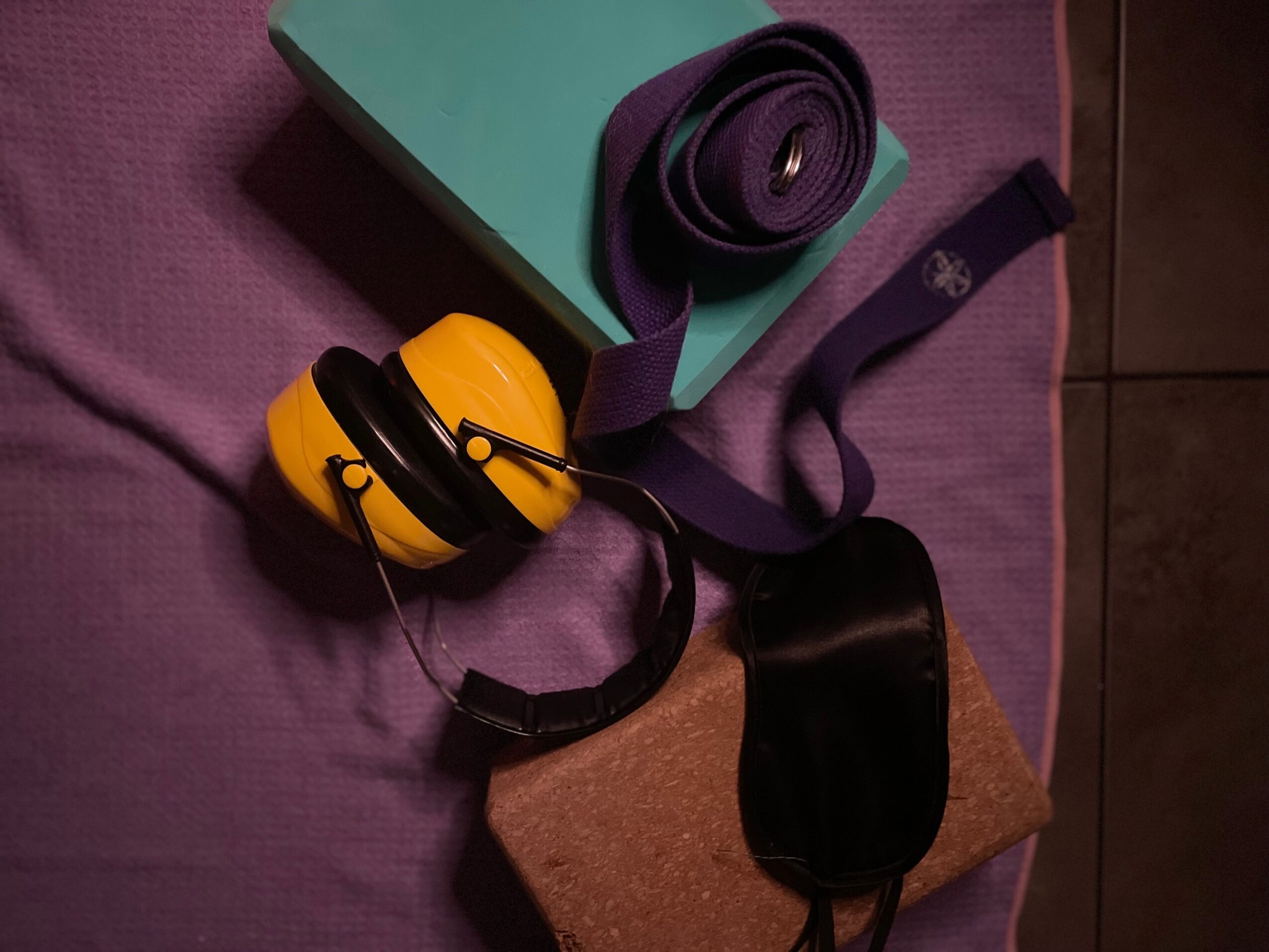
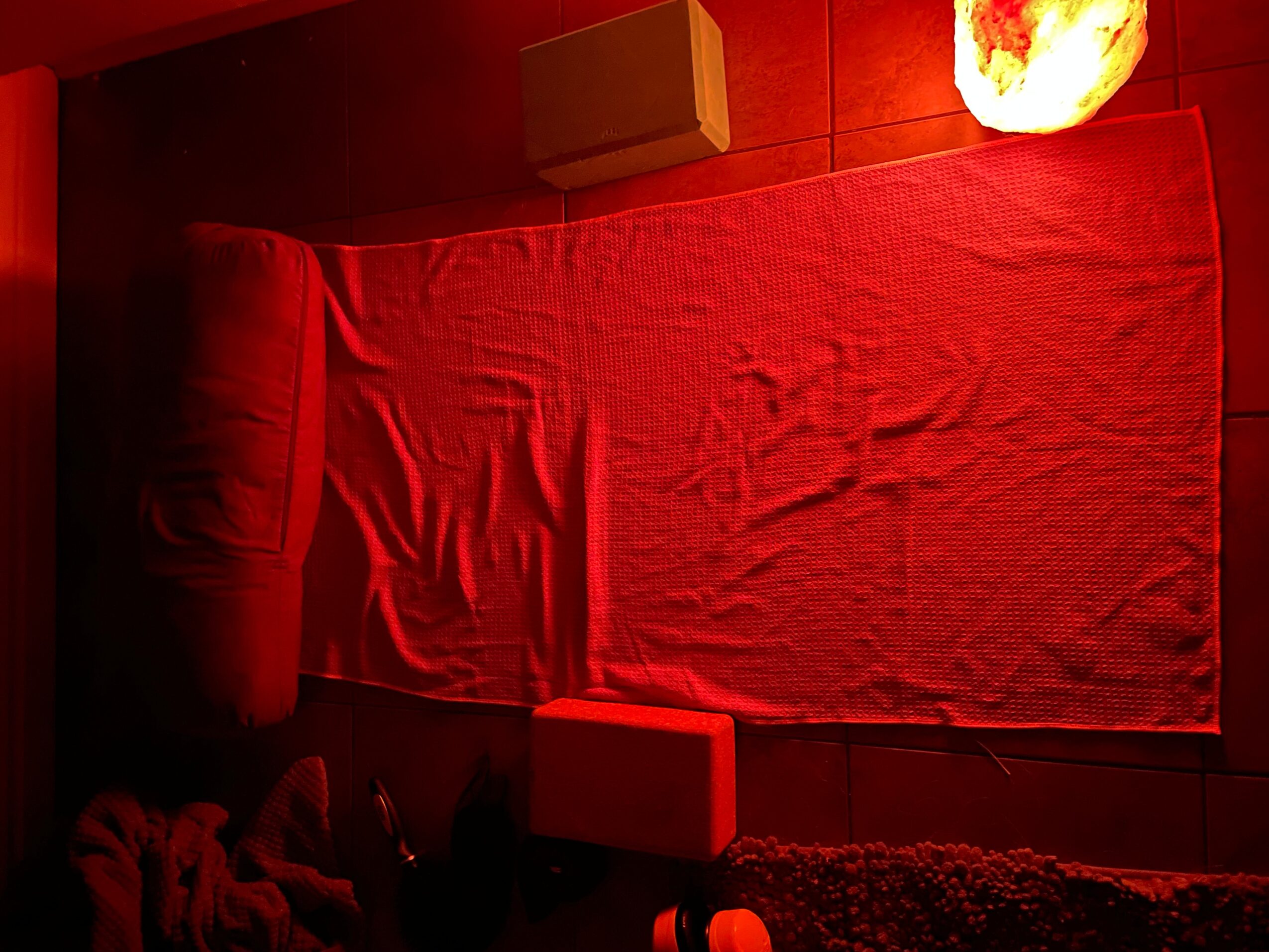
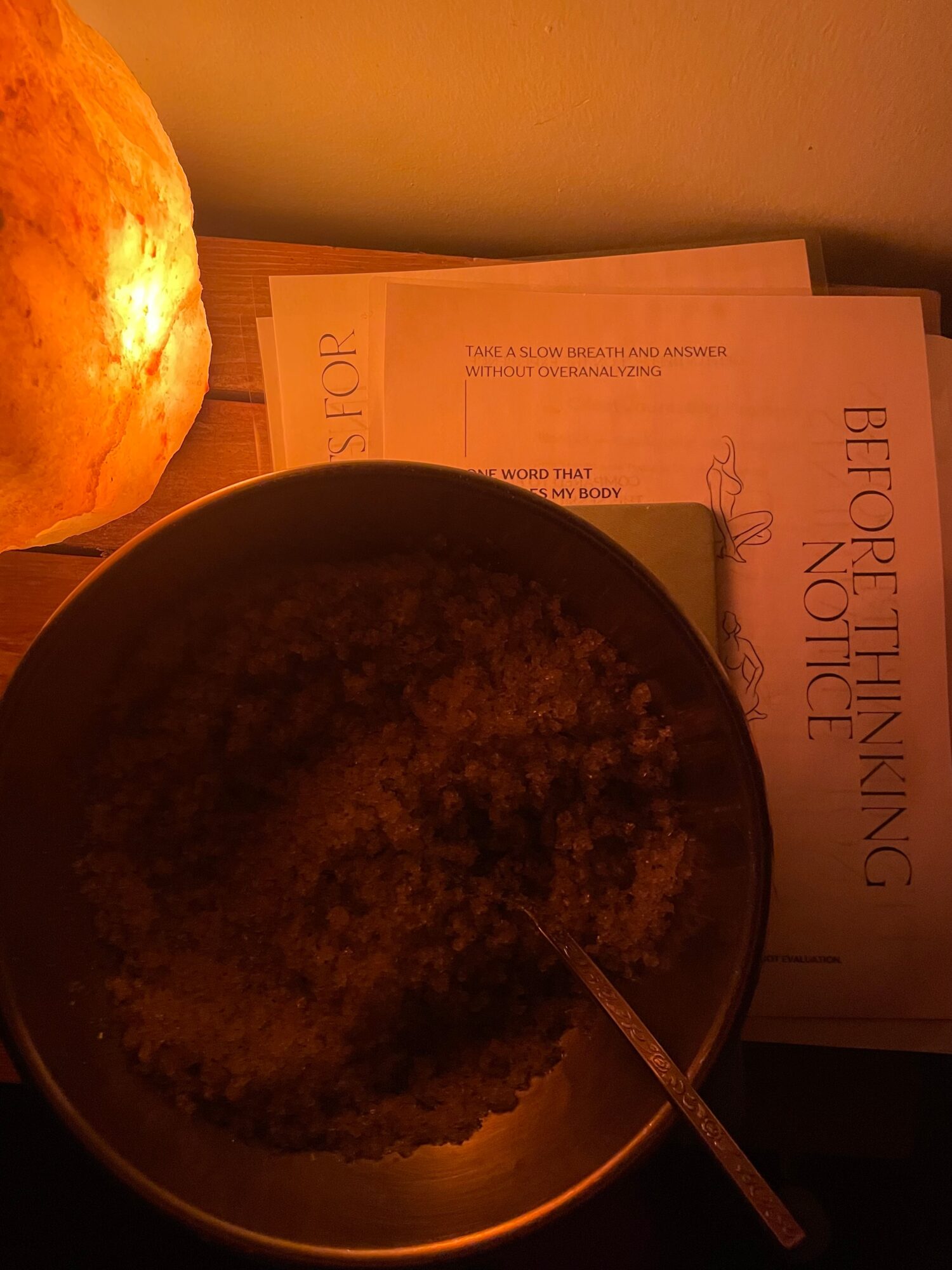
That means I can’t give a woman a formula for the “right” Serenity Soak. When I create one for myself, I start by turning on my Himalayan salt lamp. That small action tells me I’m leaving everyday life behind and turning toward intentional time with myself. I call that my Lighthouse. Hers has to come from her.
From there, we create the conditions for her to notice herself. What does she need in that moment? What is she drawn toward? What feels good? What doesn’t? What changes once she’s actually in the experience?
And then she reflects.
Because the goal isn’t for her to leave knowing how to create the perfect bath. It’s for her to understand herself a little better than she did before she got in.
Serenity Soak can guide that exploration, but the relationship is hers. Each time she returns, she arrives with another day of experiences behind her. What she needs, what she notices and what she’s drawn toward may be different. She listens and responds to who she is in that moment.
What she discovers there was never meant to stay in the bathroom.
Is there anyone you’d like to thank or give credit to?
I definitely didn’t build Serenity Soak alone. My sister, Steph, has been exploring alongside me since the early days, trying things with me, questioning things with me and listening to more Serenity Soak theories than any reasonable sister should be expected to. 😂 My husband, Eric, has made room for all of that exploration, giving me the time, support and resources to keep following my curiosity through every version of Serenity Soak and all the shenanigans that came with it.
And then there is one woman in particular who changed Serenity Soak in a way I don’t think she fully realizes.
She was my first recurring client outside of my immediate circle. She didn’t know me before Serenity Soak. She came because of it, and then trusted me enough to let me walk beside her through some incredibly vulnerable parts of her life.
Oddly enough, it was a paint colour that changed everything.
We were working on her bathroom, and she knew the colour she wanted. At first, I understood her hesitation around choosing it. But as the year went on, the decision kept resurfacing. She would reconsider it, try to convince herself she didn’t deserve it, or find another reason not to do it.
Eventually, I realized we weren’t really talking about paint anymore.
She knew what she wanted. What I was watching was everything that happened between knowing what she wanted and allowing that knowing to matter.
At the time, I thought we were building her sanctuary in that bathroom. But somewhere in those conversations, my understanding of sanctuary changed. I began to realize that sanctuary wasn’t something I could help build around her. It was something happening in the relationship she had with herself.
That realization changed everything I thought I was building. The bath was still important, but it was no longer the destination. It became a place where a woman could turn toward herself, notice what was happening and begin exploring that relationship.
I went into our work together thinking I was helping her build a sanctuary. In many ways, she helped me understand what sanctuary actually was.
I don’t think she realizes how much of Serenity Soak exists today because she trusted me enough to let me walk beside her.
Contact Info:
- Instagram: https://www.instagram.com/serenity_soak?stkn=azlhNmJhenVodmk0&utm_source=qr
- Facebook: https://www.facebook.com/share/1E482j2Tyu/?mibextid=wwXIfr
- Youtube: https://youtube.com/@serenitysoak?si=Znd7gRWbohiKp7io