


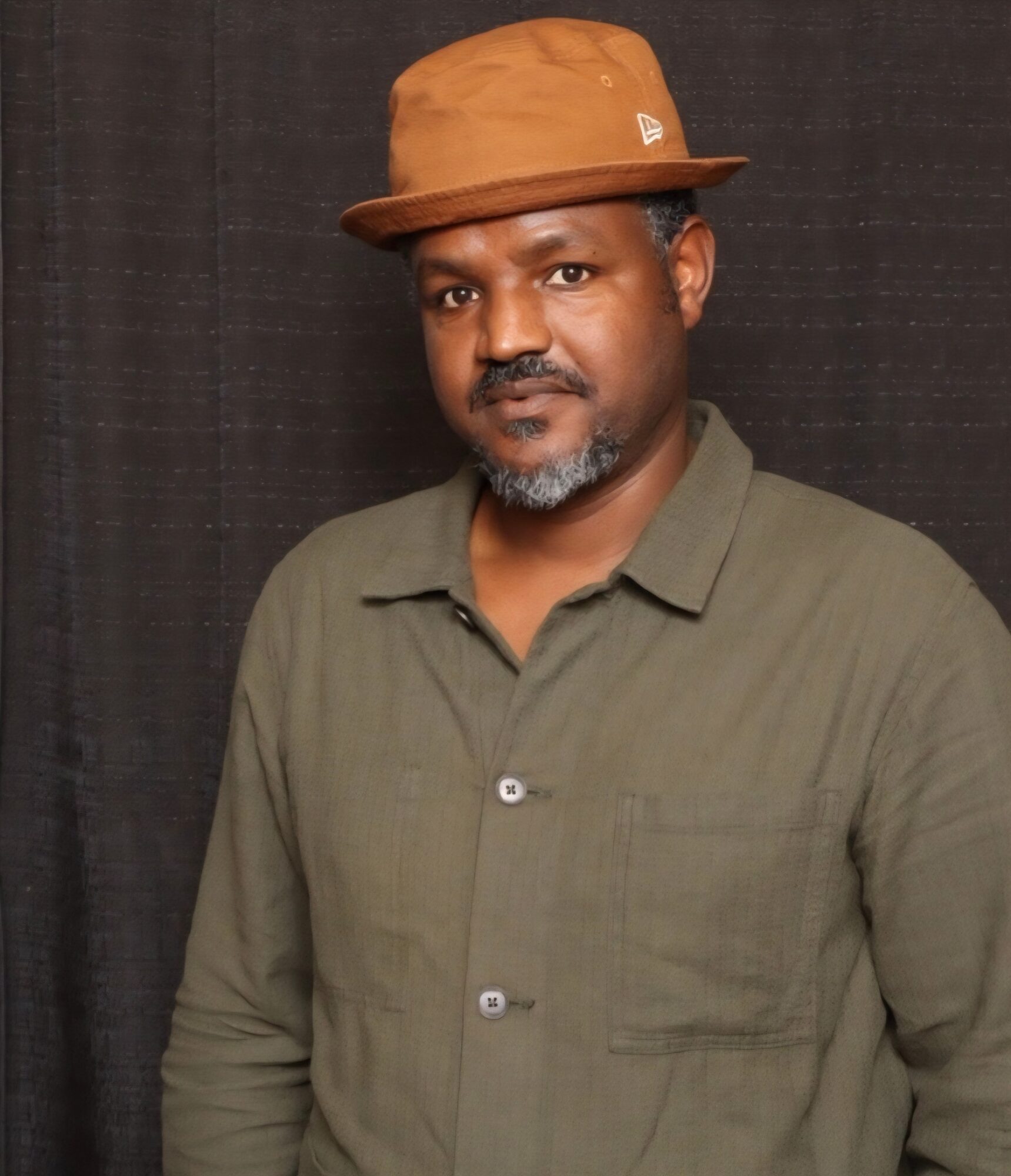
Today we’d like to introduce you to Dereje Demissie Weldegeorgis.
Alright, so thank you so much for sharing your story and insight with our readers. To kick things off, can you tell us a bit about how you got started?
My journey as an artist began in Ethiopia, where I was deeply inspired by the landscapes, culture, and visual traditions around me. I was drawn to painting from an early age, and that passion eventually led me to study Fine Art and earn my BFA in Painting from Addis Ababa University’s School of Fine Art and Design in 2012.
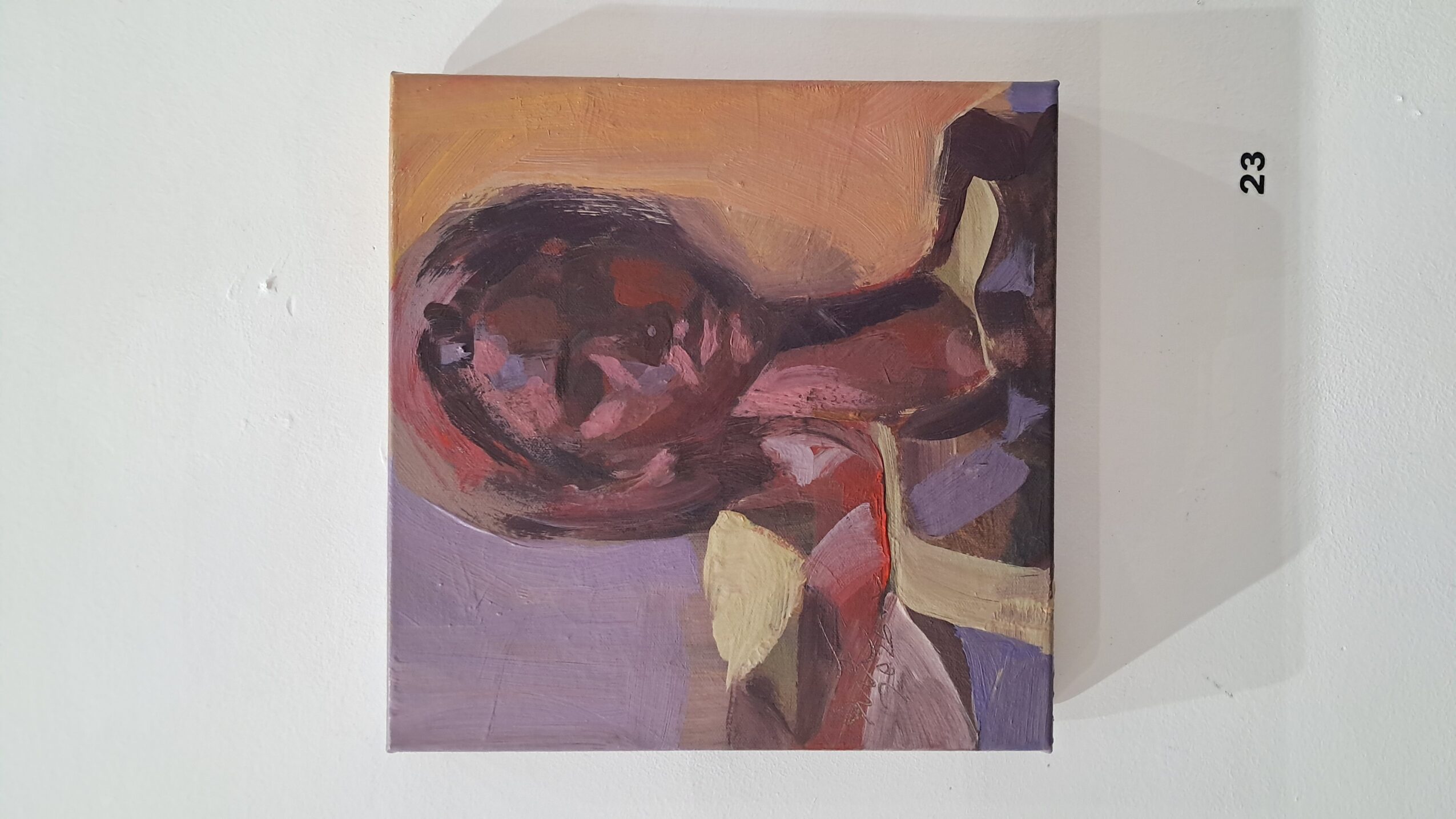
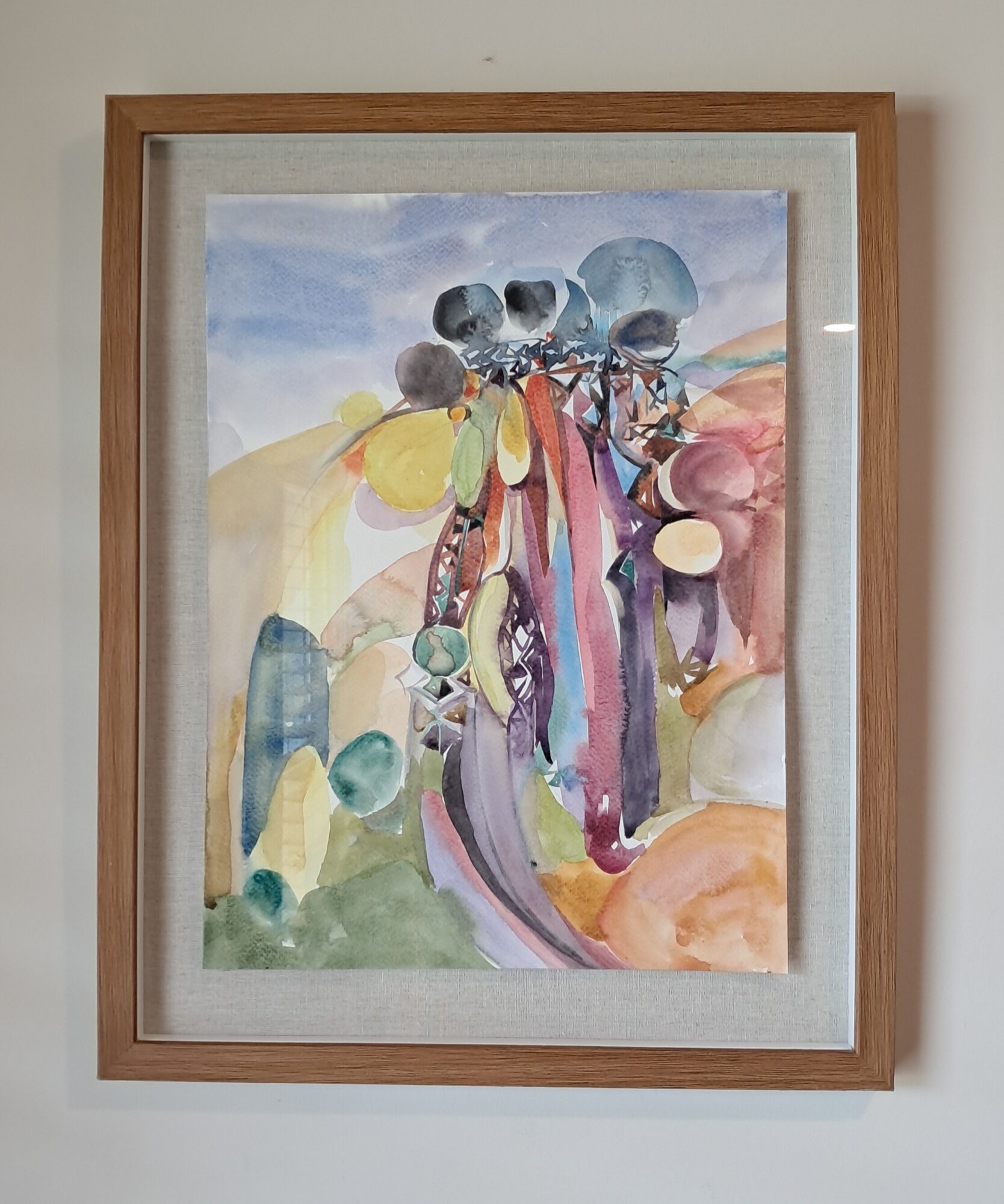
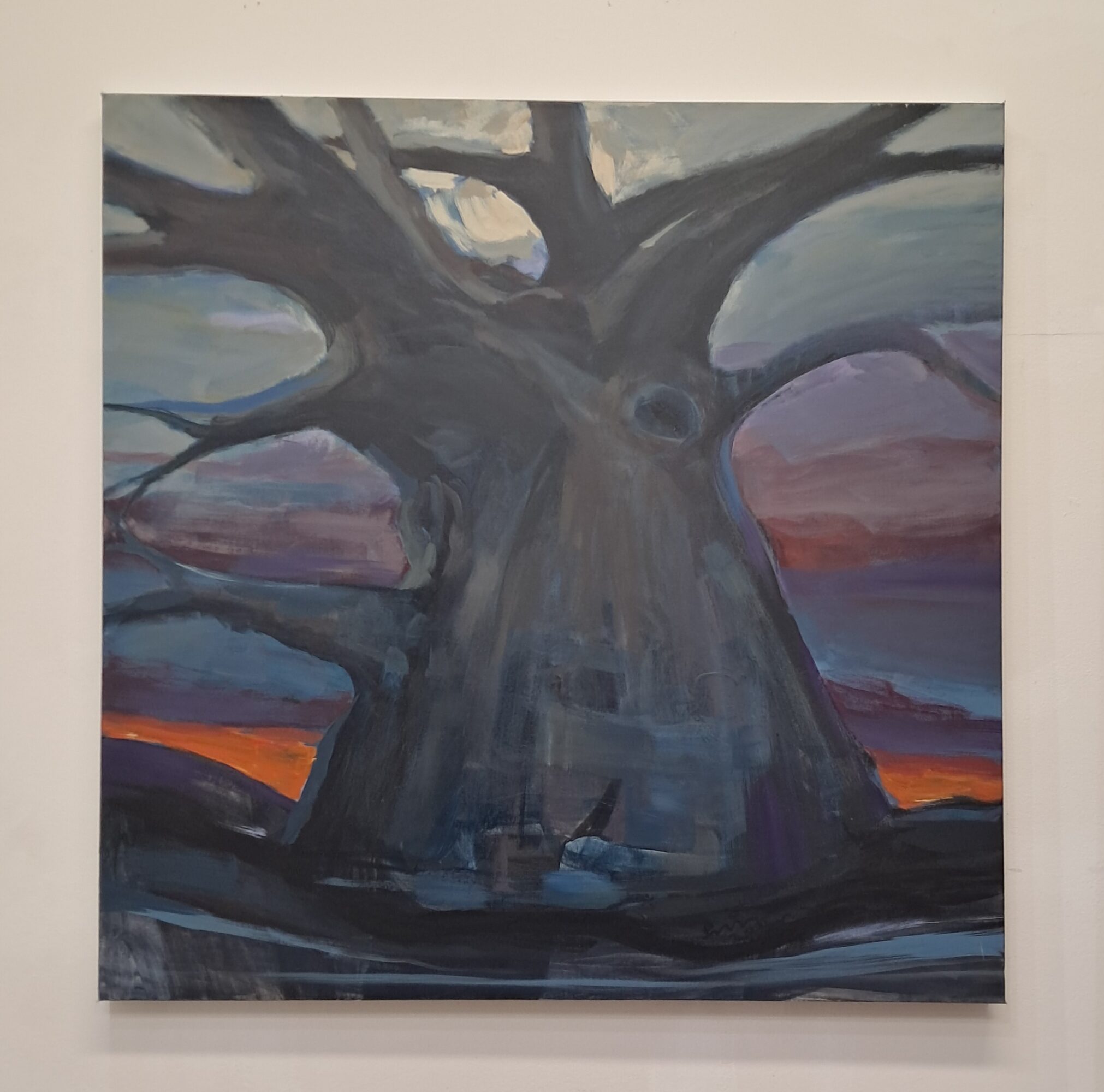
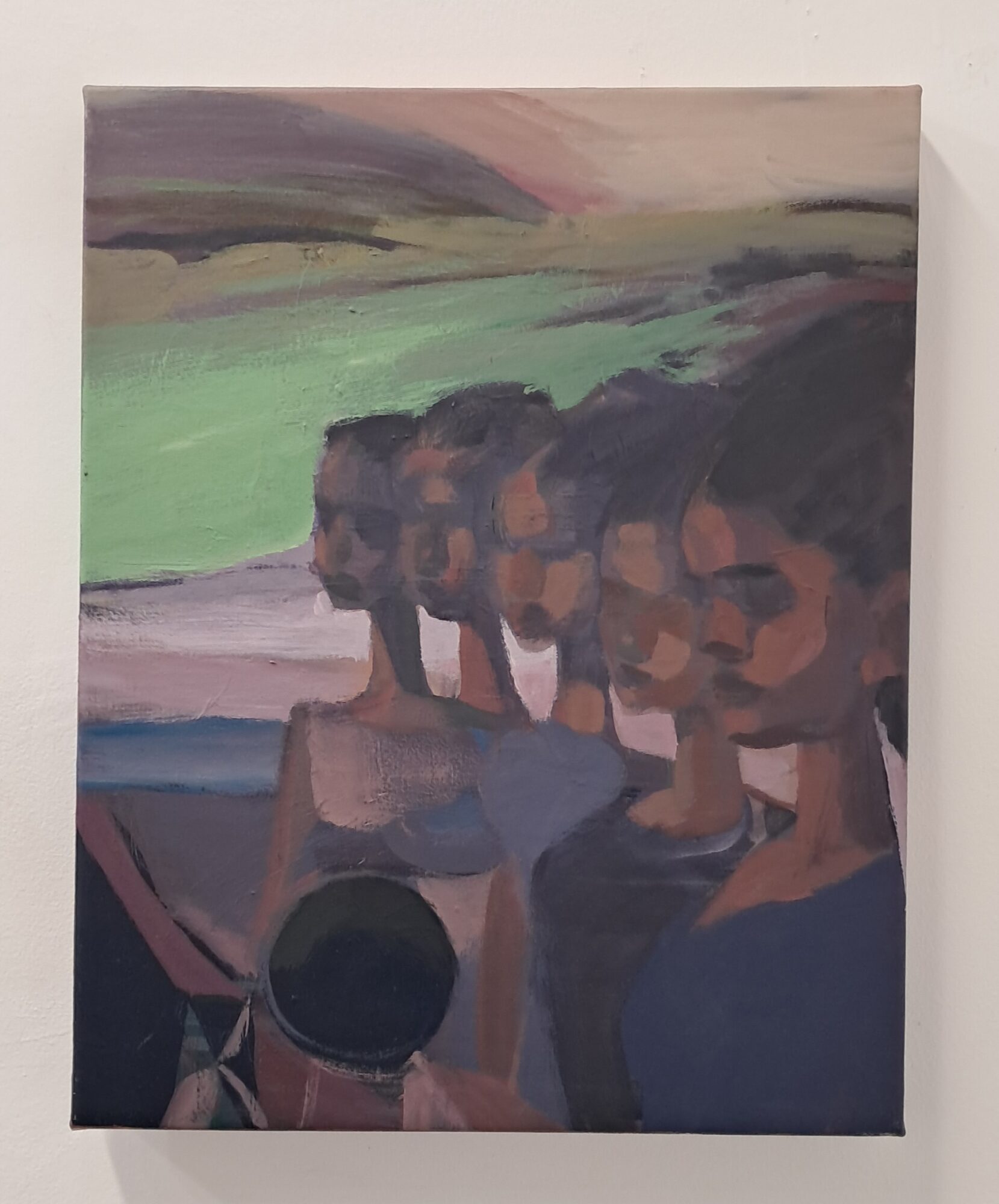
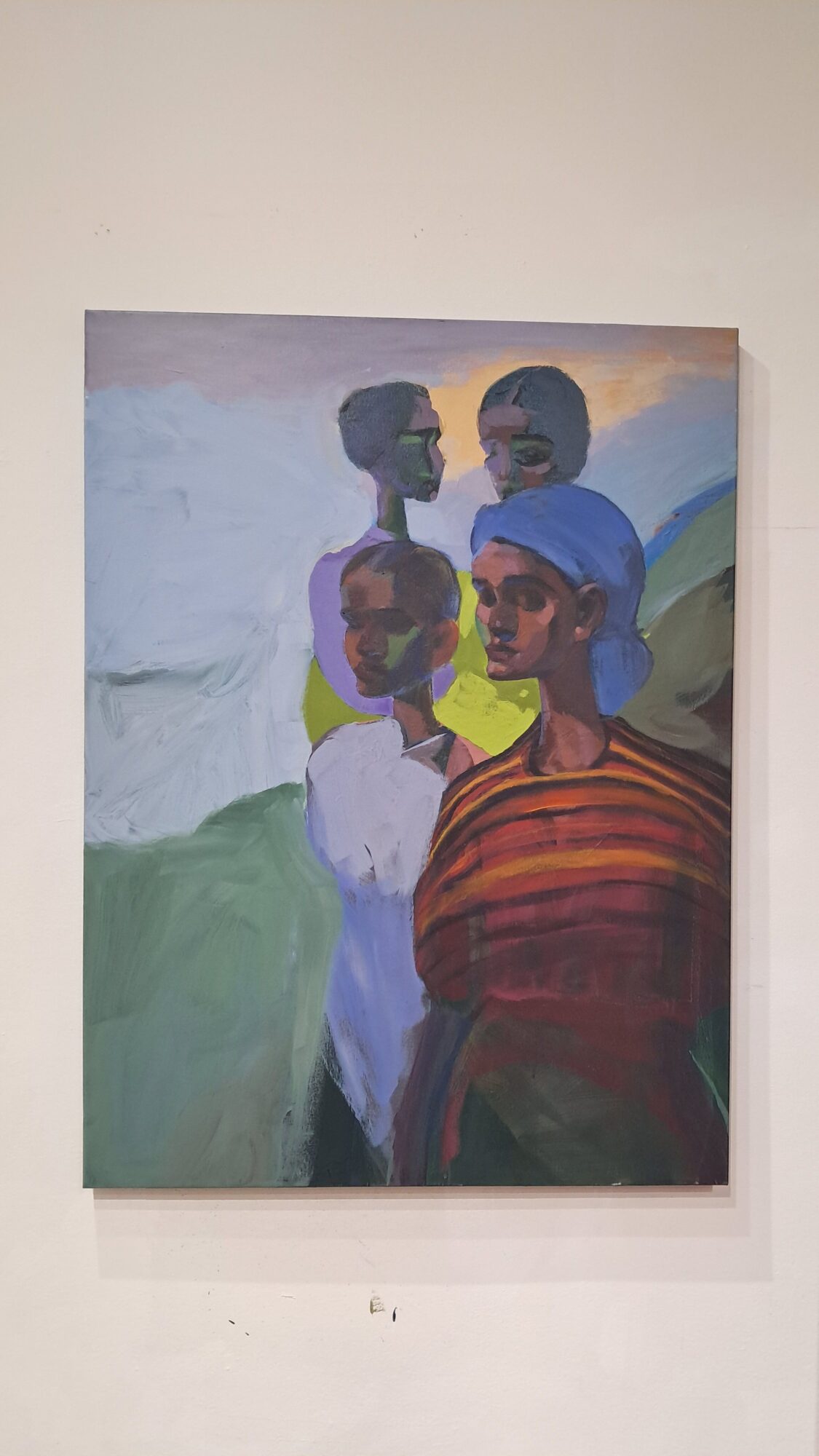
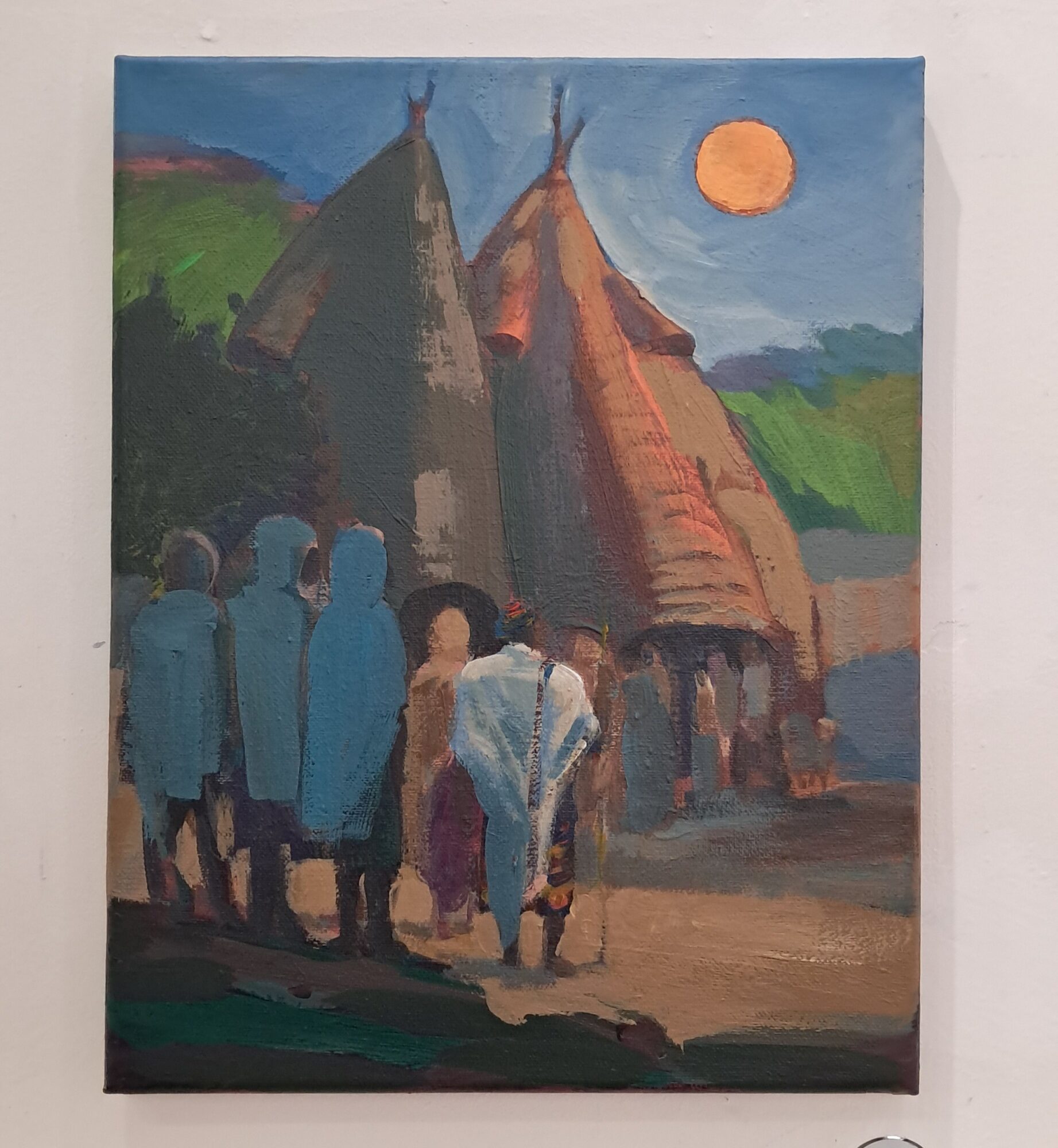
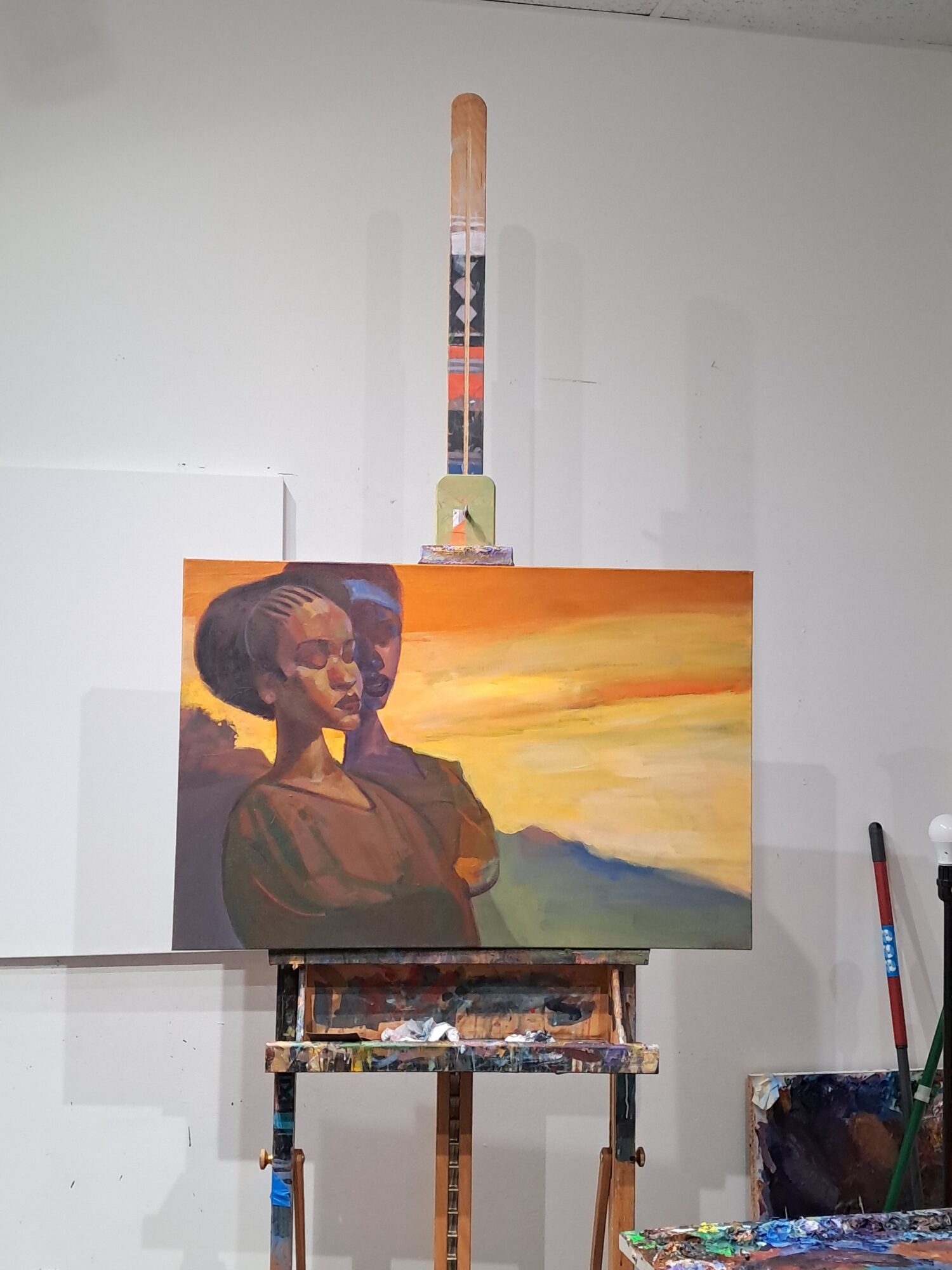
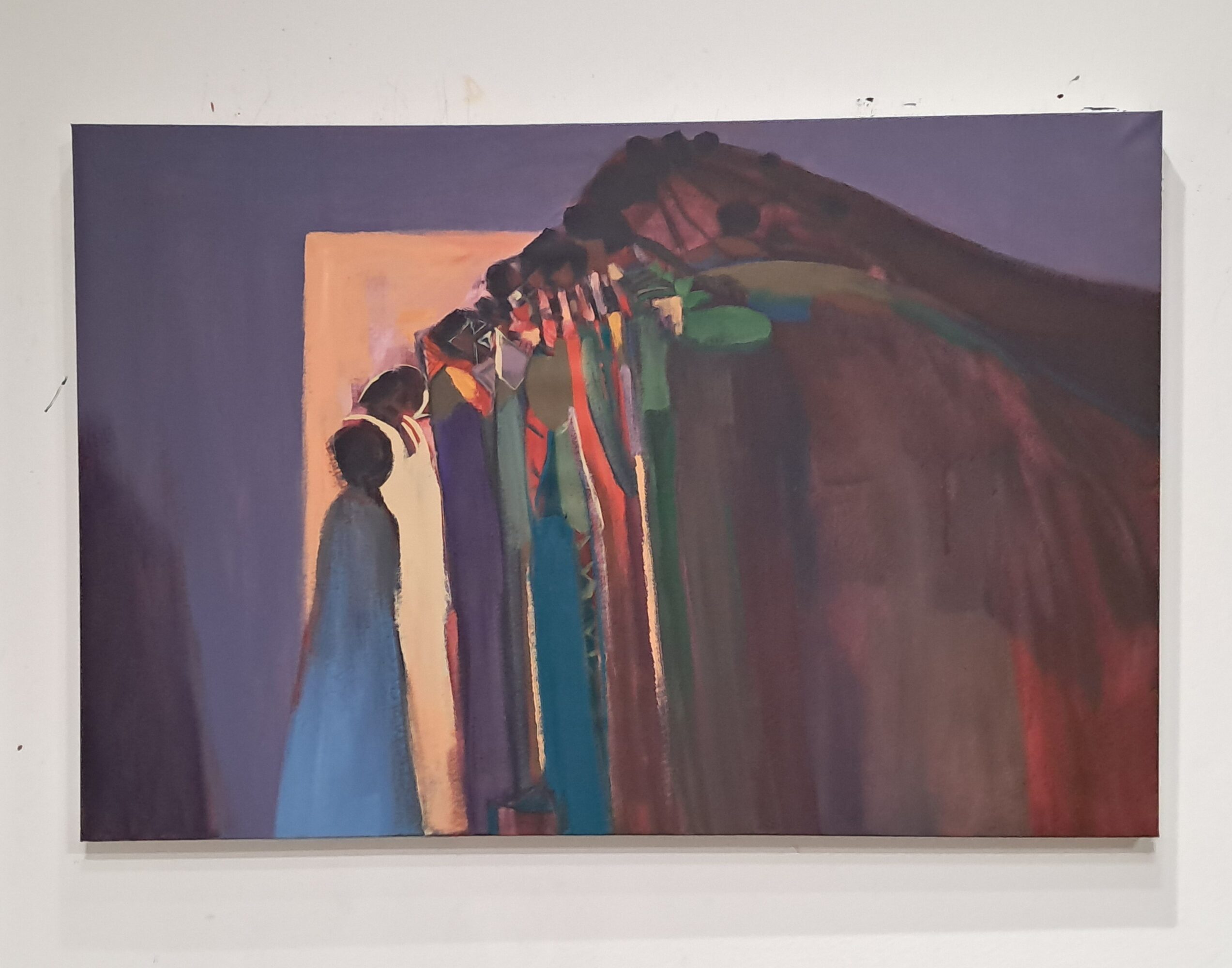
In the early stages of my career, I focused heavily on landscapes inspired by the mountainous regions of Ethiopia. Over time, however, my work evolved into a more personal exploration of the relationship between the human psyche and the natural world. Today, my paintings often combine figurative elements, especially portraits of women with landscapes, abstraction, layered colors, and expressive brushwork. I am interested in creating spaces that exist somewhere between reality, memory, emotion, and imagination.
Looking back at my life, I have also begun to understand how my personal history may have influenced my artistic practice. As a child, my parents divorced, and I grew up without a strong father figure in my daily life. My mother and sisters became some of the most important people in my life. Along with my brothers, they worked hard to support our family and help raise and protect my younger siblings and me.
Today, when I look back at my paintings, I notice something I did not consciously plan: there are very few male figures in my work. Whenever I use the human figure, I am often drawn to representing women. I believe this may come from my subconscious and my early experiences. The women in my life, especially my mother and sisters, were my protectors, caregivers, and sources of strength. Their presence may have quietly shaped the visual language of my work. Over time, I have come to realize that painting can sometimes reveal parts of our personal history, memory, and emotional life before we fully understand them ourselves.
My work has been exhibited in numerous local and international exhibitions, including at the National Museum of Ethiopia. In 2016, I relocated to the United States, which opened a new chapter in both my life and artistic journey. Starting over in a new country came with many challenges, but it also brought new experiences, communities, and opportunities.
Alongside maintaining my studio practice, I discovered another important part of my journey: teaching. Since 2019, I have worked as an art instructor, teaching drawing, watercolor, and acrylic painting to people of different ages and backgrounds, including seniors and young artists. Teaching has become deeply meaningful to me because I enjoy helping others discover their creativity and develop confidence in their own artistic voices.
I am also excited to begin a new chapter in my teaching career with upcoming classes at The Yellow Barn Studio & Gallery in Glen Echo, Maryland. This fall, I will be teaching Basic Painting as well as The Language of Acrylic Painting, where students will have the opportunity to explore painting fundamentals, color, layering, technique, and personal expression.
Today, I continue to grow as both an artist and educator. My journey has not always been easy, but every experience, from my childhood and early years in Ethiopia to building a new life and career in the United States, has shaped who I am and continues to influence the work I create. I see my artistic journey as an ongoing process of exploration, learning, and finding new ways to connect personal experience, culture, nature, memory, and the human spirit through painting.
I’m sure it wasn’t obstacle-free, but would you say the journey has been fairly smooth so far?
No, it has definitely not been a smooth road. My journey has included many challenges, but those challenges have also taught me resilience and shaped the artist I am today.
After graduation, along with close friends, I became one of the founders of Nubia Visual Art Studio. One of my fellow founders was Merikokeb Berhanu, who later became my wife. We decided to rent a space where we could practice our art, build a creative community, and try to sell our work. In the beginning, we had very little money, and we even sold some of the graduation gifts we had received to help pay the rent.
Slowly, our hard work began to pay off. Our artwork started selling through local galleries, and eventually customers began coming directly to our studio. Even during difficult times, when we struggled to make the rent on time, our landlords were understanding and supportive. Their patience and encouragement gave us the opportunity to keep going.
Looking back, those experiences taught me resilience, resourcefulness, and the importance of believing in your work even when circumstances are difficult. Building Nubia Visual Art Studio with my friends, and eventually sharing that journey with Merikokeb, who later became my wife, we now have a brilliant 13 years old daughter, she will turn 14 on September, was an important chapter in both my artistic and personal life.
Appreciate you sharing that. What else should we know about what you do?
There is also a funny experience I remember from our shared studio. We had hired a young woman to help us with cleaning and cooking. One morning, I was alone in the studio, painting in my room. I was completely absorbed in my work when suddenly there was a very loud knock on my door.
I was startled. I opened the door, probably looking a little shocked, and I was actually sweating because I had been concentrating so intensely on my painting. I was still holding my paintbrush in one hand. The woman looked at me and quickly asked, “May I help you?”
At that moment, I was so caught off guard that I didn’t really know what to say. I simply said, “No, thank you,” and closed the door.
A little later, when I had calmed down and thought about what had happened, I started laughing to myself. I thought, What if I had simply said yes? What would she have done? It was such a small and unexpected moment, but it has stayed in my memory as one of those funny experiences from our early studio days.
Can you share something surprising about yourself?
One thing that might surprise people who know my work is that, a long time ago, I painted a religious painting for my mother. She wanted to give it to a church in the countryside where she grew up. We delivered the painting shortly before a holiday, and when I returned to the church during the holiday, I had an experience I will never forget.
I saw many people bowing down in front of the painting. In Ethiopia, this is a familiar and meaningful practice in churches, so the act itself was not strange to me. I had seen it many times before. But seeing people bowing in front of something I had personally painted created a completely different feeling in me. It was both surprising and deeply emotional.
As an artist, you usually think about your painting as something you create and then share with others. But in that moment, I realized that a painting can take on a meaning far beyond what the artist originally imagined. It had become part of the spiritual and communal experience of that church.
That experience stayed with me because it made me think differently about the relationship between the artist, the artwork, and the people who receive it. Sometimes, once a painting leaves your hands, it develops a life of its own.
Contact Info:
- Instagram: Studiodereje