



Today we’d like to introduce you to Leah Forney.
Leah, we appreciate you taking the time to share your story with us today. Where does your story begin?
My story is deeply personal, and in many ways, the work I do today has been shaped by both my lived experience and my professional journey.
I am a survivor of sexual and domestic violence. That experience is part of what ultimately led me into a career addressing gender-based violence and working to create safer, more responsive systems for survivors. Over the years, much of my work has focused specifically on survivors of color and helping professionals understand the importance of cultural responsiveness when supporting people whose identities, communities, and lived experiences shape how they experience violence, seek help, and navigate systems.
As I began teaching cultural responsiveness within the gender-based violence field, I realized that the principles I was teaching had implications far beyond survivor services.
I was helping people understand that being culturally responsive requires more than knowing facts about someone’s identity. It requires us to examine ourselves. Our assumptions. Our biases. The environments we create. The way power operates. The way people experience our organizations and institutions. Most importantly, it requires us to be willing to change our practices when they are not serving the people in front of us.
That work became the foundation for The Culture Doctor.
What began as teaching the skill of cultural responsiveness as it relates to gender-based violence evolved into a much broader conversation about organizational culture, leadership, belonging, and how we create environments where people can truly thrive.
My lived experience also gives me a perspective that cannot be learned from a textbook. I understand what it means to navigate harm, to need systems and people to respond with humanity, and to recognize how culture can influence whether someone feels seen, believed, respected, or safe. At the same time, I have spent my career turning those lessons into practical strategies that help organizations and leaders do better.
Today, as The Culture Doctor, I help organizations look beneath the surface of their culture and ask deeper questions about what people are actually experiencing. I help leaders move beyond good intentions and toward practices that create meaningful, sustainable change.
When I look at my journey, I don’t see my work in gender-based violence and my work as The Culture Doctor as separate chapters. The Culture Doctor grew from that work. It grew from the survivors I have had the privilege of learning from and serving, particularly survivors of color. It grew from years of teaching cultural responsiveness. And yes, it grew from my own story of survival.
What began as deeply personal work has become my life’s work: helping people and organizations build cultures where people feel seen, valued, respected, and safe enough to thrive.
Alright, so let’s dig a little deeper into the story – has it been an easy path overall and if not, what were the challenges you’ve had to overcome?
No, it has not been a smooth road. I have had to fight to get into many of the rooms I am in, and once I got into those rooms, I often had to fight just as hard to be heard.
There is a particular experience that comes with navigating this work as a Black woman, a survivor, and a professional who is willing to challenge systems that were not designed with Black and Brown survivors in mind. I have learned that being invited into the room does not always mean your voice is valued once you get there. Sometimes you are welcomed until you begin asking the questions that make people uncomfortable. Sometimes people want your story, but they are less interested in hearing your expertise or confronting what your story reveals about the systems they have built.
One of the questions I am frequently asked is whether I am triggered by telling my survivorship story. My answer is no. I am far more triggered by the blatant disregard for Black and Brown survivors within systems that were never designed with them in mind.
That is difficult for me to witness because I know what is at stake. I know what happens when a survivor reaches out for help and the response they receive does not recognize their culture, their community, their reality, or the barriers they had to overcome just to ask for help. I know the harm that can occur when we expect survivors to fit into systems instead of asking whether our systems are truly equipped to serve them.
There have absolutely been moments of frustration, exhaustion, and disappointment along this journey. But those moments have also strengthened my resolve. I have become very clear that I am not interested in simply having a seat at the table. I want to help change what happens at the table, who gets invited to it, whose voices are believed when they speak, and whether the decisions made there actually reflect the people we say we are serving.
So no, the road has not been smooth. But every obstacle has made me more certain about why I do this work and why I will continue using my voice, even when what I have to say is uncomfortable.
Appreciate you sharing that. What else should we know about what you do?
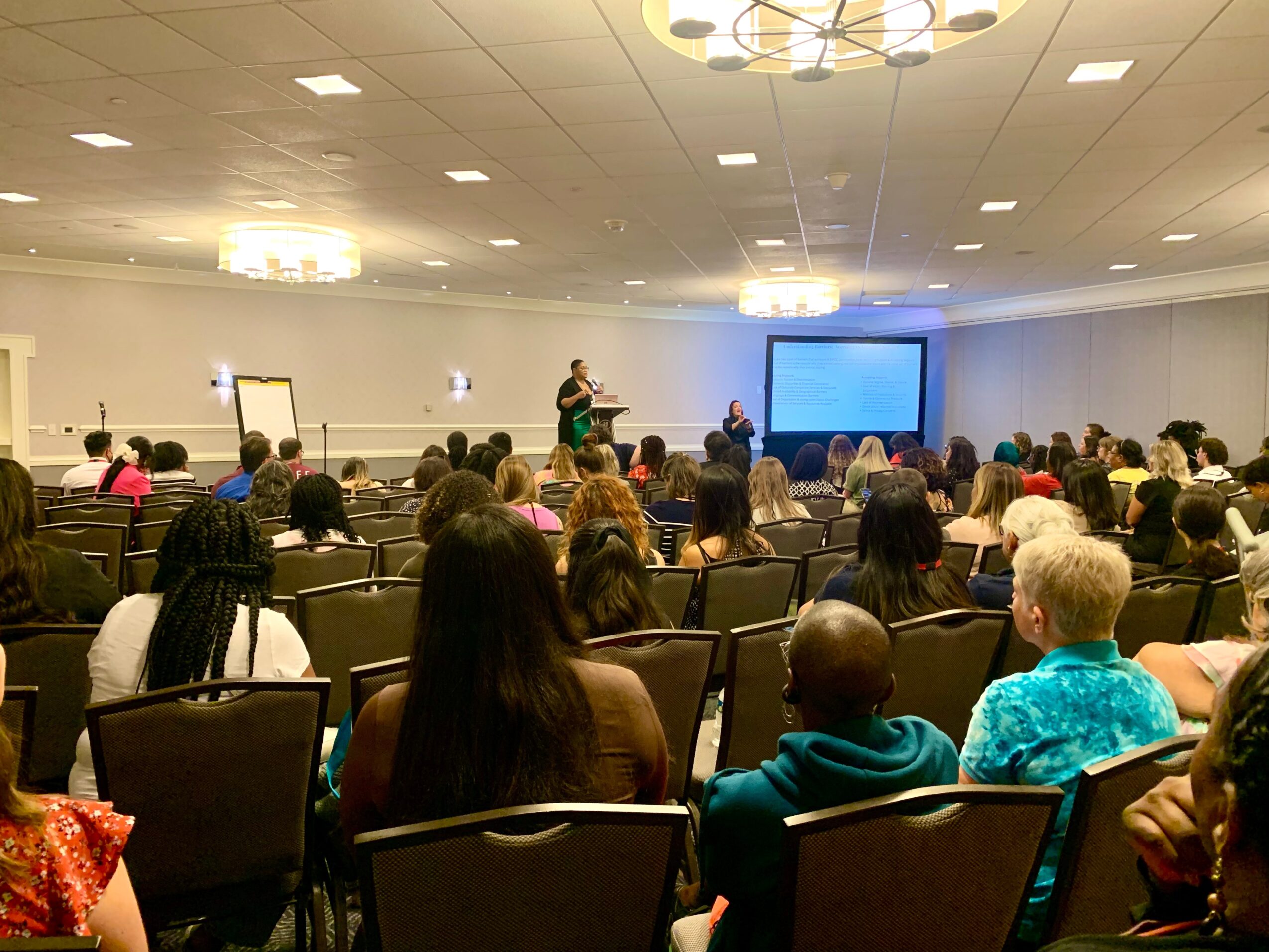
As The Culture Doctor, I provide professional development and consulting for gender-based violence organizations and institutions. My work is centered on helping organizations strengthen their cultural responsiveness so they can better serve survivors, particularly survivors from Black and Brown communities and others whose experiences have historically been overlooked or misunderstood.
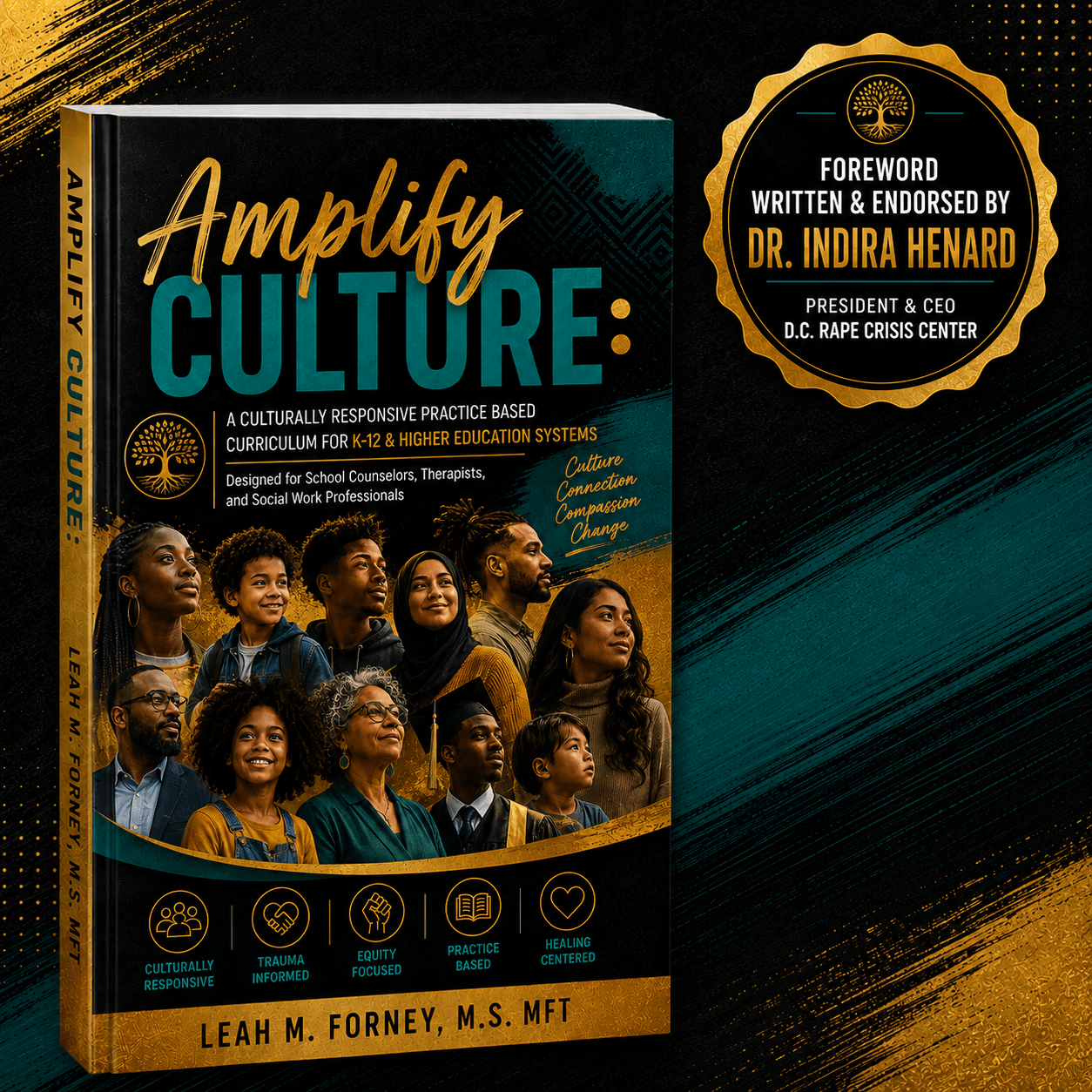
I am also the creator and developer of the Amplify Culture Curriculum and Train-the-Trainer Program. Amplify Culture was developed to move cultural responsiveness beyond a conversation or a one-time training and into an actual skill that can be learned, practiced, and embedded into the way organizations operate. Through the Train-the-Trainer model, I am able to equip others to carry this work forward, which allows the impact to extend far beyond the rooms I personally enter.
What am I known for? I would say I am known for saying the things that need to be said, asking the questions that need to be asked, and creating spaces where we can have difficult conversations without losing sight of our shared responsibility to do better.
I also like to say that I am a bit of a unicorn in this work. I bring both lived and learned expertise to the table. I am a survivor of sexual and domestic violence, and I also bring 12 years of professional experience in the gender-based violence field as an advocate and activist. I know what it means to experience these systems from more than one side. I understand what survivors need because I have been a survivor navigating my own journey, and I understand the realities and complexities of the field because I have spent more than a decade working within it.
That intersection is what sets me apart.
I am not approaching cultural responsiveness as an abstract concept or simply telling organizations what they should do. I understand the work, the people doing the work, the systems they are navigating, and the survivors those systems are supposed to serve. I can challenge organizations while also giving them practical tools to move from awareness to action.
What I am most proud of is that I have taken experiences that could have silenced me and built something that amplifies not only my voice, but the voices of others. I am proud that Amplify Culture creates opportunities for this work to live beyond me. Ultimately, I do not want cultural responsiveness to depend on whether The Culture Doctor is in the room. I want to help build organizations and develop people who know how to practice it when I am not.
What matters most to you?
People matter most to me. More specifically, I care deeply about making sure that the people who have historically been pushed to the margins are not treated as an afterthought.
Throughout my career, I have seen what happens when Black and Brown survivors are expected to navigate systems that were never designed with their experiences, cultures, or communities in mind. I have also seen the difference it makes when someone feels truly seen, heard, believed, and respected. That difference can be life-changing.
As a survivor myself, this is personal for me. As a professional who has spent more than a decade in the gender-based violence field, it is also my responsibility. I know we can do better, and I believe we have an obligation to do better.
What matters to me is not simply getting people into the room. I care about what happens once they get there. Are we listening to them? Do they have the safety to speak honestly? Do their experiences influence our decisions? Are we asking people from marginalized communities to adapt to our systems, or are we willing to examine and change our systems so they can actually serve everyone?
That is why cultural responsiveness matters so much to me. For me, it is not a buzzword, a checklist, or the training we schedule once a year. It is a practice. It is how we demonstrate through our actions that people matter.
At the end of the day, I want to leave people, organizations, and systems better than I found them. I want the survivors coming behind me, especially Black and Brown survivors, to encounter systems that see their humanity before they see a statistic, a case, or a problem to solve.
That is my why. I do this work because people deserve more than access to services. They deserve to be seen, valued, respected, and supported in the fullness of who they are.
Contact Info:
- Website: https://leahmforney.com
- Instagram: https://www.instagram.com/leah.m.forney/
- Facebook: https://www.facebook.com/authorleahmforney
- LinkedIn: https://www.linkedin.com/in/leah-m-forney/
- Other: https://www.tiktok.com/@leahmforney