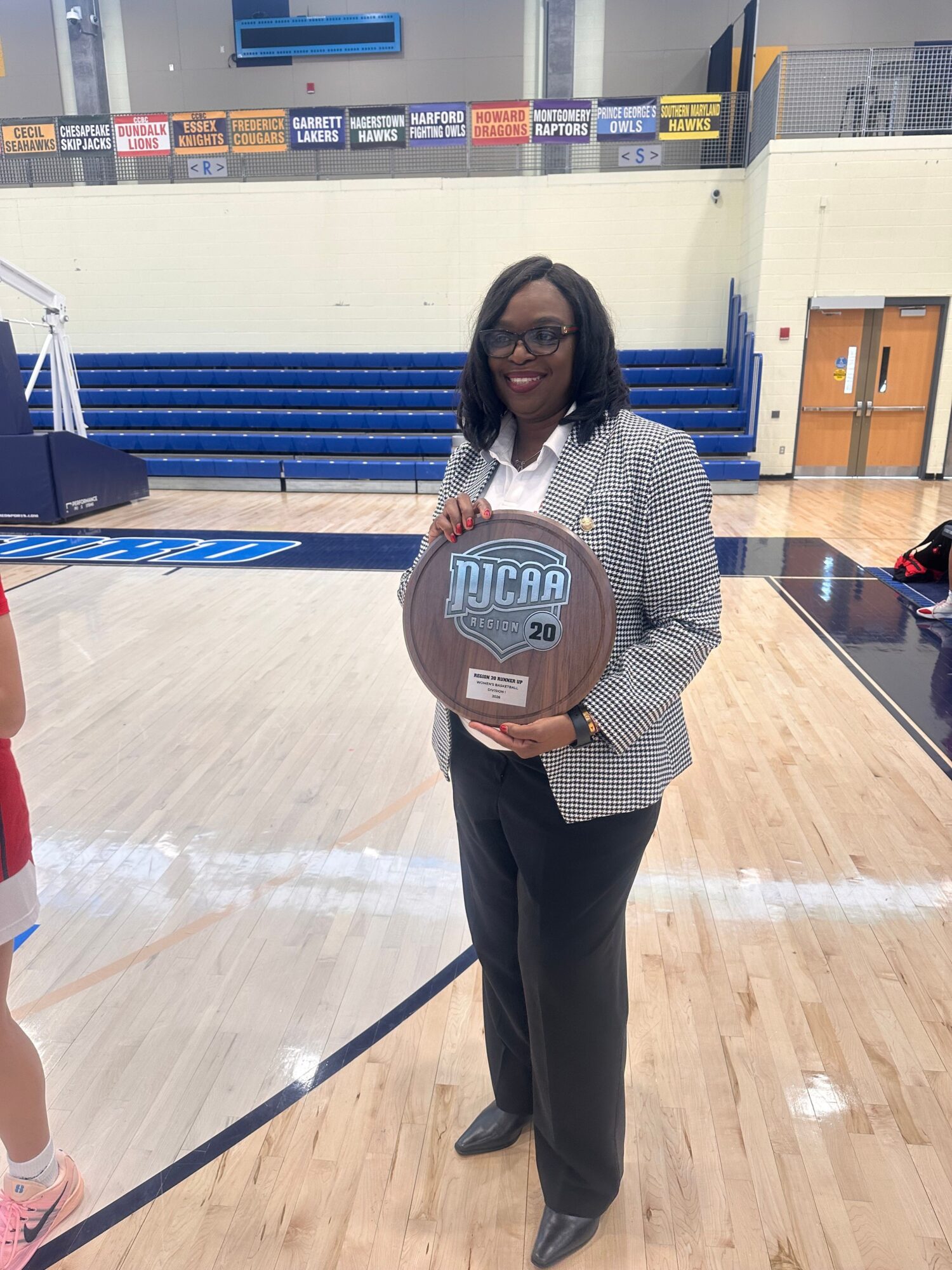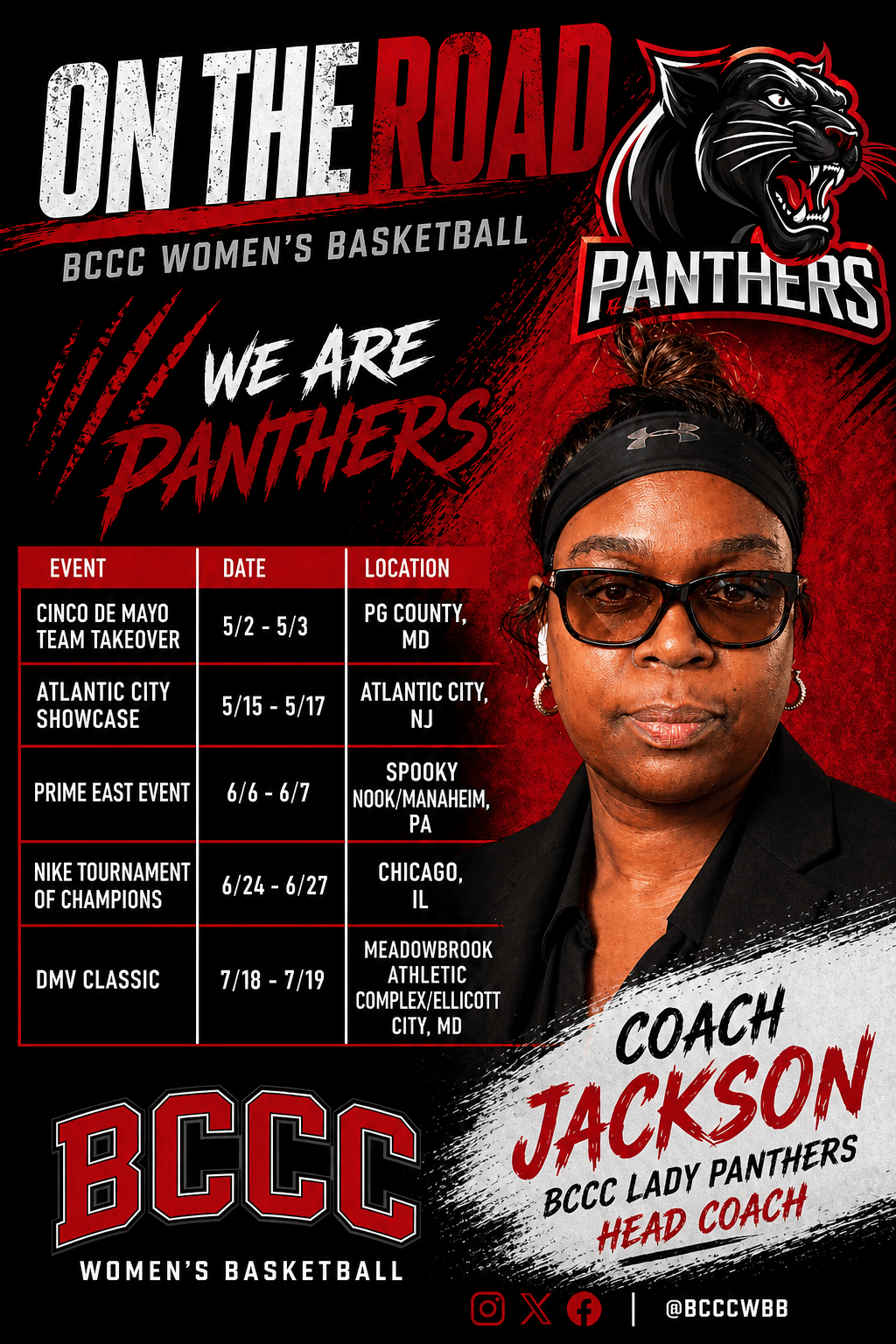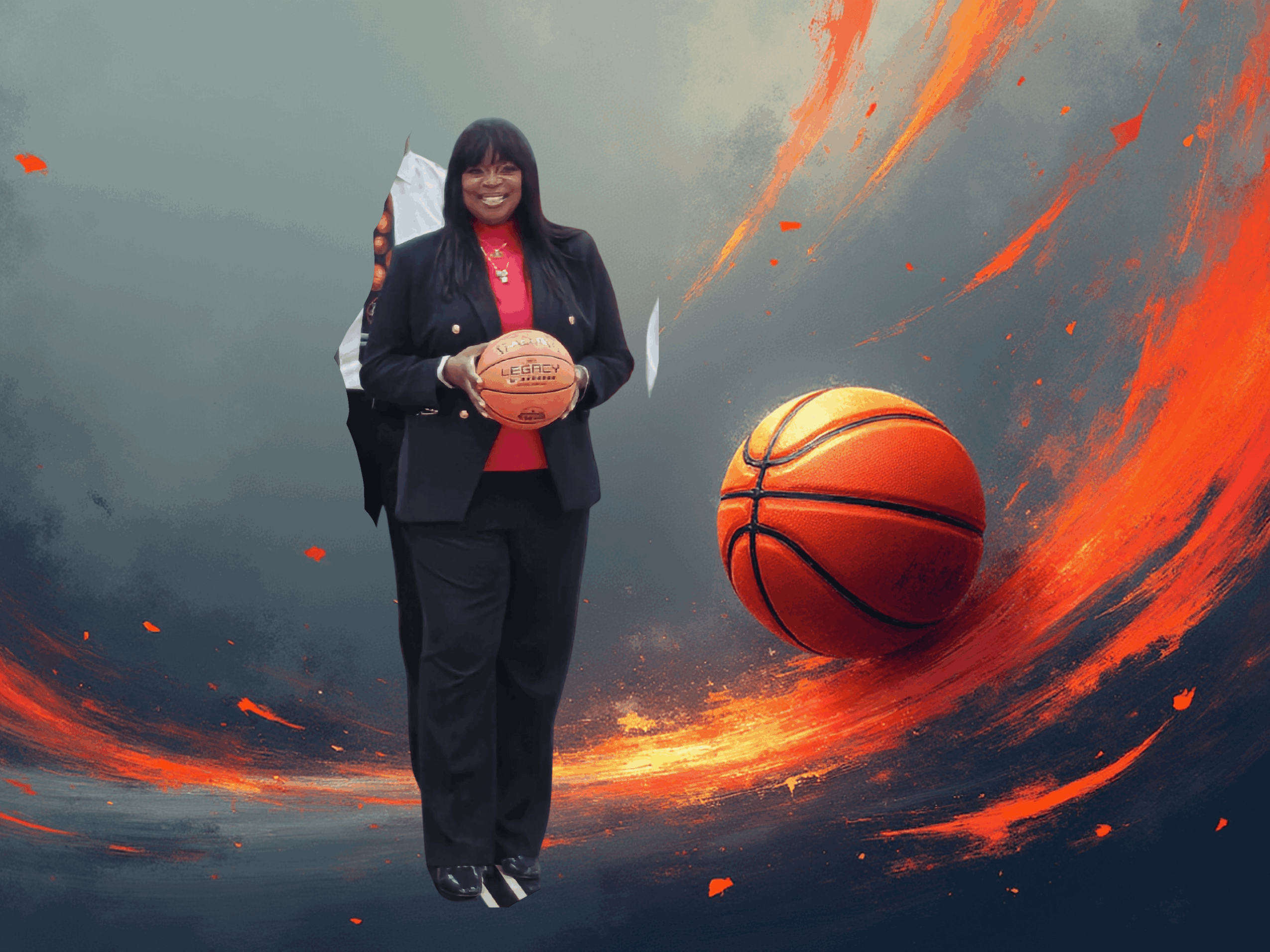




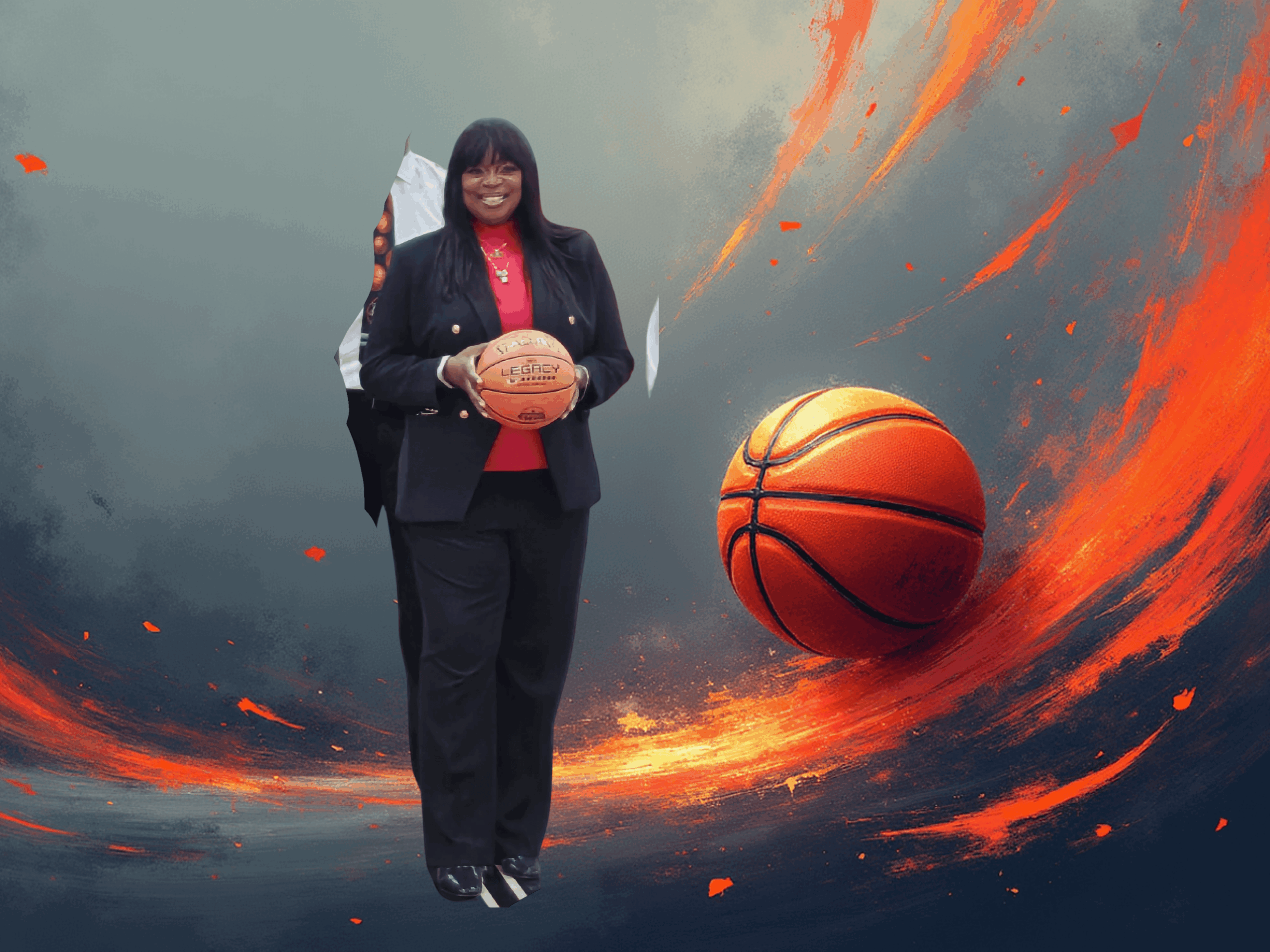
Today we’d like to introduce you to Rhonda Jackson.
Hi Rhonda, can you start by introducing yourself? We’d love to learn more about how you got to where you are today?
My story didn’t begin with a business plan, a coaching title, or even a clear picture of what I would eventually become. It began with a journey.
I grew up in a large family of eight siblings, and much of my childhood was shaped by being raised first by my great-aunt and later by my mother, who raised us as a single parent. Those experiences exposed me early to responsibility, sacrifice, resilience, and the importance of strong women who keep moving forward even when life does not give them an easy path. Looking back, I can see that many of the qualities that define me today- discipline, adaptability, leadership, perseverance, and the ability to keep going were being developed long before I knew how important they would become.
Basketball became another important part of that foundation. Interestingly, I didn’t grow up with a master plan to make basketball my career. When I went to college, I wasn’t even planning to play. My coach approached me about playing, and that decision became one of those moments in life that seems small when it happens but ultimately changes the direction of your journey. I played at Minneapolis Technical College and later a short term at Augsburg College.
But my life did not follow a straight line from player to coach. I became a mother, built a career in corporate America, continued my education, became an entrepreneur, and eventually found my way back to basketball in a much deeper way. Professionally, I built a career in financial systems and operations, working for organizations including Ceridian, NorthgateArinso, Trinity Washington University, and Marriott International. That world taught me systems, accountability, leadership, problem-solving, communication, and how organizations really work. I didn’t realize it at the time, but those lessons would eventually influence how I coach, lead teams, and build businesses.
My coaching journey was equally unconventional. I started at the grassroots level. I coached church and recreation basketball, moved into AAU and travel basketball, developed my own programs, and worked with both boys and girls. I founded Saturday Basketball School (SBS) pre-COVID and spent years developing young athletes. Eventually, that journey led me into collegiate coaching.
The higher I moved in basketball, however, the clearer something became to me: “I could not care more about the game than I cared about the player.” Basketball is the vehicle, but developing young women is the assignment.
That realization changed the way I saw coaching. I wasn’t simply preparing young women for the next game, the next season, or even the next level of basketball. I was helping prepare them for adulthood, for difficult decisions, disappointment, responsibility, confidence, education, careers, relationships, leadership, and all of the things life would demand from them when there was no scoreboard and no coach standing on the sideline.
My collegiate coaching journey included several years at Montgomery College, where I also served as a Student Academic Support Coordinator, and later at Trinity Washington University. Each experience helped shape my philosophy and prepared me for the opportunity to become the Head Women’s Basketball Coach at Baltimore City Community College.
Becoming a head coach is significant, but the title isn’t the destination. It has given me a larger platform to do what I believe I was called to do. At BCCC, I am building more than a basketball program. I want young women to understand that where they start does not have to determine where they finish. We talk about discipline, accountability, education, resilience, and becoming prepared for life beyond basketball. My philosophy is simple: “I cultivate the state of mind of a champion.”
My educational journey has continued alongside my professional journey. I became a first-generation college graduate and continued pursuing education while working, coaching, raising my son, and building businesses. I earned my degrees in liberal Arts, finance, and entrepreneurship, received an honorary doctorate, and I am currently pursuing my Master of Science in Management. Education has reinforced something I constantly tell young people: “Your timeline does not disqualify you. You can continue becoming.”
Entrepreneurship became another extension of that philosophy. Over the years, I created businesses, programs, books, workshops, and educational resources. Some succeeded, some evolved, and some taught me what I needed to know for the next chapter. Eventually, I realized that these weren’t separate projects. Coaching, entrepreneurship, education, writing, speaking, corporate leadership, and my personal experiences were all connected.
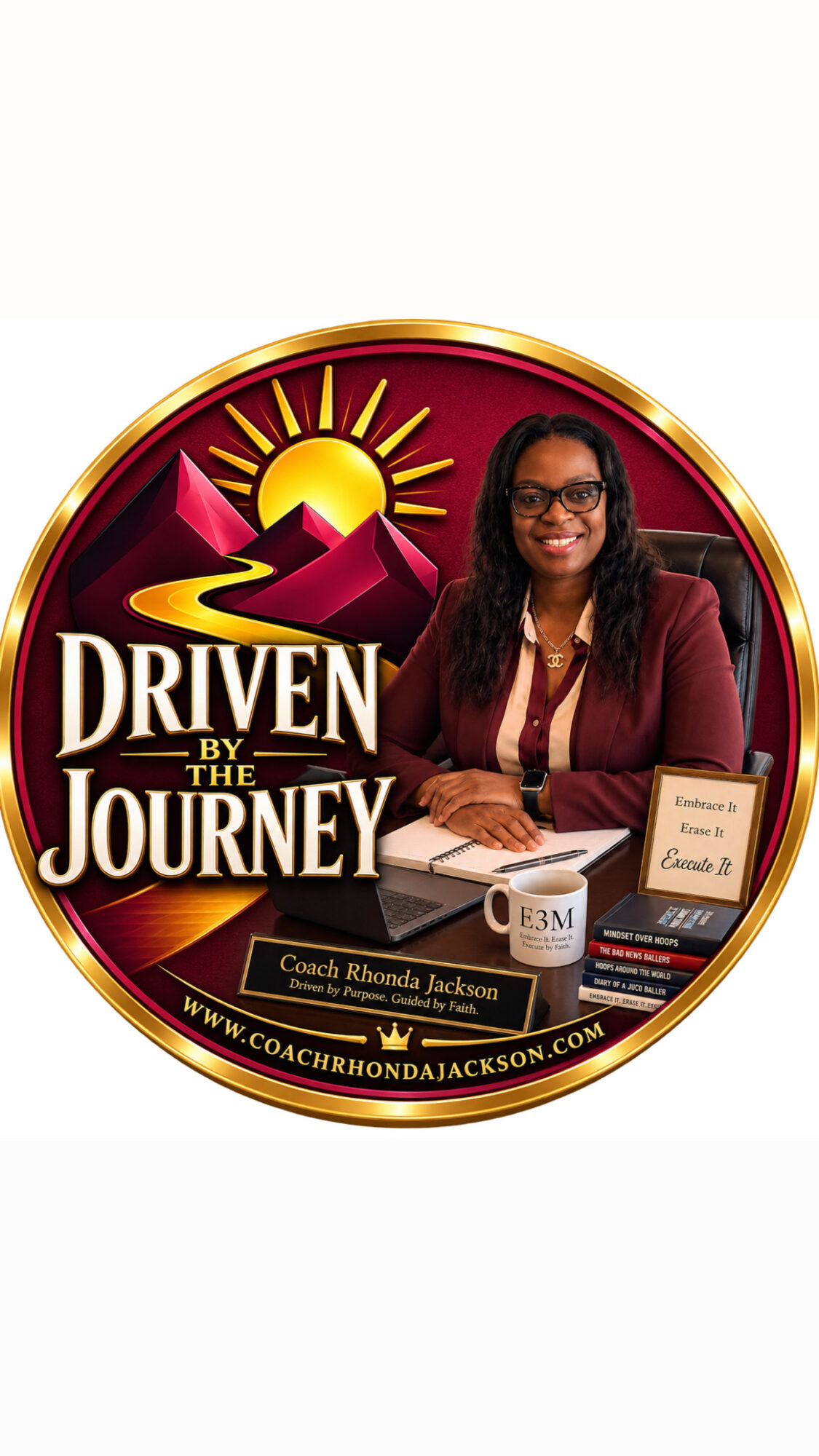
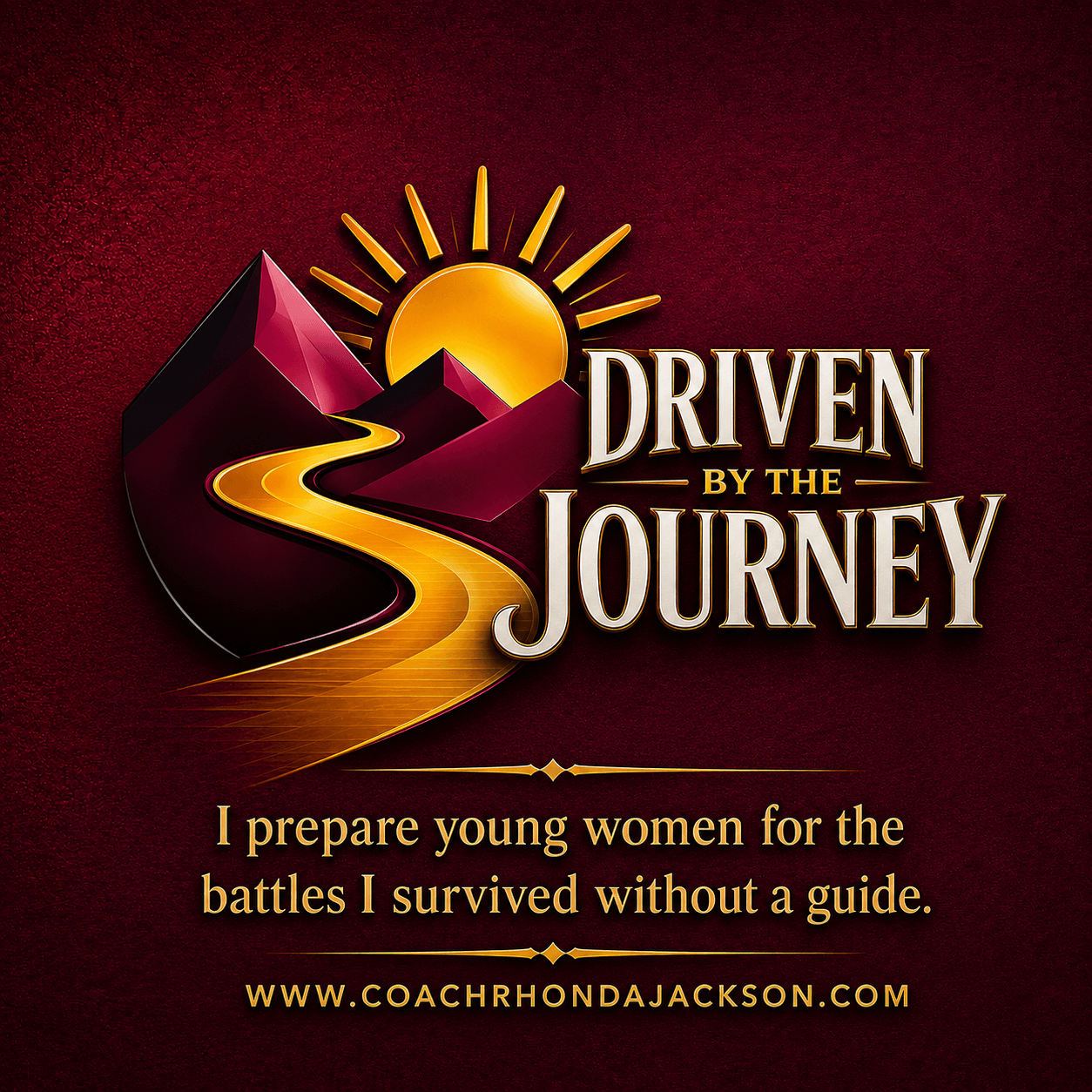
That realization became Driven By The Journey (DBJ). Driven By The Journey represents one of the biggest lessons of my life: the experiences we sometimes wish we could erase may actually contain the information we need to become who we are supposed to be.
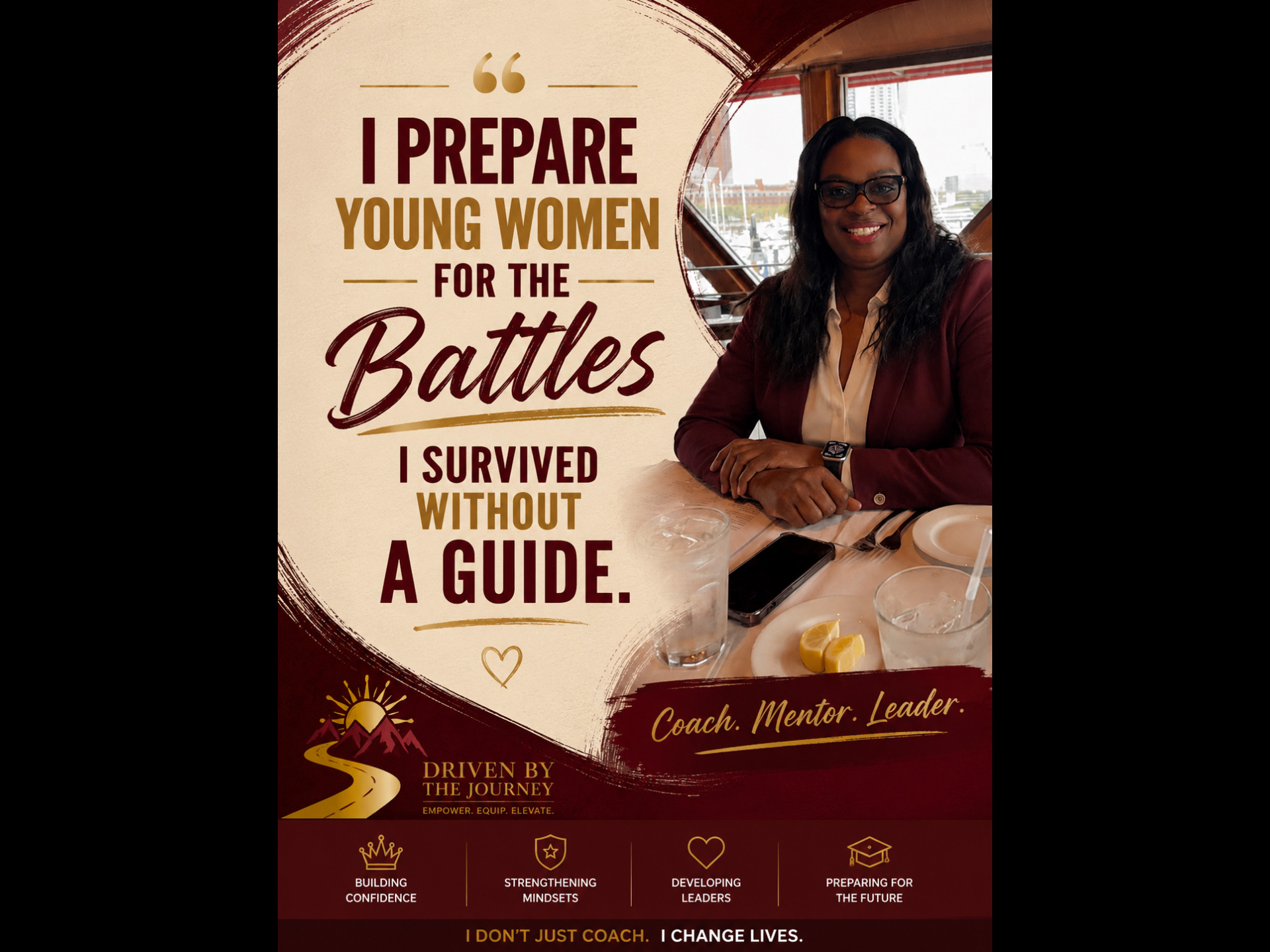
My DBJ philosophy is captured in one statement that has become deeply personal to me: “I prepare young women for the battles I survived without a guide.”
I know what it feels like to have ability and still need direction. I know what it means to carry multiple responsibilities, reinvent yourself, walk into spaces where you may not see many people who look like you, and continue building even when the path isn’t obvious.
Instead of allowing those experiences to remain simply part of my past, I decided to turn them into resources for someone else’s future.
Today, Driven By The Journey is becoming the umbrella for that work. Through coaching, speaking, books, workshops, curriculum, and programs such as E3M: Embrace It. Erase It. Execute It. I am creating tools designed to help young women, student-athletes, and emerging professionals develop the mindset, structure, and confidence to move through life’s transitions successfully.
When I look back now, I don’t see a collection of unrelated careers. I see one journey. The athlete taught the coach. The mother strengthened the leader. Corporate America developed the systems thinker. Entrepreneurship developed the builder. Education developed the student in me. Adversity developed resilience. Coaching gave me a platform. And my faith gave all of it purpose.
I am still on that journey. Today I am a college head coach, corporate professional, entrepreneur, author, speaker, and mentor, but those are titles. The work underneath the titles is what matters most to me.
I want the young women coming behind me to have something I didn’t always have: a guide. This is why I coach. This is why I teach. This is why I write. And ultimately, this is why I created Driven By The Journey.
We all face challenges, but looking back would you describe it as a relatively smooth road?
No, my coaching journey has definitely not been smooth, but I believe the difficult parts have shaped the coach and leader I am today.
One of my earliest challenges was establishing myself. I wasn’t originally from Maryland or Baltimore, so when I began building my coaching career in this area, I didn’t have the relationships, history, or network that many people who had grown up in the local basketball community already had. I had to earn my way into rooms where other people already knew one another.
That meant being intentional. I worked showcases throughout the East Coast, coached at camps and events, attended high school games and tournaments, introduced myself to coaches, built relationships with programs, and learned the basketball landscape. I had to network even when networking was uncomfortable. More importantly, I learned that relationships in this industry aren’t built by collecting contacts. They are built through consistency, credibility, collaboration, and trust.
Trust has probably been one of the greatest lessons of my journey: learning who to trust, learning how to build trust with others, and understanding that collaboration requires both.
I also had to learn how to navigate the hierarchy and gatekeeping that can exist in basketball. Like many industries, there are established circles, relationships, and unwritten rules about who gets access, who gets recommended, who is considered ready, and who is given an opportunity. Sometimes talent and preparation alone don’t open the door. Someone may already know someone. Someone may have coached with someone. Someone may belong to a particular basketball circle. When you’re outside of those networks, you have to find another way to establish credibility.
Being a Black woman has added another layer to that experience.
There have been times when I have had to navigate being underestimated, overlooked, questioned, or expected to prove myself differently. Black women often have to think about how we communicate, how assertive we can be, how our confidence will be interpreted, and whether the same leadership characteristics celebrated in someone else will be perceived differently when they come from us.
As a woman coaching basketball, particularly as I moved into higher levels of the game, I also became increasingly aware of how few women, and especially Black women, occupy certain leadership and decision-making spaces.
I could have allowed those realities to make me bitter. Instead, they made me intentional.
I learned I couldn’t control every room I was invited into, but I could control how prepared I was when the opportunity came. I could continue learning. I could keep showing up. I could build genuine relationships. I could support other coaches. I could create my own programs. I could develop athletes. And most importantly, I could make sure that when someone finally gave me an opportunity, my work demonstrated that I belonged there.
I also faced personal challenges along the way. I was building a coaching career while working in corporate America, continuing my education, raising my son, developing businesses, and managing the responsibilities of everyday life. There were seasons when I carried several identities and responsibilities simultaneously, requiring sacrifice, organization, and resilience.
But those experiences are also why I understand many of the young women I coach today.
Their lives aren’t always simple either. Some are balancing academics, athletics, jobs, family responsibilities, financial pressures and personal challenges. My experiences have taught me not to lower expectations because someone is facing adversity, but to understand the whole person while helping them develop the discipline and tools necessary to meet those expectations.
Every challenge along my journey has reinforced something I believe deeply: access may not always be given to you, but you can continue preparing yourself for the opportunity.
Eventually, the woman who once had to work showcases, introduce herself, build relationships, and establish credibility in an unfamiliar basketball community became the Head Women’s Basketball Coach at Baltimore City Community College.
That doesn’t mean the challenges disappeared. It means I learned to navigate them without letting them define me. And now that I have a seat at the table, part of my responsibility is to make sure I am not simply enjoying the seat. I want to use my position to create opportunities, build relationships, and prepare the next generation of young women to walk into spaces that may not have originally been designed with them in mind.
That is another reason Driven By The Journey means so much to me. The obstacles weren’t interruptions to my journey. In many ways, they became part of the education that prepared me for what I am doing today.
Appreciate you sharing that. What else should we know about what you do?
My work exists at the intersection of coaching, education, leadership development, entrepreneurship, and personal transformation. While I wear several professional hats, the common thread is developing people, particularly young women, and helping them become prepared for opportunities both on and off the court. I currently serve as the Head Women’s Basketball Coach at Baltimore City Community College. I take that responsibility very seriously because I don’t see myself as simply coaching basketball players. I am developing young women.
Basketball allows me to teach discipline, accountability, communication, resilience, leadership, teamwork, and decision-making in real time. Wins matter. Championships matter. Player development matters. Academics matter. But I also understand that eventually the basketball will stop bouncing. My responsibility is to help prepare my student-athletes for who they will be when that day comes.
That coaching philosophy is reflected in something I often say: “I cannot care for the game more than I care for the player.”
I believe you can maintain high expectations while still understanding the person standing in front of you. Many student-athletes are carrying responsibilities that aren’t visible when they walk into the gym. They may be managing academics, employment, family responsibilities, financial pressures and the transition into adulthood while also being expected to perform athletically. Understanding those realities doesn’t mean lowering the standard. It means giving young people the tools, structure, accountability and support necessary to reach it.
I specialize in building those systems.
My career as a financial systems professional in corporate America has heavily influenced my leadership. My professional background taught me to analyze problems, create processes, identify gaps, manage projects, and build systems that help people and organizations perform more effectively. I bring that same systems mindset into coaching, entrepreneurship, and leadership development.
I am also an entrepreneur, author, and speaker. Writing has become another important way for me to teach, encourage, and extend my impact beyond the basketball court. My basketball-related books include Basketball Dreams: From Basics to Brilliance, The Bad News Ballers, and Hoops Around the World Coloring Book. Each reaches young people through a different lens, from learning and developing through basketball to storytelling, creativity, and exploring the game’s global reach. For me, these books are not separate from my coaching; they are another way to use basketball as a vehicle for education, confidence, imagination, and personal development.
Through Driven By The Journey, I am taking the lessons I have learned through basketball, corporate America, motherhood, education, entrepreneurship, leadership, and my own life experiences and turning them into resources that can help other people navigate their journeys. Driven By The Journey is built around the belief that our experiences, even the difficult ones, can become information, strategy, and preparation for what comes next. Through books, workshops, speaking, curriculum, and educational programs, I am developing resources for student-athletes, young women, and emerging professionals navigating important transitions in their lives.
One of those frameworks is E3M: Embrace It. Erase It. Execute It. It teaches people to acknowledge where they are and what they have experienced, identify and remove the beliefs, behaviors, or barriers keeping them stuck, and take intentional action toward where they want to go.
What sets me apart is that much of what I teach isn’t theoretical. I’ve lived many of the transitions I now help other people navigate.
I have been the athlete trying to figure out what comes next. I have been the mother balancing responsibilities. I have been the professional building a career in corporate America. I have been the entrepreneur learning through successes and mistakes. I have been the student returning to education while managing work and life. I have been the coach trying to establish herself in unfamiliar spaces. And I have experienced what it means to keep reinventing yourself rather than believing that your age, circumstances, past decisions, or starting point determine where you are allowed to finish.
That’s why one statement has become central to my work: “I prepare young women for the battles I survived without a guide.”
What I am most proud of isn’t a title, degree, business, or award. I am proud when I see evidence that someone I worked with is becoming more prepared for her own life. I’m proud when a student-athlete begins believing in herself. I’m proud when a player who struggled academically starts taking ownership of her education. I’m proud when an athlete earns an opportunity to continue her education or playing career. I’m proud when a young woman learns that accountability isn’t punishment; it is preparation. And I’m proud when former players come back years later and tell me that something we worked on helped them outside of basketball. Those moments remind me why I do this work. Ultimately, I don’t want my legacy to be the number of games I won or businesses I built. I want it measured by the people who became stronger, wiser, more confident, and better prepared because our journeys crossed. Basketball may be where many people first meet Coach Jackson. But preparing people for what comes next is the work.
What matters most to you? Why?
What matters most to me is living a life of purpose and making sure that the people whose lives intersect with mine are better prepared because I was there.
My faith is at the center of that. It reminds me that the titles I hold coach, mother, entrepreneur, author, professional, speaker are responsibilities, not simply accomplishments. I believe I have been given experiences, opportunities, lessons, and even challenges that are meant to be used in service to other people.
Family matters deeply to me. Being a mother shaped how I understand responsibility, sacrifice, protection, patience, and unconditional belief in someone else’s potential. Those lessons followed me into coaching and leadership. When I work with young people, I understand that I am dealing with someone’s daughter, someone’s future leader, and a young woman who is still becoming who she is meant to be. That is why developing young women matters so much to me.
I want the young women I coach and mentor to leave me with more than basketball knowledge. I want them to know how to advocate for themselves, make difficult decisions, recover from disappointment, manage their responsibilities, understand their value, pursue education, build careers, and walk confidently into rooms where they may initially question whether they belong.
One of the statements that best describes my purpose is, “I prepare young women for the battles I survived without a guide.”
That doesn’t mean I want them to experience everything I experienced. It means I want my experience to prepare them. I learned this the hard way, and I can share it so others can recognize the situation earlier, make better decisions, recover faster, or avoid the obstacle altogether. Integrity also matters to me. I want the person I am when no one is watching to align with the person people see when I am coaching, speaking, or leading. I believe leadership requires accountability, consistency, and the courage to tell people what they need to hear while still caring about who they are becoming.
And ultimately, legacy matters to me but probably differently than it did when I was younger. I want to make a mark that cannot be erased. For me, making a mark that cannot be erased isn’t about recognition, titles, or having my name remembered. It is about creating an impact that continues through the lives of other people. I no longer think of legacy primarily as what people will say about me. I think about what will remain in people because of me.
Will one of my players become a better leader because someone taught her accountability?
Will a young woman pursue an opportunity because I helped her believe she belonged in the room?
Will one of my books help a child fall in love with basketball, reading, or learning?
Will something I created through Driven By The Journey help someone move through a difficult transition with greater confidence and clarity?
Those are the things that matter to me. Basketball matters. Education matters. Business matters. Achievement matters. But they are all vehicles.
People are the purpose. At this stage of my journey, success means using everything I have learned, survived, built, and been given to create a clearer path for someone coming behind me. That is how I hope to make a mark that cannot be erased, not simply by what I accomplish, but through what continues in the people I was privileged to impact. If I can do that consistently, I’m doing work that matters.
Contact Info:
- Website: https://www.coachrhondajackson.com
- Instagram: https://www.instagram.com/rhonda.jackson_1coach
- Facebook: www.https://facebook.com/rjacks55us
- LinkedIn: https://lintre.ee/coachrjackson
- Twitter: @rjacks55us
- Youtube: @coachjackson55
- Other: https://www.cjsgear.com