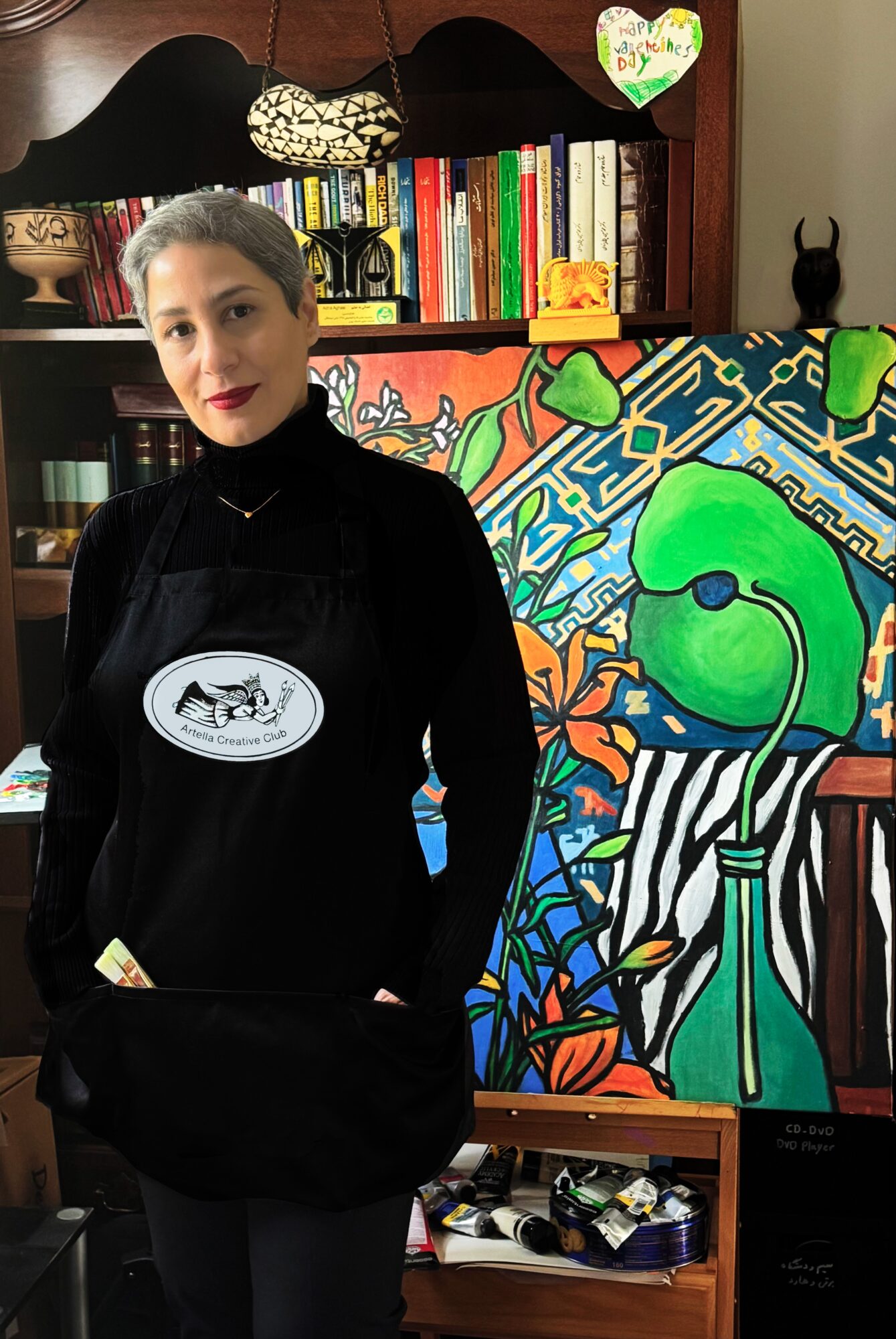




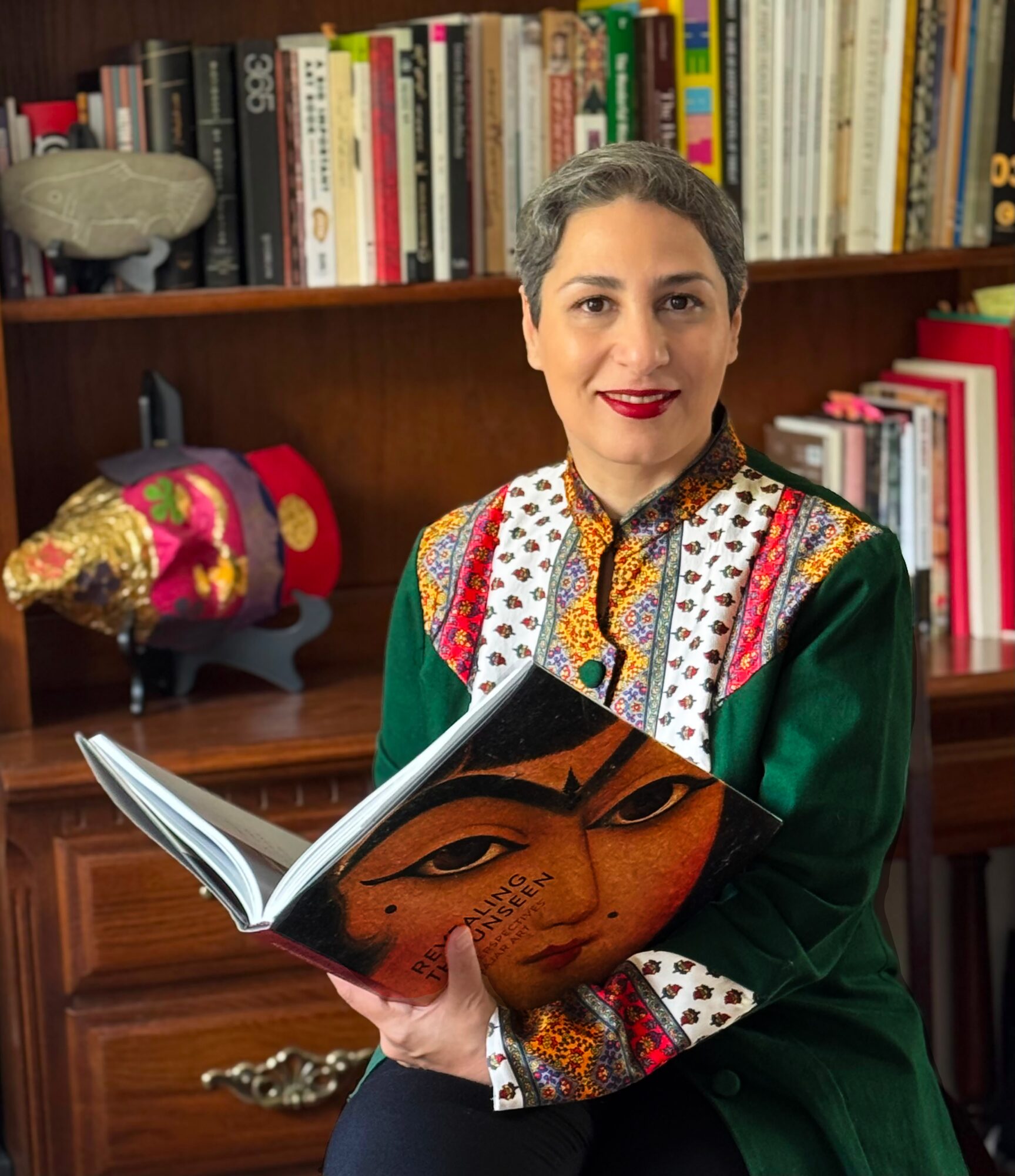
Today we’d like to introduce you to Adria Aghasi.
Hi Adria, please kick things off for us with an introduction to yourself and your story.
My name is Adria Aghasi, and I was born in 1981 in Tehran, the capital of Iran, and moved to the United States in 2015. My love for art began when I was very young—long before I understood that art would eventually become such an important part of my life.
When I was five years old, I watched Zorro and became fascinated by Zorro’s beautiful black horse. Growing up in a city, having a real horse was obviously not possible, so I found another way to bring that horse into my world: I began drawing it. I drew horses again and again. What started as a child’s fascination gradually became a passion for drawing and creating.
Then, when I was ten, I read Lust for Life, the famous novel about the life of Vincent van Gogh. Something changed for me after reading that book. For the first time, I understood that painting could be much more than something I simply enjoyed doing—it could be a way of life. From that moment on, becoming a painter became a serious dream. I knew that I wanted to dedicate myself to art, to continue learning, creating, and finding my own voice through painting. At the age of thirteen, I entered an art high school, where I began studying art more seriously. I later earned my bachelor’s degree in Painting, followed by a master’s degree in Animation Directing. After that, I decided to pursue another bachelor’s degree, this time in Law, which I completed as well.
Throughout all these years, I was actively working as an artist. I created political cartoons for newspapers and participated in both group and solo exhibitions. I was involved in various artistic projects and activities, constantly exploring different forms of creative expression.
Eventually, at the age of thirty-five, I immigrated to the United States. Like any major life transition, immigration comes with many challenges, especially when you move to a new country at a relatively later age—say, in your thirties or beyond. By that point, you have already built a career, established a professional background, and created a life in your home country. But when you move to a new country, you often have to start almost everything from scratch. And of course, all of this was very challenging. One of the biggest challenges of immigration is speaking the language of the new country. Fortunately, I already had a TOEFL certificate, and I genuinely loved the English language, so I didn’t have too much difficulty communicating in English.
But the biggest challenge was actually understanding things on a deeper level—understanding the culture and the way people interact with one another. I realized that what we see in American movies, television shows, and series is actually quite different from what everyday life is really like. One thing that really surprised me, especially because I live in Maryland, was how kind and flexible people were. I often found myself thinking about how patient Americans are when interacting with newly arrived immigrants who may not fully understand or speak the language yet. Learning a new language takes time, and the patience and kindness I experienced from people here was truly remarkable. It made the process of adjusting to a new country a little easier, despite all the challenges that came with immigration.
After I came to the United States, I studied Graphic Design at Montgomery College for two years. At the same time, I worked as a pet sitter for about a year or two, partly so I could become more familiar with life in the U.S., gain experience, and gradually find my way in my new environment. I actually learned a lot through pet sitting. It gave me the opportunity to interact with different people, navigate everyday situations, and understand American culture in ways that I probably wouldn’t have experienced otherwise.
And, of course, it’s important to remember that this was before the time of ChatGPT. We didn’t have an easily accessible resource where we could ask questions or get immediate guidance whenever we encountered a new problem. We had to figure things out ourselves, face those challenges firsthand, and learn along the way.
Gradually, I was able to find my place here and started teaching. My first students were actually my nieces and nephew, Artin and Amanda.
When my nephew started school, we made a number of new friends from different backgrounds and nationalities, including American families, and it was a wonderful experience. One of our Iranian friends suggested to me, “Why don’t you teach? I have to drive all the way to Potomac, which is much farther away, just to find a good art class for my son. Why don’t you start your own classes?”
At first, I was a little nervous about taking on something like that. But I thought, “Why not? Let me try it with Artin’s friends and start at home and see how it goes.”
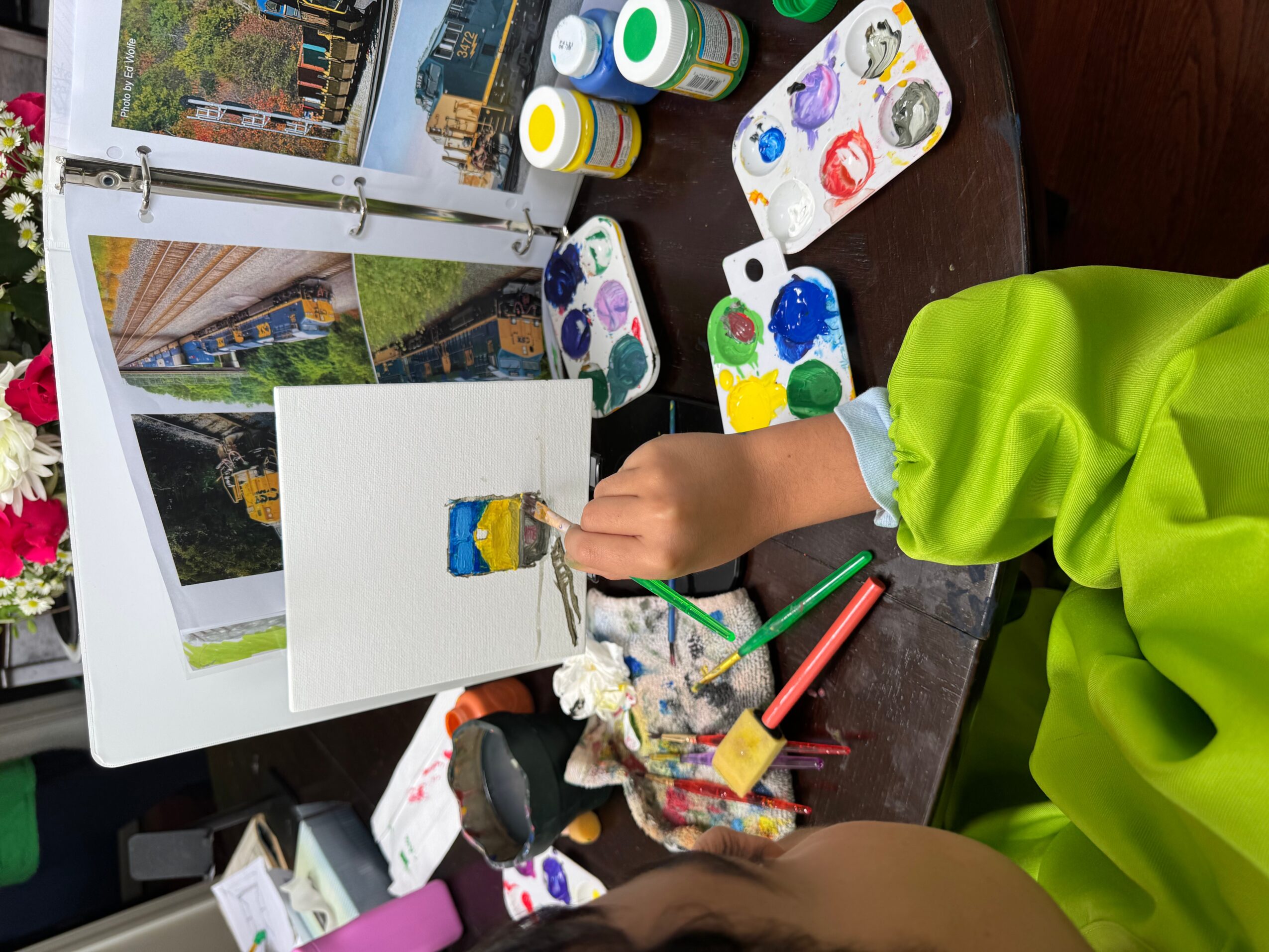
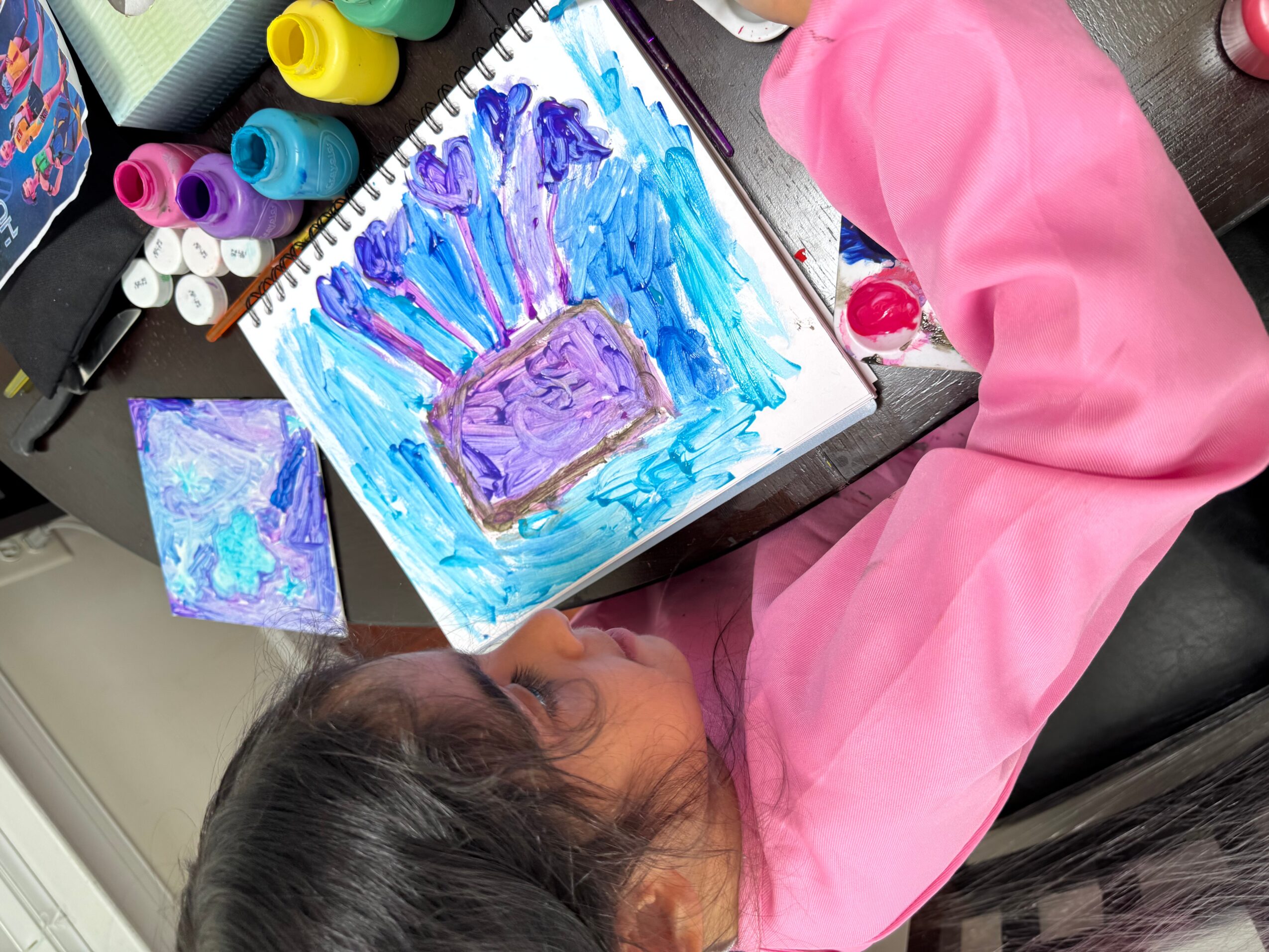
That summer, I started by teaching art to the children of some of my friends at home. They were incredibly supportive and kind to me. What began as something small and personal gradually grew into something much bigger and more meaningful. I quickly realized how much I enjoyed it. I loved working with children, and I discovered how incredibly creative they are. The feeling was mutual: the children really enjoyed my teaching style, and I genuinely loved spending time with them and teaching them.
So, I continued teaching from home. Little by little, my wonderful friends started telling other mothers about my classes and my teaching approach, encouraging them to enroll their children in my art classes. More and more children wanted to join my classes and enroll. Eventually, I realized that my home simply didn’t have enough space or capacity to accommodate any more students.
That was when I discovered that I could rent classroom spaces through Montgomery County. I started looking into the available spaces and began renting classrooms to continue expanding my art classes.
For a while, I also taught classes for Iranian children who were either biracial or born in the United States. Through painting and art, I taught them about the Shahnameh, as well as ancient Iranian traditions and customs. That experience allowed me to meet some truly wonderful people. We became friends and stayed connected and continued our relationships even after the classes ended, until eventually there was a break in my work.
After that break, I decided to take my work out of a purely personal setting and turn it into a small business—a women-owned business called Artella Creative Club LLC.
Of course, learning how to run a business in the United States comes with its own challenges. I am still very much at the beginning of this journey, and I have a lot to learn. I’m doing my best to keep the business going and continue growing it.
I’ve also been trying to do as much as I can myself in order to save money. For example, I created my own website, and I design my own flyers and promotional materials. Whenever there is something I can learn and do myself instead of paying someone else to do it, I try to take that on.
Throughout this journey, my sister, Aida, who is one year older than me, has always been by my side—and she still is. She handles a lot of the behind-the-scenes work for our workshops and classes. She also helps with the business side of things, including finances, accounting, and negotiations.
I’m an artist at heart, so I sometimes need help with these kinds of details. Fortunately, I have my sister beside me. I can trust her completely, and she is also genuinely interested in the work. So, in many ways, the two of us are building this business together.
I also can’t overlook the important role my parents have played in starting and continuing this business—from their financial support to their constant emotional support, encouragement, and belief in me.
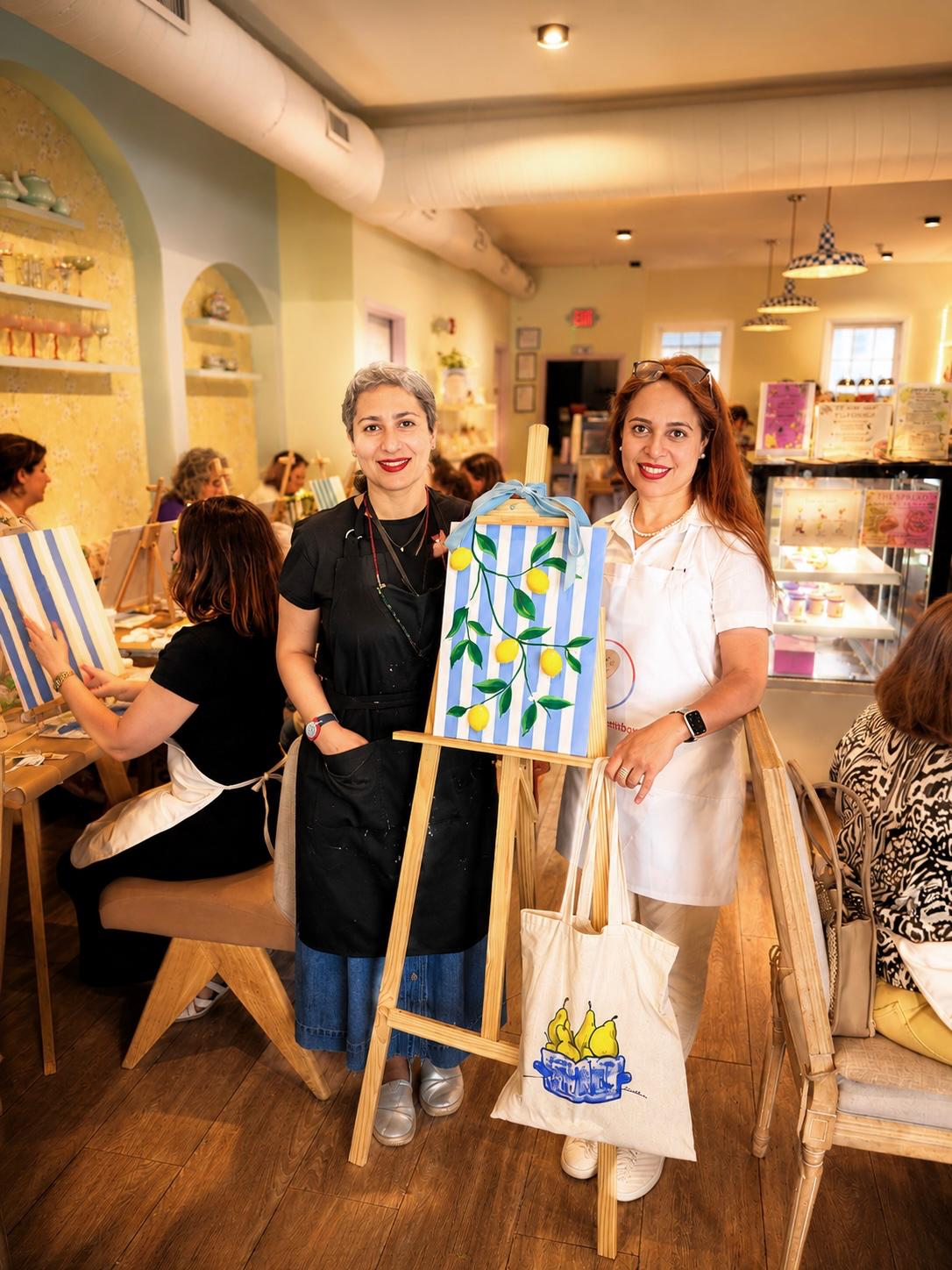
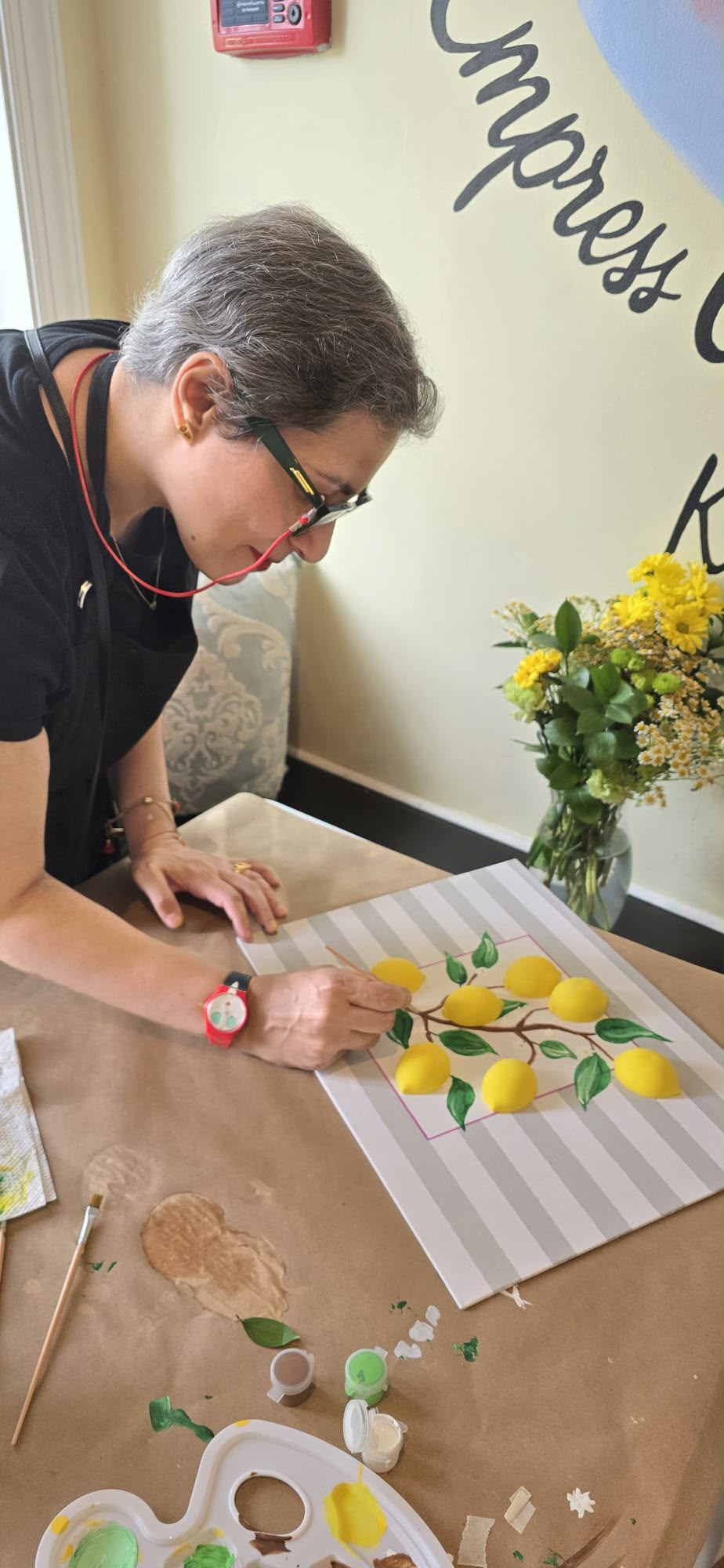
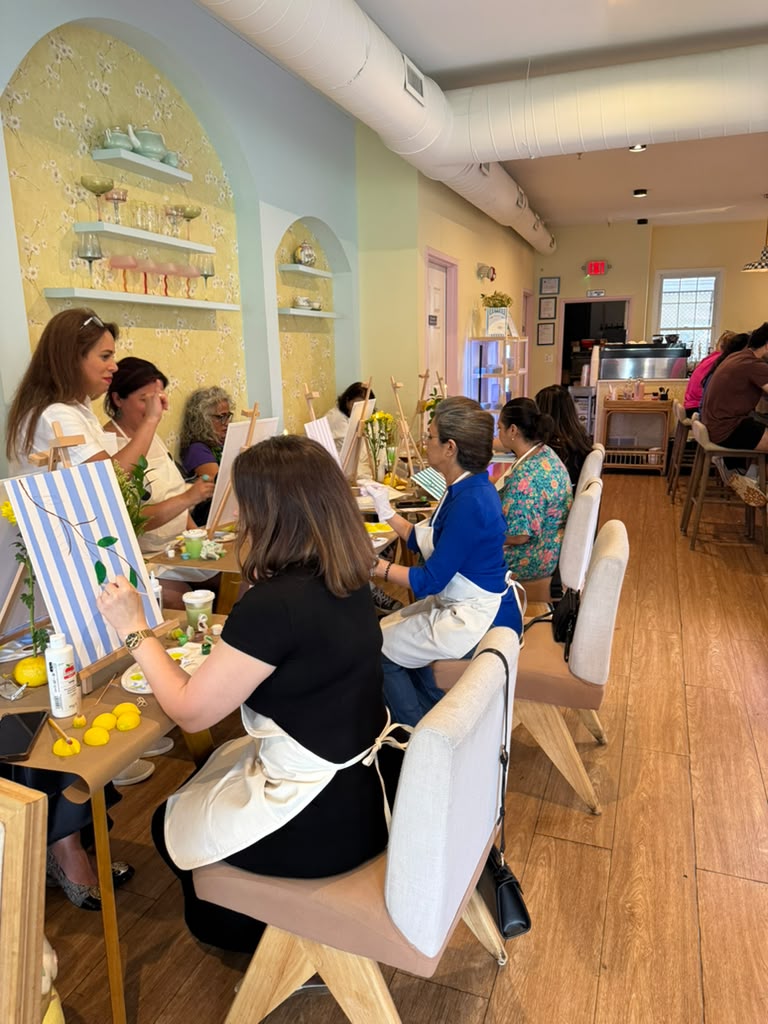
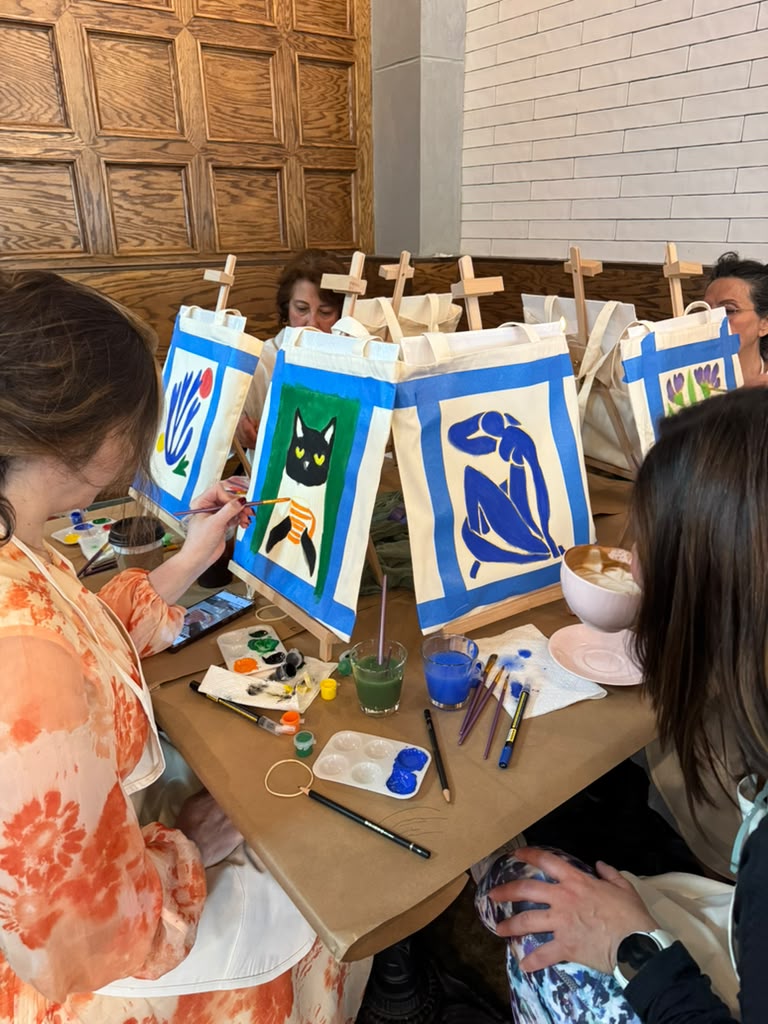
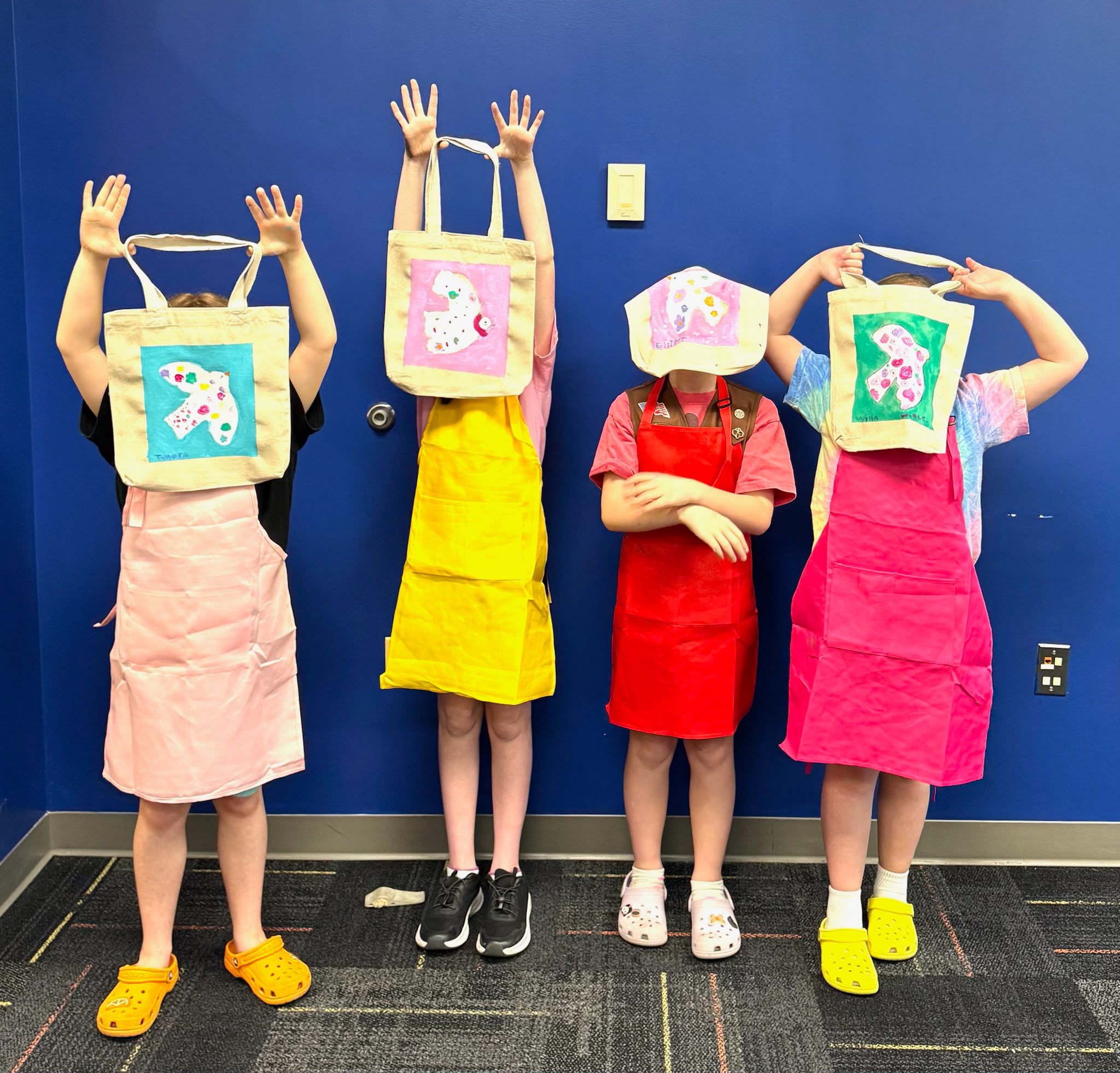
At one point, we also decided to expand into workshops. Our first workshop was actually created for children. The initial request came from one of my friends who asked us if we could organize a one-day art workshop for her Girl Scout group. The workshop went so well, and the children enjoyed it so much—and we enjoyed the experience ourselves. Then we decided to offer these workshops once or twice a month for adults as well. Every time we hold a workshop, people have a wonderful experience. It’s a different kind of activity from going to a restaurant, a coffee shop, or the movies. It’s an experience where you actually create something with your own hands and get to take the finished piece home with you. It’s also a great way to socialize. People connect with each other, have fun, and leave feeling energized and refreshed, ready for the week ahead.
We generally hold our workshops on weekend afternoons, usually toward the end of each month. Occasionally, if there is a special request, we also organize workshops during the week or in the middle of the month.
Another important part of what we do is our art classes. Every time I see children and adults come to class, I notice something really special. By the end of each class, everyone seems more relaxed and happier. They have created something they are proud of, and they get to take that accomplishment home with them and enjoy it.
That is one of the most beautiful feelings I can experience as an art teacher. And what’s interesting is that there really are no exceptions. Whether they are children or adults, people genuinely have a wonderful time creating art. For those few hours, they can step away from their everyday thoughts and stress, focus on creating something, and simply enjoy the moment.
Another part of our business is organizing workshops for companies. We also offer special packages for private parties and birthdays. For these events, we bring our art studio to the client and create a workshop based on the theme they choose. This is a relatively new and exciting part of what we do because many people are looking for something different and memorable for their birthdays or private gatherings. Companies are also increasingly interested in creating unique experiences for their employees—something beyond the typical office event with a DJ, catering, or the usual entertainment.
That’s what makes art so special: it has no limits. It allows people to be creative, explore their imagination, and express themselves. And ultimately, art is something that can touch your soul.
We all face challenges, but looking back would you describe it as a relatively smooth road?
Of course not, it hasn’t been easy. Whenever you try to do something new, there are always challenges and obstacles. But I truly believe that one of the biggest driving forces for anyone can be their passion for what they do.
One of my first and biggest challenges was stepping out of my own isolation and finding the confidence to believe that, yes, I could teach in the United States, find students, and create a teaching style that would be interesting and engaging for them.
There was also something I was very afraid of: the responsibility that comes with working with children. I used to wonder, “How can I possibly be responsible for six or seven children at the same time, even for just one hour? What if something happens?”
That fear was always somewhere in the back of my mind. But when I started working with my friends children at home, and they began expressing how happy and satisfied my friends were with what they saw, I gradually became more confident. Then I noticed that the children themselves genuinely enjoyed the classes. They found the way I taught—especially because my teaching is based on art history—really interesting and meaningful. I could see that what kids were learning was actually having an impact on them. That gave me more confidence and reassured me that, yes, I could do this.
Another challenge was finding a suitable location. As I mentioned, my home eventually became too small to accommodate more students, so I had to start renting classroom spaces. The whole system was new to me, and I was learning as I went. Sometimes, unfortunately, I even made mistakes with dates. But those experiences became lessons for me as well. They taught me to be much more careful and pay close attention when choosing and scheduling dates.
At first, I didn’t realize that I could actually work with any school under the Montgomery County system, send them flyers, and coordinate directly with them. So, during the period when I rented my first classroom, one of my biggest challenges was promoting and announcing the class. Even though it was a school that my nephew attended, I still had some difficulties getting the class properly announced, as well as a few other challenges when it came to organizing the class smoothly.
Another challenge was reaching a larger audience. Advertising was a completely new area for me. In the beginning, I didn’t really know where I should advertise, what platforms I should use, or how I should promote my classes and workshops.
When we organized our very first workshop, I simply walked into a coffee shop that I thought was a great place and asked if we could hold a workshop there. They said yes, so we started promoting the event and selling tickets through Eventbrite. We had chosen a space for twelve people, and after we had sold about five or six tickets, we went to the coffee shop one day to give them our flyer so they could put it in their window. That was when they suddenly realized that we were actually selling tickets and making money from the workshop. They started putting obstacles in our way, saying things like, “You can’t sell tickets. We didn’t know you were going to sell tickets and make a profit,” and so on. It became a very difficult situation. Eventually, after a lot of back and forth, we asked them to at least let us have the space for six people, since we had already sold the tickets, and we offered to share the proceeds with them. Fortunately, I had written confirmation from their manager stating that we were allowed to hold the workshop on that specific date, with all the details clearly confirmed in writing. Unfortunately, despite that confirmation, at the last minute they decided they didn’t want to collaborate with us. We ended up holding the workshop with six people, but even though the coffee shop was almost empty that day, they made the process extremely difficult for us.
That experience taught us an important lesson: you can’t necessarily work with every coffee shop or every venue. A place may initially agree to something and then suddenly change its mind.
Fortunately, in our case, we had written confirmation. Since then, whenever we work with a new venue, we make sure to have everything confirmed in writing. We clearly specify what we are doing, what we need from them, what they are providing, and all the details of our agreement.
So far, this has helped resolve some of those problems. However, there are still situations where venues make promises and even sign agreements, but then don’t actually promote the event or cooperate with us as much as we had expected. Unfortunately, that is simply part of the challenges of running a business.
At the moment, we are very happy with the two venues we are currently working with, and we hope these collaborations will continue and grow.
But one of our biggest challenges is still the fact that I don’t have my own physical studio. I have to constantly find and rent different spaces, and I also have to work hard on promotion and advertising. For this type of business, promotion is a very important—and sometimes very challenging—part of the work.
Alright, so let’s switch gears a bit and talk business. What should we know?
Artella Creative Club is a creative enrichment program dedicated to bringing high-quality, inspiring art experiences to children, adults, families, and the community. We offer hands-on art classes, creative workshops, events, and corporate experiences, creating opportunities for people of all ages to explore their creativity in a fun, welcoming, and engaging environment.
What sets Artella apart is the way we combine art education with storytelling, culture, and creativity. Our children’s programs go beyond simply teaching traditional art techniques. Through programs such as Art Around the World, Little Masters Art Studio, and Persian Legends Art Class, children are introduced to artists, cultures, stories, and artistic techniques from around the world while creating their own original artwork.
We are especially proud of creating experiences that make participants feel like real artists. Rather than focusing on producing identical projects, we encourage individuality and give people the freedom to experiment, make creative choices, and express themselves. Our goal is for every participant to leave feeling proud of what they created and excited to continue exploring art.
Artella also brings art education directly into the community through partnerships with schools, community organizations, cafés, and other local spaces. This allows families and organizations to access meaningful creative experiences beyond a traditional art studio setting.
At the heart of Artella Creative Club is the belief that creativity has no age limit. Whether we are teaching a child their first painting technique, helping an adult discover a new creative hobby, or bringing a group of coworkers together through an art workshop, our mission is to make art accessible, inspiring, and enjoyable for everyone.
We all have a different way of looking at and defining success. How do you define success?
Success is not only measured by the number of students, classes, or events I host. For me personally, success is measured by seeing the positive impact that teaching art can have on people’s lives.
One of the most rewarding parts of teaching is seeing how the things children learn in my classes stay with them long after the class is over. Sometimes parents send me photos of artwork their children created at home using techniques they learned in class. Other times, they tell me stories that show me how deeply art has become part of their children’s everyday lives. For example, one parent told me that while their child was at an airport, he noticed a polka-dot airplane and immediately connected it to the work of a Japanese artist we had studied in class.
I have also seen how art can become a meaningful tool for children during difficult or stressful moments. One mother told me that when her child was experiencing significant stress, she encouraged her to draw. The child used a technique she had learned in my class and proudly told her mother, “I learned this technique from Adria.” Moments like that mean so much to me because they remind me that the impact of art education goes far beyond the classroom.
The same is true with adults. Whether someone is learning a new creative skill, rediscovering a passion for art, or simply taking time away from the stresses of everyday life to create something with their hands, seeing that positive change is incredibly meaningful to me.
Ultimately, I believe the impact of teaching art is much greater than we sometimes realize. Art can help people express themselves, manage emotions, build confidence, become more observant and curious, and see the world in a different way. When I see that something a student learned at Artella has become part of their life, even in a small way, I feel that we have truly succeeded.
For me, that is the greatest measure of Artella’s success: knowing that the art we teach continues to live in people’s lives long after they leave the classroom.
Contact Info:
- Website: https://www.artellacreativeclub.com/down-for-maintenance
- Instagram: @artellacreativeclubllc
- Facebook: @artellacreativeclub