



Today we’d like to introduce you to Dre Brown.
Alright, so thank you so much for sharing your story and insight with our readers. To kick things off, can you tell us a bit about how you got started?
I am a Detroit native, and my path has never fit neatly into one box. Healthcare, communications, entrepreneurship, academia, writing, speaking, wellness. For a long time, I felt I had to explain how it all connected. I don’t anymore. Every part of my work does the same thing: it builds spaces where people feel seen, build confidence, and connect with something larger than themselves.
CODE RED Experience is where that work is most visible.
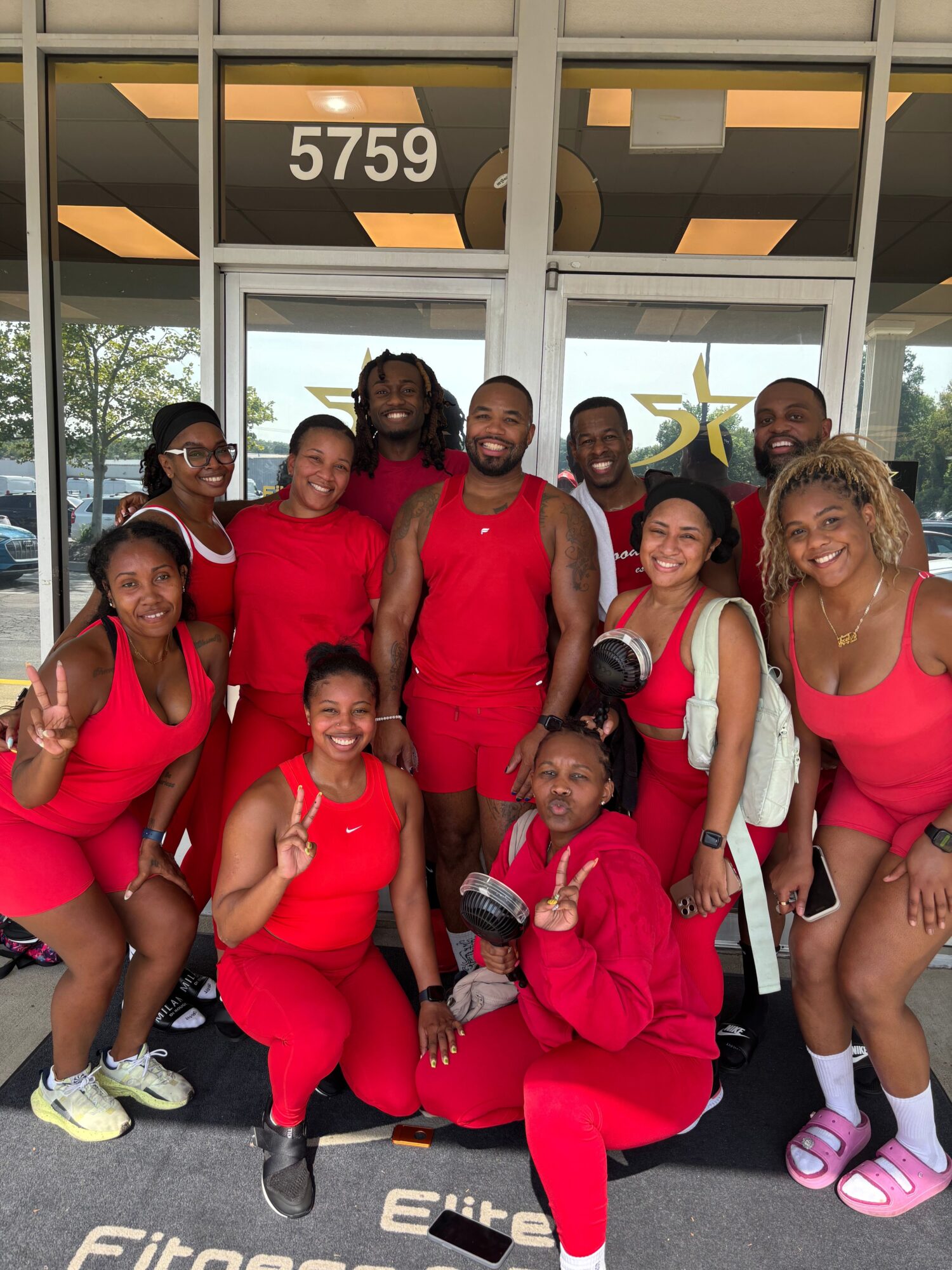
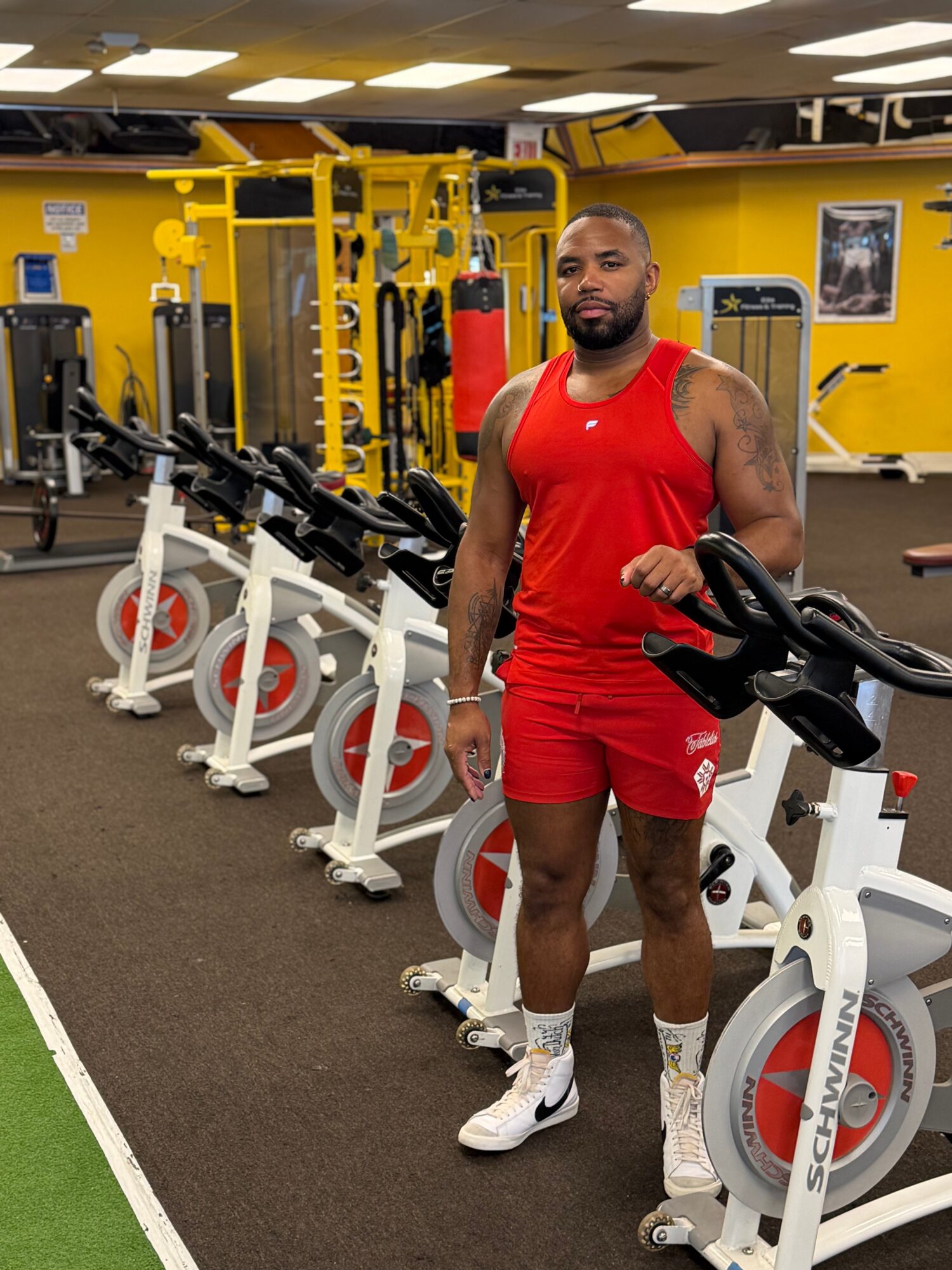
I am the founder and lead instructor of CODE RED Experience, an indoor cycling brand I operate out of 5 Star Elite Fitness in Upper Marlboro. Classes run 45 minutes to an hour and welcome beginners and advanced riders on the same floor. The music moves between hip hop, R&B, soul, and sometimes a splash of pop, because music moves us, and that belief is part of why I became an instructor in the first place. Most of us are carrying the weight of the world with no real release mechanism for it. CODE RED gives people that release, even if just for forty-five minutes. It gives them community. It gives them permission to just exist. The world is still waiting outside those doors when class ends, but a moment of reprieve changes how you see things. It grounds you, and people who are grounded are better equipped to solve the problems waiting for them outside.
Everything else I do runs on the same engine.
I entered healthcare in 2009 and built a career at the intersection of communications, social media, and community engagement. That path eventually brought me from Detroit to Maryland, where I now serve as Director of Enterprise Social Media Strategy and Governance for the University of Maryland Medical System, helping to shape how a large health system communicates with the communities it serves.
I also founded The Brown-Smith Agency, a social media marketing and thought-leadership firm that helps businesses and individuals sharpen their digital presence, clarify their voice, and show up with intention. Entrepreneurship let me pair strategy with creativity and put both to work for other people’s ideas.
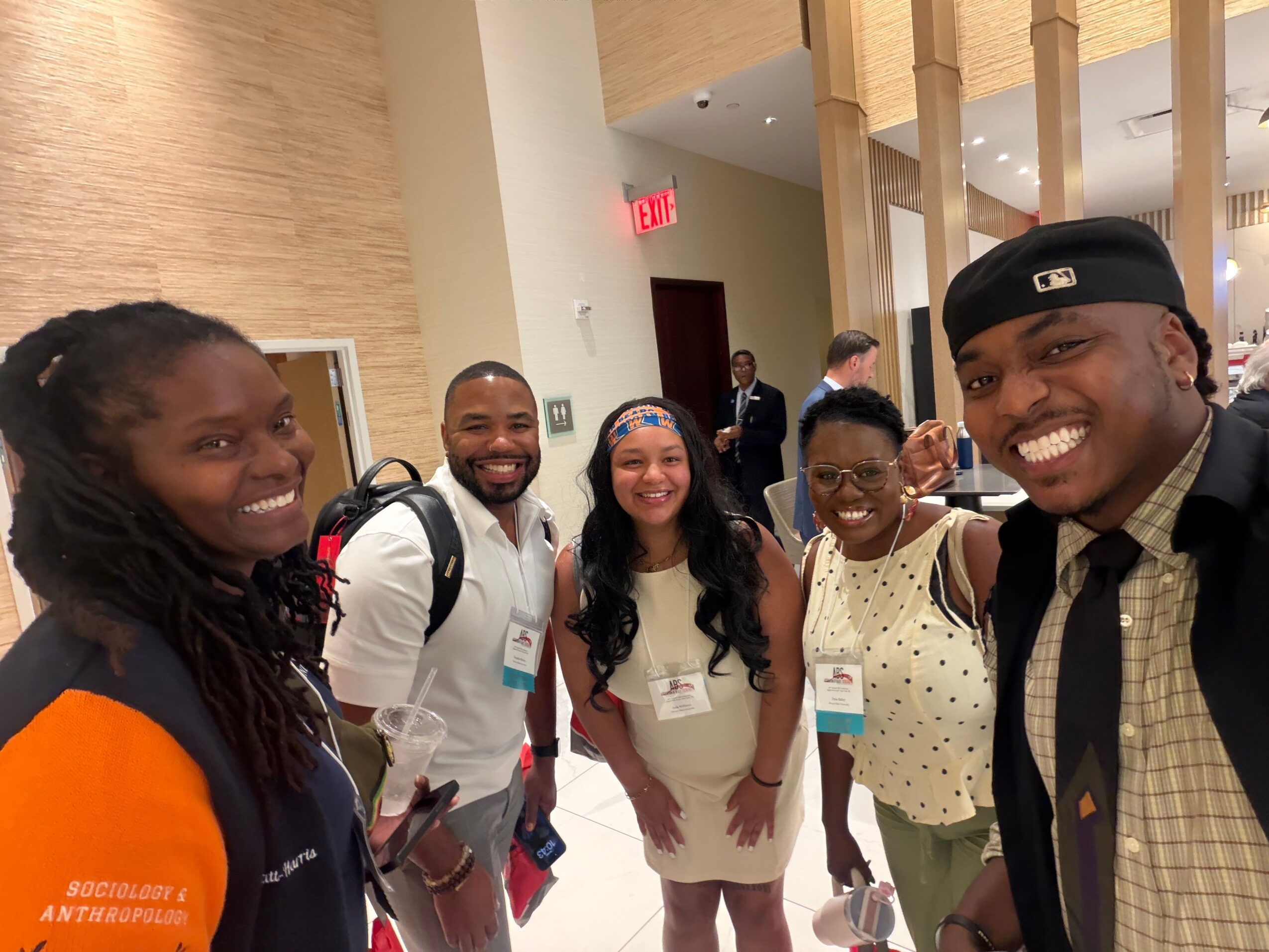
Scholarship keeps me honest. I hold a bachelor’s degree in public relations from Eastern Michigan University, a master’s degree in Homeland Security from Penn State, and am now a doctoral student in sociology at Morgan State University, where I study identity, power, social justice, and belonging. I also serve as assistant editor for the Journal of Public Relations Education. That work shapes how I think about communication, community, and the environments we build for other people. It is also why I understand an open floor as a social space, not just a place with bikes.
Writing and speaking are extensions of the same commitment. I draw on communications, entrepreneurship, scholarship, and wellness to work through identity, representation, resilience, and belonging. Different platforms, same objective: helping people see themselves more fully and recognize what their own stories are worth.
I no longer see myself as someone pursuing several unrelated paths. I am an entrepreneur, strategist, scholar, author, speaker, and wellness leader, and the assignment doesn’t change from room to room. Whether I am building a communications strategy, developing a client’s brand, studying the systems that shape our lives, writing, speaking, or counting a room of riders into the next climb, I am doing the same thing: creating experiences that leave people more empowered, more connected, and more capable than they arrived.
Would you say it’s been a smooth road, and if not what are some of the biggest challenges you’ve faced along the way?
CODE RED hasn’t struggled in the way people might expect, but it wasn’t handed to me either. Getting there required learning a craft I didn’t grow up with. I started teaching in 2023 after my mentor, Terry, took me under his wing and showed me the ropes. I learned a tremendous amount from him, with one goal in mind: figure out what works for me and how I wanted to show up in that room. I still don’t have it all figured out. I’m learning and adapting every time I get on the bike.
What has been a struggle is the skepticism around the format itself. Rhythm-based, choreographed spin classes get side-eyed by many in the fitness industry, especially in big-box gyms. I worked at one gym that claimed to support the format on paper, but the rumors never stopped. Unsafe. Not real cycling. The usual. Not one of those critics ever took a class to see what we were actually doing. We didn’t throw out traditional cycling mechanics. We adapted them and built something people actually want to show up for. I take inspiration from people like Kristina Girard and Atlanta’s Shocked by Risse, who’ve helped bring this format to riders around the world. The struggle was never the format. It was convincing people to experience it before they decided to tear it down.
Wearing multiple hats hasn’t been easy either. Most people can’t see how the pieces fit together, and I’m constantly asked how a Homeland Security degree connects to Public Relations. It’s simple once you see it: Homeland Security trains you to understand crises, all forms of them, and how to mitigate them and communicate through them. PR has a crisis communications function built into its core. The two were never as far apart as people assume. I just had to keep saying it until it landed.
Then there’s entrepreneurship itself. I didn’t start where I ended up. I initially tried to offer the full marketing scope, strategy, execution, everything, and it became overwhelming fast. As a solo entrepreneur, you cannot be everything to everyone, and I had to be honest with myself that I didn’t actually enjoy carrying the full scope. So I pivoted to what I was genuinely good at: social media. That’s when the work became fun again. I understood that social media moves instantly, and that’s where I could make the most impact, fastest. But even that eventually got too broad. I had to niche down again, which is how thought leadership became part of the business. Now I help individuals build their platform and get in front of the people they’re meant to reach. Building a business isn’t one decision. It’s a series of corrections until the thing in front of you actually looks like what you meant to build.
Thanks – so what else should our readers know about your work and what you’re currently focused on?
I specialize in helping people and organizations show up as their most intentional, authentic selves, whether that’s a health system communicating with the public, a client trying to find their voice, or a rider on a bike trying to find their breath. On paper that spans social media strategy, thought leadership, and indoor cycling. In practice, it’s one skill applied in three rooms.
Professionally, I’m known for shaping how the University of Maryland Medical System communicates with the communities it serves. Through The Brown-Smith Agency, I’m known for helping individuals and businesses turn their expertise into a platform people actually pay attention to.
But CODE RED is where I get to treat the work as art, not just strategy. People don’t always think of cycling as a creative discipline, but building a ride is a composition. You’re sequencing music the way a producer sequences a track, choreographing movement to hit on the beat, building tension and release across forty-five minutes, the way a song builds toward a chorus. The room itself is part of the canvas, energy, the way people move together without needing to know each other. When it’s working, you can feel people functioning as one instrument. That’s not fitness instruction. That’s art, and I don’t say that lightly.
What I’m most proud of right now is CODE RED itself. It’s a young business, but the community has adopted it in a way that tells me the concept was never really about me. It was about people needing a room like this to exist. You can have a good idea. What you’re actually proud of is watching other people decide it’s good too.
What sets me apart is that I refuse to compartmentalize. Most people specialize by narrowing. I’ve built a career and a life by connecting disciplines other people keep separate: crisis communication and public relations, sociology and strategy, music and movement. I’m not a cycling instructor who also does communications work. I’m one person applying the same instinct, understanding what people need and building a space or a message that gives it to them, in every room I walk into.
Do you have any advice for those just starting out?
Give yourself grace. Be kind to yourself. It’s easy to get swept up in the hype of what everyone else appears to be doing, especially on social media. You have to block that out and stay true to what you actually bring, because people gravitate to authenticity, not imitation. You might have to pivot along the way. That’s not giving up. That’s growth doing its job.
There’s also a lot of noise in every industry. Part of the work is figuring out who to align yourself with, people who will actually help you grow rather than just add to the noise.
And competition. Competition is healthy, but the most useful shift I’ve made is deciding that I’m my own biggest competition. If I’m only competing with who I was yesterday, I have no real reason to compete with anyone else. That takes the pressure off and puts the focus back where it belongs: on the work.
Contact Info:
- Website: https://code-red-experience.com
- Instagram: https://www.instagram.com/drethespindoc/
- LinkedIn: https://linkedin.com/in/deandrembrown
- Other: https://thebrownsmithagency.com