


Today we’d like to introduce you to EJ Lee.
Hi EJ, can you start by introducing yourself? We’d love to learn more about how you got to where you are today?
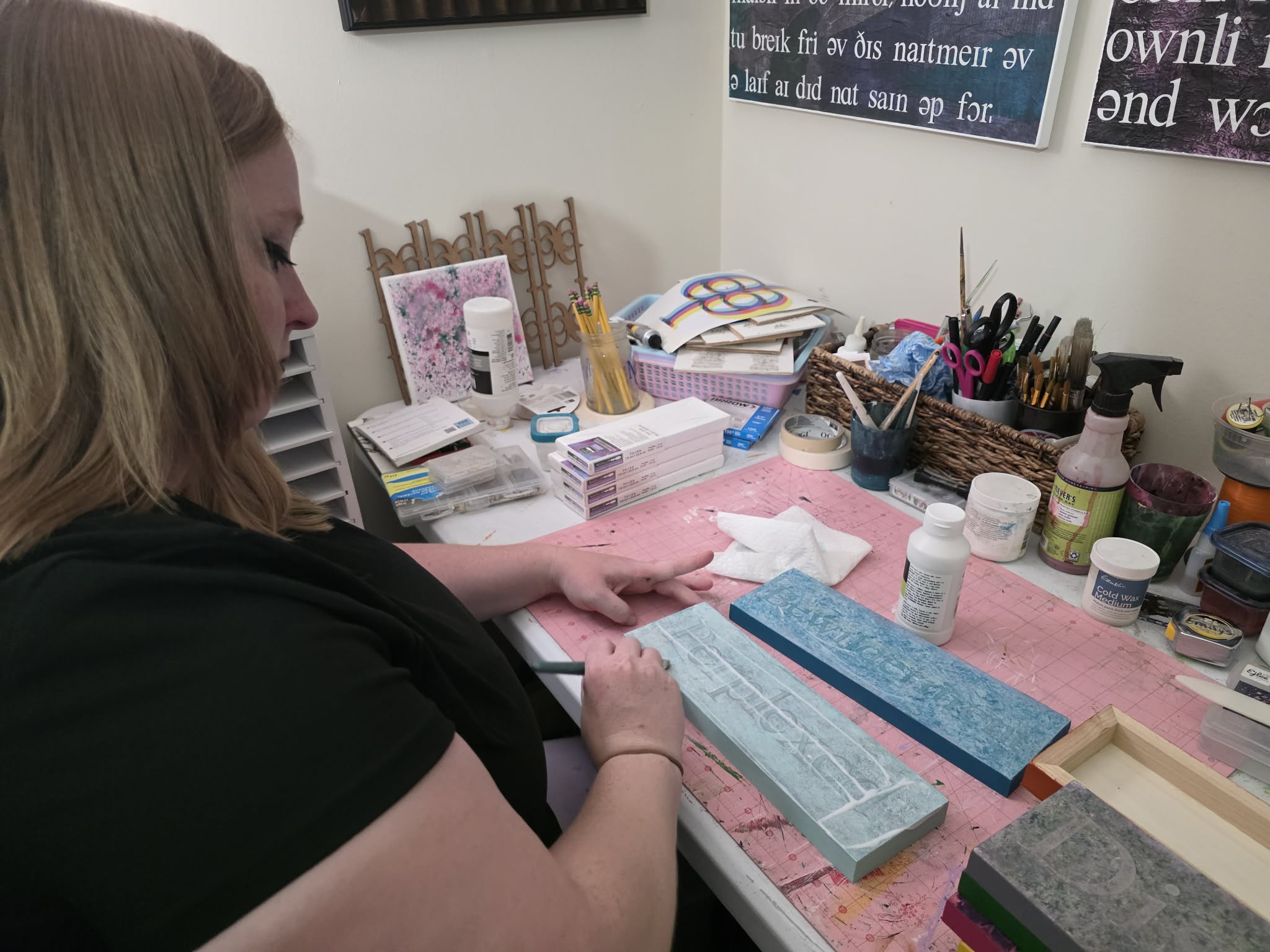
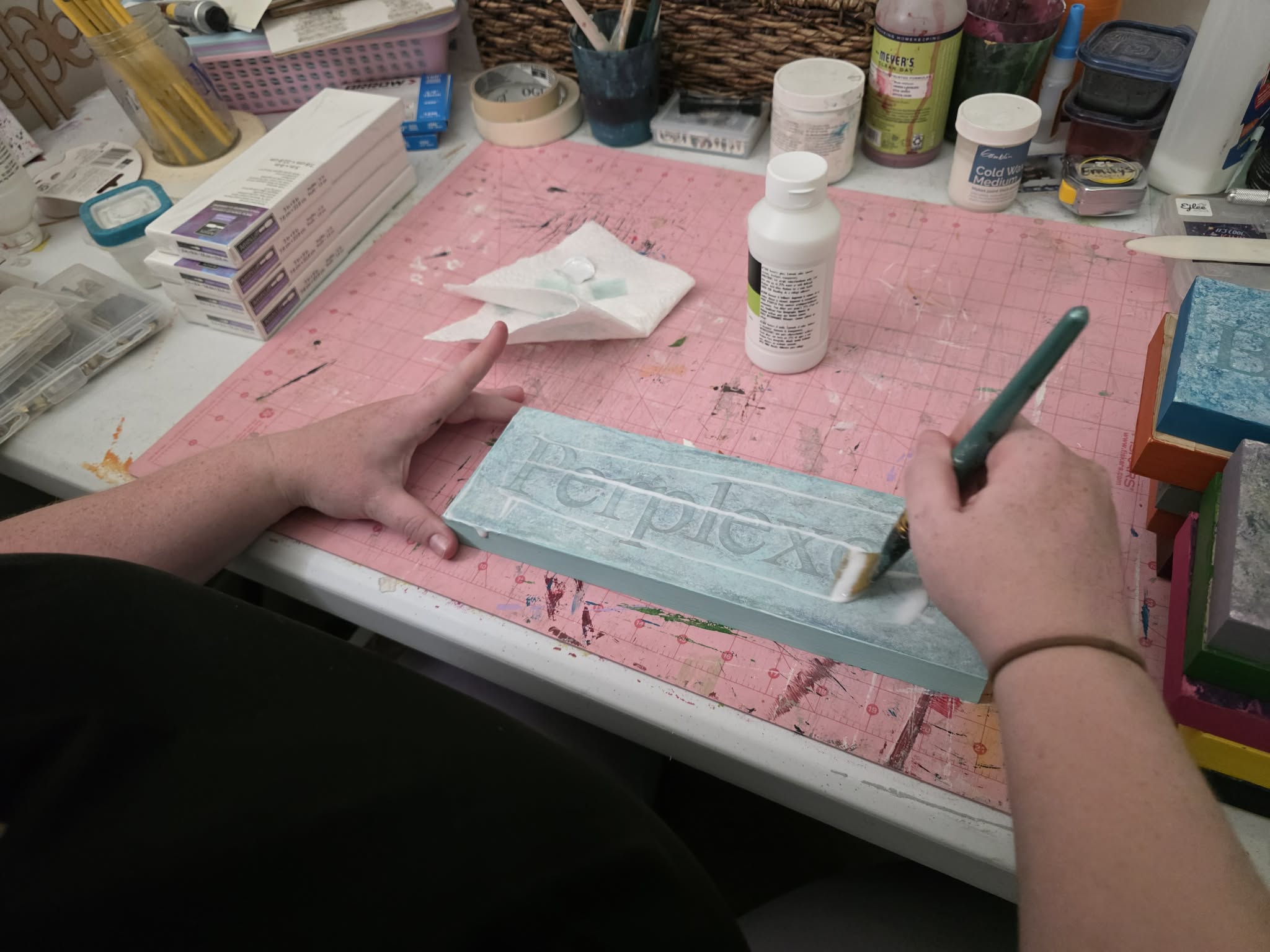
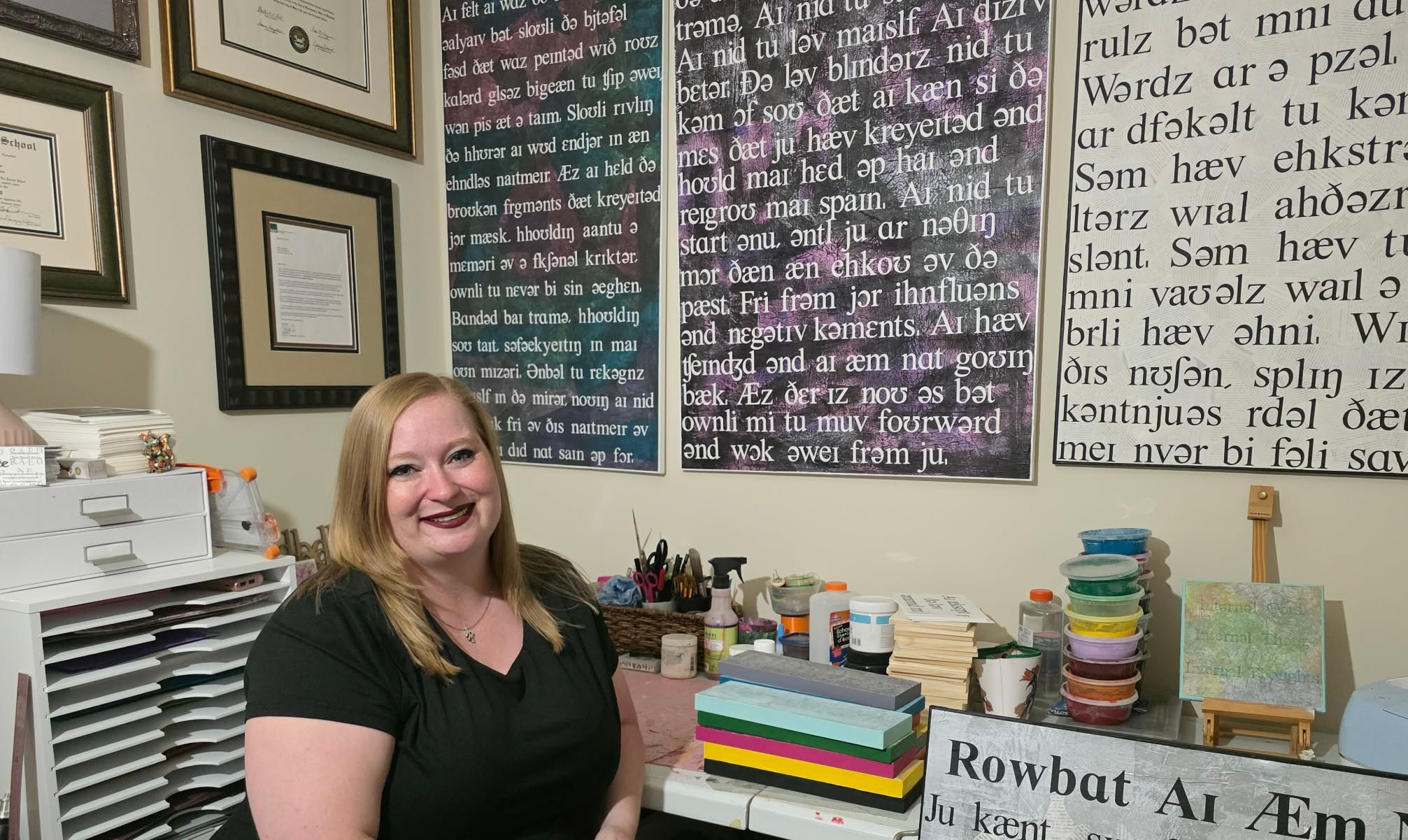
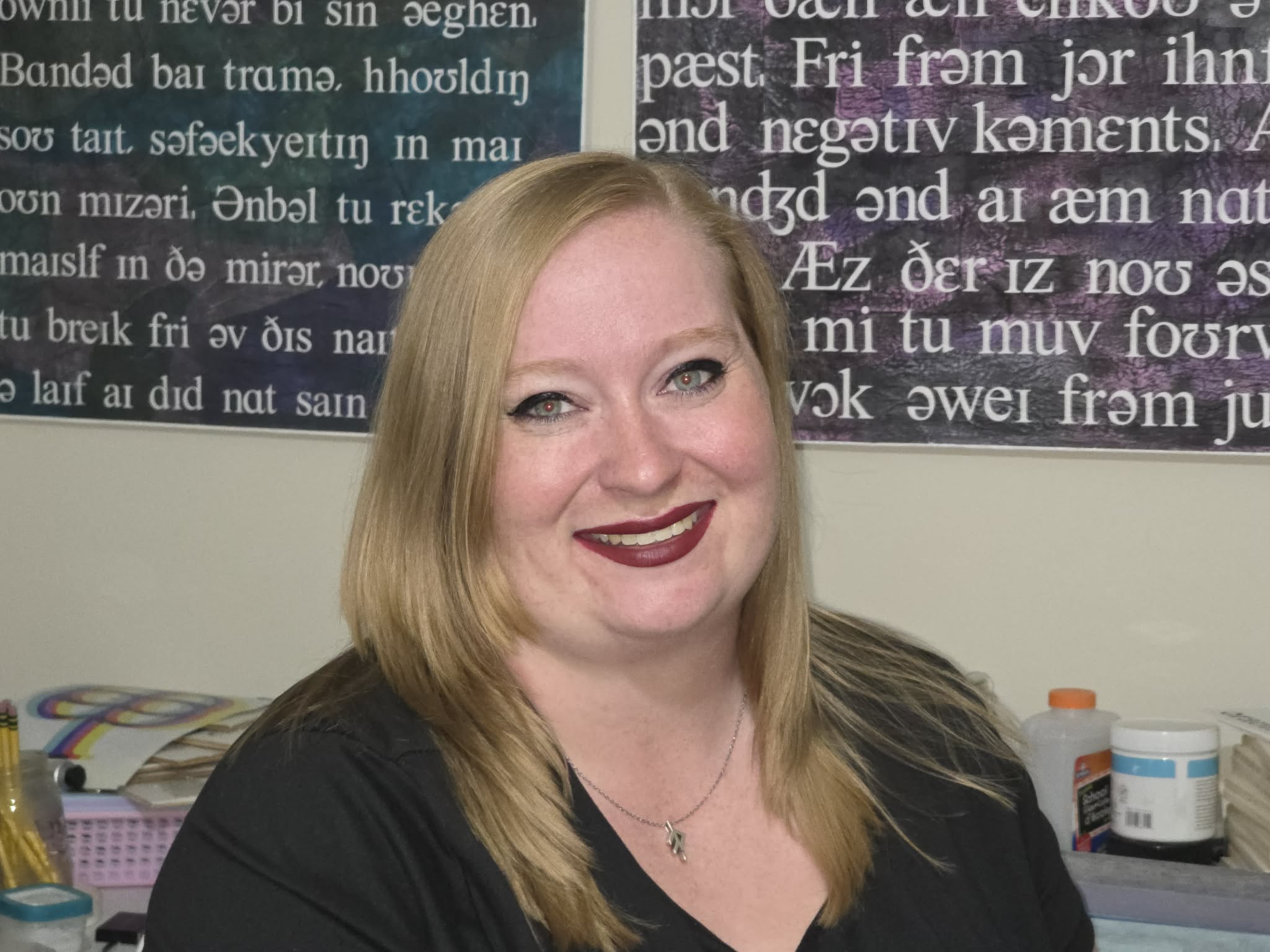
My name is EJ Lee, and I am a mixed-media artist who primarily uses language as a source material. My journey into art making began in graduate school at Maine College of Art, where I started exploring my dyslexia as a theme in my practice. Through that exploration, I became interested in what happens when language is broken down and simplified by treating it as a visual and physical material rather than simply something to be read.
Since then, my practice has grown to include mixed media, sewn paper, textiles, poetry, and installation. I’m interested in the ways language can hold memory, emotion, and vulnerability, and how mistakes or misreadings can become opportunities for new ways of seeing. Today, I continue to explore the space between language, material, and the body.
Would you say it’s been a smooth road, and if not what are some of the biggest challenges you’ve faced along the way?
One of the biggest struggles has been fighting for the time and space to create. There have been financial challenges, and I was also in a really bad relationship that had me questioning my own value and, at times, whether I could trust myself. That made it difficult to find the energy and confidence to make work.
The past four years have been a period of healing, but also a period where I really started to flourish in my practice. Getting out of that environment gave me the space to figure out who I was again, and that inevitably affected the work. I became more willing to experiment, make bad art, fail, and keep going. I think a lot of my growth as an artist has come from learning that I don’t have to have everything figured out before I start making.
Thanks for sharing that. So, maybe next you can tell us a bit more about your work?
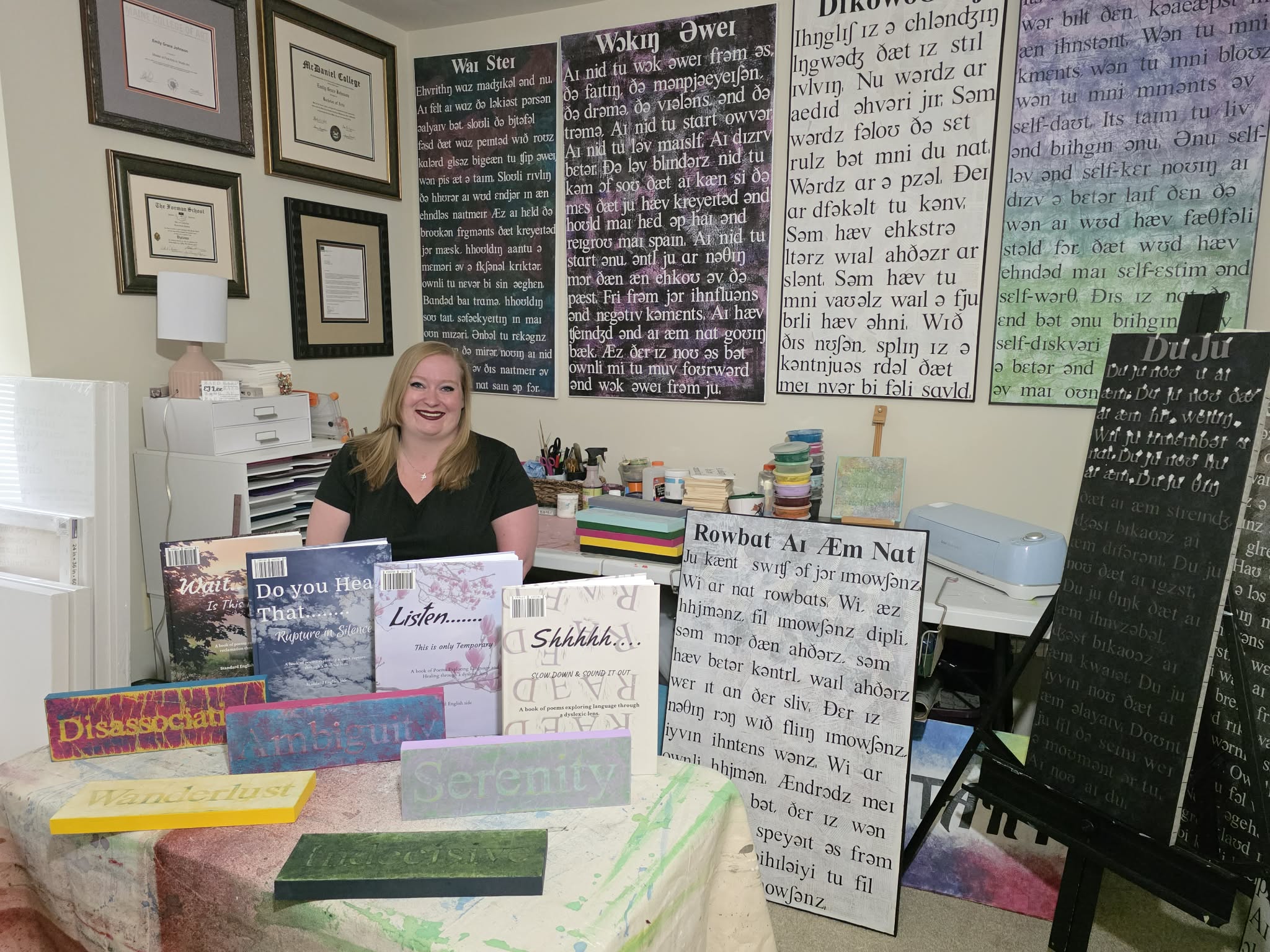
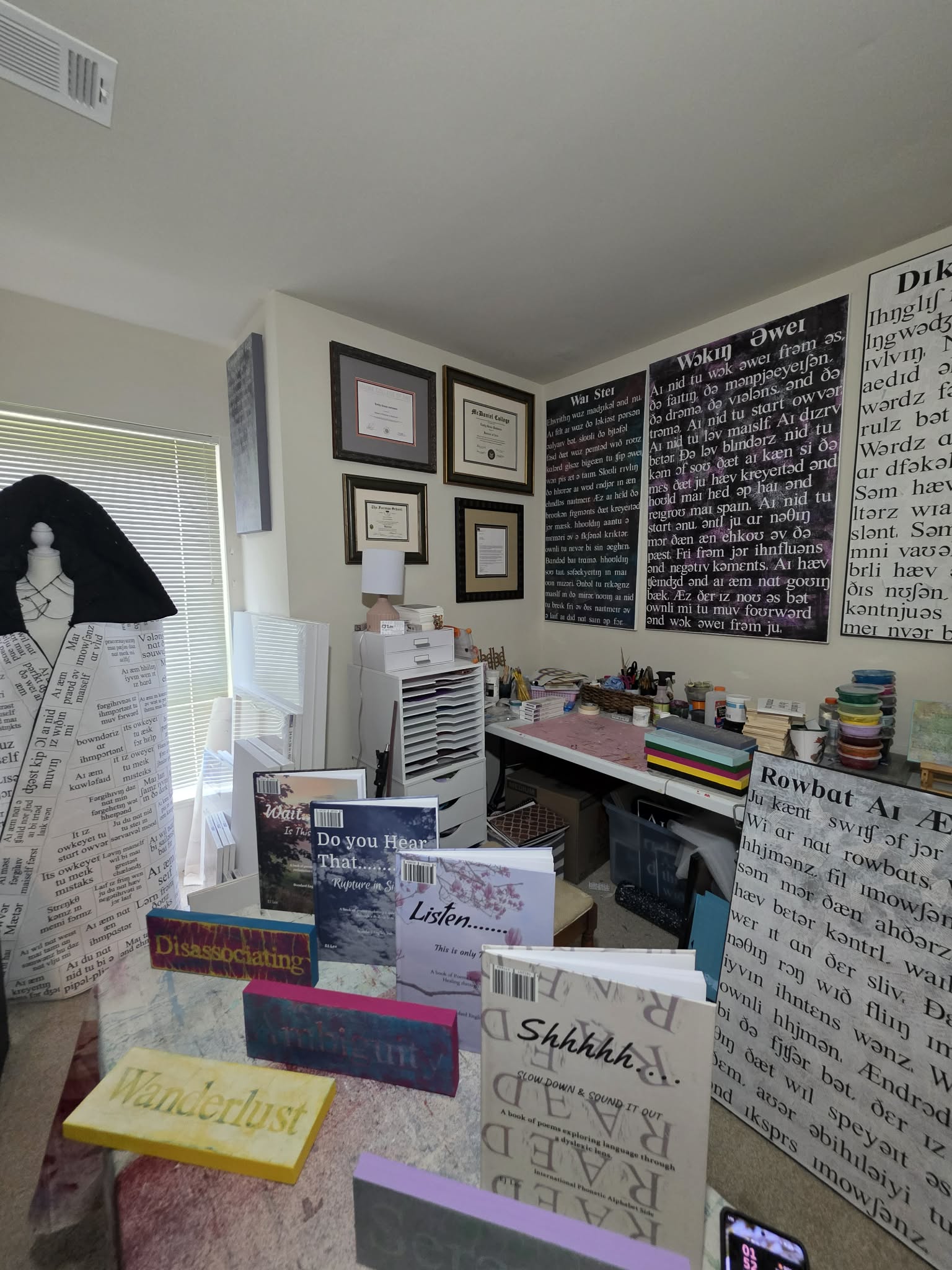
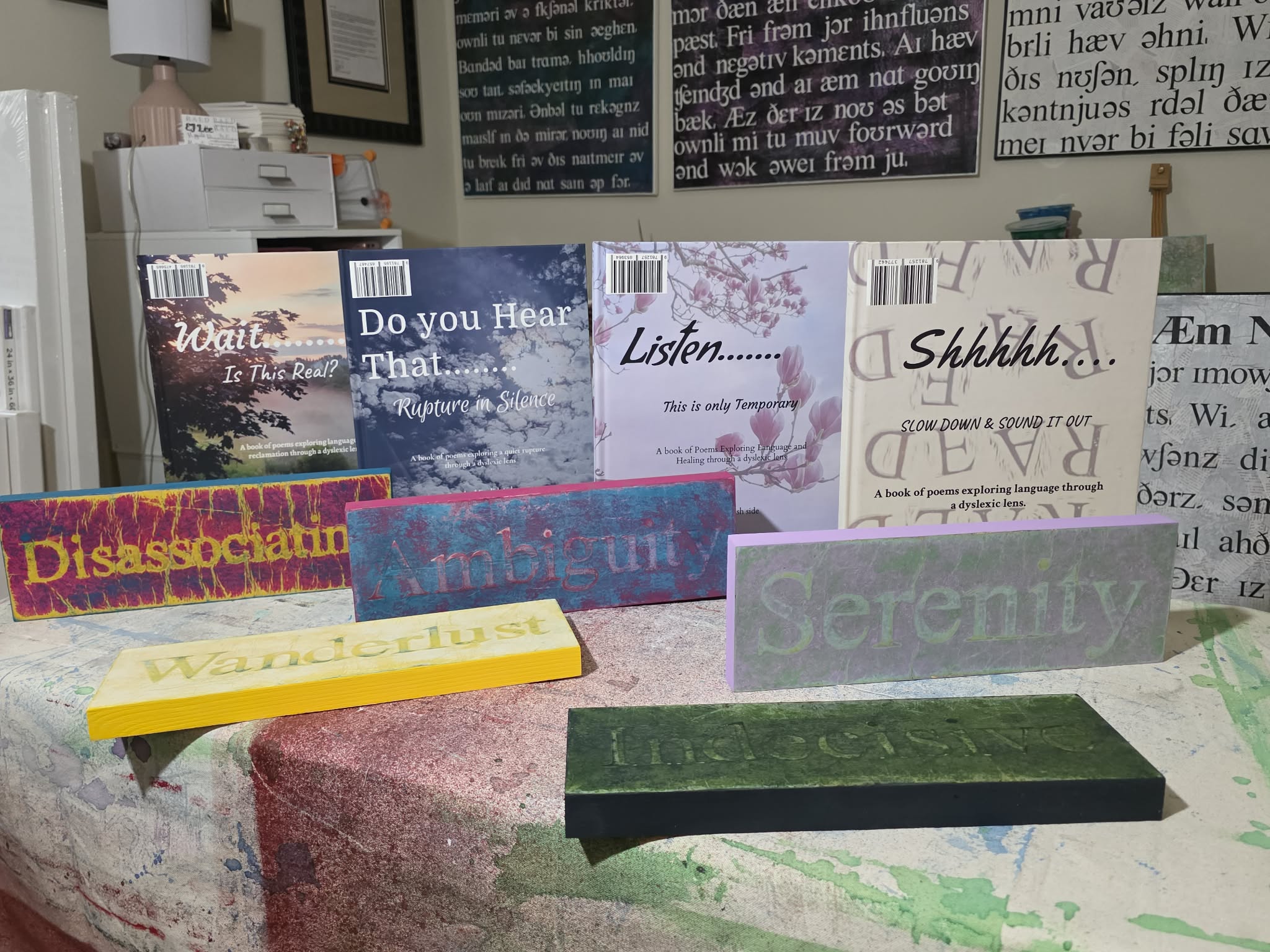
I’m most proud of my language-based work, especially the four chapbooks I’ve created and self-published through Lulu: “Shhhhh……Slow Down and Sound it Out,” “Listen……This is Only Temporary,” “Do You Hear That…….Rupture in Silence,” and “Wait…..Is This Real?” Each chapbook has a different theme, but they all explore language, communication, listening, and how we process information visually.
I see the chapbooks as an extension of my larger practice. They are more experimental published art objects than traditional poetry books. Each one is a collection of poems written in both Standard English and the International Phonetic Alphabet (IPA), with a sound key in the middle. The poems are in the same order on both sides, so the reader has to physically flip the book to move between the two versions.
That physical interaction is important to me because I am once again asking the reader to struggle a little and flip the book multiple times. I’m interested in what happens when language is interrupted or becomes difficult to access, and how we try to make meaning from it anyway. The chapbooks give me a way to experiment with the traditional reading experience while bringing together writing, visual art, and the physical form of the book. They grew out of my experience with dyslexia, but have become their own part of my practice.
Are there any books, apps, podcasts or blogs that help you do your best?
A lot of my inspiration also comes from my own lived experiences, but I do a lot of research as well. Part of that research is making sure an idea hasn’t already been done in the same way and looking at how other artists have approached similar ideas. I’m not looking to copy what someone else has done, but I want to understand what has already been explored so I can figure out where I can take an idea differently.
I really enjoy learning new skills and figuring out how I can bring them into my practice. Sometimes learning a new process or material completely changes how I think about a work. For me, learning and experimentation are a big part of how I develop my work.
The main tools I use are Google and YouTube as ways to research and learn. When I’m working, I usually listen to instrumental music because lyrics can be distracting. A lot of my best ideas come from that combination of personal experience, research, learning, and experimenting in the studio.
Contact Info:
- Website: https://www.ejleesartwork.com
- Instagram: https://www.instagram.com/ejleesartwork/
- Facebook: https://www.facebook.com/EJsARTWORK