


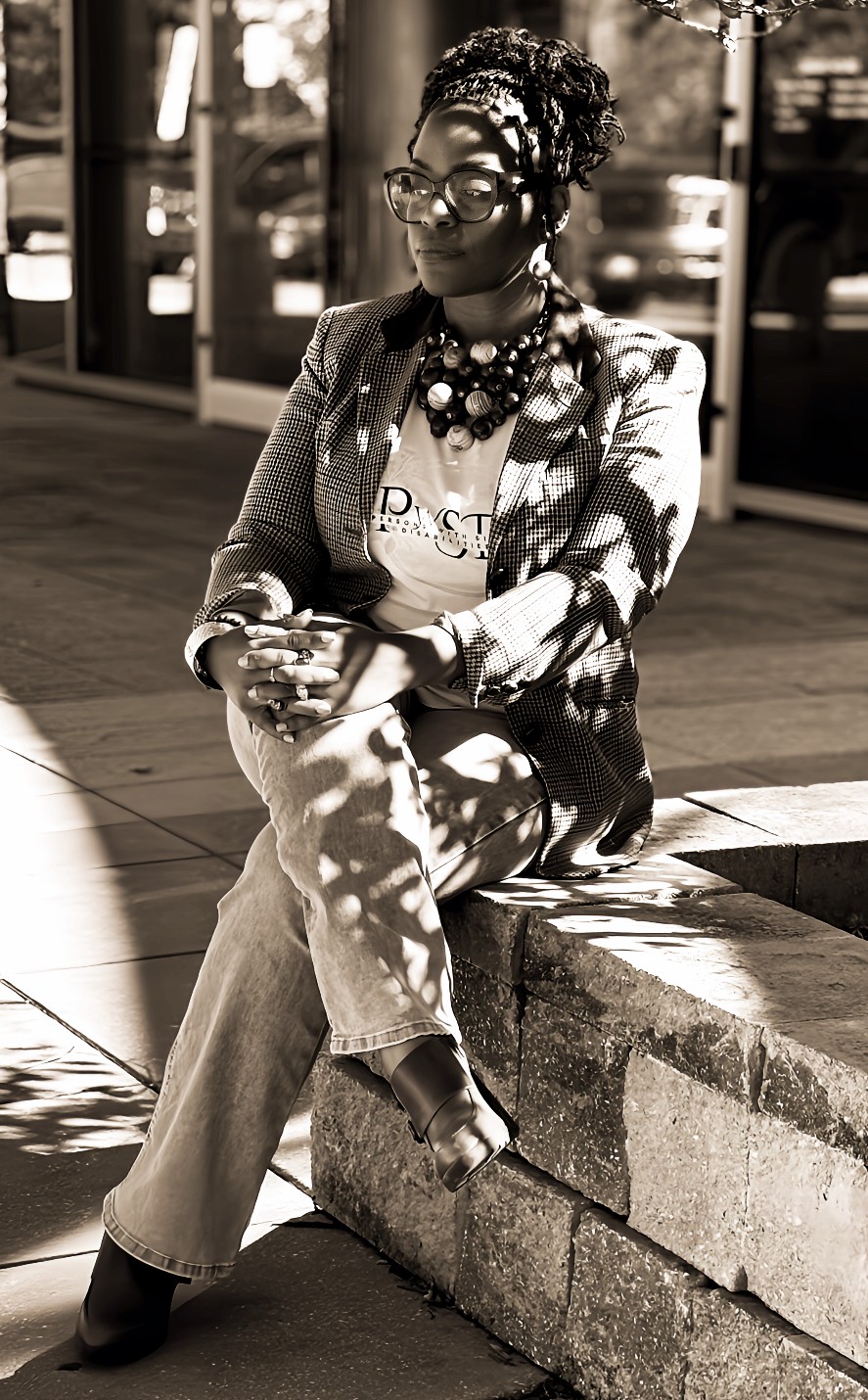
Today we’d like to introduce you to Ashley Jones.
Hi Ashley , thanks for sharing your story with us. To start, maybe you can tell our readers some of your backstory.
My journey started in childhood and continued into adulthood through years of unexplained illnesses, blood disorders, chronic pain, cognitive challenges, and repeated hospital visits that led to no clear answers. Every test seemed to come back “normal,” and every symptom was treated as though it stood alone. Deep down, I knew something more was happening, but I did not know where to turn.
As I got older, the pain intensified. By 19, I had to give up driving my stick-shift car because of the pain in my knees. A doctor told me I would probably need a knee replacement before most people would even begin considering one. That was my first real wake-up call. Still, I pushed through. I finished school, built a career, raised a family, and did everything I could to keep up. Because I looked fine on the outside, I convinced myself that I was fine, this is considered masking. But inside, I was fighting a constant battle with physical pain, fatigue, cognitive challenges, and the emotional weight of not always being believed or understood. One of my hardest lessons came while working within the very healthcare system I believed was designed to care for and protect people. I had an amazing team and department filled with people who genuinely cared about me and supported me in every way they could. However, my circumstances were bigger than all of us.
After exhausting my FMLA leave, I learned that my employer did not offer short-term disability coverage. There was only long-term disability, and my claim was denied because my illness was considered a preexisting condition.
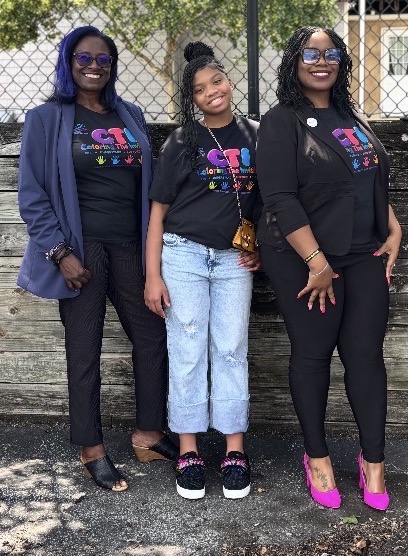
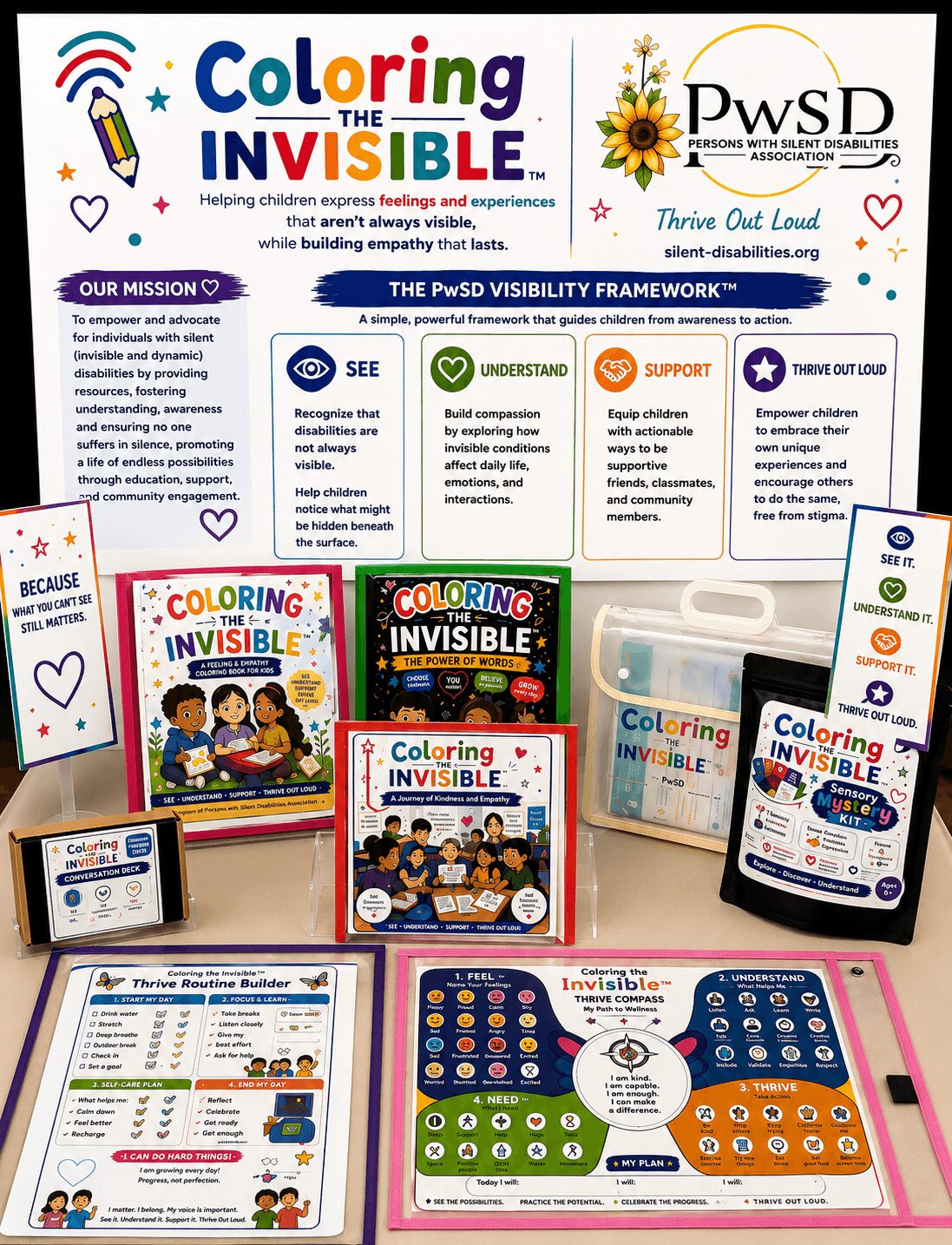
I remember asking myself, “What happens to people like me, people who are too sick to function at full capacity but not considered disabled enough to qualify for help?” That experience broke me in a different way. It was no longer only physical pain. It became emotional and mental pain rooted in lack of support. The message I received was that if you did not look disabled, your suffering could be overlooked or diminished. The phrase “disabled but not disabled enough” became my truth and eventually my mission. My professional background in healthcare gave me insight into how systems operate, but my lived experience showed me where those systems often fall short. I realized that if navigating healthcare, employment protections, and support services was this difficult for me, even with my healthcare knowledge, it had to be overwhelming for countless others. That realization inspired me to establish Persons with Silent Disabilities Association. I wanted to create the kind of organization I needed during my own journey, a place where people living with invisible and dynamic conditions could feel seen, understood, supported, and connected to practical resources. As we listened to individuals and families, our work expanded to include resource navigation, education and awareness, community support, workplace training, and Coloring the Invisible™, our children’s arts and awareness initiative. Through creativity and meaningful conversation, Coloring the Invisible™ helps children explore emotions, develop empathy, and understand that everyone may be carrying experiences we cannot see. This journey inspired me to start a Doctor of Human Services degree program. I want to deepen my understanding of the systems, policies, and human-services challenges affecting people with invisible and dynamic disabilities. Through research, advocacy, and program development, I hope to help create more responsive and equitable systems so people are no longer left feeling “disabled but not disabled enough” to receive the support they need.
Today, I am using my lived experience, professional background, and education to build an ecosystem of programs, tools, and partnerships. What began as my personal struggle has grown into a broader mission to ensure that others do not have to suffer in silence and that every person has the opportunity to Thrive Out Loud.
Can you talk to us a bit about the challenges and lessons you’ve learned along the way. Looking back would you say it’s been easy or smooth in retrospect?
I wish I could say yes, but it has certainly not been an easy road. I am still fighting for accommodations, access, and the support I need. There is a cycle within healthcare and human services that can make support incredibly difficult to access. You may be too sick to work consistently, yet not considered disabled enough to receive assistance. Without that assistance, it becomes even harder to stabilize your health, finances, and daily life.
I eventually had to leave my clinical research position, and I have not returned to traditional employment since. It was not because I could afford to stop working, but because my health made it impossible to continue in the same capacity. That decision came with significant financial and personal challenges.
At the same time, I found purpose in my experience. I gathered every resource, relationship, and skill I had and began building Persons with Silent Disabilities Association. We are still largely operating through volunteer service, without consistent funding or paid staff, but the need for this work does not disappear simply because the resources are limited.
Aside from finances, one of my greatest challenges is the unpredictable nature of my condition. There are periods when I can accomplish a great deal, followed by periods when my symptoms intensify and I lose valuable time. I have had to learn how to lead while honoring the reality of a dynamic disability, which means adjusting timelines, asking for help, and giving myself grace when my body requires me to pause.
The road has not been smooth, but every barrier has reinforced why this work matters. I understand what it feels like to need support while also being expected to prove that your need is real. That experience continues to shape how I lead PwSD and strengthens my commitment to creating a more understanding and accessible path for others.
Great, so let’s talk business. Can you tell our readers more about what you do and what you think sets you apart from others?
Persons with Silent Disabilities Association (PwSD) is a nonprofit organization dedicated to empowering and advocating for individuals and families affected by silent, invisible, and dynamic disabilities. These conditions may not always be visible to others and can fluctuate over time, yet they can significantly affect a person’s health, education, employment, relationships, and daily life.
Our work centers on helping people feel seen, understood, supported, and empowered to Thrive Out Loud. We provide education and awareness, resource navigation, community support, workplace training, practical tools, and children’s engagement programs. Our resource navigation services help individuals and families identify appropriate community, healthcare, financial, legal, and social-service resources while determining their next steps.
What sets PwSD apart is that our work is shaped by both professional expertise and lived experience. We understand that people often need more than a list of referrals. They need someone to listen, recognize the full picture, and help them navigate systems that can feel fragmented and overwhelming. We also recognize the difficult space many people occupy when they are significantly affected by their condition but are still considered “not disabled enough” to qualify for meaningful support.
Brand-wise, I am most proud of Coloring the Invisible™, our interactive children’s arts and awareness initiative. It uses creativity, reflection, and conversation to help children explore emotions, communicate experiences they may not have words for, develop empathy, and understand that everyone may be carrying something we cannot see. The program is designed for all children, not only those with a diagnosed disability, because emotional awareness, empathy, and inclusive communication benefit every child.Simply because every child has an invisible experience.
PwSD is building more than a collection of programs. We are creating an ecosystem of education, resources, creative tools, and community partnerships that supports people across different stages of life. We are still a growing, volunteer-led organization, but we are deeply committed to responding to real needs and developing practical solutions with the communities we serve.This is so much bigger than us and we are looking forward to continued growth.
What I most want readers to know is that a person should not have to prove their pain before they are treated with dignity. Invisible does not mean insignificant, and support should not begin only after someone reaches a crisis. PwSD exists to help create a world where understanding comes before judgment and where no one has to suffer in silence.
Where do you see things going in the next 5-10 years?
Over the next five to ten years, I believe we will see greater recognition of invisible and dynamic disabilities across healthcare, education, and the workplace. There is already a growing understanding that disability is not always visible or consistent and that support should be based on a person’s needs rather than appearance alone.I also expect a stronger focus on early education, inclusive workplace practices, personalized resource navigation, and technology that makes support easier to access. Organizations will be challenged to move beyond awareness and create practical policies, tools, and environments that allow people to participate fully. For PwSD, this creates an opportunity to help shape that shift through education, creative programming, strategic partnerships, and solutions grounded in lived experience. Our goal is to remain responsive, innovative, and focused on ensuring that people with silent disabilities are included in the conversations and systems that directly affect their lives
Contact Info:
- Website: https://silent-disabilities.org