


Today we’d like to introduce you to Effy Liu.
Hi Effy, we’re thrilled to have a chance to learn your story today. So, before we get into specifics, maybe you can briefly walk us through how you got to where you are today?
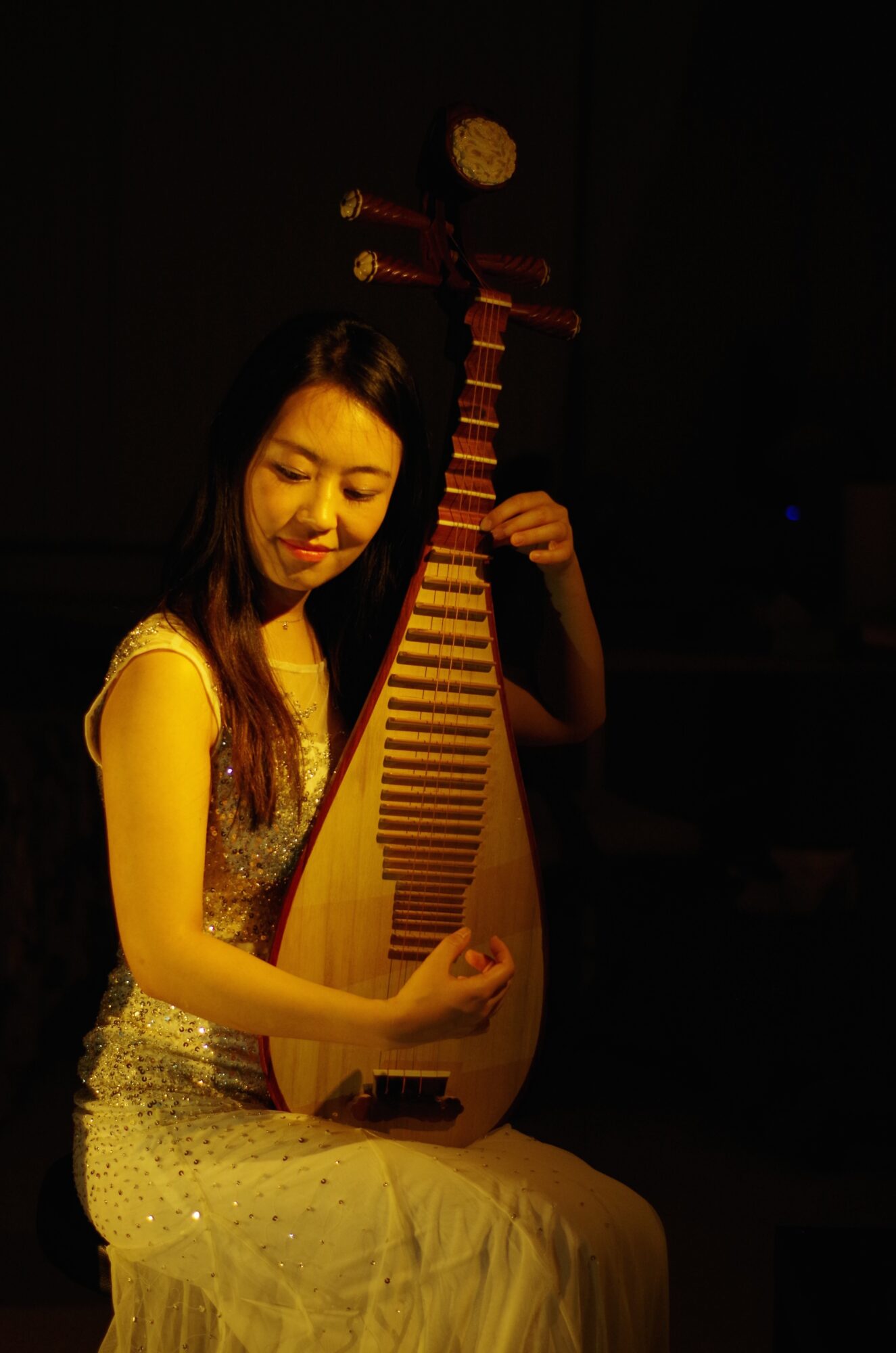
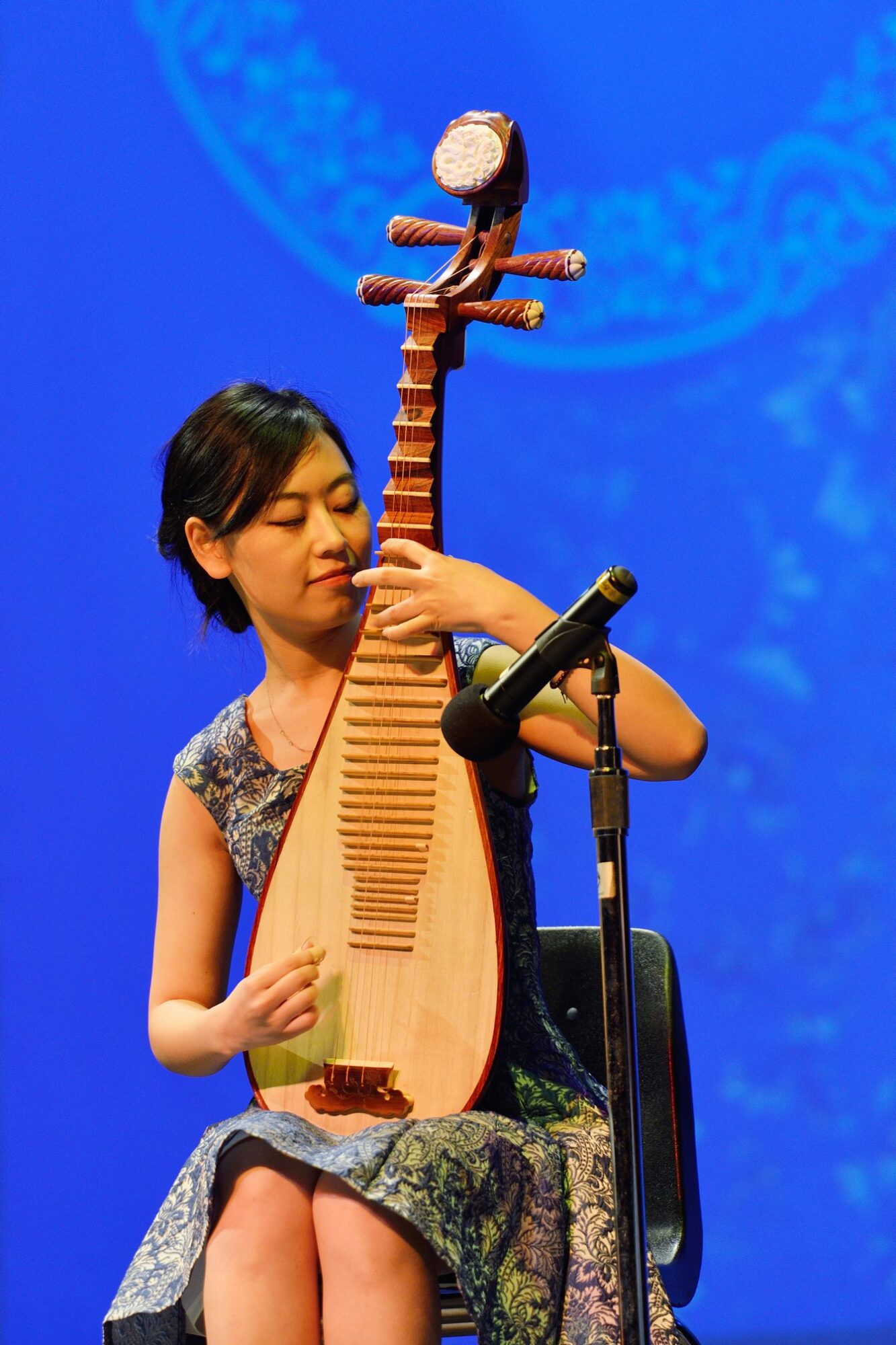
I started learning the 琵琶 pipa when I was a child. One day, my parents took me to a traditional Chinese music concert, and I was immediately captivated by the beautiful performer sitting center stage with a pipa in her arms. She looked so elegant and confident. From that moment on, I knew I wanted to play the pipa.
My first teacher was Zhu Shan, the principal pipa performer of the Mei Lanfang Peking Opera Troupe. She had a tremendous influence on me. She was young, passionate, and incredibly encouraging. We developed a close relationship, and her passion for music inspired me to fall in love with the pipa.
As my skills progressed, I began studying with her father, Mr. Zhu Jianhui, a third-generation successor of the renowned Wang School of Pipa. Mr. Zhu’s teaching standard is very high, but under his guidance I made progress very fast. He helped me develop strong technique, disciplined practice habits, and a solid foundation that continues to support my playing today.
Later, I had the privilege of studying with Professor Zhang Qiang of the Central Conservatory of Music, widely regarded as the top one influential pipa masters in China. Professor Zhang taught me that great music is about much more than technical excellence. The true purpose of performance is to communicate emotion and tell a story. His mentorship transformed the way I approached music and performance.
During this period, I earned several competition gold medals, received the National A-Level Artistic Talent designation from China’s Ministry of Culture, won the Gold Prize at the Beijing National Instrumental Music Competition, became a certified member of the Dachuan Chinese National Music Ensemble, and was honored as the Lifetime Honorary Artistic Director of North China University of Technology.
After high school, I moved to Tennessee for college. For the first time, I found myself sharing Chinese music with people from completely different cultural backgrounds. The pipa became a bridge that helped me make friends and connect with others. My friends introduced me to instruments such as the banjo and guitar and cello, and we often played music together. It was then that I truly realized that music is a universal language.
Later, I moved to Washington, D.C. to attend The George Washington University. Living in the nation’s capital opened the door to many exciting performance opportunities. I became increasingly involved in cultural exchange programs, competitions, and international performances.
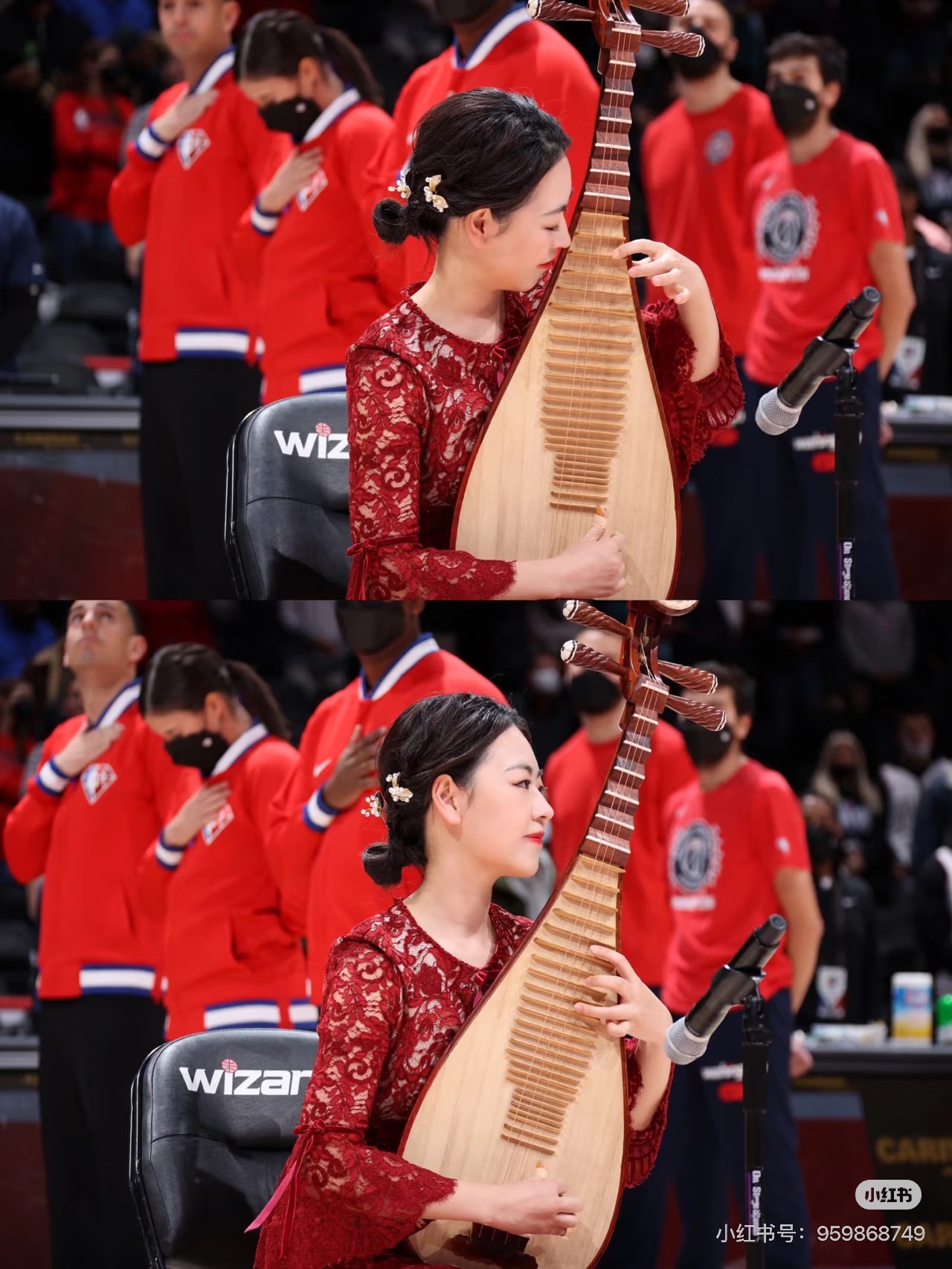
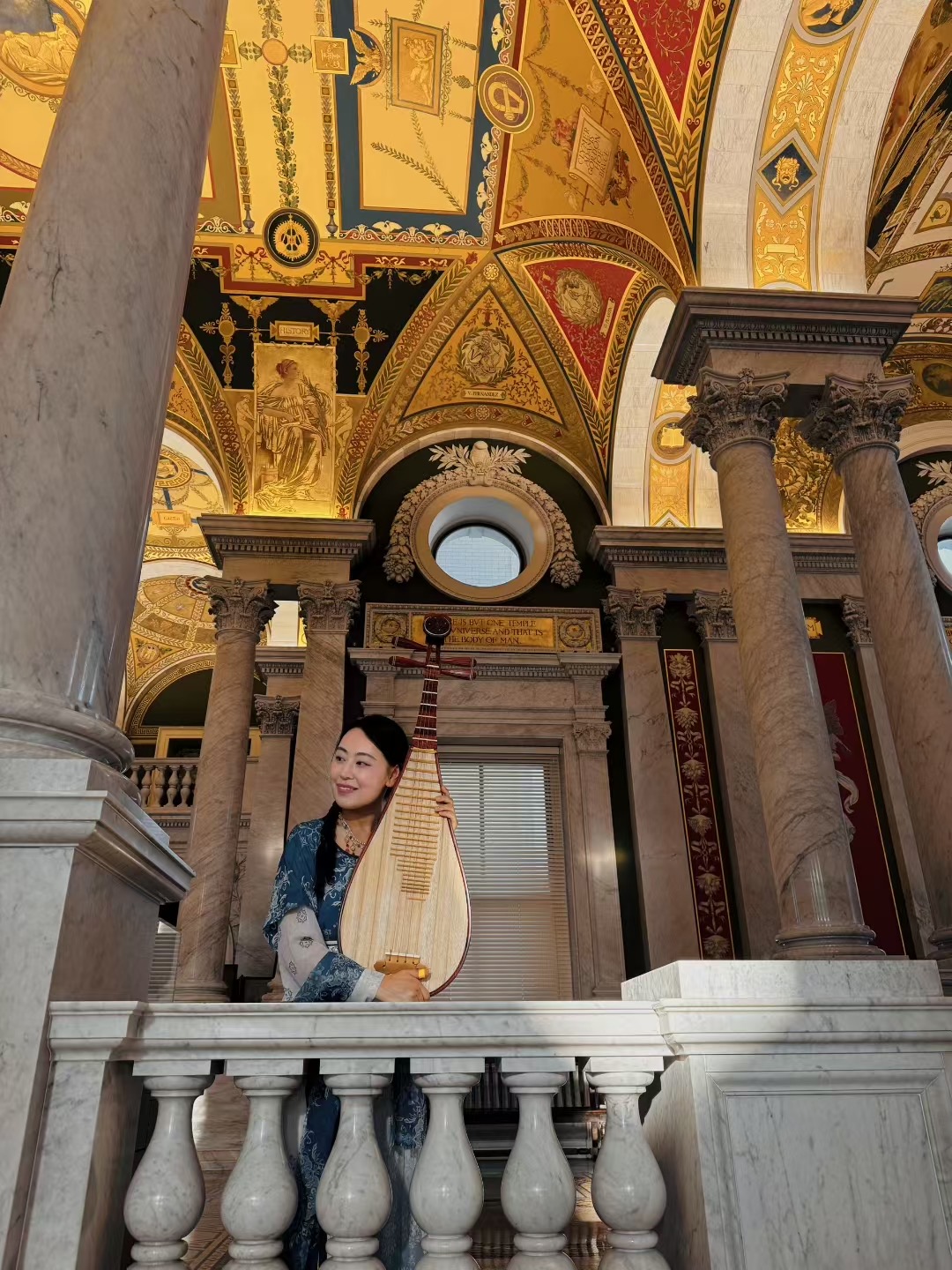
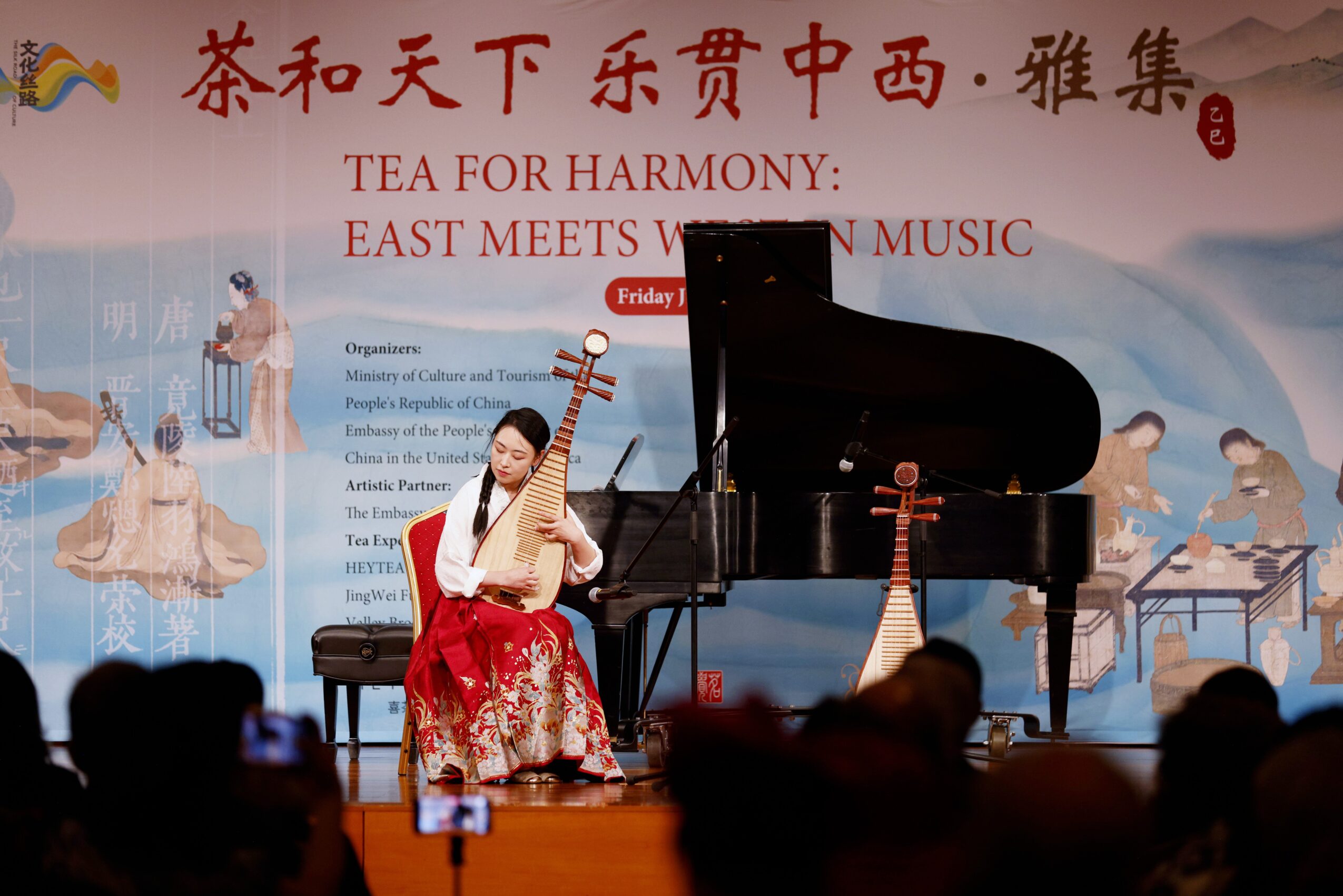
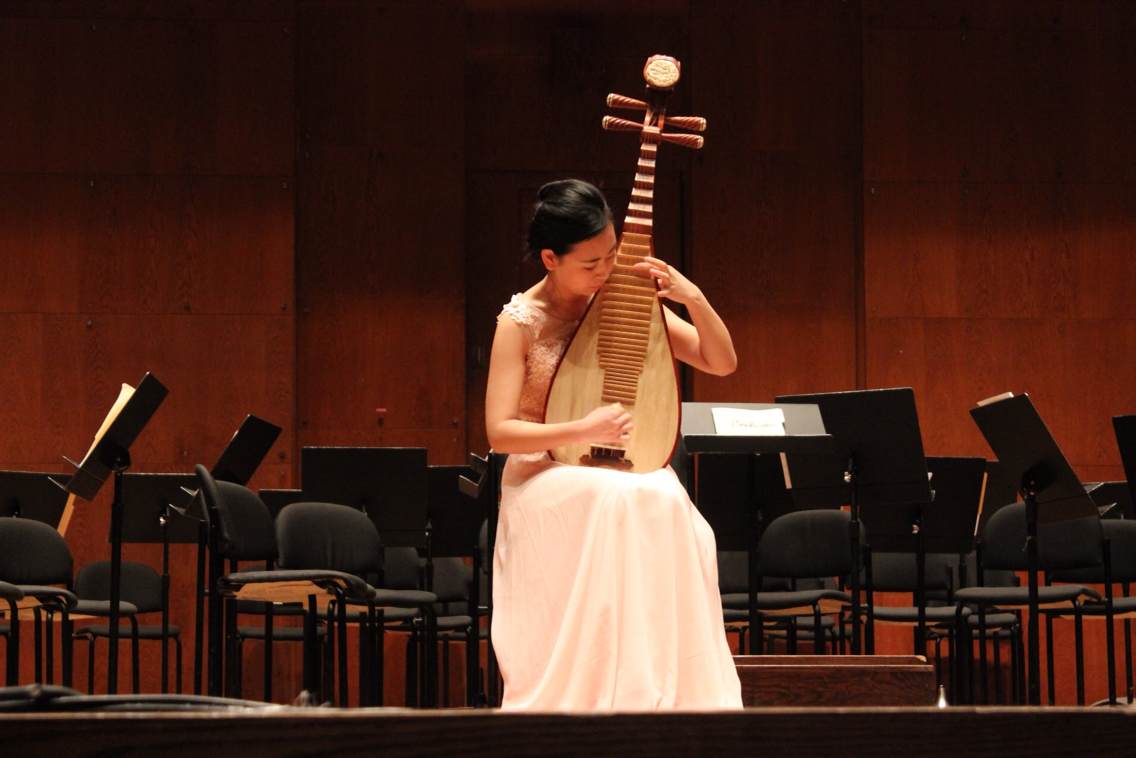
Over the years, I have been fortunate to receive Gold Awards in two consecutive editions of the Chinese Intangible Cultural Heritage Tour of the United States Competition. I have performed at prestigious venues including the Kennedy Center, Lincoln Center in New York, the Library of Congress, NBA opening ceremonies, and events hosted by Chinese embassies and consulates throughout the United States. My performance videos on YouTube have accumulated more than five million views, allowing me to share the beauty of Chinese music with audiences around the world.
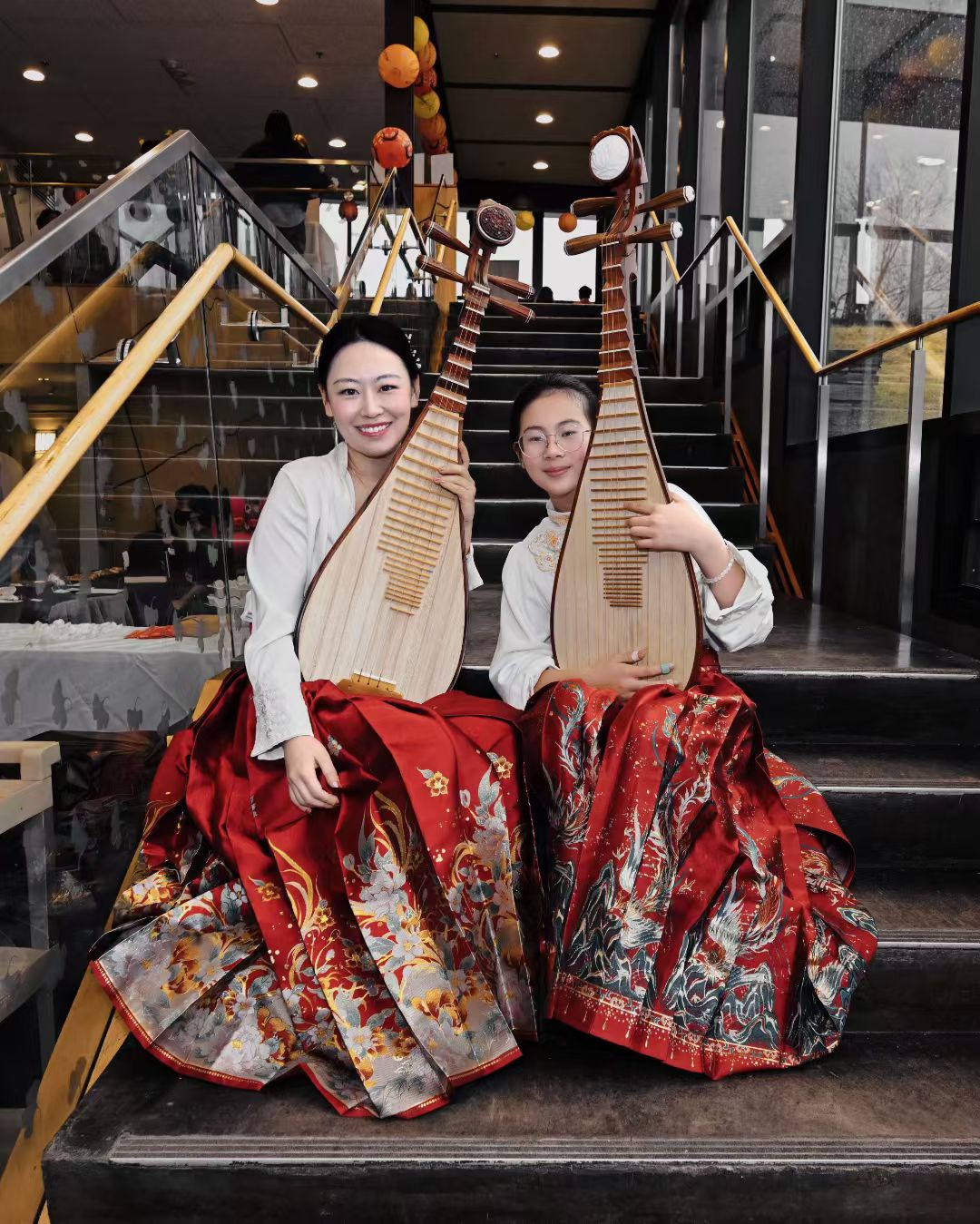
Today, one of my greatest joys is teaching the next generation of musicians. Watching my students perform on major stages and develop confidence through music is incredibly rewarding. I am proud not only of my own performances, but also of the role I play in bringing Chinese culture to the United States and helping it thrive here.
When I see American audiences connecting with the pipa, or when I watch my students embrace this centuries-old instrument as their own, I feel that everything I have done are very meaningful. Preserving and passing on one of the most beautiful parts of Chinese culture is not just my profession—it is my passion, and one of the most meaningful things I can contribute to the world.
We all face challenges, but looking back would you describe it as a relatively smooth road?
Like every musician, I experienced moments when practicing felt overwhelming and progress seemed impossible. When I was younger, I was preparing for China’s highly competitive National A-Level Artistic Talent examinations, and the pressure was intense. At the time, I often told myself, “Once the exams are over, I’m done with the pipa.”
And in fact, I did step away from the instrument for a year.
Looking back now, I realize that taking a break was completely okay. That period gave me time to slow down, reflect, and understand why I played the pipa in the first place. I discovered that music was never really about passing exams or winning competitions. It was about expressing emotions, telling stories, and connecting with people. Once I understood that, I found my way back to the pipa on my own.
That experience has greatly influenced the way I teach today. I place a strong emphasis on communication and making lessons engaging rather than rigid or repetitive. I want my students to enjoy the learning process and develop a genuine connection with the music.
When introducing a new piece, I first help students understand where it comes from—the region, the ethnic group, and the festivals, traditions, and cultural stories connected to it. Music becomes much more meaningful when students understand the people and history behind it.
I also encourage creativity. Beyond learning notes from a book, I invite students to create their own short musical pieces, experiment with ideas, and express themselves through music. I want them to see music not as something to memorize, but as something they can make their own.
Because ultimately, learning music is not just about mastering an instrument. It is about discovering a part of yourself.
Thanks for sharing that. So, maybe next you can tell us a bit more about your work?
What I am most proud of today is not only that I have had the opportunity to perform at many major events and help more Americans learn about Chinese culture, but also that many of my students have become outstanding musicians themselves.
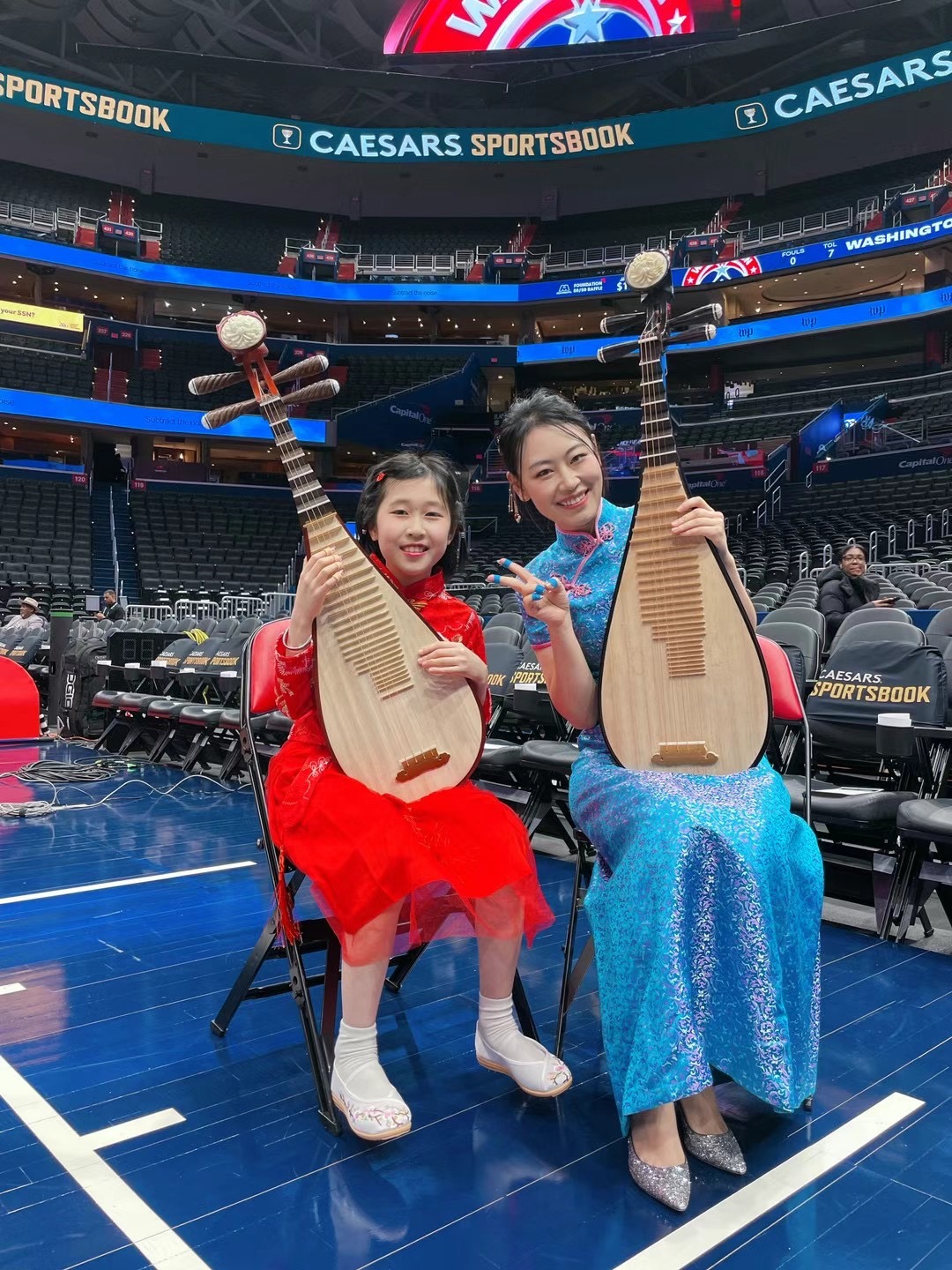
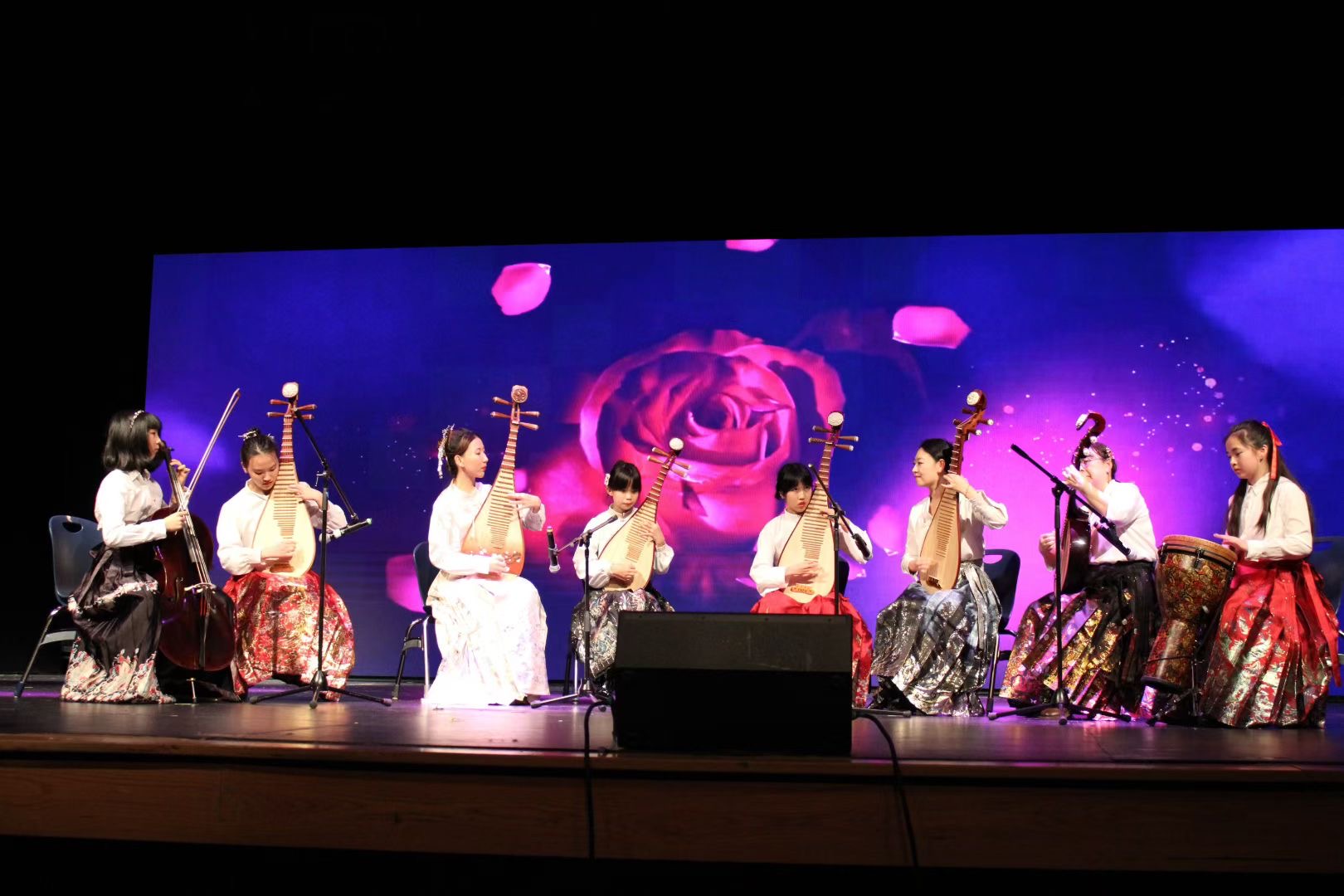
Together with my students, I have performed for the opening of an NBA Washington Wizards game, been interviewed by NBC4, and showcased our music at important venues such as the Maryland State Government and the DC Mayor’s Office.
I remember after one performance, I thanked the organizer and said, “Thank you for inviting me here.” The organizer replied, “No, thank you — for carrying forward the most beautiful part of Chinese culture.”
At that moment, I truly felt that everything I have been doing is deeply meaningful.
We’d be interested to hear your thoughts on luck and what role, if any, you feel it’s played for you?
On my journey with the pipa, my first luck was having extraordinary teachers from the very beginning. Every one of them taught me so much—not only about technique, but also about musical expression, artistry, and even how to approach life. Their influence has stayed with me for my whole life.
One example is my teacher, Professor Zhang Qiang, who remains one of the most active and respected pipa performers today. he having trained thousands of students, he continues to perform around the world, sharing the beauty of the pipa with international audiences. Through his work, he has made significant contributions to promoting cultural diversity and fostering cross-cultural understanding through music. Watching his dedication inspired me to think beyond performance itself and to see music as a way of connecting people and cultures.
My second stroke of luck has been the people I have met along the way. In China, I found a community of friends who shared my passion for traditional Chinese music, and together we formed a Chinese instrument orchestra. Later, when I moved to Tennessee, my friends there knew very little about Chinese music, but that didn’t stop us from making music together. They brought their Western instruments, and we formed a band that blended different musical traditions and backgrounds.
When I later moved to Washington, D.C., I was fortunate once again to meet wonderful friends and dedicated students who shared my love for music. Together, we have grown, learned from one another, and eventually formed the Capital Pipa Ensemble.
It is not easy for a traditional instrument like the pipa to find a home so far from its cultural roots, which is why I am continually inspired by the number of people in the United States who genuinely love and support this art form. Their enthusiasm reminds me that music can transcend language, nationality, and cultural boundaries.
I hope even more people will join us in the future. Whether you play traditional Chinese instruments, Western instruments, or are simply passionate about music, you are welcome to create, collaborate, and discover new possibilities with us. Some of the most exciting moments in music happen when different traditions, ideas, and people come together.
Contact Info:
- Website: https://effypipa.com/
- Youtube: https://www.youtube.com/@Effypipa